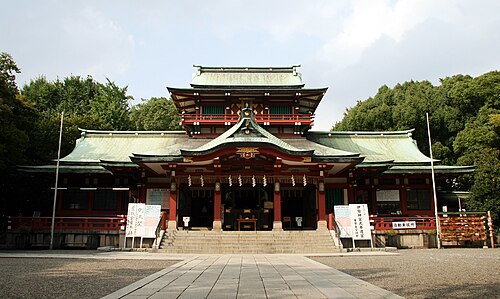
Tomioka Hachiman Shrine
富岡八幡宮
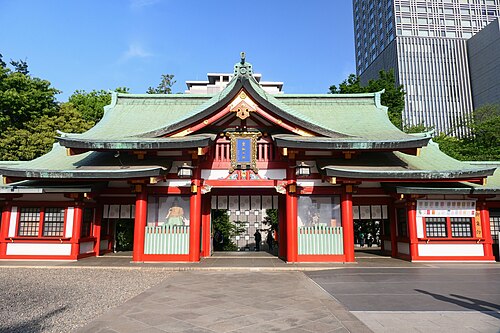
Tomioka Hachimangu is a Shinto shrine located in the Fukagawa district of Koto Ward, Tokyo. Founded in 1627, it is one of the most significant Hachiman shrines in the city.
- High
- Place of worship
City guide · Japan
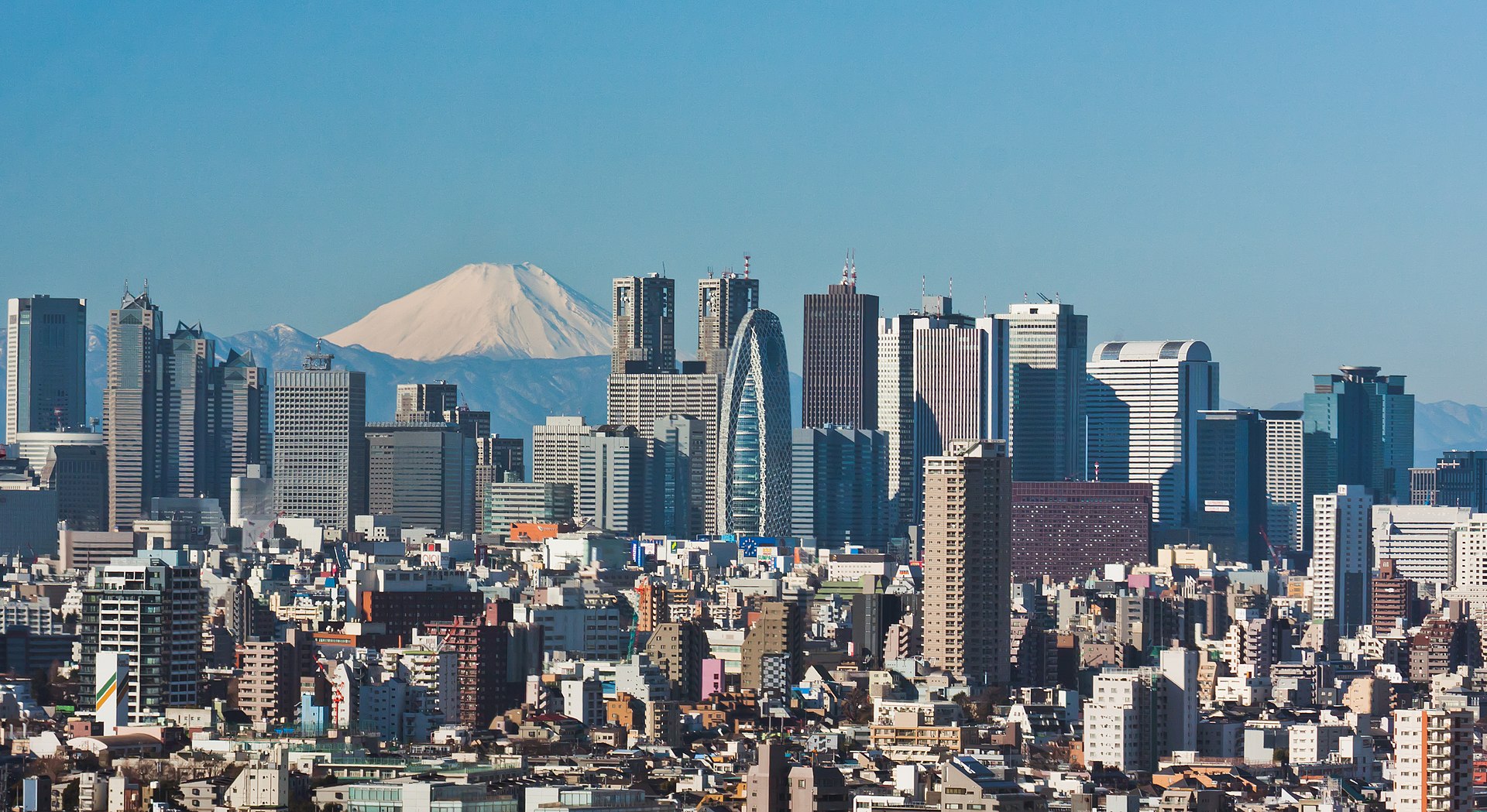
Tokyo is a network of major station districts rather than a single centre. Historic Asakusa and Ueno, commercial Ginza and Marunouchi, and the western hubs of S...
Photograph · Morio · CC BY-SA 3.0
Set your days, your pace and the hours you actually want to be out. The planner works around closing days and travel time, and leaves room to eat.
Reviewed by Elena Voss · Roavina Travel Editor
Tokyo is a network of major station districts rather than a single centre. Historic Asakusa and Ueno, commercial Ginza and Marunouchi, and the western hubs of Shinjuku and Shibuya each work as separate sightseeing clusters. Rail makes movement reliable, but large stations and cross-city transfers consume time. A good itinerary stays on one side of the city for half a day and uses the Yamanote loop, subway lines and through-running rail services to connect clusters.
Checked 2026-08-26
September · September in Tokyo has JMA's 1991–2020 Kanto normal of 1.2 typhoon approaches. This is a route-planning risk, but the local monthly normal is below a severe-disruption threshold; the month remains NEUTRAL with a weather fallback.
Ranked by importance — sitelinks, pageviews and heritage status, not editor preference.
96 places match
Category
Typical visit duration
Interests
富岡八幡宮
Tomioka Hachimangu is a Shinto shrine located in the Fukagawa district of Koto Ward, Tokyo. Founded in 1627, it is one of the most significant Hachiman shrines in the city.
愛宕神社
Atago Shrine is a Shinto shrine located in the Minato ward of Tokyo, Japan. The shrine sits atop Atago Hill, which rises approximately 26 meters above sea level, making it one of the highest natural points in central Tokyo.
日枝神社
Hie Shrine is a Shinto shrine located in the Nagatacho district of central Tokyo, near the National Diet Building.
仲見世商店街
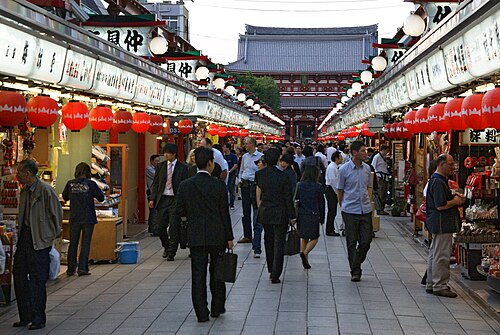
Nakamise Shopping Street is one of Tokyo's oldest and most visited shopping thoroughfares, stretching approximately 250 meters from Kaminarimon Gate to the second gate of Sensoji Temple in Asakusa.
合羽橋
Kappabashi Kitchen Street, known locally as かっぱ橋道具街, is a specialized commercial district in Tokyo dedicated to restaurant supply and kitchenware. The street stretches approximately 800 meters and hosts numerous shops selling professional-grade cooking equipment, tableware, food replicas, and culinary tools.
Takeshita Street is a narrow pedestrian shopping street in Harajuku, running from the area beside Harajuku Station toward the northern end of Omotesando. The street is known for youth fashion, accessories, cosmetics, novelty goods, crepes and quick-service food.
中野ブロードウェイ
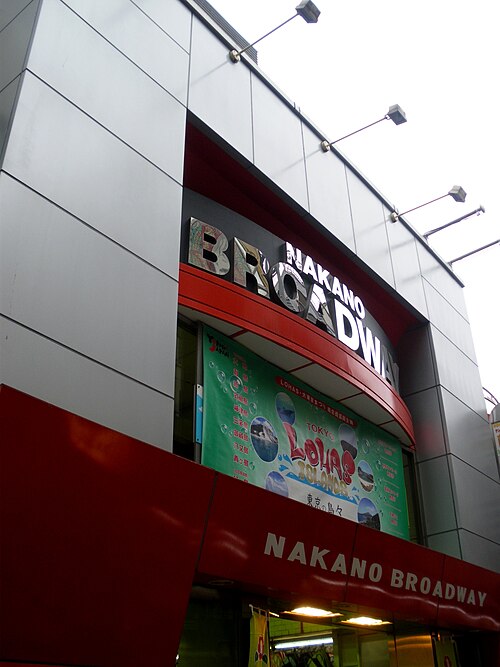
Nakano Broadway is a covered shopping complex in Nakano, Tokyo. It opened in 1966 and has become widely known as a destination for subculture enthusiasts, particularly those interested in anime, manga, and collectibles.
神田古書店街
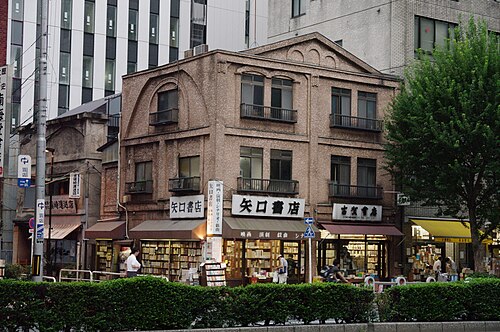
Jimbocho Book Town, known locally as 神保町古書店街, is a historic district in central Tokyo renowned for its dense concentration of antiquarian bookstores. The area has served as Japan's preeminent center for used and rare books since the early twentieth century.
豊洲市場
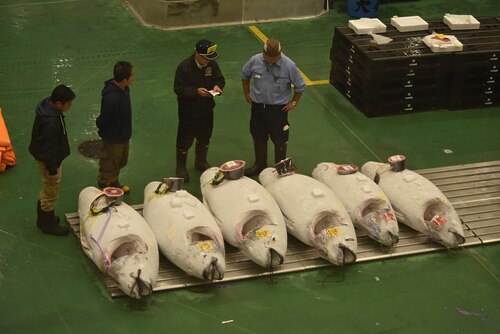
Toyosu Market is Tokyo's principal wholesale fish and seafood market, successor to the historic Tsukiji Market. The facility relocated to the artificial island of Toyosu in October 2018.
豊洲 千客万来
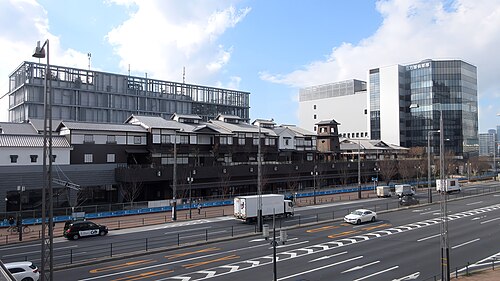
Toyosu Senkyaku Banrai is a commercial facility in the Toyosu district of Tokyo, developed in connection with the relocation of the historic Tsukiji Market. The name evokes traditional hospitality, suggesting a place welcoming many visitors.
Tokyo Character Street is a commercial attraction located in Tokyo Station's Ichibangai shopping area beneath Marunouchi. The destination features shops and displays centered on popular Japanese characters from animation, manga, and related media franchises.
思い出横丁
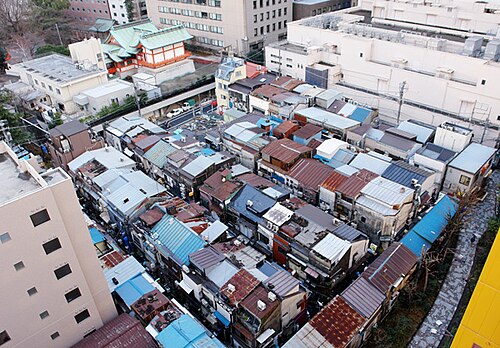
Omoide Yokocho, whose local name is 思い出横丁, is a narrow alleyway district in Tokyo known for its dense cluster of small eateries and drinking establishments.
新宿ゴールデン街
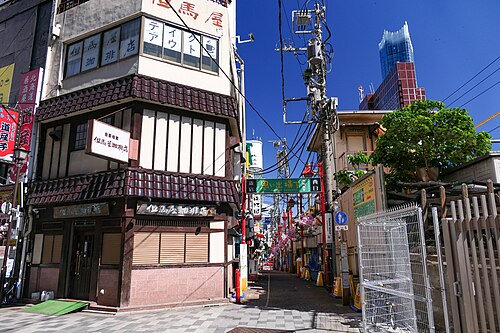
Golden Gai is a historic nightlife district in Shinjuku, Tokyo, comprising approximately six narrow alleys and over 200 tiny bars. The area developed from a black market district in post-war Japan and retains its Showa-era architectural character.
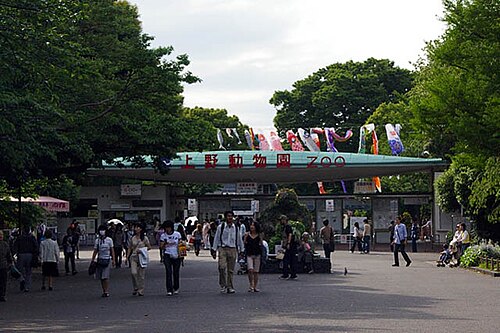
恩賜上野動物園
Ueno Zoological Gardens, known locally as 恩賜上野動物園, is a zoological garden in Tokyo. It occupies a position within Ueno Park, a major cultural and recreational district in the city.
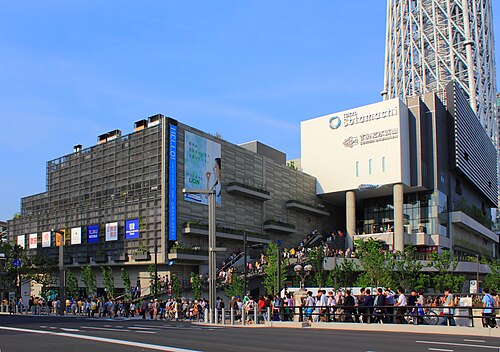
すみだ水族館
Sumida Aquarium is a contemporary urban aquarium inside Tokyo Skytree Town in Sumida Ward. It forms part of the Oshiage destination alongside Tokyo Skytree and the Solamachi shopping complex.
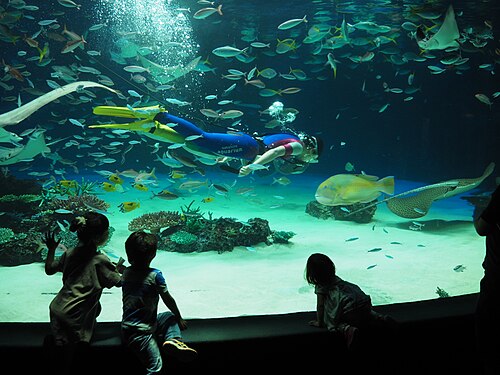
サンシャイン国際水族館
Sunshine Aquarium is an urban aquarium located within the Sunshine City complex in the Ikebukuro district of Tokyo. The facility is operated as a commercial attraction within a major shopping and entertainment destination.
マクセル アクアパーク品川
Maxell Aqua Park Shinagawa is an aquarium located in the Shinagawa district of Tokyo, Japan. The facility is known for its combination of marine exhibits with lighting and sound technology, creating immersive displays.
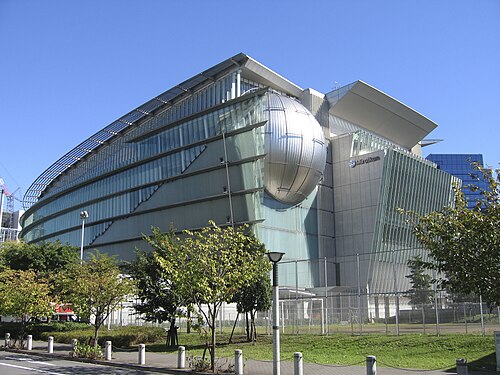
日本科学未来館
The National Museum of Emerging Science and Innovation, known locally as Miraikan, is a science museum located in Tokyo's Odaiba district.
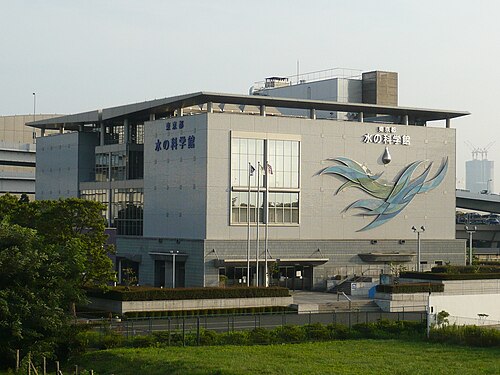
水の科学館
The Tokyo Water Science Museum is a public educational facility in Tokyo’s Koto ward operated by the Tokyo Metropolitan Government Bureau of Waterworks. It explains how water is supplied, purified, and distributed across a vast urban area.
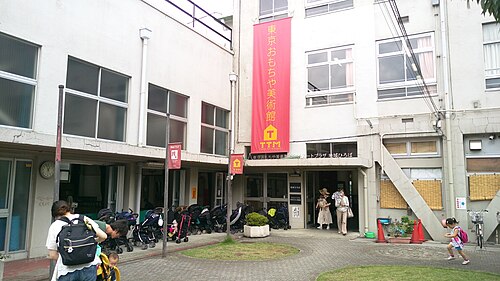
Tokyo Toy Museum, known locally as 東京おもちゃ美術館, is a specialist cultural venue centred on toys, play, craftsmanship and design.
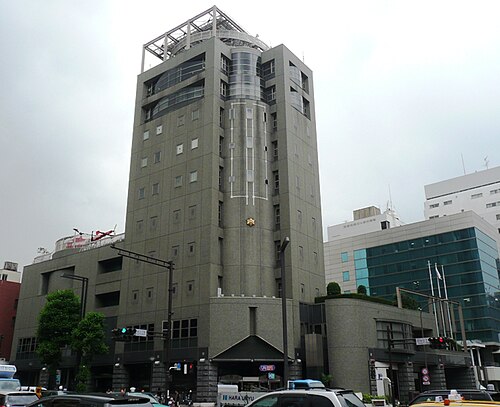
東京消防庁消防防災資料センター消防博物館
Tokyo’s Fire Museum is dedicated to firefighting history, equipment and the civic role of emergency services. Operated by the Tokyo Fire Department, it occupies a multi-storey complex connected with an active fire station.
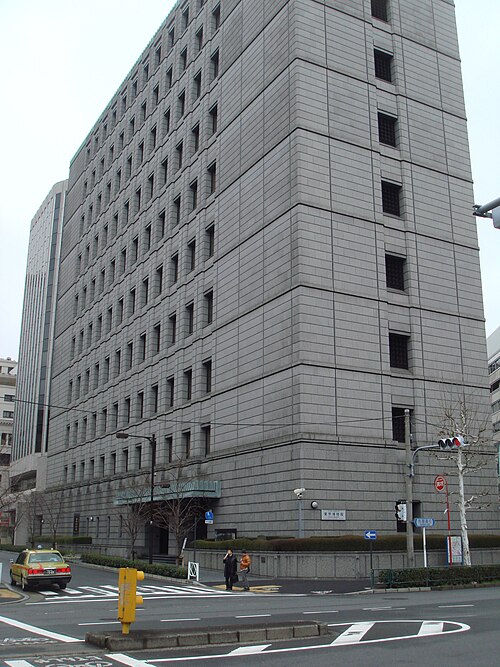
日本銀行金融研究所貨幣博物館
The Currency Museum of the Bank of Japan is a focused museum about money, collecting Japanese and international coins, banknotes, and related historical material.
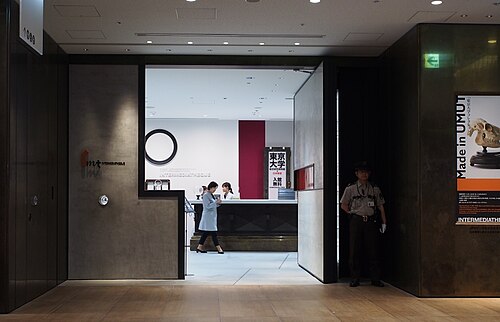
インターメディアテク
Intermediatheque is a distinctive museum and exhibition space in Tokyo, known locally as インターメディアテク. It occupies part of the Kitte building beside Tokyo Station, where a former postal setting has been adapted for contemporary public use.
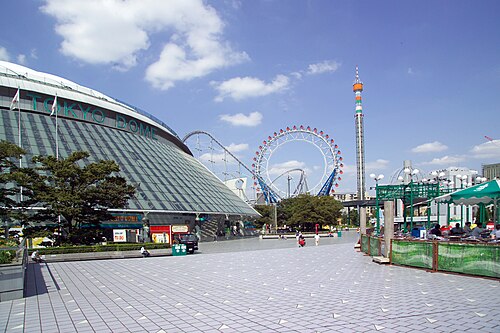
東京ドームシティ
Tokyo Dome City is a large entertainment complex in Bunkyo Ward, central Tokyo, built around the Tokyo Dome baseball stadium. The site combines sports facilities, amusement attractions, dining, shopping, and accommodation in one district.
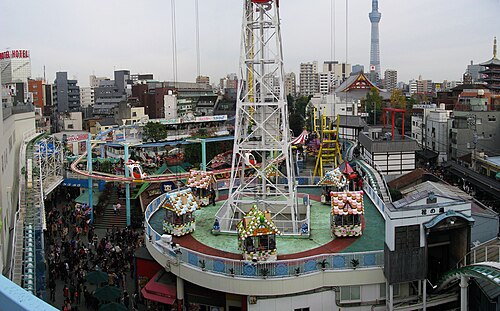
浅草花やしき
Asakusa Hanayashiki is a historic amusement park located in the Asakusa district of Tokyo. Established in the mid-19th century, it claims distinction as one of Japan's oldest surviving amusement parks.
Central Tokyo is easiest to understand as an east-west sequence. Asakusa, Ueno and Yanaka carry much of the older city; Tokyo Station, Marunouchi, Nihonbashi and Ginza form the central business and shopping core; Shibuya, Harajuku and Shinjuku anchor the west. Roppongi and Akasaka sit between those spines, while Odaiba lies across the bay. The wider metropolis extends well beyond the central wards, so Mt Takao, western Tokyo and island destinations belong to separate day plans rather than a central-city route.
Checked 2026-08-26
Use rail for nearly every cross-city journey. Tokyo Metro operates nine lines and Toei operates four subway lines, alongside JR and private railways; a rechargeable IC card removes most ticketing friction across operators. The subway alone covers more than 280 stations, but JR passes do not cover Tokyo Metro or Toei services. Trains generally stop around midnight, so late-night plans need a route check. Inside a district, walking is usually faster than making a one-stop transfer through a very large station.
Checked 2026-08-26
Five to six days suit a first visit. Four days can cover the main eastern, central and western clusters, while extra days allow slower neighbourhood exploration or a separate trip to western Tokyo.
Spring and autumn usually give the most comfortable walking weather. Peak blossom and foliage periods can be crowded, so the broader March-May and October-November windows are more useful than targeting one forecasted week.
Usually not. A rechargeable IC card is simpler because Tokyo journeys may involve JR, Tokyo Metro, Toei and private railways. A JR pass does not cover the two subway operators.
No. The official Tokyo guide notes that last trains are commonly between about 23:30 and 00:30, with first services around 05:00. Check the final connection before a late evening across town.
Pair Asakusa with Ueno, Marunouchi with Ginza, and Shibuya with Harajuku. Shinjuku can fill its own half day. Grouping nearby station districts reduces transfers through large hubs.