
19 min walk
Toyosu Market
- High
- Market
Museum · Tokyo
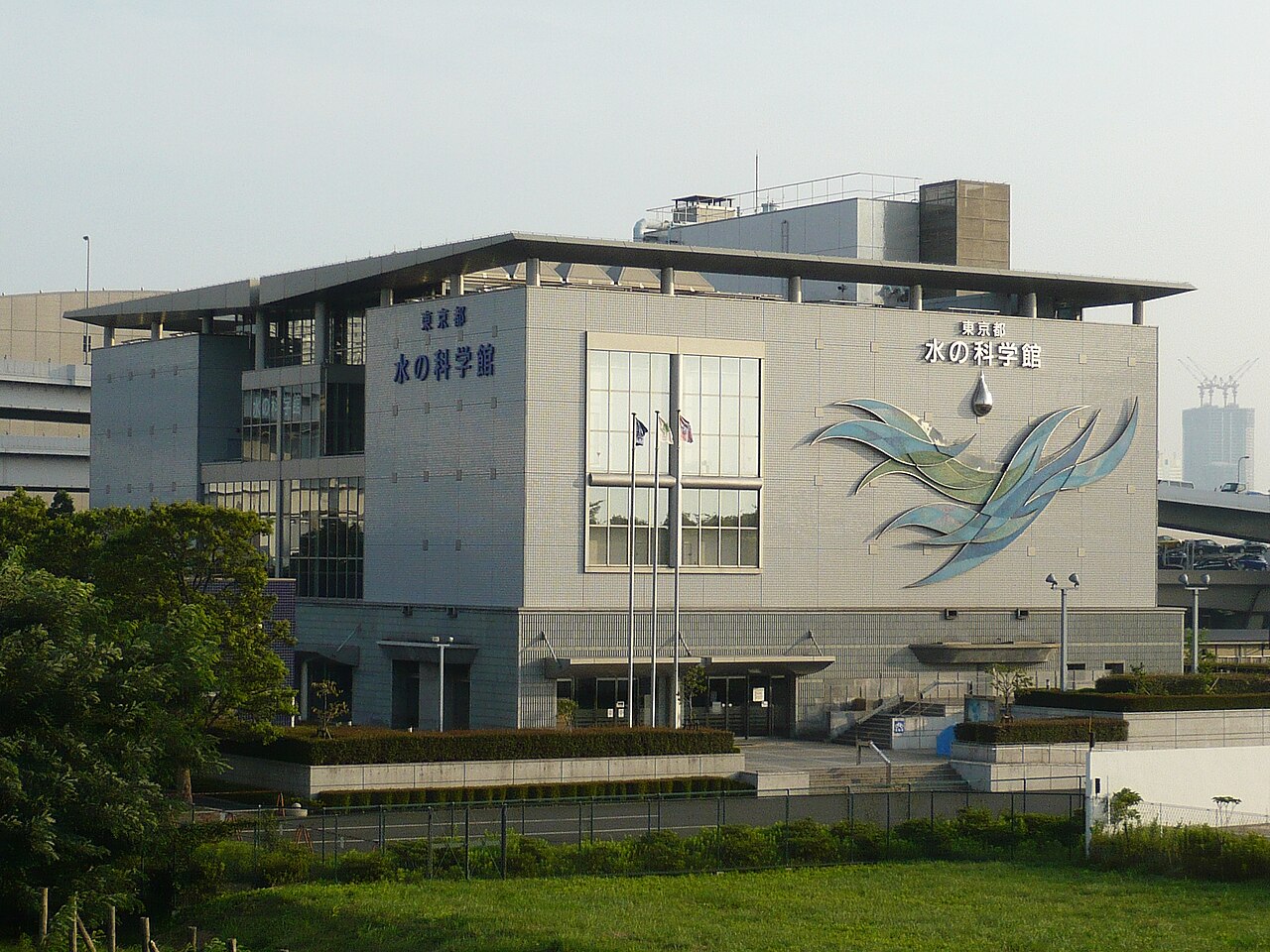
水の科学館
The Tokyo Water Science Museum is a public educational facility in Tokyo’s Koto ward operated by the Tokyo Metropolitan Government Bureau of Waterworks. It explains how water is supplied, purified, and distributed across a vast urban area. The museum offers families and curious travelers a practical look at infrastructure that usually stays invisible, turning Tokyo’s everyday water system into a subject for hands-on learning and public understanding. The Tokyo Water Science Museum is a public educational facility operated by the Tokyo Metropolitan Government Bureau of Waterworks. Located in the Koto ward area, the museum focuses on water supply infrastructure, purification processes, and the history of Tokyo's water system. The facility serves as a learning center for visitors of all ages, demonstrating how clean water reaches households across the metropolitan area. Its exhibitions aim to foster public understanding of water resource management and environmental conservation in one of the world's largest urban centers. Visitors must verify current admission fees directly through official Tokyo Metropolitan Government channels before visiting.
Checked 2026-08-26 · Source
The museum focuses on water science, purification, filtration, distribution networks, and the history of Tokyo’s water system. Interactive installations and explanatory displays help visitors follow the journey from managed water resources to household supply. The educational setting is particularly suitable for children, families, and travelers interested in engineering or environmental management. Approach the exhibits as a learning experience about city infrastructure rather than as a traditional art or history museum. The museum features interactive exhibits and displays related to water science and technology. Visitors can explore hands-on installations demonstrating water purification, filtration systems, and distribution networks. Child-friendly elements appear present based on the museum's educational mission.
Checked 2026-08-26 · Source
Set aside a focused museum visit long enough to read the explanatory material, try the interactive elements, and follow the stages of Tokyo’s water supply system. Families may move at a different pace from visitors concentrating on engineering details. The museum works well as a dedicated educational stop within an eastern Tokyo day. Allow additional time for transit and neighborhood connections because Koto ward is away from several central sightseeing clusters. Families with children may spend additional time engaging with hands-on exhibits. The duration remains variable based on reading depth, demonstration viewing, and any scheduled activities occurring during the visit.
Checked 2026-08-26 · Source
The museum is a strong option for a family day or for travelers seeking an indoor educational activity in eastern Tokyo. School holidays and weekends can make family-oriented attractions busier, while weekday school visits may affect the atmosphere inside. Consider the museum when you want a break from major landmark crowds and a subject rooted in daily life. The visit pairs naturally with other Koto ward activities rather than with a tightly packed central route.
Checked 2026-08-26 · Source
The museum is a public educational attraction operated by Tokyo’s water authority, with the visit centered on its exhibitions and learning activities. Organize your budget around transport and the rest of your Koto ward day, while keeping separate any spending connected with food or other attractions. The museum’s greatest value is the access it gives travelers to a normally hidden part of metropolitan life: purification, distribution, and responsible water management.
Checked 2026-08-26 · Source
The museum is in Koto ward in eastern Tokyo. Use the Japanese name 東京都水の科学館 when navigating, especially when asking for directions or searching local maps. The district is connected by Tokyo’s rail and bus network, but the journey from central neighborhoods can take planning. Treat the museum as a destination within an eastern Tokyo itinerary and allow time for the final walk between transit and the facility.
Checked 2026-08-26 · Source
The museum serves an educational audience, so school groups and families may shape the rhythm of the visit. Some explanations may be more useful to travelers who can read Japanese, while the interactive subject remains accessible through models and demonstrations. Keep children close around installations, move carefully through shared spaces, and respect other groups using the exhibits. Plan food and other neighborhood needs as part of the wider Koto ward outing.
Checked 2026-08-26 · Source
Photographs can capture models, filtration displays, distribution diagrams, and the museum’s hands-on learning environment. Keep cameras from obstructing interactive stations, particularly when children or school groups are using them. Avoid photographing visitors without consent and follow any signs inside the facility. A measured approach works best: take a few images of the displays, then spend time understanding the process they explain. The subject rewards observation as much as visual documentation.
Checked 2026-08-26 · Source
It explains Tokyo’s water supply, including purification, filtration, distribution networks, and the systems that bring clean water to households.
The museum is operated by the Tokyo Metropolitan Government Bureau of Waterworks as a public educational facility.
Yes. Its educational mission includes interactive water-science displays, making the subject approachable for families and children interested in how city infrastructure works.
The museum is in Koto ward in eastern Tokyo. Use 東京都水の科学館 when navigating locally or asking for directions.
Look for exhibits about purification, filtration, distribution, water resources, and the history of Tokyo’s water system, including hands-on educational installations.
Photograph models and explanatory displays without blocking interactive stations, keep visitors out of intrusive images, and follow signs inside the educational facility.
Loading the interactive map…
The interactive map could not be loaded.
Last updated:
Source: OpenStreetMap contributors, Wikidata ·