
4 min walk
Fire Museum
- High
- Museum
Language · 11 published
Museum · Tokyo
Reviewed by Elena Voss · Roavina Travel Editor
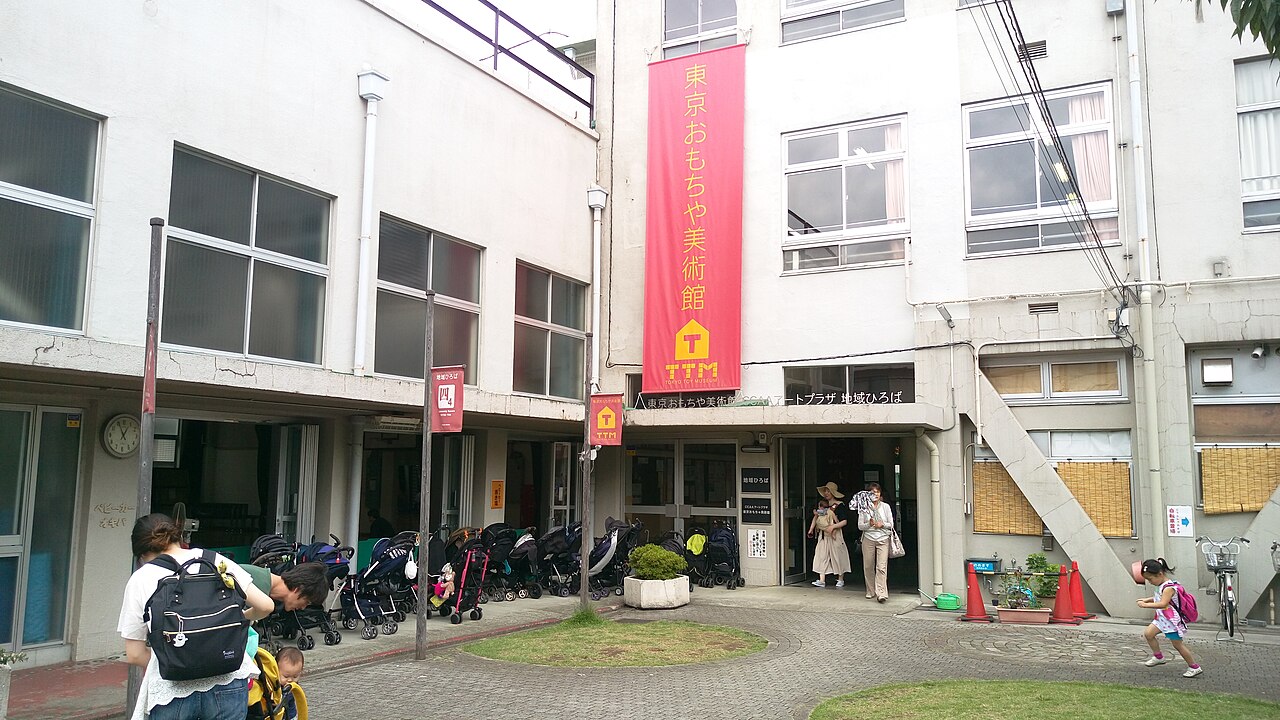
This place is a Museum. It was established in 1984.
Tokyo Toy Museum, known locally as 東京おもちゃ美術館, is a specialist cultural venue centred on toys, play, craftsmanship and design. It offers a more focused experience than Tokyo’s large general museums, making it useful for travellers who enjoy hands-on culture and the history of everyday objects. The museum’s subject connects traditional Japanese making with changing ideas about childhood, learning and creativity. Families can share the visit, while adults interested in design, material culture or Japanese craft can appreciate the displays at their own pace. Treat the museum as an intimate cultural stop rather than a monumental landmark: its appeal comes from close attention to objects and the invitation to engage with play.
Checked 2026-08-26 · Source
Inside, visitors find toy exhibitions, display areas and spaces designed around direct engagement with play objects. The collection presents toys as cultural and educational objects, linking traditional Japanese forms with contemporary approaches to design and learning. Look for contrasts in materials, scale, colour and construction, and give children time to explore rather than moving quickly from case to case. The museum’s layout supports observation as well as participation, so adults can enjoy the design details while younger visitors discover how different objects invite movement, problem-solving or imagination. The experience is strongest when everyone chooses a few objects to study closely and then compares what makes each one enjoyable or distinctive.
Checked 2026-08-26 · Source
Allow roughly one to two hours for a relaxed visit. A shorter stop works if you want a quick introduction to Japanese toys and design, while families may need longer because interactive areas reward unhurried exploration. Adults who read labels carefully or compare traditional and contemporary objects can easily spend additional time with individual displays. The museum works well as one part of a broader Tokyo day because it offers a change of rhythm from busy shopping streets, observation decks and major temples. Build a little flexibility into the surrounding plan so children can finish an activity without turning the visit into a rushed corridor walk.
Checked 2026-08-26 · Source
Choose Tokyo Toy Museum when you want an indoor cultural activity that can suit both adults and children. Indoor galleries make the destination comfortable during Tokyo’s hot, humid summer and useful on rainy days or in winter. Weekends and public holidays can feel busier, especially when families are planning outings, so a weekday visit may provide a calmer pace for looking closely at the exhibits. The museum also fits a day built around child-friendly activities, design, craft or neighbourhood wandering. Keep the rest of the itinerary flexible enough to accommodate the time your group spends playing, reading and revisiting favourite displays.
Checked 2026-08-26 · Source
Plan Tokyo Toy Museum as a focused cultural visit rather than a pass-based attraction. The experience is built around exhibitions and play, so its value comes from the time spent engaging with the displays rather than from covering a large number of rooms. Families should allow children to choose the objects and activities that interest them, while adults can concentrate on the relationship between Japanese craft, design and education. Keep payment and entry arrangements separate from the rest of your Tokyo planning, since this venue is not described as part of a general city attraction ticket. A simple, unhurried visit gives the museum its best chance to work for everyone.
Checked 2026-08-26 · Source
Tokyo Toy Museum is a city cultural stop best approached through Tokyo’s rail, subway and bus network, followed by a walk through the surrounding neighbourhood. Use the museum name in Japanese, 東京おもちゃ美術館, when reading local signs or asking for help. Allow extra time for station navigation, transfers and the final pedestrian approach, particularly if travelling with young children or a pushchair. The destination pairs naturally with a slower neighbourhood day rather than a tightly packed cross-city route. Once there, let the character of the venue guide the pace: the museum rewards arrival with enough time to explore instead of a brief photo stop.
Checked 2026-08-26 · Source
The museum combines display with play, so visitors should expect a different rhythm from a silent art gallery. Supervise children around small parts, delicate objects and shared interactive areas, and leave each activity ready for the next visitor. Busy periods may make popular play spaces feel crowded. Move carefully through exhibition areas and follow the instructions attached to individual objects. The subject is accessible even when some explanations are Japanese-led, because the toys themselves communicate through shape, material and action. A considerate visit gives children room to participate while preserving the displays for other families.
Checked 2026-08-26 · Source
Treat photography as secondary to the museum experience. The displays include objects intended for close observation and participation, so keep phones and cameras clear of play areas and other visitors. Follow signs attached to individual exhibitions and any instructions from staff. Avoid flash unless it is explicitly permitted, and do not let photographing one object interrupt children who are using an activity. The best images will usually come from carefully framed details of colour, texture and construction where photography is allowed. When a display asks for attention rather than recording, put the camera away and enjoy the object directly.
Checked 2026-08-26 · Source
It focuses specifically on toys, play, craftsmanship, design and educational engagement, giving visitors a concentrated experience of objects made for imagination and learning.
Yes. The subject and interactive approach make it a natural family stop, while adults can also explore Japanese toy culture, materials and design.
A relaxed visit generally takes about one to two hours, with longer visits possible when children spend substantial time in interactive areas or adults study the displays closely.
The museum is known locally as 東京おもちゃ美術館, a useful name when reading Japanese information or asking for directions.
Yes. Its indoor exhibition and play spaces make it a practical cultural activity when rain, summer humidity or winter weather makes extended outdoor sightseeing less comfortable.
Children should follow the instructions for each activity, handle small or delicate objects carefully, and share interactive areas considerately with other visitors.
Loading the interactive map…
The interactive map could not be loaded.
Last updated:
Source: OpenStreetMap contributors, Wikidata ·