
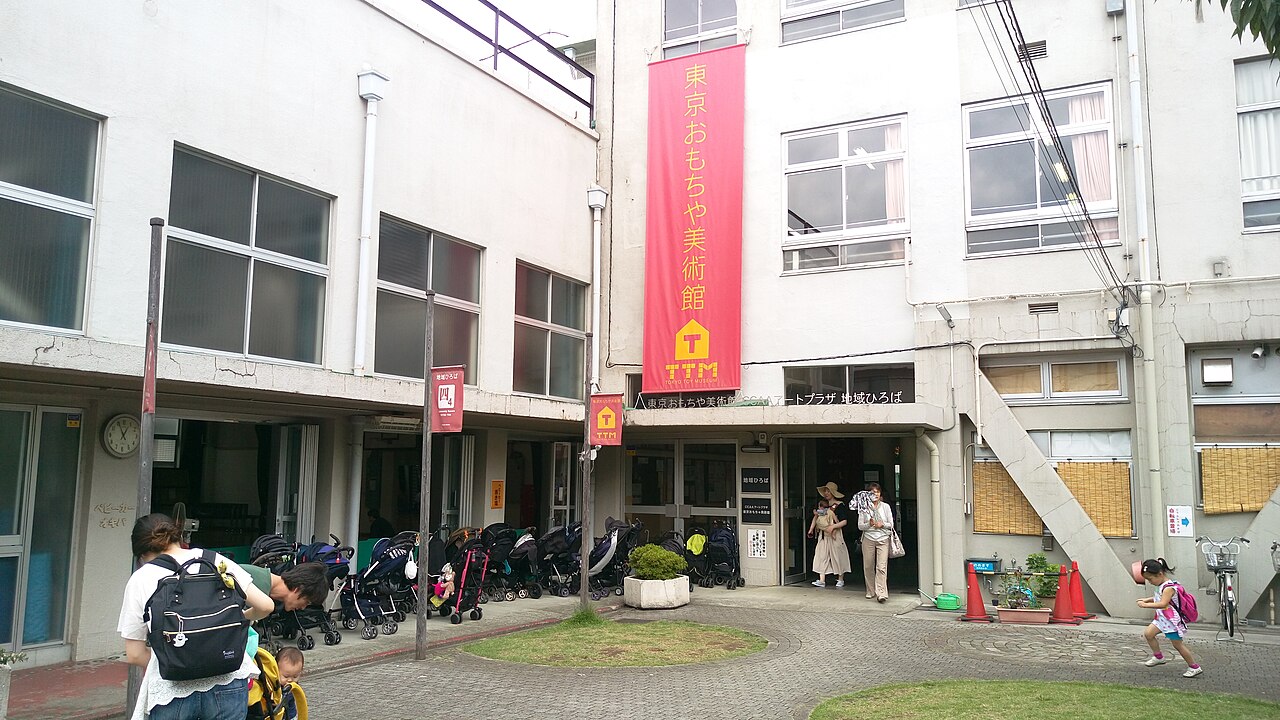
4 min walk
Tokyo Toy Museum
- High
- Museum
Language · 11 published
Museum · Tokyo
東京消防庁消防防災資料センター消防博物館
Reviewed by Elena Voss · Roavina Travel Editor
| Monday | Closed |
|---|---|
| Tuesday | 09:30 – 17:00 |
| Wednesday | 09:30 – 17:00 |
| Thursday | 09:30 – 17:00 |
| Friday | 09:30 – 17:00 |
| Saturday | 09:30 – 17:00 |
| Sunday | 09:30 – 17:00 |
Parsed from OpenStreetMap opening hours on 2026-09-09.
This place is a Museum. It opened in 1992. It is run by Tokyo Fire Department.
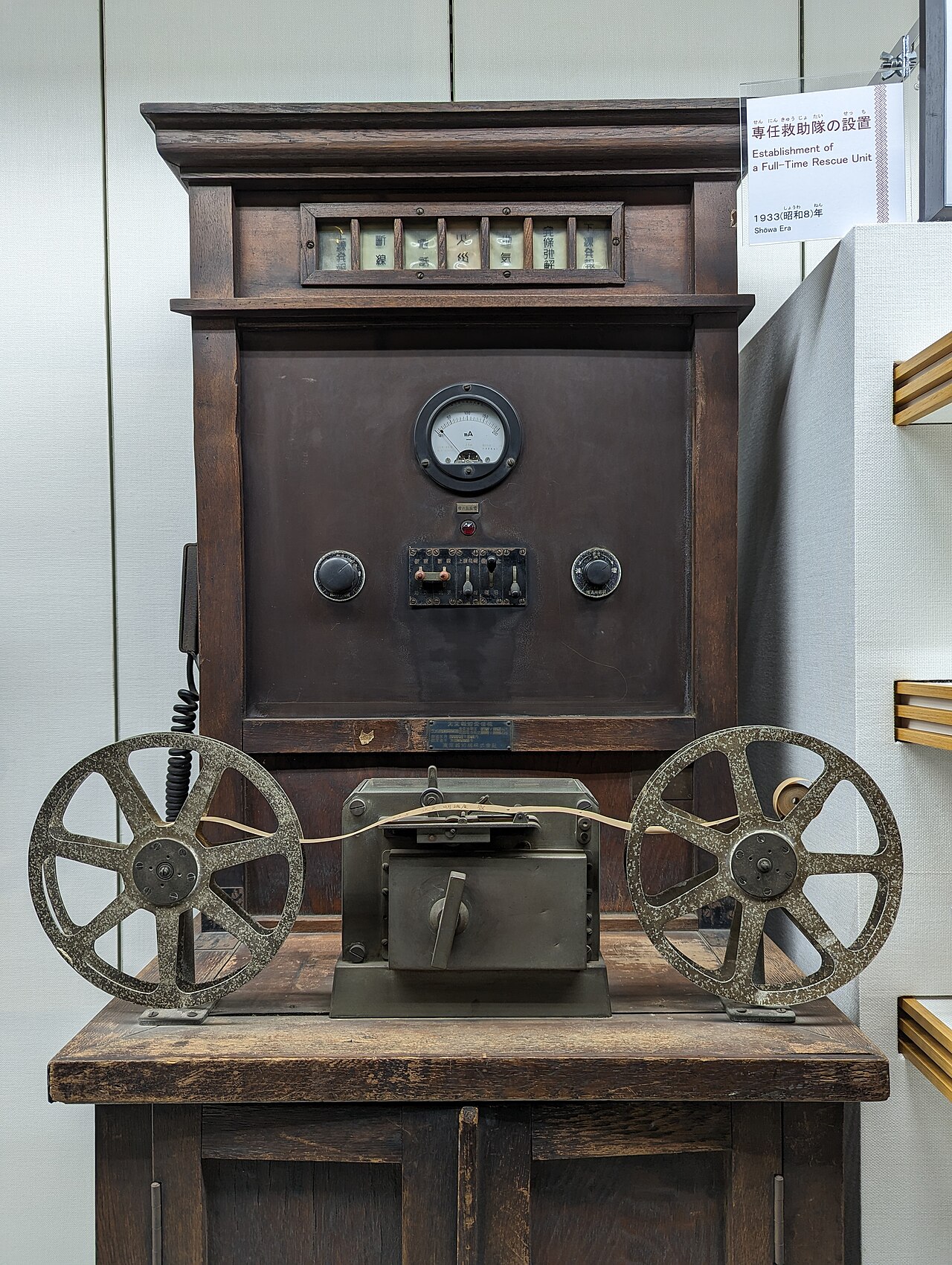
Tokyo’s Fire Museum is dedicated to firefighting history, equipment and the civic role of emergency services. Operated by the Tokyo Fire Department, it occupies a multi-storey complex connected with an active fire station. That setting gives the visit unusual immediacy: the museum explains how firefighting developed while the surrounding institution continues its operational work. It is a strong choice for travellers interested in technology, public safety, urban history and large vehicles. The museum also works well for families, since the subject is understandable through engines, uniforms, ladders and rescue equipment even when some written interpretation requires careful reading.
Checked 2026-08-26 · Source
The displays cover the changing tools and methods of firefighting in Tokyo. Visitors can see historical apparatus, uniforms, documents, hand-pumped engines, ladder trucks and protective equipment from different periods. Dioramas and interactive presentations help explain how firefighters respond to fires and how the city’s emergency services developed. Large vehicles and a helicopter give the collection a memorable physical scale, while smaller objects reveal the detail of daily work. Move through the floors with time to compare old and modern equipment: the contrast shows how transport, protective clothing, communication and rescue methods have changed.
Checked 2026-08-26 · Source
Allow about one to two hours for the museum. That is enough time to see the principal firefighting vehicles, equipment and historical displays without racing through the multi-level building. Children may move more quickly between large machines, while adults interested in urban history or engineering may linger over documents and technical details. The museum’s vertical layout naturally breaks the visit into stages, so a steady pace is more comfortable than trying to absorb every label at once. It is easy to combine this focused stop with other central Tokyo activities, particularly when your group enjoys practical history rather than grand decorative interiors.
Checked 2026-08-26 · Source
The Fire Museum is most useful when you want an indoor activity connected to Tokyo’s civic and technical history. Weekday mornings can provide a calmer setting for reading labels and examining equipment, while school visits and family outings may make other periods livelier. Indoor galleries reduce the effect of Tokyo’s hot summers, winter cold and rainy weather. Because the museum shares a complex with an active fire station, its atmosphere differs from that of a purely historical building. Leave room in the day for the visit to unfold at its own pace rather than placing it between two distant reservations.
Checked 2026-08-26 · Source
Think of the Fire Museum as a civic museum visit centred on learning rather than a commercial attraction with a broad tourist pass. The main value lies in the historical apparatus, uniforms, vehicles and explanations of firefighting work. Families can spend their time discovering how each machine served a practical purpose, while adults may focus on the relationship between fires, city growth and public services. Keep the visit separate from assumptions about other Tokyo museums, because admission arrangements can differ between institutions. A simple itinerary with enough time for the displays will make the experience more rewarding than a rushed stop inserted between major landmarks.
Checked 2026-08-26 · Source
The museum sits within Tokyo’s extensive rail and subway network, with the final approach continuing through a dense central neighbourhood. Use the full name Fire Museum or the Japanese name 消防博物館 when reading local information. Remember that the destination forms part of an active fire-station environment: identify the public entrance and keep clear of operational access points. Rail travel is the natural way to reach this central venue, while buses and taxis can serve the surrounding streets. Build extra time into the approach if you are travelling with children, carrying luggage or changing lines in a large station.
Checked 2026-08-26 · Source
The museum is connected to an operating fire station, so emergency vehicles and staff activity take priority over visitors. Keep away from restricted areas, obey barriers and supervise children near machinery and vehicle displays. Some parts of the building serve operational needs and are not part of the public experience. The multi-storey arrangement means that the visit includes vertical movement between galleries. Japanese text may dominate some explanations, but the equipment, uniforms and vehicles provide a clear visual narrative. Stay attentive to safety instructions and avoid blocking corridors, entrances or routes used by the fire service.
Checked 2026-08-26 · Source
Photography can help you remember the museum’s unusual vehicles, uniforms and equipment, but it should never interfere with the active fire-station setting. Follow signs in each gallery and staff instructions, keep clear of operational routes, and avoid photographing emergency activity in a way that obstructs work. Do not use flash where displays prohibit it, and give school groups and families room around interactive exhibits. Exterior images should respect the boundary between public architecture and operational infrastructure. For a calm visit, photograph a few significant details and then return your attention to the way the objects explain firefighting history.
Checked 2026-08-26 · Source
Yes. Fire engines, ladders, uniforms, rescue equipment and the helicopter give children concrete objects to explore, while adults can add historical and civic context.
The collection includes historical firefighting apparatus, uniforms, documents, hand-pumped engines, ladder trucks, protective gear, interactive displays, dioramas and large vehicles including a helicopter.
Plan for approximately one to two hours, allowing more time when children want to examine the vehicles or adults spend longer with technical and historical displays.
The museum is operated by the Tokyo Fire Department and occupies a complex linked to active emergency services, connecting firefighting heritage with the department’s continuing civic role.
Yes. Its multi-storey exhibitions are indoors, making it a useful Tokyo activity during rain, summer humidity or cold winter weather.
The museum shares space with an active fire-station environment, so visitors must respect restricted areas, keep corridors clear and give emergency operations priority.
Loading the interactive map…
The interactive map could not be loaded.
Last updated:
Source: OpenStreetMap contributors, Wikidata ·