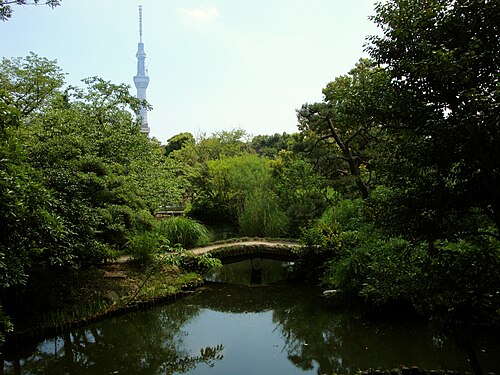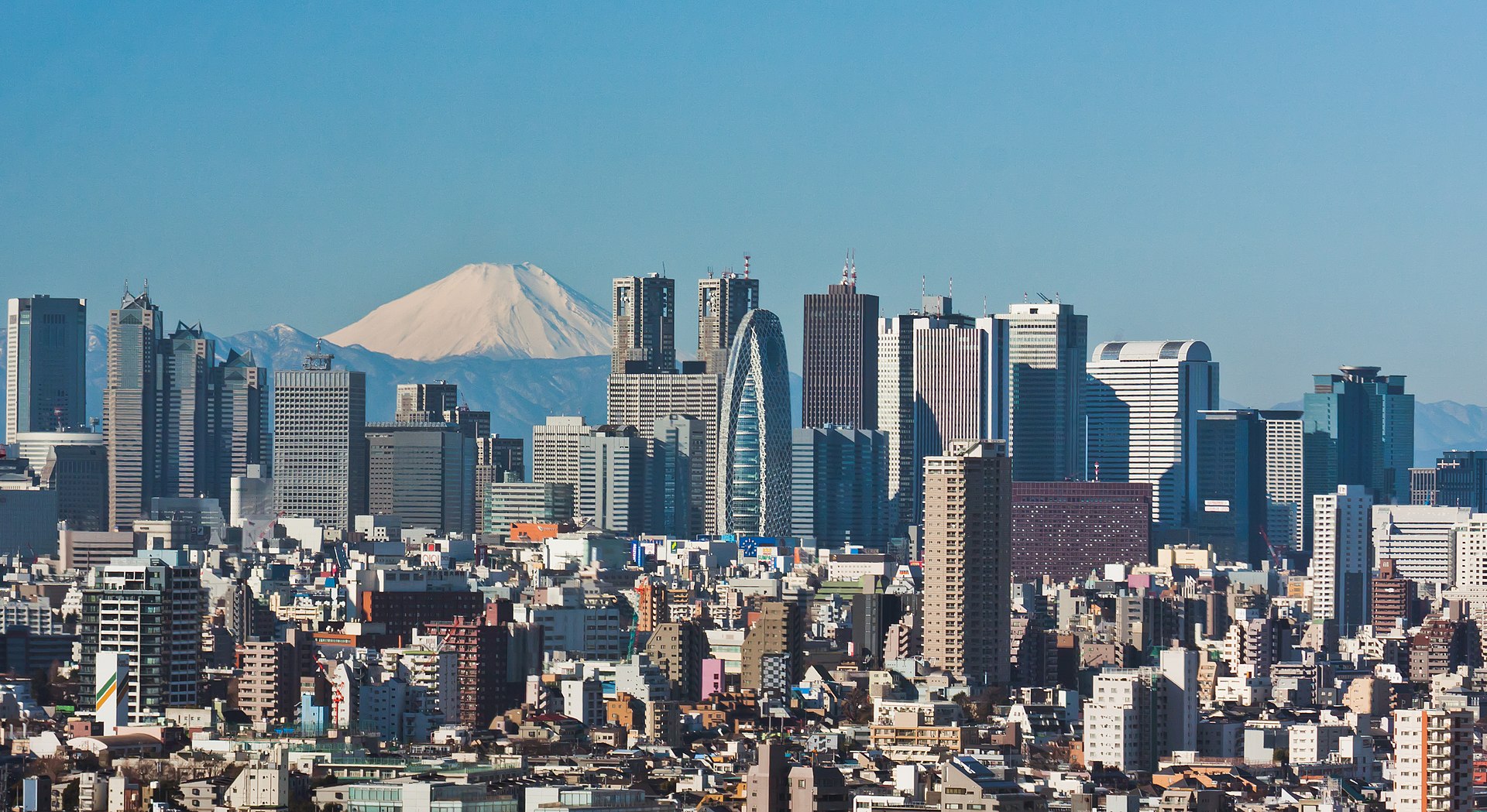
A photograph of Tokyo

City guide · Japan

Places to visit in Tokyo, Japan — page 5

Tokyo is a network of major station districts rather than a single centre. Historic Asakusa and Ueno, commercial Ginza and Marunouchi, and the western hubs of S...

Photograph · Morio · CC BY-SA 3.0

22,518 Places
Suggested stay
5-6 days
Getting around
JR, subway and private rail with an IC card

Turn this list into a plan

Set your days, your pace and the hours you actually want to be out. The planner works around closing days and travel time, and leaves room to eat.

Plan Tokyo

Reviewed by Elena Voss · Roavina Travel Editor

Tokyo is a network of major station districts rather than a single centre. Historic Asakusa and Ueno, commercial Ginza and Marunouchi, and the western hubs of Shinjuku and Shibuya each work as separate sightseeing clusters. Rail makes movement reliable, but large stations and cross-city transfers consume time. A good itinerary stays on one side of the city for half a day and uses the Yamanote loop, subway lines and through-running rail services to connect clusters.

Checked 2026-08-26

Practical information

Language spoken
Japanese
National practical orientation; regional and minority languages may also be used
Dialling code
+81
International calling code; local area and mobile prefixes still apply
Currency
Japanese yen (JPY)
Use the official local currency; card acceptance varies by place
Emergency number
110 police · 119 fire and ambulance
Use only for an emergency; tourist assistance may use a separate number
Plug type
Type A · 100 V
Check that chargers support the recorded voltage before using an adapter
Tap water
Safe from the mains
JNTO states that tap water is safe to drink

Planning a visit

September · September in Tokyo has JMA's 1991–2020 Kanto normal of 1.2 typhoon approaches. This is a route-planning risk, but the local monthly normal is below a severe-disruption threshold; the month remains NEUTRAL with a weather fallback.

  1. January: viable with meaningful trade-offs
  2. February: viable with meaningful trade-offs
  3. March: good time to visit
  4. April: best time to visit
  5. May: best time to visit
  6. June: good time to visit
  7. July: viable with meaningful trade-offs
  8. August: viable with meaningful trade-offs
  9. September: viable with meaningful trade-offs — current month
  10. October: good time to visit
  11. November: best time to visit
  12. December: viable with meaningful trade-offs

Sources

Top things to see

Ranked by importance — sitelinks, pageviews and heritage status, not editor preference.

  1. Tokyo Sea Life Park Tokyo Sea Life Park
    82 1 hr 30 min

    Tokyo Sea Life Park

    葛西臨海水族園

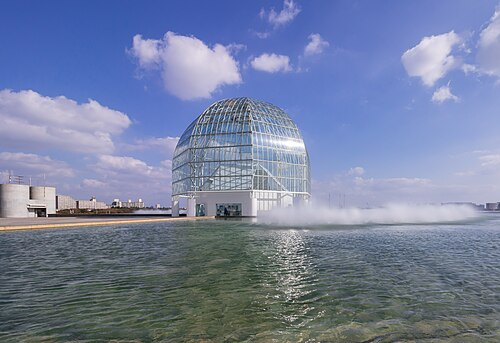
    Tokyo Sea Life Park, known locally as Kasai Rinkai Suizokuen, is a public aquarium located in the Kasai Rinkai Park area of Edogawa Ward. The facility focuses on aquatic environments from around the globe, with particular attention to marine ecosystems.

    • Notable
    • Family attraction
  2. Museum of Contemporary Art Tokyo Museum of Contemporary Art Tokyo
    83 1 hr 30 min

    Museum of Contemporary Art Tokyo

    東京都現代美術館

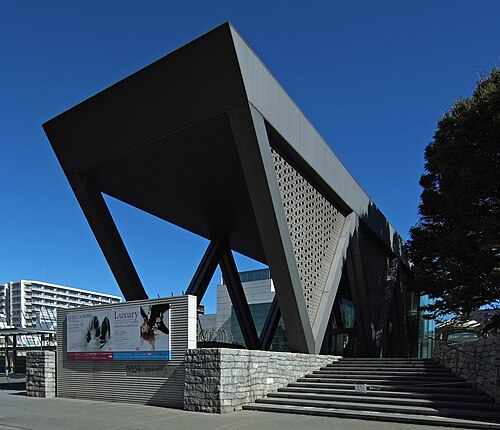
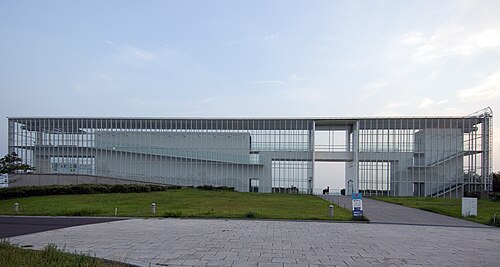
    The Museum of Contemporary Art Tokyo is a major public art museum in Tokyo’s Koto ward. Its collection and exhibitions focus on contemporary art from the postwar period to the present, with Japanese and international artists represented.

    • Notable
    • Museum
  3. National Stadium National Stadium
    84 2 hours

    National Stadium

    国立競技場

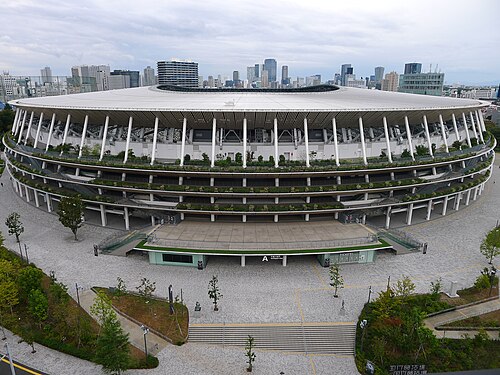
    National Stadium, or Kokuritsu Kyōgijō, is Tokyo’s purpose-built national venue for athletics and football.

    • Notable
    • Activity
  4. Nippon Budokan Nippon Budokan
    85 2 hours

    Nippon Budokan

    日本武道館

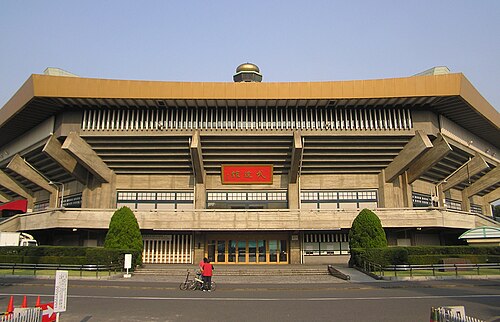
    Nippon Budokan is a renowned indoor arena located in Chiyoda Ward, Tokyo, adjacent to the Imperial Palace grounds. Opened in 1964 for the Tokyo Olympic Games, it was originally constructed to host judo competitions.

    • Notable
    • Activity
  5. Meiji Jingu Stadium Meiji Jingu Stadium
    86 2 hours

    Meiji Jingu Stadium

    明治神宮野球場

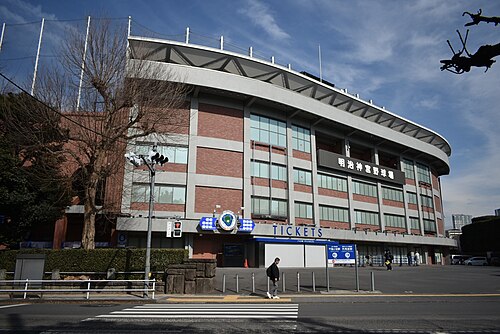
    Meiji Jingu Stadium is a historic baseball venue in central Tokyo, beside the Meiji Jingu Outer Garden.

    • Notable
    • Activity
  6. Ariake Arena Ariake Arena
    87 2 hours

    Ariake Arena

    有明アリーナ

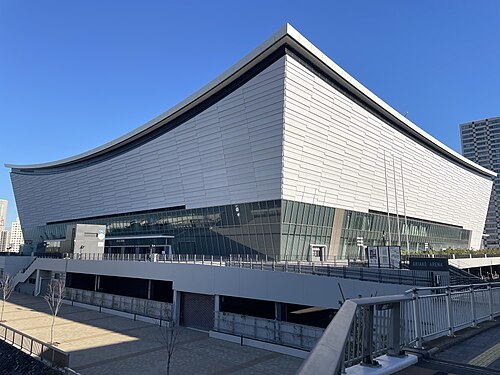
    Ariake Arena is a multi-purpose indoor arena located in the Ariake district of Koto Ward, Tokyo.

    • Notable
    • Activity
  7. Tokyo Metropolitan Gymnasium Tokyo Metropolitan Gymnasium
    88 2 hours

    Tokyo Metropolitan Gymnasium

    東京体育館

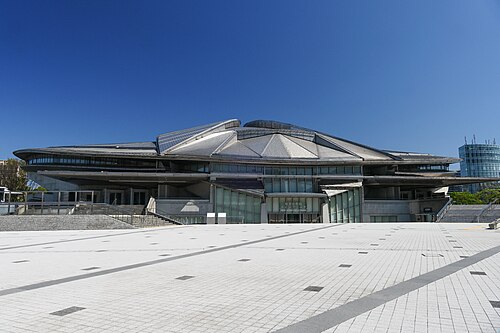
    Tokyo Metropolitan Gymnasium is a major sports complex in Sendagaya, within Shibuya Ward. It is a working venue for athletic competitions, training and public recreation rather than a conventional sightseeing museum.

    • Notable
    • Activity
  8. Chidorigafuchi Moat Chidorigafuchi Moat
    89 2 hours

    Chidorigafuchi Moat

    千鳥ヶ淵

    Chidorigafuchi Moat is a historic waterway on the northwestern edge of the Imperial Palace grounds, forming part of the former Edo Castle fortifications. Its name refers to a shape associated with a thousand birds.

    • Notable
    • Activity
  9. Meguro River Meguro River
    90 1 hour

    Meguro River

    目黒川

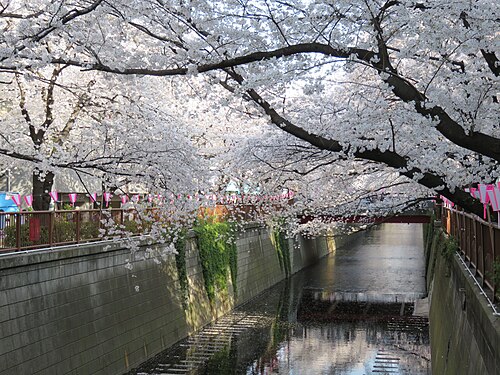
    Meguro River is a canal-like urban waterway running through central Tokyo, stretching approximately eight kilometers from Setagaya Ward through Meguro and Shinagawa wards before reaching Tokyo Bay.

    • Notable
    • Nature site
  10. Sumida River Sumida River
    91 1 hour

    Sumida River

    隅田川

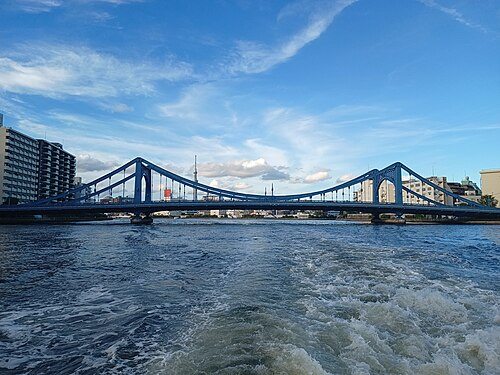
    The Sumida River is a major waterway flowing through eastern Tokyo, connecting the Arakawa River to Tokyo Bay. It has historically defined the city's eastern geography and development.

    • Notable
    • Nature site
  11. Kasai Rinkai Park Kasai Rinkai Park
    92 1 hour

    Kasai Rinkai Park

    葛西臨海公園

    Kasai Rinkai Park is a coastal park located in the Edogawa ward of Tokyo, facing Tokyo Bay. The park was developed on reclaimed land and serves as one of Tokyo's largest public parks dedicated to marine environment appreciation and recreation.

    • Notable
    • Nature site
  12. Ōjima Komatsugawa Park Ōjima Komatsugawa Park
    93 1 hour

    Ōjima Komatsugawa Park

    大島小松川公園

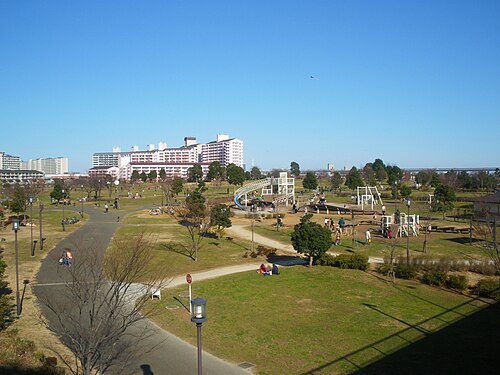
    Ojima Komatsugawa Park is a public green space in Tokyo’s Koto Ward, known locally as 大島小松川公園. The park extends through the Ojima and Komatsugawa neighborhoods beside the Kyu-Yodo River water system.

    • Notable
    • Nature site
  13. Asukayama Park Asukayama Park
    94 1 hour

    Asukayama Park

    飛鳥山公園

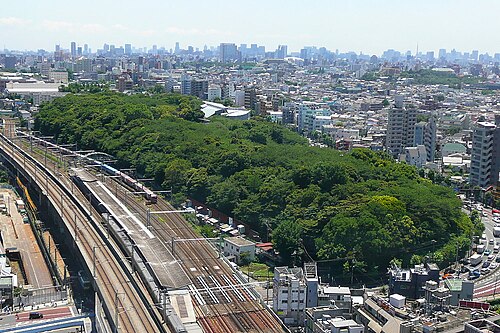
    Asukayama Park is a public park in Kita ward, northern Tokyo, known locally as 飛鳥山公園. It is one of Japan’s oldest parks and was established as a recreational area during the Edo period.

    • Notable
    • Nature site
  14. Kyu Shiba Rikyu Garden Kyu Shiba Rikyu Garden
    95 1 hour

    Kyu Shiba Rikyu Garden

    旧芝離宮恩賜庭園

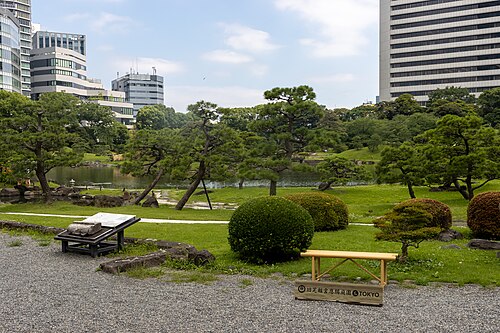
    Kyu Shiba Rikyu Garden is a historic landscape garden in central Tokyo, originally developed as a feudal lord's residence garden during the Edo period.

    • Notable
    • Nature site
  15. Mukōjima-Hyakkaen Garden Mukōjima-Hyakkaen Garden
    96 1 hour

    Mukōjima-Hyakkaen Garden

    向島百花園

    Mukojima-Hyakkaen Gardens is a historic garden located in the Mukojima area of Tokyo's Sumida Ward.

    • Notable
    • Nature site

Source: OpenStreetMap contributors, Wikidata ·

How the city is laid out

Central Tokyo is easiest to understand as an east-west sequence. Asakusa, Ueno and Yanaka carry much of the older city; Tokyo Station, Marunouchi, Nihonbashi and Ginza form the central business and shopping core; Shibuya, Harajuku and Shinjuku anchor the west. Roppongi and Akasaka sit between those spines, while Odaiba lies across the bay. The wider metropolis extends well beyond the central wards, so Mt Takao, western Tokyo and island destinations belong to separate day plans rather than a central-city route.

Checked 2026-08-26

Getting around

Use rail for nearly every cross-city journey. Tokyo Metro operates nine lines and Toei operates four subway lines, alongside JR and private railways; a rechargeable IC card removes most ticketing friction across operators. The subway alone covers more than 280 stations, but JR passes do not cover Tokyo Metro or Toei services. Trains generally stop around midnight, so late-night plans need a route check. Inside a district, walking is usually faster than making a one-stop transfer through a very large station.

Checked 2026-08-26

Common questions

How many days does Tokyo need?

Five to six days suit a first visit. Four days can cover the main eastern, central and western clusters, while extra days allow slower neighbourhood exploration or a separate trip to western Tokyo.

When is the best time to visit Tokyo?

Spring and autumn usually give the most comfortable walking weather. Peak blossom and foliage periods can be crowded, so the broader March-May and October-November windows are more useful than targeting one forecasted week.

Do visitors need a rail pass inside Tokyo?

Usually not. A rechargeable IC card is simpler because Tokyo journeys may involve JR, Tokyo Metro, Toei and private railways. A JR pass does not cover the two subway operators.

Does Tokyo public transport run all night?

No. The official Tokyo guide notes that last trains are commonly between about 23:30 and 00:30, with first services around 05:00. Check the final connection before a late evening across town.

Which districts should be combined?

Pair Asakusa with Ueno, Marunouchi with Ginza, and Shibuya with Harajuku. Shinjuku can fill its own half day. Grouping nearby station districts reduces transfers through large hubs.