4 min walk
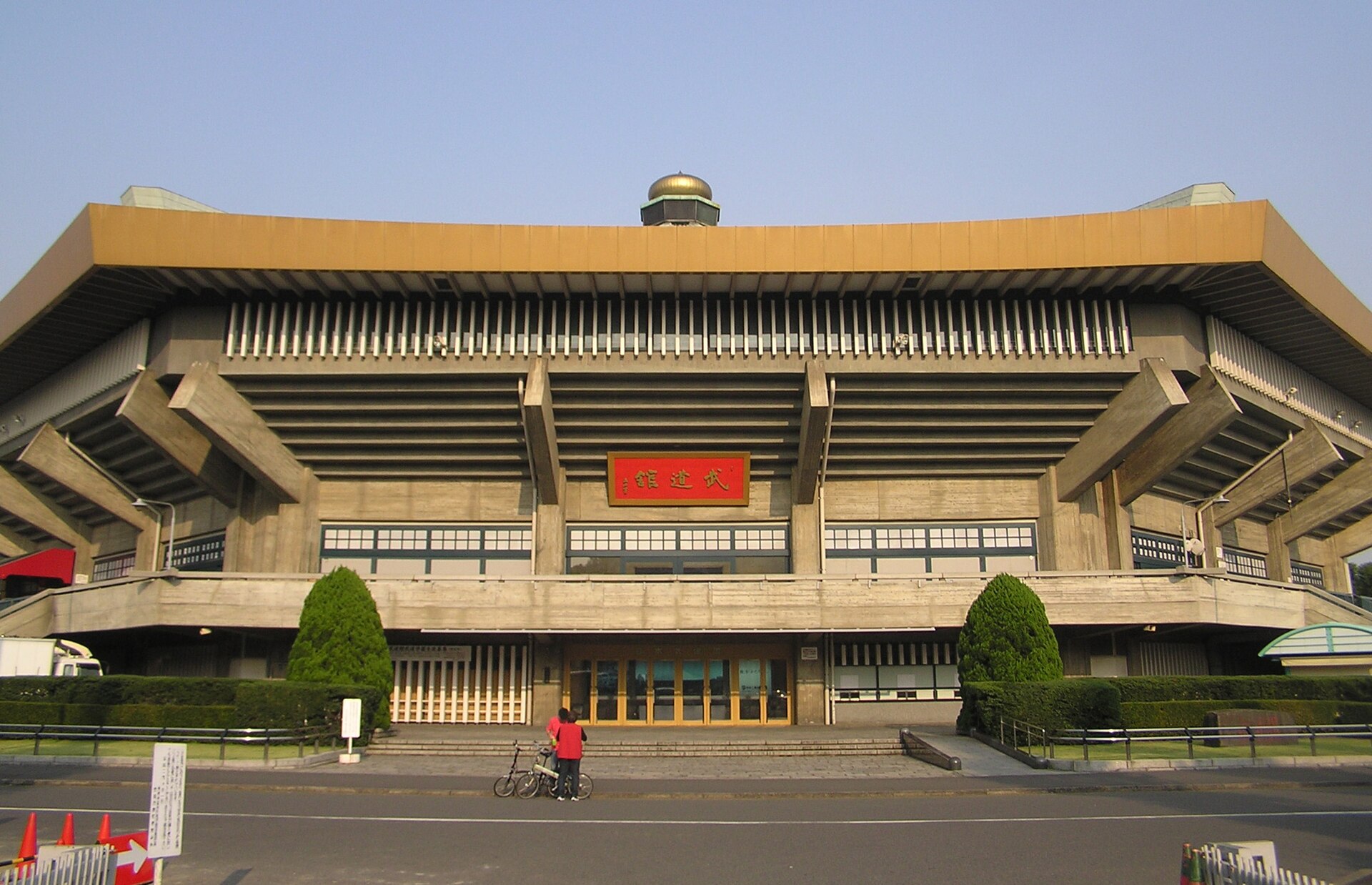
Nippon Budokan
- Notable
- Activity
Language · 11 published
Activity · Tokyo
千鳥ヶ淵
Reviewed by Elena Voss · Roavina Travel Editor

Chidorigafuchi Moat is a historic waterway on the northwestern edge of the Imperial Palace grounds, forming part of the former Edo Castle fortifications. Its name refers to a shape associated with a thousand birds. The moat is one of central Tokyo’s most atmospheric places for seeing the relationship between water, stone defensive walls, mature trees, and the modern city. It is especially celebrated for cherry blossoms, when branches frame the water and reflections create a memorable seasonal scene. Outside blossom season, the paths remain worthwhile for a quieter walk beside historic masonry. The destination is open-air and flexible, fitting naturally between the Imperial Palace area, Yasukuni Shrine, and other central Tokyo landmarks.
Checked 2026-08-26 · Source
The main experience is the moat itself, viewed from pedestrian paths along the water’s edge. Stone walls from the Edo-period castle system remain visible, while rows of cherry trees create the famous spring landscape. Boat outings have traditionally added a water-level perspective, with visitors seeing the embankments and branches from the moat. The nearby Chidorigafuchi National Cemetery is a separate war memorial and has a solemn purpose distinct from the recreational walking route. Plan the visit around the scenery and historic setting rather than expecting galleries, indoor rooms, or a conventional attraction building. The changing combination of water, masonry, trees, and skyline is the site’s central feature.
Checked 2026-08-26 · Source
A walk along the accessible paths usually takes around thirty to sixty minutes, depending on pace and the number of photo stops. A boat outing adds queuing and time on the water. During cherry-blossom season, heavy pedestrian traffic can slow the route considerably, especially at popular viewpoints. Combining the moat with the Imperial Palace East Gardens or Yasukuni Shrine creates a comfortable half-day plan. Visitors interested mainly in the stone walls and reflections can make a shorter circuit, while photographers and blossom viewers may want a slower visit. Evening lighting during blossom periods can create a different atmosphere from the daytime walk.
Checked 2026-08-26 · Source
Spring is the signature season at Chidorigafuchi, when cherry trees transform the embankment and the water into one of Tokyo’s most recognizable landscapes. The exact period changes with weather, so the visual experience depends on the season’s progression. Summer brings dense greenery and can feel quieter outside peak periods, while autumn adds color around the historic walls. Winter emphasizes the shape of the moat, bare branches, and stonework. Early morning is especially useful for a calmer walk and clearer reflections. Warm-weather visits require protection from sun and humidity, while rain can make the paths and embankments less comfortable.
Checked 2026-08-26 · Source
Walking beside Chidorigafuchi Moat is a public outdoor experience without an admission ticket for the paths. Boat outings are a separate activity and may involve rental arrangements, while any special lighting or nearby destination follows its own conditions. Treat the moat walk as the free core of the visit and plan the rest of your budget around transport, food, and any optional activity. The Chidorigafuchi National Cemetery is also separate from the recreational path and should be approached as a memorial site. The open setting makes it easy to combine the moat with other central Tokyo walks without building the day around a single ticketed entry.
Checked 2026-08-26 · Source
Kudanshita Station, served by the Hanzomon, Tozai, and Shinjuku lines, is a practical rail approach. Hanzomon Station on the Hanzomon Line provides another nearby option, while Ichigaya Station connects the area with several Tokyo Metro and JR services. From the stations, continue on foot through the central Tokyo streets toward the moat. The surrounding pedestrian network makes the site easy to combine with the Imperial Palace area and Yasukuni Shrine. Rail and walking work well together because the moat is a linear outdoor destination rather than a single entrance hall. Wear comfortable shoes if you plan to continue around the neighboring gardens and historic sites.
Checked 2026-08-26 · Source
Cherry-blossom season brings intense crowding, which can slow movement and lengthen waits for boats. Early arrival makes the route easier to enjoy. Summer heat and humidity can be demanding, so carry water and plan shade breaks. Some stone embankment sections are close to the water and do not provide the same separation as a formal waterfront promenade; keep children close and take care in low light or wet weather. The nearby National Cemetery is a war memorial, so shift to quiet, respectful behavior there. Do not photograph mourners or ceremonial activity. Crowds, rain, and changing outdoor conditions can alter the comfort of the walk from one visit to the next.
Checked 2026-08-26 · Source
Chidorigafuchi’s strongest images combine calm water, historic stone walls, overhanging trees, and the changing Tokyo sky. In spring, cherry blossoms and reflections create the classic composition; outside spring, the masonry and water provide a quieter, more restrained subject. Early morning gives softer light and fewer people, while evening blossom illumination offers a different mood. Avoid setting up a tripod where it blocks the narrow walking route, especially during the busiest season. The cemetery boundary calls for discretion and respectful framing. Keep the camera pointed toward the landscape rather than toward mourners or private ceremonies, and take extra care near the water’s edge while composing shots.
Checked 2026-08-26 · Source
It is a historic waterway and former Edo Castle fortification on the northwestern edge of the Imperial Palace grounds, known for stone walls, walking paths, and cherry trees.
Cherry trees along the embankment create a celebrated blossom landscape, with branches and flowers reflected in the moat’s water.
Allow about thirty to sixty minutes for a walk and photographs. Add time for a boat outing or combine the moat with the Imperial Palace East Gardens or Yasukuni Shrine.
Kudanshita, Hanzomon, and Ichigaya stations provide access from multiple Tokyo Metro and JR lines, followed by a walk through central Tokyo.
Yes. Walking along the moat’s pedestrian paths is the core experience and does not require an admission ticket. Boat outings are a separate activity.
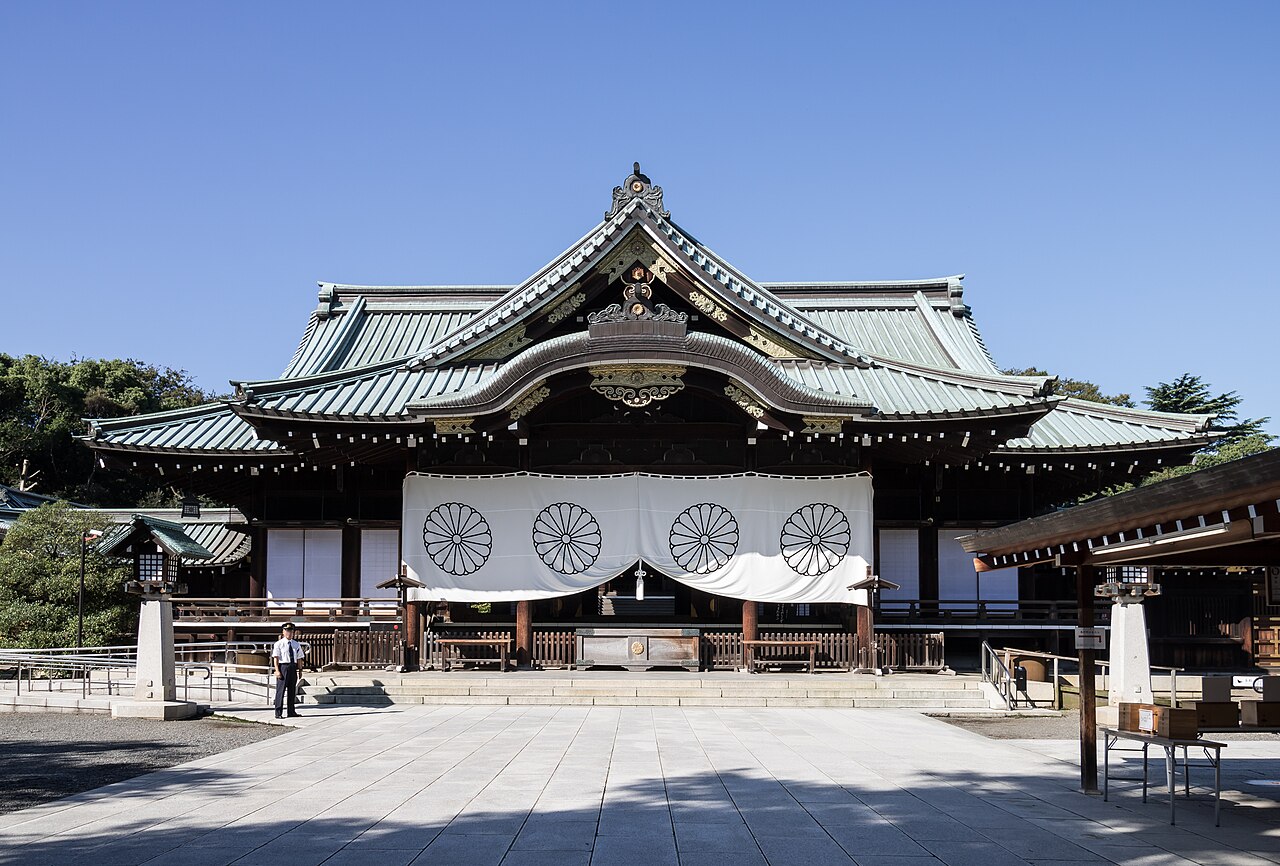
The Chidorigafuchi National Cemetery stands nearby as a separate war memorial. The Imperial Palace area, East Gardens, and Yasukuni Shrine can also be connected with the moat on foot.
Loading the interactive map…
The interactive map could not be loaded.
Last updated:
Source: OpenStreetMap contributors ·