4 min walk
National Stadium
- Notable
- Activity
Activity · Tokyo
東京体育館
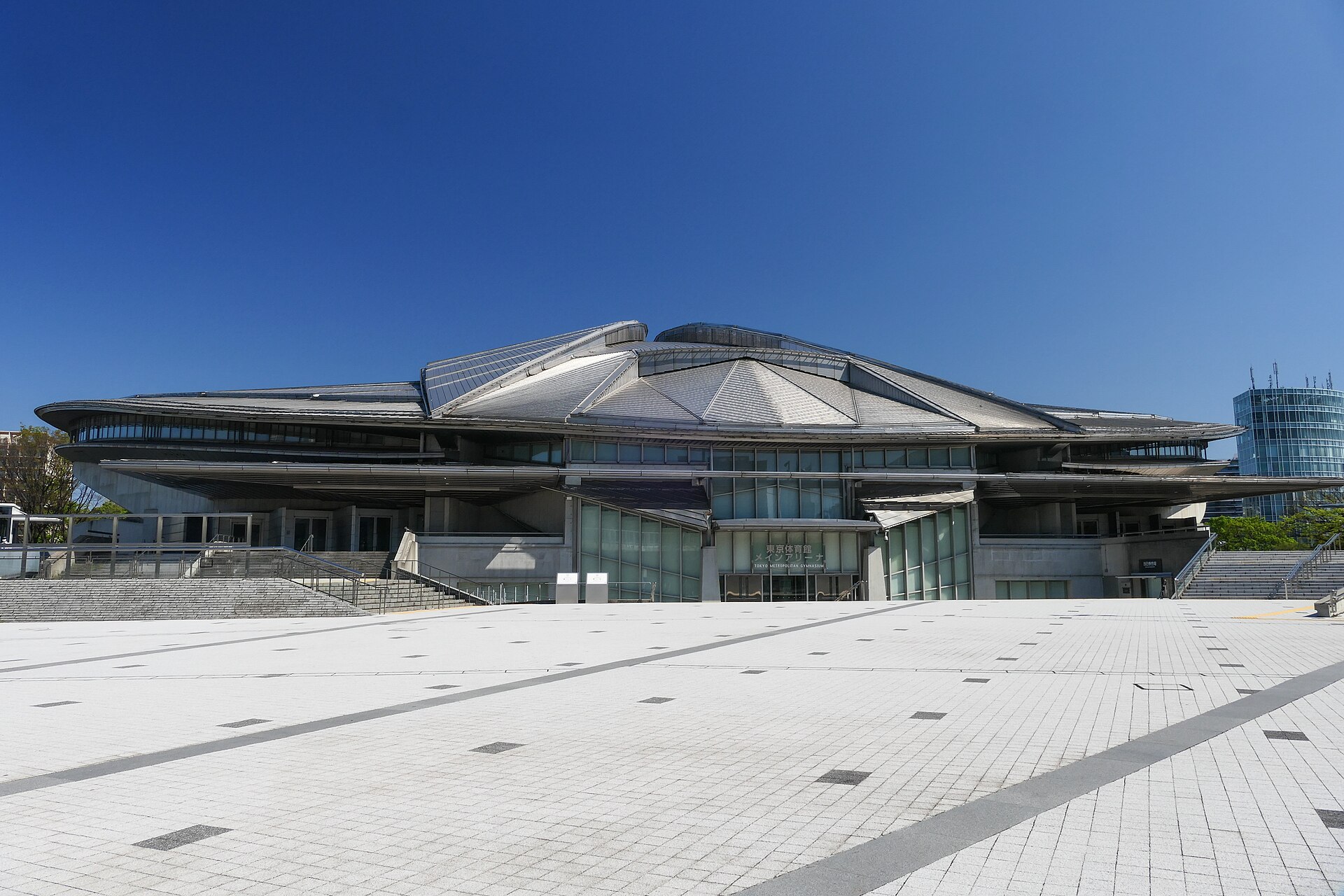
Tokyo Metropolitan Gymnasium is a major sports complex in Sendagaya, within Shibuya Ward. It is a working venue for athletic competitions, training and public recreation rather than a conventional sightseeing museum. Its most recognisable feature is the dramatic suspended roof, which gives the complex a strong architectural presence. The gymnasium also carries Olympic history: it was built as a legacy venue for the 1964 Tokyo Games and was used again during the 2020 Olympics. For travellers, the attraction is the combination of active sport, civic architecture and a visible connection with Tokyo’s international event history.
Checked 2026-08-26 · Source
The complex includes a main arena, sub-arena, swimming pool, training rooms and supporting spaces. The main arena hosts indoor sports such as basketball, volleyball and gymnastics, while the sub-arena provides additional court space for smaller events and practice. Aquatic facilities support swimming and other water-based activities. The building’s scale becomes clearer from the exterior, where the roof structure dominates the surrounding streets. Interior spaces are organised for sport and public use, so the experience depends on the event or activity taking place. Travellers interested in architecture can appreciate the design even when no competition forms part of the visit.
Checked 2026-08-26 · Source
A spectator attending a scheduled competition may spend two to four hours including arrival, seating and departure. A visitor focused on the architecture can spend around thirty to sixty minutes examining the exterior and surrounding streets. Recreational use such as swimming or training follows the length of the booked activity rather than a sightseeing timetable. If you combine the gymnasium with Sendagaya, Yoyogi or nearby park walks, reserve a half-day. The venue is best experienced according to its purpose: allow enough time for an event, or make the exterior the centre of a shorter architectural stop.
Checked 2026-08-26 · Source
Choose Tokyo Metropolitan Gymnasium when a sports event, swimming session, training activity or modern architecture fits your Tokyo plans. Its rhythm follows the event calendar and facility programming rather than ordinary museum tourism. Competition days can bring more pedestrians and a stronger atmosphere, while a quiet exterior visit suits travellers who want to study the roof and surrounding urban space. Spring and autumn are comfortable seasons for walking around Sendagaya, although the building can be appreciated in any weather from suitable viewpoints. Leave time around scheduled activities because entry, seating and crowd movement can take longer on event days.
Checked 2026-08-26 · Source
There is no single tourist admission model for the gymnasium. Spectator entry depends on the particular competition, with organisers setting the event ticket structure. Swimming, training and other recreational uses belong to separate facility activities and follow their own arrangements. This distinction matters when planning: seeing the building from outside is different from attending an event or using a sports space. Travellers should build the visit around the activity they intend to experience, not around a general attraction ticket. The venue’s value can also come from its architecture and Olympic legacy, which do not require a conventional museum-style route.
Checked 2026-08-26 · Source
Sendagaya Station on the JR Chuo-Sobu Line provides direct rail access to the gymnasium. Yoyogi Station, served by JR Yamanote, Chuo-Sobu and Odakyu lines, is another practical approach and requires a walk. Kokuritsu-Kyogijo Station on the Toei Oedo Line is nearby, while buses serve the surrounding roads. The area also connects with walking routes toward Yoyogi and central Tokyo. On event days, allow extra time for pedestrian congestion and entrance procedures. The gymnasium’s large roof makes the complex visually distinctive, but station exit choice still matters in this busy urban district.
Checked 2026-08-26 · Source
Tokyo Metropolitan Gymnasium remains a functioning sports complex, so public access changes with competitions, training and recreational use. Respect athletes, staff and active practice areas, and do not enter spaces reserved for participants. Event days can make nearby streets and entrances busy, while facility procedures may differ from those at a commercial gym. Visitors attending sport should follow venue rules for seating, movement and photography. Travellers with mobility needs should plan the route through the large complex carefully. The most comfortable experience comes from knowing whether you are attending an event, using a facility or viewing the architecture from outside.
Checked 2026-08-26 · Source
The suspended roof and broad structural lines make the exterior the strongest photographic subject. Photograph from surrounding public areas without obstructing pedestrians, entrances or venue operations. Wide views help communicate the scale of the building, while lower viewpoints can emphasise the roof’s geometric form. During competitions, follow event rules and avoid photographing athletes in ways that disturb their concentration or conflict with venue policy. Interior photography may be restricted in active sports areas. Yoyogi and nearby landscaped spaces provide complementary urban context, allowing the gymnasium to be framed as part of Tokyo’s sporting and architectural landscape.
Checked 2026-08-26 · Source
It hosts indoor sports competitions, training, swimming and public recreation, while also serving as a notable example of Tokyo’s civic sports architecture.
The complex was built as a legacy venue for the 1964 Tokyo Olympics and was used again during the 2020 Olympic Games.
Sendagaya Station on the JR Chuo-Sobu Line provides direct access, with Kokuritsu-Kyogijo Station on the Toei Oedo Line and Yoyogi Station also serving the area.
Focus on the prominent suspended roof, geometric structural lines and the way the large sports complex sits within the Sendagaya urban landscape.
Allow roughly thirty to sixty minutes to examine the building and its surroundings, or longer if you combine it with walking in Sendagaya and nearby green spaces.
Competitions bring spectators, entrance procedures and increased pedestrian movement, so the surrounding streets and the building operate with a livelier sporting atmosphere.
Loading the interactive map…
The interactive map could not be loaded.
Last updated:
Source: OpenStreetMap contributors, Wikidata ·