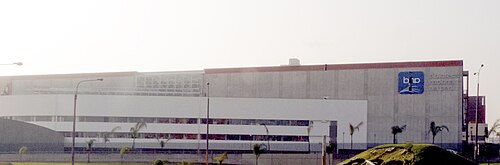
National Museum of Archaeology, Peru
Museo Nacional del Perú
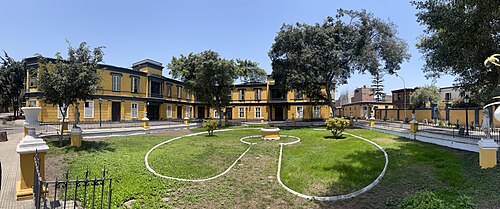
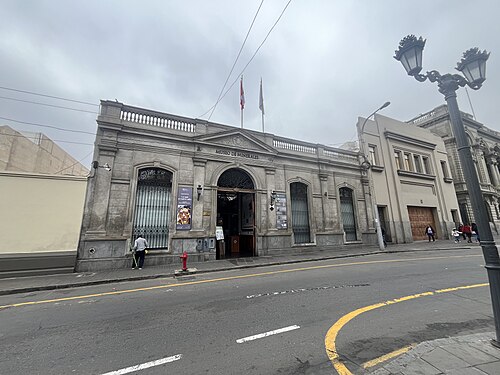
The Museo Nacional del Perú, commonly known as MUNA, is Peru's flagship national museum. It stands near the Pachacamac archaeological complex southeast of central Lima.
- Must see
- Museum
City guide · Peru
Lima spreads along the Pacific coast and is best understood as several distant visitor clusters. The historic centre lies inland around Plaza Mayor; Miraflores...
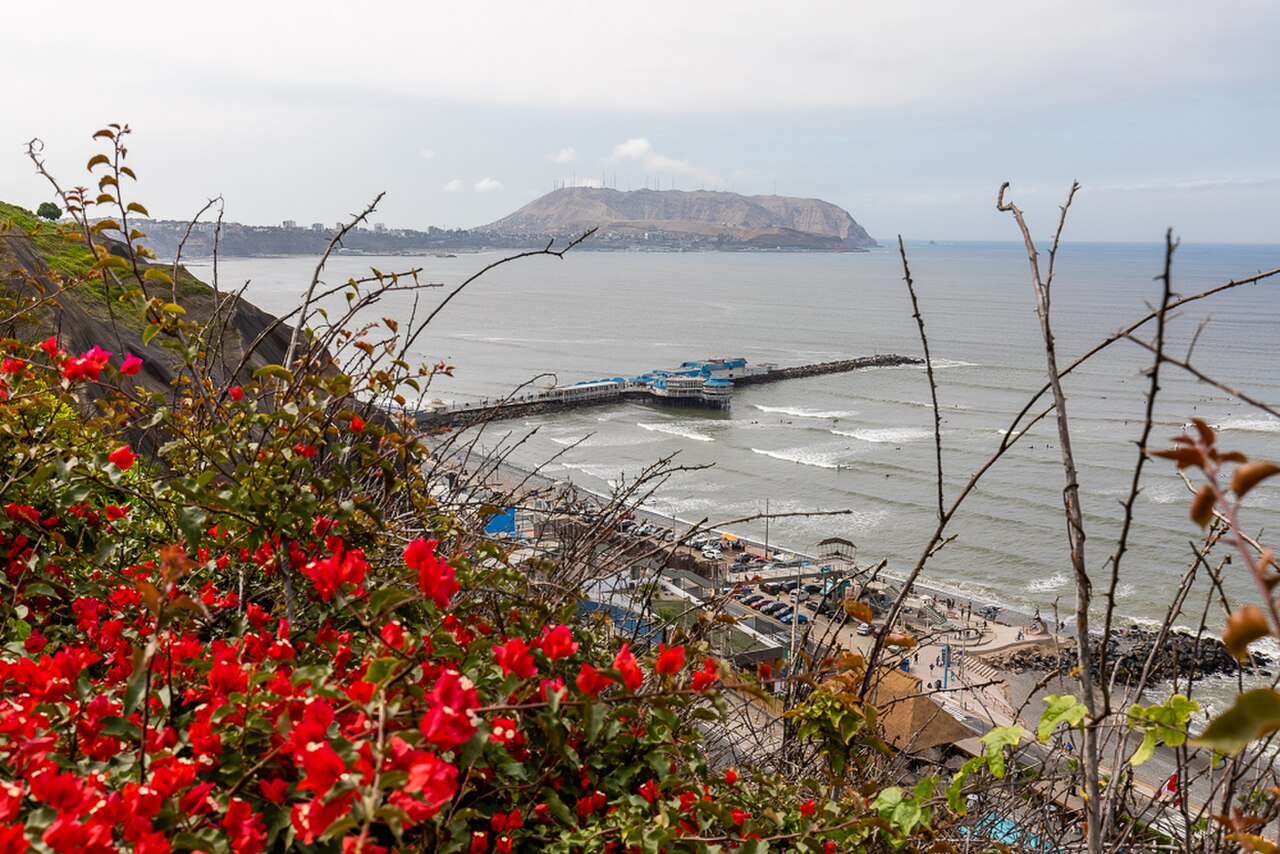
Photograph · Corminos · CC BY-SA 3.0
Set your days, your pace and the hours you actually want to be out. The planner works around closing days and travel time, and leaves room to eat.
Editorial responsibility: Elena Voss · Roavina Travel Editor
Lima spreads along the Pacific coast and is best understood as several distant visitor clusters. The historic centre lies inland around Plaza Mayor; Miraflores and Barranco form the principal coastal corridor; San Isidro sits between the centre and the coast; and archaeological sites appear across the metropolitan area. Keep the historic centre, coastal districts and outlying ruins in separate blocks because traffic can make cross-city travel slow.
Checked 2026-08-26
November · November in Lima has mean high 21.9°C, mean low 16.4°C, and rainfall 0.0 mm. Cooler coastal conditions are the manageable trade-off. November in Lima benefits from a sheltered stop if the weather changes.
Ranked by importance — sitelinks, pageviews and heritage status, not editor preference.
79 places match
Category
Typical visit duration
Good for
Interests
Museo Nacional del Perú
The Museo Nacional del Perú, commonly known as MUNA, is Peru's flagship national museum. It stands near the Pachacamac archaeological complex southeast of central Lima.
Museo de Minerales Andrés del Castillo
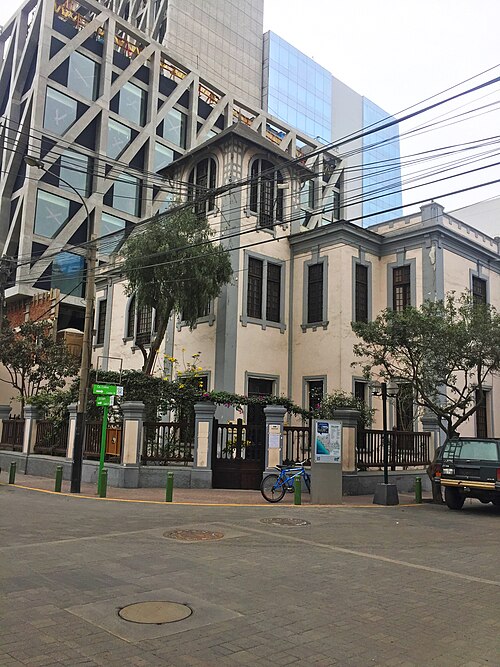
The Andrés del Castillo Mineral Museum, known locally as Museo de Minerales Andrés del Castillo, occupies the restored Casa Belén in Lima's historic centre. This cultural institution showcases Peru's remarkable mineral wealth within a significant architectural setting.
Museo de Sitio Bodega y Quadra
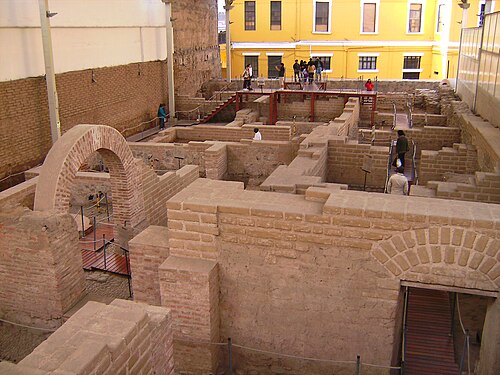
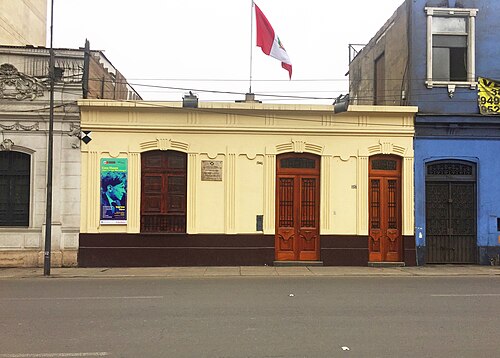
The Bodega y Quadra Site Museum is a house museum in Lima's historic centre built over excavated colonial remains. It preserves and displays archaeological evidence of early Lima's everyday material culture beneath a historic residential structure.
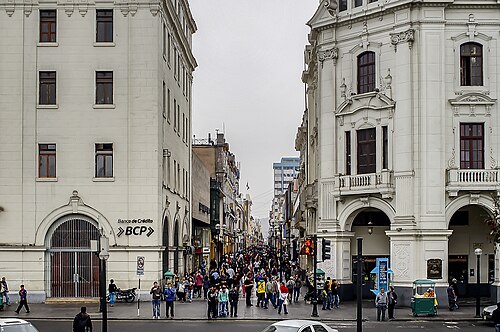
Jirón de la Unión is a historic pedestrian corridor through central Lima. Peru’s official tourism inventory classifies it as architecture and urban space, specifically a pedestrian promenade, and places its route between Jirón Trujillo and Paseo de los Héroes Navales.
Mercado Central de Lima
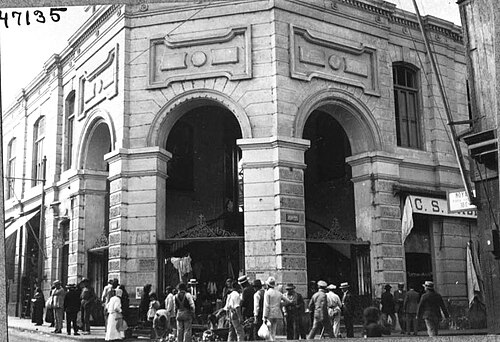
The Central Market of Lima, known locally as Mercado Central de Lima, stands in the historic centre of Peru's capital. It functions as a major municipal food market serving everyday commerce.
Puente de Piedra
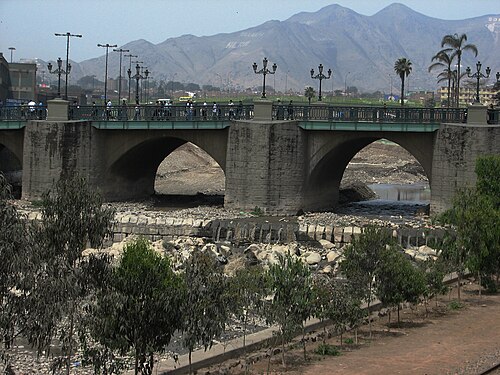
Puente de Piedra, also called Puente Trujillo, is the historic stone crossing over the Rímac River between Lima's old centre and the Rímac side.
Quinta de Presa is an unusual Rococo country house located in the Rímac district of Lima, Peru. It stands as one of Rímac's most significant surviving viceregal residences, representing an important architectural heritage from the colonial period.
Quinta Heeren is a rare nineteenth-century residential compound located in Lima, Peru. It preserves original streets, gardens, and eclectic republican-era architecture within its boundaries.
Museo Panteón Nacional de los Próceres
The Panteón de los Próceres is a former Jesuit church in Lima that now functions as Peru's national memorial to heroes of Peruvian independence.
Casa de la Literatura Peruana
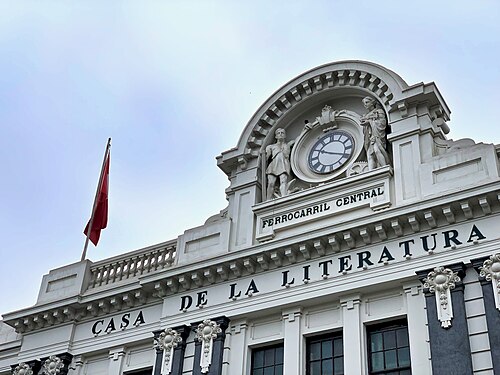
Casa de la Literatura Peruana is a public literary centre in Lima's former Desamparados railway station, not a working passenger terminal. The station opened in 1912; the Ministry of Education's literary centre opened in the building in 2009.
Casona de San Marcos
The Casona of San Marcos is the historic main building of the National University of San Marcos, located in central Lima, Peru. Its local name is Casona de San Marcos.
Biblioteca Nacional del Perú
The Biblioteca Nacional del Perú is Peru's national library and principal documentary institution. Headquartered in the San Borja district of Lima, it serves as the country's central repository for published works, manuscripts, and historical records.
Teatro Nacional del Perú
The Gran Teatro Nacional del Perú stands as Peru's principal modern performing-arts venue, located in the San Borja district of Lima.
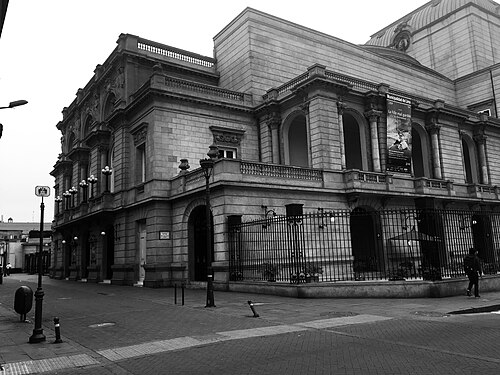
Teatro Municipal de Lima
The Municipal Theatre of Lima, known locally as Teatro Municipal de Lima, stands as the principal performance venue in Lima's historic centre. This restored early-twentieth-century theatre represents a significant cultural landmark within Peru's capital city.
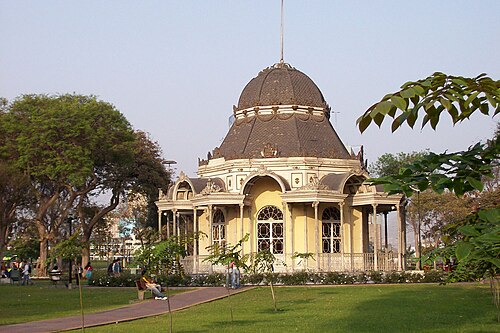
Parque de la Exposición
Parque de la Exposición, known in English as Exhibition Park, is a central public park in Lima, Peru. Established on land used for the 1872 International Exposition, it serves as a cultural and recreational hub connecting several important institutions.
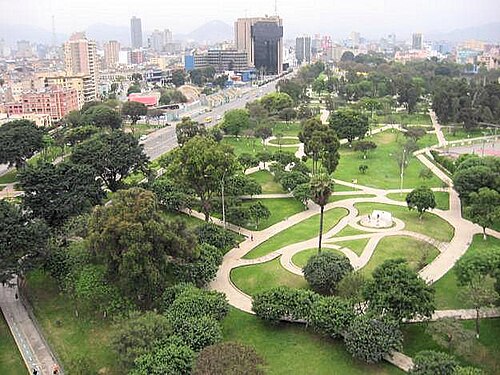
Campo de Marte
Campo de Marte is a large central civic park in Lima, Peru. It functions as a significant public green space within the urban environment, serving both ceremonial and recreational purposes for the city.
Casa Museo Ricardo Palma
Casa Museo Ricardo Palma is a house museum in Lima's Miraflores district, dedicated to the life and work of Ricardo Palma, the celebrated Peruvian author best known for his Tradiciones Peruanas.
Casa Museo José Carlos Mariátegui
The José Carlos Mariátegui House Museum is the preserved final residence of Peru's most influential twentieth-century political thinker and writer.
Museo Aeronaútico del Perú
The Aeronautical Museum of Peru, known locally as Museo Aeronáutico del Perú, is a specialist aviation museum in Lima. It documents Peruvian military and civil aviation history through preserved aircraft, engines, uniforms, and archival materials.
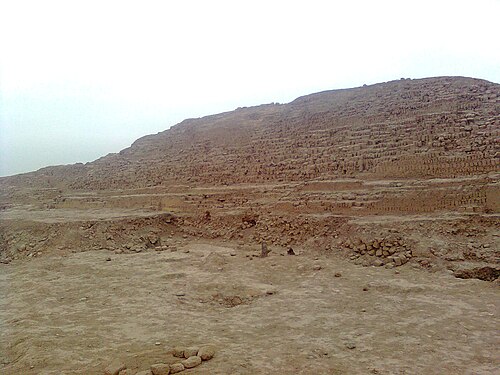
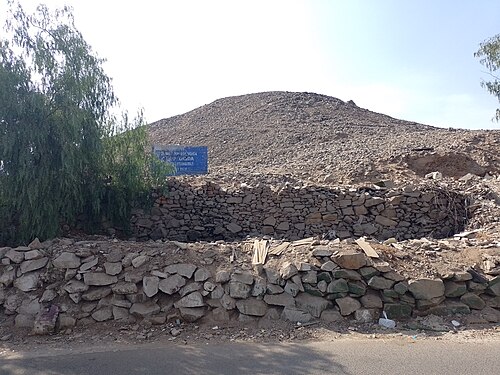
Huaca San Marcos is a large truncated pyramid and a principal surviving monument of the Maranga archaeological complex. It is located on the campus of the Universidad Nacional Mayor de San Marcos in Lima, Peru.
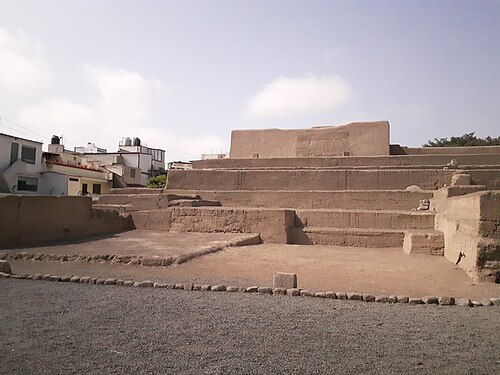
Huaca Santa Catalina is a restored archaeological site attributed to the Ychsma culture, serving as an administrative and ceremonial centre. Located in the La Victoria district of Lima, it represents a compact urban archaeological destination within the modern city.
Huaca Florida
Huaca La Florida is a monumental early pyramid located in the Rímac district of Lima, Peru. It stands as one of the oldest major ceremonial constructions in the Rímac valley, representing significant pre-Columbian architectural achievement.
Lomas de Lúcumo is a highly seasonal coastal-hill ecosystem at Quebrada Verde in Pachacámac, southeast of central Lima. Peru's official tourism inventory records 1,597.36 hectares across the Quebrada Verde, Guayabo, Picapiedra and Manchay sectors.
Zona Histórica Intangible del Morro Solar
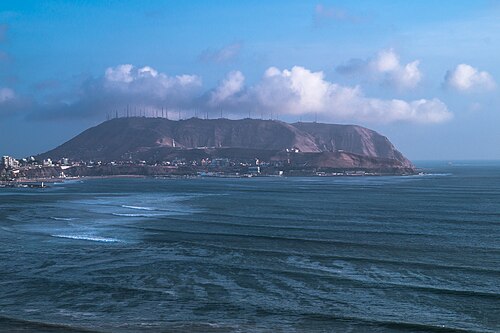
Morro Solar is a headland located in the Chorrillos district of Lima, Peru. It rises above the Pacific coastline and serves as a prominent geographical landmark for the southern part of the city.
Parque Municipal de Barranco
Barranco Municipal Park is a historic public space in the center of Barranco’s Monumental Zone, between Pedro de Osma and Miguel Grau avenues. Peru’s official tourism inventory dates its inauguration to 13 February 1898 under Mayor Pedro Solari.
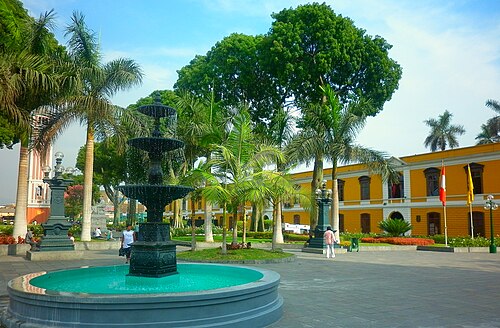
The historic centre groups Plaza Mayor, churches, convents and civic buildings. Miraflores combines clifftop parks, commercial streets and Huaca Pucllana, while Barranco continues south with galleries, historic houses and the Bridge of Sighs. San Isidro has another archaeological and business cluster. Callao and distant huacas require additional travel. The official Lima guide presents these areas as distinct routes rather than one continuous old town.
Checked 2026-08-26
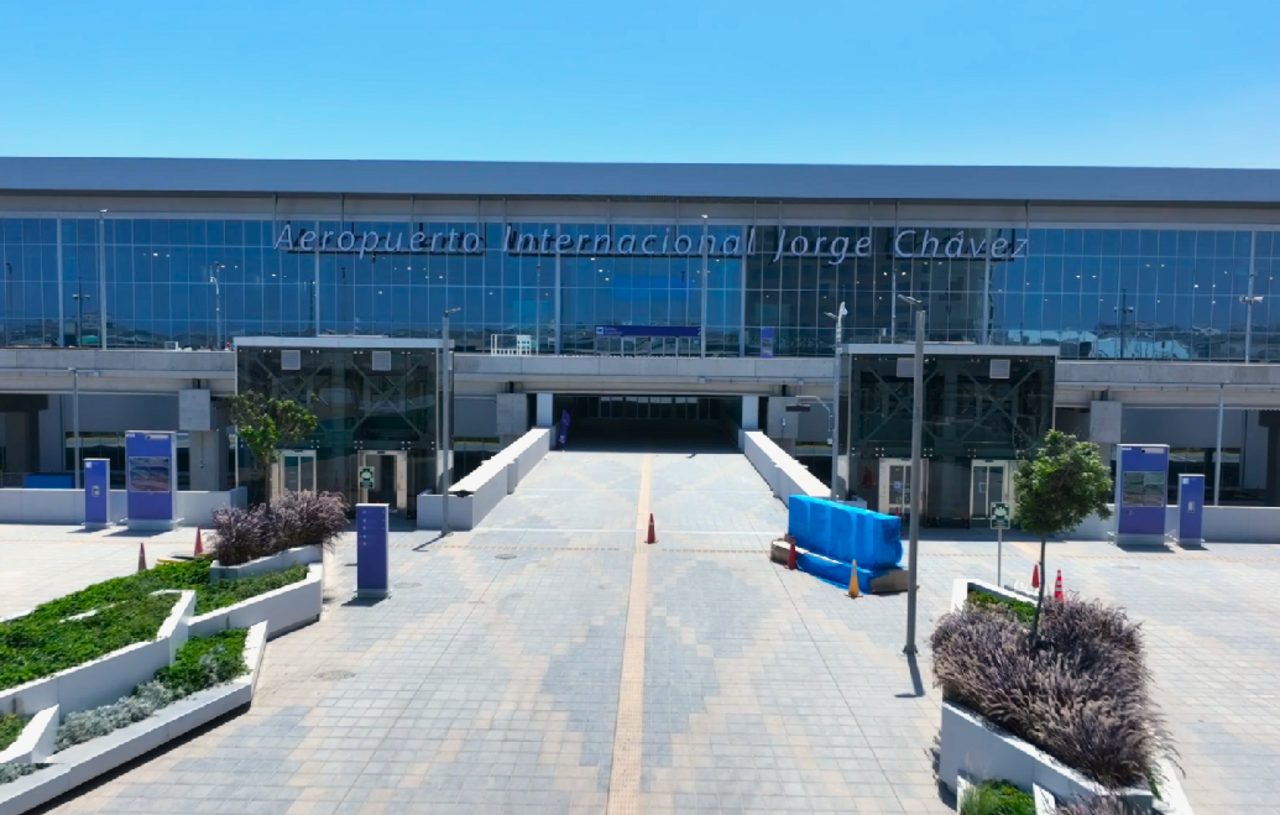
Metropolitan buses, the Metropolitano corridor, Metro services and taxis connect Lima's districts, but journey times vary with traffic. Walk within the historic centre, Miraflores or Barranco, then use planned transport between clusters. Airport and Callao journeys need additional time and a confirmed route. Use authorised services and verify current transport information locally; a place that looks nearby on a metropolitan map may still involve a long road journey.
Checked 2026-08-26
the historic centre, Miraflores, Barranco and San Isidro are separate visitor clusters
Suggested stay for a first visit: 3–4 days. Add blocks for central, coastal and outlying visits.
Use public transport or an authorised taxi between the centre and coast, allowing for traffic.
Miraflores and Barranco form the most natural coastal pairing for one day.
No official best-month range is recorded; check current local conditions before travel.