Singidunum
Антички Сингидунум
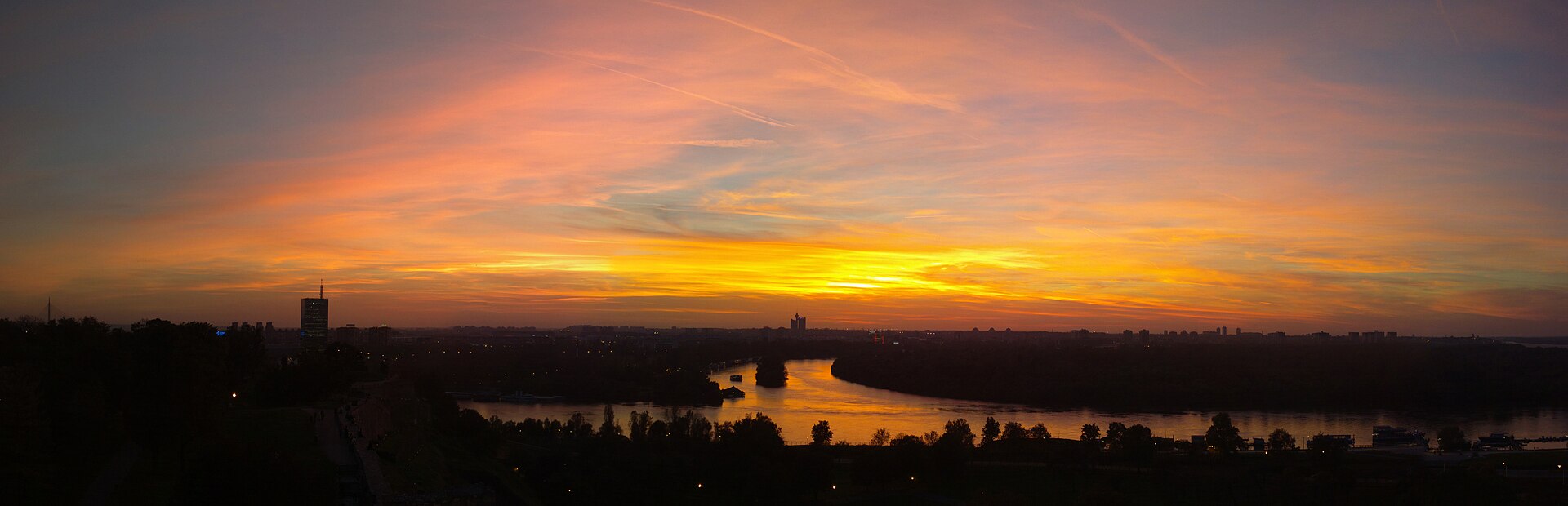
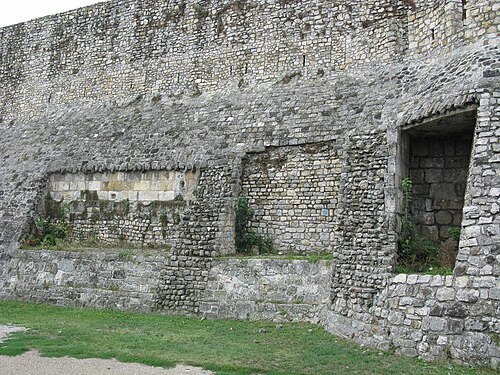
Singidunum is the Roman name for the fortified settlement that stood on the ridge now occupied by Belgrade Fortress, at the point where the Sava River meets the Danube.
- Must see
- Historic monument
- Belgrade
Country guide
Serbia is landlocked, 88,499 square kilometres, about 6.5 million people, and its rivers explain it better than its borders do. Belgrade stands where the Sava m...
Photograph · Damir Simovic · CC BY-SA 4.0
Reviewed by Elena Voss · Roavina Travel Editor
Serbia is landlocked, 88,499 square kilometres, about 6.5 million people, and its rivers explain it better than its borders do. Belgrade stands where the Sava meets the Danube, and the fortress, the old town and the river traffic all gather at that junction. North of the capital, Vojvodina is flat farmland with Novi Sad and its own fortress on the Danube; south of it the land climbs into hills, monasteries and spa towns that see far fewer foreign visitors. The country is crossed in a few hours, so Serbia is usually visited as Belgrade plus one more thing.
Checked 2026-08-25
Every city catalogued in this country so far, ranked by how much there is to see.
Photograph · Vladimir Nolic · CC BY-SA 4.0
Seasonal closures come from recorded opening hours.
Ranked by importance — sitelinks, pageviews and heritage status, not editor preference.
43 places match
Category
Typical visit duration
Interests
Антички Сингидунум
Singidunum is the Roman name for the fortified settlement that stood on the ridge now occupied by Belgrade Fortress, at the point where the Sava River meets the Danube.
Сабирни логор Сајмиште
Staro Sajmište was a trade fair before it was a camp, and people live on the site now.
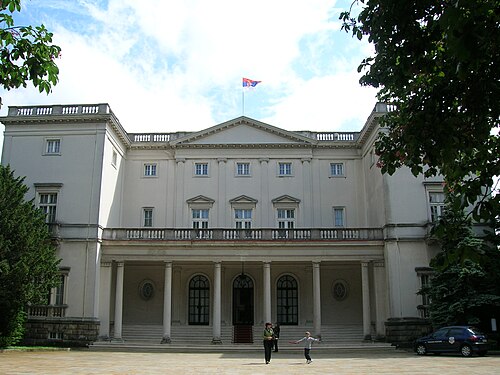
Бели двор
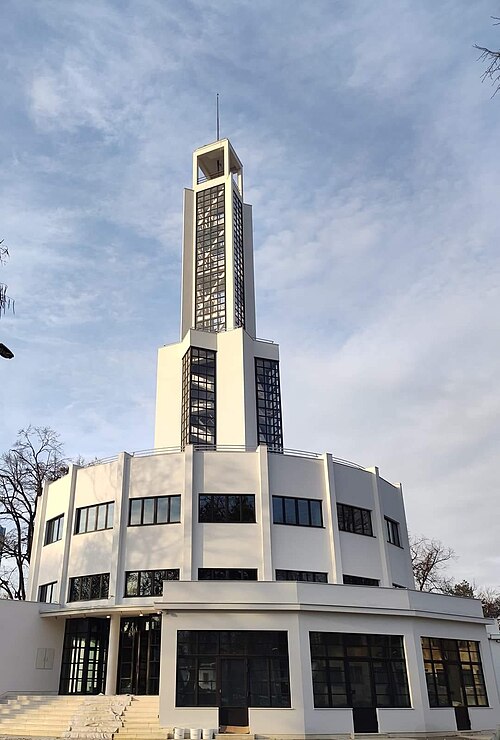
Beli dvor, the White Palace, was built between 1934 and 1937 in Dedinje as the private residence of Prince Regent Paul of Yugoslavia, who ruled as regent for the young King Peter II from 1934 to 1941.
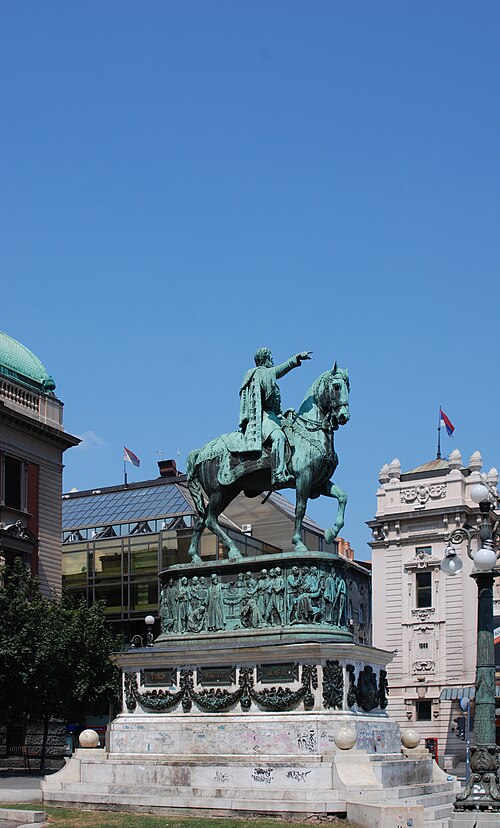
Споменик кнезу Михаилу
The Monument to Prince Mihailo is a bronze equestrian statue standing at the centre of Republic Square, Belgrade's main square.
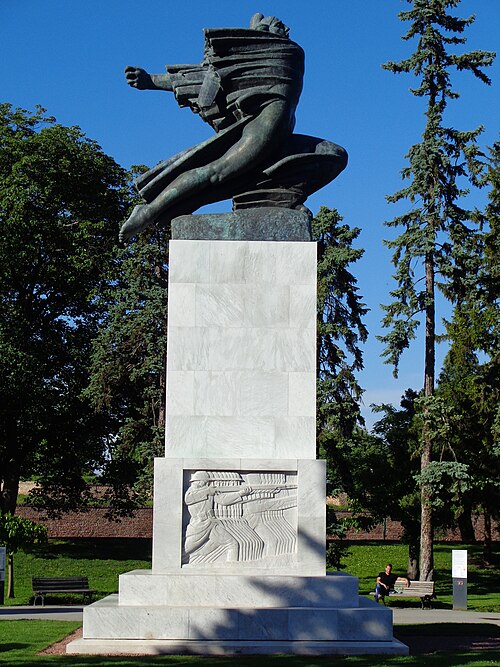
Споменик захвалности Француској
Twenty thousand people filled Kalemegdan Park on 11 November 1930 to watch King Alexander I, Queen Maria, Prince Paul and Princess Olga unveil a bronze woman striding forward with one arm raised — Belgrade's Monument of Gratitude to France, dedicated…
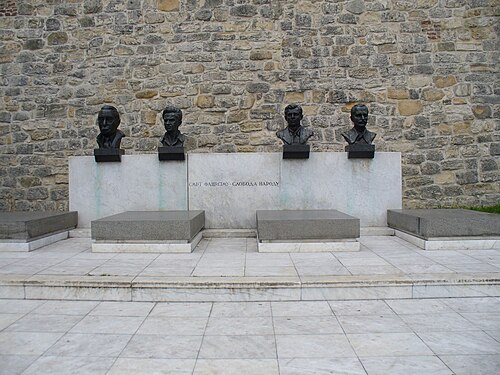
Гробница народних хероја
The Tomb of National Heroes is a memorial in Kalemegdan Park at Belgrade Fortress. The public enterprise that manages the fortress dates the tomb to 1948.
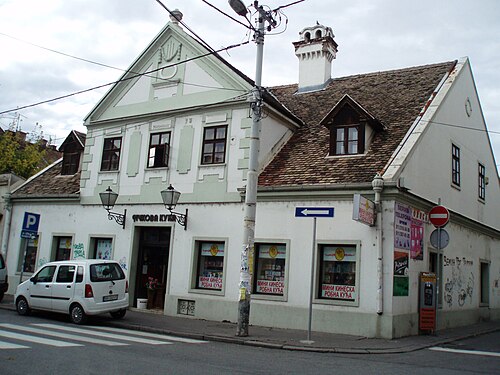
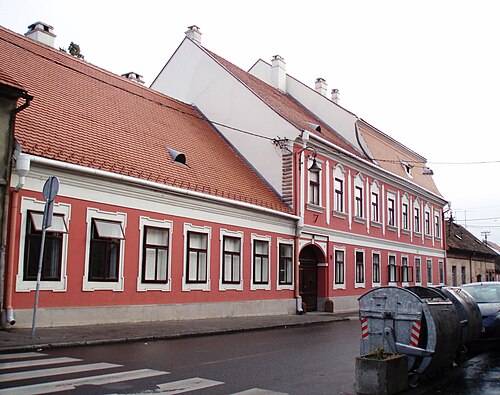
Ičkova kuća
Ičko's House at 18 Bežanijska street in Zemun is one of the oldest surviving town houses in the Belgrade area, built in 1793 in a plain Classical style — and it takes its name from a diplomat who hid there…
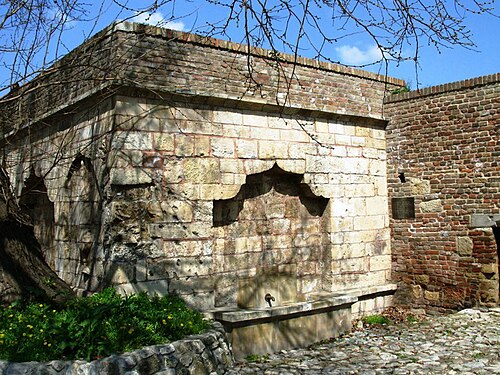
Чесма Мехмед-паше Соколовића
Mehmed Paša Sokolović's Fountain is a sixteenth-century Ottoman drinking fountain in the Upper Town of Belgrade Fortress. Erected between 1576 and 1577, it is the only endowment of Ottoman vizier Mehmed Paša Sokolović in Belgrade.
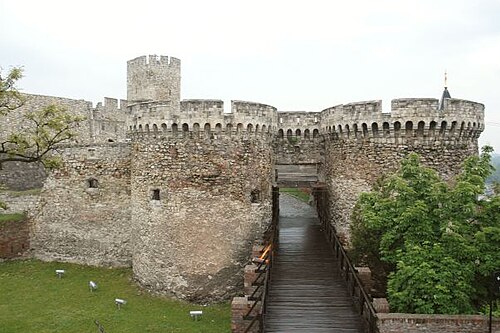
Зиндан капија
Zindan Gate is a mid-15th-century barbican at Belgrade Fortress, built as a small forward defence for the Eastern Gate.
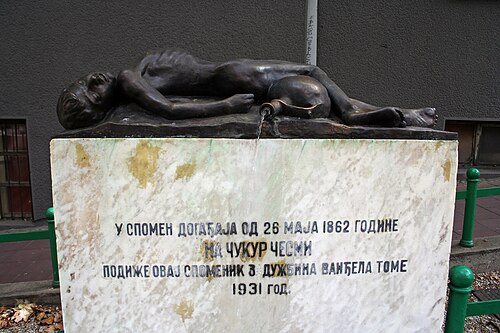
Чукур чесма
The Čukur Fountain is a monument in Dobračina Street, Dorćol, marking the spot where a killing in 1862 set off a night of street fighting and, two days later, an Ottoman bombardment of Belgrade.
Место предаје кључева Београда 1867.
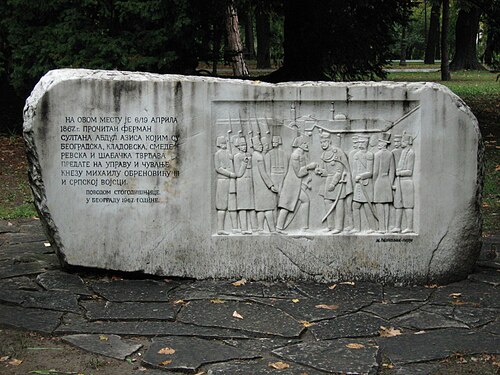
The Keys Handover Memorial is a compact outdoor monument at the entrance to Kalemegdan Park from Knez Mihailova Street.
Земунска тврђава
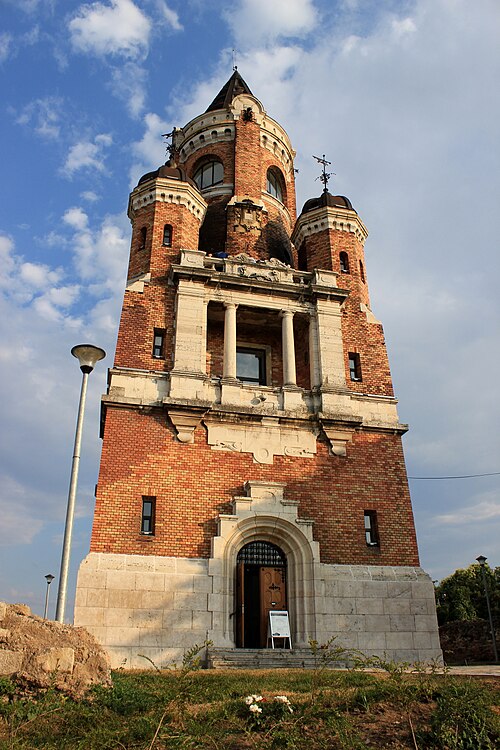
Zemun Fortress is an outdoor heritage remnant on Gardoš Hill in the historic centre of Zemun, within Belgrade.
Возарев крст
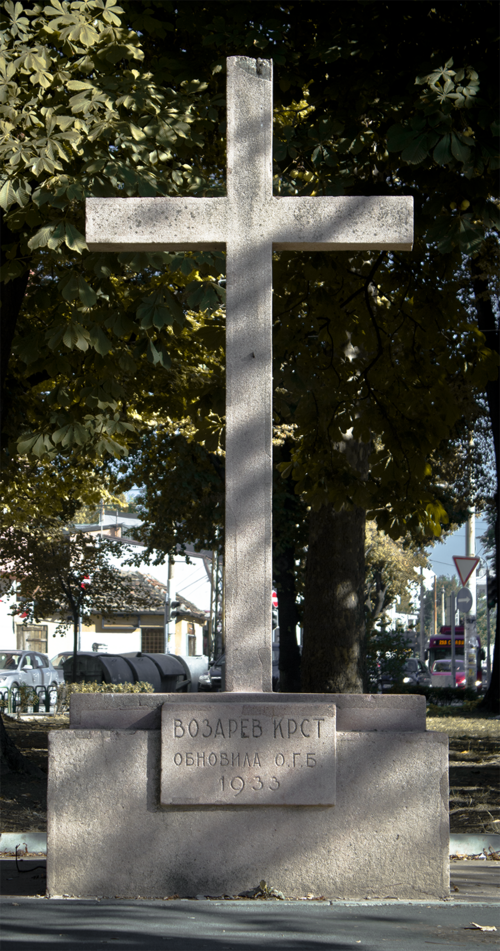
Vozarev Cross is a compact red artificial-stone monument set in a small urban park at the junction of Mileševska Street and Vojvode Šupljikca Street in Belgrade’s Vračar area.
Спомен-парк Јајинци
Memorial Park Jajinci is a wartime remembrance site in Belgrade’s Voždovac municipality, on the grounds of a former military shooting range. During the Second World War, civilians and other victims were killed here.
Кућа породице Карамата
Karamata Family House is a protected historic residence at Karamatina 17 in Old Zemun, Belgrade, rather than a purpose-built museum. The oldest part dates from 1763, and the complex was enlarged and unified in stages through 1827.
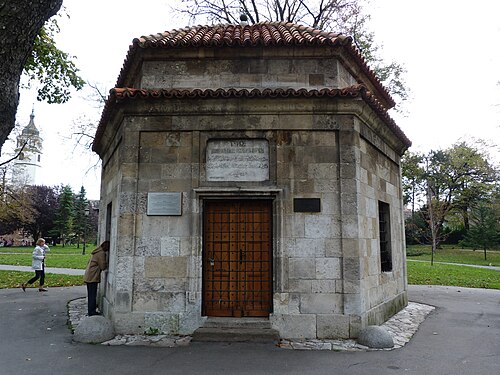
Дамад Али-пашино турбе
Damat Ali-Paša's Turbeh is a compact hexagonal Ottoman mausoleum in the Upper Town of Belgrade Fortress, near the remains of the former Sultan Suleiman Mosque.
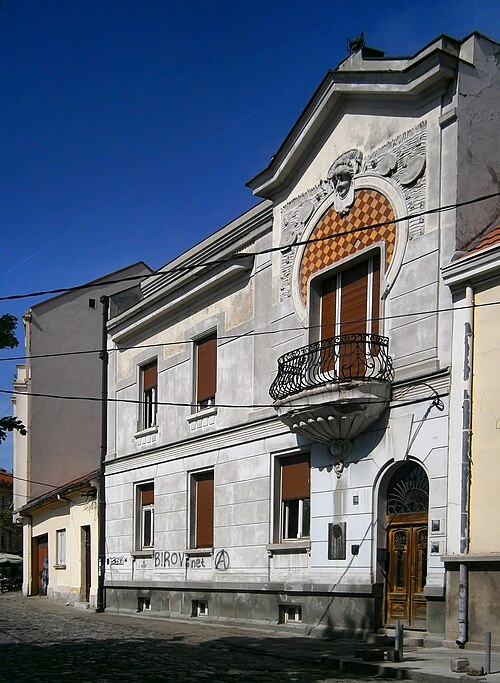
Дом Мике Аласа
Mika Alas's House is a protected historic residence at 22 Kosančićev Venac in Belgrade’s Stari Grad municipality. Built in 1910, it was designed by architect Petar Bajalović for Mihailo Petrović, the mathematician and scientist known as Mika Alas.
Београдски планетаријум
Belgrade Planetarium is a compact astronomy venue inside the Lower Town of Belgrade Fortress, near the Eastern Gate complex. Its defining feature is an 8-metre projection screen used for presentations about the sky and celestial objects.
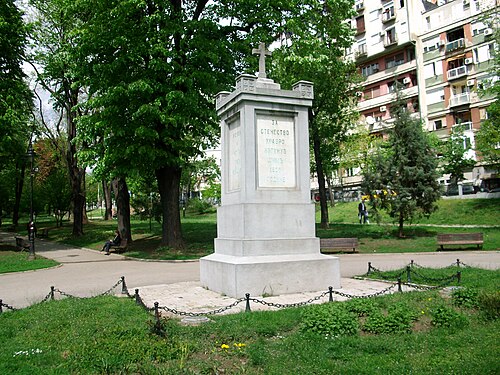
Споменик погинулим устаницима 1806. године
The Monument to the Insurgents is a memorial in Karađorđev Park, in Belgrade’s Vračar municipality. It commemorates insurgents who died during the fighting to liberate Belgrade from the Ottomans in 1806.
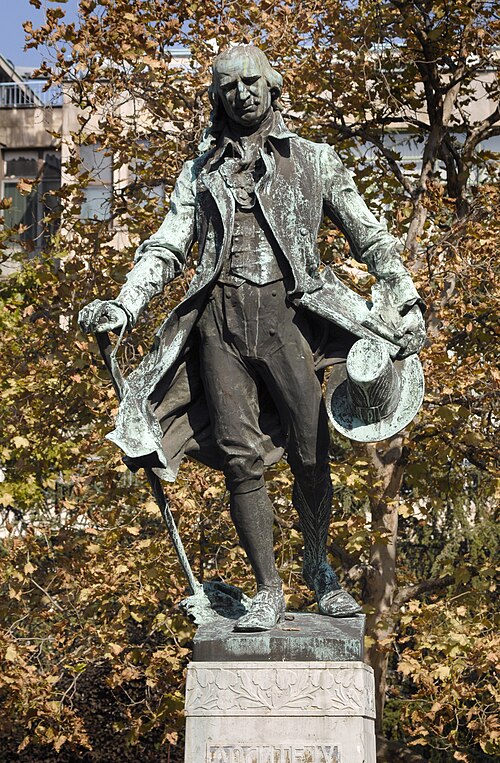
Споменик Доситеју Обрадовићу
The Monument to Dositej Obradović is a bronze memorial in Academic Park, also called Studentski Park, at Studentski trg in central Belgrade. It honours Dositej Obradović, the Serbian Enlightenment writer and educator whose work shaped literary and educational culture.
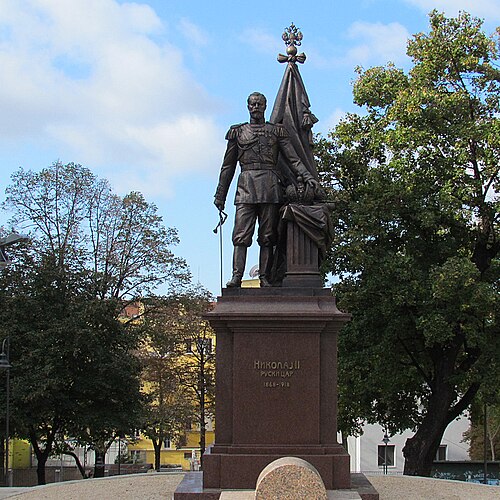
Споменик цару Николају II
Nicholas II of Russia in sculpture is a bronze memorial to the last Russian emperor in Aleksandrov Park, central Belgrade.
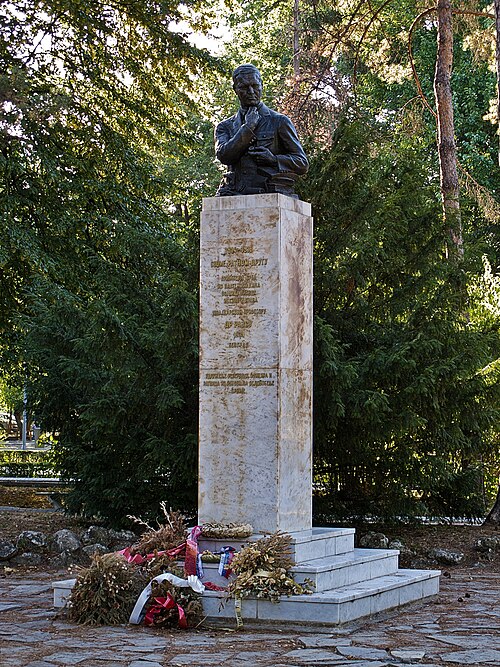
Споменик Арчибалду Рајсу
The Monument to Archibald Reiss is a 1931 memorial in Belgrade’s Topčider Park, erected two years after the Swiss forensic scientist died.
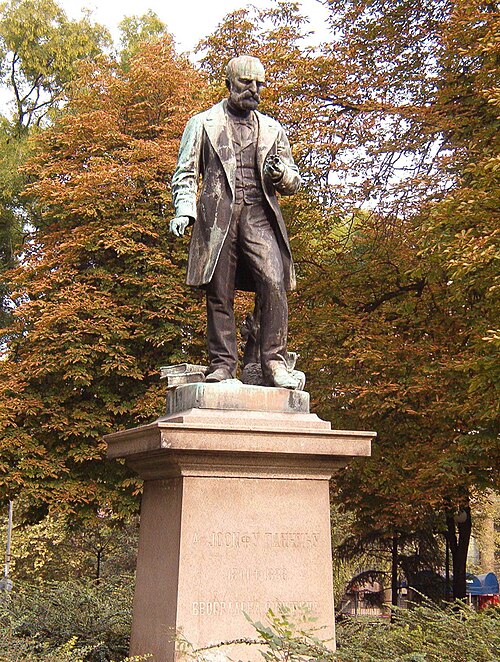
Споменик Јосифу Панчићу
The Monument to Josif Pančić is a bronze memorial in Academic Park, beside Studentski Trg in central Belgrade. Created by sculptor Đorđe Jovanović and erected in 1897, it presents Pančić standing with a magnifying glass and a branch.
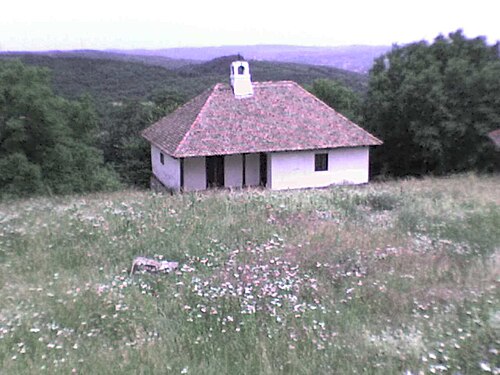
Кућа војводе Степе Степановића
The birthplace of Stepa Stepanović is a modest memorial house in Kumodraž, at Vrčinska Street in southern Belgrade. Built in the middle of the 19th century, it preserves the domestic setting associated with the Serbian military commander’s early life.
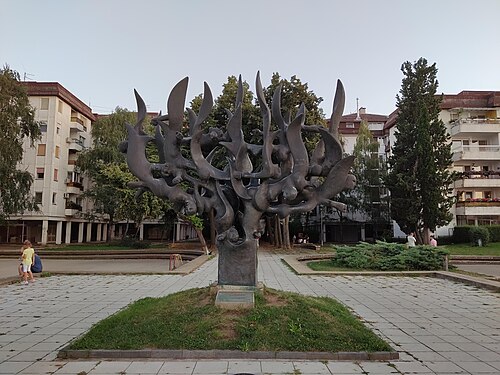
Менора у пламену
Menorah in Flames is a bronze Holocaust memorial on Belgrade’s Danube riverbank in Dorćol. Created by Yugoslav sculptor and Holocaust survivor Nandor Glid, it was unveiled on 21 October 1990.