

01
2 hours
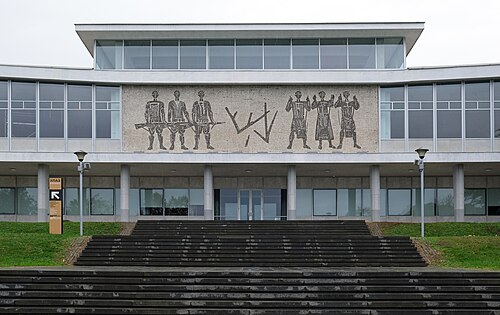
Museum of Yugoslav History
Музеј Југославије
Museum of Yugoslav History is the former name of a Dedinje complex now officially called the Museum of Yugoslavia.
- Must see
- Museum
- Belgrade
Country guide
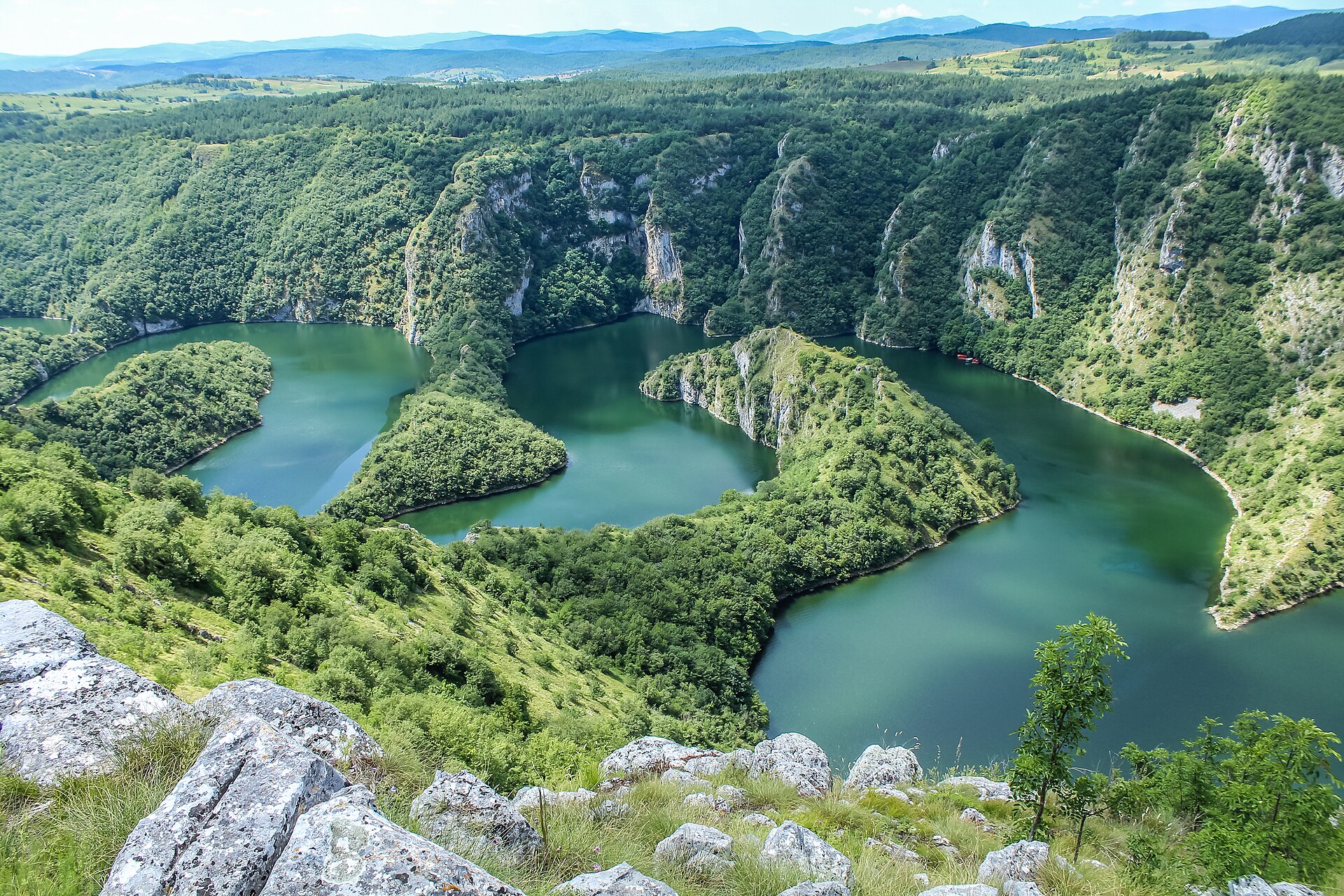
Serbia is landlocked, 88,499 square kilometres, about 6.5 million people, and its rivers explain it better than its borders do. Belgrade stands where the Sava m...
Photograph · Damir Simovic · CC BY-SA 4.0
Reviewed by Elena Voss · Roavina Travel Editor
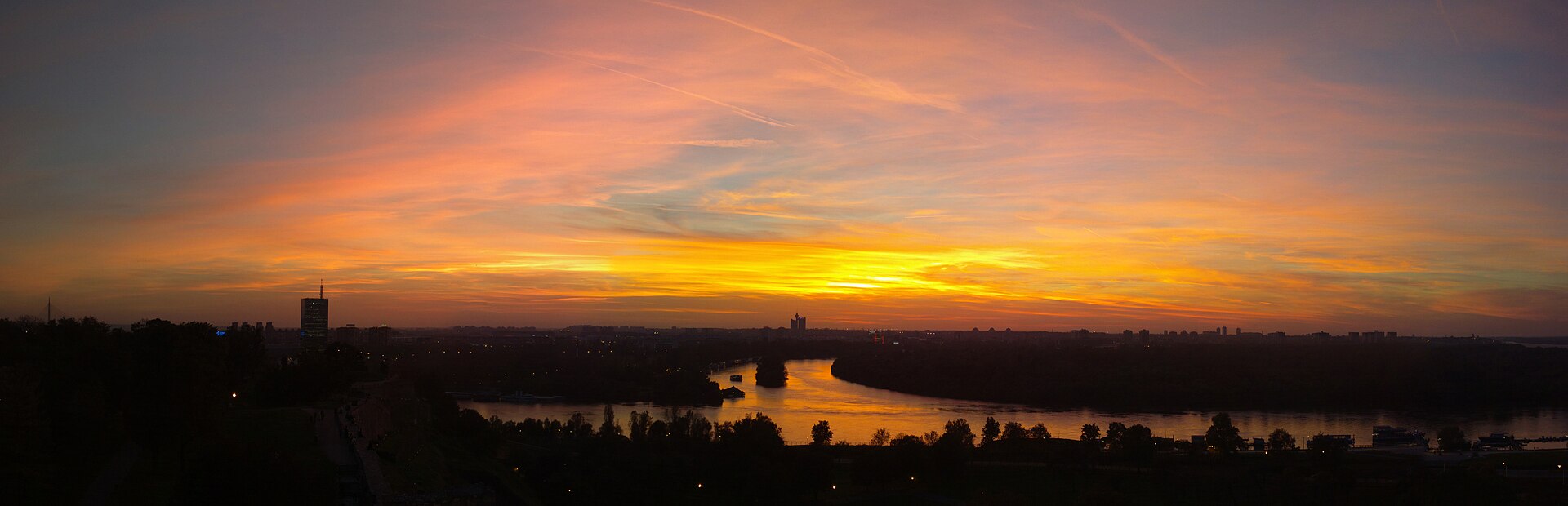
Serbia is landlocked, 88,499 square kilometres, about 6.5 million people, and its rivers explain it better than its borders do. Belgrade stands where the Sava meets the Danube, and the fortress, the old town and the river traffic all gather at that junction. North of the capital, Vojvodina is flat farmland with Novi Sad and its own fortress on the Danube; south of it the land climbs into hills, monasteries and spa towns that see far fewer foreign visitors. The country is crossed in a few hours, so Serbia is usually visited as Belgrade plus one more thing.
Checked 2026-08-25
Every city catalogued in this country so far, ranked by how much there is to see.
Photograph · Vladimir Nolic · CC BY-SA 4.0
Seasonal closures come from recorded opening hours.
Ranked by importance — sitelinks, pageviews and heritage status, not editor preference.
22 places match
Category
Typical visit duration
Interests
Музеј Југославије
Museum of Yugoslav History is the former name of a Dedinje complex now officially called the Museum of Yugoslavia.
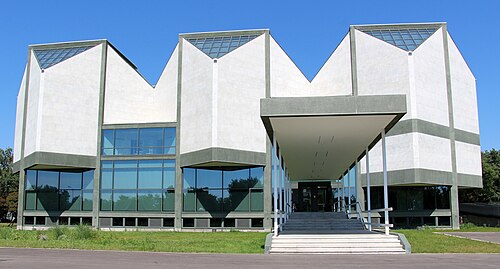
Музеј савремене уметности
The Museum of Contemporary Art occupies a distinctive faceted building in Ušće park, New Belgrade, at the confluence of the Sava and Danube.
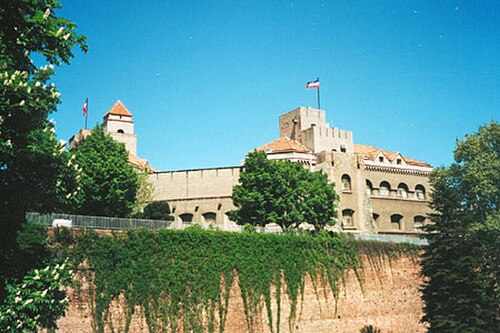
Војни музеј
Belgrade Military Museum occupies a distinctive building on the upper terrace of Kalemegdan, within the Belgrade Fortress grounds. Its setting is part of the experience: the museum combines indoor historical galleries with heavy weapons displayed outside around the building.
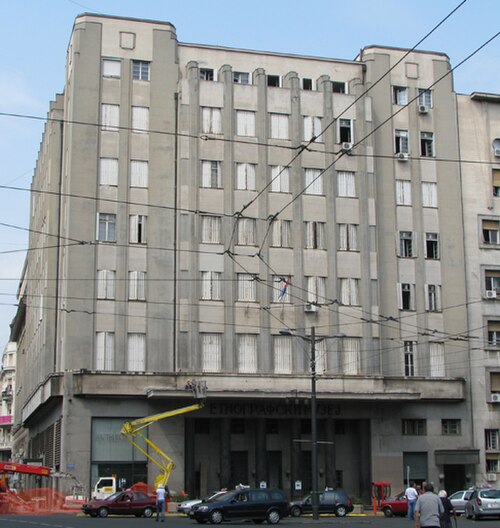
Етнографски музеј
Belgrade’s Ethnographic Museum is a focused introduction to everyday culture in Serbia and the wider South Slavic world.
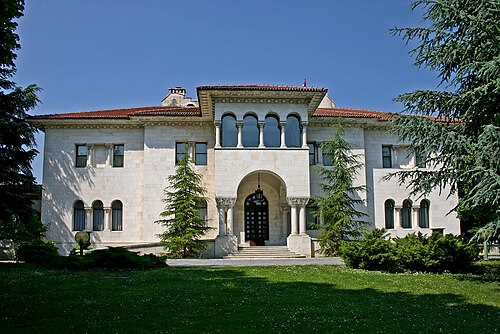
Краљевски двор
The Royal Palace was built between 1912 and 1929 in Dedinje for King Alexander I Karađorđević, its construction interrupted by the Balkan Wars and the First World War and finished only after Alexander proclaimed the Kingdom of Yugoslavia in 1929.
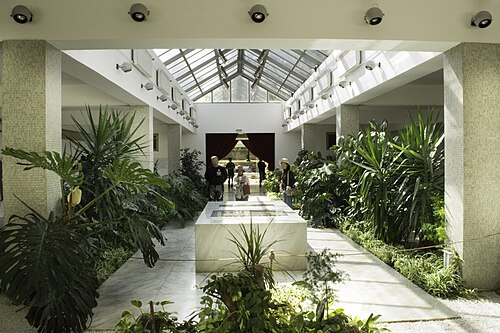
Кућа цвећа
The House of Flowers is Tito's grave, and it was built as a greenhouse.