

01
2 hours
Museum of Yugoslav History
Музеј Југославије
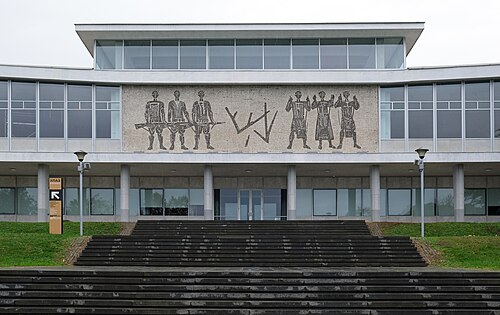
Museum of Yugoslav History is the former name of a Dedinje complex now officially called the Museum of Yugoslavia.
- Must see
- Museum
- Belgrade
Language · 11 published
Country guide
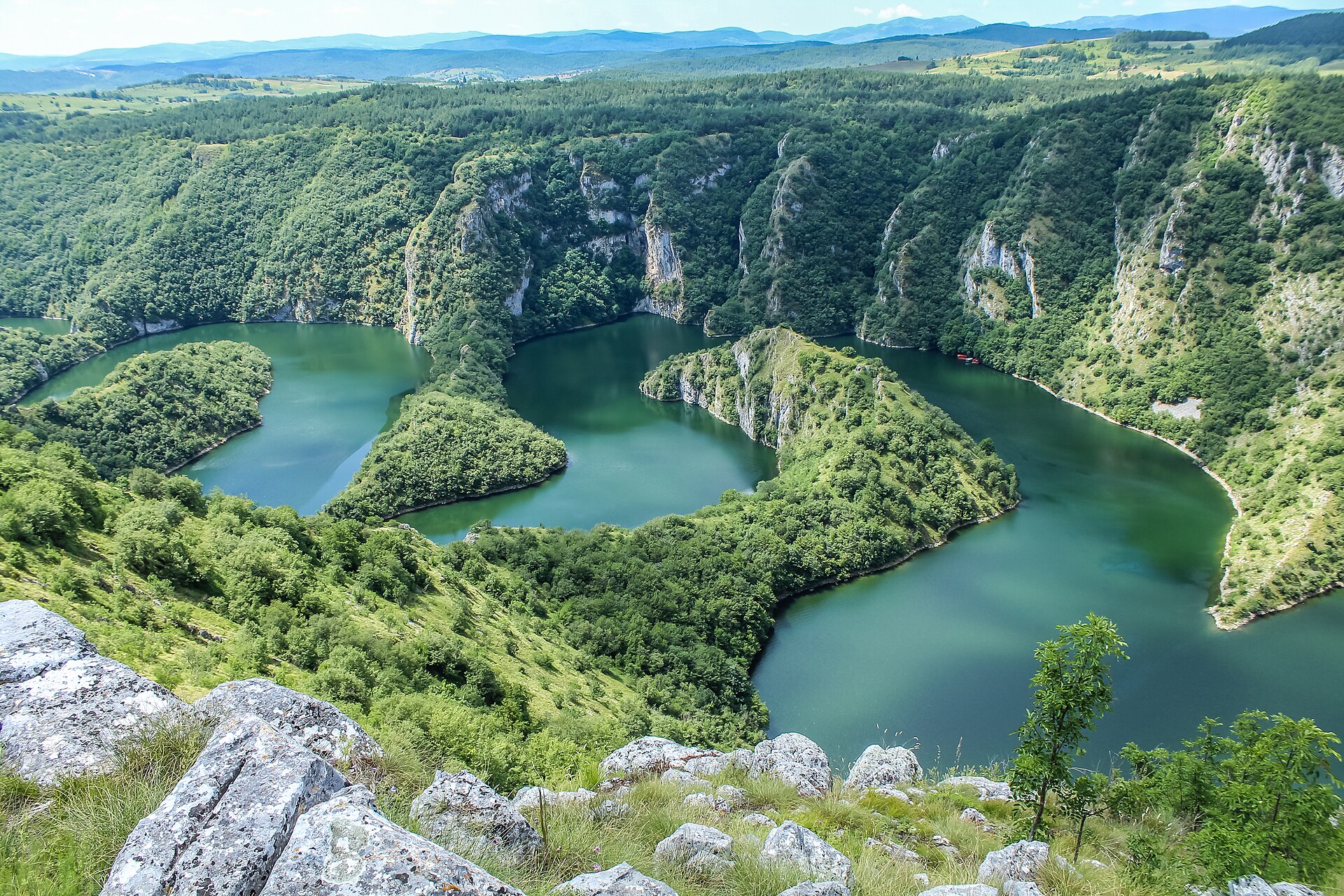
Serbia is landlocked, 88,499 square kilometres, about 6.5 million people, and its rivers explain it better than its borders do. Belgrade stands where the Sava meets the Danube, and the fortress, the old town and the river traffic all gather at that junction. North of the capital, Vojvodina is flat farmland with Novi Sad and its own fortress on the Danube; south of it the land climbs into hills, monasteries and spa towns that see far fewer foreign visitors. The country is crossed in a few hours, so Serbia is usually visited as Belgrade plus one more thing.
Reviewed by Elena Voss · Roavina Travel Editor
Every city catalogued in this country so far, ranked by how much there is to see.
Photograph · Vladimir Nolic · CC BY-SA 4.0
Ranked by importance — sitelinks, pageviews and heritage status, not editor preference.
32 places match
Category
Typical visit duration
Interests
Музеј Југославије
Museum of Yugoslav History is the former name of a Dedinje complex now officially called the Museum of Yugoslavia.

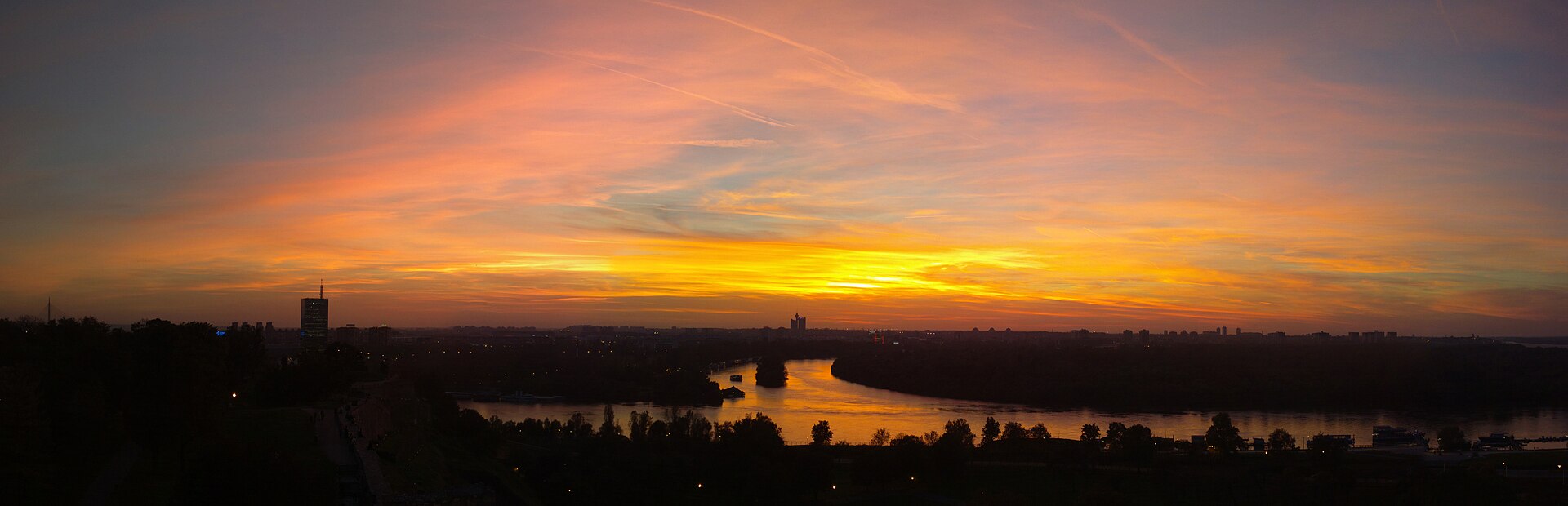
Belgrade exists because of a corner of water. The Sava comes in from the west, the Danube runs down from the north, and the ridge where they meet has been fortified by everyone who has held it since the Celts.
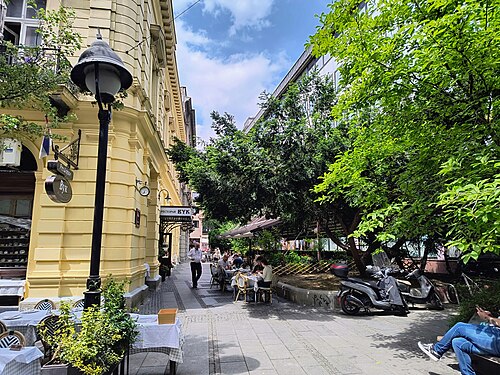
Knez Mihailova Street is Belgrade's principal pedestrian and historic thoroughfare, forming an independent urban walk through the city centre. The street connects Republic Square with Kalemegdan Park and the Belgrade Fortress.
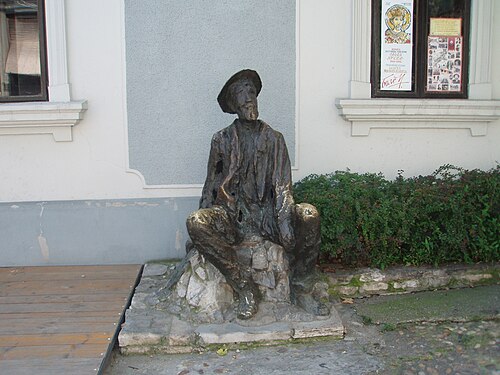
Skadarlija is a preserved bohemian quarter in central Belgrade, Serbia. The cobblestone street dates to the nineteenth century and developed as a gathering place for writers, artists, and musicians.
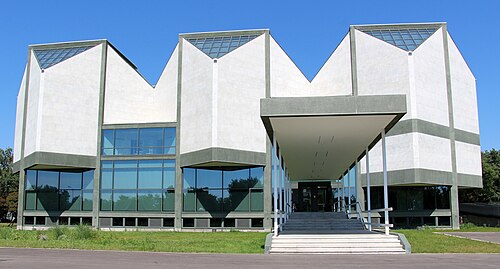
Музеј савремене уметности
The Museum of Contemporary Art occupies a distinctive faceted building in Ušće park, New Belgrade, at the confluence of the Sava and Danube.
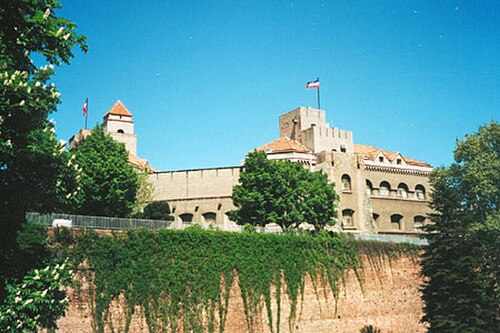
Војни музеј
Belgrade Military Museum occupies a distinctive building on the upper terrace of Kalemegdan, within the Belgrade Fortress grounds. Its setting is part of the experience: the museum combines indoor historical galleries with heavy weapons displayed outside around the building.
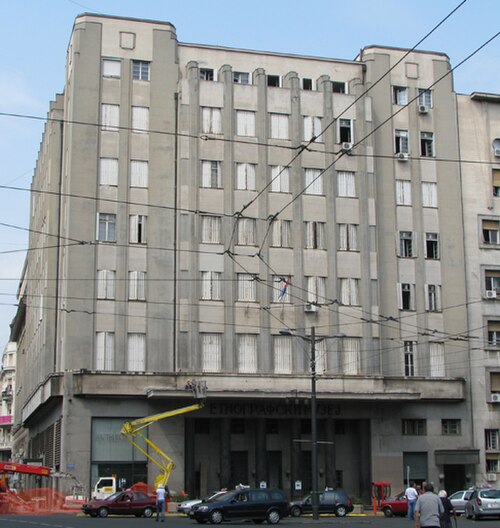
Етнографски музеј
Belgrade’s Ethnographic Museum is a focused introduction to everyday culture in Serbia and the wider South Slavic world.
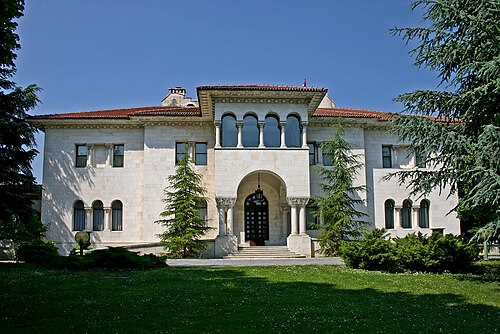
Краљевски двор
The Royal Palace was built between 1912 and 1929 in Dedinje for King Alexander I Karađorđević, its construction interrupted by the Balkan Wars and the First World War and finished only after Alexander proclaimed the Kingdom of Yugoslavia in 1929.
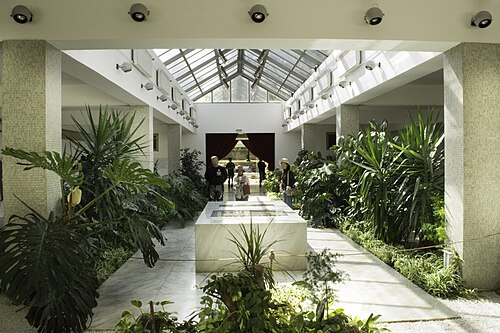
Кућа цвећа
The House of Flowers is Tito's grave, and it was built as a greenhouse.
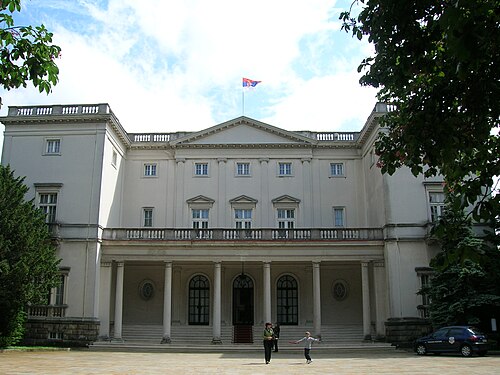
Бели двор
Beli dvor, the White Palace, was built between 1934 and 1937 in Dedinje as the private residence of Prince Regent Paul of Yugoslavia, who ruled as regent for the young King Peter II from 1934 to 1941.
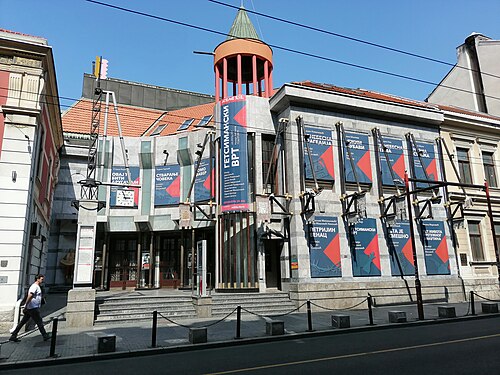
Атеље 212
Atelje 212 is a repertory theatre in central Belgrade, opened on 12 November 1956 with a staging of Goethe's Faust directed by Mira Trailović.
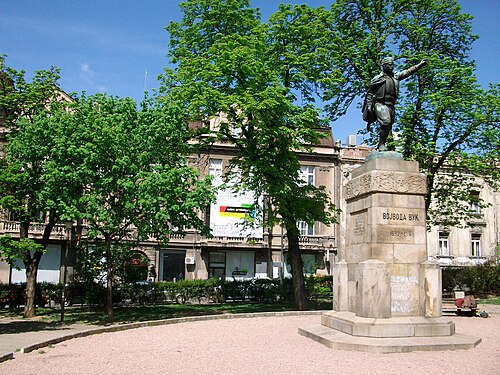
Музеј примењене уметности
The Museum of Applied Art on Vuka Karadžića street holds over 37,000 objects spanning 2,400 years of applied art, founded on 6 November 1950. Its oldest pieces are Ancient Greek coins from the fourth century BC.
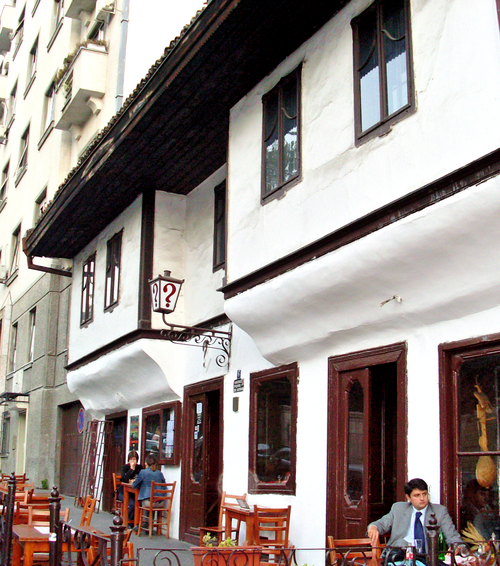
Кафана „?”
Kafana “?” is Belgrade's oldest still-operating tavern, and it wears its name as a scar from a fight with the church across the street.
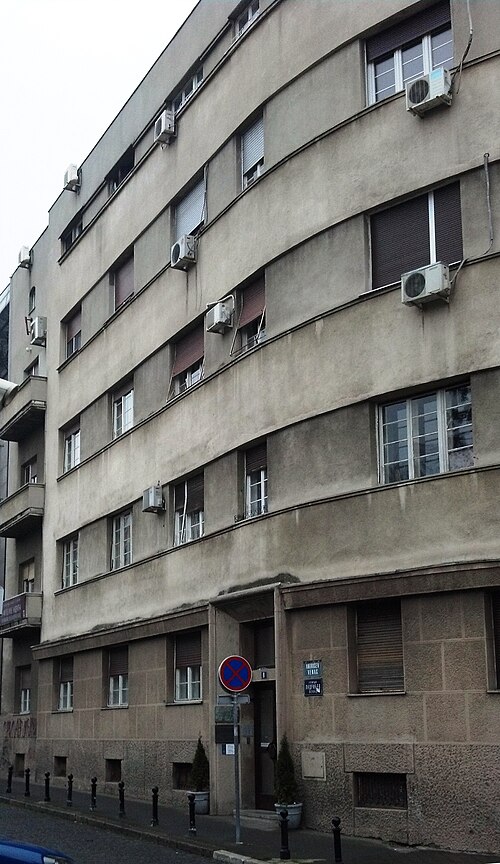
Музеј Иве Андрића
The Museum of Ivo Andrić is a memorial museum in Belgrade dedicated to Ivo Andrić, the writer and Nobel Prize laureate whose work is central to Yugoslav and Serbian literary memory.
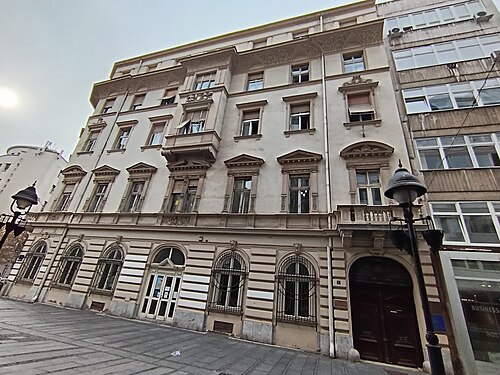
Музеј града Београда
The Belgrade City Museum (Muzej grada Beograda) was founded in 1903, when the city assembly voted to build a collection documenting Belgrade itself rather than the wider Serbian state.
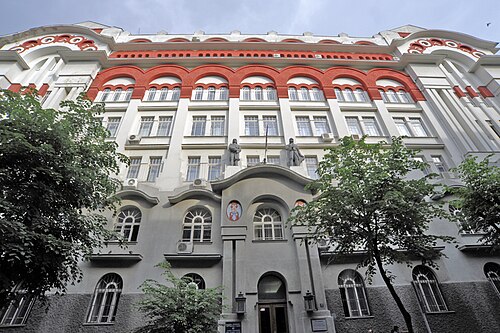
ПТТ музеј
Belgrade Post Museum presents Serbia’s postal, telegraph and telephone heritage through historical equipment, documents and postal artefacts. The museum occupies the ground floor of the First Telephone Exchange building at Majke Jevrosime 13, at the corner of Palmotićeva Street.
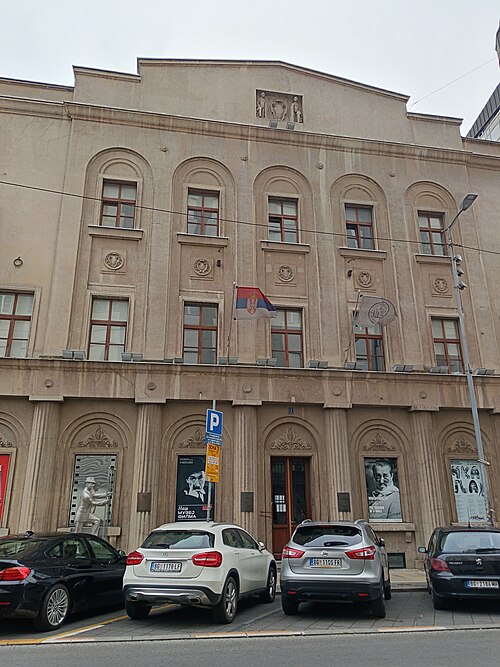
Југословенска кинотека
At Uzun Mirkova 1 beside Student Square, the Yugoslav Film Archive brings together a permanent museum exhibition and a working cinema institution.
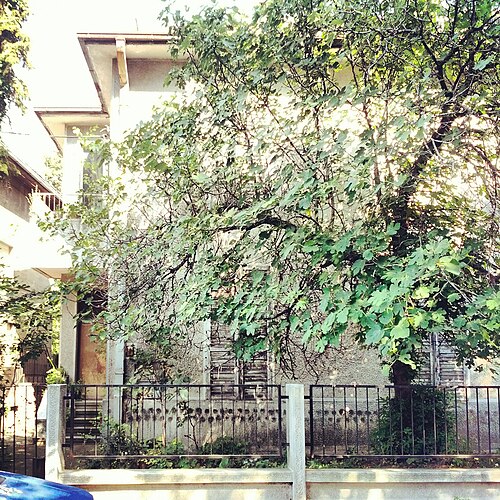
Музеј Надежде и Растка Петровића
The Memorial Museum of Nadežda and Rastko Petrović occupies the Petrović family home at Ljube Stojanovića 25 in Belgrade’s Professor’s Colony.
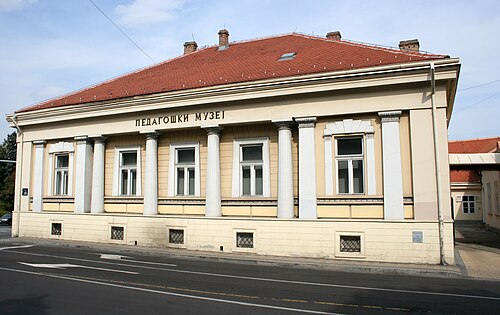
Педагошки музеј
The Museum of Pedagogy in Belgrade is devoted to the history of Serbian schooling. Its permanent exhibition, The Ten Centuries of the Serbian School, follows education in Serbia from the 9th century to the beginning of the 20th century.
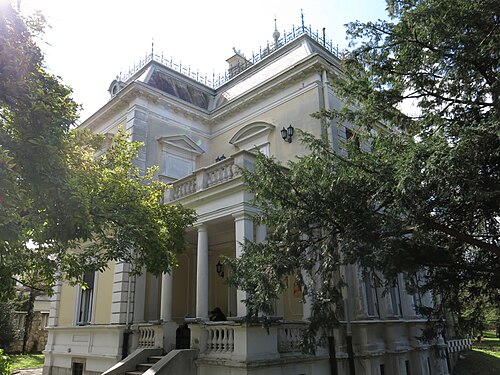
Кућа Краља Петра
House of King Peter I of Serbia is a historic villa in Senjak with a specific royal history.
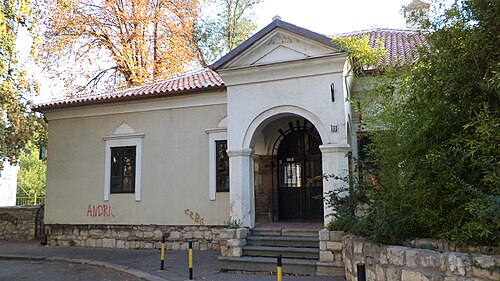
Музеј позоришне уметности
The Museum of Theatrical Arts of Serbia is a specialist Belgrade institution that preserves the country’s theatre memory through objects, images, documents, and recorded material.
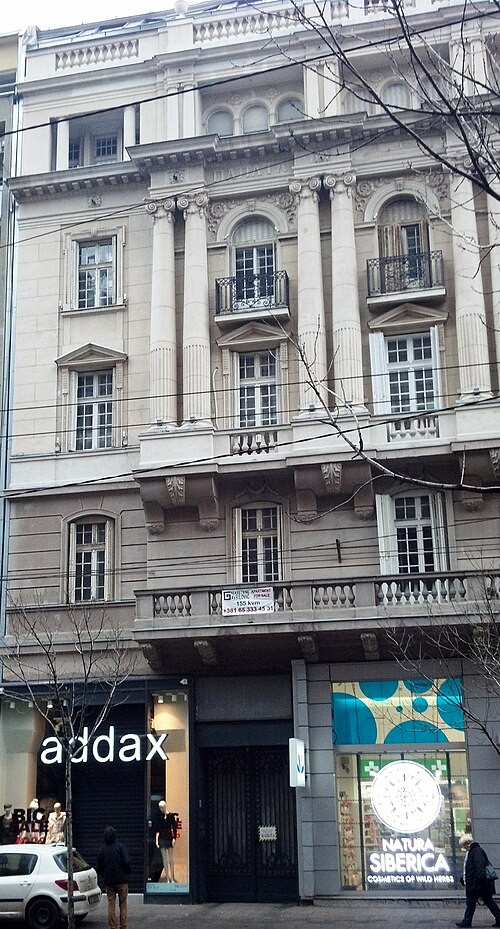
Музеј Паје Јовановића
The Museum of Paja Jovanović is a compact Belgrade collection devoted to the Serbian painter Paja Jovanović.
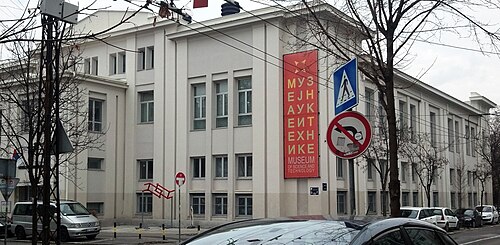
Музеј науке и технике
The Museum of Science and Technology Belgrade is a specialist museum at Skenderbegova 51, devoted to the material history of science, technology and everyday technical life.
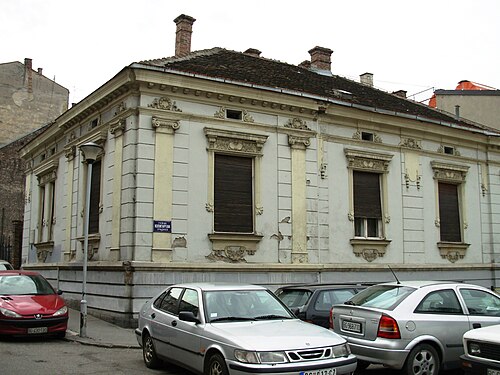
Музеј Јована Цвијића
Memorial Museum Jovan Cvijić occupies the Belgrade house where the geographer Jovan Cvijić lived and worked. At Jelene Ćetković 5 in Kopitareva gradina, the address identifies a personal domestic setting rather than a purpose-built museum complex.
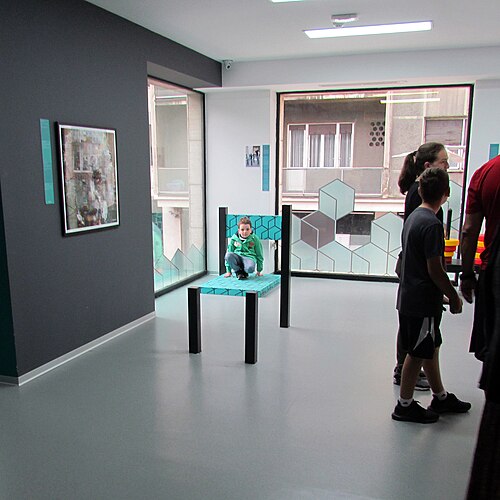
Музеј илузија
Museum of Illusions is an interactive attraction at Nušićeva 11 in central Belgrade, built around visual perception, balance and the ways the brain interprets space.
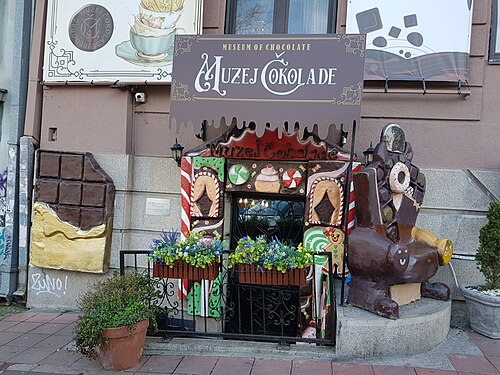
Музеј чоколаде
Museum of Chocolate Belgrade is a themed museum devoted to the history, production and enjoyment of chocolate.
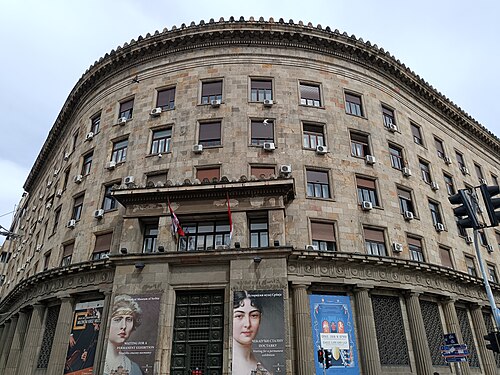
Музеј жртава геноцида
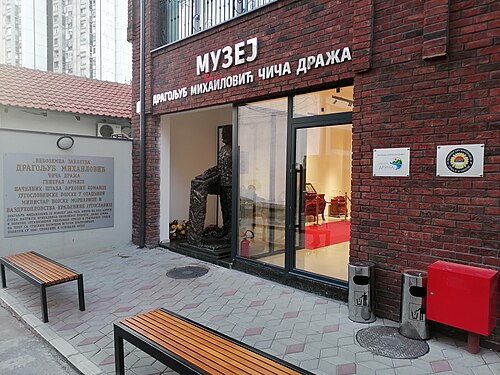
Музеј Драже Михаиловића
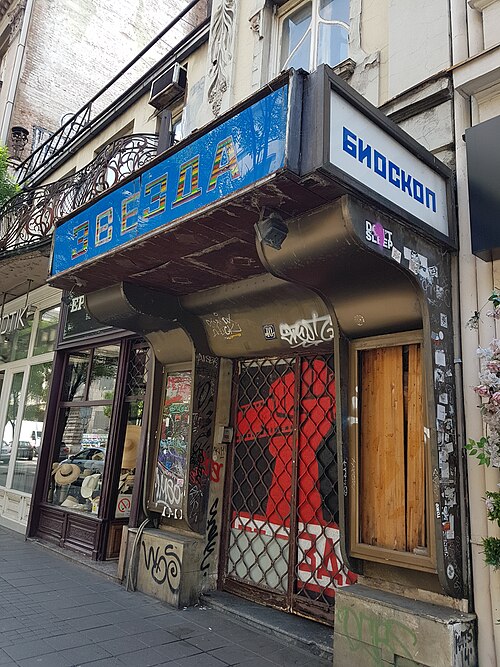
Нови биоскоп Звезда
Дино парк Калемегдан – Јура авантура
Source: OpenStreetMap contributors, Wikidata ·