

01
1 hour
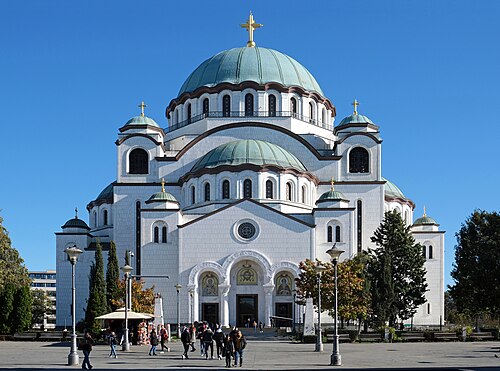
Church of Saint Sava
Храм Светог Саве
The Church of Saint Sava stands where an Ottoman general burned a saint's bones, and it took eighty-five years to build.
- Must see
- Place of worship
- Belgrade
Language · 11 published
Country guide
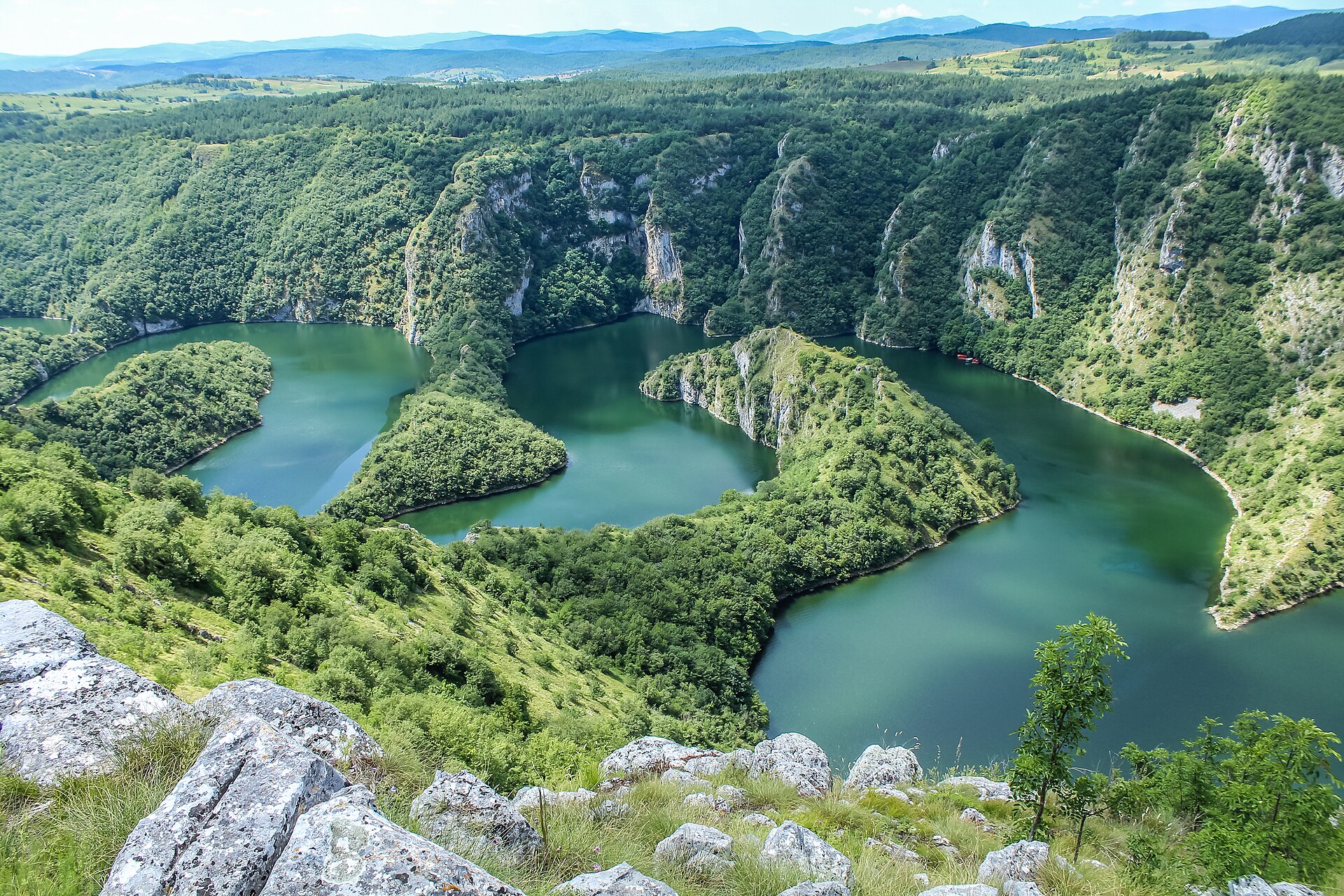
Serbia is landlocked, 88,499 square kilometres, about 6.5 million people, and its rivers explain it better than its borders do. Belgrade stands where the Sava meets the Danube, and the fortress, the old town and the river traffic all gather at that junction. North of the capital, Vojvodina is flat farmland with Novi Sad and its own fortress on the Danube; south of it the land climbs into hills, monasteries and spa towns that see far fewer foreign visitors. The country is crossed in a few hours, so Serbia is usually visited as Belgrade plus one more thing.
Reviewed by Elena Voss · Roavina Travel Editor
Every city catalogued in this country so far, ranked by how much there is to see.
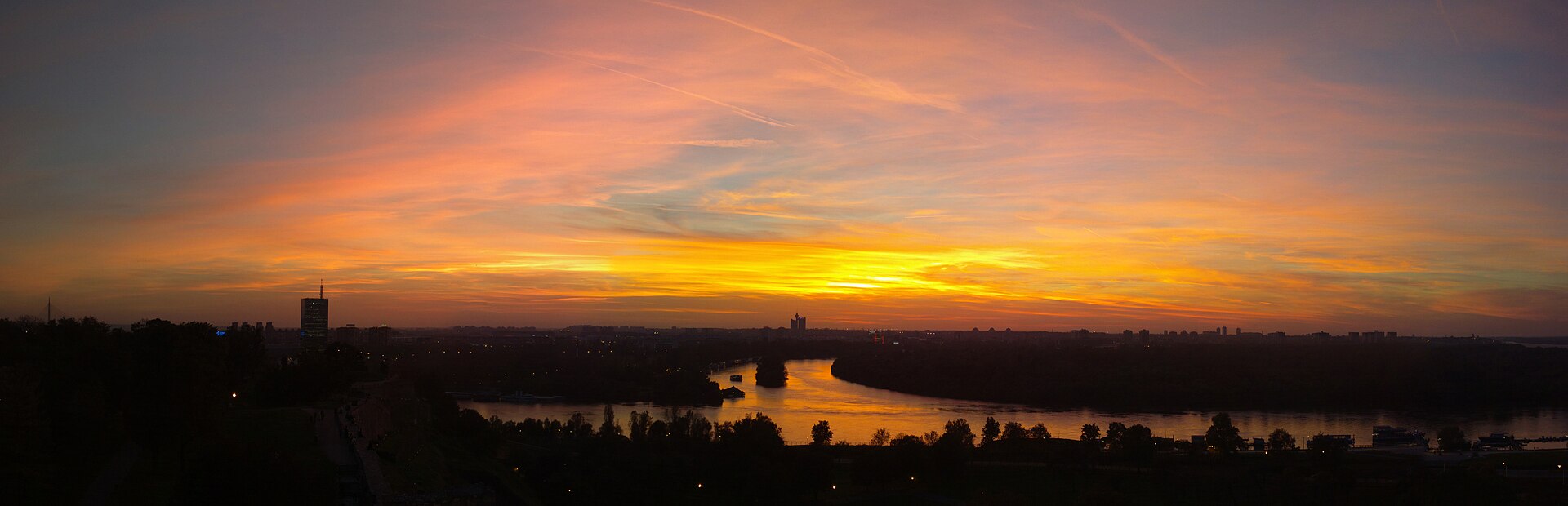
Photograph · Vladimir Nolic · CC BY-SA 4.0
Ranked by importance — sitelinks, pageviews and heritage status, not editor preference.
26 places match
Category
Typical visit duration
Храм Светог Саве
The Church of Saint Sava stands where an Ottoman general burned a saint's bones, and it took eighty-five years to build.
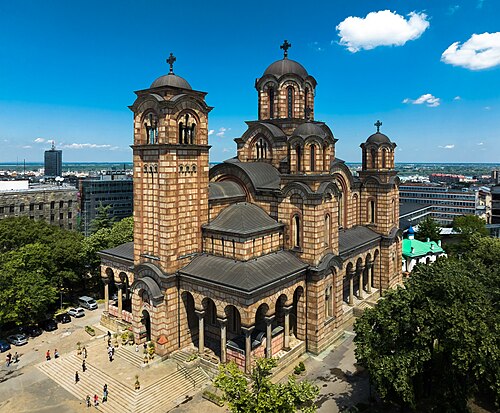
Црква Светог Марка
St. Mark's Church is a Serbian Orthodox church on Tašmajdan hill in central Belgrade, built between 1931 and 1940 to designs by the brothers Petar and Branko Krstić, both professors at the University of Belgrade Faculty of Architecture.
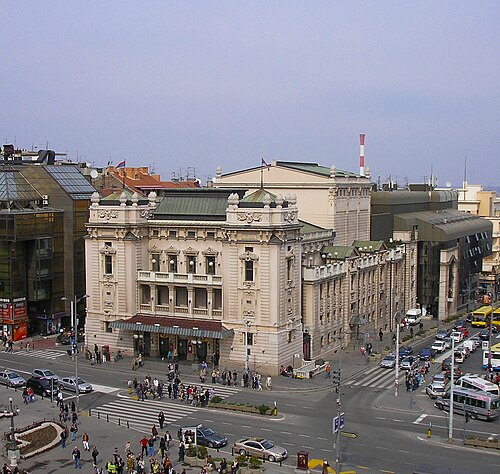
Народно позориште у Београду
The National Theatre opened on Republic Square in 1868, modelled by the architect Aleksandar Bugarski on Milan's La Scala and Moscow's Bolshoi rather than on a local precedent, at a time when Serbia was asserting itself as a modern European…
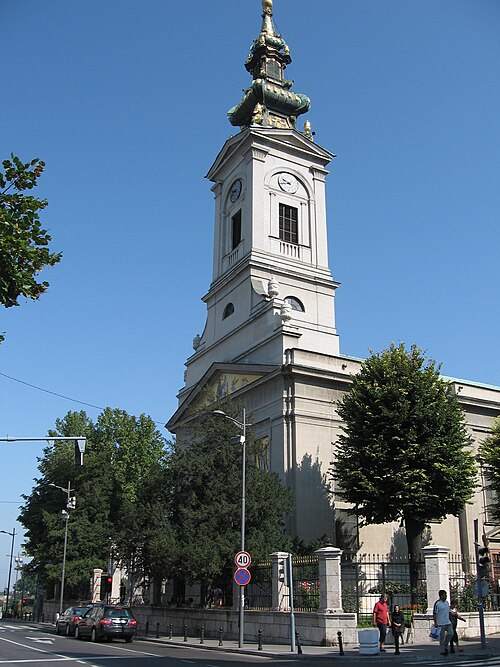
Саборни храм Светог архангела Михаила
St. Michael's Cathedral is the seat of the Serbian Orthodox Metropolitanate of Belgrade, built between 1837 and 1845 on the site of an earlier church destroyed in the Ottoman era.
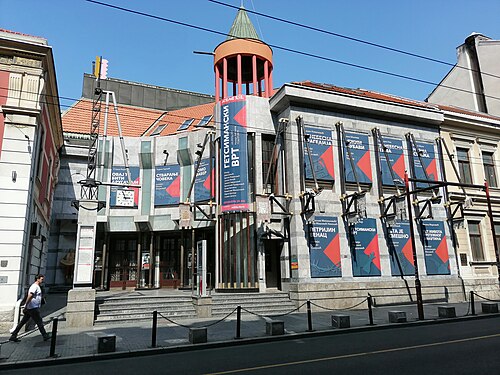
Атеље 212
Atelje 212 is a repertory theatre in central Belgrade, opened on 12 November 1956 with a staging of Goethe's Faust directed by Mira Trailović.
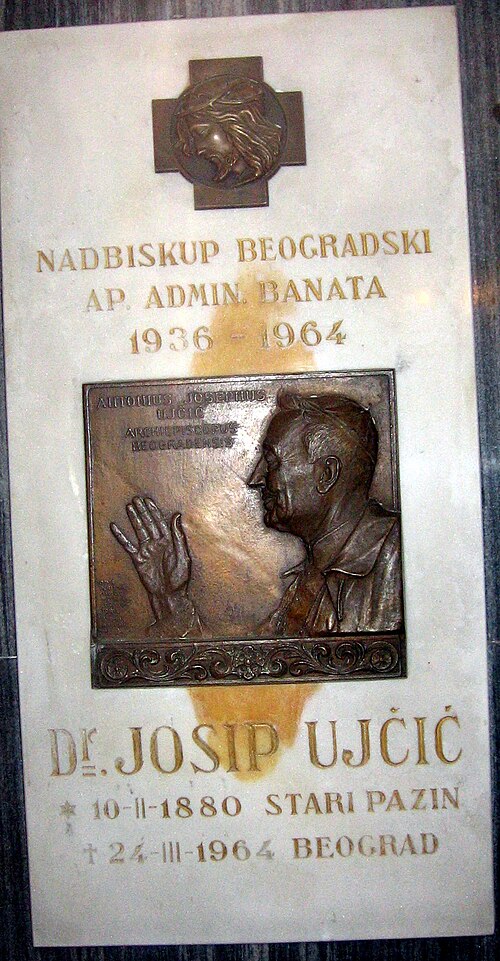
Београдска надбискупија
This building on Svetozara Markovića street is the Episcopal Palace, seat of the Metropolitan Archdiocese of Belgrade — the Roman Catholic archdiocese covering Central Serbia, with the Diocese of Subotica and the Diocese of Zrenjanin as its suffragans.

Храм Светог Александра Невског
The Church of St. Alexander Nevsky is a Serbian Orthodox parish church in Belgrade's Dorćol neighborhood, standing on Cara Dušana Street in the Stari Grad municipality.
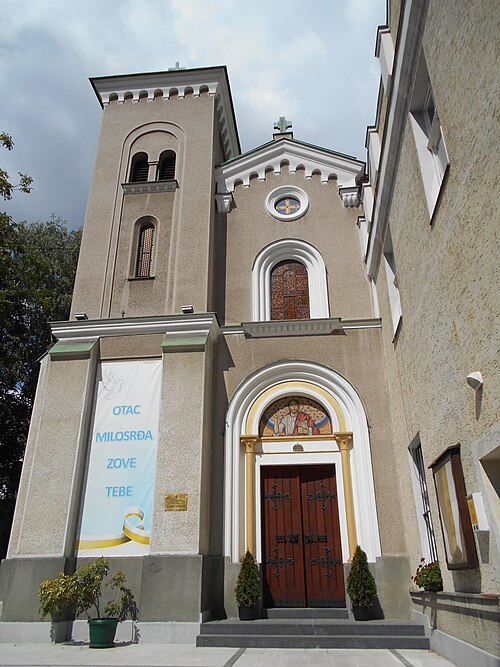
Црква Криста Краља
The Co-cathedral of Christ the King on Krunska street is the oldest Catholic place of worship in Belgrade, a city where the Catholic minority has always shared ground with an Orthodox majority.
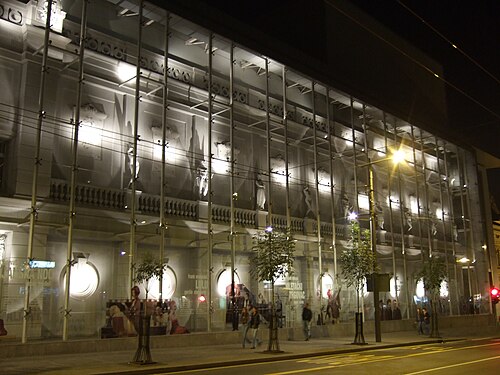
Југословенско драмско позориште
Yugoslav Drama Theatre, known locally as Jugoslovensko dramsko pozorište, is a Belgrade institution founded in 1947.

Позориште на Теразијама
Terazije Theatre is a live performance venue at Trg Nikole Pašića 3 in central Belgrade, with its public programme organised around scheduled productions rather than a permanent exhibition.
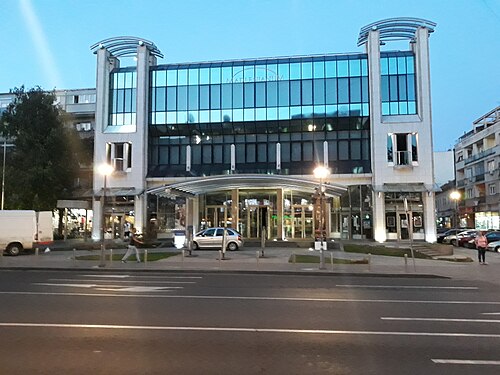
Мадленијанум
Madlenianum Opera and Theatre is a music-stage theatre in Zemun, Belgrade, founded in 1998. The venue presents opera, theatre and other stage productions at a prominent address on Glavna Street.
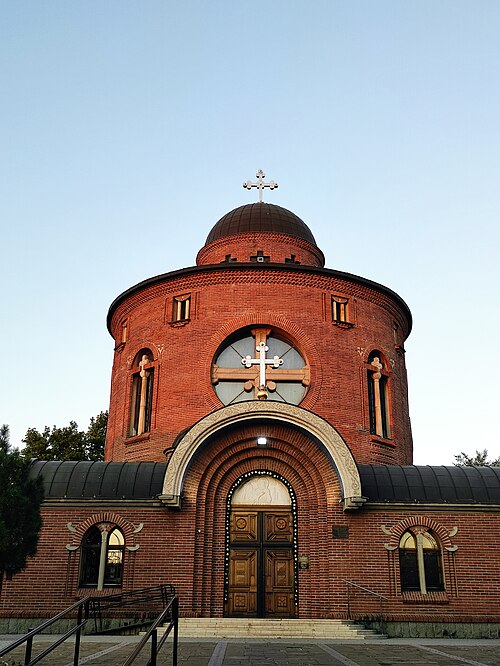
Црква Светог Василија Острошког
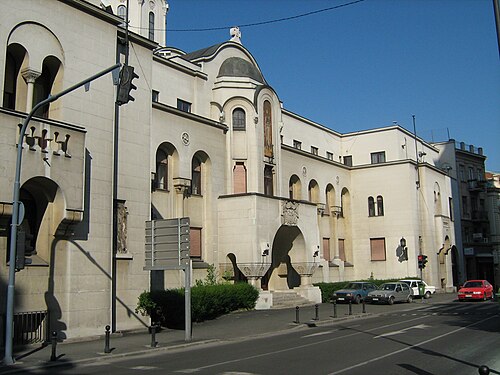
Патријаршија Српске православне цркве
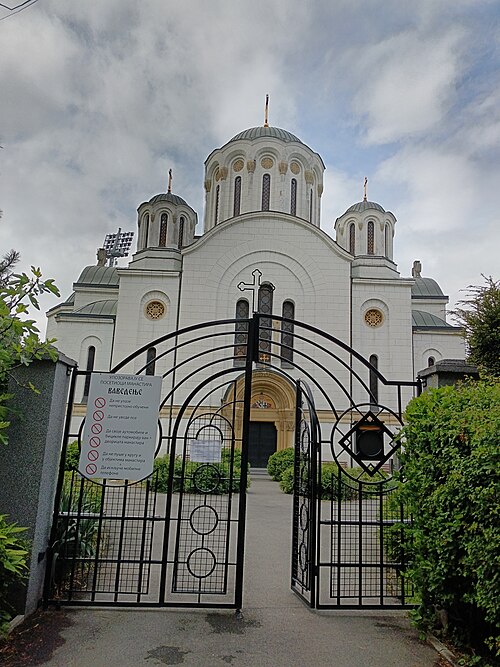
Манастир Ваведења пресвете Богородице
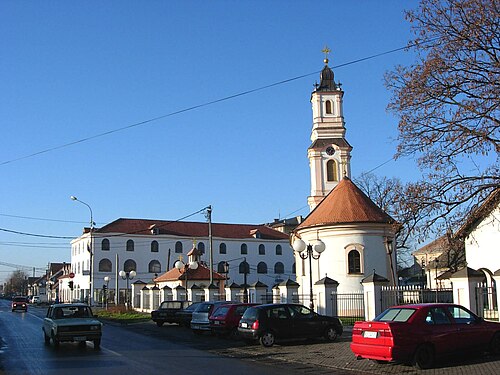
Црква светих арханђела Михаила и Гаврила
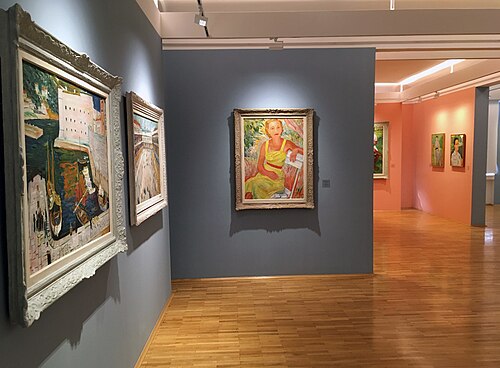
Галерија Петра Добровића
Галерија науке и технике САНУ
Црква Свете Тројице
Црква Светог Преображења Господњег
Црква Светог Георгија
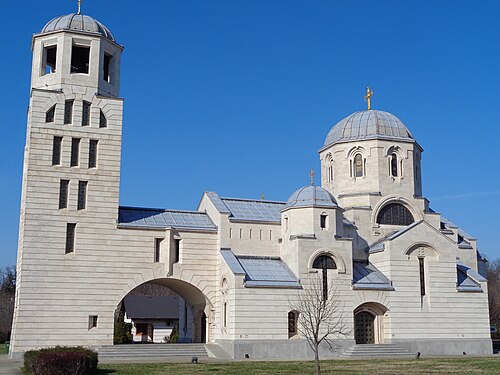
Црква Светог апостола Луке
Црква Светих апостола Вартоломеја и Варнаве
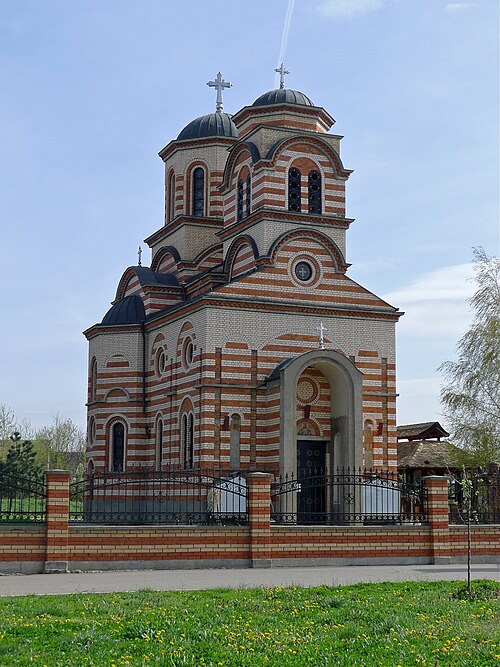
Храм Светог великомученика кнеза Лазара
Централно гробље
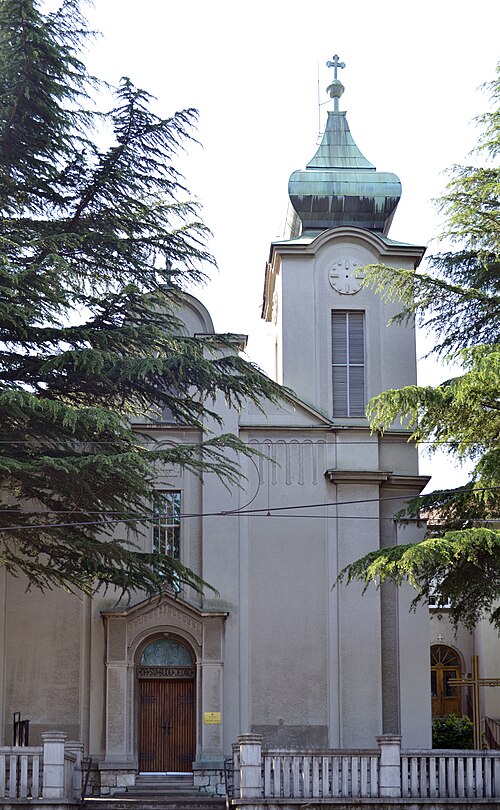
Црква Светих Ћирила и Метода
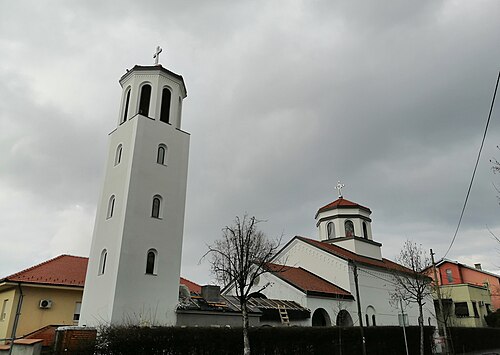
Црква Свете тројице
Source: OpenStreetMap contributors, Wikidata ·