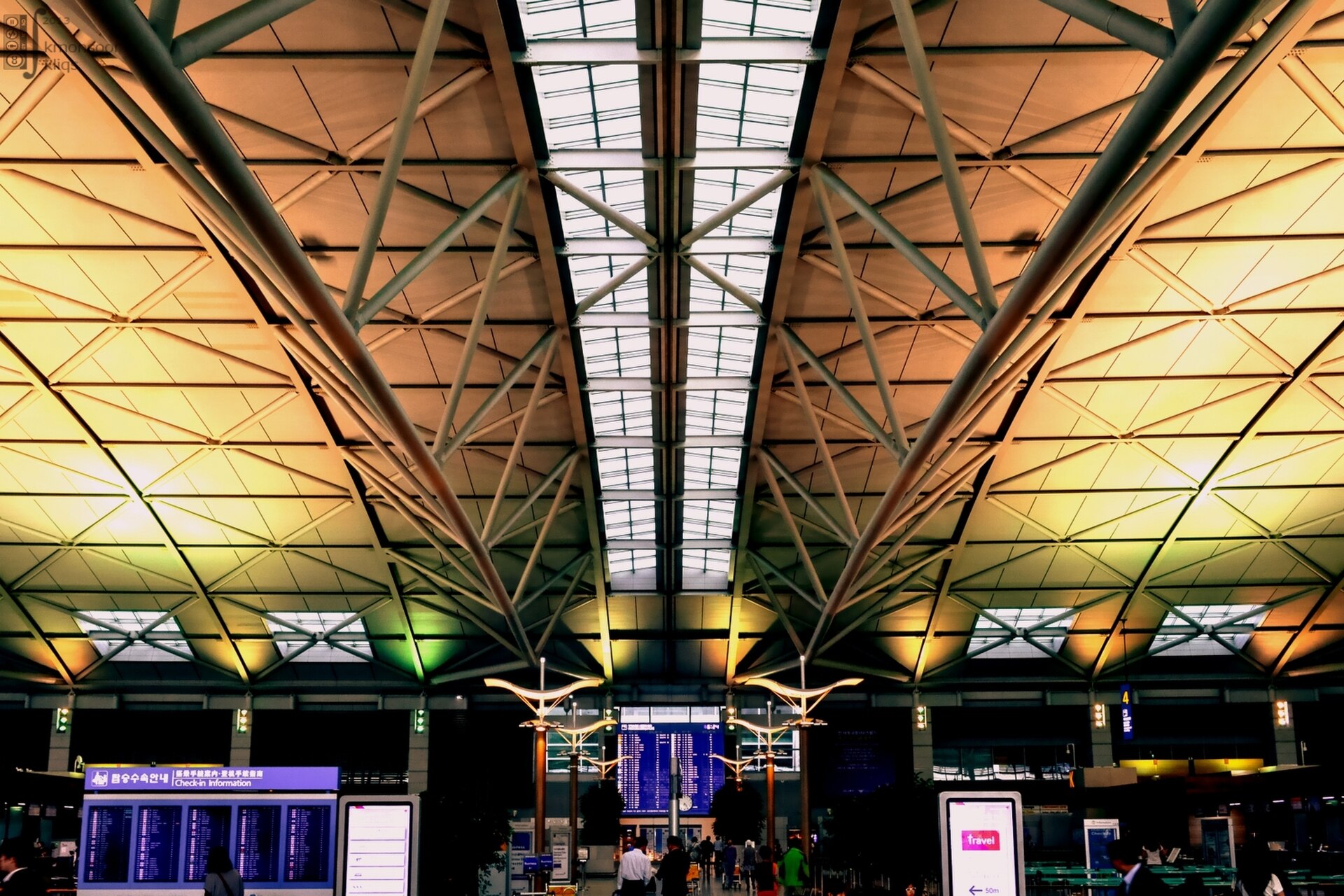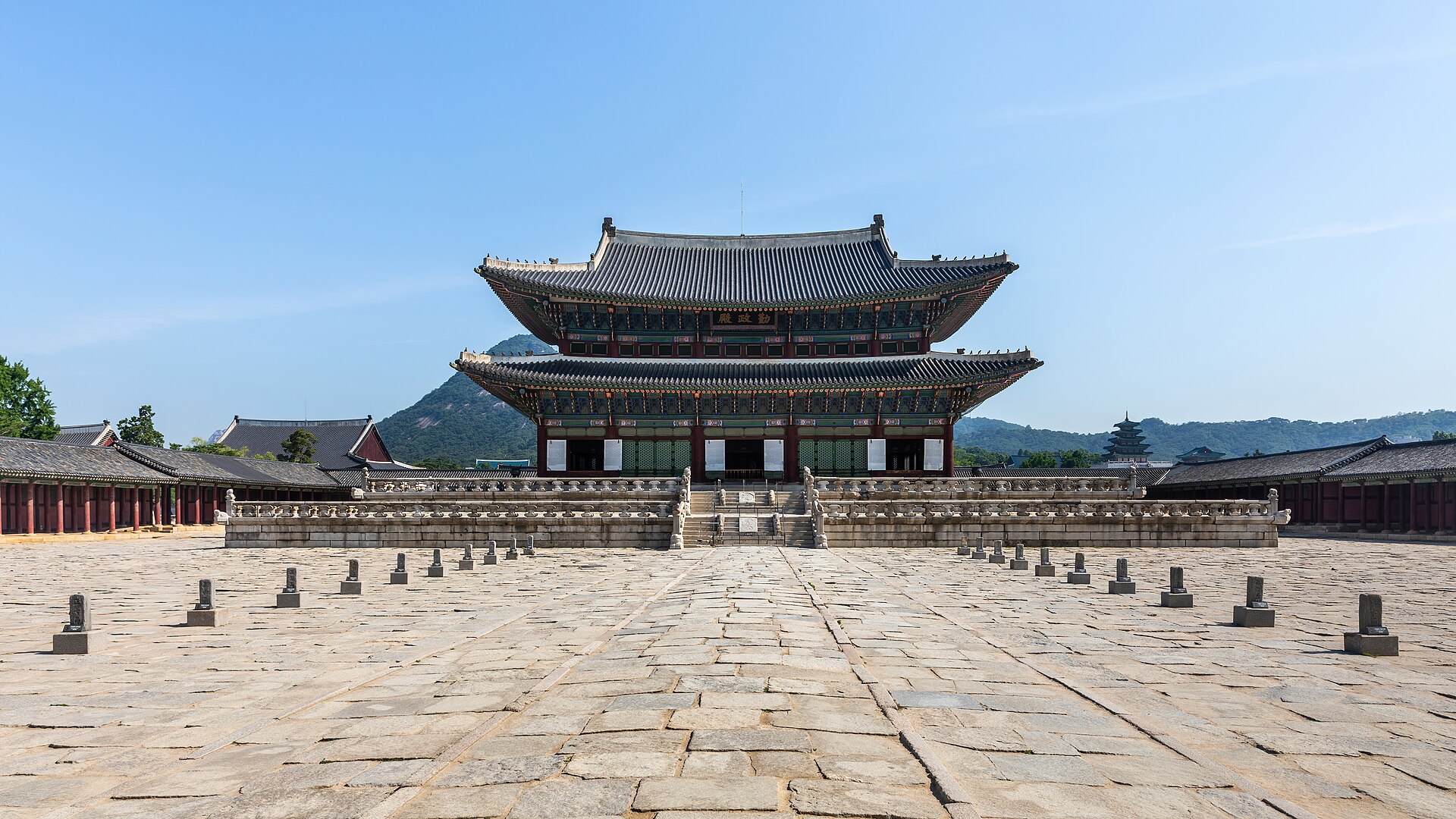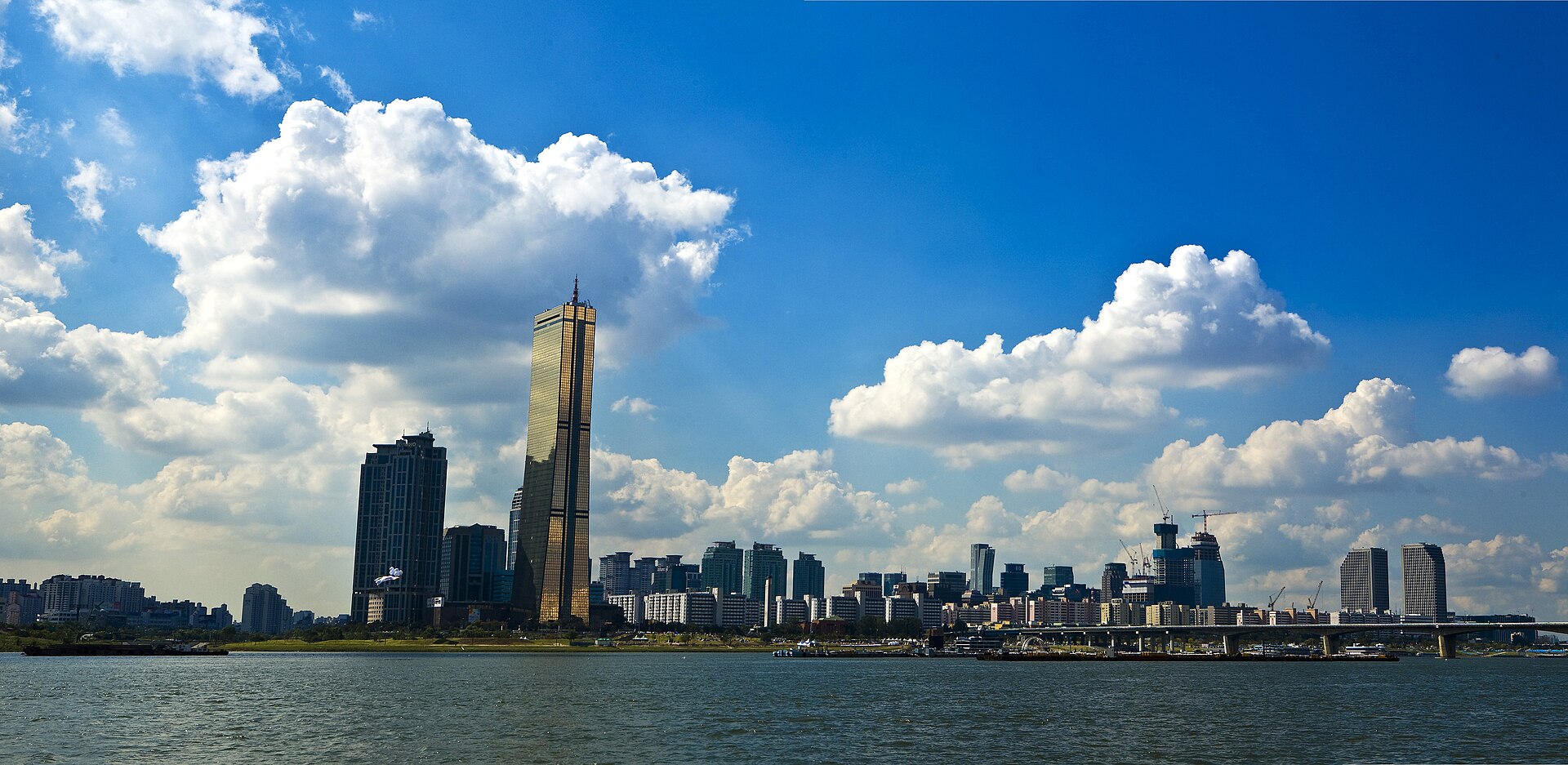
A photograph of Seoul

City guide · South Korea

Museums, 1 to 2 hours in Seoul, South Korea — page 2

Seoul is South Korea's capital, spread across both banks of the Han River. The historic palace city lies north of the river around Jongno, Gwanghwamun and Namsa...

Photograph · USAGI_POST · CC0

10,016 Places
Suggested stay
Not recorded
Getting around
Subway, bus and walking

Turn this list into a plan

Set your days, your pace and the hours you actually want to be out. The planner works around closing days and travel time, and leaves room to eat.

Plan Seoul

Reviewed by Elena Voss · Roavina Travel Editor

Seoul is South Korea's capital, spread across both banks of the Han River. The historic palace city lies north of the river around Jongno, Gwanghwamun and Namsan, while later commercial and residential centres extend south into Gangnam and east and west along the metropolitan rail corridors. The city is best approached as linked districts rather than one continuous centre: royal palaces and traditional neighbourhoods, central markets and museums, riverside areas, university quarters, and the newer southern business districts each form practical sightseeing clusters.

Checked 2026-08-26

Practical information

Language spoken
Korean
National practical orientation; regional and minority languages may also be used
Dialling code
+82
International calling code; local area and mobile prefixes still apply
Currency
South Korean won (KRW)
Use the official local currency; card acceptance varies by place
Emergency number
112 police · 119 fire and ambulance
Use only for an emergency; tourist assistance may use a separate number
Plug type
Type C and F · 220 V
Check that chargers support the recorded voltage before using an adapter
Tap water
Not recorded
No verified nationwide visitor statement was recorded

Planning a visit

September · September cools Seoul to a 26.2°C mean high, while rainfall falls to 141.5 mm over 9.1 days.

  1. January: recurring difficult conditions
  2. February: recurring difficult conditions
  3. March: good time to visit
  4. April: best time to visit
  5. May: best time to visit
  6. June: viable with meaningful trade-offs
  7. July: recurring difficult conditions
  8. August: recurring difficult conditions
  9. September: good time to visit — current month
  10. October: best time to visit
  11. November: good time to visit
  12. December: recurring difficult conditions

Sources

Top things to see

Ranked by importance — sitelinks, pageviews and heritage status, not editor preference.

  1. Seoul Museum of History Seoul Museum of History
    07 1 hr 30 min

    Seoul Museum of History

    서울역사박물관

    Seoul Museum of History, known locally as 서울역사박물관, is a municipal museum devoted to the history of Seoul. The museum presents the capital as a changing city, linking earlier settlements, dynastic development, modern transformation and metropolitan life.

    • Must see
    • Museum
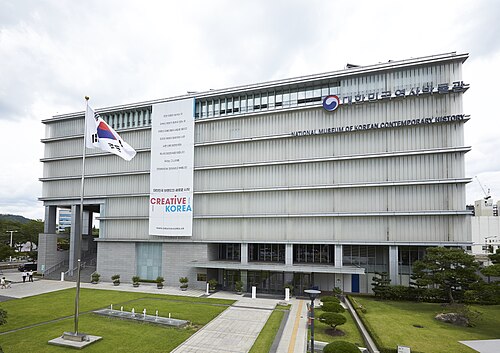
  2. National Museum of Korean Contemporary History National Museum of Korean Contemporary History
    08 1 hr 30 min

    National Museum of Korean Contemporary History

    대한민국역사박물관

    The National Museum of Korean Contemporary History presents South Korea’s modern story from the late nineteenth century to the present.

    • Must see
    • Museum
  3. National Hangeul Musium National Hangeul Musium
    09 1 hr 30 min

    National Hangeul Musium

    국립한글박물관

    The National Hangeul Museum is devoted to Hangeul, the Korean writing system. Its subject reaches from the alphabet’s creation in the fifteenth century under King Sejong to its continuing role in Korean education, culture, publishing, and everyday communication.

    • Must see
    • Museum
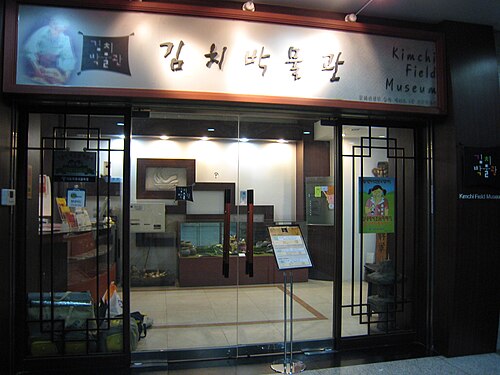
  4. Museum Kimchikan Museum Kimchikan
    10 1 hr 30 min

    Museum Kimchikan

    뮤지엄김치간

    Museum Kimchikan is a Seoul museum devoted to kimchi, Korea’s fermented vegetable dish and an important part of Korean food culture. Its Korean name is 뮤지엄김치간.

    • Must see
    • Museum
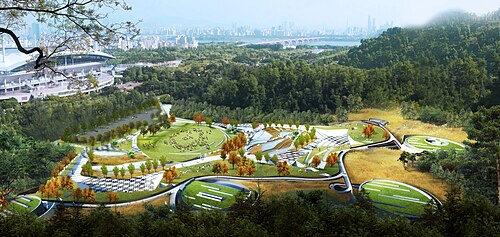
  5. Oil Tank Culture Park Oil Tank Culture Park
    11 1 hr 30 min

    Oil Tank Culture Park

    문화비축기지

    Oil Tank Culture Park is a Seoul cultural complex created from former oil storage tanks. The cylindrical industrial structures remain the defining feature of the site, while their new role supports public culture, exhibitions, performances, and outdoor exploration.

    • Must see
    • Museum
  6. National Memorial of the Korean Provisional Government National Memorial of the Korean Provisional Government
    12 1 hr 30 min

    National Memorial of the Korean Provisional Government

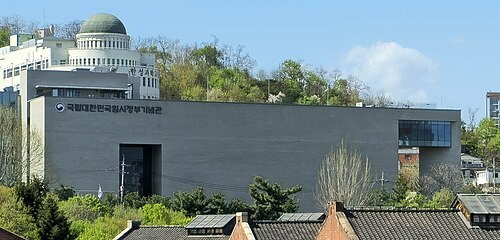
    국립대한민국임시정부기념관

    The National Memorial of the Korean Provisional Government presents the story of the Korean Provisional Government, established in Shanghai in 1919 during Japanese colonial rule.

    • High
    • Museum
  7. Bank of Korea Museum Bank of Korea Museum
    13 1 hr 30 min

    Bank of Korea Museum

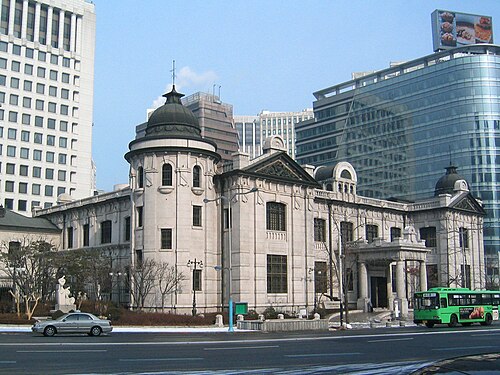
    한국은행 화폐박물관

    The Bank of Korea Museum is a currency museum in Seoul operated by South Korea’s central bank. Known locally as 한국은행 화폐박물관, it connects the country’s monetary heritage with the institution responsible for issuing the South Korean won.

    • High
    • Museum
  8. Seoul Baekje Museum Seoul Baekje Museum
    14 1 hr 30 min

    Seoul Baekje Museum

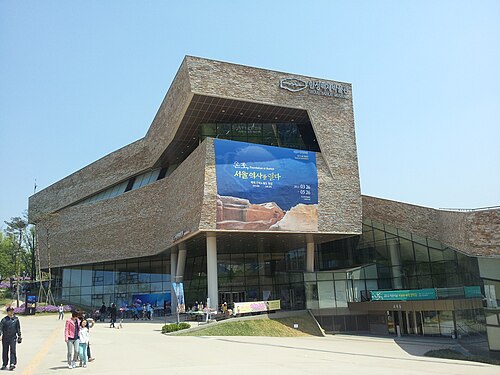
    한성백제박물관

    Seoul Baekje Museum introduces the history of Baekje in the Seoul area, especially the Hanseong period, when the Han River basin was an important political and strategic centre.

    • High
    • Museum
  9. Korea Furniture Museum Korea Furniture Museum
    15 1 hr 30 min

    Korea Furniture Museum

    한국가구박물관

    The Korea Furniture Museum presents traditional Korean furniture within a hanok setting in Seoul. The buildings and collection belong together: chests, wardrobes, cabinets and tables can be understood as objects made for particular rooms, habits and social settings.

    • High
    • Museum
  10. Museum of Gugak Museum of Gugak
    16 1 hr 30 min

    Museum of Gugak

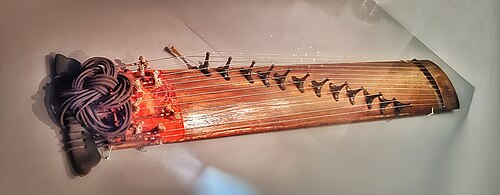
    국악박물관

    The Museum of Gugak introduces Seoul visitors to gugak, the broad tradition of Korean music and performance. Gugak includes court music, folk music, ritual music and forms shaped by regional practice.

    • High
    • Museum
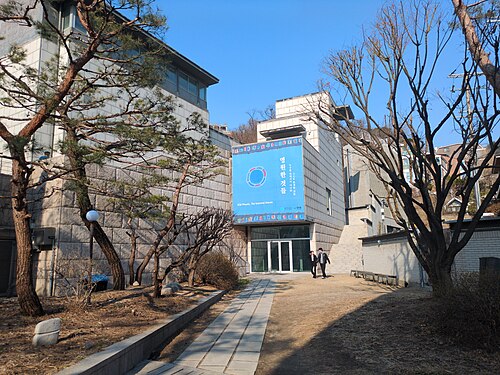
  11. Whanki Museum Whanki Museum
    17 1 hr 30 min

    Whanki Museum

    환기미술관

    The Whanki Museum is an art museum in Seoul dedicated to the work of Kim Whanki, a pioneering Korean abstract painter. The museum honors his artistic legacy and contribution to modern Korean art.

    • High
    • Museum
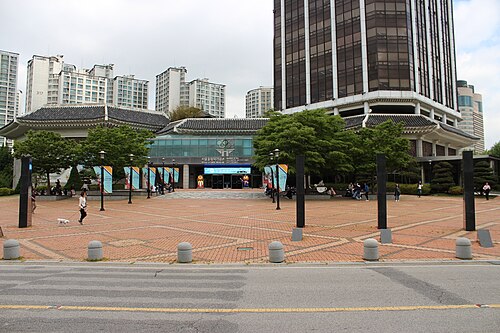
  12. Seoul Olympic Museum Seoul Olympic Museum
    18 1 hr 30 min

    Seoul Olympic Museum

    서울올림픽기념관

    Seoul Olympic Museum is a commemorative institution for the 1988 Summer Olympics, located within Olympic Park in Songpa-gu.

    • High
    • Museum
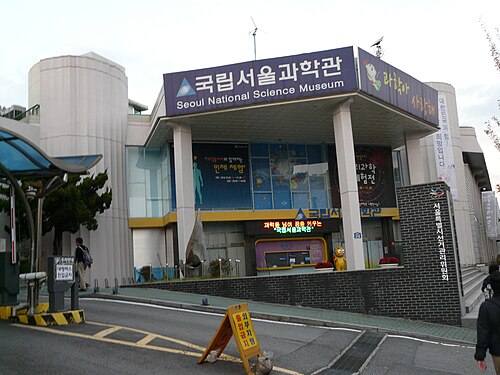
  13. National Children’s Science Center National Children’s Science Center
    19 1 hr 30 min

    National Children’s Science Center

    국립서울과학관

    The National Children’s Science Center, known locally as 국립서울과학관, is a science museum in Seoul designed to engage children and families with scientific ideas. As a national educational facility, it offers a hands-on alternative to conventional sightseeing.

    • High
    • Museum
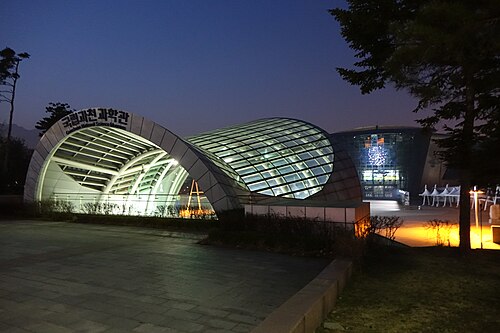
  14. Gwacheon National Science Museum Gwacheon National Science Museum
    20 1 hr 30 min

    Gwacheon National Science Museum

    국립과천과학관

    Gwacheon National Science Museum, known in Korean as 국립과천과학관, is a major national science museum in Gwacheon, a separate city within the Seoul Capital Area.

    • High
    • Museum

Source: OpenStreetMap contributors, Wikidata ·

How the city is laid out

The Han River is the clearest dividing line. North of it, the palace-and-Namsan core includes Gwanghwamun, Jongno, Bukchon, Insadong, Dongdaemun and Myeongdong. Westward, Hongdae and the university districts form another cluster; Yeouido occupies an island in the river. South of the Han, Gangnam, Apgujeong and Samseong are modern commercial areas with their own attractions. Seoul's official visitor maps divide suggested routes into the downtown palace and Namsan area, Apgujeong, Gangnam and Samseong, which is a useful way to avoid repeated cross-city travel.

Checked 2026-08-26

Getting around

Use the subway as the default between districts and walk within each cluster. Stations and lines are colour-coded, exits are numbered, and major information appears in Korean and English. A Tmoney transport card can be used across the network; single-journey passes are also available from station machines. Buses reach areas beyond convenient rail stops, but the official visitor guide notes that they can be harder for first-time visitors despite colour-coded route types. Check the official transport page for current operating information before travel.

Checked 2026-08-26

More city guides

Common questions

How many days should I spend in Seoul?

A fixed stay length is not recorded. Allocate time by district: the palace core, central markets and museums, a western neighbourhood such as Hongdae, and the southern districts if they match your interests.

What divides northern and southern Seoul?

The Han River. The older palace city and Namsan are north of it, while Gangnam, Apgujeong and Samseong form major visitor clusters on the south side.

Is Seoul's subway suitable for first-time visitors?

Yes. Lines are colour-coded, station exits are numbered, and major signs use Korean and English. The official tourism guide recommends the subway as one of the most efficient ways to cross the city.

Should I use buses or the subway?

Use the subway for most cross-city journeys. Buses are useful for areas between stations, but route information can be less intuitive for a first visit even though services are colour-coded.

Can I cover the palaces and Gangnam in one walking route?

No. They sit in different city clusters on opposite sides of the Han River. Use the subway between them and reserve walking for the sights within each district.