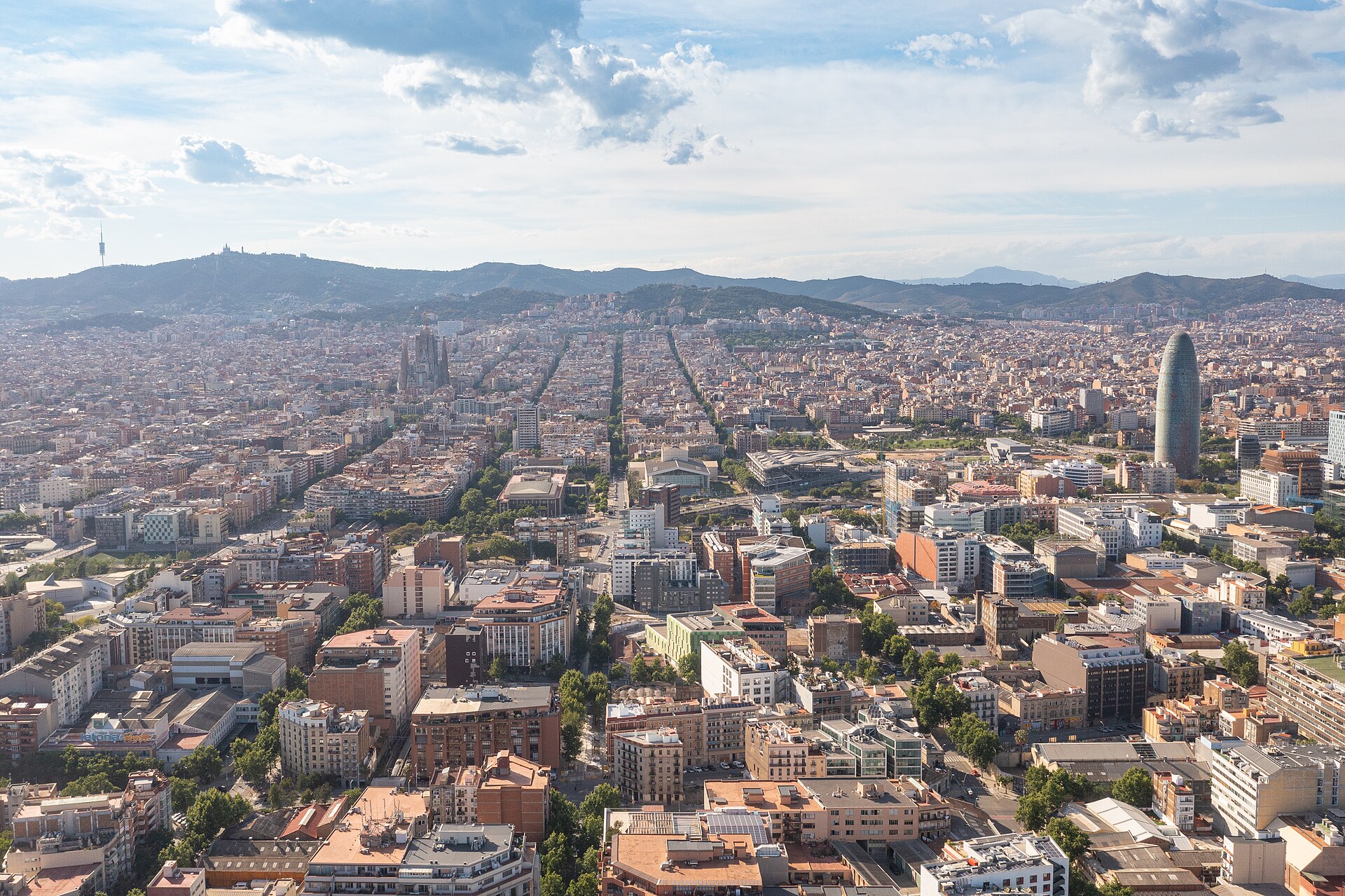
A photograph of Barcelona

City guide · Spain

Barcelona

Barcelona is Catalonia's capital on Spain's Mediterranean coast. Its visitor core combines the irregular lanes of Ciutat Vella, the nineteenth-century Eixample...

Photograph · dronepicr · CC BY 2.0

5,147 Places
Suggested stay
Not recorded
Getting around
Walk, metro and bus

Turn this list into a plan

Set your days, your pace and the hours you actually want to be out. The planner works around closing days and travel time, and leaves room to eat.

Plan Barcelona

Reviewed by Elena Voss · Roavina Travel Editor

Barcelona is Catalonia's capital on Spain's Mediterranean coast. Its visitor core combines the irregular lanes of Ciutat Vella, the nineteenth-century Eixample grid, the waterfront at Barceloneta, and the cultural sites on Montjuïc. Catalan and Spanish are both used across the city, while signs and place names commonly appear first in Catalan. The ranked attractions span Roman and medieval streets, Modernista architecture, markets, museums, beaches, and hilltop viewpoints rather than a single compact monument zone.

Checked 2026-08-26

Practical information

Language spoken
Spanish; co-official regional languages include Catalan, Galician and Basque
National practical orientation; regional and minority languages may also be used
Dialling code
+34
International calling code; local area and mobile prefixes still apply
Currency
Euro (EUR)
Use the official local currency; card acceptance varies by place
Emergency number
112
Use only for an emergency; tourist assistance may use a separate number
Plug type
Type C and F · 230 V
Check that chargers support the recorded voltage before using an adapter
Tap water
Not recorded
No verified nationwide visitor statement was recorded

Planning a visit

September · September stays warm in Barcelona at 26.0°C by day while rain rises to 81 mm; thunderstorms average 3.5 days, matching August.

  1. January: good time to visit
  2. February: good time to visit
  3. March: best time to visit
  4. April: best time to visit
  5. May: best time to visit
  6. June: best time to visit
  7. July: good time to visit
  8. August: good time to visit
  9. September: good time to visit — current month
  10. October: viable with meaningful trade-offs
  11. November: good time to visit
  12. December: good time to visit

Sources

Top things to see

Ranked by importance — sitelinks, pageviews and heritage status, not editor preference.

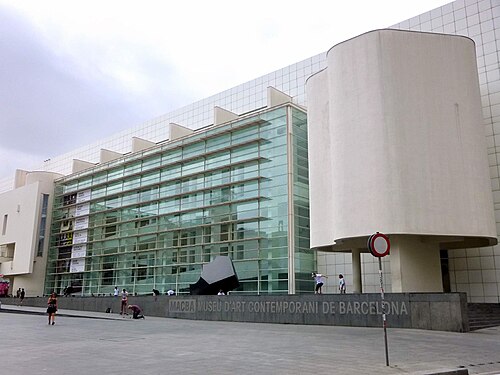
  1. Barcelona Museum of Contemporary Art (MACBA) Barcelona Museum of Contemporary Art (MACBA)
    07 1 hr 30 min

    Barcelona Museum of Contemporary Art (MACBA)

    Museu d'Art Contemporani de Barcelona

    MACBA is the Museu d'Art Contemporani de Barcelona, a major museum dedicated to contemporary art in the El Raval district. It occupies a striking white building designed by American architect Richard Meier, opened in 1995.

    • Must see
    • Museum
  2. Gaudi House Museum Gaudi House Museum
    08 1 hr 30 min

    Gaudi House Museum

    Casa Museu Gaudí

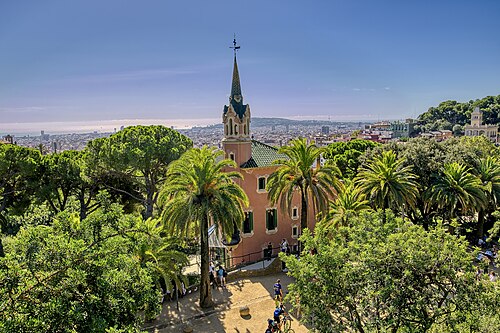
    The Gaudi House Museum, locally known as Casa Museu Gaudí, stands within Park Güell in Barcelona. This building served as the residence of Antoni Gaudí, the celebrated Catalan architect, for nearly two decades.

    • Must see
    • Museum
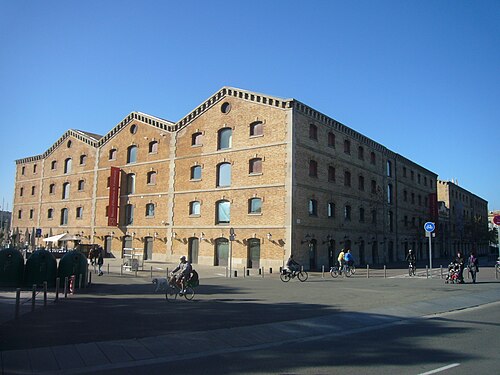
  3. Maritime Museum of Barcelona Maritime Museum of Barcelona
    09 1 hr 30 min

    Maritime Museum of Barcelona

    Museu Marítim de Barcelona

    The Maritime Museum of Barcelona occupies the historic Royal Shipyard building, a Gothic naval construction complex dating to the thirteenth century. This architectural monument originally served as a military shipyard for the Crown of Aragon, producing vessels for Mediterranean fleets.

    • Must see
    • Museum
  4. Museu d'Història de Barcelona Museu d'Història de Barcelona
    10 1 hr 30 min

    Museu d'Història de Barcelona

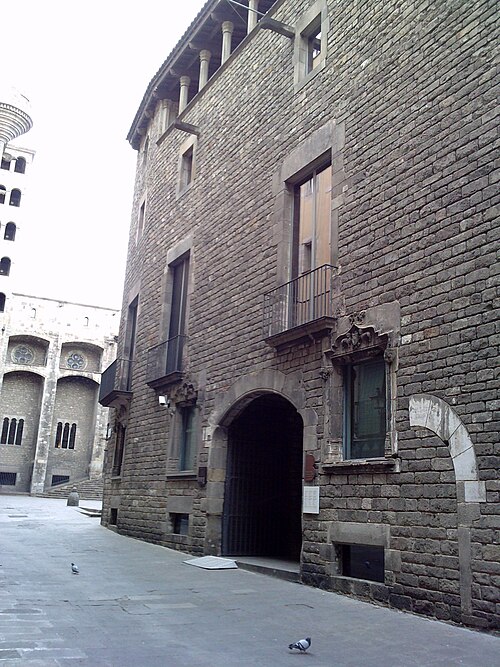
    Museu d'Història de Barcelona is the city museum for Barcelona's long urban story. Its principal archaeological site lies beneath Plaça del Rei in the Gothic Quarter, where Roman remains sit beside medieval royal buildings.

    • Must see
    • Museum
  5. Virreina Palace Virreina Palace
    11 1 hr 30 min

    Virreina Palace

    Palau de la Virreina

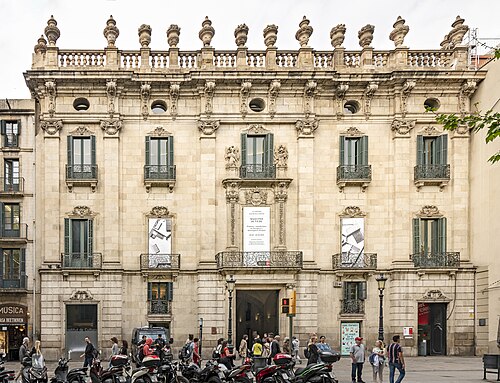
    Palau de la Virreina is a historic palace on Barcelona's La Rambla. Built in the late 18th century as a private aristocratic residence, it now serves as a cultural center and exhibition space.

    • High
    • Museum
  6. Temple of Augustus in Barcelona Temple of Augustus in Barcelona
    12 1 hr 30 min

    Temple of Augustus in Barcelona

    Temple d'August

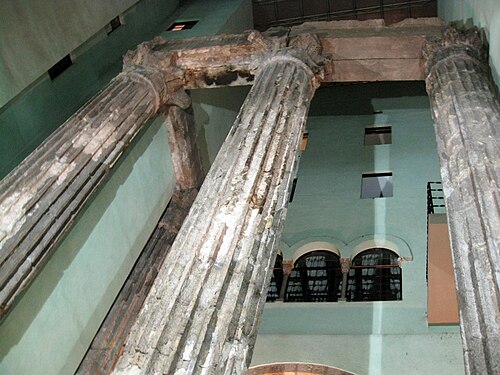
    Temple of Augustus is one of Barcelona’s clearest surviving links with the Roman colony of Barcino. Four Corinthian columns and part of the temple podium stand within the Gothic Quarter, where medieval buildings surround and preserve the ancient remains.

    • High
    • Museum
  7. FC Barcelona Museum FC Barcelona Museum
    13 1 hr 30 min

    FC Barcelona Museum

    Camp Nou Experience

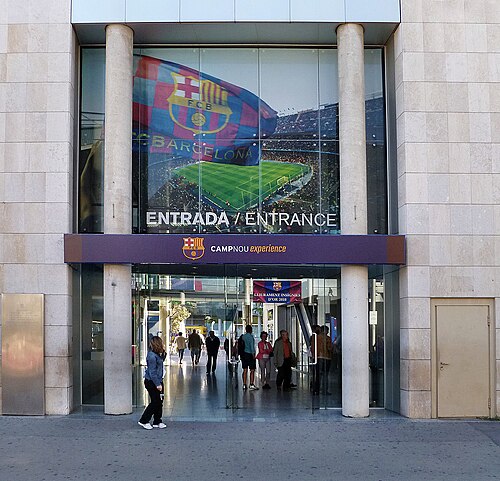
    The FC Barcelona Museum, marketed as the Camp Nou Experience, is a sports museum dedicated to the history of FC Barcelona football club. It forms part of the larger stadium complex in Barcelona, Spain.

    • High
    • Museum
  8. Forum Building Forum Building
    14 1 hr 30 min

    Forum Building

    Museu de Ciències Naturals de Barcelona

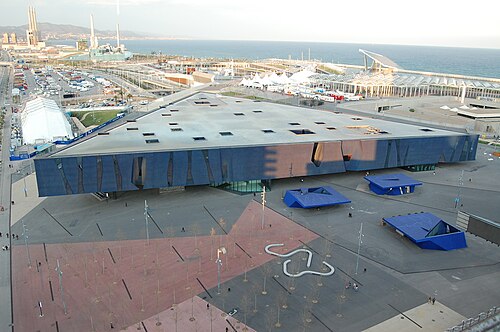
    Forum Building is home to the Museu de Ciències Naturals de Barcelona, a natural sciences museum and one of the city's contemporary cultural landmarks. The building combines a distinctive modern structure with public exhibition and education.

    • High
    • Museum
  9. Tàpies Museum Tàpies Museum
    15 1 hr 30 min

    Tàpies Museum

    Museu Tàpies

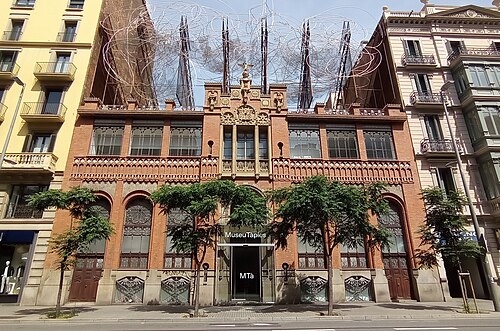
    Tàpies Museum is a Barcelona art museum devoted to Antoni Tàpies, the Catalan painter and sculptor. It occupies the former Montaner i Simón publishing house, a Modernista building designed by Lluís Domènech i Montaner.

    • High
    • Museum
  10. Museu Frederic Marès Museu Frederic Marès
    16 1 hr 30 min

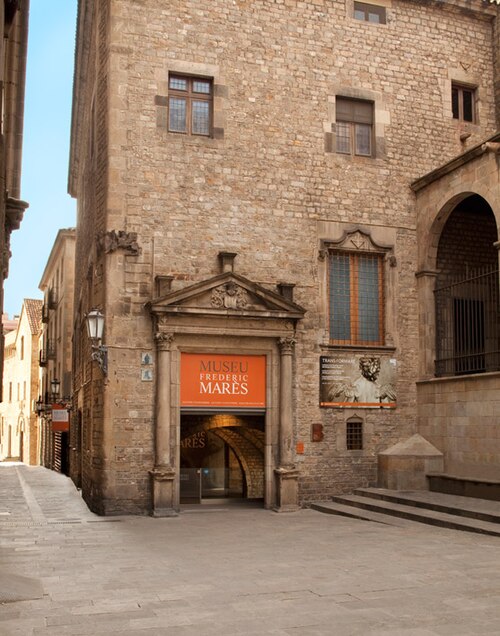
    Museu Frederic Marès

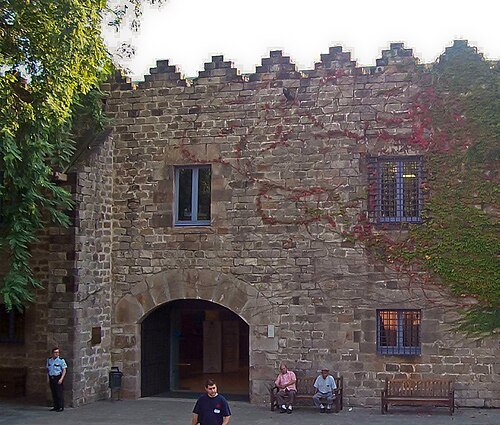
    Museu Frederic Marès occupies part of the medieval Royal Palace of the Counts of Barcelona in the Gothic Quarter. It brings together the collections formed by the sculptor Frederic Marès, who donated them to the city.

    • High
    • Museum
  11. Museu de la Xocolata Museu de la Xocolata
    17 1 hr 30 min

    Museu de la Xocolata

    Museu de la Xocolata is Barcelona’s chocolate museum, operated by the Barcelona Confectionery Guild. The visit follows chocolate from cocoa origins to European and Catalan traditions, combining food history with the visual appeal of confectionery.

    • High
    • Museum
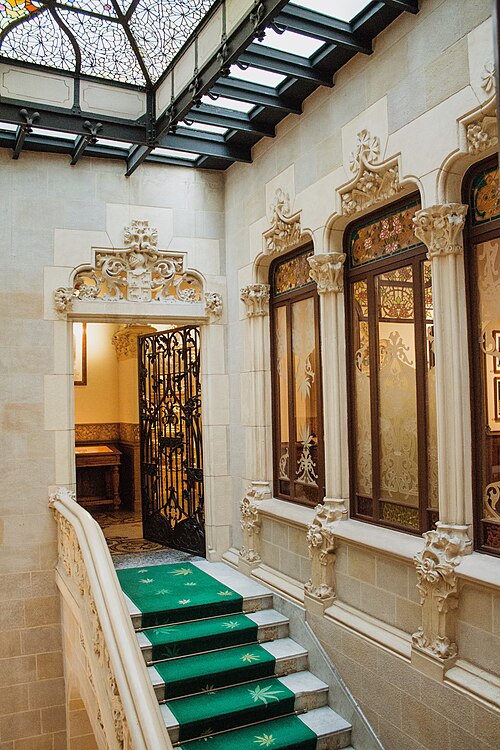
  12. Hash Marihuana & Hemp Museum Hash Marihuana & Hemp Museum
    18 1 hr 30 min

    Hash Marihuana & Hemp Museum

    Museu de la Marihuana

    The Hash Marihuana & Hemp Museum in Barcelona is a specialized museum dedicated to the history and culture of cannabis, hemp, and their uses.

    • Notable
    • Museum
  13. CosmoCaixa Barcelona CosmoCaixa Barcelona
    19 1 hr 30 min

    CosmoCaixa Barcelona

    Cosmocaixa

    CosmoCaixa Barcelona is a science museum located in the Sarrià-Sant Gervasi district of Barcelona. The institution occupies a distinctive modernist building originally constructed as an asylum for the blind, designed by architect Josep Domènech i Estapà.

    • Notable
    • Museum
  14. Vil·la Joana Vil·la Joana
    20 1 hr 30 min

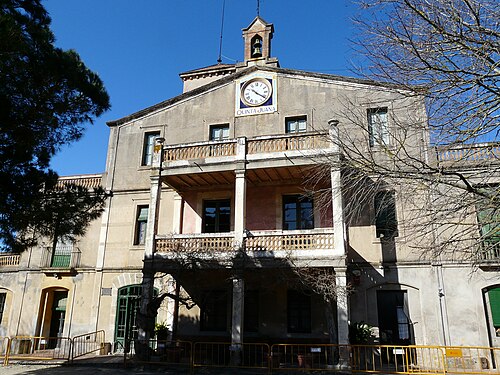
    Vil·la Joana

    Vil·la Joana is a historic villa in Barcelona’s wider cultural landscape. Its value for travellers lies in the character of a preserved residential building and the chance to encounter architecture away from the city’s busiest landmark routes.

    • Notable
    • Museum
  15. Museum of the History of Catalonia Museum of the History of Catalonia
    21 1 hr 30 min

    Museum of the History of Catalonia

    Museu d'Història de Catalunya

    The Museum of the History of Catalonia, locally known as Museu d'Història de Catalunya, is a cultural institution in Barcelona dedicated to preserving and presenting the historical narrative of Catalonia.

    • Notable
    • Museum
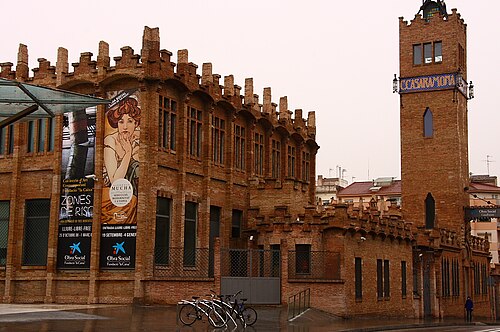
  16. CaixaForum Barcelona CaixaForum Barcelona
    22 1 hr 30 min

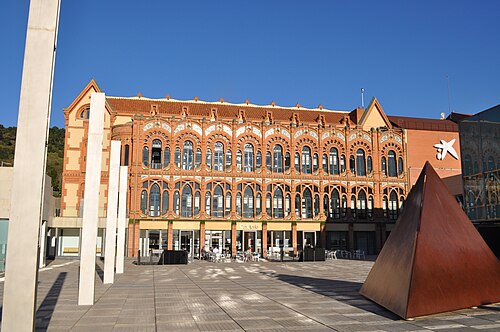
    CaixaForum Barcelona

    CaixaForum Barcelona is a cultural centre on Montjuïc, housed in a former modernist factory designed by Josep Puig i Cadafalch.

    • Notable
    • Museum

Source: OpenStreetMap contributors, Wikidata ·

How the city is laid out

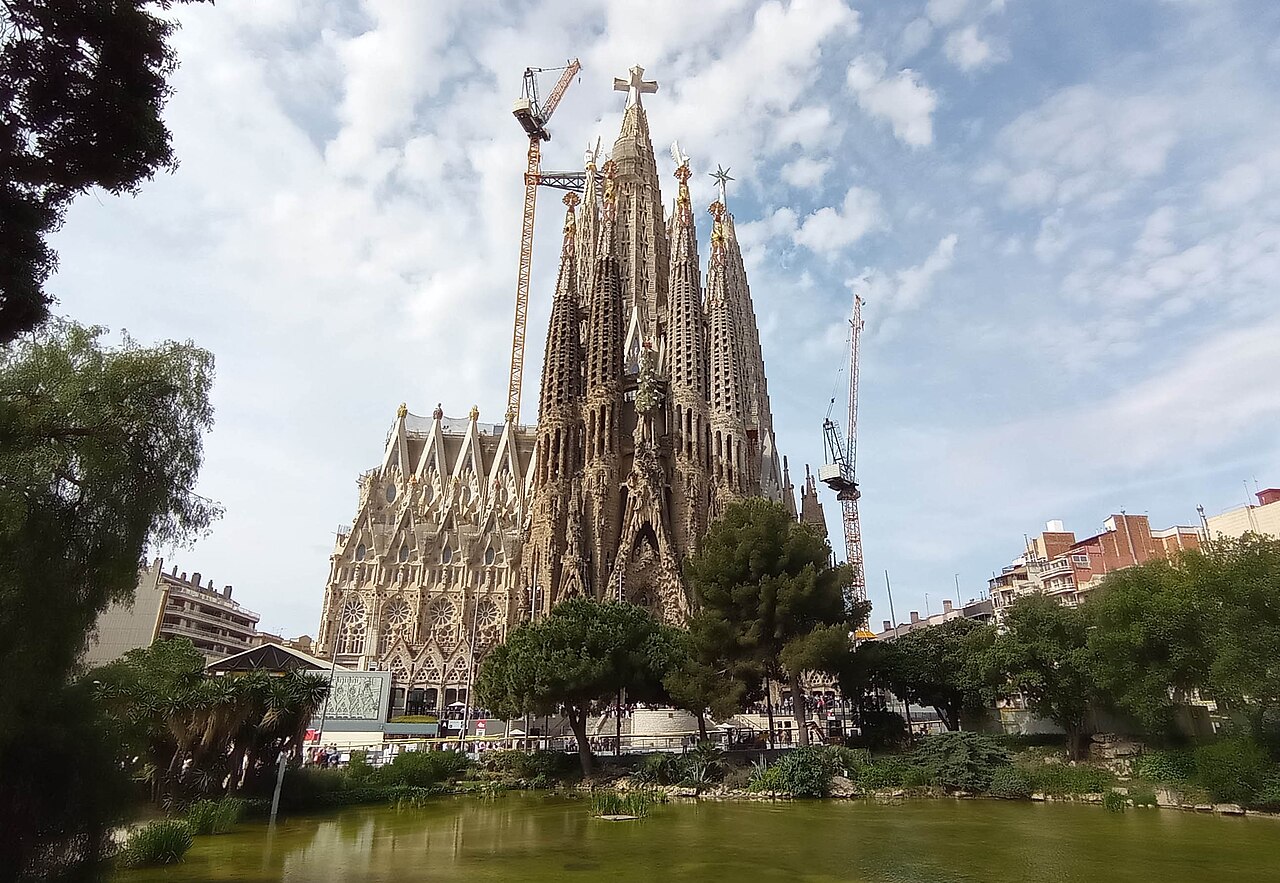
Ciutat Vella is the historic nucleus beside the old harbour. La Rambla separates the Gothic Quarter and La Ribera from El Raval, while Barceloneta occupies the seaward edge. North of the old city, the broad Eixample grid carries much of Barcelona's Modernista architecture, including the Passeig de Gràcia corridor and the Sagrada Família area. Montjuïc rises southwest of the centre with museums, gardens and Olympic sites. Gràcia and Poblenou reward separate neighbourhood visits rather than being treated as extensions of the Gothic core.

Checked 2026-08-26

Getting around

Walk within Ciutat Vella and along the central Eixample corridors, then use metro or bus between neighbourhood clusters. TMB operates the main urban network, and its metro connects the city's districts and principal visitor areas. Line 9 Sud links the airport with the metro system. The integrated visitor products described by TMB also cover buses and other participating services, but airport and regional journeys can have different ticket conditions. Check the operator's current route and fare information before choosing a pass.

Checked 2026-08-26

More city guides

Common questions

How many days should I spend in Barcelona?

A fixed stay length is not recorded. Build the visit by clusters: Ciutat Vella and the waterfront, the Eixample Modernista sites, Montjuïc, then Gràcia or another outer neighbourhood if time remains.

Which area contains Barcelona's historic centre?

Ciutat Vella contains the Gothic Quarter, La Ribera, El Raval and Barceloneta. It is compact enough to explore mainly on foot, although the lanes are irregular and major roads form useful boundaries.

What is the easiest way to move between districts?

Use the TMB metro for longer cross-city trips and walk within each sightseeing cluster. Buses are useful where a direct metro connection is inconvenient or where the street-level view matters.

Is the airport connected to the metro?

Yes. TMB identifies Line 9 Sud as the airport connection into the metro network. Check the current ticket conditions because airport journeys can be treated differently from ordinary urban travel.

Should I visit Montjuïc as part of the old city walk?

Treat Montjuïc as a separate cluster. Its museums, gardens, viewpoints and Olympic sites sit southwest of the historic centre and are better combined with dedicated transport than folded into a Ciutat Vella walk.