
.jpg)
.jpg)
76
30 min
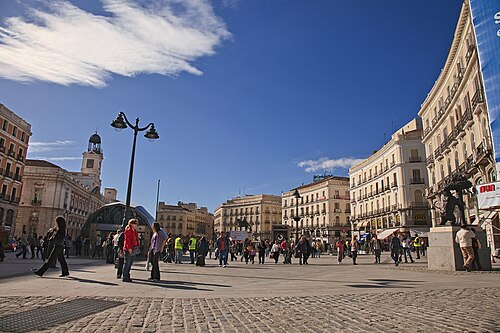
Puerta del Sol
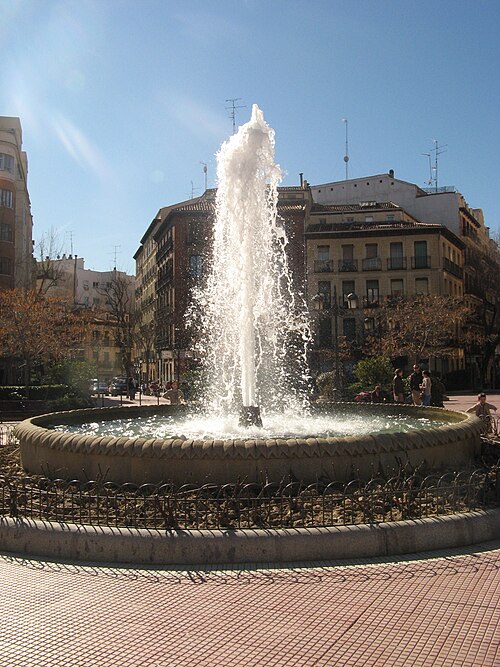
Puerta del Sol is a semi-circular public square in the exact centre of Madrid, and it is a junction before it is a monument.
- Must see
- Historic monument
- Madrid

Country guide
Spain covers 506,030 square kilometres and counts close to 50 million people, and it reads less as one country than as a set of regions that do not resemble eac...
Photograph · Diego Delso · CC BY-SA 4.0
Reviewed by Elena Voss · Roavina Travel Editor
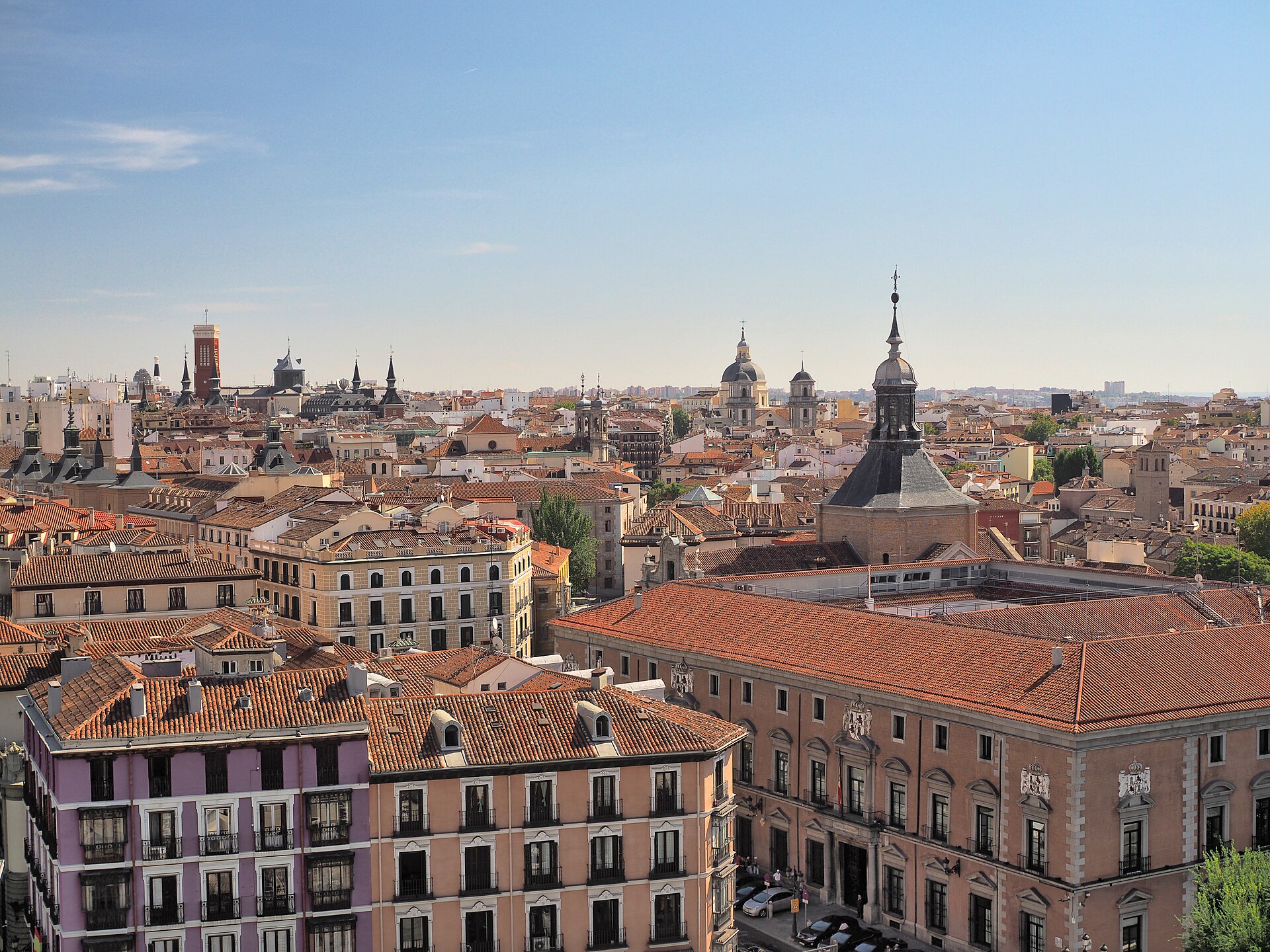
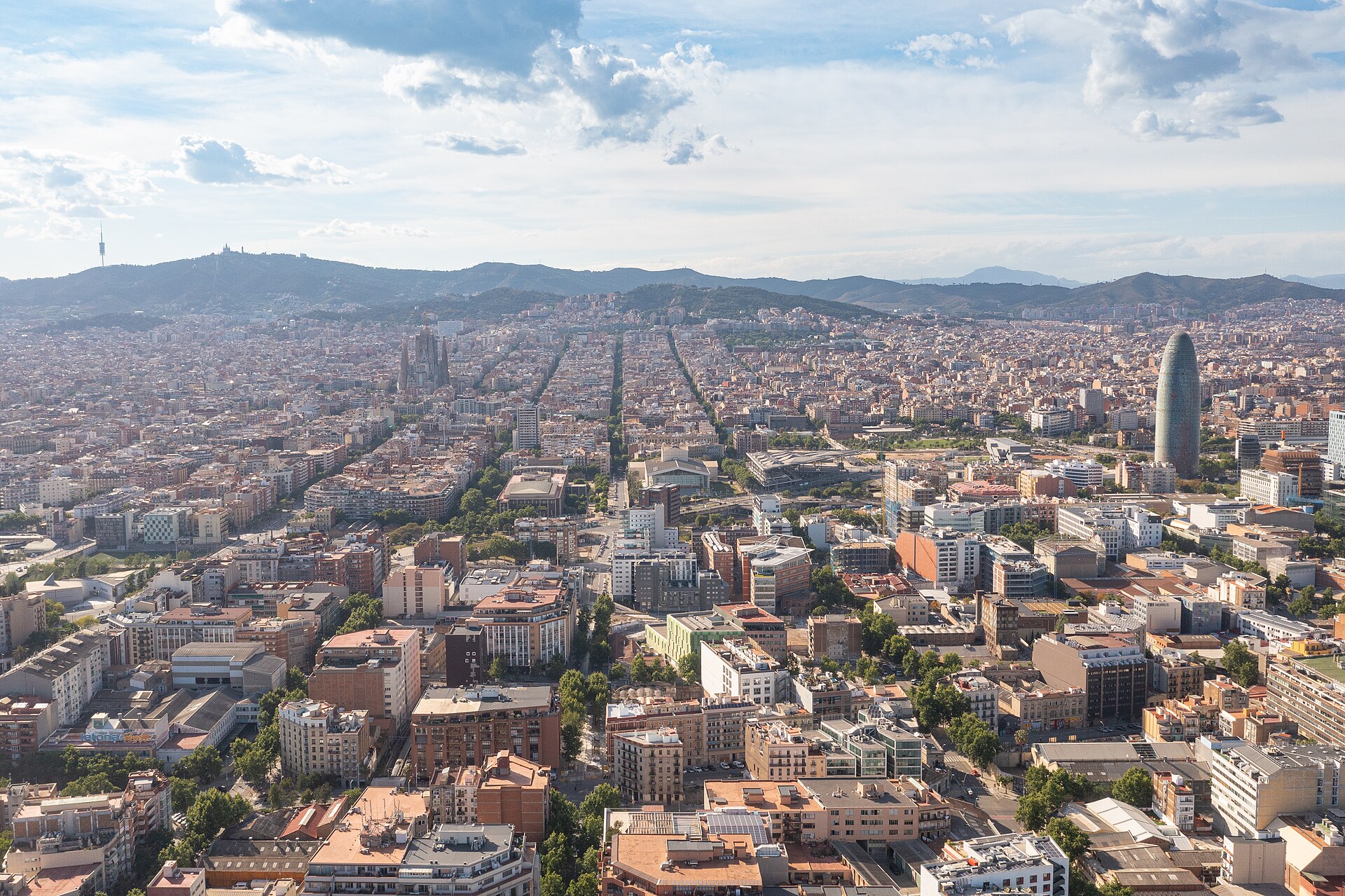
Spain covers 506,030 square kilometres and counts close to 50 million people, and it reads less as one country than as a set of regions that do not resemble each other. Madrid sits high and dry in the middle of the peninsula with the national collections in it; Barcelona is Mediterranean and Catalan-speaking. Andalusia in the south carries the Moorish architecture of Granada, Córdoba and Seville along with the heat that comes with it, while the green north coast from Bilbao to Galicia is wet Atlantic country most visitors never reach. The Canary Islands lie off Africa, and Ceuta and Melilla are on the African mainland itself.
Checked 2026-08-25
Every city catalogued in this country so far, ranked by how much there is to see.
Photograph · Dmitry Dzhus from London · CC BY 2.0
Photograph · dronepicr · CC BY 2.0
Seasonal closures come from recorded opening hours.
Ranked by importance — sitelinks, pageviews and heritage status, not editor preference.
109 places match
Category
Typical visit duration
Puerta del Sol is a semi-circular public square in the exact centre of Madrid, and it is a junction before it is a monument.

Real Observatorio de Madrid
The Royal Observatory of Madrid, or Real Observatorio de Madrid, is an astronomical observatory with an important place in Spain’s scientific history. Founded by King Charles III, it reflects the Enlightenment interest in observation, measurement, and organized scientific work.
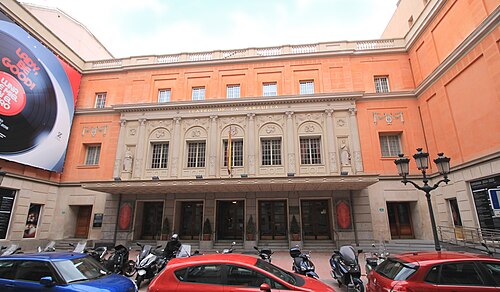
Teatro de la Zarzuela is a historic theatre in Madrid dedicated to zarzuela, a Spanish musical theatre genre combining spoken dialogue, song, and dance.
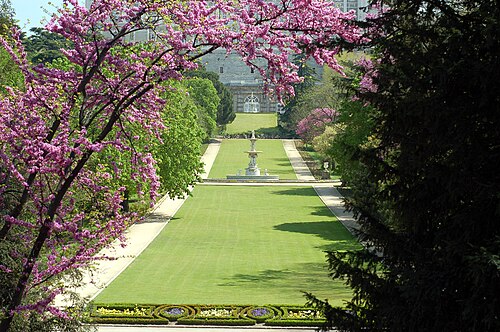
Jardines del Campo del Moro
Campo del Moro is a historic garden complex located in Madrid, Spain, situated at the western foot of the Royal Palace. Its local name, Jardines del Campo del Moro, reflects its long-standing identity within the city.
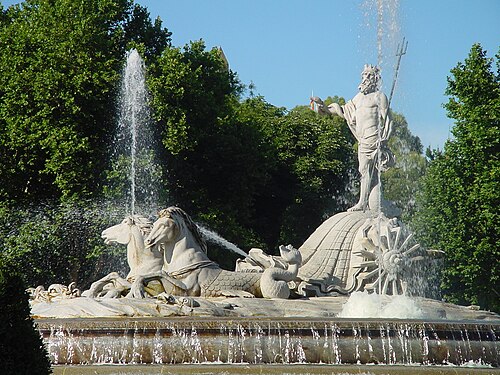
Fuente de Neptuno
The Fountain of Neptune, or Fuente de Neptuno, is a neoclassical monument in central Madrid. Its sculptural group presents Neptune, the Roman god of the sea, on a shell-shaped chariot drawn by two hippocampi.
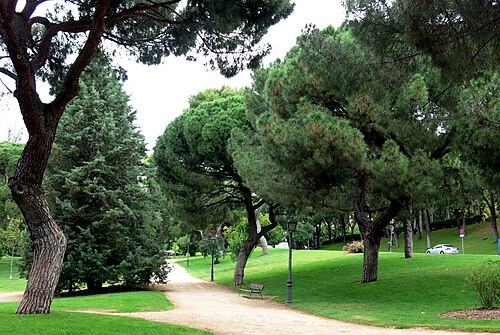
Parque del Oeste is one of Madrid’s major western green spaces, offering a broad change of pace from the city’s museums, avenues, and busy central squares.
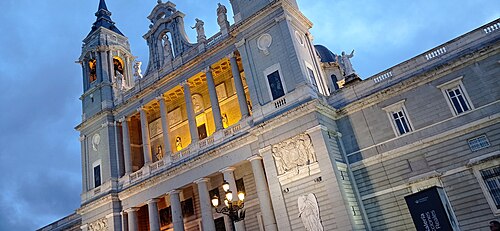
Catedral de la Almudena
Almudena Cathedral is Madrid’s principal Roman Catholic cathedral, facing the Royal Palace across Plaza de la Armería. Construction began in the late nineteenth century and Pope John Paul II consecrated the cathedral in 1993.
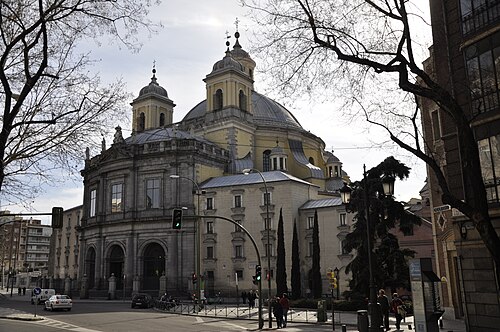
Real Basílica de San Francisco el Grande
Basílica de San Francisco el Grande is a prominent Roman Catholic basilica in Madrid, Spain. The local name matches its formal identity.
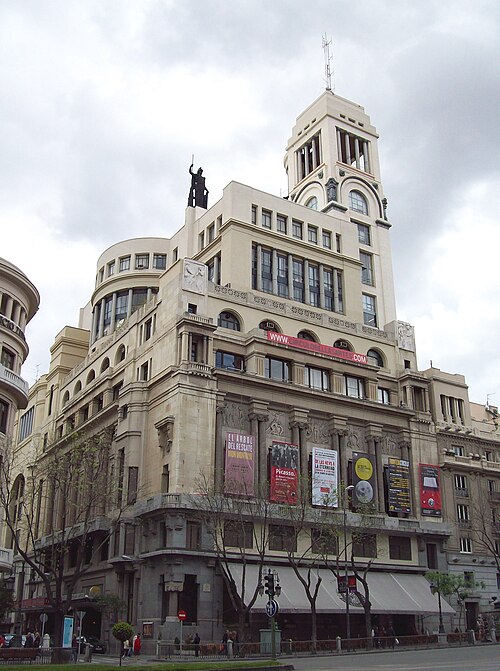
Círculo de Bellas Artes is a prominent cultural institution in Madrid, Spain. Founded in 1880, it operates as a private not-for-profit cultural organisation. The building stands as a significant architectural landmark in the city centre.
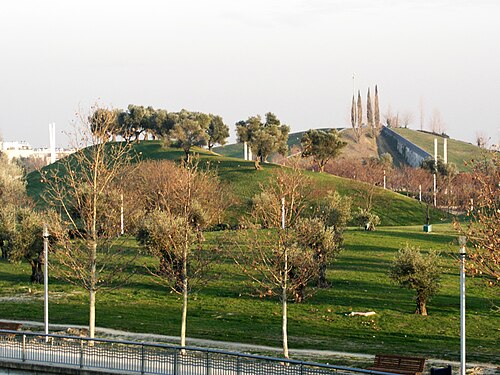
Parque Juan Carlos I
Parque Juan Carlos I is a major public park in Madrid, Spain. Named after King Juan Carlos I, it forms part of the city's northeastern green corridor near Barajas Airport.
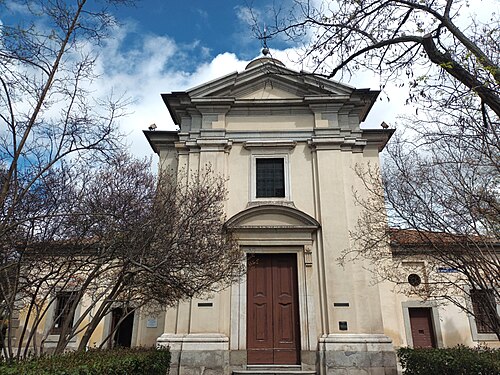
Ermita de San Antonio de la Florida
The Royal Chapel of St. Anthony of La Florida, also called Ermita de San Antonio de la Florida, is a historic chapel in Madrid. Its importance comes from the combination of religious character, royal association, and exceptional artistic decoration.
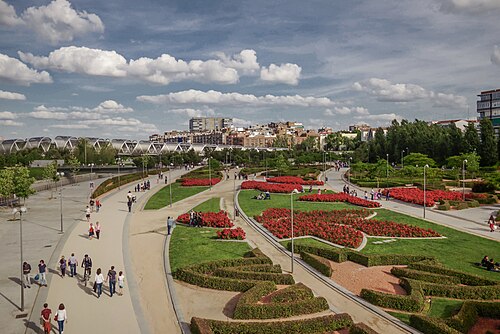
Madrid Río is a long urban park and green corridor beside the Manzanares River in Madrid. It occupies the riverbanks reshaped after the M-30 ring road was placed underground, creating a broad public landscape for walking, cycling, recreation, and rest.
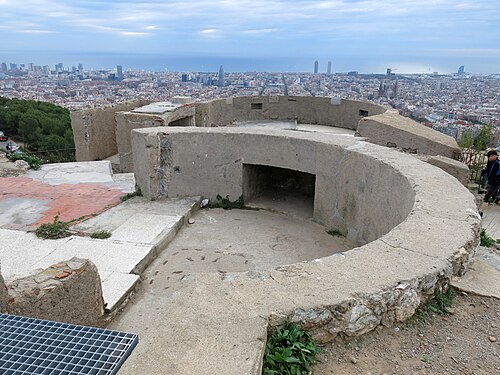
Bateries antiaèries i barraques del Carmel
The Bunker is a historic anti-aircraft battery site located in the Carmel neighbourhood of Barcelona. Its official local name, Bateries antiaèries i barraques del Carmel, reflects its military origins during the Spanish Civil War.
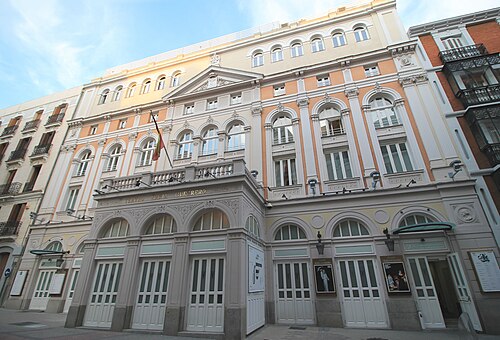
Teatro María Guerrero is a theatre in Madrid, Spain. It serves as a significant cultural venue within the city. The theatre is named after the distinguished Spanish actress María Guerrero, reflecting its connection to Spanish theatrical heritage.
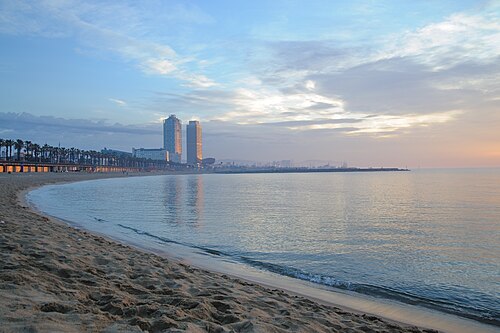
Platja de la Barceloneta
Barceloneta Beach, known locally as Platja de la Barceloneta, is a prominent urban beach in Barcelona, Spain. It forms part of the city's Mediterranean coastline and sits adjacent to the historic La Barceloneta neighbourhood, originally a fishing quarter.
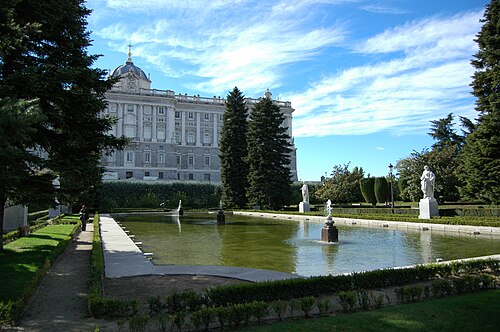
Jardines de Sabatini
Sabatini Gardens, or Jardines de Sabatini, is a formal green space beside Madrid’s Royal Palace. Its geometric layout, clipped hedges, fountains, statues, and palace setting make it a compact sightseeing stop in the city centre.
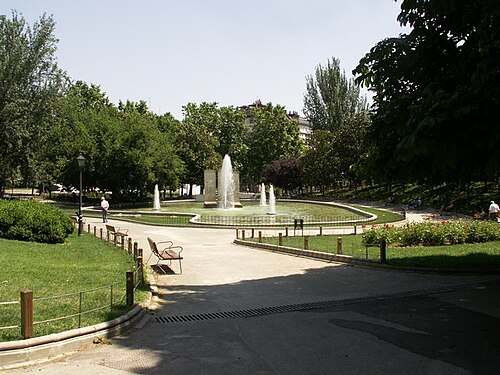
Parque de Berlín
Berlin Park, or Parque de Berlín, is a public green space in Madrid named for the German capital. It forms part of the city’s network of neighbourhood parks, giving residents an open place for strolling and everyday outdoor time.
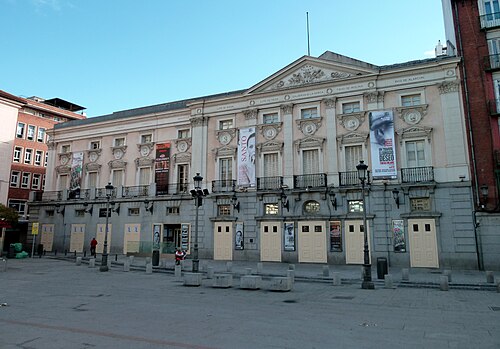
Teatro Español is a historic theatre in central Madrid and an important institution in the city’s performing-arts tradition. It is a working venue for dramatic productions rather than a general museum with casual visiting hours.
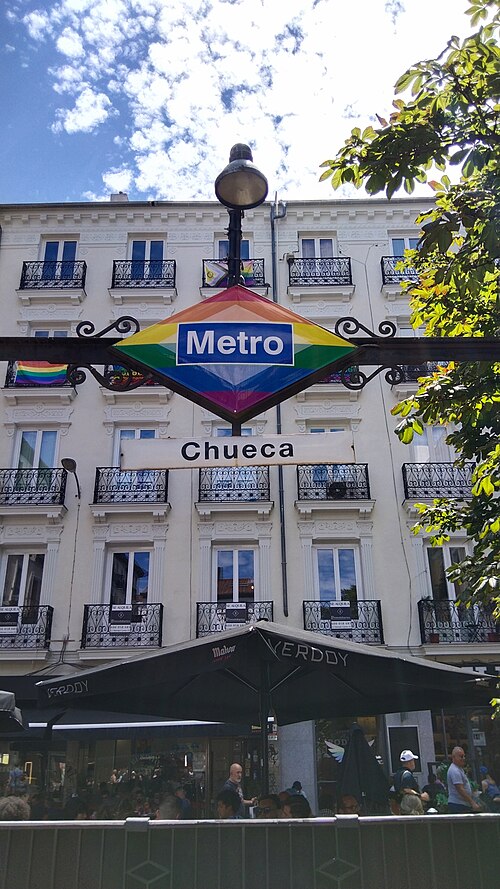
Plaza de Chueca
Plaza de Chueca is a public square in the Chueca neighbourhood of central Madrid, Spain. The area is widely recognised as the heart of Madrid's LGBTQ+ community and a centre of social life, dining, and nightlife.
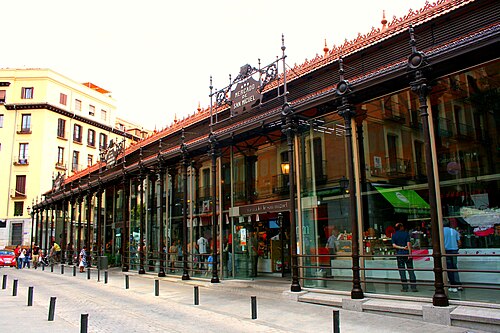
Mercado de San Miguel
The Mercado de San Miguel is a historic market building located near Madrid's Plaza Mayor. Originally constructed in the early twentieth century, the iron and glass structure represents a significant example of cast-iron architecture in Spain.
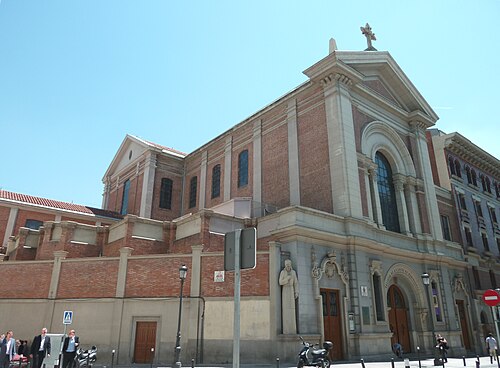
Basílica de Jesús de Medinaceli
The Basilica of Jesus de Medinaceli is an active Roman Catholic church in central Madrid dedicated to the venerated image of Jesús de Medinaceli. It is a place of worship, prayer and pilgrimage rather than a conventional museum.
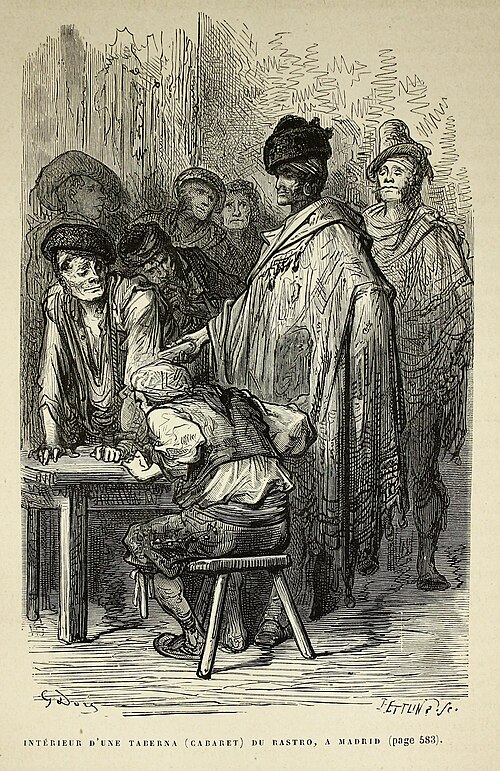
El Rastro is a sprawling open-air flea market in Madrid, widely regarded as the largest and most famous of its kind in Spain.

Jardines de Cecilio Rodríguez is a landscaped garden in Madrid named after Cecilio Rodríguez, a notable figure in Spanish garden design. It offers an urban green setting for walking, quiet observation and time away from the city’s busier streets.
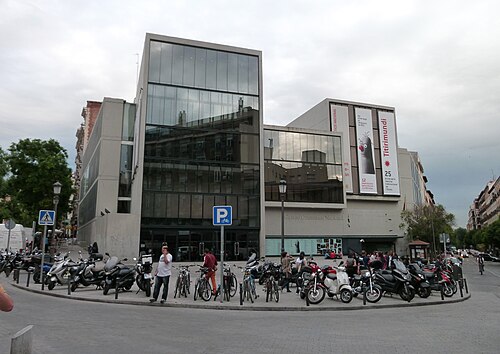
Teatro Valle-Inclán is a professional theatre in Madrid named after Ramón del Valle-Inclán, one of Spain’s important literary figures.
Plaza de Olavide
Plaza de Olavide is a public square in Madrid, Spain. It functions as an urban open space within the city fabric, serving local residents and visitors as a gathering place.
Ten to fourteen days allows three or four days in Madrid and four in Barcelona, plus selected rail day trips. Andalusia or either island group deserves a separate route instead of being compressed into the same mainland circuit.
Spain follows Schengen rules, but the traveller's nationality and route determine the required documents or visa. Confirm the current requirement through Spain's official consular information before departure.
High-speed rail makes Madrid-Barcelona and several mainland city pairs practical, while regional buses cover gaps. Island travel needs flights or ferries, and urban ticketing remains local to each city.
April to June and September to October are broad choices for Madrid and Barcelona. Andalusia, the Atlantic north, Balearics, and Canaries follow different heat and weather patterns, so a regional extension should control the final dates.
Spain uses the euro (EUR). Cards are common in cities, but a small euro reserve is useful for individual businesses; always check the billed currency and amount before approving a terminal transaction.
Spain's emergency contact is 112. Electrical outlets accept Type C and F plugs on a 230 V supply. Because this record contains no tap-water finding, use advice from the municipality serving each overnight stop.