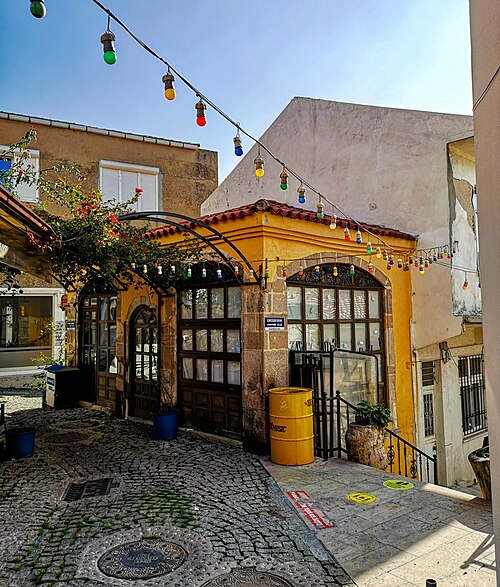
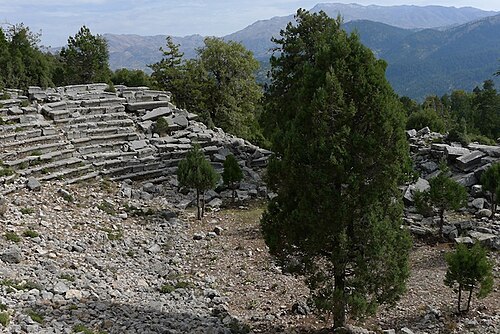
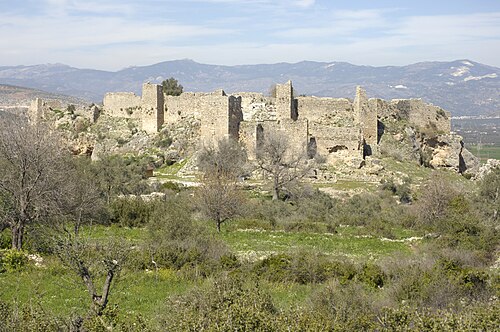
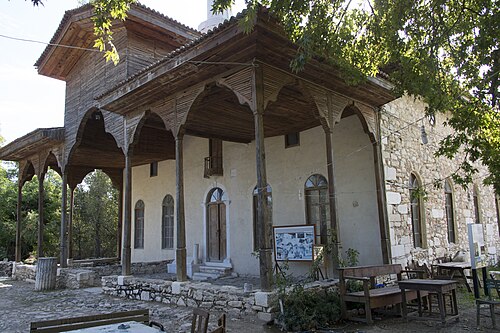
A photograph of Muğla

City guide · Türkiye

Theme: History, Up to 1 hour in Muğla, Türkiye — page 2

Muğla is a province-wide Aegean destination rather than a single city-centre stop. Its visitor geography is divided between the Bodrum peninsula, the Marmaris a...

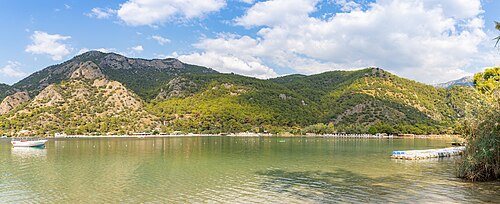
Photograph · Dan Taylor · CC BY 2.0

2,951 Places
13 Districts
Suggested stay
Not recorded
Getting around
Intercity bus between hubs; car for dispersed beaches and ruins; local dolmuş and licensed boats for nearby areas

Turn this list into a plan

Set your days, your pace and the hours you actually want to be out. The planner works around closing days and travel time, and leaves room to eat.

Plan Muğla

Reviewed by Elena Voss · Roavina Travel Editor

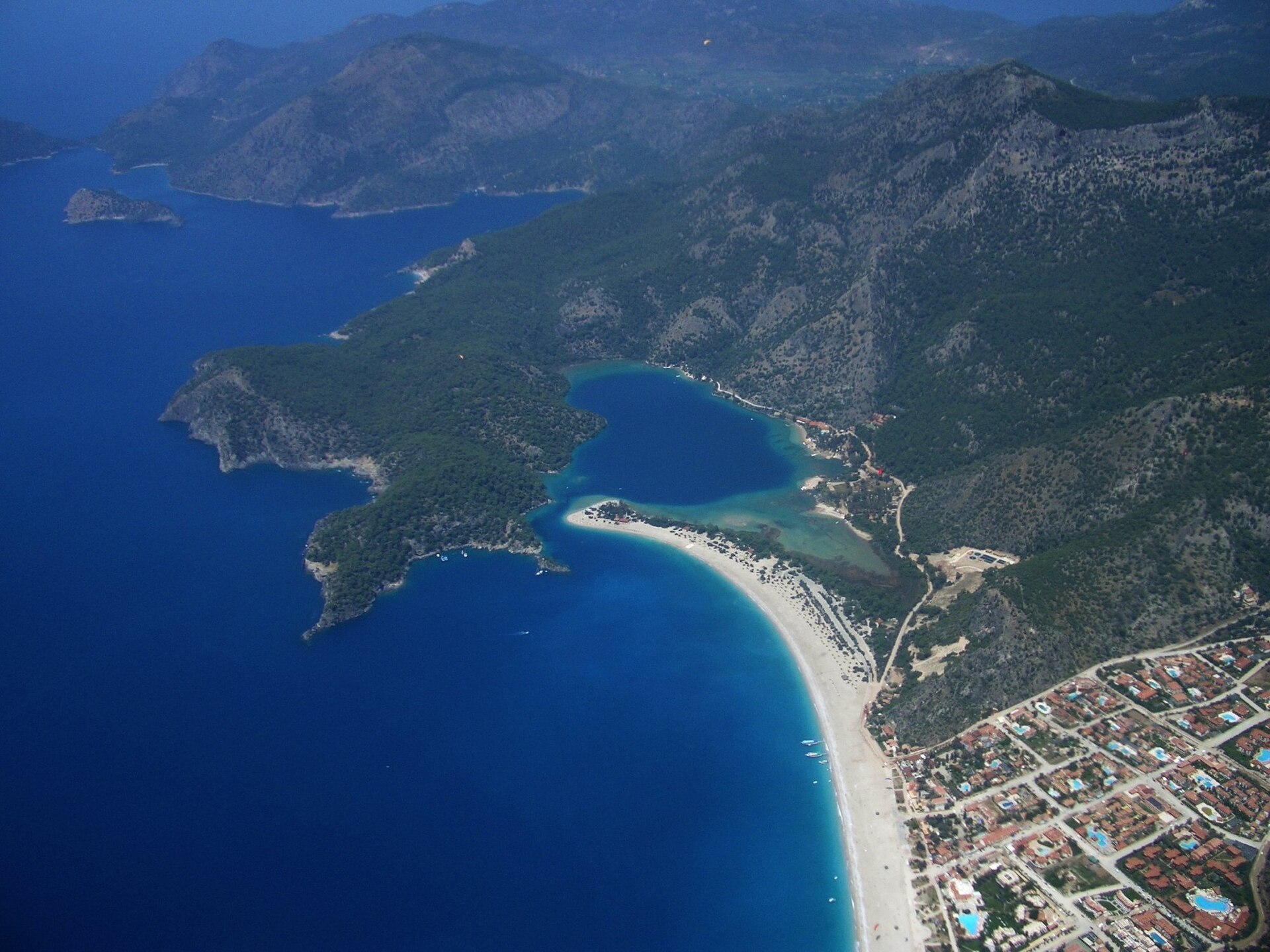
Muğla is a province-wide Aegean destination rather than a single city-centre stop. Its visitor geography is divided between the Bodrum peninsula, the Marmaris and Datça coasts, the Fethiye–Ölüdeniz area, Dalyan and the Köyceğiz wetlands, and the Gulf of Gökova. Bodrum combines the Castle of St Peter, the ancient theatre and the remains of the Mausoleum of Halicarnassus with beaches and marina life. Marmaris opens onto a sheltered gulf with İçmeler, Turunç and Orhaniye nearby, while Fethiye connects Çalış, Kayaköy, Ölüdeniz and the Lycian coast. Patara, İztuzu, Akyaka, Akbük, Kızkumu, the Datça coves and Knidos add different swimming and archaeological settings. Sea conditions are local: a protected bay may be calm while an exposed beach is windy, and conservation rules matter at turtle-nesting beaches, wetlands and protected coves.

Checked 2026-09-02
Practical information

Language spoken
Turkish
The official language of the Republic of Turkiye
Dialling code
+90
The international dialling code for Turkiye
Currency
Turkish lira (₺, TRY)
The official currency; one lira is divided into 100 kurus
Emergency number
112
One number for ambulance, fire and police
Plug type
European two-pin · 220 V
The national living guide records 220 V and European-style two-pin plugs
Tap water
Not recorded
No verified national source in the dataset

Planning a visit

September · The Turkish State Meteorological Service records a 30.3°C mean high and 18.4°C mean low for Muğla in September; this is among the most comfortable periods for long outdoor sightseeing days.

  1. January: viable with meaningful trade-offs
  2. February: viable with meaningful trade-offs
  3. March: good time to visit
  4. April: best time to visit
  5. May: best time to visit
  6. June: good time to visit
  7. July: viable with meaningful trade-offs
  8. August: viable with meaningful trade-offs
  9. September: best time to visit — current month
  10. October: best time to visit
  11. November: good time to visit
  12. December: viable with meaningful trade-offs

Sources

Top things to see

Ranked by importance — sitelinks, pageviews and heritage status, not editor preference.

  1. Tomb of Amyntas Tomb of Amyntas
    07 45 min

    Tomb of Amyntas

    Amintas Kaya Mezarı

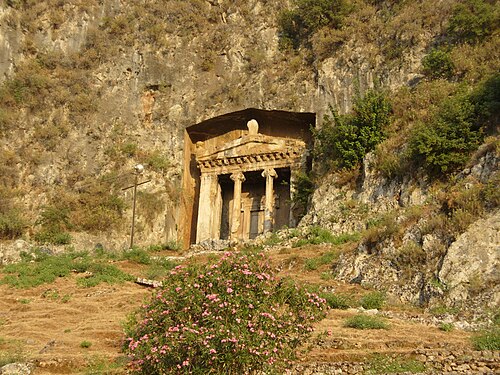
    The Tomb of Amyntas is a monumental Lycian rock-cut tomb in Fethiye, Muğla Province, dated to the 4th century BC. It was carved into the hillside above the ancient settlement and remains one of Fethiye’s most recognisable landmarks.

    • Must see
    • Historic monument
  2. Pinara Pinara
    08 45 min

    Pinara

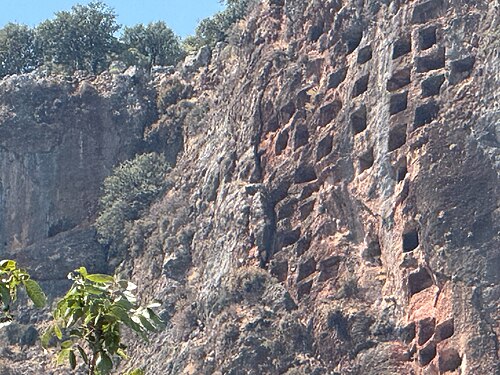
    Pinara is a Lycian archaeological site near Minare village in Muğla’s Fethiye area, about 40 km from Fethiye. Its name is associated with the Lycian word for “round”, referring to the rounded rocky hill that defines the setting.

    • Must see
    • Historic monument
  3. Marmaris Castle Marmaris Castle
    09 45 min

    Marmaris Castle

    Marmaris Kalesi

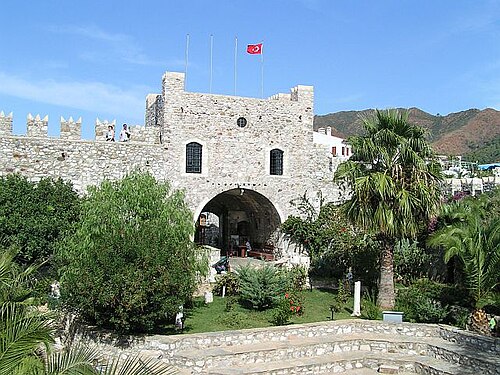
    Marmaris Castle is a historic hilltop fortress behind Marmaris Harbour, in Tepe Mahallesi’s Kaleiçi Mevkii.

    • Must see
    • Historic monument
  4. Labraunda Labraunda
    10 45 min

    Labraunda

    Labranda

    Labraunda is a mountain sanctuary near Kargıcak in Muğla Province, about 14 kilometres northeast of Milas. In antiquity it belonged to Mylasa and became one of Caria’s major sacred places.

    • Must see
    • Historic monument
  5. Ancient Theatre of Halicarnassus Ancient Theatre of Halicarnassus
    11 45 min

    Ancient Theatre of Halicarnassus

    Bodrum Antik Tiyatrosu

    The Ancient Theatre of Halicarnassus is an open-air archaeological theatre on the southern slope of Göktepe in Bodrum, in today’s Yeniköy area.

    • Must see
    • Historic monument
  6. Amos Amos
    12 45 min

    Amos

    Amos Ancient City

    Amos is an open-air ancient settlement on Asarcık Hill, between Turunç and Kumlubük in Marmaris, Muğla.

    • Must see
    • Historic monument
  7. Blue Lagoon Blue Lagoon
    13 45 min

    Blue Lagoon

    Blue Lagoon is the lagoon landscape within Ölüdeniz–Kıdrak Nature Park in Ölüdeniz, Fethiye, Muğla.

    • Must see
    • Historic monument
  8. Lagina Lagina
    14 45 min

    Lagina

    Lagina is a Hecate sanctuary in Turgut Mahallesi, Yatağan, where a gateway, processional route and temple platform still describe the logic of an ancient Carian cult centre.

    • Must see
    • Historic monument
  9. Temple of Aphrodite, Knidos Temple of Aphrodite, Knidos
    15 45 min

    Temple of Aphrodite, Knidos

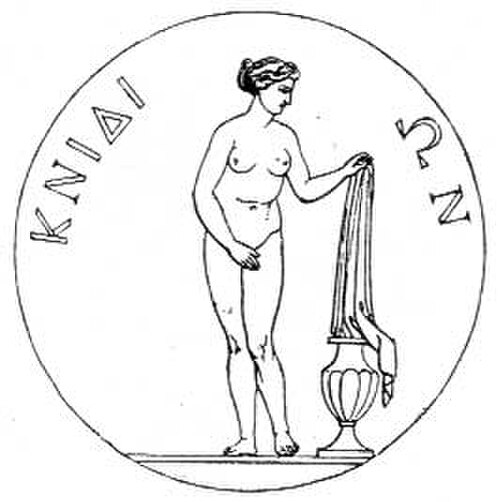
    The Temple of Aphrodite is an archaeological landmark within the ancient city of Knidos, at Tekir Burnu on the western tip of Muğla’s Datça Peninsula.

    • Must see
    • Historic monument
  10. Euromus Euromus
    16 45 min

    Euromus

    Euromos

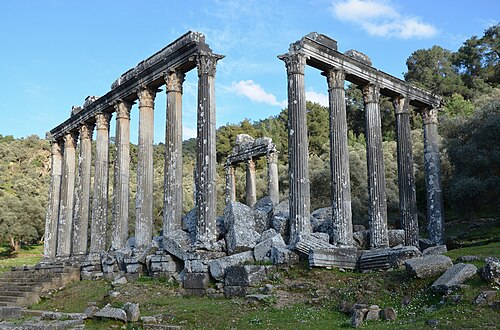
    Euromus is a roadside open-air archaeological site in Selimiye Mahallesi, within Muğla’s Milas district.

    • Must see
    • Historic monument
  11. Kadyanda Kadyanda
    17 45 min

    Kadyanda

    Kadyanda is an elevated ancient settlement in the mountains north of Fethiye, approached through Üzümlü rather than from the coast.

    • Must see
    • Historic monument
  12. Sidyma Sidyma
    18 45 min

    Sidyma

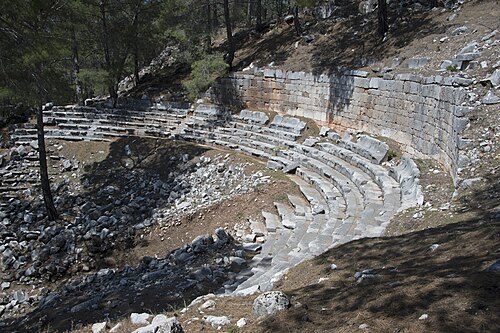
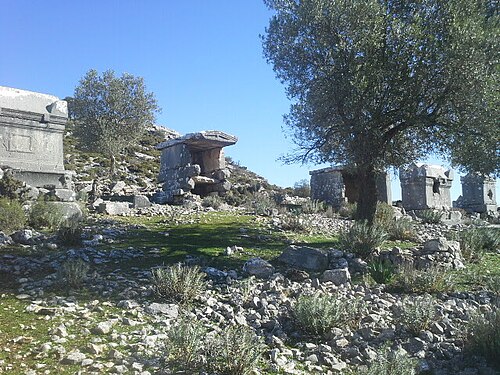
    Sidyma is a dispersed ancient settlement in Dodurga Mahallesi, within Seydikemer district of Muğla Province. Its identity comes from the way civic buildings, tombs, defensive works and a hillside theatre remain connected across a living rural landscape.

    • Must see
    • Historic monument
  13. Ancient Loryma
    19 45 min

    Ancient Loryma

    Ancient Loryma is the archaeological site identified with Bozukkale, on the hill at the entrance to Bozukkale Bay on the Bozburun Peninsula in Marmaris district of Muğla.

    • Must see
    • Historic monument
  14. Milas Milas
    20 45 min

    Milas

    Milas is the modern town built around ancient Mylasa, a principal Carian centre with at least 5,000 years of history.

    • Must see
    • Historic monument
  15. aquarium bay
    21 45 min

    aquarium bay

    Akvaryum Koyu

    Akvaryum Koyu is a natural cove in Muğla’s Datça district, on the coast east of Palamutbükü.

    • Must see
    • Historic monument
  16. Oenoanda Oenoanda
    22 45 min

    Oenoanda

    Oinoanda

    Oenoanda is a remote ancient city of northern Lycia near İncealiler village in Seydikemer, Muğla, occupying an isolated mountain ridge rather than a compact monument.

    • Must see
    • Historic monument
  17. Myndos Gate Myndos Gate
    23 45 min

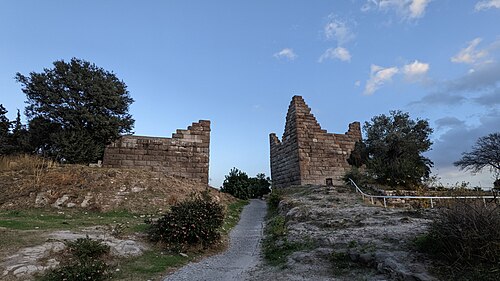
    Myndos Gate

    Myndos Kapısı

    Myndos Gate is a surviving western entrance to ancient Halicarnassus, at the western exit of modern Bodrum on the road toward Gümbet. Bodrum Municipality places its construction broadly in the 360s BC, during the rule of Mausolus.

    • Must see
    • Historic monument
  18. Akvaryum bay
    24 45 min

    Akvaryum bay

    Akvaryum Koyu

    Akvaryum Koyu is a natural cove on the Bozburun Peninsula, reached as a sea stop rather than a conventional beach complex. Its identity comes from the contrast between clear-looking water and an undeveloped coastal setting.

    • Must see
    • Historic monument
  19. Medieval City of Beçin
    25 45 min

    Medieval City of Beçin

    Beçin Ortaçağ Kenti

    Beçin Medieval City is an archaeological settlement in Beçin Mahallesi, about 5 km south of Milas in Muğla Province.

    • Must see
    • Historic monument
  20. Beçin Castle Beçin Castle
    26 45 min

    Beçin Castle

    Beçin Kalesi

    Beçin Kalesi is a fortified archaeological settlement on a plateau roughly 200 metres above the plain, about 5 km south of Milas in Muğla Province.

    • Must see
    • Historic monument
  21. Pedasa
    27 45 min

    Pedasa

    Pedasa Antique City

    Pedasa is an open-air archaeological settlement in the Gökçeler area of Konacık, in the hills north of Bodrum.

    • Must see
    • Historic monument
  22. Şaban Ağa Mosque Şaban Ağa Mosque
    28 30 min

    Şaban Ağa Mosque

    Şaban Ağa Camii

    Şaban Ağa Mosque stands in the former Eskihisar village, within Stratonikeia Ancient City in Yatağan district of Muğla Province. Older records identify the building as Tabakhane Mosque.

    • Must see
    • Place of worship
  23. Hydissus
    29 45 min

    Hydissus

    Hydisos

    Hydissus is an ancient settlement in Caria, the region of southwestern Anatolia that gives this place its historical setting.

    • Must see
    • Historic monument
  24. Mausoleum and Sacred area of Hecatomnus
    30 45 min

    Mausoleum and Sacred area of Hecatomnus

    Hekatomnos Anıt Mezarı ve Kutsal Alanı

    Hekatomnos Anıt Mezarı ve Kutsal Alanı is the archaeological centrepiece of the Uzunyuva complex in Milas, Muğla. The monument is associated with Hekatomnos and is encountered within a town-based museum setting rather than as an isolated countryside ruin.

    • Must see
    • Historic monument
  25. Gizlikent
    31 45 min

    Gizlikent

    Gizlikent Şelalesi

    Gizlikent Şelalesi is a waterfall reached through the entrance area of Saklıkent Canyon, in Kayadibi Mahallesi, Seydikemer, Muğla.

    • Must see
    • Historic monument

Source: OpenStreetMap contributors, Wikidata ·

Where to base yourself

District boundaries come from OSM administrative relations, so a district page holds exactly the places inside it — plus, for the islands and the coast, the nearest district by proximity.

How the city is laid out

Muğla city is inland, while the principal holiday areas sit on separate peninsulas and gulfs. Bodrum is a peninsula destination: central Bodrum, Gümbet, Bitez, Ortakent, Yalıkavak and Turgutreis are linked by local roads but function as distinct bases; the castle, harbour and ancient theatre are concentrated in Bodrum town, while beaches spread around the peninsula. Marmaris sits at the head of a deeply indented gulf. İçmeler and Turunç are nearby resort areas, while Orhaniye and Kızkumu are separate road trips; Datça and Knidos belong to a longer western excursion. Fethiye is the gateway for Çalış, Kayaköy and Ölüdeniz, and for inland sites such as Tlos, Letoon and Saklıkent. Dalyan provides access to Kaunos, İztuzu and the Köyceğiz–Dalyan protected wetland system. These clusters should be planned separately: Bodrum–Marmaris–Fethiye is an inter-urban journey, not a walkable circuit, and mountain roads, peninsula traffic and seasonal boat services affect day plans. Archaeological entrances and visitor arrangements are separately managed, so a beach itinerary should allow time for each site.

Checked 2026-09-02

Getting around

Use intercity buses for the main hubs and a car for the province’s dispersed beaches, coves and inland ruins. The municipal transport network and local dolmuş services are useful around Bodrum, Marmaris, Fethiye and nearby resort areas, but a remote cove, Knidos, Tlos, Letoon or Saklıkent usually needs a road transfer or an organised local excursion. Milas–Bodrum Airport serves the Bodrum side; Dalaman Airport is the practical air gateway for Marmaris, Dalyan and Fethiye. Fethiye and Marmaris harbours support licensed boat excursions to coves and islands, but routes and departure times are operator- and season-dependent, so verify them locally. Ölüdeniz is a straightforward road outing from Fethiye, yet peak-season traffic can make the approach slow. In İztuzu and the Köyceğiz–Dalyan wetlands, and in protected parts of the Gulf of Gökova, follow current municipal and Ministry instructions: use signed access, respect nesting or habitat restrictions, and do not treat an empty-looking cove as an unrestricted landing place. For swimming, ask locally about wind, currents, boat traffic and temporary beach notices on the day.

Checked 2026-09-02

Common questions

Should I treat Muğla as one city when planning a visit?

No. For visitors, Muğla is a province-wide destination. Muğla city is inland, while Bodrum, Marmaris, Datça, Fethiye, Ölüdeniz and Dalyan are separate coastal clusters. Choose a base by coastline and interests, then plan other clusters as journeys rather than nearby neighbourhoods.

Which Muğla beaches and coves are useful reference points?

Bodrum’s peninsula beaches, Marmaris and İçmeler, Turunç, the Datça coves, Fethiye’s bays, Ölüdeniz, İztuzu near Dalyan, Akyaka, Akbük, Kızkumu and Patara represent the province’s range. Their exposure and facilities differ, so swimming conditions should be checked locally rather than assumed from the beach’s reputation.

Which archaeological sites fit the main Muğla clusters?

In and around Bodrum, see the Castle of St Peter, the ancient theatre and the Mausoleum remains. From Fethiye, Tlos and Letoon form an inland Lycian excursion, while Kayaköy adds a historic settlement closer to the coast. Dalyan is the base for Kaunos. Knidos is at the far end of the Datça peninsula and deserves a dedicated outing; check the Ministry’s current site information before setting out.

What is the most practical way to move between Bodrum, Marmaris and Fethiye?

Intercity buses suit the main town-to-town links, while a hire car is more practical for coves, beaches, villages and inland ruins. Milas–Bodrum Airport is the Bodrum gateway; Dalaman Airport is the closer air gateway for Marmaris and Fethiye. Check current bus company, airport transfer and municipal transport information because routes and times can change.

Where do conservation rules most affect a beach day?

İztuzu is associated with sea-turtle nesting protection, and the Köyceğiz–Dalyan area contains protected wetland habitat. Protected landscapes also extend around parts of the Gulf of Gökova. Follow current signs and instructions, keep out of restricted nesting or habitat areas, use authorised access and landing points, and leave no rubbish. Conditions and controls can be seasonal.

Can I visit Ölüdeniz from Fethiye without changing hotels?

Yes. Fethiye is a practical base for a road outing to Ölüdeniz, and also for Kayaköy and the routes towards Saklıkent, Tlos and Letoon. The distance is manageable, but summer congestion can lengthen the approach. Use current local transport information and allow time for the return journey, especially if combining Ölüdeniz with another excursion.