


26
20 min
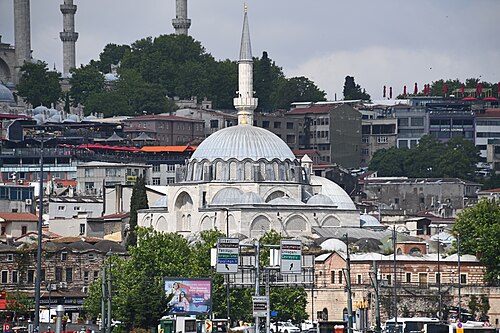
Rüstem Pasha Mosque
Rüstem Paşa Camii
Rüstem Pasha Mosque does not sit on the street.
- Must see
- Historic monument
- Istanbul
Country guide
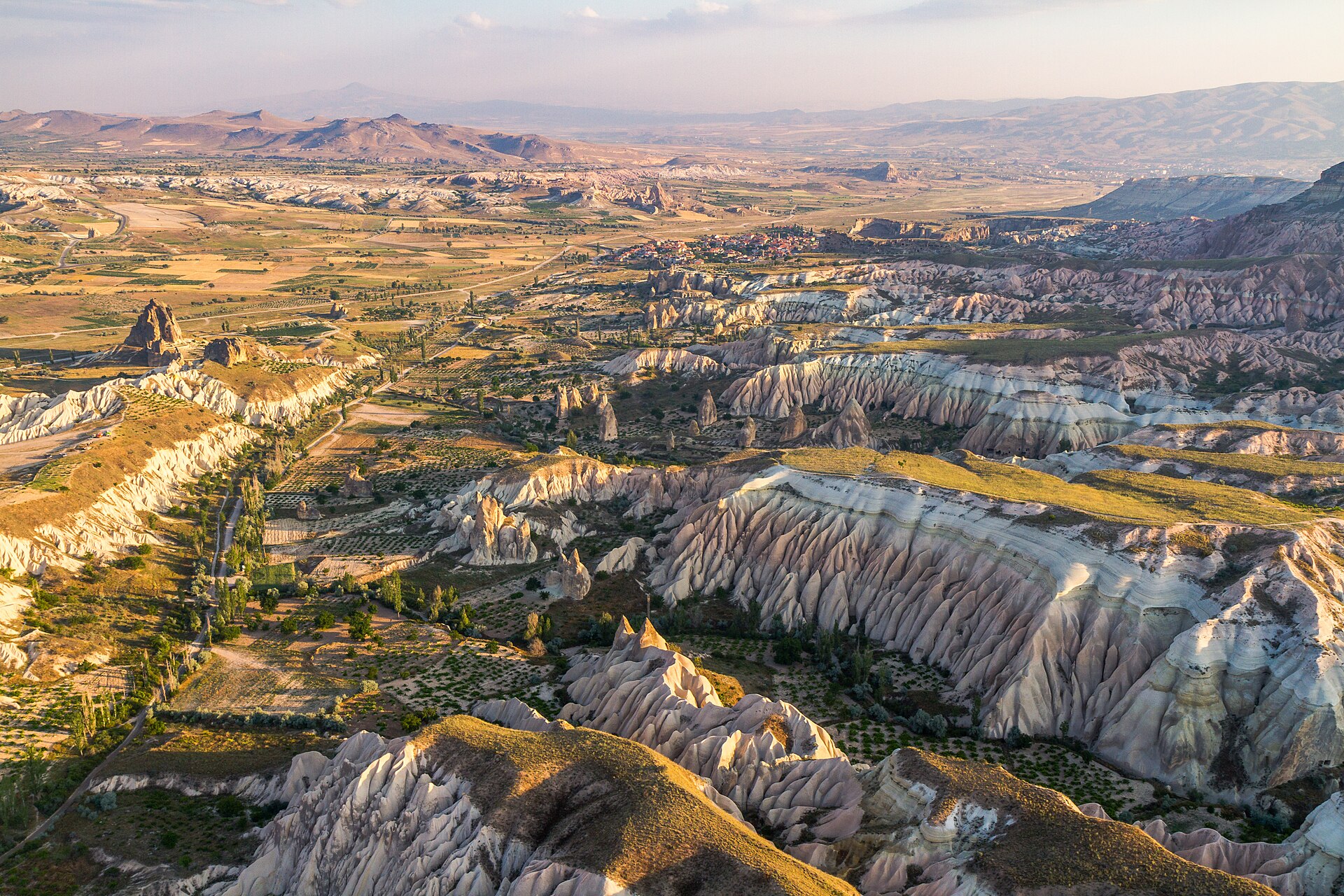
Türkiye is 783,562 km² across 81 provinces, most of it Anatolia in West Asia with East Thrace on the European side of the straits. It has three coasts to choose...
Photograph · Benh LIEU SONG · CC BY-SA 4.0
Reviewed by Elena Voss · Roavina Travel Editor
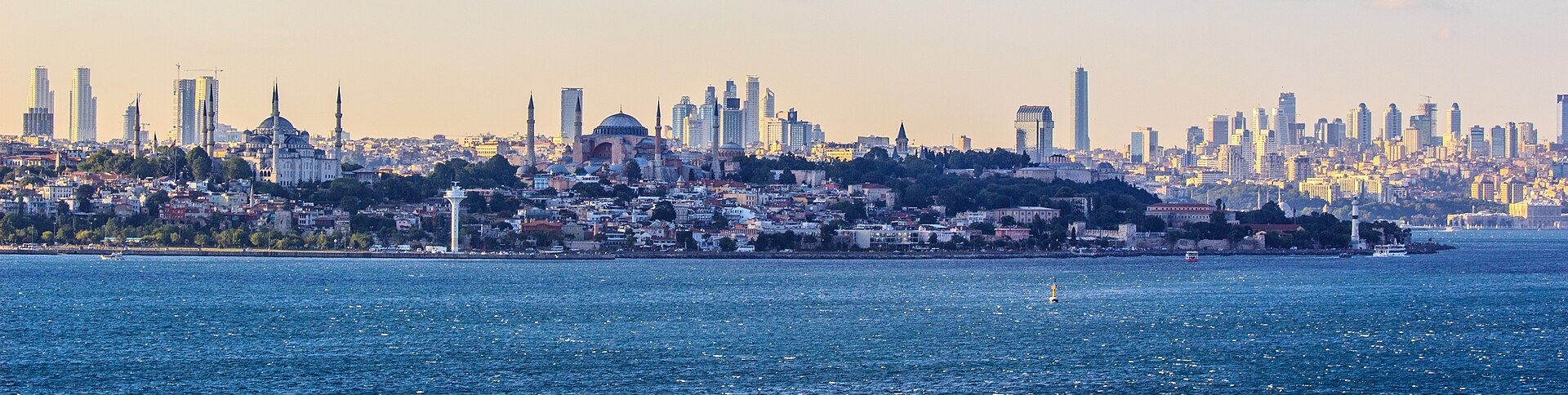
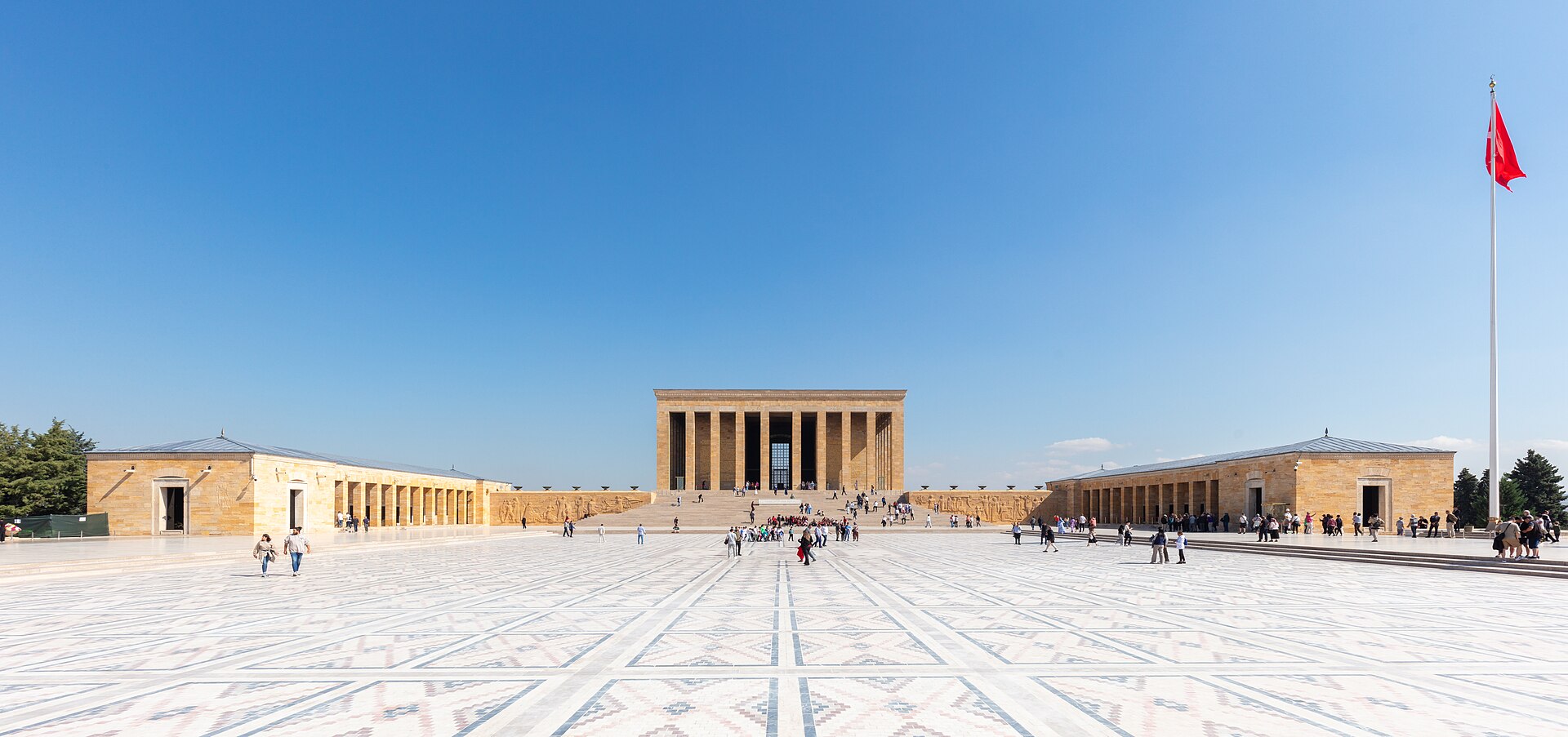
Türkiye is 783,562 km² across 81 provinces, most of it Anatolia in West Asia with East Thrace on the European side of the straits. It has three coasts to choose between — the Black Sea to the north, the Aegean to the west, the Mediterranean to the south — and an interior plateau that behaves like a different country in winter. Istanbul is the largest city and the economic centre, Ankara the capital and the second-largest, and the December 2025 population of 86,092,168 is weighted heavily to the west. A first trip is usually Istanbul and one coast; the plateau is the second trip.
Checked 2026-08-25
Every city catalogued in this country so far, ranked by how much there is to see.
Photograph · Ben Morlok · CC BY-SA 2.0
Photograph · Diego Delso · CC BY-SA 4.0
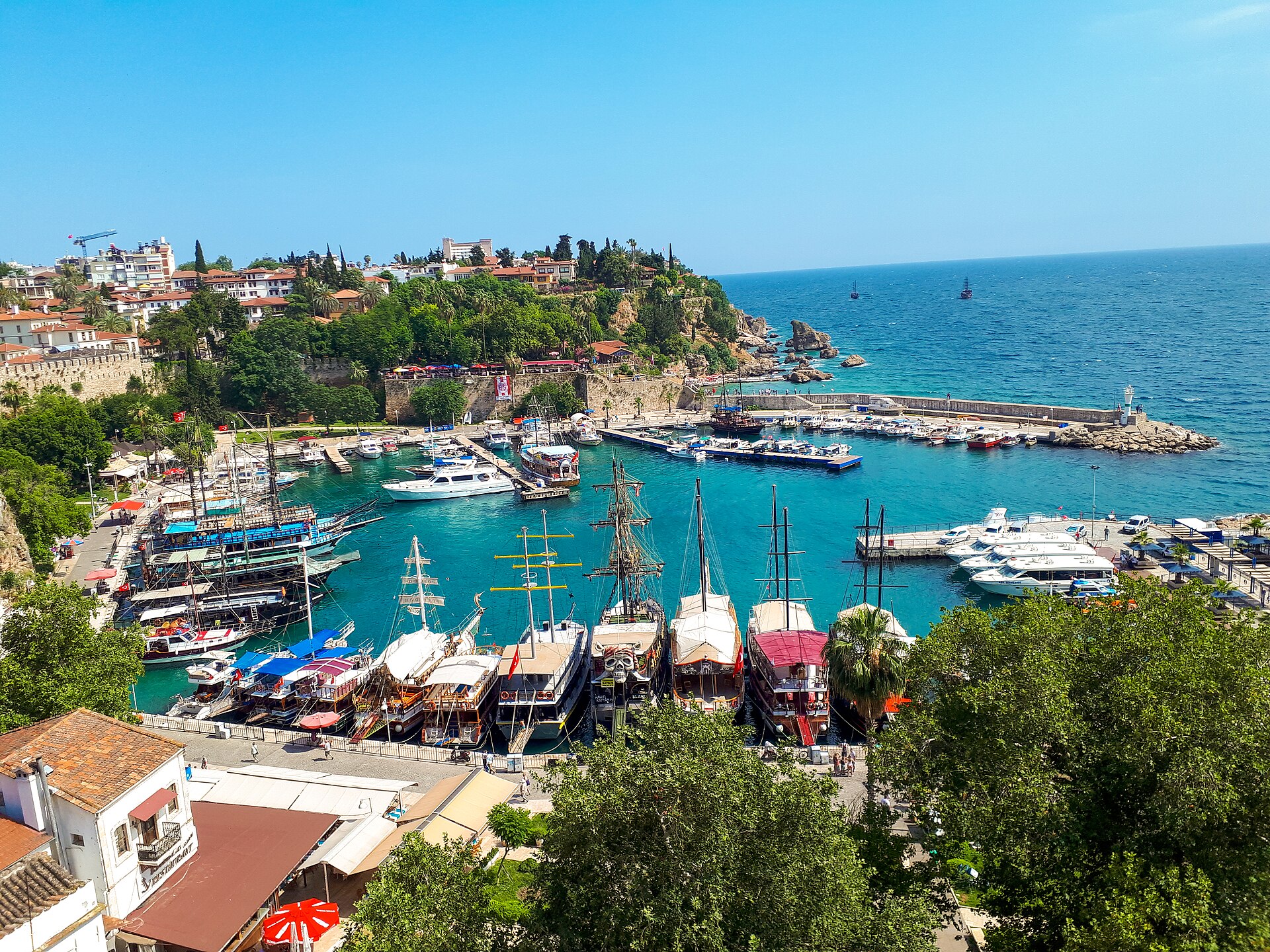
Photograph · REHBER0770 · CC BY-SA 4.0
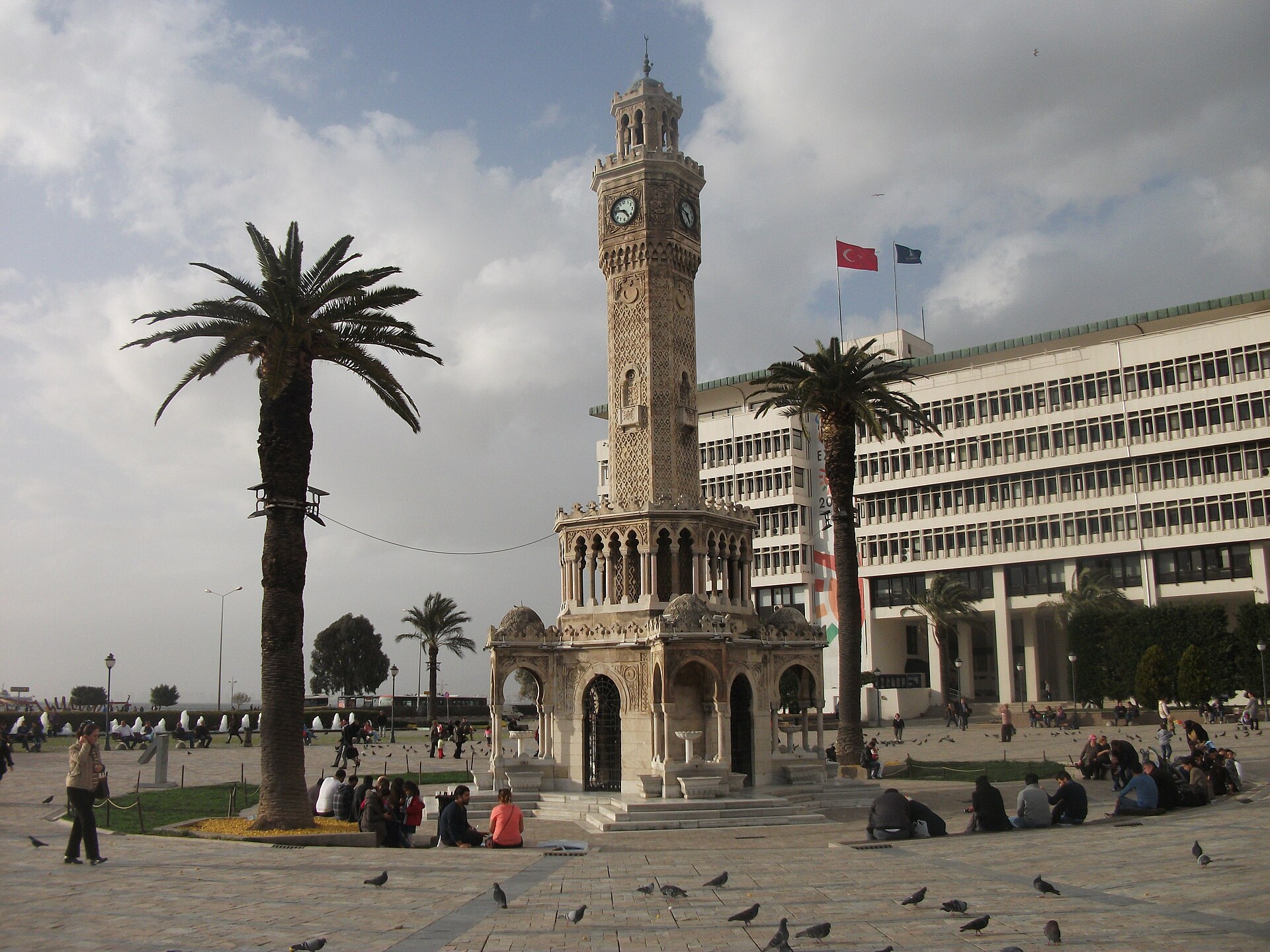
Photograph · Anonymous · CC0
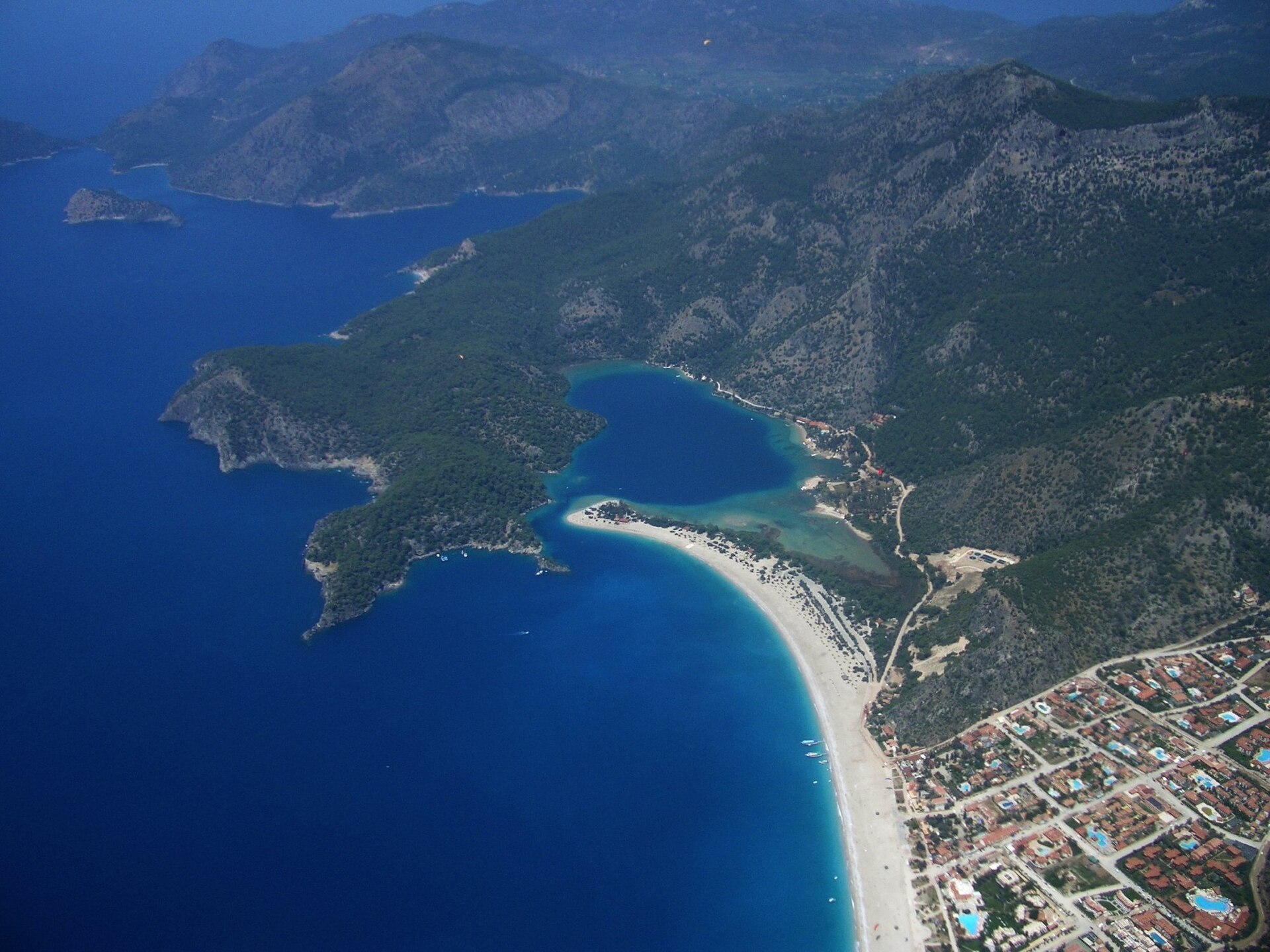
Photograph · Dan Taylor · CC BY 2.0
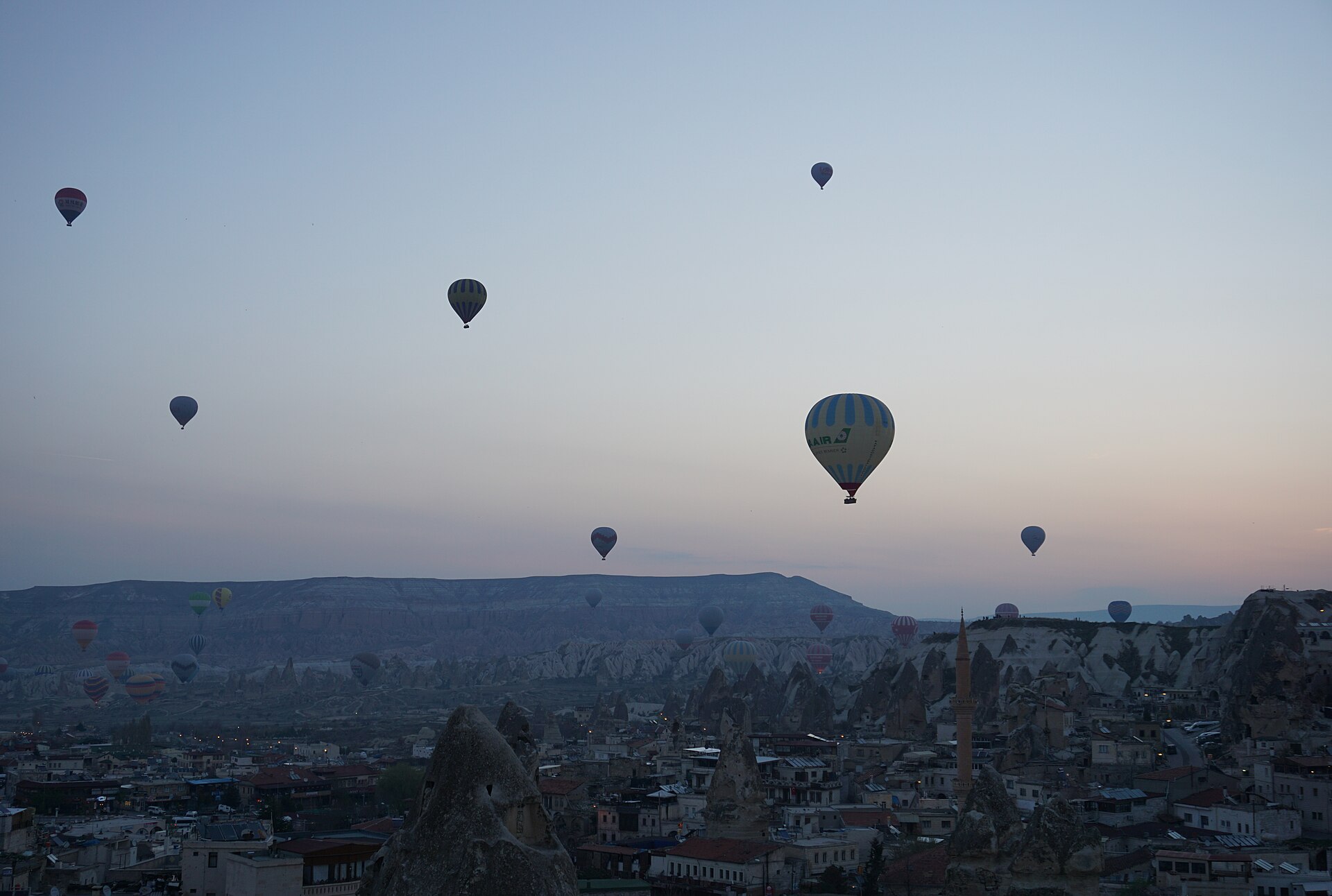
Photograph · Dogaaunlu · CC BY-SA 4.0
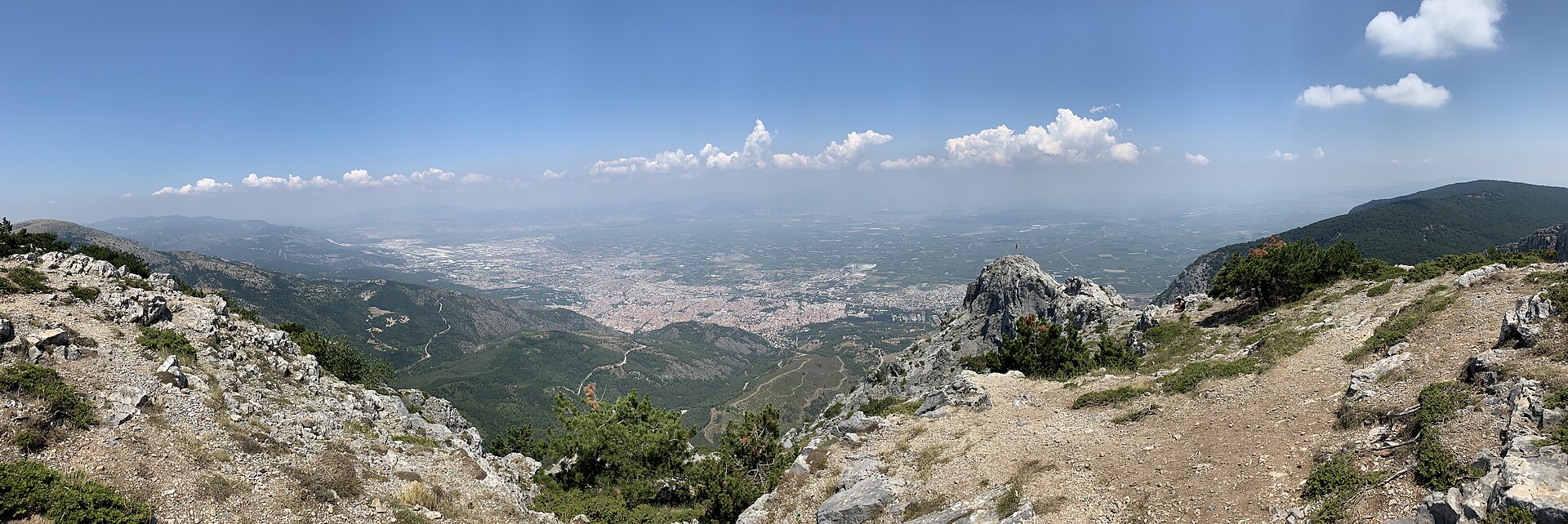
Photograph · Egemenakgul · CC BY-SA 4.0
Ranked by importance — sitelinks, pageviews and heritage status, not editor preference.
421 places match
Category
Typical visit duration
Interests
Rüstem Paşa Camii
Rüstem Pasha Mosque does not sit on the street.
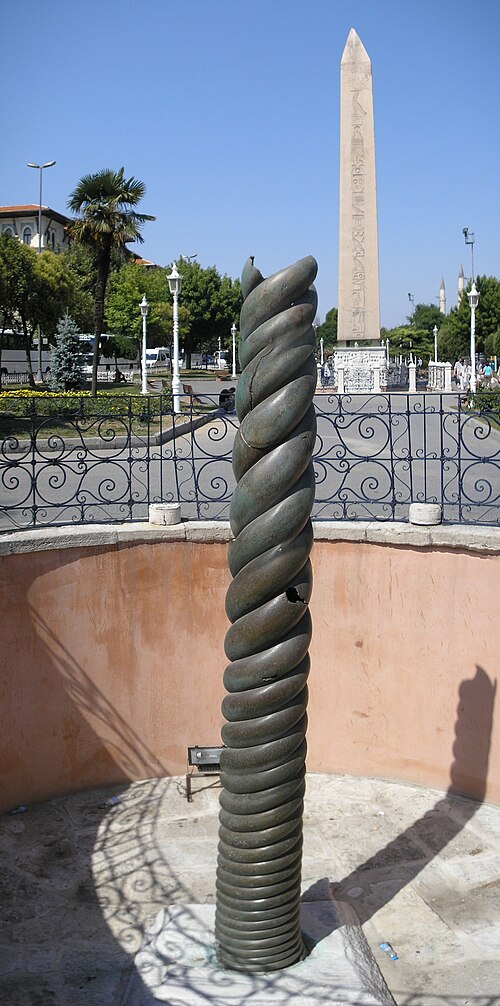
Yılanlı Sütun
A battle trophy from 479 BC, standing in a hole in a square in Istanbul.
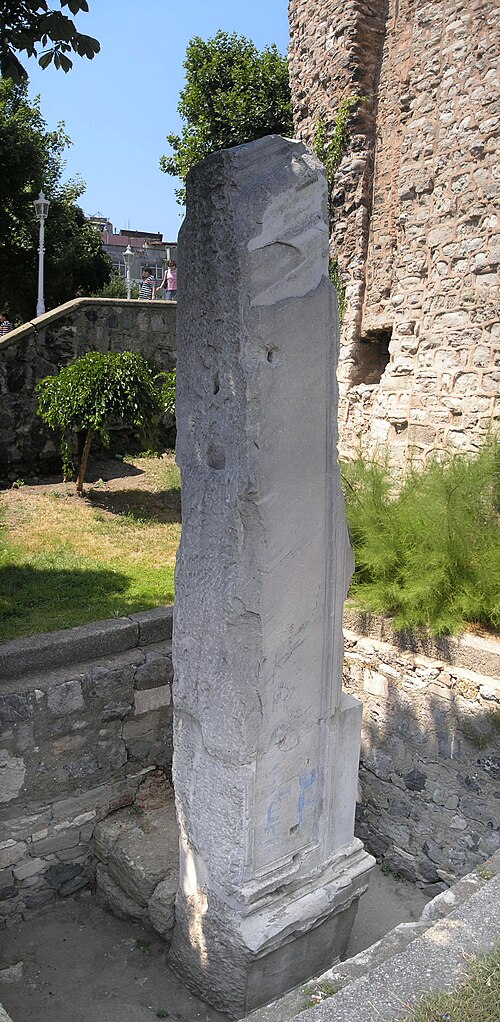
Milyon Taşı
What survives is a single weathered pillar fragment standing in a sunken plot beside the street, and it is the remnant of the Milion — the point from which the Eastern Roman Empire measured itself.
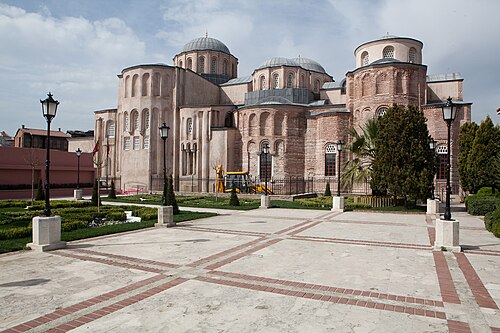
Zeyrek Molla Camii
Zeyrek Camii was the Monastery of Christ Pantokrator, and after Hagia Sophia it is the largest Byzantine religious building still standing in Istanbul.
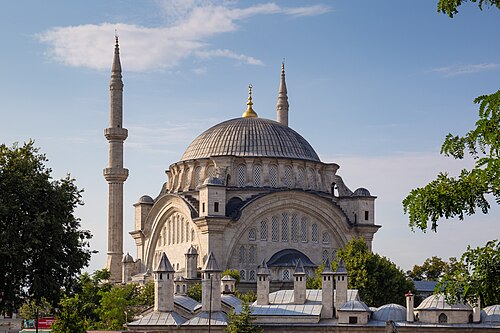
Nuruosmaniye Camisi
The Nuruosmaniye is where Ottoman architecture stopped being Ottoman in the classical sense. Begun in 1748 under Mahmud I and finished in 1755 under his brother Osman III, it is the first monumental Ottoman baroque building.
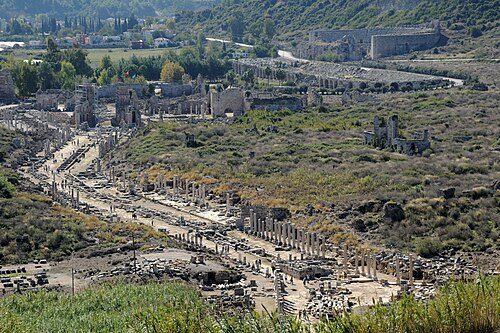
Perga
Perge is an ancient Greco-Roman city near Antalya, known locally as Perga. It was a significant settlement in Pamphylia and later an important city under Roman rule.
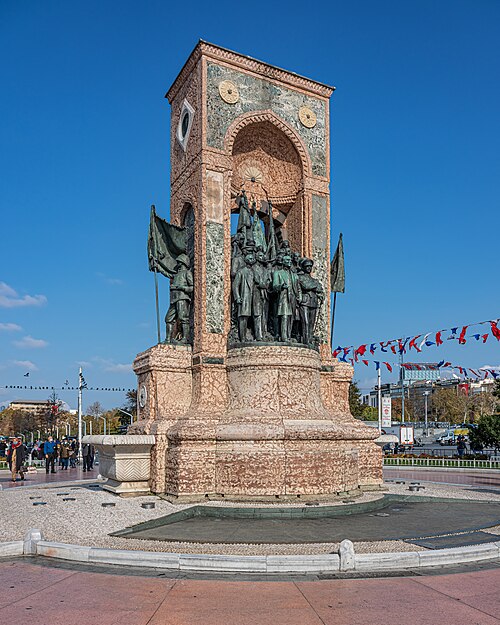
Cumhuriyet Anıtı
The Republic Monument stands in the middle of Taksim Square and is the founding statement of the Turkish Republic rendered in bronze and marble.
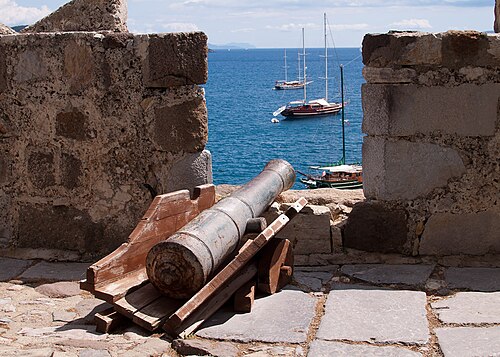
Bodrum Kalesi
Bodrum Castle is a medieval fortress on a rocky peninsula between Bodrum’s two harbours, in the centre of town. The Knights of St John built it between 1406 and 1522, and the complex now houses the Bodrum Underwater Archaeology Museum.
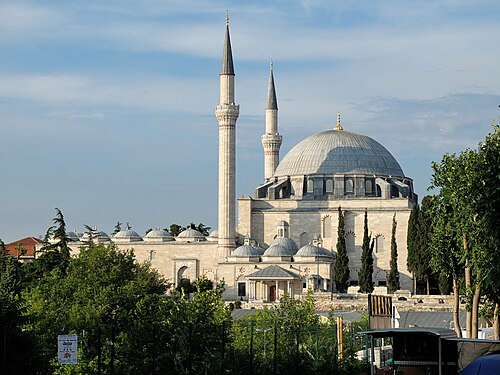
Yavuz Sultan Selim Cami
Yavuz Selim Mosque crowns the top of the fifth hill of the historic peninsula, above the Golden Horn, and it is a memorial as much as it is a mosque.
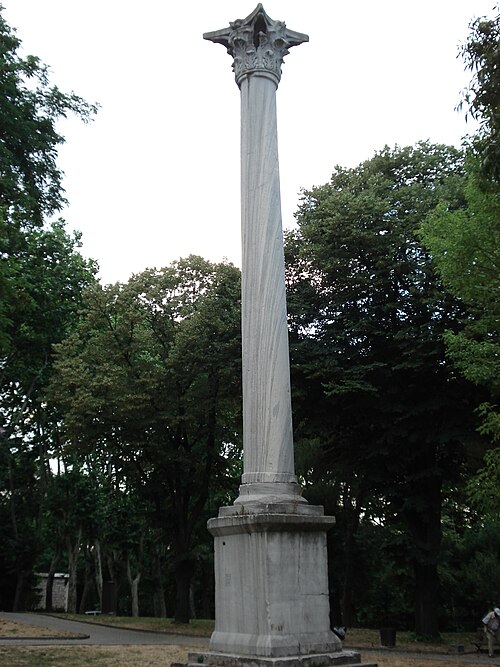
Gotlar Sütunu
Near the Sarayburnu end of Gülhane Park, well away from the gate most visitors use, a single fluted shaft with a Corinthian capital stands among the trees carrying a Latin inscription: FORTVNAE REDVCI OB DEVICTOS GOTHOS — to Fortuna, who…
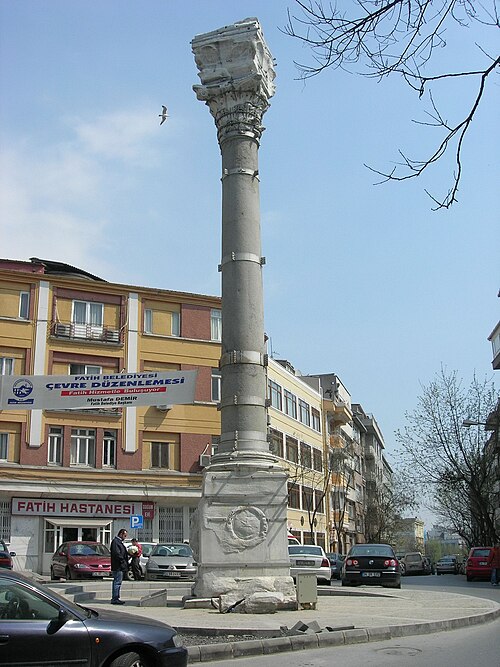
Kıztaşı
A single granite column stands in a small railed square off Kıztaşı Caddesi in Fatih, and almost everybody who has heard of Istanbul has never heard of it.
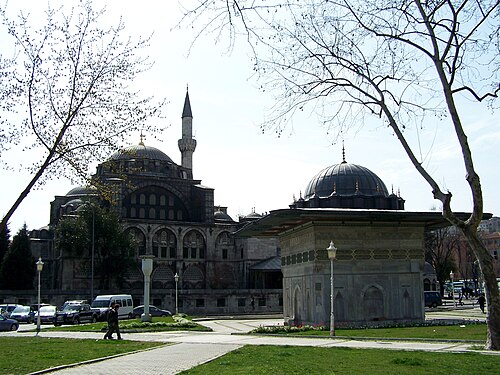
Kılıç Ali Paşa Camii
The man who paid for this mosque was born Giovanni Dionigi Galeni in Le Castella, in Calabria, around 1519.
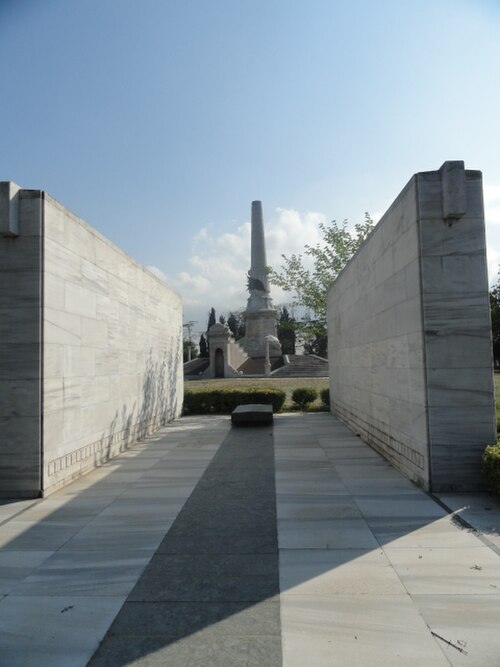
Abide-i Hürriyet
The Monument of Liberty is an Ottoman-era memorial in Şişli commemorating the officers and soldiers who died putting down the countercoup of 31 March 1909 against the Young Turk constitutional government, an episode known in Turkish as the 31 Mart…

Çiçek Pasajı is a covered arcade off İstiklal Caddesi in Beyoğlu, built in 1876 to the design of the architect Kleanthis Zannos and opened as the Cité de Péra.
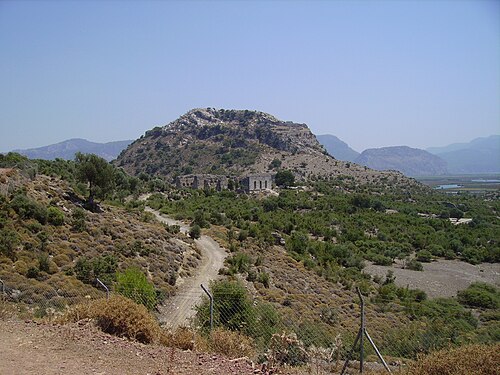
Kaunos is an archaeological site in Çandır Mahallesi, within Köyceğiz in Muğla Province, reached from Dalyan by boat across the river channels. It preserves an ancient port city whose maritime character changed when alluvial deposits filled the coast.
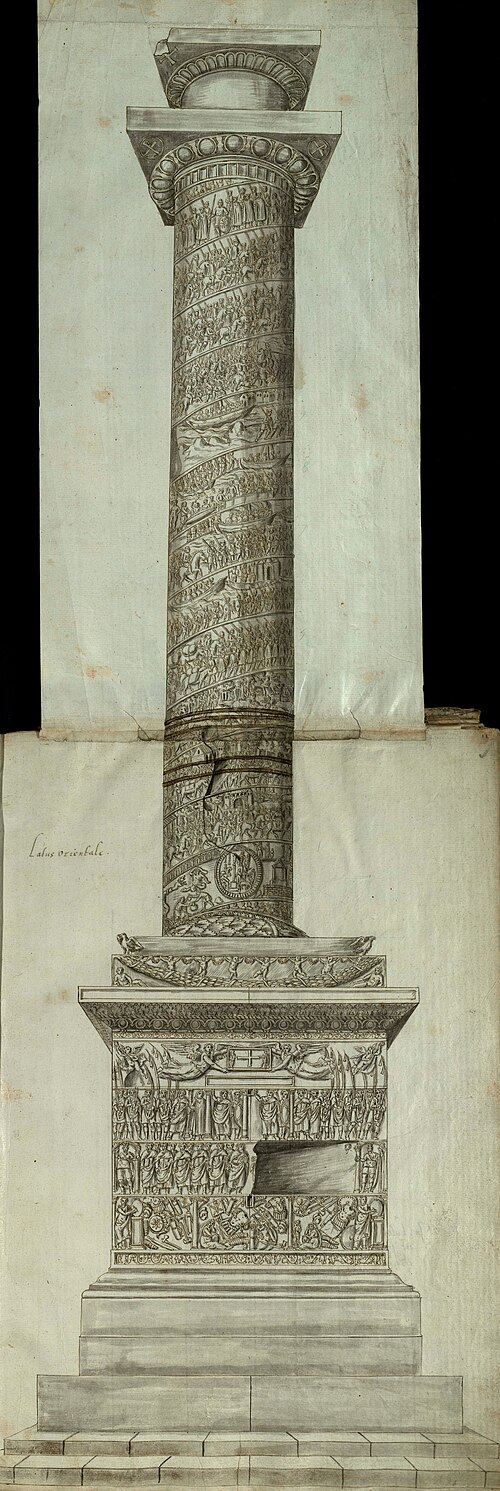
Arkadyos Sütunu
The Column of Arcadius is one of Constantinople's lost monuments, and what is left of it is the reason to come: a stump of imperial propaganda wedged between apartment blocks in Fatih.

Celsus Kütüphanesi
The Library of Celsus is a defining monument of Ephesus, near modern Selçuk in İzmir Province.
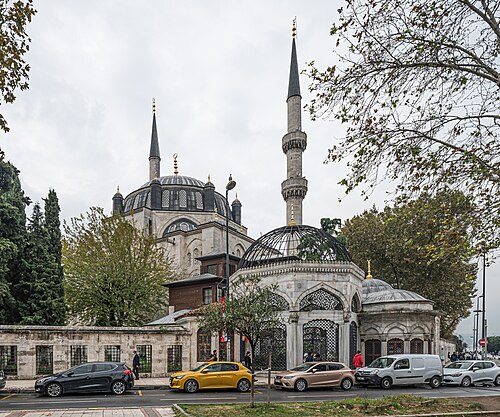
Yeni Valide Camii
Step off the ferry at Üsküdar and this is the complex immediately in front of you, hard against the square rather than set back from it.

Yoros Kalesi
Yoros Castle stands on the headland where the Bosphorus opens into the Black Sea, which is the whole explanation for it.
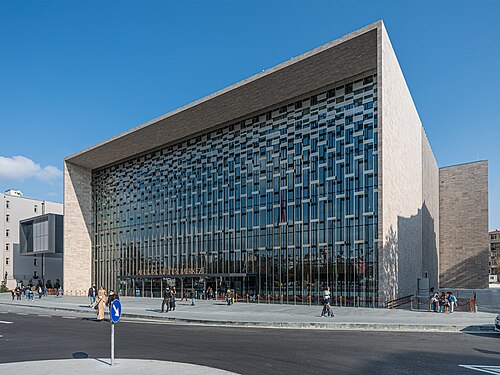
Atatürk Kültür Merkezi
The Ataturk Cultural Center closes the eastern side of Taksim Square, and it is the second building of that name to do so.
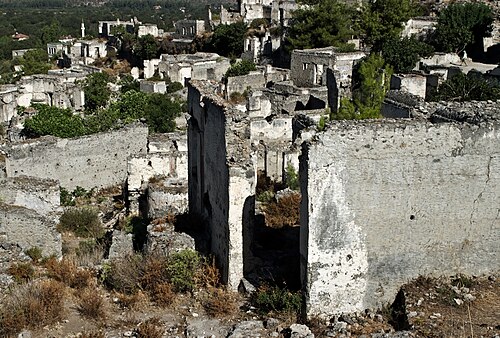
Kayaköy Harabeleri
Kayaköy is an abandoned settlement on a steep hillside about 8 km south of Fethiye in Muğla Province. Roofless stone houses and communal buildings preserve the outline of a former town rather than a single monument.
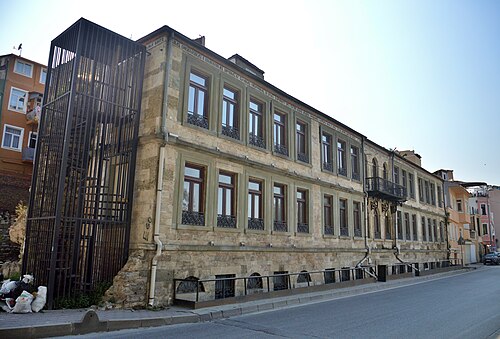
Eksarhhane
Eksarhhane is a historic building in the Fener district that housed the seat of the Bulgarian Exarchate, the autocephalous Bulgarian Orthodox church established in 1870 and centred in Istanbul until the Ottoman Empire's Bulgarian population and administration shifted after the…
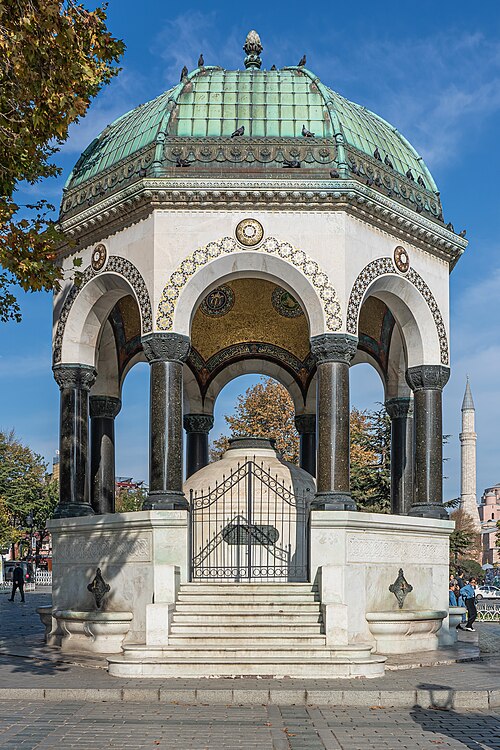
Alman Çeşmesi
The German Fountain is an octagonal, neo-Byzantine gazebo fountain standing in Sultanahmet Square, a gift from German Emperor Wilhelm II to Sultan Abdul Hamid II to mark the Kaiser's 1898 state visit to Istanbul.
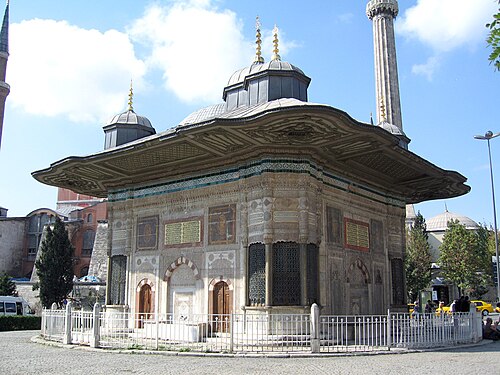
III. Ahmet Çeşmesi
The Fountain of Ahmed III stands just outside the Imperial Gate of Topkapı Palace, built in 1728 by Sultan Ahmed III during the Tulip Period, the era of Ottoman architecture known for its ornate, floral Baroque-influenced style.
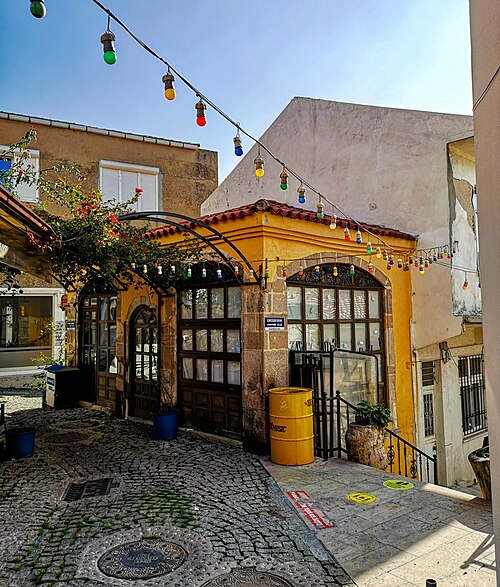
Milas is the modern town built around ancient Mylasa, a principal Carian centre with at least 5,000 years of history.
Ten to fourteen days allows about four days in İstanbul and at least three around Antalya when coastal archaeology is included. Cappadocia needs its own regional stay, and a one-way coastal route is more workable than returning to the same city each night.
Türkiye's visa position varies by passport and purpose. Verify the rule through the Ministry of Foreign Affairs and, when eligible, use only the official e-Visa service rather than an intermediary.
İstanbul's two airports and Antalya are the principal gateways for this itinerary. Domestic flights cover long cross-country legs, coaches serve many city pairs, and high-speed rail is most useful on the İstanbul-Ankara axis rather than as a universal substitute.
April to May and September to October are broad choices for combining İstanbul with the Mediterranean coast. Cappadocia nights, inland heat, and Antalya's coastal conditions differ, so confirm weather for each overnight base.
Türkiye uses the Turkish lira (TRY). Keep lira available for smaller transport and market transactions even when cards are accepted, and review the displayed amount in TRY before agreeing to any card conversion.
Dial 112 for emergencies in Türkiye. Electricity is 230 V through Type C and F sockets; tap-water safety is not recorded here, so obtain current local advice at each stop.