Museum of the Future
متحف المستقبل
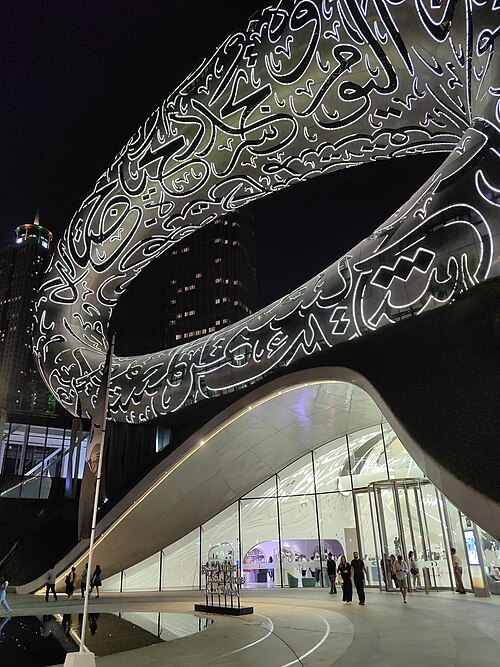
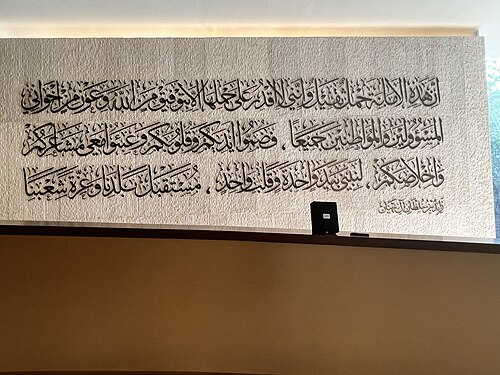
The Museum of the Future is a steel torus standing on a planted green mound beside Jumeirah Emirates Towers on Sheikh Zayed Road, with an oval void cut through its centre.
- Must see
- Museum
- Dubai
Country guide
The United Arab Emirates has been one country since 2 December 1971, when seven emirates — Abu Dhabi, Dubai, Sharjah, Ajman, Umm Al Quwain, Fujairah and Ras Al...
Photograph · Tonenight · CC BY-SA 4.0
Reviewed by Elena Voss · Roavina Travel Editor
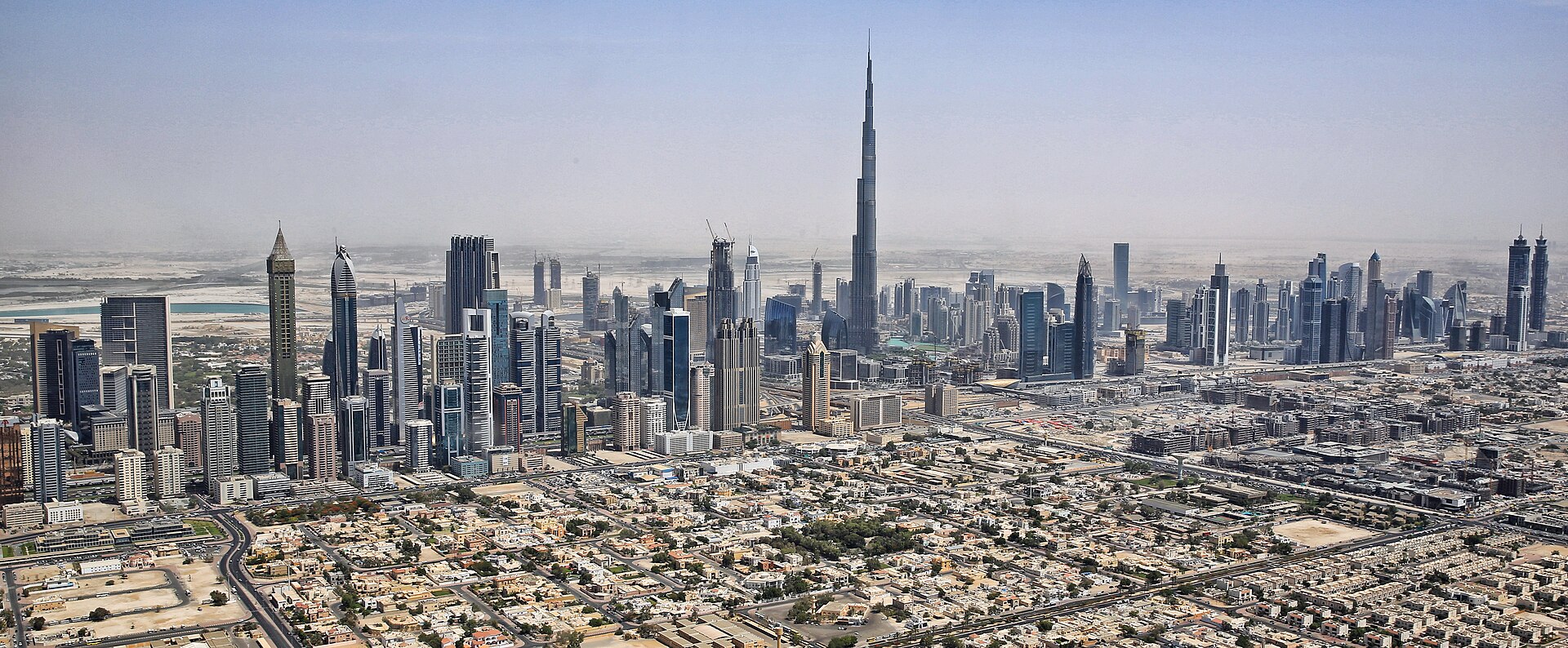
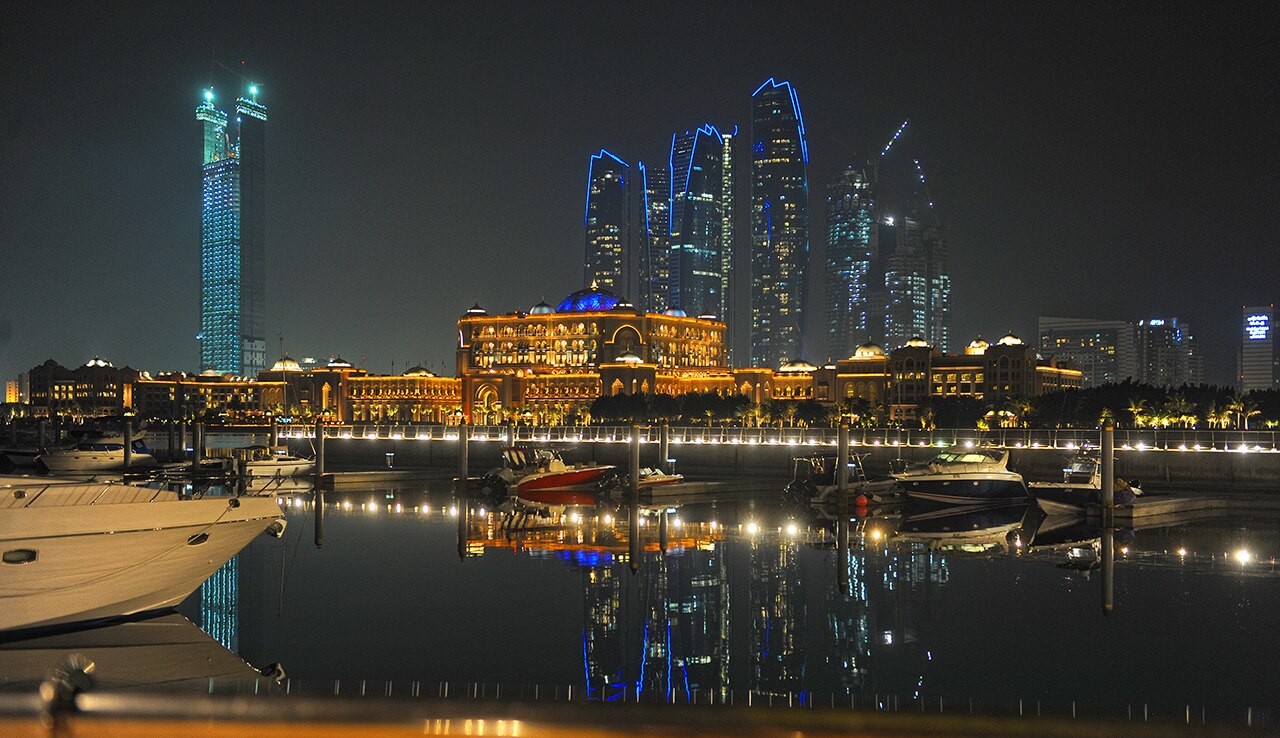
The United Arab Emirates has been one country since 2 December 1971, when seven emirates — Abu Dhabi, Dubai, Sharjah, Ajman, Umm Al Quwain, Fujairah and Ras Al Khaimah — federated. It covers 83,600 km² and held 11,027,129 people in 2024, of whom about 11 per cent are Emirati citizens; the rest came to work, and that shapes the food, the languages and the shape of a week more than any monument does. Abu Dhabi is the capital and Dubai the largest city, close enough to treat as one base. The northern emirates beyond them are quieter and far less built.
Checked 2026-08-25
Every city catalogued in this country so far, ranked by how much there is to see.
Photograph · Tim Reckmann from Hamm, Deutschland · CC BY-SA 3.0
Photograph · Валерий Дед · CC BY 3.0
Ranked by importance — sitelinks, pageviews and heritage status, not editor preference.
19 places match
Category
Typical visit duration
Interests
متحف المستقبل
The Museum of the Future is a steel torus standing on a planted green mound beside Jumeirah Emirates Towers on Sheikh Zayed Road, with an oval void cut through its centre.
برواز دبي
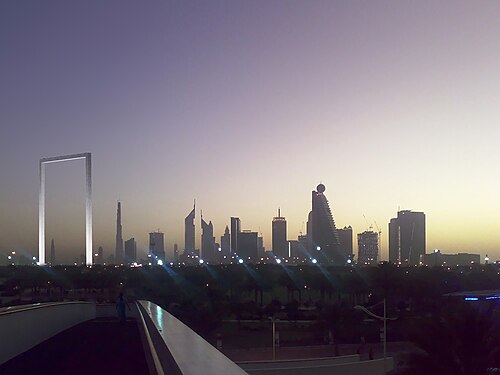
Dubai Frame is a picture frame built at architectural scale in Zabeel Park, and it is run by Dubai Municipality rather than by a commercial operator.
متحف الاتحاد
Etihad Museum, known locally as متحف الاتحاد, is a cultural institution in Dubai dedicated to preserving and presenting the history of the United Arab Emirates.
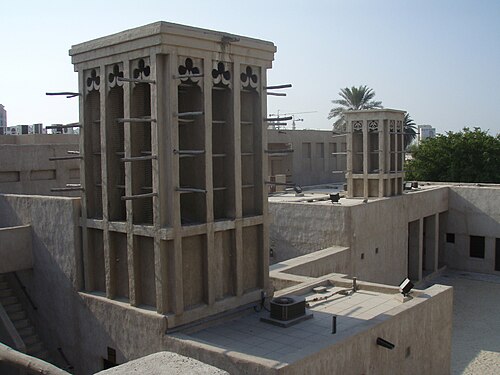
Saeed Al Maktoum House is a historic Dubai residence associated with the Al Maktoum ruling family. The house offers a direct connection with the emirate’s pre-oil past and with the traditional architecture of the Gulf.
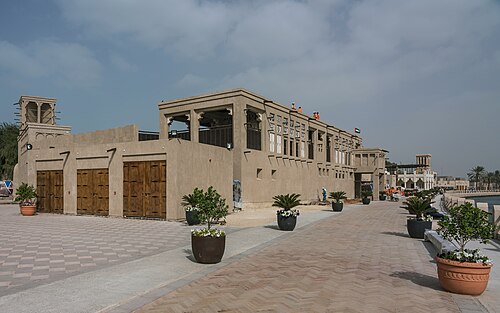
Sheikh Obaid bin Thani House is a heritage building in Dubai, United Arab Emirates. It represents traditional Emirati architecture and serves as a cultural landmark preserving the emirate's historical built environment.
متحف دبي للصور المتحركة
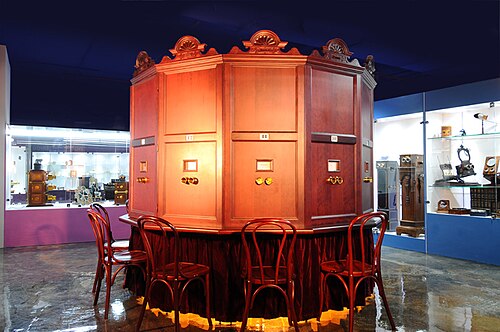
The Dubai Moving Image Museum is a cultural institution in Dubai dedicated to the history and evolution of moving images. It traces the development of visual storytelling from early precursors of cinema through to modern filmmaking technologies.
Six to eight days is enough for roughly four days in Dubai and two or three in Abu Dhabi. Sharjah can be a separate museum day, while Ras Al Khaimah or Fujairah requires dedicated road time rather than being treated as a quick urban extension.
UAE entry permission depends on nationality and may be arranged in advance or granted under a nationality-specific rule. Confirm the current position through the federal ICP service or the responsible UAE embassy, especially for a stopover itinerary.
Dubai combines metro, tram, buses, and marine transport; Abu Dhabi relies more heavily on buses and taxis. Travel between emirates remains road-based, so allow for an intercity bus, taxi, or rental car rather than expecting a passenger train.
November through March gives the most practical outdoor hours for this Dubai-Abu Dhabi route. In hotter months, schedule waterfront and heritage districts early or late and reserve the middle of the day for indoor museums.
The United Arab Emirates uses the dirham (AED). Cards are widely useful in Dubai and Abu Dhabi, but retain an AED backup for smaller fares or deposits and check which currency a card terminal proposes.
Police in the UAE can be reached on 999 and ambulance services on 998. Type G sockets supply 230 V; tap-water guidance is not recorded here, so ask the accommodation for the building-specific position.