Burj Khalifa
برج خليفة
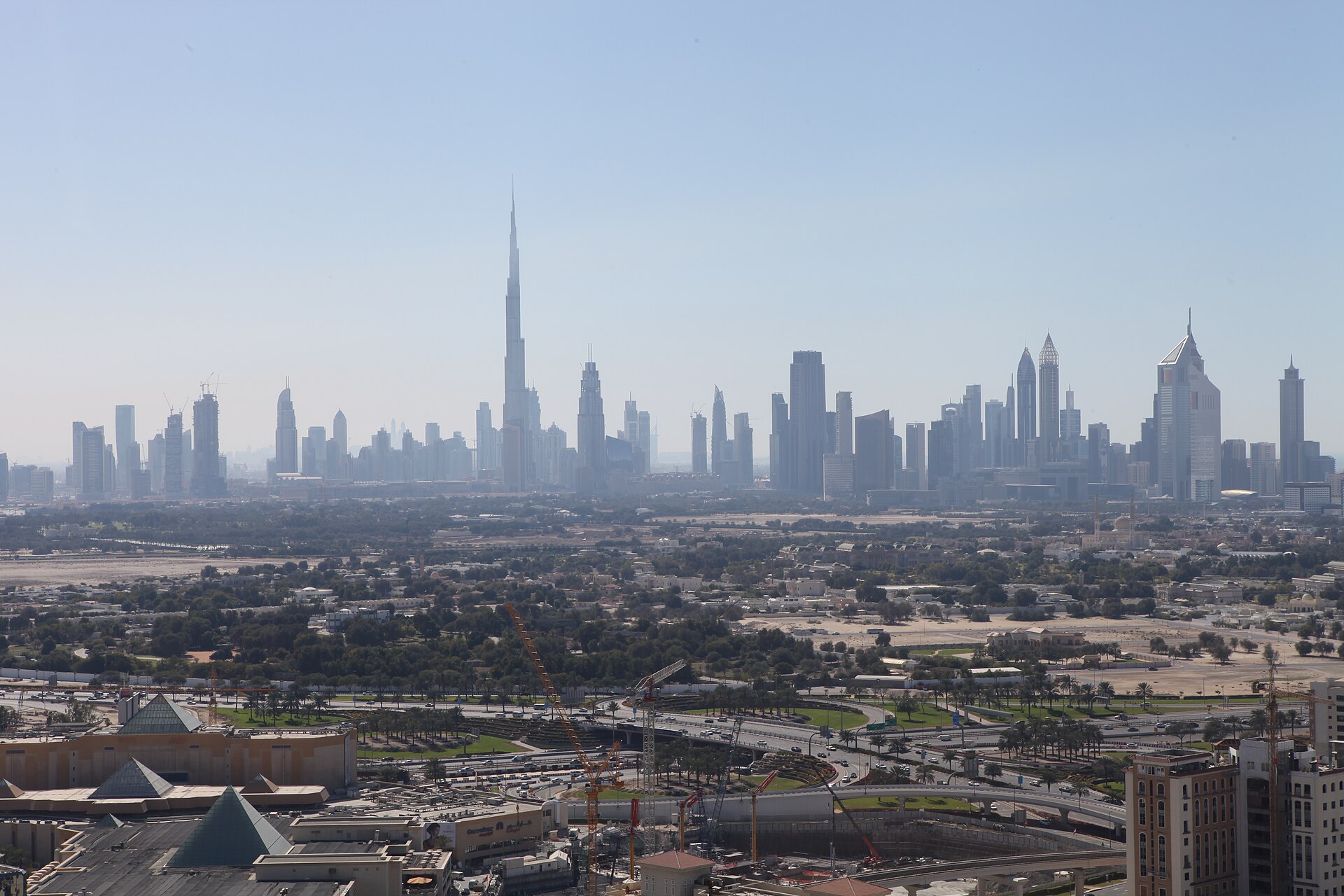
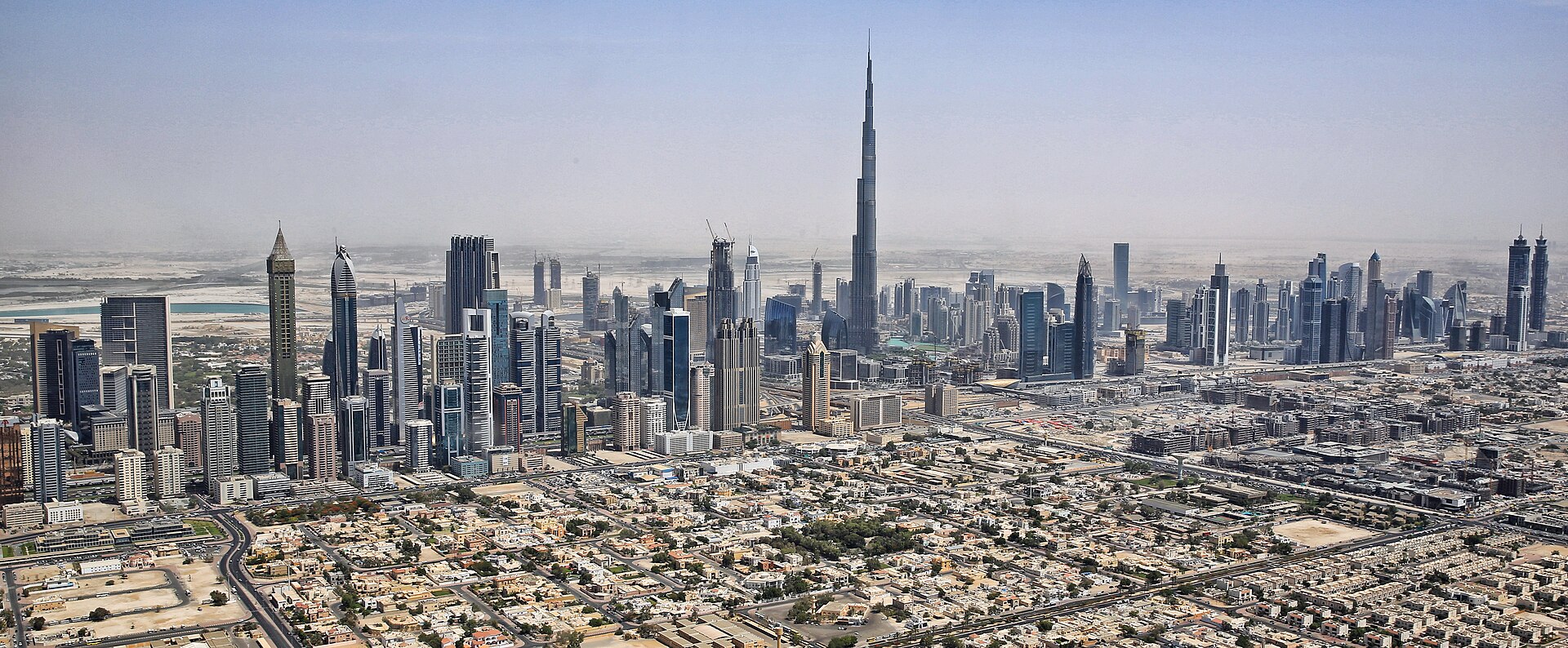
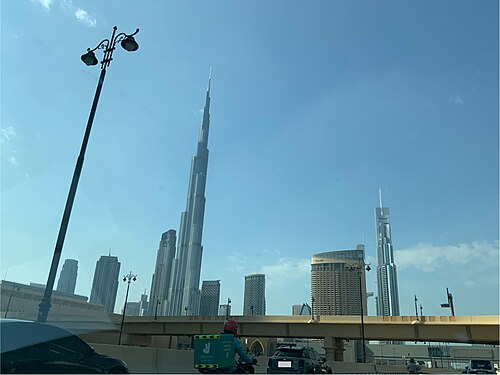
Burj Khalifa is the 828-metre tower that Emaar opened in Downtown Dubai on 4 January 2010, and what a visitor actually buys a ticket to is a small part of it.
- Must see
- Historic monument
- Dubai
Language · 11 published
Country guide
The United Arab Emirates has been one country since 2 December 1971, when seven emirates — Abu Dhabi, Dubai, Sharjah, Ajman, Umm Al Quwain, Fujairah and Ras Al Khaimah — federated. It covers 83,600 km² and held 11,027,129 people in 2024, of whom about 11 per cent are Emirati citizens; the rest came to work, and that shapes the food, the languages and the shape of a week more than any monument does. Abu Dhabi is the capital and Dubai the largest city, close enough to treat as one base. The northern emirates beyond them are quieter and far less built.
Reviewed by Elena Voss · Roavina Travel Editor
Every city catalogued in this country so far, ranked by how much there is to see.
Photograph · Tim Reckmann from Hamm, Deutschland · CC BY-SA 3.0
Photograph · Валерий Дед · CC BY 3.0
Ranked by importance — sitelinks, pageviews and heritage status, not editor preference.
20 places match
Category
Typical visit duration
Interests
برج خليفة
Burj Khalifa is the 828-metre tower that Emaar opened in Downtown Dubai on 4 January 2010, and what a visitor actually buys a ticket to is a small part of it.
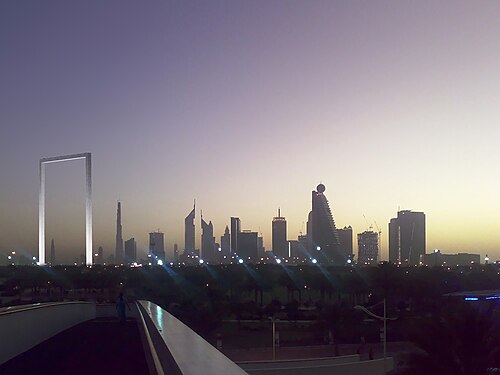
برواز دبي
Dubai Frame is a picture frame built at architectural scale in Zabeel Park, and it is run by Dubai Municipality rather than by a commercial operator.
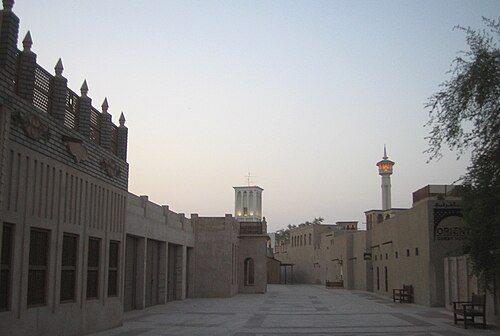
حي الفهيدي التاريخي
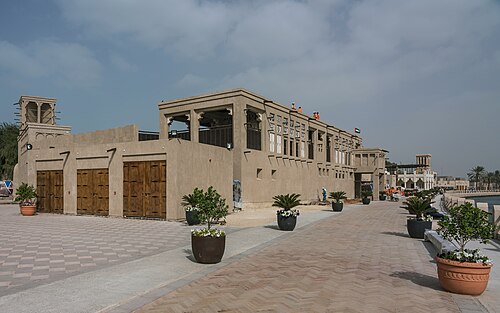
Al Fahidi Historical Neighbourhood stands on the Bur Dubai bank of Dubai Creek, a few streets of low coral-stone houses left standing while the rest of the city went vertical.
متحف الاتحاد
Etihad Museum, known locally as متحف الاتحاد, is a cultural institution in Dubai dedicated to preserving and presenting the history of the United Arab Emirates.
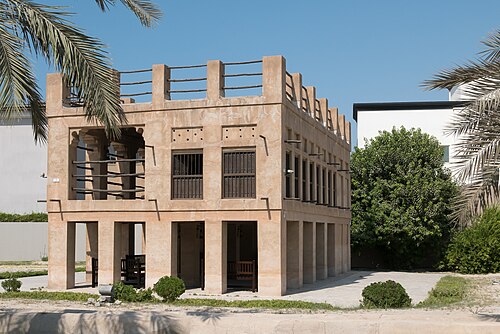
Saeed Al Maktoum House is a historic Dubai residence associated with the Al Maktoum ruling family. The house offers a direct connection with the emirate’s pre-oil past and with the traditional architecture of the Gulf.
Sheikh Obaid bin Thani House is a heritage building in Dubai, United Arab Emirates. It represents traditional Emirati architecture and serves as a cultural landmark preserving the emirate's historical built environment.
متحف دبي للصور المتحركة
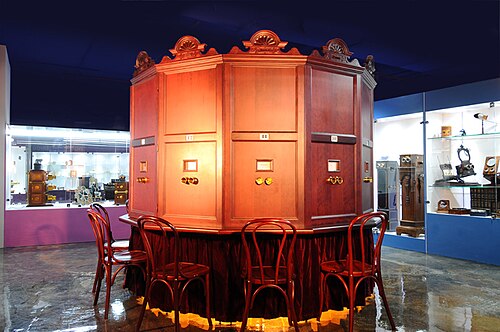
The Dubai Moving Image Museum is a cultural institution in Dubai dedicated to the history and evolution of moving images. It traces the development of visual storytelling from early precursors of cinema through to modern filmmaking technologies.
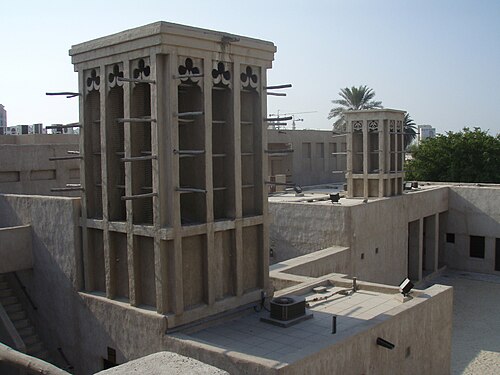
Coffee Museum
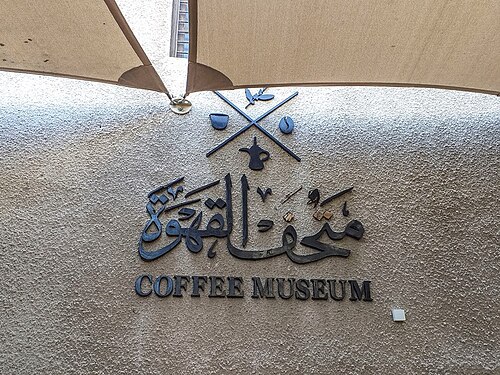
Dubai Coffee Museum is a compact cultural museum in the Al Fahidi Historical Neighbourhood, housed in a traditional wind-tower building.
Majlis Ghorfat Umm Al Sheif is a historic majlis in Dubai’s Jumeirah area. A majlis is a traditional meeting or gathering space, and this building represents the social and architectural heritage of an earlier Dubai.
Dubai Municipality Museum is a cultural institution operated by Dubai Municipality, the government body responsible for city services and urban planning.
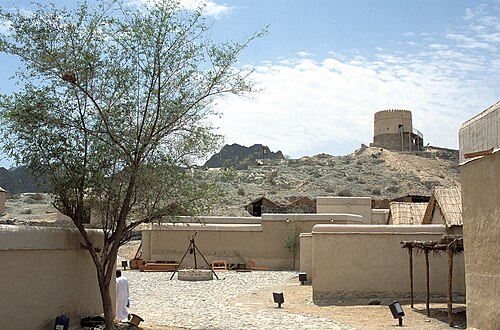
Hatta Heritage Village is a reconstructed traditional mountain settlement located in the Hatta enclave of Dubai, within the Hajar Mountains.
Coins Museum
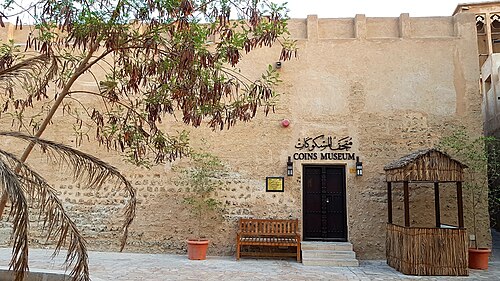
Dubai Coins Museum is a specialised numismatic museum focused on the history of currency. Its displays connect coins with trade, political authority, economic life and cultural exchange.
Women's museum
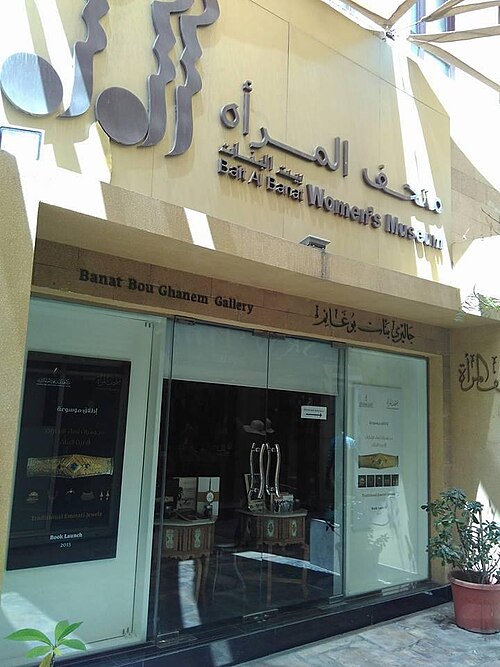
The Women's Museum in Dubai is a cultural institution dedicated to documenting and celebrating the contributions of women to the United Arab Emirates. Located in the historic Al Fahidi district, it occupies a renovated traditional house.
Jameel Arts Centre is a contemporary art institution on Dubai’s Jaddaf Waterfront. It is a place for exhibitions, commissions, research and public programmes, with a quieter atmosphere than the city’s large entertainment venues.
Al Marmoom Heritage Village is a Dubai cultural attraction set within the wider Al Marmoom desert landscape. It presents elements of Emirati heritage and the traditional way of life that developed before the emirate's rapid modern growth.
Al Shindagha Museum is a cultural institution situated in the historic Al Shindagha district along Dubai Creek.
Dubai Crocodile Museum is a specialist attraction devoted to crocodiles and wildlife education. The museum offers a focused alternative to Dubai’s better-known skyscrapers, shopping centres and entertainment complexes.
متحف الغموض
The Museum of Illusions in Dubai is an attraction dedicated to optical illusions, visual tricks, and perceptual phenomena. It presents interactive exhibits that challenge visitors' understanding of reality through carefully constructed rooms, installations, and displays.
The National Gallery in Dubai is an art institution presenting collections and exhibitions to the public. It operates as a cultural venue within the city's developing arts landscape.
وو-هوو!
Woo-hoo! is listed as a visitor attraction in Dubai and is included in the city’s tourism landscape. Its name gives the place a playful identity, while the available description places it among Dubai’s broad range of visitor experiences.
Source: OpenStreetMap contributors, Wikidata ·
Six to eight days is enough for roughly four days in Dubai and two or three in Abu Dhabi. Sharjah can be a separate museum day, while Ras Al Khaimah or Fujairah requires dedicated road time rather than being treated as a quick urban extension.
UAE entry permission depends on nationality and may be arranged in advance or granted under a nationality-specific rule. Confirm the current position through the federal ICP service or the responsible UAE embassy, especially for a stopover itinerary.
Dubai combines metro, tram, buses, and marine transport; Abu Dhabi relies more heavily on buses and taxis. Travel between emirates remains road-based, so allow for an intercity bus, taxi, or rental car rather than expecting a passenger train.
November through March gives the most practical outdoor hours for this Dubai-Abu Dhabi route. In hotter months, schedule waterfront and heritage districts early or late and reserve the middle of the day for indoor museums.
The United Arab Emirates uses the dirham (AED). Cards are widely useful in Dubai and Abu Dhabi, but retain an AED backup for smaller fares or deposits and check which currency a card terminal proposes.
Police in the UAE can be reached on 999 and ambulance services on 998. Type G sockets supply 230 V; tap-water guidance is not recorded here, so ask the accommodation for the building-specific position.