
14 min walk
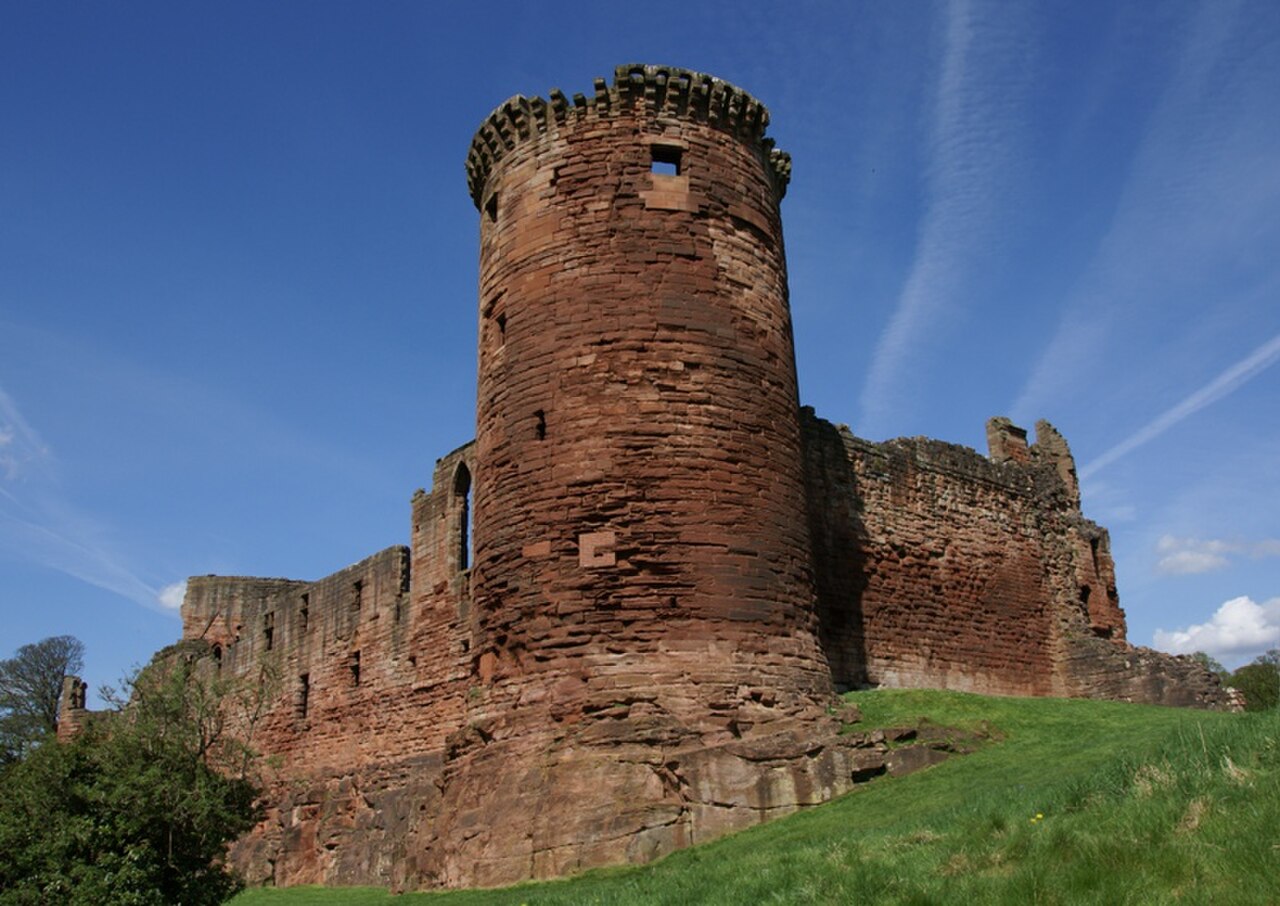
Bothwell Castle
- Must see · Heritage site
- Historic monument
Language · 11 published
Museum · Glasgow
David Livingstone Museum
Reviewed by Elena Voss · Roavina Travel Editor
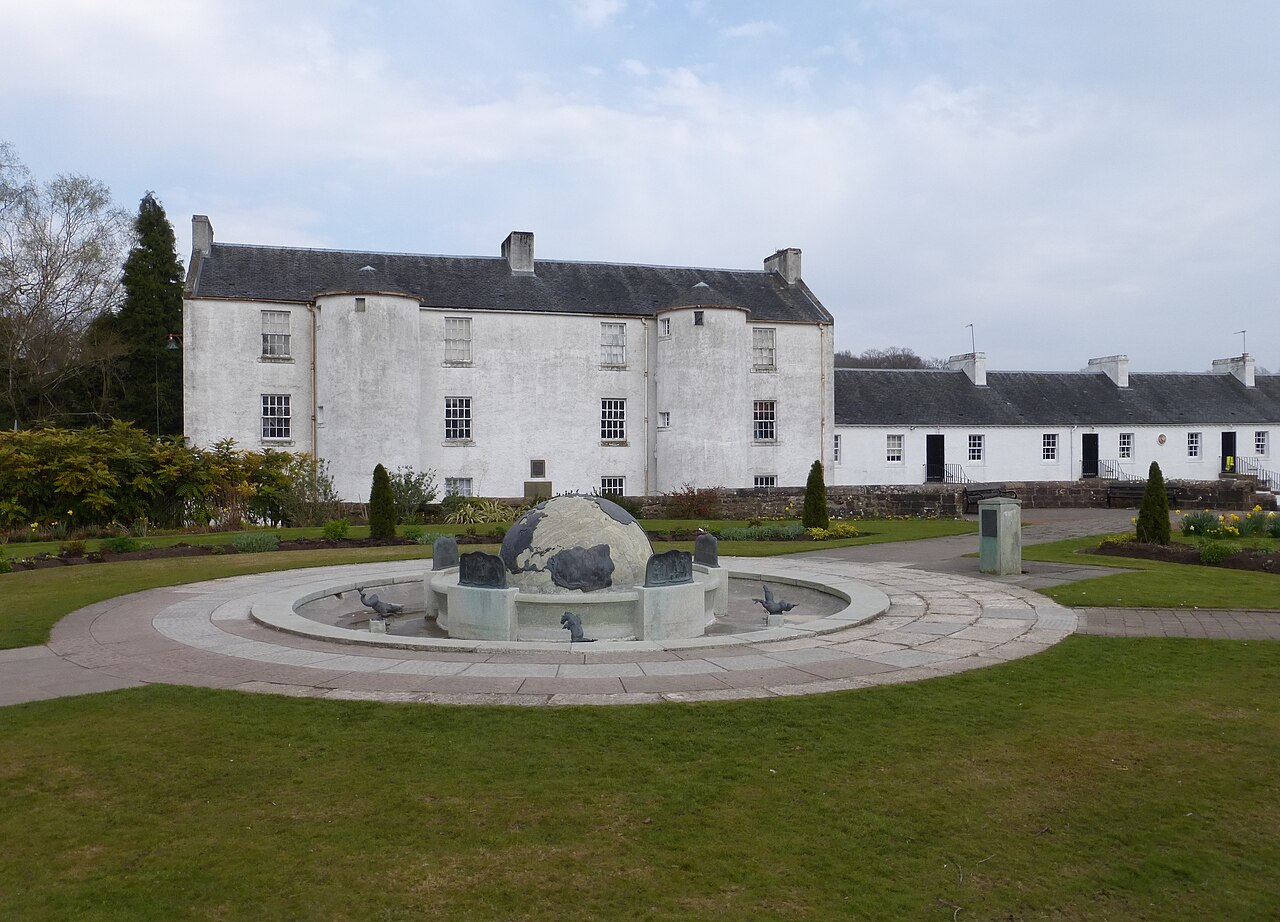
This place is a Museum. It carries the category A listed building heritage designation.
The David Livingstone Centre, also known as the David Livingstone Museum, is a heritage attraction in Blantyre, about eleven kilometres south-east of Glasgow city centre. It commemorates the Scottish missionary and explorer born in Blantyre in 1813 while placing his life within the textile-mill community where he grew up. The centre therefore combines biography with industrial heritage. Visitors encounter both the story of Livingstone’s African expeditions and the working-class environment that shaped his early life before his medical training and missionary career. The David Livingstone Centre, locally known as the David Livingstone Museum, commemorates the Scottish missionary and explorer born in Blantyre near Glasgow in 1813. The centre occupies the former textile mill tenement where Livingstone spent his childhood. It preserves the social and industrial context of early nineteenth-century Scottish working-class life alongside the narrative of his later African expeditions. The centre is located in Blantyre, a town approximately eleven kilometres southeast of Glasgow city centre. It is not within Glasgow's immediate urban core but is accessible as a regional excursion.
Checked 2026-08-26 · Source
The centre includes Livingstone’s birthplace tenement room, restored to convey the setting of his childhood, together with displays about his African travels, missionary work and antislavery advocacy. Personal artefacts, expedition equipment, maps and documentary material connect the domestic room with the long journeys that made Livingstone famous. Industrial heritage remains part of the story, since the mill environment explains the social conditions behind the biography. The displays also invite a more critical reading of colonial exploration, rather than presenting only a simple heroic portrait.
Checked 2026-08-26 · Source
Allow about ninety minutes to two and a half hours at the David Livingstone Centre. A shorter visit can cover the restored childhood room and the main narrative, while a longer stay suits visitors who want to read expedition material, study maps and consider the industrial context in detail. The site is compact in physical scale, but its documentary content rewards attention. Build in enough time to move from Livingstone’s early life in Blantyre to the later journeys and debates surrounding his legacy.
Checked 2026-08-26 · Source
Summer brings easier conditions for a regional heritage outing from Glasgow, while winter can provide a quieter museum experience. The centre is outside the city centre in Blantyre, so its best place in a day is as a planned excursion rather than an unplanned stop between central attractions. Allow time for the journey in both directions and for the indoor displays. Visitors interested in industrial history and nineteenth-century exploration will gain more from a slower visit than from a brief photographic pass.
Checked 2026-08-26 · Source
Treat the visit as a planned museum stop and allow time for the restored tenement room and exhibition displays. The centre’s value comes from the combination of birthplace, industrial setting and expedition interpretation, not from a single object. Families, students and history visitors can use the compact site to connect a personal biography with the wider history of nineteenth-century Scotland and Africa.
Checked 2026-08-26 · Source
The David Livingstone Centre is in Blantyre, approximately eleven kilometres south-east of Glasgow city centre. Rail travel from Glasgow can use Blantyre station, while bus services serve the town; the final leg involves walking or a local connection. The site is also near the A725 and A74, making it practical to include in a wider Lanarkshire drive. Plan the last approach as part of the journey, because the centre is separate from Glasgow’s central walking circuit and needs deliberate routing.
Checked 2026-08-26 · Source
The David Livingstone Centre works best for visitors interested in biography, industrial history and the contested legacy of colonial exploration. The displays connect Livingstone’s fame with his upbringing in a mill tenement, so the visit is more nuanced than a straightforward adventure story. Wear weather protection for the journey between transport and the centre. The historic building may involve circulation challenges for some visitors. The subject matter includes nineteenth-century missionary activity, antislavery advocacy and relationships with African societies, making thoughtful reading part of the experience.
Checked 2026-08-26 · Source
The David Livingstone Centre offers photographs of a restored mill-tenement birthplace, period architectural details and museum displays that connect personal history with industrial surroundings. The strongest images usually come from the relationship between the modest childhood setting and the expansive journeys described in the exhibitions. Keep the camera secondary to the displays, especially around artefacts and documents. The centre’s interest is contextual: photographs of rooms, objects and building fabric work best when they help explain Livingstone’s early life in Blantyre rather than treating the site as a purely scenic attraction.
Checked 2026-08-26 · Source
The centre is in Blantyre, approximately eleven kilometres south-east of Glasgow city centre, making it a regional excursion rather than a central Glasgow stop.
The centre includes Livingstone’s birthplace tenement room, restored to convey the setting of his childhood in the former textile-mill community.
Displays cover Livingstone’s African travels, missionary work, antislavery advocacy, expedition equipment, documentary material and the industrial setting of his early life.
Allow about ninety minutes to two and a half hours, depending on how closely you read the exhibitions and study the expedition material.
Yes. Rail services from Glasgow can reach Blantyre station, and buses serve Blantyre; the final connection requires walking or local transport.
The interpretation combines Victorian commemoration with critical perspectives on colonial exploration, including Livingstone’s relationships with African peoples and societies.
Loading the interactive map…
The interactive map could not be loaded.

Last updated:
Source: OpenStreetMap contributors, Wikidata ·