


3 min walk
Kelvingrove Art Gallery and Museum
- Must see · Heritage site
- Museum
Museum · Glasgow
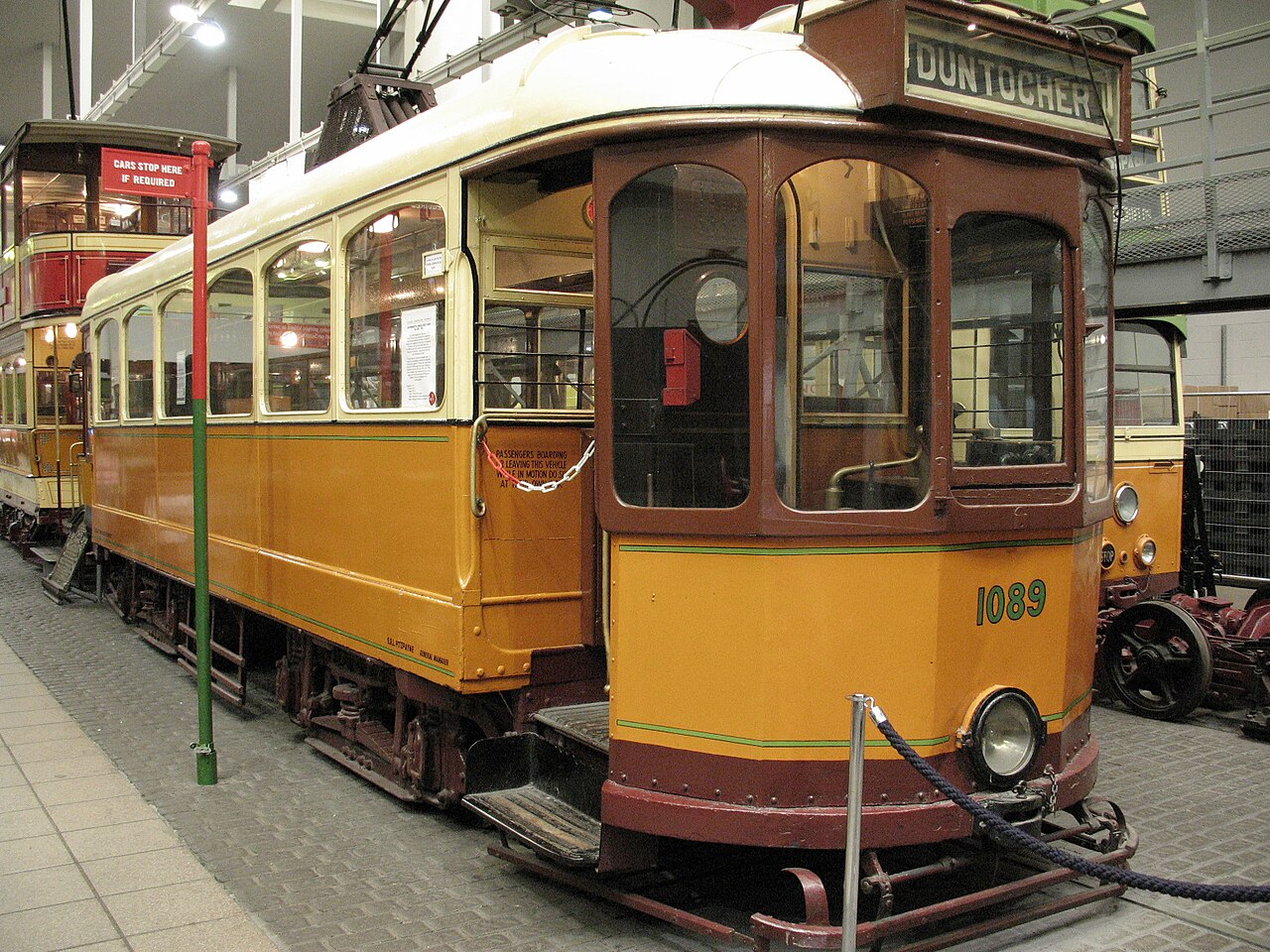
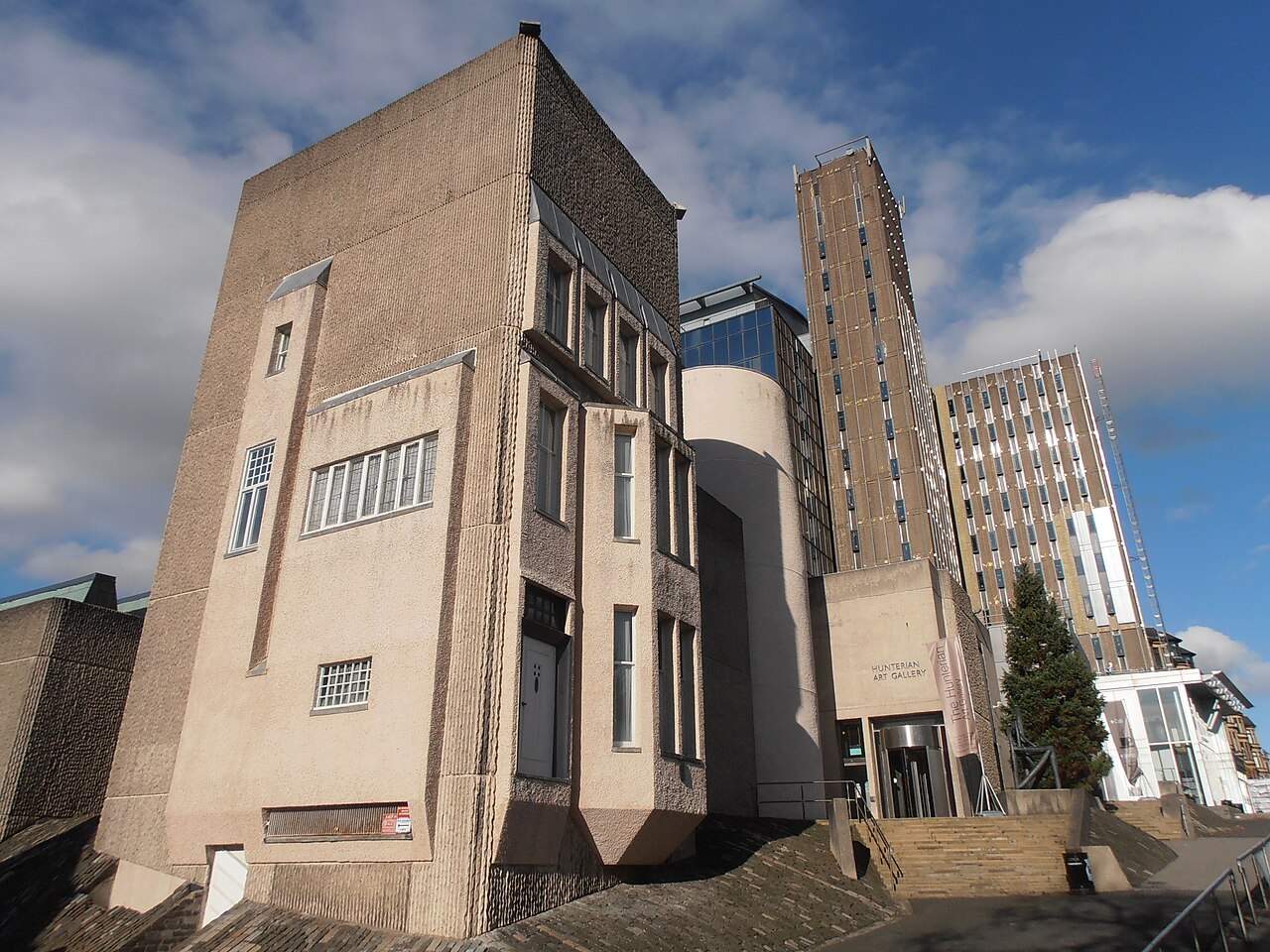
The Hunterian at Kelvin Hall is a University of Glasgow museum and collections facility in the city’s West End. It belongs to the Hunterian, Scotland’s oldest public museum, founded in 1807, and provides a setting for selected collections, exhibitions and research activity. The venue is part of the wider Kelvin Hall complex, close to the River Kelvin and Kelvingrove Art Gallery and Museum. It offers a different experience from the main Hunterian site on the university campus. The University of Glasgow Hunterian at Kelvin Hall is a museum and collections facility operated by the University of Glasgow. It represents an extension of the Hunterian Museum, which is Scotland's oldest public museum. The Kelvin Hall site provides additional gallery and storage space for the university's extensive collections. The venue sits within the larger Kelvin Hall complex, a significant cultural and leisure destination in Glasgow's West End. The Hunterian holds diverse collections spanning art, archaeology, anatomy, natural history, and scientific instruments, reflecting the institution's long history of research and public engagement since its founding in 1807. No. The Hunterian at Kelvin Hall is a separate facility from the main Hunterian Museum and Art Gallery located in the University of Glasgow's Gilbert Scott Building. They operate under the same umbrella institution but occupy different sites with distinct programming and access arrangements.
Checked 2026-08-26 · Source
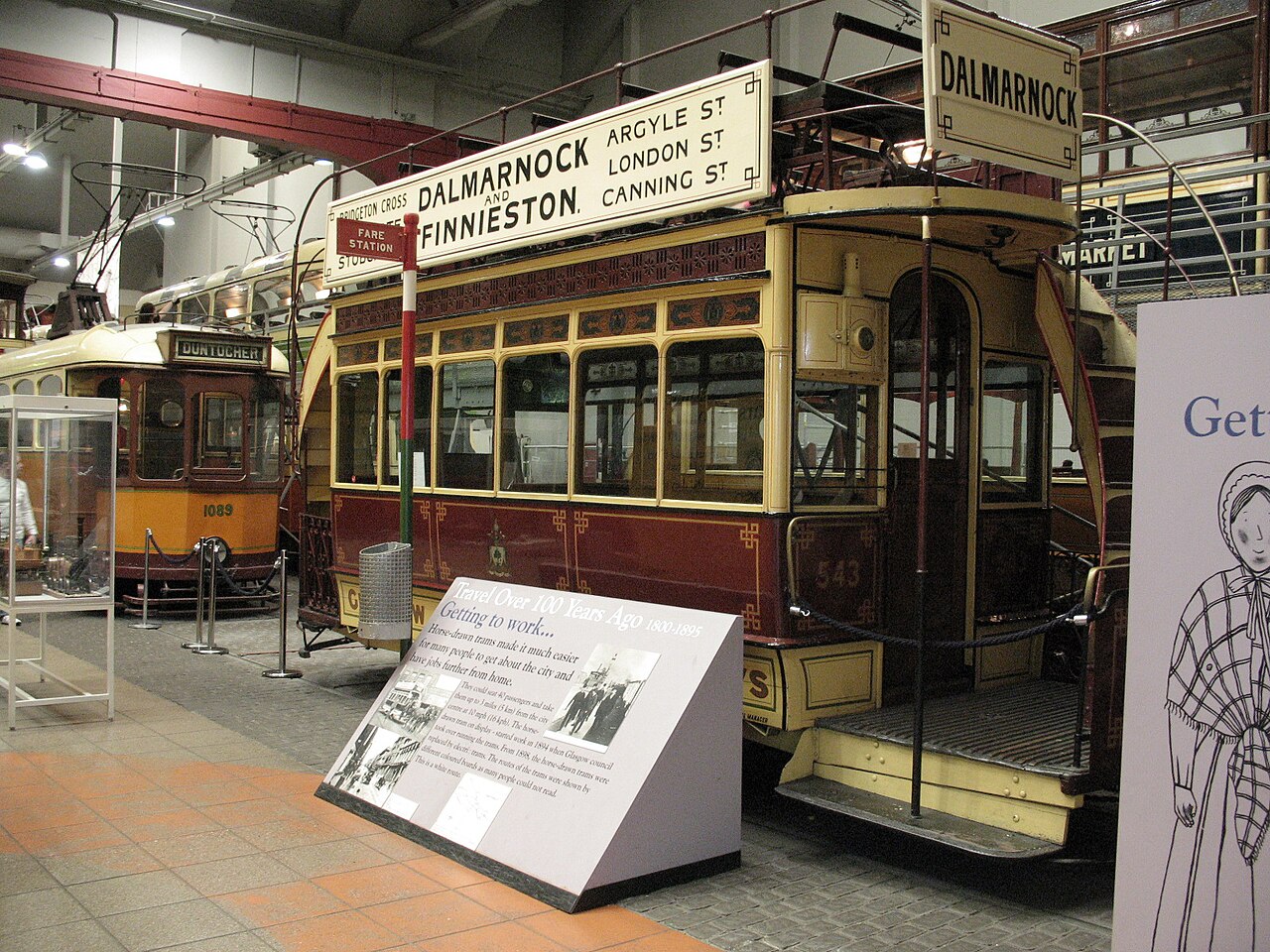
Displays at Kelvin Hall draw on the University of Glasgow’s broad holdings, including art, archaeology, natural history and scientific material. Exhibitions can change as collections are researched, conserved and presented in new ways. The facility is also connected with study and research use, so it has a more focused character than a large general museum. For a broader Hunterian visit, combine Kelvin Hall with the main museum and art gallery at the Gilbert Scott Building campus. The Hunterian at Kelvin Hall houses portions of the university's vast collections not on display at the main Gilbert Scott Building campus.
Checked 2026-08-26 · Source
Set aside about one hour for a concise visit centred on the exhibitions available at Kelvin Hall. Visitors who read labels carefully or have a strong interest in a particular collection area may stay longer. Half a day is reasonable when the visit is paired with the main Hunterian Museum and Art Gallery, Kelvingrove Art Gallery and Museum or a walk through the West End. The right pace depends on how deeply you engage with the collections.
Checked 2026-08-26 · Source
An indoor museum visit suits Glasgow’s wet and changeable weather in every season. Weekdays can feel closely connected to the university’s research character, while the Kelvin Hall setting also works well as part of a cultural day in the West End. Because exhibitions and academic activity can influence the visitor experience, build the museum into your route with enough flexibility for the galleries or collection spaces available when you arrive.
Checked 2026-08-26 · Source
The Hunterian has traditionally offered free general museum access, and the Kelvin Hall facility is associated with the university’s public collections. Special exhibitions, events, study arrangements or other programmes can have separate conditions. Treat Kelvin Hall as a distinct venue from the main Hunterian Museum and Art Gallery when planning your day, since the two sites have different locations and may present different parts of the university’s collections.
Checked 2026-08-26 · Source
Kelvin Hall is in Glasgow’s West End near the River Kelvin, Argyle Street and Dumbarton Road. Kelvinhall and Kelvinbridge are the nearest Subway stations, providing straightforward links from other parts of the city with a walk at the end. Bus routes serve the surrounding corridors, and the venue is walkable from Finnieston, Partick and the university area. Cycling is also practical through the connected West End streets and paths.
Checked 2026-08-26 · Source
Do not confuse the Hunterian at Kelvin Hall with the main Hunterian Museum and Art Gallery in the university’s Gilbert Scott Building. They are separate venues with different displays and access arrangements. Kelvin Hall also contains independent cultural and sporting operators, so follow signs for the University of Glasgow facility. Collections may rotate or move during research and conservation work, and some areas may function primarily as study spaces rather than open galleries.
Checked 2026-08-26 · Source
The museum’s collection areas may contain artworks, archaeological objects, natural-history material and scientific instruments, offering varied subjects for careful photography where permitted. Avoid flash around light-sensitive material and follow gallery instructions. The building’s wider Kelvin Hall setting can provide architectural images before or after the museum visit. If you are photographing for publication or commercial use, speak with museum staff about the relevant permissions rather than treating personal photography and professional use as the same activity.
Checked 2026-08-26 · Source
No. Kelvin Hall and the main Hunterian Museum and Art Gallery in the Gilbert Scott Building are separate University of Glasgow venues.
The facility draws on collections covering art, archaeology, natural history and scientific material, with exhibitions changing over time.
About one hour suits a focused visit, while half a day allows you to combine Kelvin Hall with other Hunterian or West End museums.
Kelvinhall and Kelvinbridge are the nearest Glasgow Subway stations, each followed by a walk through the West End.
Kelvingrove Art Gallery and Museum is nearby, and the main Hunterian Museum and Art Gallery is another separate University of Glasgow venue for the same cultural day.
Follow signs for the University of Glasgow facility inside Kelvin Hall, because the complex contains several independent cultural and sporting operators.
Loading the interactive map…
The interactive map could not be loaded.
Last updated:
Source: OpenStreetMap contributors ·