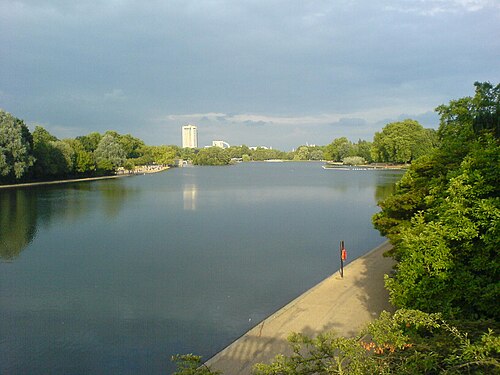
Regent's Park
The Regent's Park
The Regent's Park is a major public park in North West London. It was designed in 1811 by John Nash as part of a planned royal park, and named after the Prince Regent, later George IV.
- Must see
- Nature site
- London
Country guide
The United Kingdom is 244,376 km² holding 69,281,437 people, and it is four countries rather than one: England, Scotland, Wales and Northern Ireland, with Londo...
Photograph · Colin · CC BY-SA 4.0
Reviewed by Elena Voss · Roavina Travel Editor
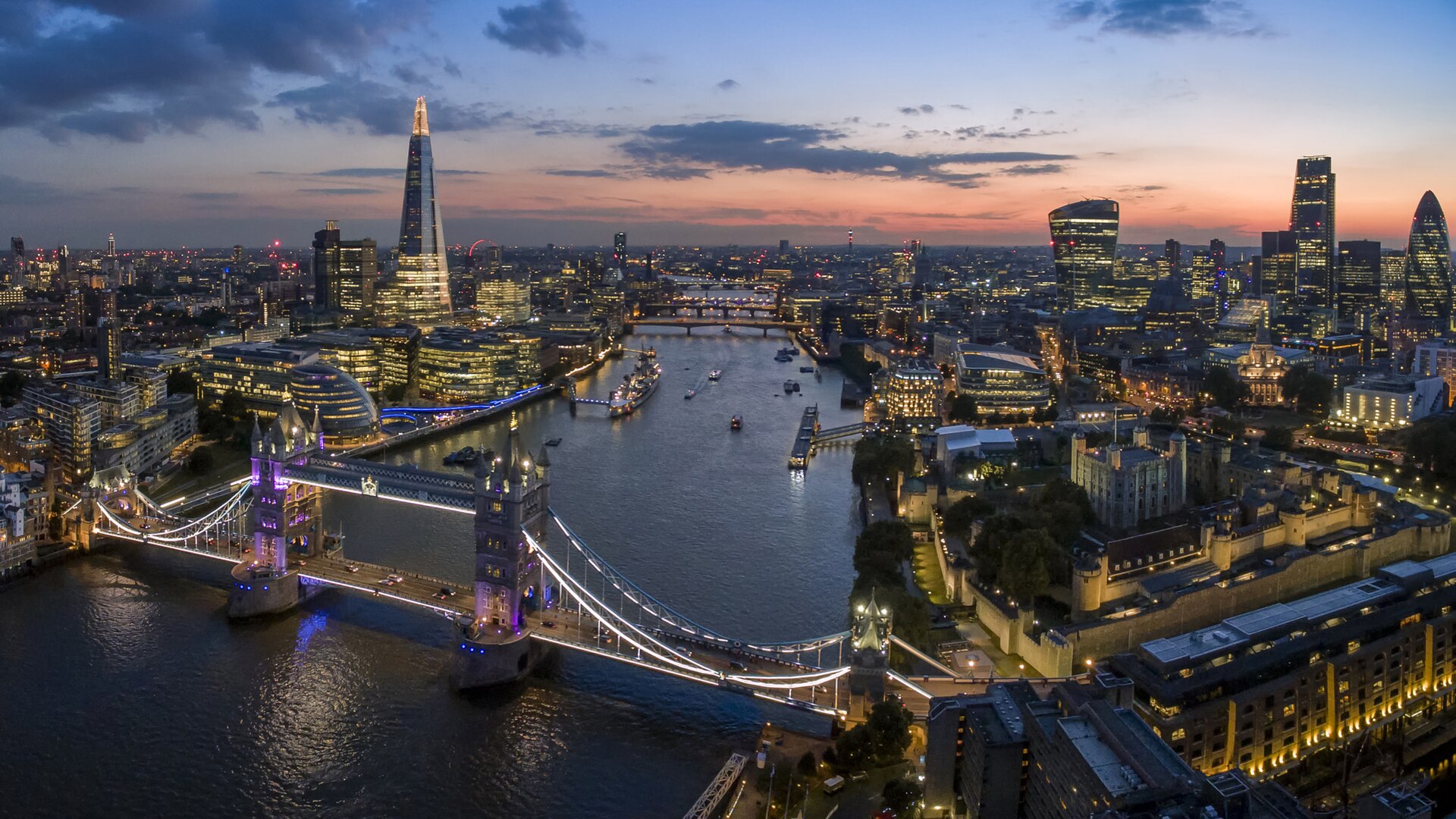
The United Kingdom is 244,376 km² holding 69,281,437 people, and it is four countries rather than one: England, Scotland, Wales and Northern Ireland, with London, Edinburgh, Cardiff and Belfast as their capitals. Three of the four run parliaments of their own over devolved matters, and the law splits three ways — England and Wales, Scotland, Northern Ireland. A visitor meets that in small practical things rather than at a border. London alone holds about 9.1 million of the total, which is why so many trips never leave it, and why the ones that do feel like arriving somewhere else.
Checked 2026-08-25
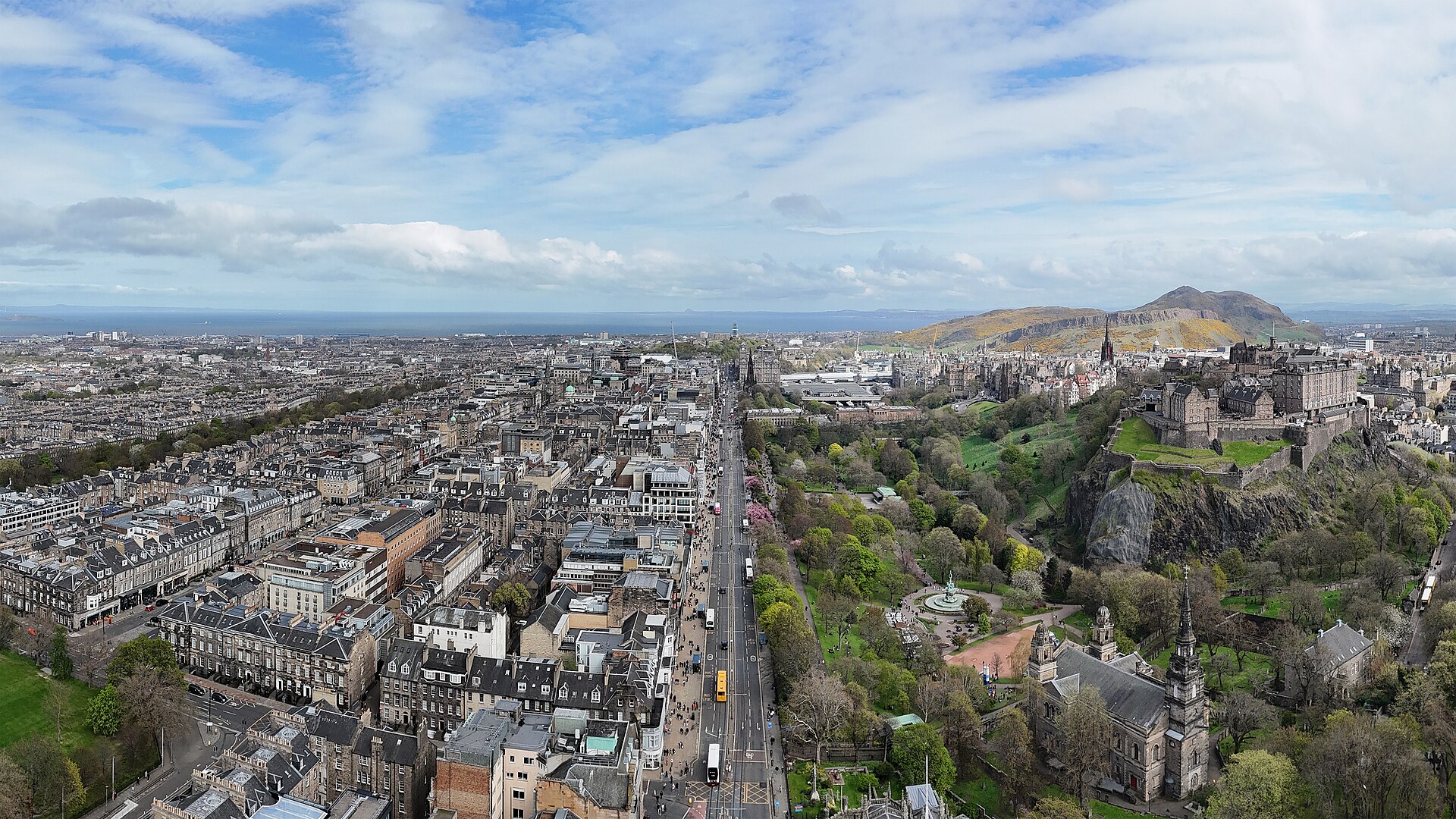
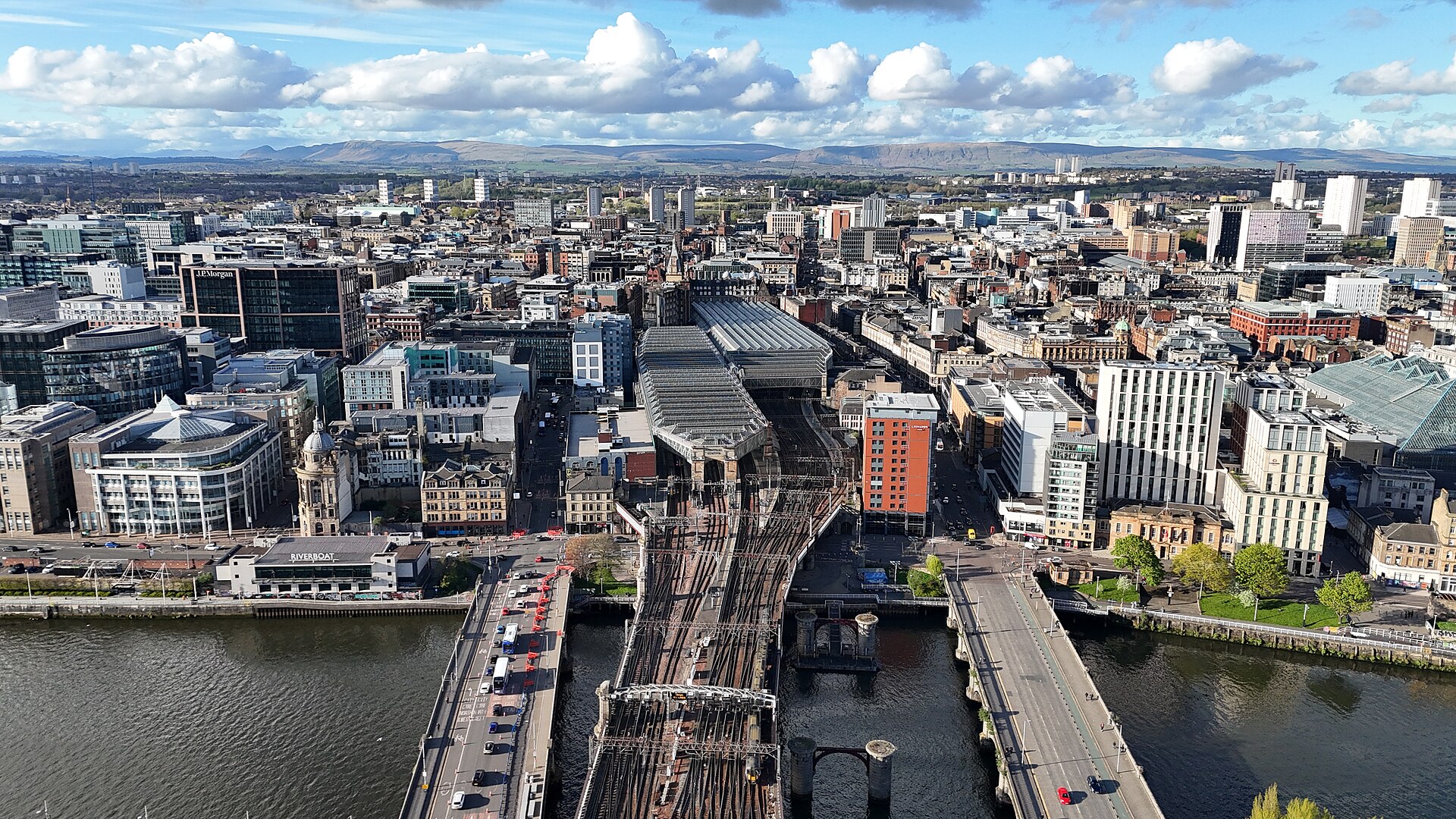
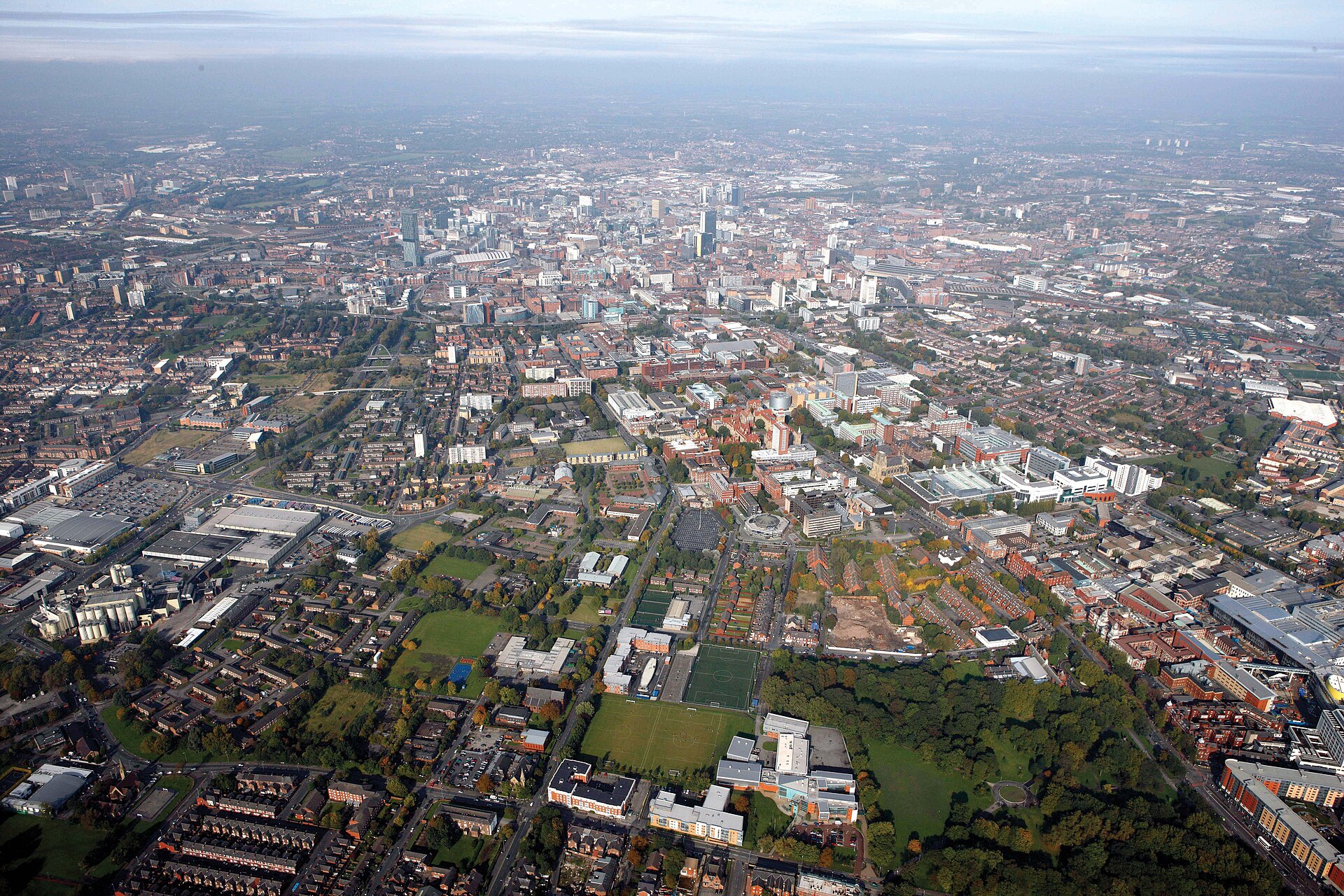
Every city catalogued in this country so far, ranked by how much there is to see.
Photograph · Ilya Grigorik · CC BY-SA 3.0
Photograph · 瑞丽江的河水 · CC BY-SA 4.0
Photograph · Daniel Nisbet from Manchester, United Kingdom · CC BY 2.0
Ranked by importance — sitelinks, pageviews and heritage status, not editor preference.
73 places match
Category
Typical visit duration
Interests
The Regent's Park
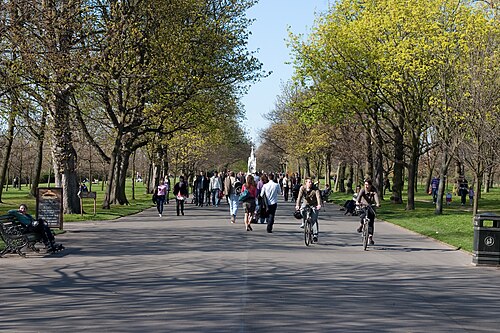
The Regent's Park is a major public park in North West London. It was designed in 1811 by John Nash as part of a planned royal park, and named after the Prince Regent, later George IV.
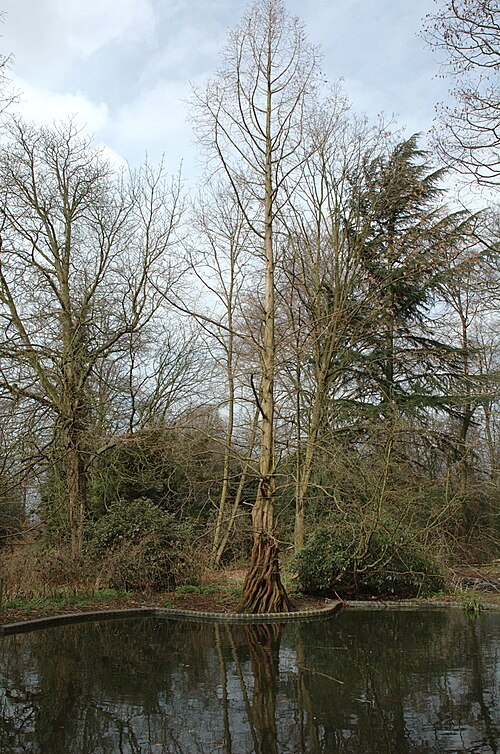
Richmond Park is London’s largest Royal Park, covering a broad landscape of open grassland, woodland, hills, ponds and ancient trees in southwest London. It is also an important nature conservation site and a working landscape shaped by ongoing management.
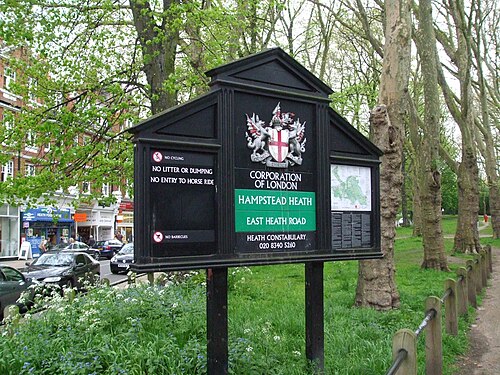
Hampstead Heath is a large semi-wild parkland of roughly 320 hectares in north London. Its landscape combines woodland, meadows, hills, scrub and ponds, preserving a rural feeling close to the city.
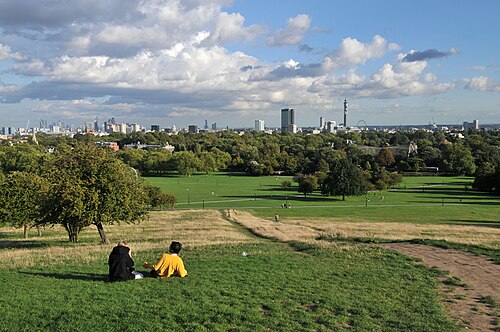
Primrose Hill is an open public park immediately north of Regent’s Park in Camden. Its grassy summit rises to 256 feet above sea level, creating one of London’s most memorable elevated views.
Holland Park is a varied green space in the Royal Borough of Kensington and Chelsea, occupying the former grounds of Holland House. The house was largely destroyed during the Second World War, leaving a dramatic surviving ruin within the park.
The Serpentine
The Serpentine is a recreational lake in Hyde Park, central London. It was created in 1730 at the direction of Queen Caroline, wife of George II, by damming the Westbourne River.
Ten to fourteen days can cover four or five days in London, two in Manchester, and two or three each in Edinburgh and Glasgow. The Highlands, Lake District, or Welsh national parks need dedicated nights and should not be squeezed into London day trips.
UK document rules depend on nationality and trip purpose, and many visitors now need an Electronic Travel Authorisation before boarding. Check the linked UK government visa service for both visa and ETA status shortly before travel.
Intercity rail is the practical spine between London, Manchester, Edinburgh, and Glasgow, with advance fares usually distinct from flexible tickets. Each city runs its own local fare system, so London's contactless cap is not a nationwide travel pass.
May to June and September are useful planning windows for this route, but conditions vary between southern England and Scotland. Festival dates in Edinburgh and rural transport in national parks can matter more than the national seasonal label.
The United Kingdom uses pound sterling (GBP). Contactless payment is widespread in major cities, but keep another payment method for rural services or terminals that do not share London's payment arrangements.
Use 999 or 112 for emergencies in the United Kingdom. Type G sockets supply 230 V, and mains tap water is recorded as safe; save rail disruption information as well when the itinerary depends on several city-to-city journeys.