
26
1 hour
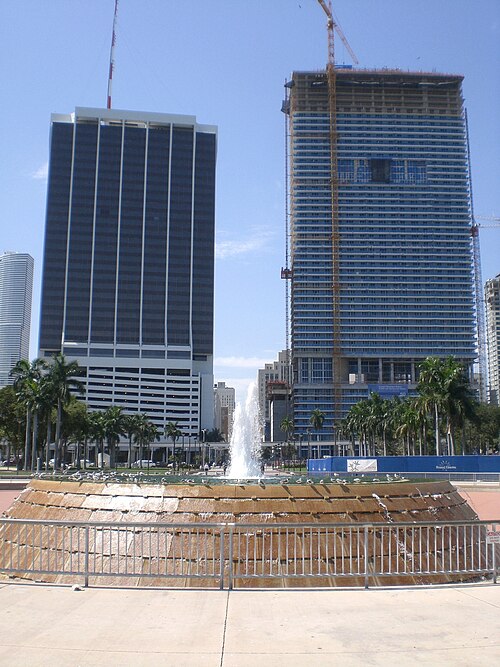
Bayfront Park
Bayfront Park is a public civic waterfront park on the eastern edge of Downtown Miami, where open lawns, paved paths and gathering spaces meet Biscayne Bay.
- Must see
- Nature site
City guide · United States
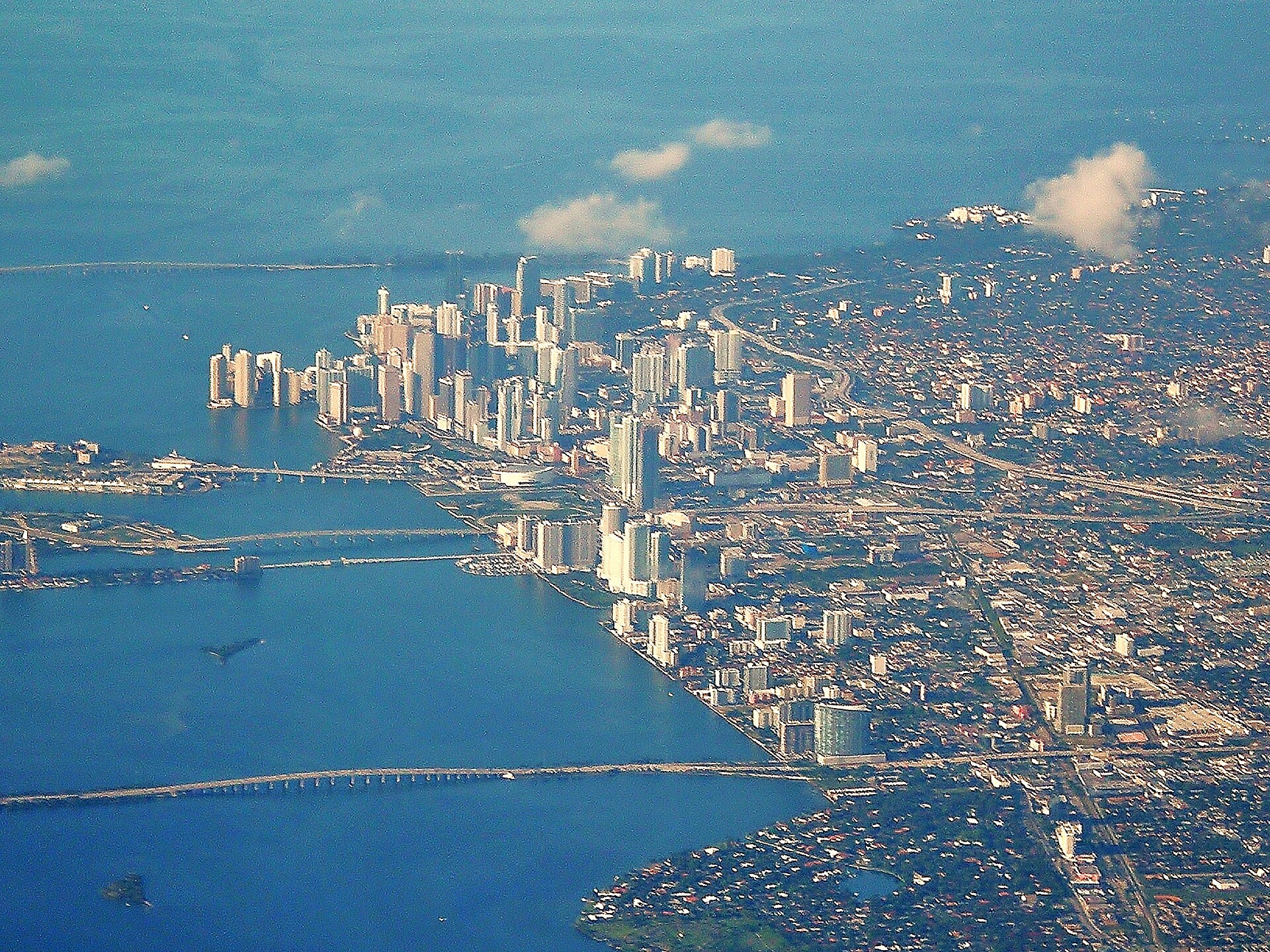
Miami is a dispersed waterfront destination rather than one compact centre. Downtown and Brickell form the urban core on Biscayne Bay; Miami Beach lies across t...
Photograph · Marc Averette · CC BY-SA 3.0
Set your days, your pace and the hours you actually want to be out. The planner works around closing days and travel time, and leaves room to eat.
Reviewed by Elena Voss · Roavina Travel Editor
Miami is a dispersed waterfront destination rather than one compact centre. Downtown and Brickell form the urban core on Biscayne Bay; Miami Beach lies across the causeways, while Wynwood, the Design District, Coconut Grove, Coral Gables and Little Havana are separate districts with distinct identities. Plan by area and avoid assuming that places sharing a Miami address are within an easy walk of one another.
Checked 2026-08-26
September · September contains the Atlantic hurricane season's September 10 climatological peak, a recurring severe disruption risk for Miami.
Ranked by importance — sitelinks, pageviews and heritage status, not editor preference.
83 places match
Category
Typical visit duration
Interests
Bayfront Park is a public civic waterfront park on the eastern edge of Downtown Miami, where open lawns, paved paths and gathering spaces meet Biscayne Bay.
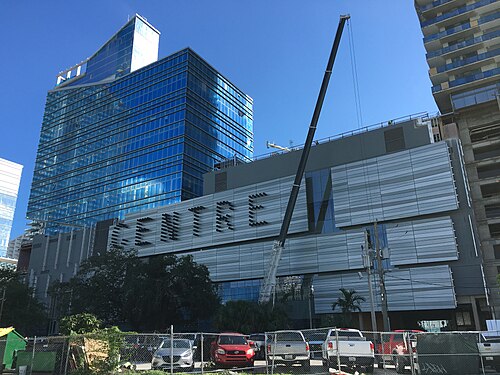
Brickell City Centre is a large mixed-use complex in central Brickell, combining retail, dining, offices, residences, public circulation areas, terraces, bridges, and climate-responsive architecture.
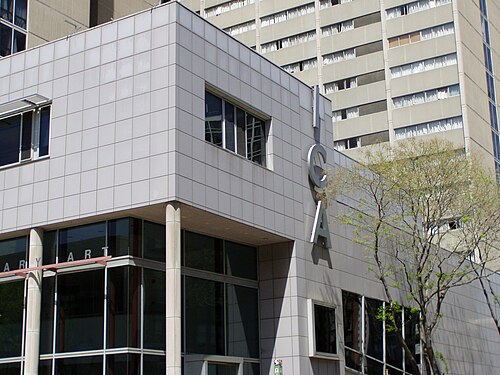
Institute of Contemporary Art, Miami
The Institute of Contemporary Art, Miami is a non-collecting contemporary-art museum in Miami's Design District. It presents international contemporary art through changing exhibitions, commissions, installations, and public programs, with work by emerging and established artists.
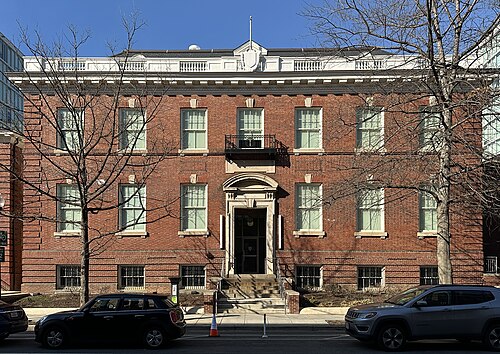
The Rubell Museum is a major contemporary-art institution located in Miami's Allapattah neighborhood. It houses an extensive private collection assembled by Don and Mera Rubell over several decades.
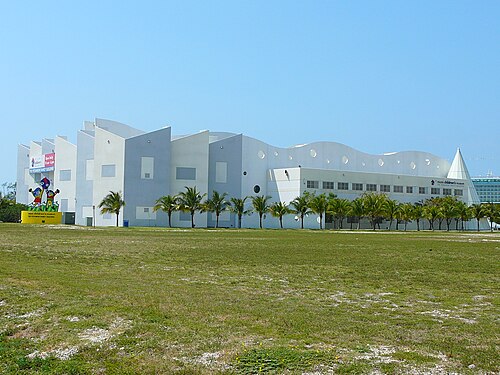
Miami Children's Museum is a hands-on family museum on Watson Island, between downtown Miami and Miami Beach. It turns learning into active play, with child-centered experiences connected to arts, culture, community, communication, and everyday roles.
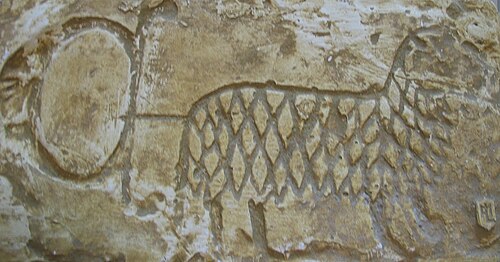
The Museum of Graffiti is a specialist museum in Miami's Wynwood district, an area internationally recognized for its concentration of street art and murals.
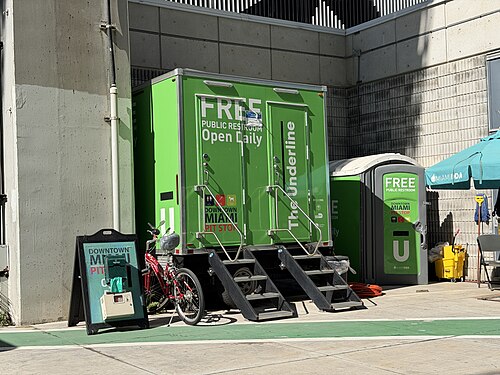
The Underline is a linear public park and trail situated beneath the Metrorail corridor in Miami. This repurposed transit corridor transforms underutilized space beneath the elevated rail line into a continuous greenway for pedestrians and cyclists.
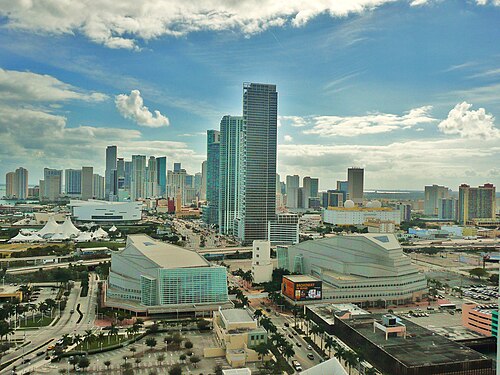
Adrienne Arsht Center for the Performing Arts is Miami’s major downtown destination for live theatre, music, dance and opera.
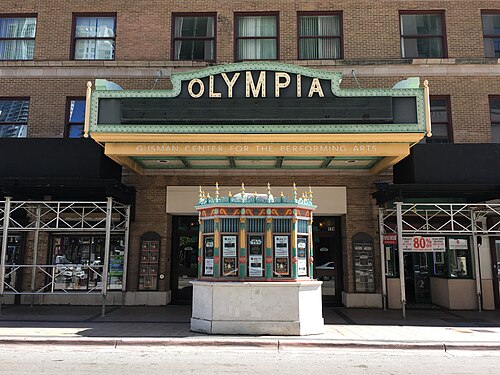
Olympia Theater at Gusman Center
Olympia Theater is a restored 1926 atmospheric theatre in downtown Miami. Its design belongs to an era when cinemas were created as immersive environments, giving the auditorium a character beyond a simple projection room.
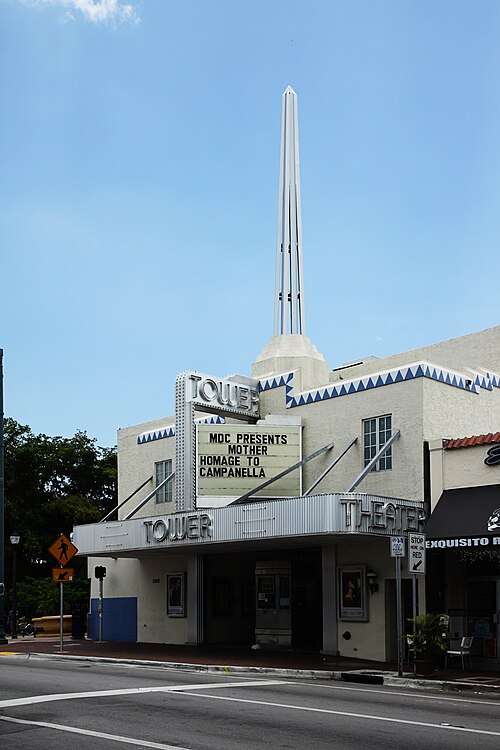
Tower Theater is a historic cinema and cultural venue on Calle Ocho in Miami’s Little Havana. Its location places it at the centre of one of the city’s most recognisable Cuban-American and Latin American cultural corridors.
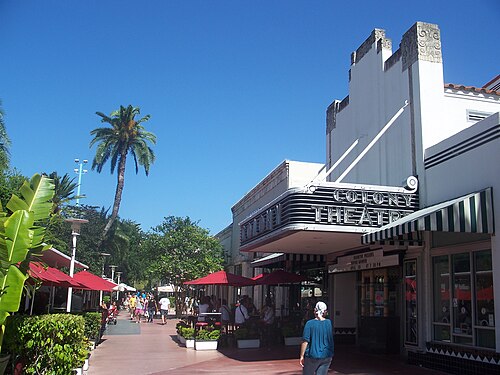
Colony Theatre / Miami New Drama
The Colony Theatre is a historic Art Deco performance venue located on Lincoln Road in Miami Beach. Established in 1935, it stands as one of South Florida's notable theatrical landmarks.
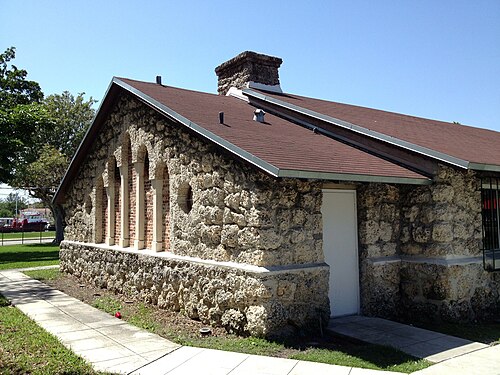
Lummus Park is a beachfront public park along Ocean Drive in Miami Beach. Its sandy shore, palm-lined promenade and open green areas form a long outdoor corridor beside the Atlantic Ocean.
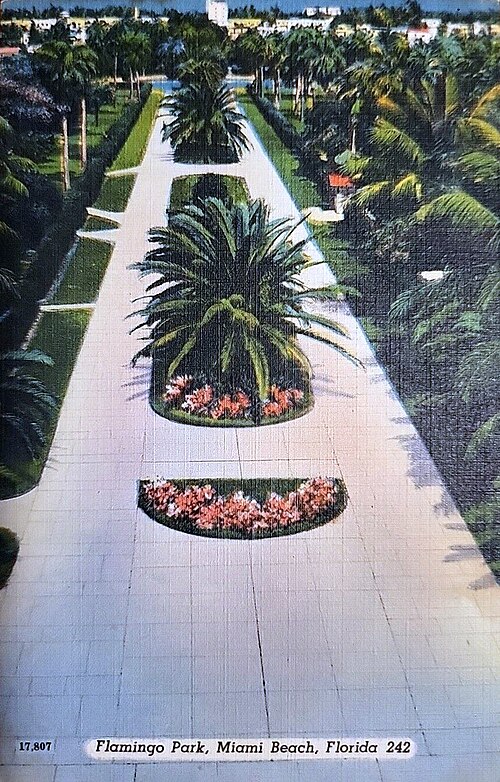
Flamingo Park is a municipal neighbourhood park in Miami Beach’s South Beach area. It provides a substantial open recreational space within one of Miami’s most built-up coastal districts.
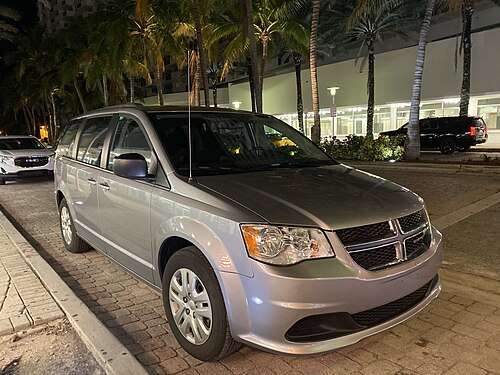
Lincoln Road Mall
Lincoln Road Mall is a pedestrian shopping and dining street in Miami Beach, Florida. It serves as a landmark destination within the city, functioning as an open-air commercial promenade closed to regular vehicle traffic.

Ball & Chain is a historic music and dance venue located in Miami's Little Havana neighborhood. The establishment operates as a nightlife and entertainment destination with Cuban cultural influences.
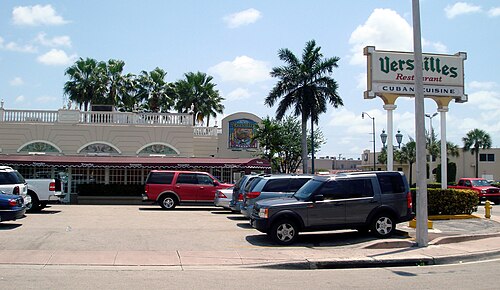
Versailles Restaurant
Versailles Restaurant is a celebrated Cuban restaurant on Calle Ocho in Miami’s Little Havana. It is both a dining destination and a gathering place connected with the Cuban-American community.
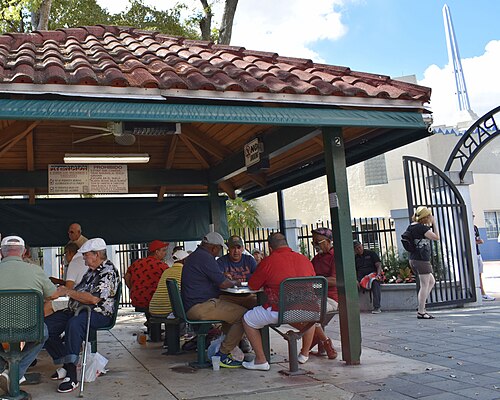
Máximo Gómez Park is a public park located in the Little Havana neighborhood of Miami, Florida. It serves as a significant social gathering space, particularly renowned for its domino-playing culture.
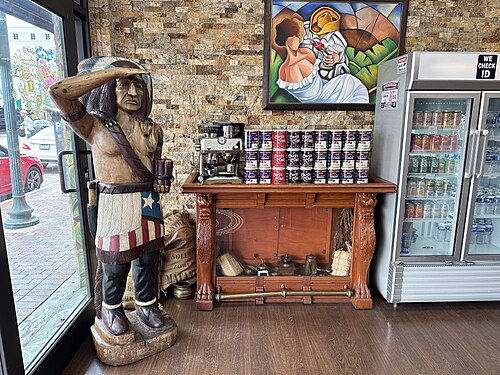
The Calle Ocho Walk of Fame is an outdoor cultural landmark along Southwest 8th Street in Miami’s Little Havana. Stars set into the pavement honour Latin American and Caribbean entertainers, musicians, and cultural figures.
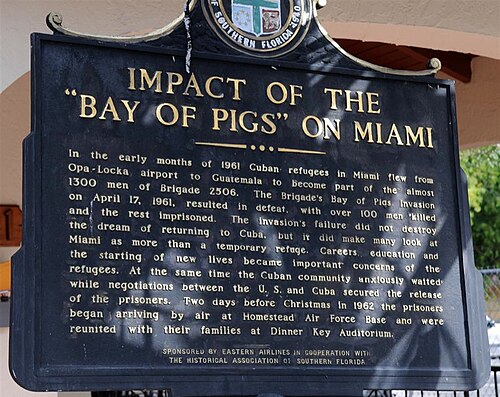
The Bay of Pigs Museum is a specialist Cuban-exile history museum in Miami, Florida. It documents the history of Brigade 2506, the Cuban exile group that participated in the 1961 Bay of Pigs invasion.
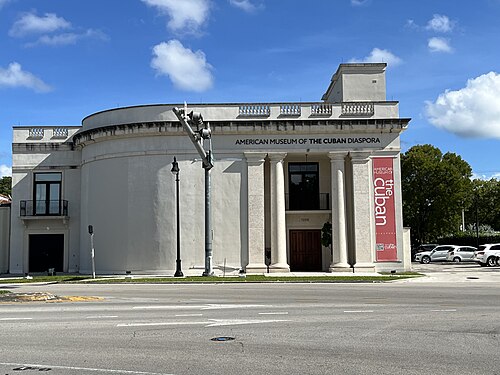
The American Museum of the Cuban Diaspora is a cultural institution in Miami dedicated to documenting and preserving the art, history, and experiences of Cuban exiles and their descendants.
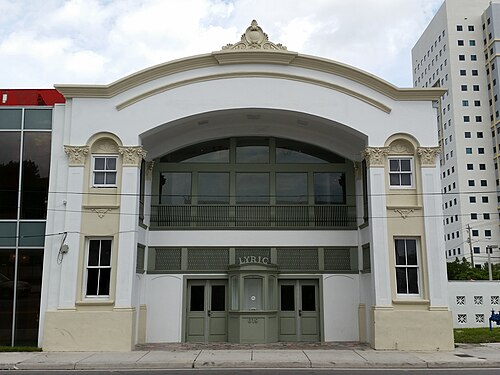
The Black Archives Historic Lyric Theater
The Lyric Theater, also known as the Black Archives Historic Lyric Theater, is a historic Black cultural landmark in Miami’s Overtown neighbourhood.
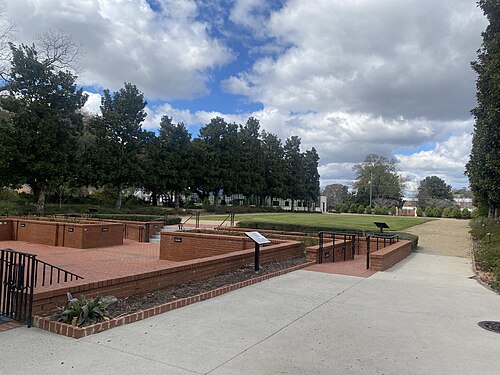
The Historic Hampton House
Hampton House Motel is a restored Green Book-era motel and civil-rights landmark in Miami. During segregation, it offered African American travelers a welcoming place to stay when many hotels excluded them.

Historic Virginia Key Beach Park
Historic Virginia Key Beach Park is a coastal park on Virginia Key near Miami.
Hobie Island Beach is a natural coastal site in Miami, distinct from the separately named Hobie Island Beach Park. Its identity is tied to the beach itself and its shoreline setting rather than to a developed visitor complex.
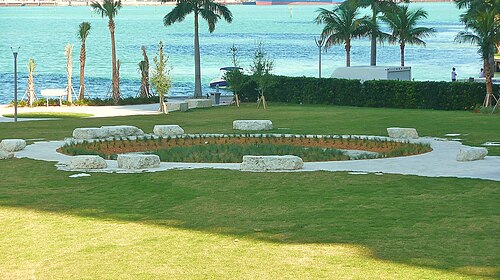
Miami Circle at Brickell Point
Miami Circle is an archaeological site at Brickell Point, on the southern bank of the Miami River in downtown Miami. The principal feature is a near-perfect circle cut into the limestone bedrock, measuring about 38 feet across.
Biscayne Bay separates mainland Miami from Miami Beach. Downtown and Brickell sit on the mainland waterfront; Wynwood and the Design District are north, Little Havana is west, and Coconut Grove and Coral Gables are southwest. South Beach occupies the southern end of Miami Beach and is a destination in its own right. Causeways and waterways shape every cross-city journey, so combine attractions on the same side of the bay.
Checked 2026-08-26
Use Metrorail for selected mainland corridors, Metrobus for broader coverage and the free Metromover within Downtown, Omni and Brickell. Miami Beach, the City of Miami and Coral Gables also operate local trolley services. Walking is practical inside individual districts but not between most of them. Check Miami-Dade Transit and municipal service notices before travelling, especially when moving between the mainland and the beach.
Checked 2026-08-26
A fixed stay length is not recorded. Build the visit around separate district days for Downtown and Brickell, Miami Beach, and the mainland neighbourhoods that interest you.
No. Miami is on the mainland and Miami Beach is a separate city across Biscayne Bay. Causeways connect them, but they should be planned as separate areas.
Yes. Miami-Dade operates Metromover as a free elevated service linking stations in Downtown, Omni and Brickell, with connections to other transit services.
No. Individual districts can be walkable, but the destination is spread across the mainland, islands and causeways. Use transit or another connection between districts.
Combine Downtown with Brickell, pair Wynwood with the Design District, and treat Little Havana, Coconut Grove and Coral Gables as separate mainland clusters.