

07
45 min
Vietnam Veterans Memorial
Vietnam Veterans Memorial is a National Park Service memorial whose defining feature is Maya Lin’s V-shaped Wall of polished black granite.
- Must see
- Historic monument

City guide · United States
Washington is organised around the National Mall, but the city is much more than its monumental core. The Mall links the Capitol, Smithsonian museums and wester...
Photograph · Carol M. Highsmith · Public domain
Set your days, your pace and the hours you actually want to be out. The planner works around closing days and travel time, and leaves room to eat.
Reviewed by Elena Voss · Roavina Travel Editor
Washington is organised around the National Mall, but the city is much more than its monumental core. The Mall links the Capitol, Smithsonian museums and western memorials; Downtown and Penn Quarter sit north, Capitol Hill and Navy Yard lie east and southeast, and Dupont Circle, Georgetown, Shaw and The Wharf form separate neighbourhood destinations. Plan the Mall on foot and use Metro for movement between neighbourhood clusters.
Checked 2026-08-26
September · September cools Washington to a 26.3°C mean high, though 99.6 mm of rain is normal.
Ranked by importance — sitelinks, pageviews and heritage status, not editor preference.
27 places match
Category
Typical visit duration
Interests
Vietnam Veterans Memorial is a National Park Service memorial whose defining feature is Maya Lin’s V-shaped Wall of polished black granite.
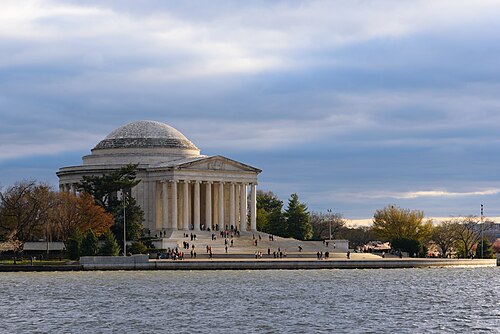
The Jefferson Memorial is a presidential memorial on Washington, D.C.'s Tidal Basin, dedicated to Thomas Jefferson, the third President of the United States and one of the Founding Fathers.

The Korean War Veterans Memorial honors American and allied military personnel who served in the Korean War from 1950 to 1953. Located on the National Mall in Washington, D.C., this outdoor memorial occupies a triangular site near the Lincoln Memorial.
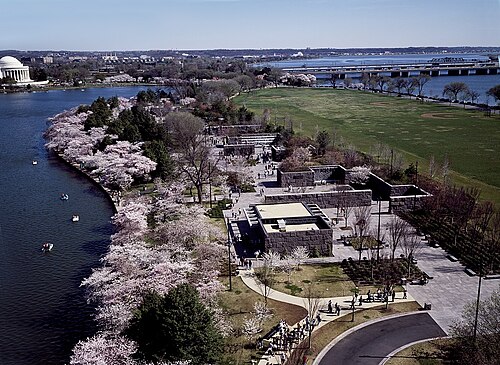
The Franklin Delano Roosevelt Memorial is a presidential memorial in Washington, D.C., dedicated to the 32nd President of the United States.
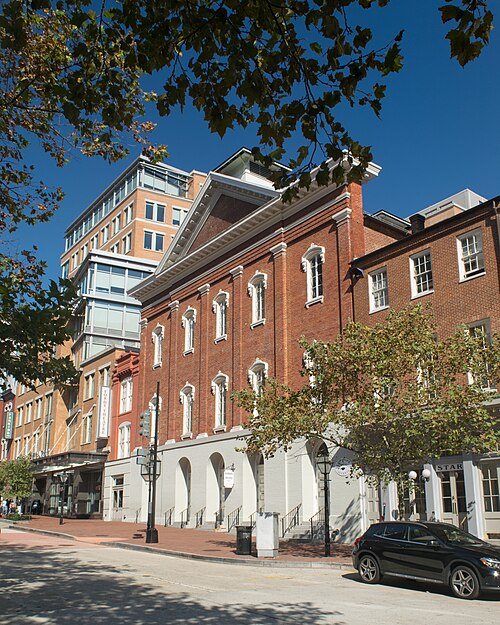
Ford's Theatre National Historic Site combines a functioning theatre, a National Park Service museum, and the Petersen House across Tenth Street. Its defining event is the fatal shooting of President Abraham Lincoln during a performance on April 14, 1865.
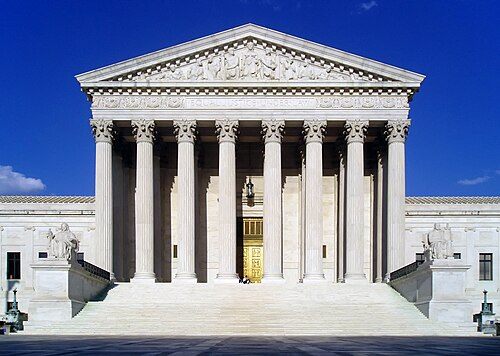
The Supreme Court of the United States is the highest judicial body in the federal judiciary of the United States. Established by Article III of the Constitution, it serves as the final interpreter of federal constitutional law.
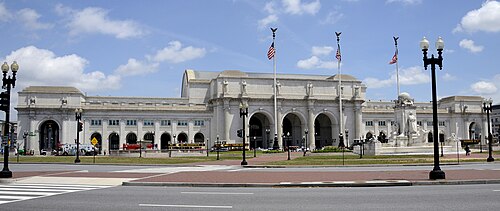
Washington Union Station is a working Beaux-Arts rail terminal and one of the capital’s most useful arrival points.
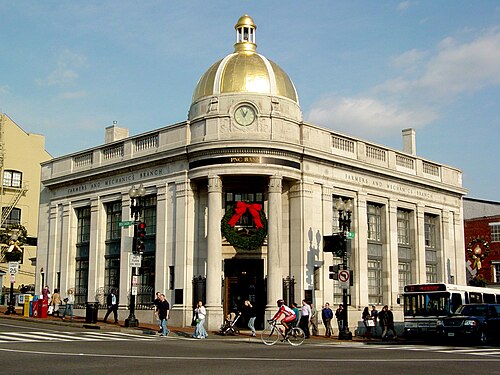
Georgetown Historic District is Washington DC's oldest neighbourhood, established before the federal city itself. It retains a distinct identity with preserved Federal and Victorian architecture, cobblestone streets, and commercial corridors along M Street and Wisconsin Avenue.
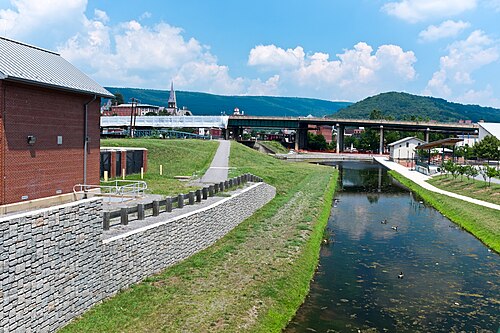
Chesapeake and Ohio Canal National Historical Park preserves a 184.5-mile canal corridor running from Georgetown in Washington, D.C., to Cumberland, Maryland.
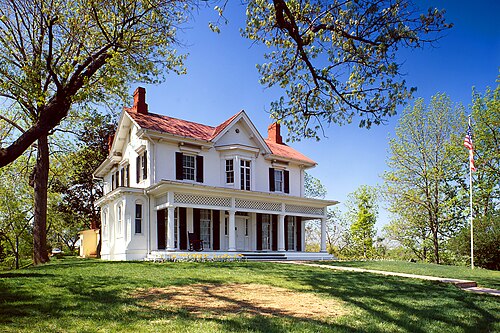
Frederick Douglass National Historic Site preserves Cedar Hill, the final home of Frederick Douglass, the renowned abolitionist, orator, and writer. Located in Washington DC's Anacostia neighborhood, this property represents a major Black-history site in the United States.
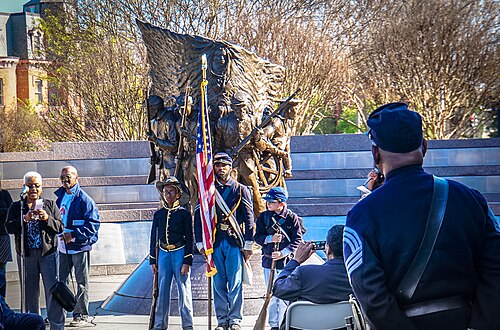
The African American Civil War Memorial honours the approximately 179,000 Black soldiers and 19,000 Black sailors who served in the Union Army and Navy during the American Civil War.
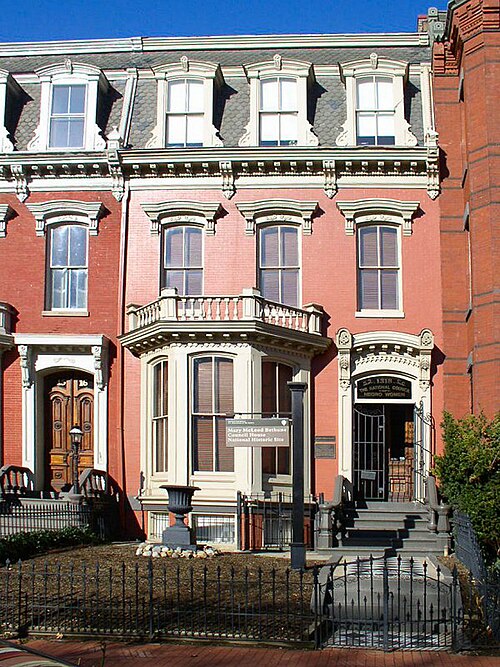
The Mary McLeod Bethune Council House National Historic Site preserves the final residence of educator and civil rights leader Mary McLeod Bethune.
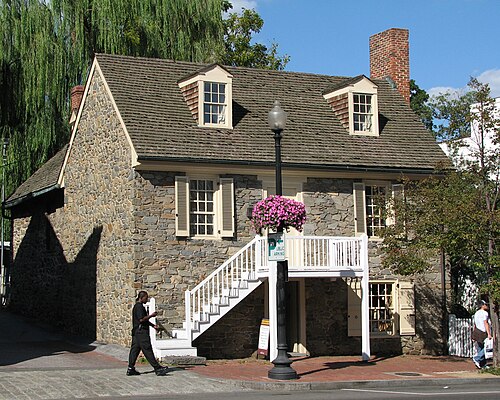
The Old Stone House is Georgetown's oldest unchanged building and a National Park Service historic house museum. Located in Washington, D.C.'s Georgetown neighborhood, this preserved structure represents pre-Revolutionary architecture in the capital.
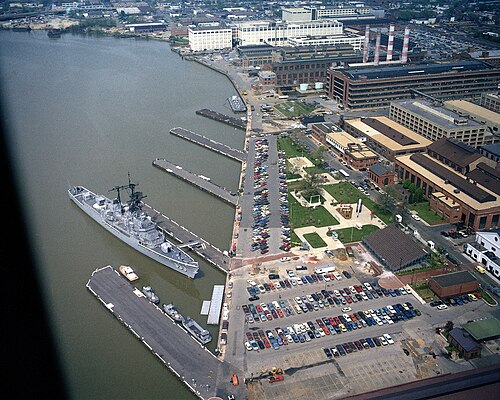
The Washington Navy Yard is the oldest shore establishment of the United States Navy, founded in 1799 along the Anacostia River. It functions as an administrative center and ceremonial headquarters rather than an active shipbuilding facility.
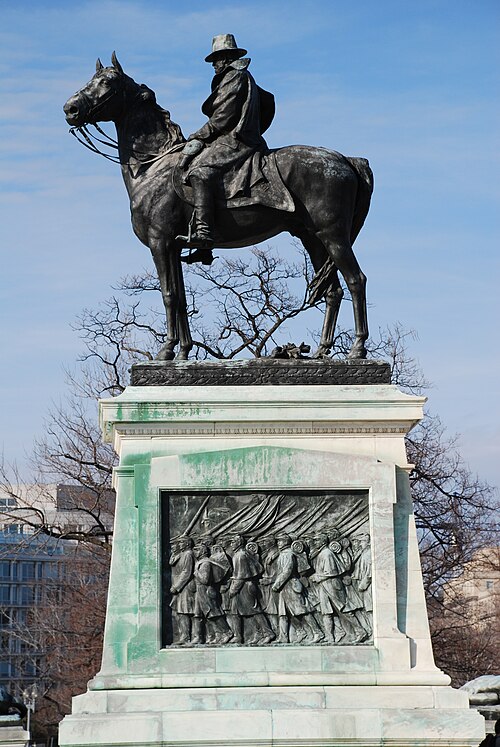
The Ulysses S. Grant Memorial is a monumental sculpture ensemble located on the United States Capitol grounds in Washington, D.C. It honors Ulysses S.
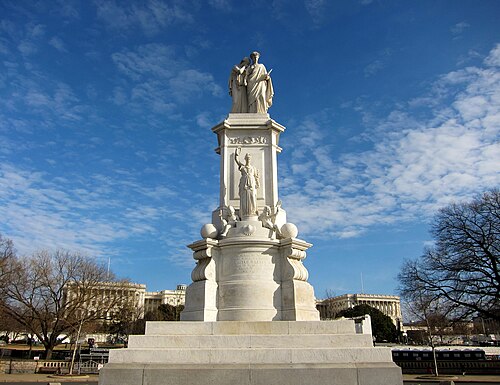
The Peace Monument is an outdoor Civil War naval memorial at the foot of Capitol Hill in Washington, D.C. It commemorates naval deaths during the American Civil War and stands within one of the capital's most prominent civic corridors.
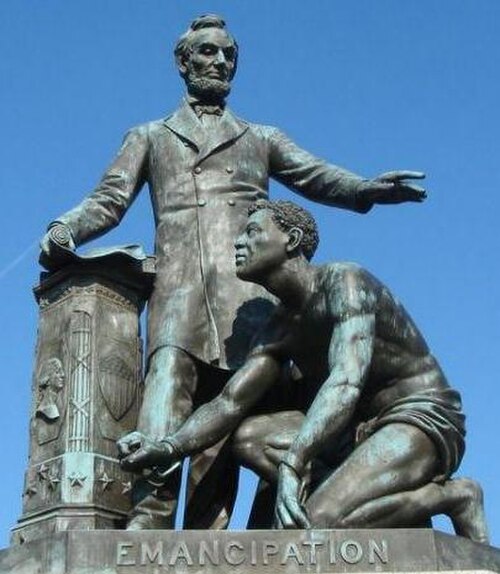
Emancipation Monument
The Emancipation Memorial, also called the Emancipation Monument, is an 1876 sculpture in Lincoln Park on Capitol Hill. The bronze group depicts Abraham Lincoln standing beside a kneeling freedman and was dedicated during the centennial year of American independence.
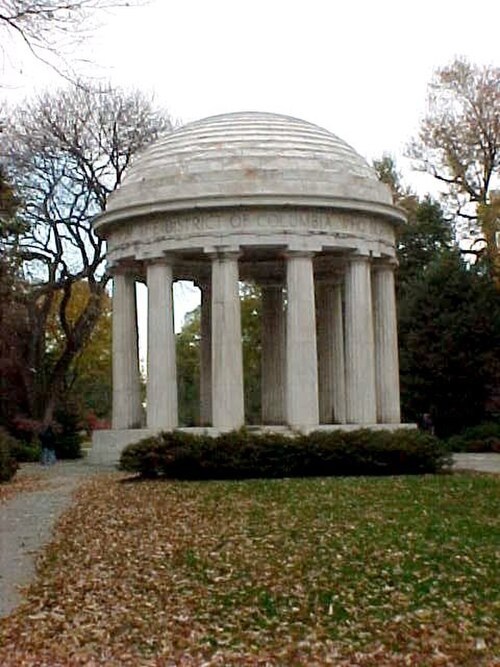
DC War Memorial
The District of Columbia War Memorial, often called the DC War Memorial, stands on the National Mall in Washington, D.C.

National World War I Memorial
The National World War I Memorial occupies Pershing Park in downtown Washington, D.C. It serves as the national memorial honoring Americans who served in the First World War.

Japanese American Memorial
The Japanese American Memorial to Patriotism During World War II is an outdoor memorial near the United States Capitol in Washington, D.C.
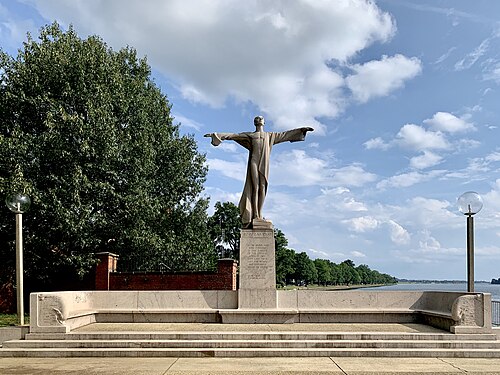
Titanic Monument
The Titanic Memorial is a granite monument in Washington, D.C.'s East Potomac Park, commemorating the men who died during the 1912 RMS Titanic disaster so that women and children could survive.
The National Mall is the main east-west axis, with the Capitol at its eastern end and the Lincoln Memorial toward the Potomac. Downtown and Penn Quarter are north of the Mall; Capitol Hill continues east; The Wharf and Navy Yard occupy separate waterfronts to the south. Dupont Circle and Adams Morgan are northwest, while Georgetown sits west without a Metrorail station. Distances across the Mall are longer than they appear on a diagram.
Checked 2026-08-26
Walk within the National Mall and use Metrorail for longer connections between central districts. Metrobus fills gaps, particularly where rail does not reach directly, and Capital Bikeshare provides another option for waterfronts and broad avenues. Most visitors do not need a car because parking and traffic complicate central trips. Use WMATA's current trip planner and service notices for station access, closures and transfers.
Checked 2026-08-26
A fixed stay length is not recorded. Plan the National Mall and its museums first, then add Capitol Hill, Georgetown or another neighbourhood according to your priorities.
Yes, but it is longer than it looks on a map. Divide the Capitol and museum end from the western memorials if you want time inside institutions.
Most visitors do not. Walking, Metrorail and Metrobus cover the principal visitor districts, while a car adds traffic and parking constraints in the centre.
No. Georgetown has no Metrorail station, so reach it by bus, walking, cycling or a connection from a nearby rail station.
Combine the Mall with Downtown or Penn Quarter, Capitol Hill with Navy Yard, and The Wharf with the southern waterfront. Use Metro between these clusters.