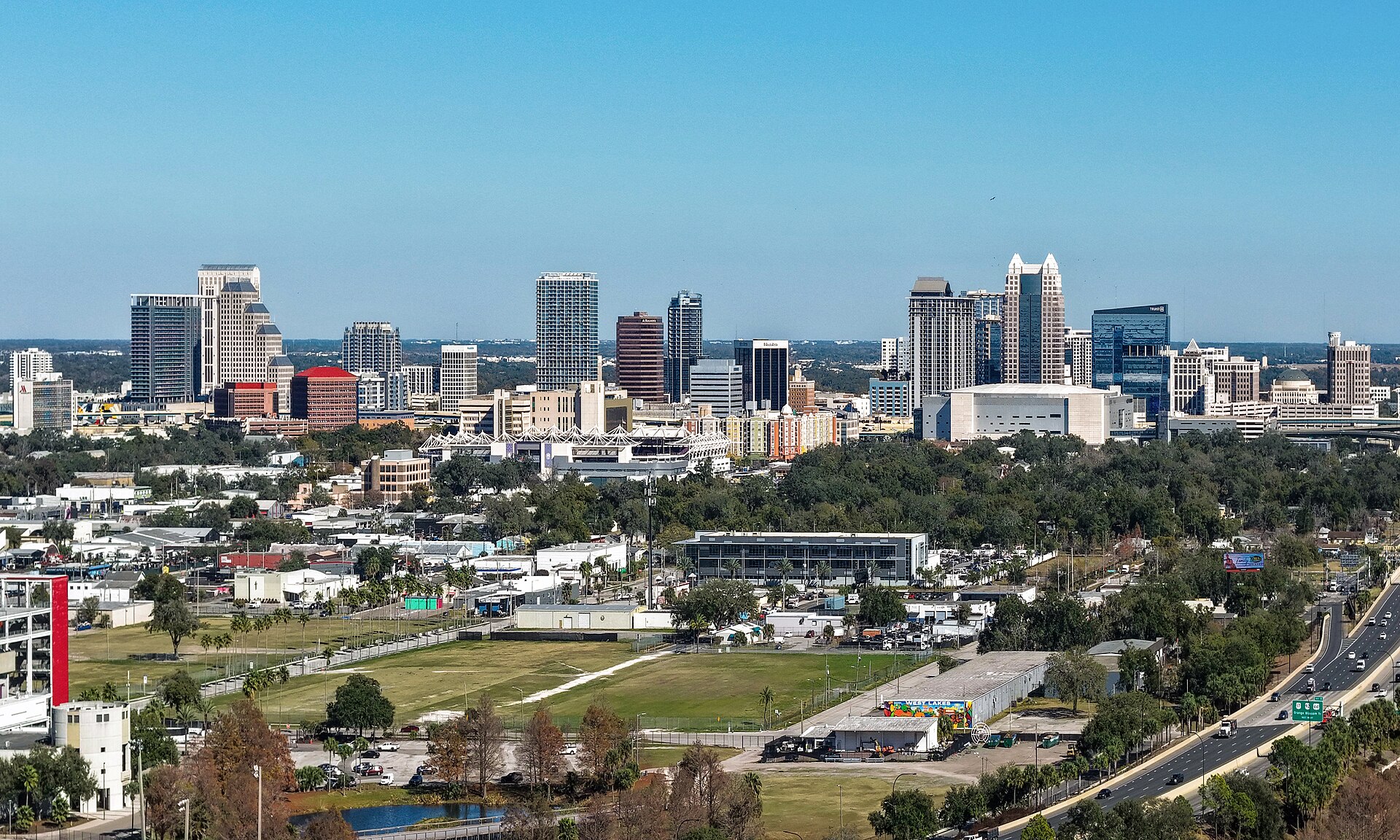
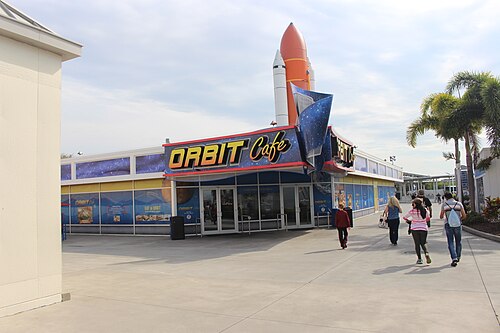
Kennedy Space Center Visitor Complex
The Kennedy Space Center Visitor Complex is the official visitor attraction for NASA's Kennedy Space Center on Florida's Space Coast.
- Must see
- Museum
- Orlando
Country guide
At 9,833,520 km² the United States has the fourth-largest land area in the world, and its 50 states and federal district span enough longitude that the ordinary...
Photograph · Tuxyso · CC BY-SA 3.0
Reviewed by Elena Voss · Roavina Travel Editor
At 9,833,520 km² the United States has the fourth-largest land area in the world, and its 50 states and federal district span enough longitude that the ordinary clock runs from UTC−4 to UTC−10, with the territories reaching −12, +10 and +11. The 2025 population estimate is 341,784,857. Washington, D.C. is the capital and New York the largest city, but neither stands in for the rest of it. Distance is the planning problem here, not choice: a trip works far better as one region covered properly than as anything resembling a national tour.
Checked 2026-08-25
Every city catalogued in this country so far, ranked by how much there is to see.
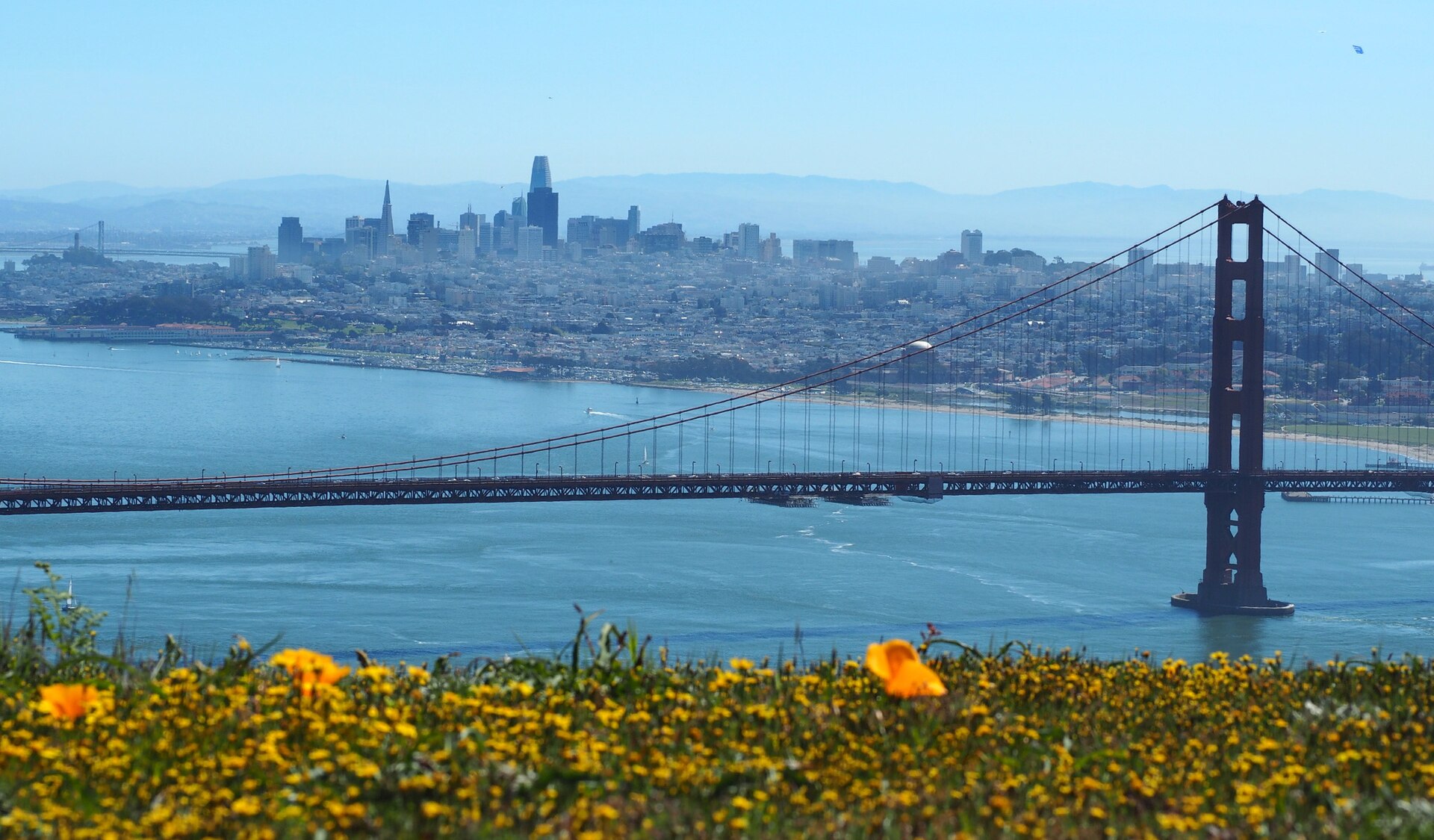
Photograph · Fred Hsu on en.wikipedia · CC BY-SA 4.0
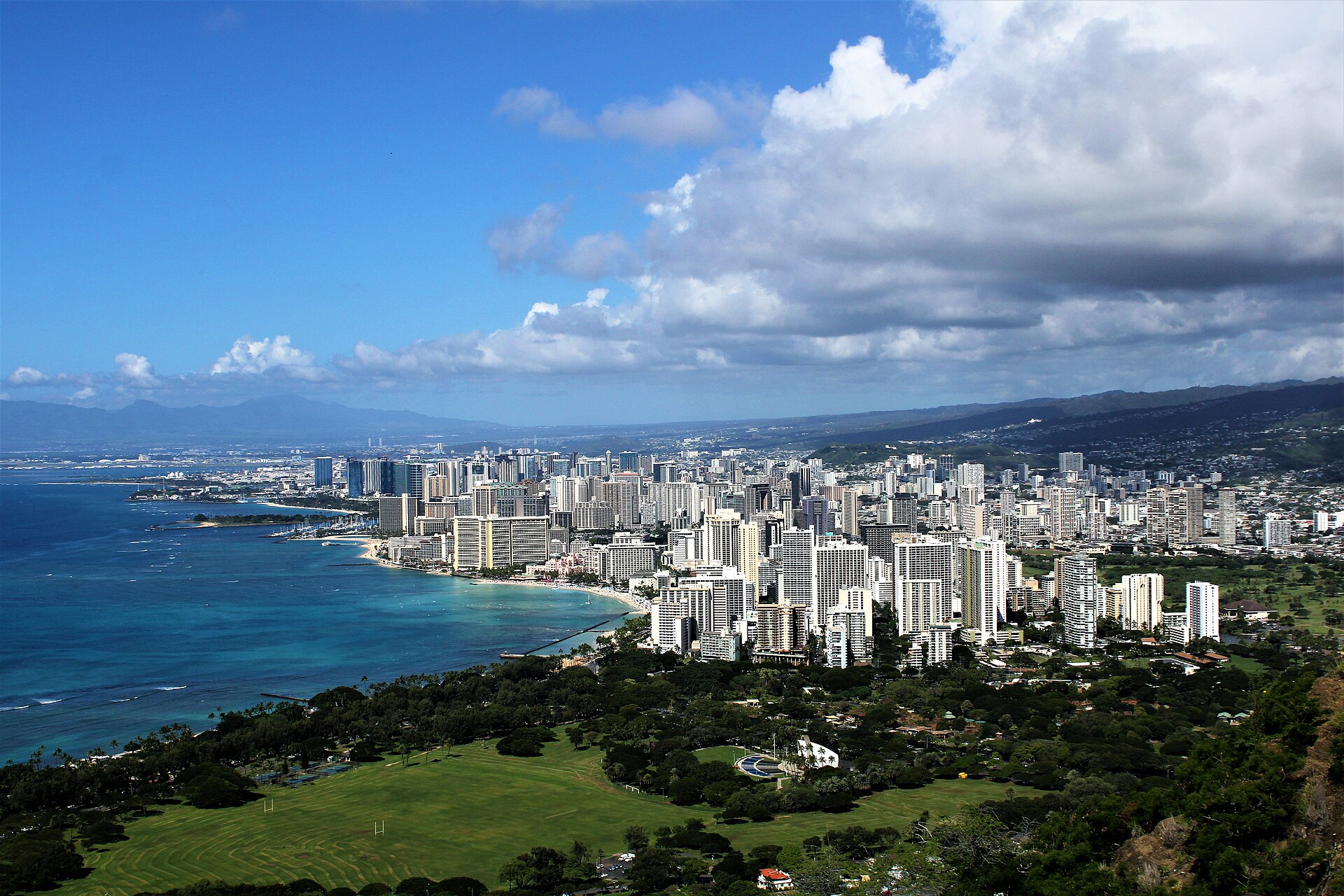
Photograph · J. Crocker · Attribution
Photograph · Alek Leckszas · CC BY-SA 4.0
Photograph · Carol M. Highsmith · Public domain
Photograph · Robert Linsdell from St. Andrews, Canada · CC BY 2.0
Photograph · Lightandtruth · CC BY-SA 4.0
Photograph · Farragutful · CC BY-SA 4.0
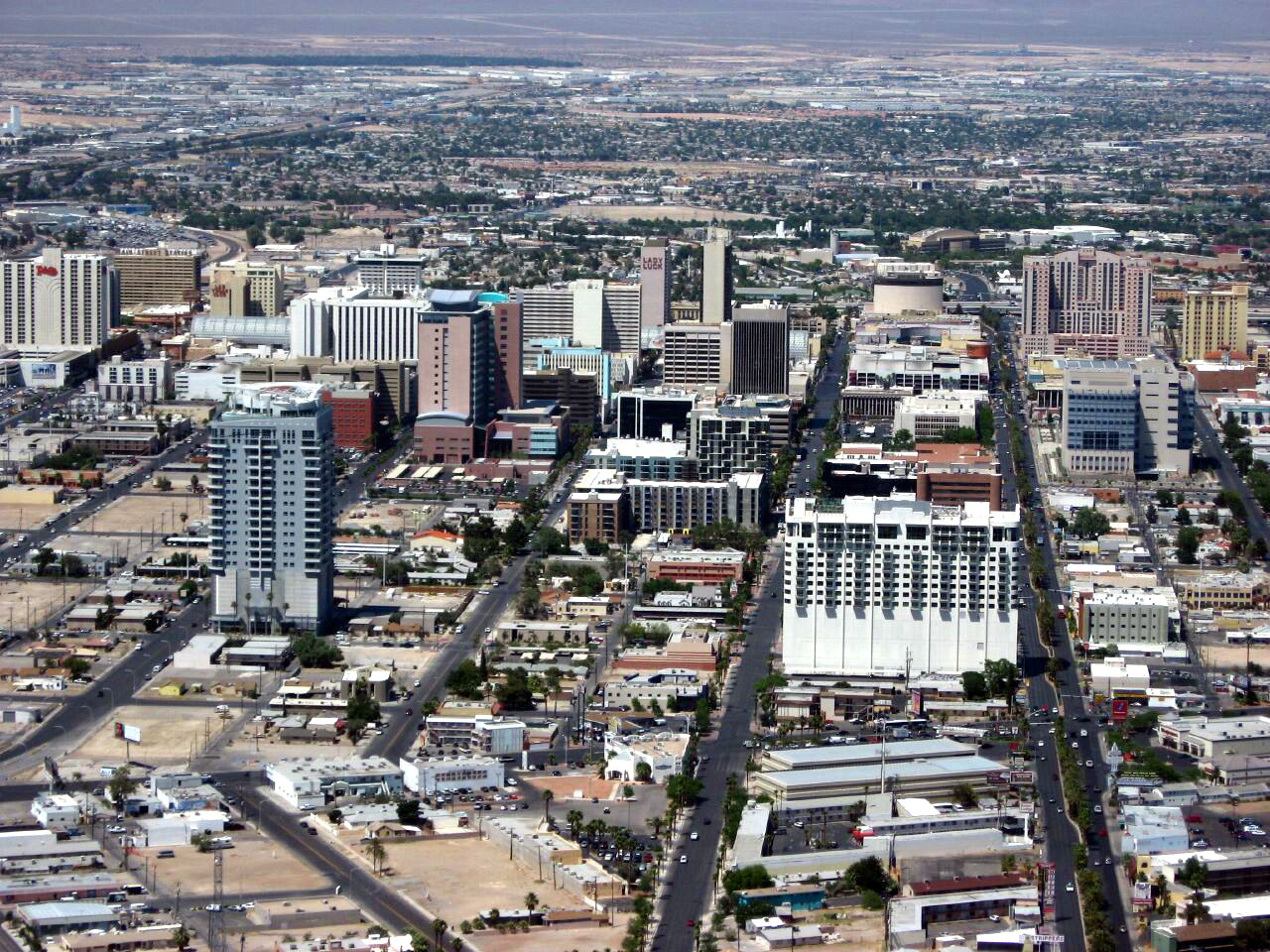
Photograph · Ken Lund from Las Vegas, Nevada, USA · CC BY-SA 2.0
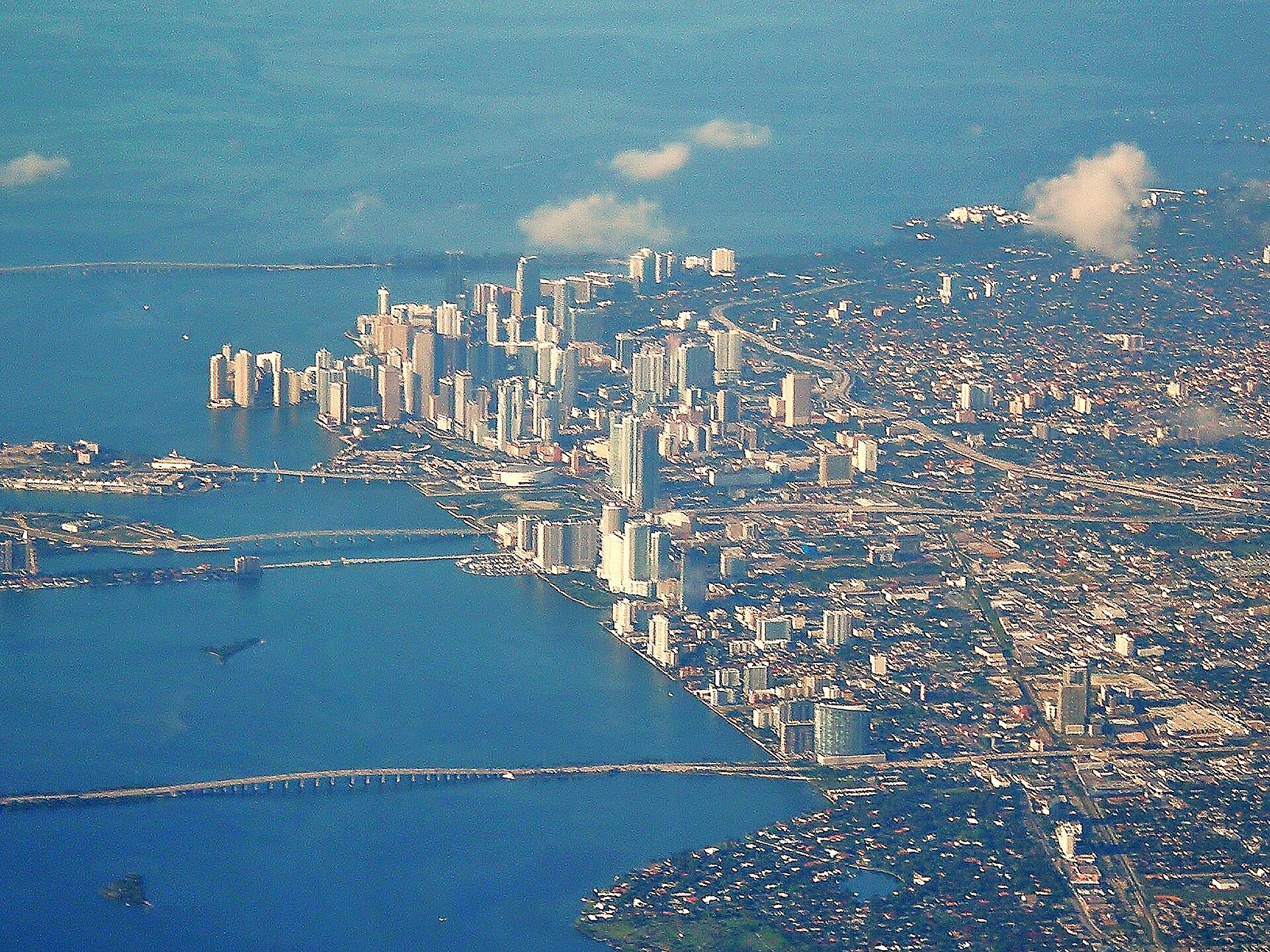
Photograph · Marc Averette · CC BY-SA 3.0
Photograph · Quintin Soloviev · CC BY 4.0
Ranked by importance — sitelinks, pageviews and heritage status, not editor preference.
191 places match
Category
Typical visit duration
Interests
The Kennedy Space Center Visitor Complex is the official visitor attraction for NASA's Kennedy Space Center on Florida's Space Coast.
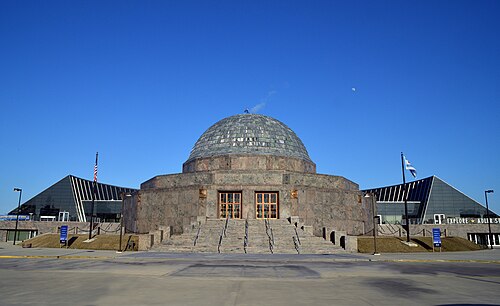
The Adler Planetarium is a public museum dedicated to astronomy and astrophysics.
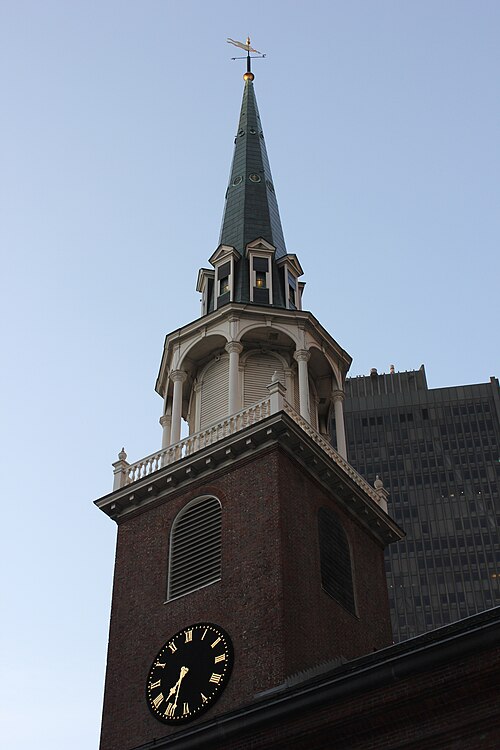
Old South Meeting House is a historic church building in Boston, Massachusetts. Built in 1729, it served as a Puritan meeting house and later became famous as a gathering place for political debate before the American Revolution.
Pearl Harbor Aviation Museum occupies historic hangars on Ford Island in the middle of Pearl Harbor. The museum preserves and interprets aviation history related to the December 7, 1941 attack on Pearl Harbor and broader Pacific aviation heritage.
Coral Castle is a limestone sculpture garden in Naranja, unincorporated Miami-Dade County, Florida. Latvian-American Edward Leedskalnin single-handedly built the structure over nearly three decades, from 1923 until his death in 1951.
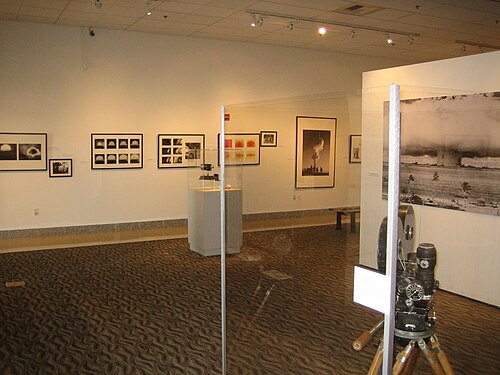
The National Atomic Testing Museum in Las Vegas explores the history of nuclear testing at the Nevada Test Site. The museum presents the scientific, military and social dimensions of atomic testing through objects, documents, photographs and interpretive displays.
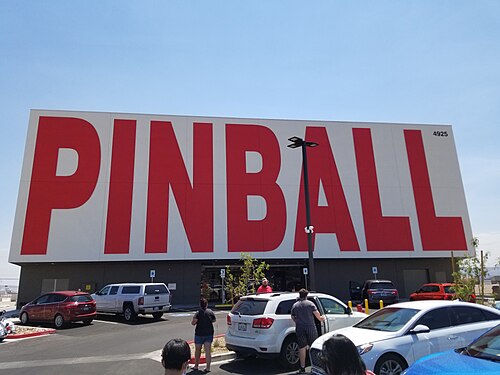
The Pinball Hall of Fame is a museum dedicated to pinball machines and related arcade amusements. It operates as a nonprofit institution with proceeds directed toward charitable causes.
The Charles Hosmer Morse Museum of American Art is an art museum located in Winter Park, a city adjacent to Orlando in Central Florida.
The Bass is a contemporary art museum located in Miami Beach, Florida. It occupies a distinctive Art Deco building originally constructed in the 1930s as a public library.
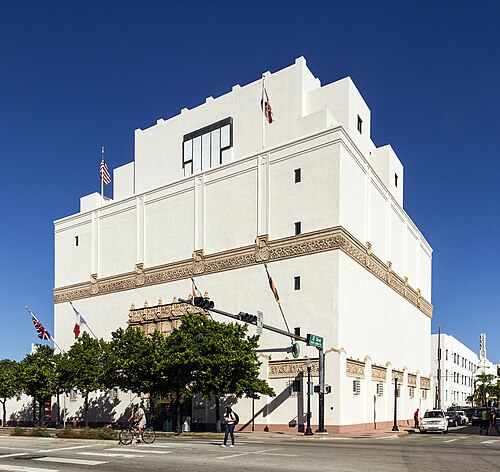
The Wolfsonian-FIU is a Miami Beach museum and research centre affiliated with Florida International University. Its exhibitions explore the persuasive power of art and design, especially between 1850 and 1950.
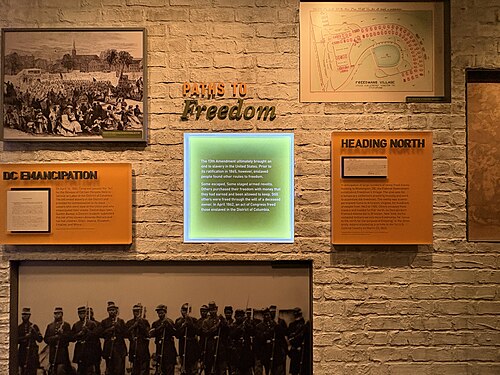
The National Archives Museum is a federal institution on the National Mall in Washington, DC. It serves as the public exhibition space of the National Archives and Records Administration.
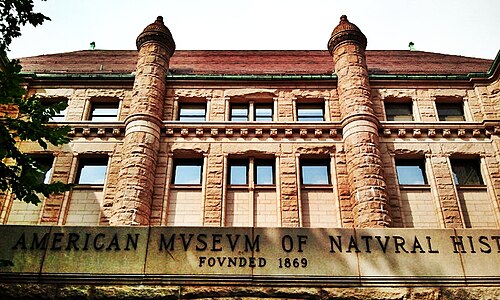
The American Museum of Natural History stands on the Upper West Side of Manhattan, in Theodore Roosevelt Park, directly across Central Park West from Central Park itself.
The Brooklyn Museum is an art museum located in the New York City borough of Brooklyn. It is one of the oldest and largest art museums in the United States, with a collection spanning numerous cultures and historical periods.
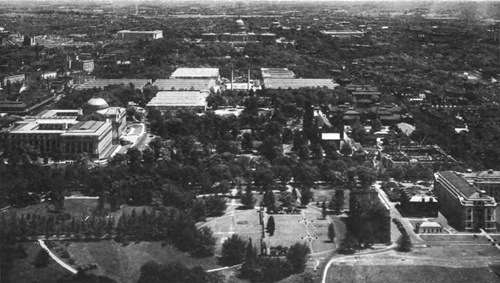
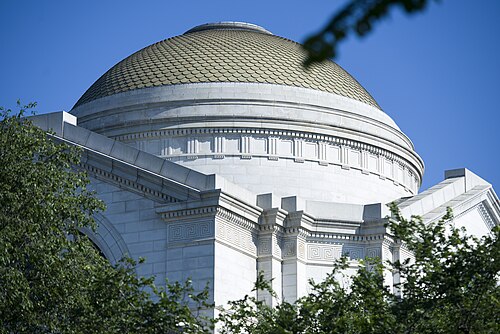
The National Museum of Natural History is a Smithsonian museum on Washington’s National Mall dedicated to understanding the natural world. Its galleries connect human origins, planetary history, biological diversity and the evidence preserved in scientific collections.
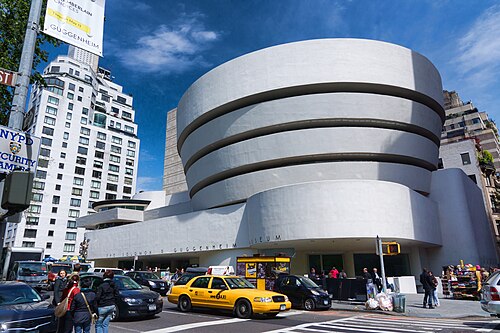
Guggenheim Museum
The Solomon R. Guggenheim Museum is an art museum on the Upper East Side of Manhattan. Designed by Frank Lloyd Wright, its distinctive spiral rotunda opened in 1959.
USS Constitution is the United States Navy’s wooden-hulled frigate known as “Old Ironsides,” preserved afloat in Boston’s Charlestown Navy Yard.
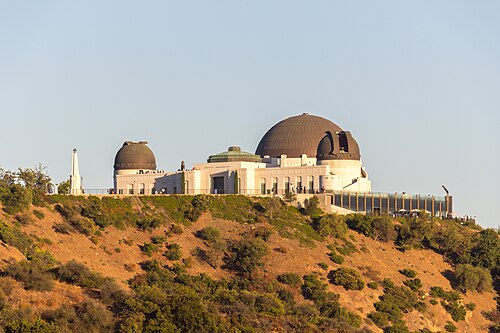
The observatory opened in 1935 through the bequest of Griffith J. Griffith's gift specified that the observatory should make astronomy accessible rather than exclusive. That principle explains why a public telescope, a planetarium and hands-on interpretation coexist here.
Field Museum
Field Museum is Chicago's major natural-history museum, developed from World's Columbian Exposition collections. Its visitor experience is defined by Stanley Field Hall, Máximo, SUE, dinosaurs, evolving life, ancient Americas, Egypt, gems, and cultural collections.
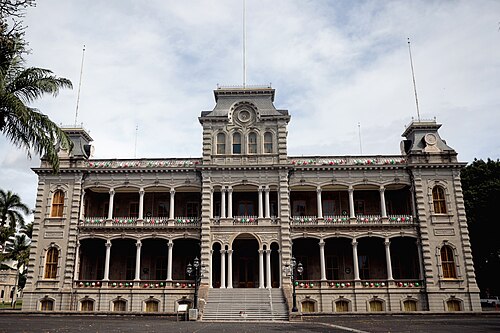
ʻIolani Palace is the former royal residence of Hawaiʻi’s monarchy and a central landmark of the Hawaiian Kingdom.
The National Gallery of Art is a United States national art museum with a distinctly divided physical identity: the classical West Building, the modern East Building, and the outdoor Sculpture Garden.
The Metropolitan Museum of Art
The Metropolitan Museum of Art is a major art museum located in New York City. It occupies a prominent position on the eastern edge of Central Park along Fifth Avenue.
Isabella Stewart Gardner Museum is a Venetian-style palace museum created from one founder’s intensely personal vision.
The Morgan Library & Museum is a cultural institution in New York City centered on the personal library of financier Pierpont Morgan.
Museum of Fine Arts
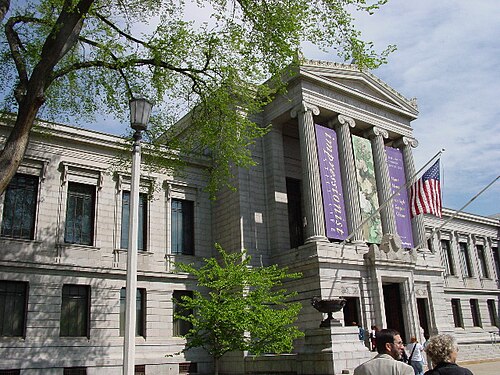
Boston’s Museum of Fine Arts is a major encyclopaedic museum whose collections range from ancient objects and paintings to decorative arts, textiles, photography, and contemporary work.
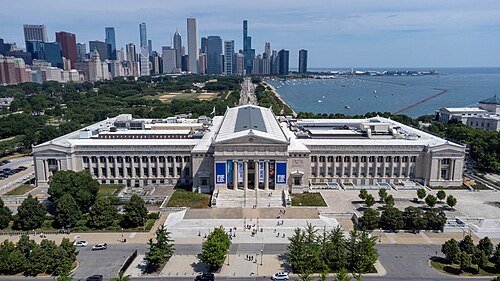
Griffin Museum of Science and Industry
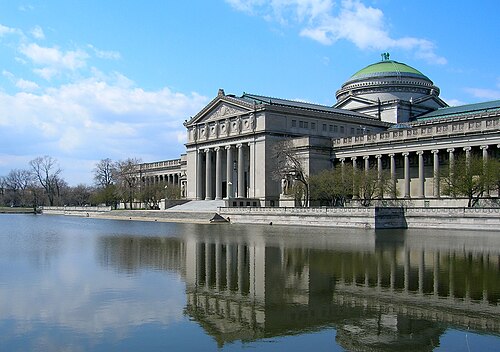
Griffin Museum of Science and Industry is a hands-on science museum in Hyde Park's former Palace of Fine Arts. Its visitor experience is defined by U-505, the coal mine, Science Storms, transport halls, genetics, farming, and the model railway.
Ten to fourteen days should focus on one US region: New York, Washington, and Boston work together by rail, while San Francisco, Los Angeles, and Las Vegas form a different trip. Miami, Orlando, and Honolulu each require separate travel time and should not be appended casually.
US admission depends on passport, visa status, and eligibility for the Visa Waiver Program and ESTA. Confirm both the Department of State visa guidance and Customs and Border Protection requirements for the actual route.
Domestic flights are often necessary between US regions, while Amtrak is strongest on the Northeast Corridor. A car is unnecessary in New York or Washington but can be useful in Los Angeles and beyond compact city centres.
April to May and September to October are broad shoulder-season references, not a national weather forecast. Florida heat, western wildfire conditions, hurricane exposure, and Hawaii's trans-Pacific logistics require destination-specific checks.
The United States uses the US dollar (USD). Card use is widespread, but taxes, deposits, and gratuities can make the final amount differ from the displayed base price; keep a second payment method for holds or terminal failures.
Dial 911 for police, fire, or medical emergencies in the United States. Type A and B sockets use 120 V; national tap-water safety is not recorded here, so consult the local utility or accommodation.