
1 min walk · Innere Stadt
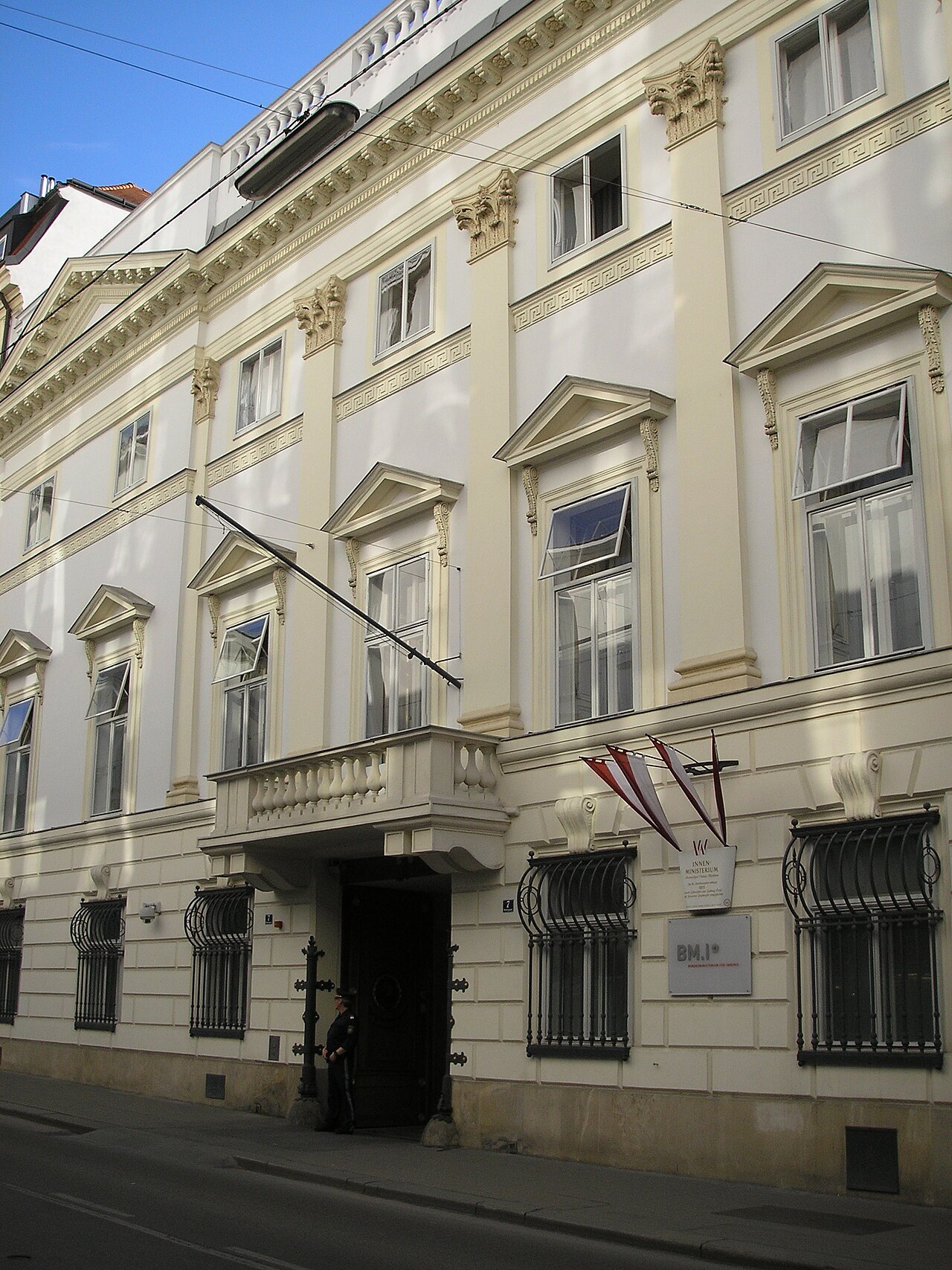
Palais Modena
- Must see · Heritage site
- Historic monument
Language · 11 published
Museum · Innere Stadt, Vienna
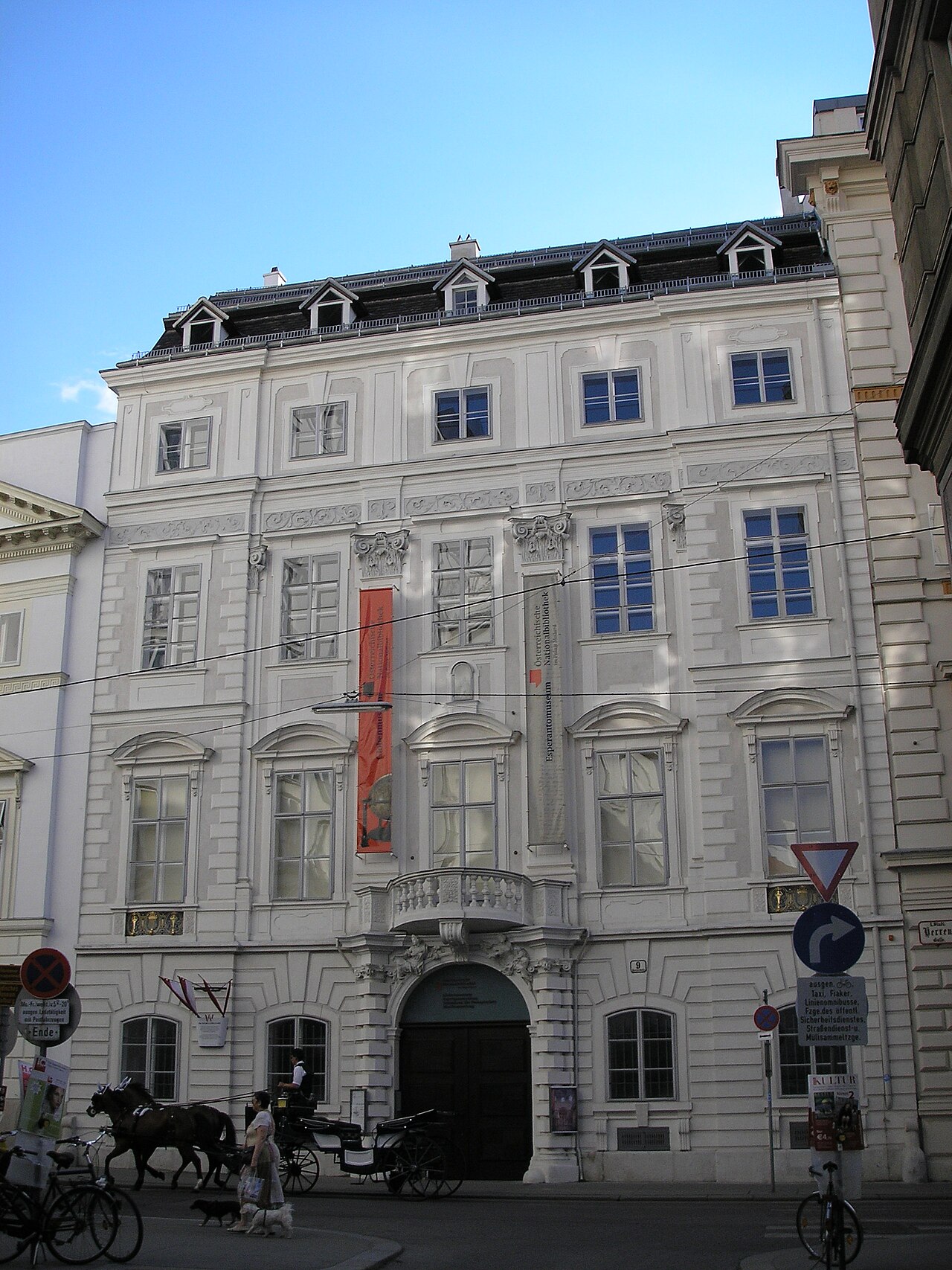
Globenmuseum
Reviewed by Elena Voss · Roavina Travel Editor
| Monday |
10:00 – 18:00
Valid 2026-06-01 – 2026-09-30 |
|---|---|
| Monday |
Closed
Valid 2026-10-01 – 2027-05-31 |
| Tuesday |
10:00 – 18:00
Valid 2026-06-01 – 2026-09-30 |
| Tuesday |
10:00 – 18:00
Valid 2026-10-01 – 2027-05-31 |
| Wednesday |
10:00 – 18:00
Valid 2026-06-01 – 2026-09-30 |
| Wednesday |
10:00 – 18:00
Valid 2026-10-01 – 2027-05-31 |
| Thursday |
10:00 – 21:00
Valid 2026-06-01 – 2026-09-30 |
| Thursday |
10:00 – 21:00
Valid 2026-10-01 – 2027-05-31 |
| Friday |
10:00 – 18:00
Valid 2026-06-01 – 2026-09-30 |
| Friday |
10:00 – 18:00
Valid 2026-10-01 – 2027-05-31 |
| Saturday |
10:00 – 18:00
Valid 2026-06-01 – 2026-09-30 |
| Saturday |
10:00 – 18:00
Valid 2026-10-01 – 2027-05-31 |
| Sunday |
10:00 – 18:00
Valid 2026-06-01 – 2026-09-30 |
| Sunday |
10:00 – 18:00
Valid 2026-10-01 – 2027-05-31 |
Parsed from OpenStreetMap opening hours on 2026-09-09.
Read from the OpenStreetMap access tags; anything not listed has no tag recorded.
Set the group type to family in the planner and the day window contracts to about three quarters of a solo day.
This place is a Museum. It opened in 1956.
The Globe Museum, or Globenmuseum, is a specialist museum in Vienna devoted to globes and related cartographic instruments. Its collection brings geography, astronomy, craftsmanship, and the history of knowledge together in three-dimensional form. Located within the Austrian National Library complex in the Hofburg area, it offers a focused alternative to Vienna’s larger general museums and rewards visitors who enjoy objects with both scientific and artistic value. The Globe Museum, known locally as Globenmuseum, is a specialized museum in Vienna dedicated to the history and art of globes and related cartographic instruments. It holds a significant collection of terrestrial and celestial globes, armillary spheres, and planetariums. The museum is situated within the Austrian National Library complex, reflecting its scholarly and cultural importance. Its focus on three-dimensional cartographic representations makes it a distinctive institution among Vienna's numerous museums and cultural attractions. The museum's specialized focus on historical globes and cartographic instruments appeals most strongly to visitors with existing interest in geography, history, or scientific instruments. Younger children may find the static displays less engaging than interactive museums.
Checked 2026-08-26 · Source
Inside, travelers can examine terrestrial globes showing changing views of the world, celestial globes mapping the constellations, armillary spheres, and planetariums. The objects vary in size, material, age, and decorative finish. Read the labels closely: a globe is not only a map, but also evidence of how people understood geography, navigation, astronomy, education, and power at different moments in history. The museum's collections feature globes spanning several centuries, showcasing the evolution of geographic knowledge and craftsmanship. Visitors can examine terrestrial globes depicting changing worldviews, celestial globes mapping constellations, and various astronomical instruments. The displays include both historic masterpieces and educational materials. The globes vary in size, material, and artistic detail, representing different periods of exploration and scientific discovery. Interactive elements and detailed labeling provide context for understanding how these objects served navigation, education, and decorative purposes.
Checked 2026-08-26 · Source
Allow one to two hours for the Globe Museum if you want to read labels and compare the instruments carefully. A brisk walkthrough can take about forty-five minutes, while visitors fascinated by historical mapping or astronomy may stay longer. The museum is compact enough for an efficient visit, yet the objects reward slow observation. It fits well into a half-day exploring the Hofburg and central Vienna. A thorough visit to the Globe Museum typically requires between one and two hours, depending on individual interest in cartographic history and the level of detail examined. Casual visitors may complete a walkthrough in approximately forty-five minutes, while enthusiasts studying globe inscriptions, comparing historical accuracy, or engaging with all interpretive materials will require extended time.
Checked 2026-08-26 · Source
The indoor setting makes the Globe Museum useful in any weather. Morning is a good choice for travelers who want a quieter, more concentrated look at the globes, while the central location makes an afternoon visit easy to combine with other Hofburg sights. Give yourself enough time for the collection rather than treating it as a quick photograph stop. Its specialist subject rewards curiosity more than hurried sightseeing.
Checked 2026-08-26 · Source
The Globe Museum forms part of the Austrian National Library complex, so admission is handled within that institutional setting. Plan the visit as a paid cultural stop within the Hofburg area and allow time to understand which entrance or ticket applies to the Globe Museum rather than another library exhibition.
Checked 2026-08-26 · Source
The museum is in the Austrian National Library complex near Vienna’s Hofburg Palace and the Innere Stadt. It is easy to reach as part of a central walking route, including an approach from Stephansplatz, and the area is also served by Vienna’s underground, tram, and bus network. On arrival, follow signs for the Globe Museum rather than assuming every National Library entrance serves the same collection.
Checked 2026-08-26 · Source
The collection contains delicate historic objects, so keep behind barriers and never touch the globes or instruments. Controlled lighting may be subdued, and reflective surfaces can make details harder to see from certain angles. The specialist subject suits curious older children and adults especially well. In busier periods, move carefully around display cases and remain aware of other visitors in the compact galleries.
Checked 2026-08-26 · Source
The globes’ curved and reflective surfaces make photography a technical challenge. If personal photography is permitted on your visit, work quietly, avoid flash unless explicitly allowed, and keep equipment from obstructing the compact galleries. Frame individual cartographic details as well as complete objects, since labels and craftsmanship tell different parts of the story. The museum’s subdued lighting may require a steady hand and patience.
Checked 2026-08-26 · Source
The collection includes terrestrial and celestial globes, armillary spheres, and planetariums, with objects showing the history of mapping, astronomy, craftsmanship, and geographic knowledge.
Allow one to two hours for a careful visit. A brisk walkthrough can take about forty-five minutes, while close label reading and comparison take longer.
It is inside the Austrian National Library complex near Hofburg Palace in Vienna’s central Innere Stadt, close to other major sights in the historic core.
Children who enjoy geography, astronomy, maps, or unusual scientific objects may find it rewarding. The experience is centred on detailed historic displays rather than a large activity area.
Compare terrestrial and celestial globes, look at changing world views, and examine the materials, inscriptions, and decorative details that connect each object with its period of use.
If photography is permitted, work quietly and avoid flash unless allowed. Curved reflective surfaces and subdued lighting make careful positioning more effective than quick snapshots.
Loading the interactive map…
The interactive map could not be loaded.
Last updated:
Source: OpenStreetMap contributors, Wikidata ·