
1 min walk · Innere Stadt
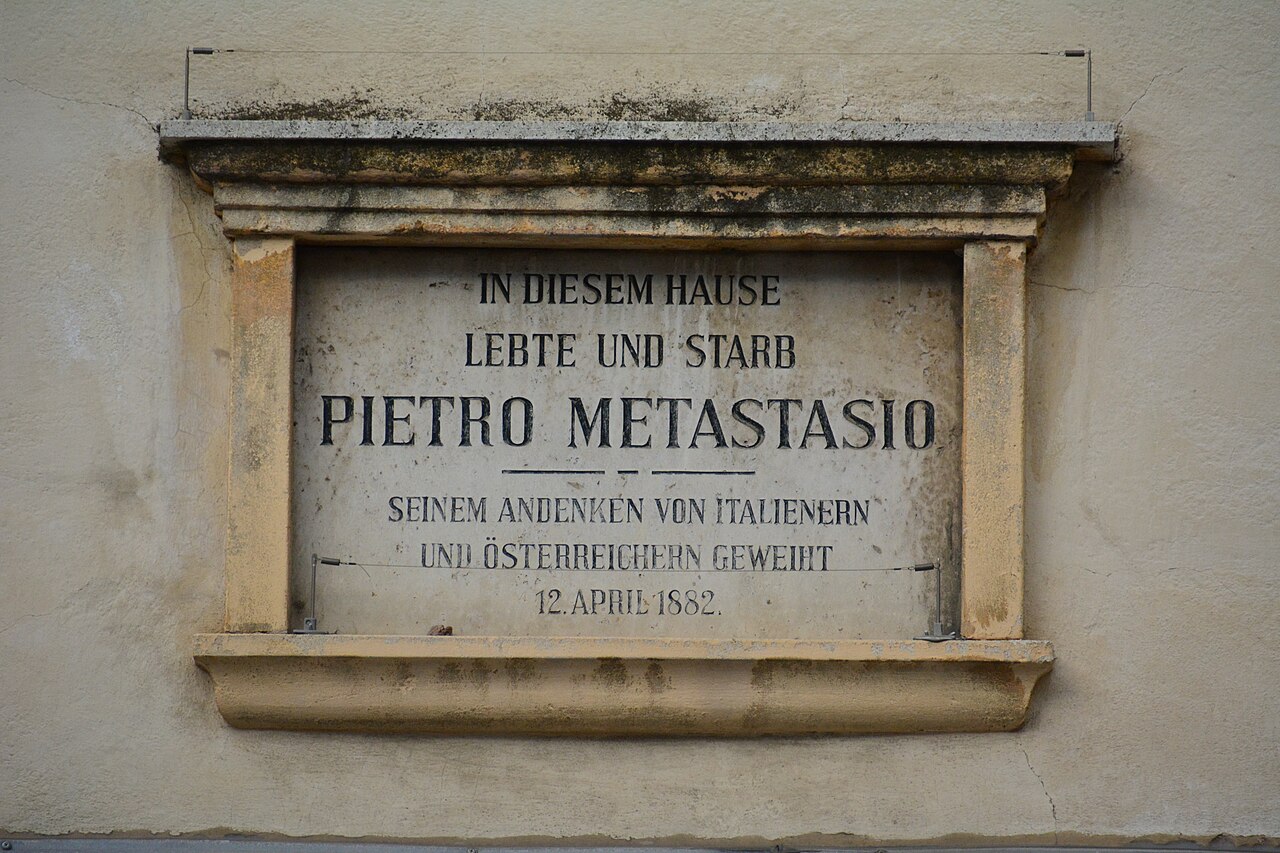
Gedenktafel für Pietro Metastasio
- High
- Historic monument
Language · 11 published
Historic monument · Innere Stadt, Vienna
Reviewed by Elena Voss · Roavina Travel Editor
Read from the OpenStreetMap access tags; anything not listed has no tag recorded.
Set the group type to family in the planner and the day window contracts to about three quarters of a solo day.
This place is a Attraction. It was established in 1911. It was designed by Ernst Epstein. It carries the Listed objects in Austria heritage designation.
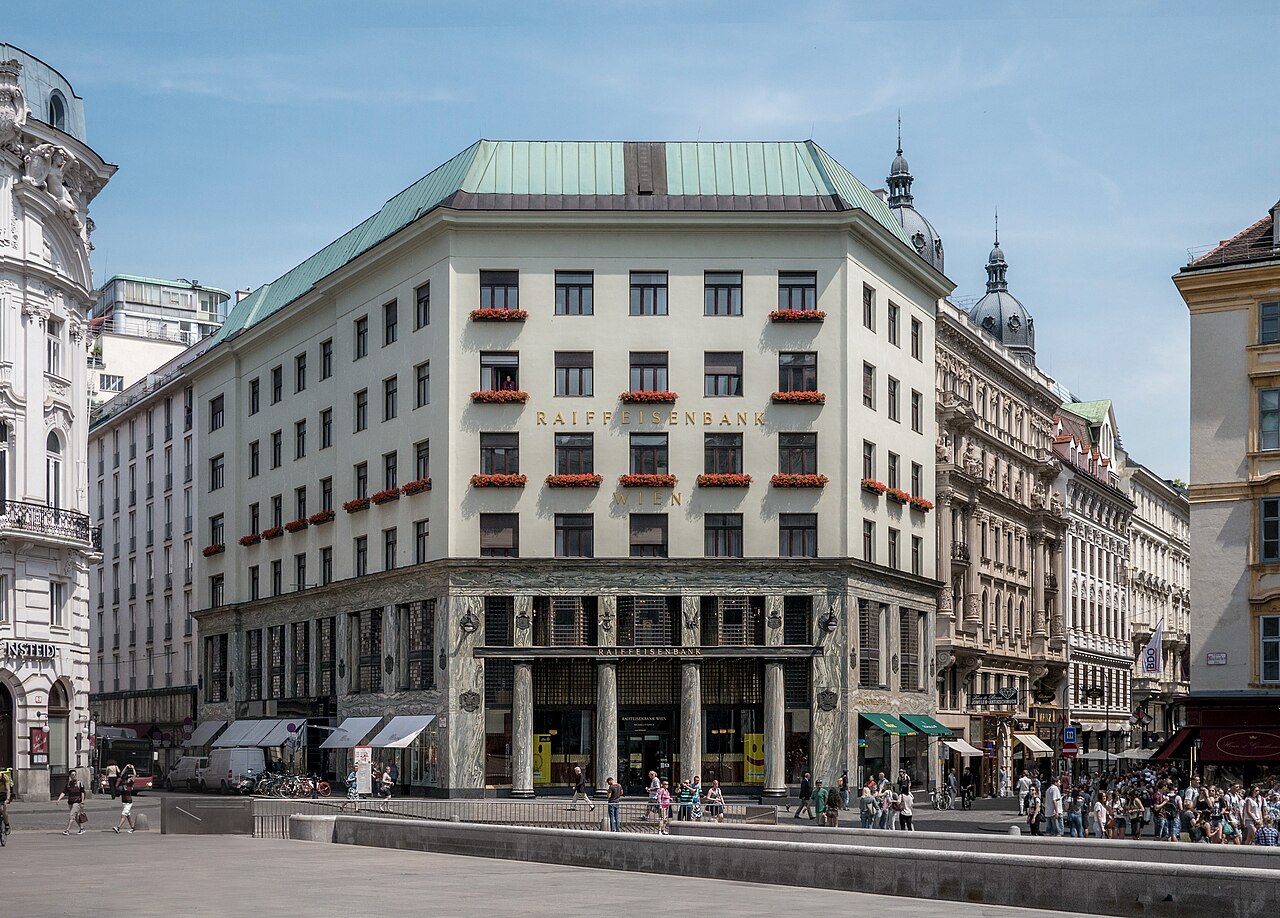
Looshaus is Adolf Loos's 1909-1911 commercial and residential building at Michaelerplatz 3, directly opposite the Michaelertor gate of the Hofburg. It was built for the tailoring and outfitting firm Goldman & Salatsch, and it became one of the most argued-over buildings in Vienna's history within weeks of the scaffolding coming down.
Loos put a plain, unornamented rendered facade on the upper floors, with no window pediments and no mouldings, above a ground floor and mezzanine clad in polished Cipollino marble with Doric columns. Viennese critics and cartoonists mocked the bare upper storeys as resembling a manhole cover or an unfinished factory, and the building acquired the nickname Haus ohne Augenbrauen — the house without eyebrows — for its lack of decorative window surrounds. Wikipedia records the enduring, widely repeated anecdote that Emperor Franz Joseph found the building so offensive from the Hofburg that he had the curtains on that side of the palace kept drawn and began using a different exit.
Construction stopped for months in 1910 while the city withheld a building permit and Loos was made to add window boxes as a concession. Today it is protected as a listed monument and is read as an early, deliberate statement of Loos's ornament-is-crime position, made a decade before he wrote the essay of that name.
Checked 2026-08-24 · Source
The ground floor and mezzanine were built as a men's tailoring and outfitting shop for Goldman & Salatsch, with the marble-clad, column-lined interior that survives as the building's most-seen space today. The upper four floors were built as rented apartments, unrelated in function to the shop below.
The ground floor now trades as a bank branch, and the marble hall with its Doric columns is the space a visitor without a residence or office upstairs can actually walk into. The upper floors remain private offices and apartments and are not open to the public in any form — there is no interior museum tour of Looshaus.
Checked 2026-08-24 · Source
Looking at the exterior from Michaelerplatz and reading the facade against the Hofburg gate opposite takes ten to fifteen minutes. Stepping into the ground-floor banking hall to see the marble and columns adds another five to ten minutes, and only during the bank's own opening hours. There is no ticketed interior tour to budget time for.
Checked 2026-08-24 · Source
The exterior is visible and photographable at any hour; Michaelerplatz is an open pedestrian square. The interior view is limited to whatever days and hours the ground-floor bank branch is open for business, which this guide does not record here because a bank's branch hours change without the change reaching Wikipedia or Loos-specific sources — check the branch's own posted hours on the day of a visit rather than relying on a printed time.
Checked 2026-08-24 · Source
There is no admission fee and no ticket, because there is nothing ticketed: the exterior is a public street facade and the ground floor is a working bank branch, not a museum. A visitor conducts no transaction to look at the marble hall during opening hours, but is there as a bank customer would be, not as a paying visitor to an attraction.
Checked 2026-08-24 · Source
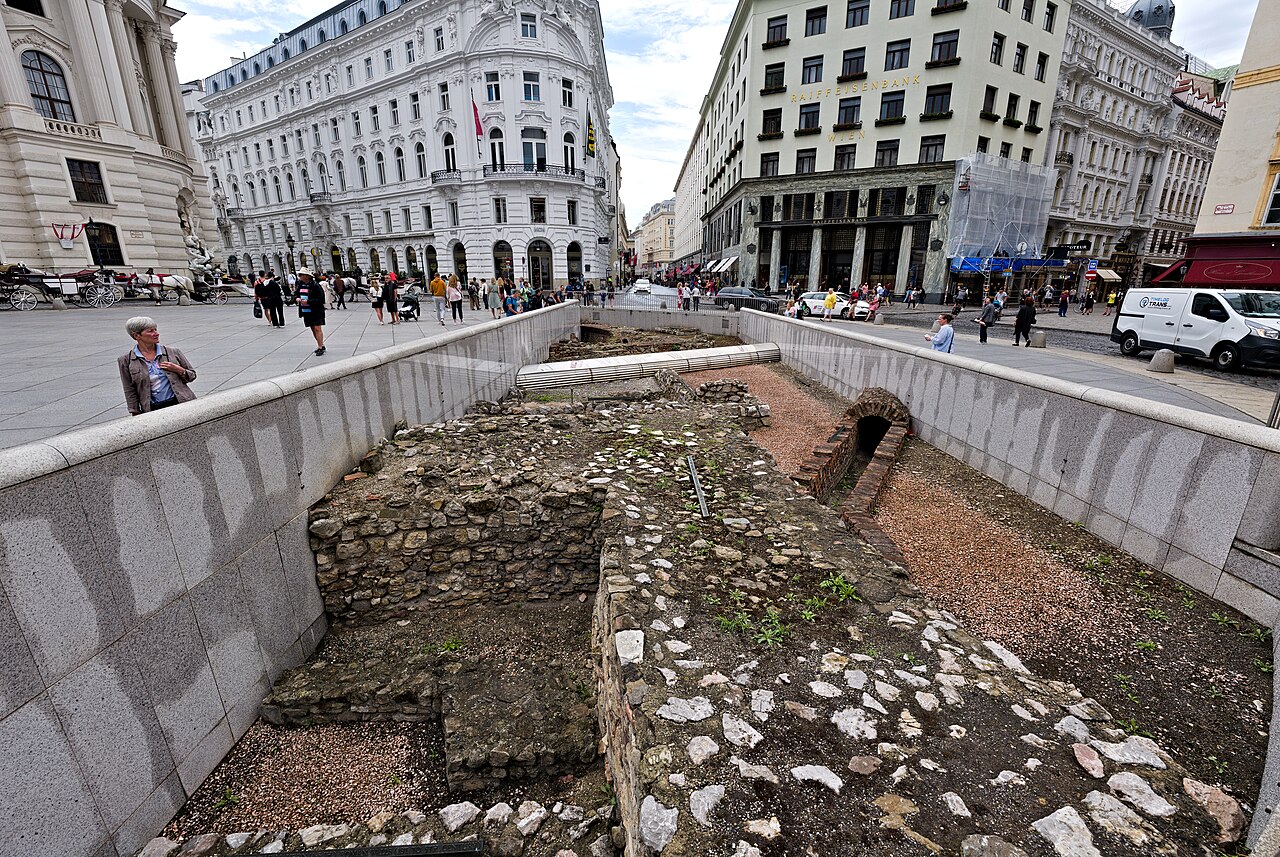
Michaelerplatz sits at the western edge of the Innere Stadt, at the meeting point of Herrengasse, Kohlmarkt and the Hofburg's Michaelertor. The U3 stops at Herrengasse, a three-minute walk away, and the square is also served by tram lines and the D and 1/2 routes running along the Ring, a short walk further out. It sits inside Vienna's pedestrian-priority core, so most visitors arrive on foot from Kohlmarkt or the Hofburg rather than by direct transit stop.
Checked 2026-08-24 · Source
The building is a functioning bank branch, not a heritage attraction with visitor infrastructure — there is no shop, no signage explaining the controversy, and no guide on site. Entering the banking hall outside its business hours is not possible, and it closes on Austrian public holidays and Sundays like any bank branch. Photography from the square is unrestricted; photography inside the banking hall should be treated as it would be in any bank, since it is a place of business with customers present, not a museum interior.
Checked 2026-08-24 · Source
The classic shot is the facade contrast: Looshaus's bare rendered upper storeys against the ornate Baroque dome of the Hofburg's Michaelertor directly across the square, which is exactly the juxtaposition that caused the 1910s controversy. Morning light comes from the east and crosses the square before midday, which is when the marble ground floor also picks up the most reflected light for a shot through the windows. The square is small enough that a wide lens or a stitched panorama is needed to get the whole facade and the gate opposite in one frame.
Checked 2026-08-24 · Source
Only the ground floor, which is a working bank branch reachable during its own opening hours. The upper four floors are private offices and apartments and are never open to the public.
Because Adolf Loos left the upper-floor windows without pediments or mouldings, which critics read as a bare, unadorned face missing the decorative brow-lines every other building on the square carried.
Wikipedia records the widely repeated account that he had the Hofburg's curtains on that side kept drawn and began using a different exit; it is an anecdote passed down in the building's history rather than a documented decree.
No. There is no ticketed interior — the ground floor is a bank branch a visitor can walk into during business hours, and the exterior is a public street facade.
The tailoring and gentlemen's outfitting firm Goldman & Salatsch, which occupied the ground floor and mezzanine; the upper floors were built as rented apartments.
Herrengasse on the U3, about a three-minute walk across Michaelerplatz.
Loading the interactive map…
The interactive map could not be loaded.
Last updated:
Source: OpenStreetMap contributors, Wikidata ·