


07
1 hr 30 min
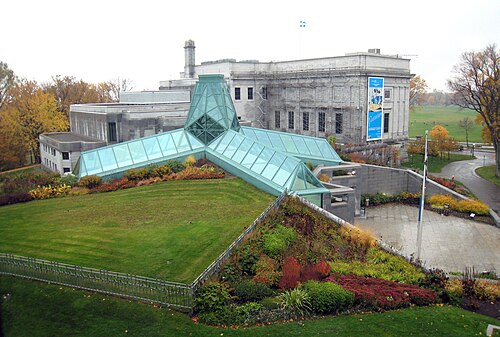
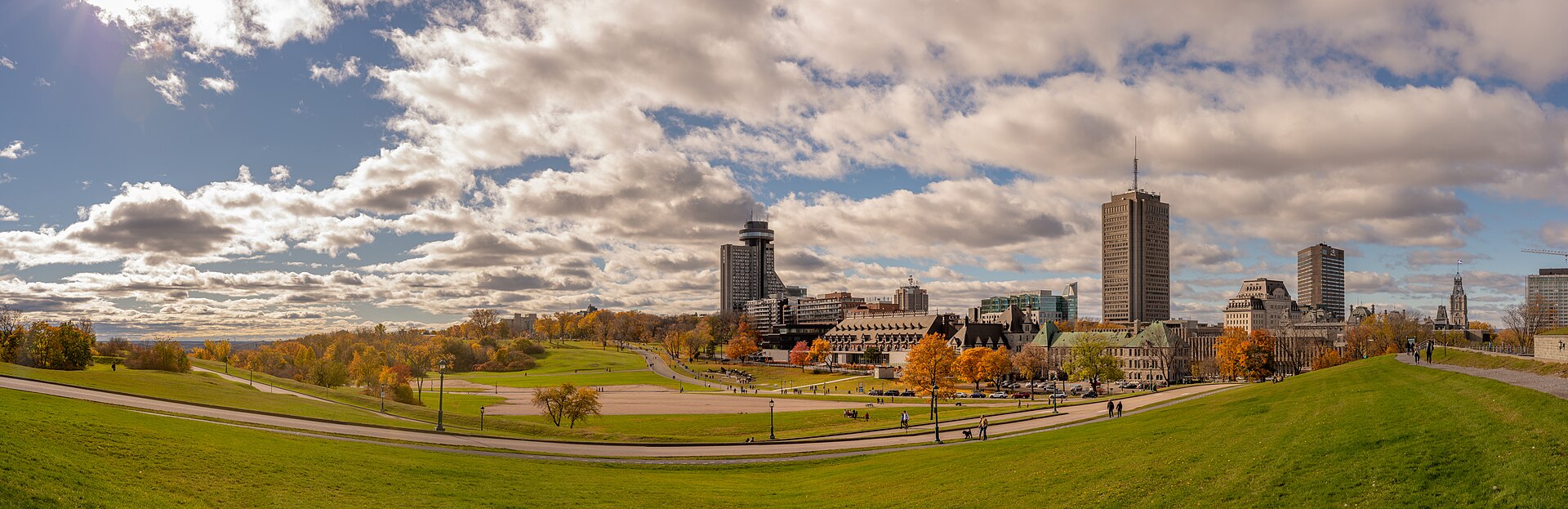
Musée national des beaux-arts du Québec
Musée national des beaux-arts du Québec is Québec City’s national art museum beside the Plains of Abraham.
- Must see
- Museum
- Quebec City
Country guide
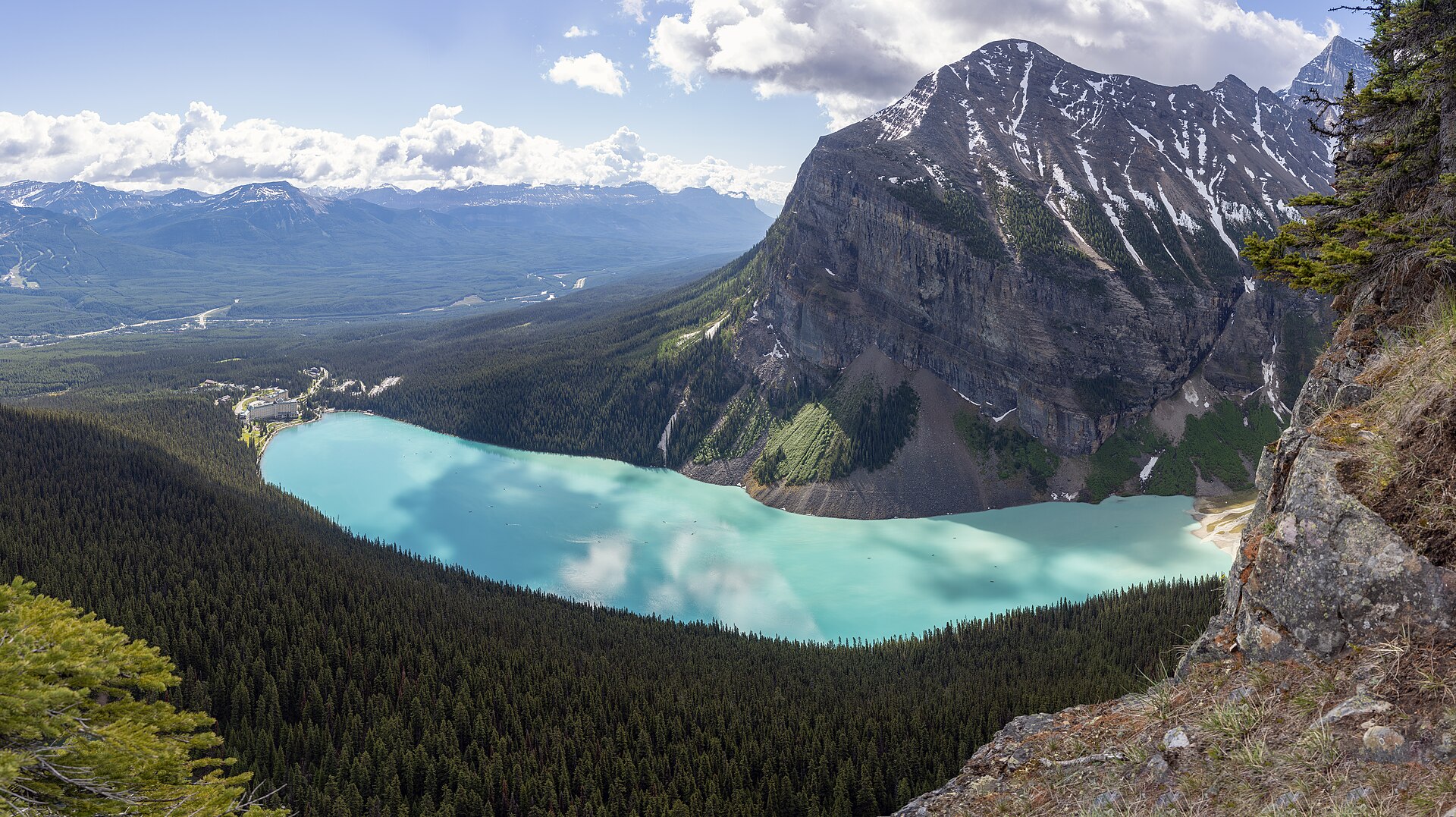
Canada is the second-largest country in the world by area and has the longest coastline of any, running from the Atlantic to the Pacific and north into the Arct...
Photograph · Chensiyuan · CC BY-SA 4.0
Reviewed by Elena Voss · Roavina Travel Editor
Canada is the second-largest country in the world by area and has the longest coastline of any, running from the Atlantic to the Pacific and north into the Arctic across ten provinces and three territories.
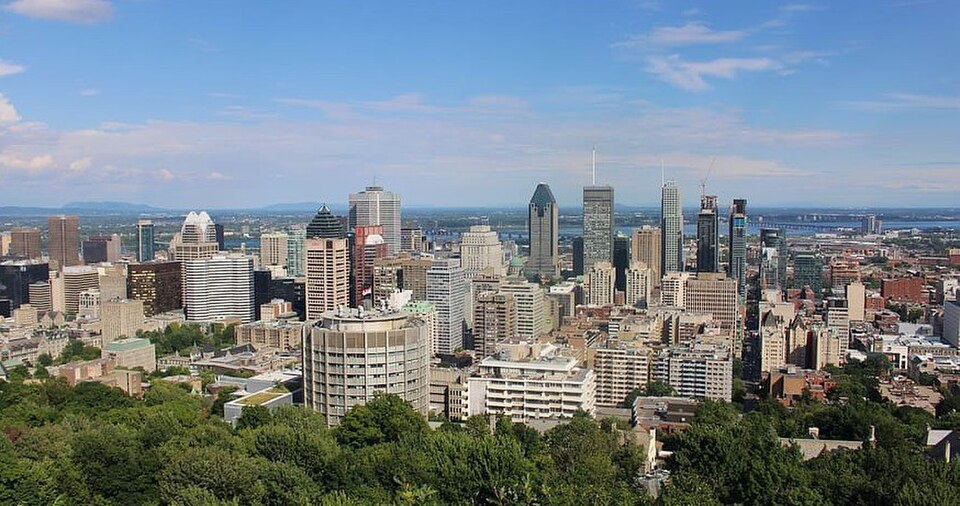
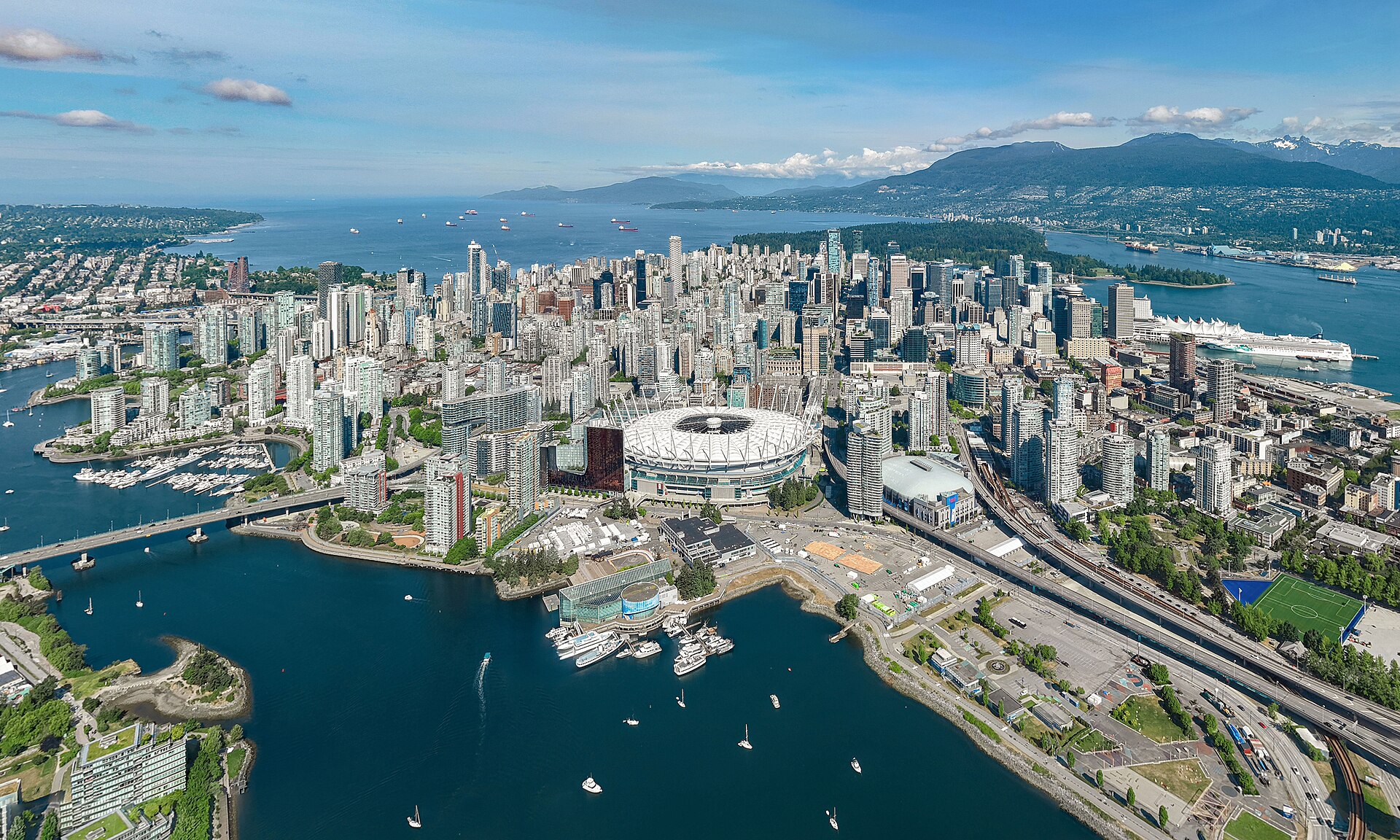
Just over 41 million people live in it, and not evenly: the great majority are in urban areas while very large stretches hold almost nobody. Ottawa is the capital, and Toronto, Montreal and Vancouver are the three largest metropolitan areas and the three realistic starting points. The federal government is officially bilingual in English and French, and which of the two a street is lived in changes as you cross the country.
Checked 2026-08-25
Every city catalogued in this country so far, ranked by how much there is to see.

Photograph · Jchmrt · CC BY-SA 4.0
Photograph · https://www.pxfuel.com/ · CC0
Photograph · Quintin Soloviev · CC BY 4.0
Photograph · Wilfredor · CC0
Ranked by importance — sitelinks, pageviews and heritage status, not editor preference.
42 places match
Category
Typical visit duration
Interests
Musée national des beaux-arts du Québec is Québec City’s national art museum beside the Plains of Abraham.
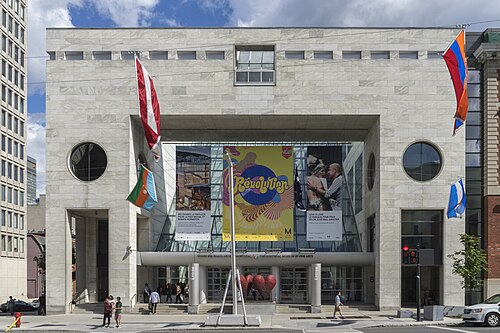
Musée des Beaux-Arts de Montréal
Montreal Museum of Fine Arts is Montreal’s leading art museum, with Quebec, Canadian, international, design, and decorative-art collections. Its value lies in the specific collection, landscape, architecture, or public setting represented by that record.
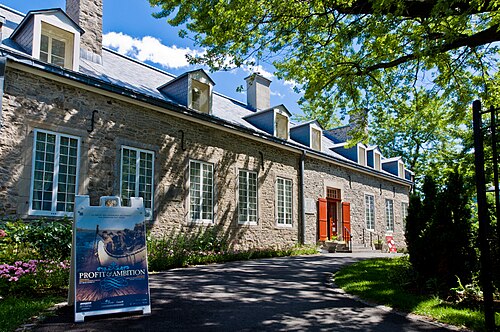
Château Ramezay
Chateau Ramezay is an eighteenth-century governor's residence and city-history museum located in Old Montreal, facing Place Jacques-Cartier. Built in the early 1700s, it served as the residence of the governors of Montreal.
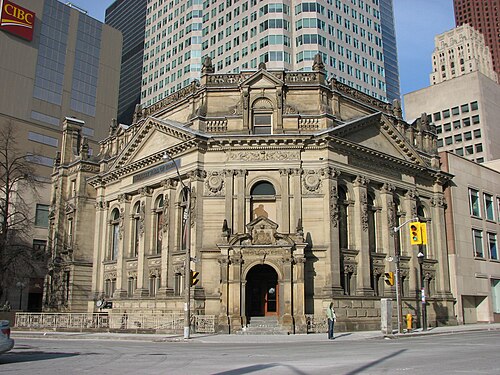
Toronto’s Hockey Hall of Fame is a focused museum devoted to ice hockey’s history, achievements and cultural reach.
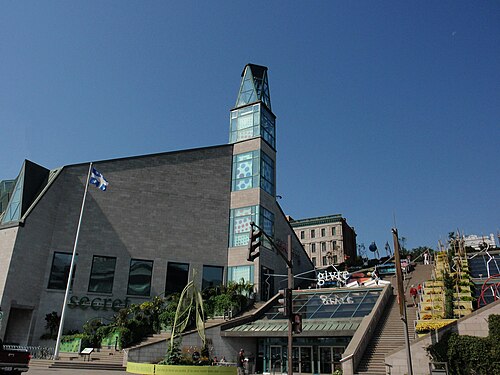
Musée de la Civilisation de Québec
Musée de la civilisation is one of Québec City’s most engaging indoor introductions to the province’s stories, identities, and cultural life.
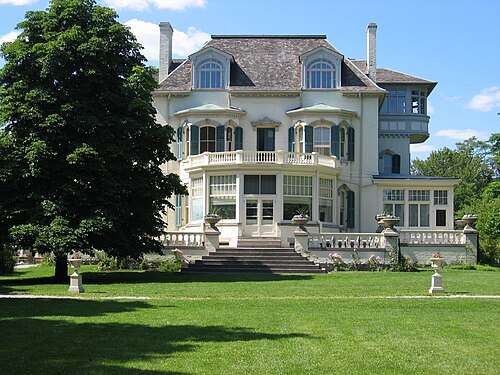
Spadina Museum
Spadina Museum is a historic house museum in Toronto, preserving an upper-class residence and the domestic world of wealthy families across changing eras.
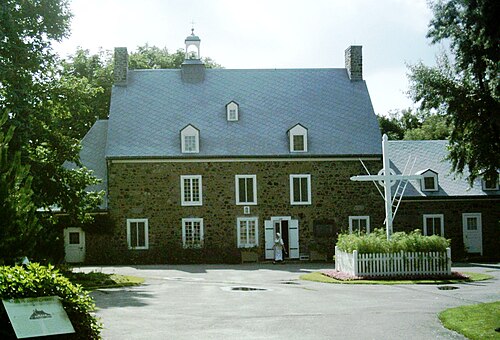
Maison Saint-Gabriel is a seventeenth-century farmhouse museum in Montreal, Quebec, devoted to the history of early French settlement.
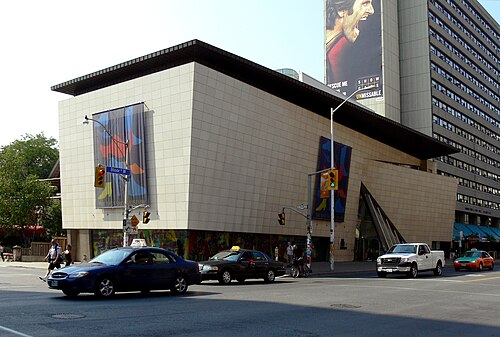
Bata Shoe Museum is a Toronto institution devoted to footwear as cultural evidence. Its subject is unusually focused: shoes are examined not simply as accessories, but as objects that reveal design, materials, construction, work, movement, status, and identity.
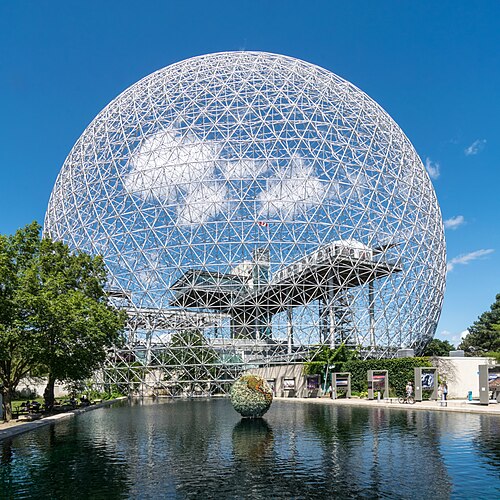
Biosphère
The Montreal Biosphere is an environment museum housed in a striking geodesic dome designed by Buckminster Fuller for Expo 67. The structure stands on Saint Helen's Island in the Saint Lawrence River as a landmark of architectural innovation.
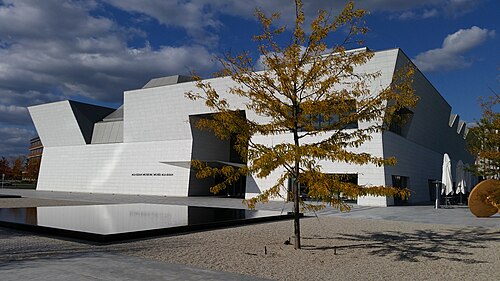
Aga Khan Museum
Aga Khan Museum is a purpose-built Toronto museum devoted to art, ideas, and cultural histories connected with Muslim civilisations.
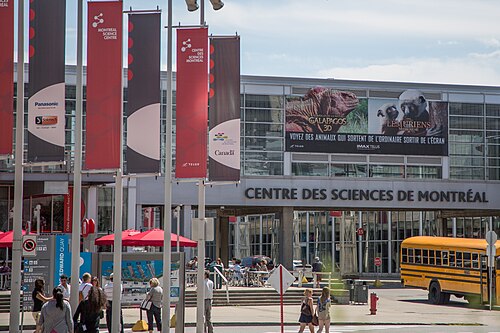
Centre des sciences de Montréal
Montreal Science Centre is a hands-on science museum and IMAX venue on the Old Port waterfront. Its value lies in the specific collection, landscape, architecture, or public setting represented by that record.
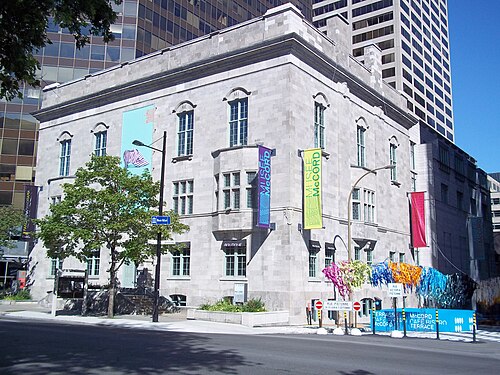
Musée McCord Stewart
McCord Stewart Museum is a museum of Montreal history, photography, fashion, and material culture beside McGill University. Its value lies in the specific collection, landscape, architecture, or public setting represented by that record.
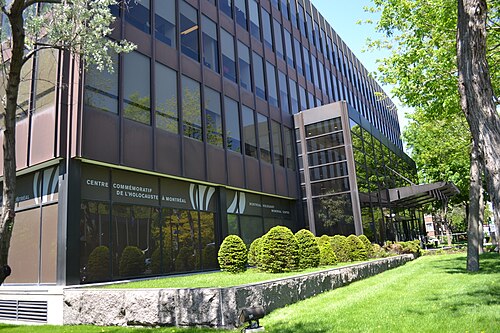
Musée de l'Holocauste
The Montreal Holocaust Museum is Canada's largest Holocaust education museum. Its local name is Musee de l'Holocauste Montreal. The institution focuses on preserving and sharing the history of the Holocaust through survivor testimony, historical artifacts, and educational exhibitions.
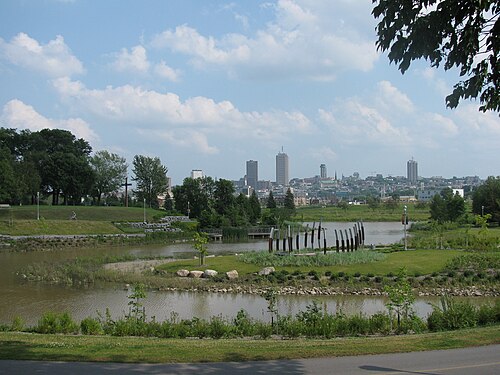
Lieu historique national Cartier-Brébeuf
Cartier-Brébeuf National Historic Site is a riverside historic place beside the Saint-Charles River in Québec City. It commemorates Jacques Cartier’s wintering at Stadacona in 1535–1536 and the later mission associated with Jean de Brébeuf and other missionaries.
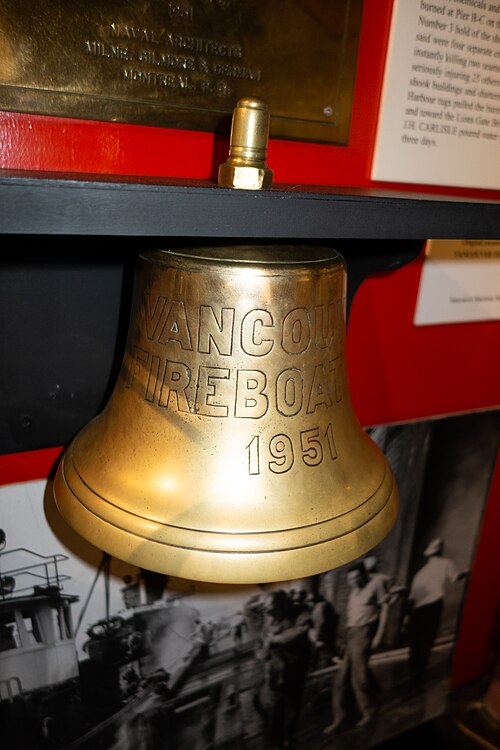
Vancouver Maritime Museum is a heritage museum in Vanier Park beside English Bay. Its subject is the maritime history of the Pacific Northwest and Arctic regions, bringing together stories of seafaring, exploration, shipping, naval activity, and northern waters.
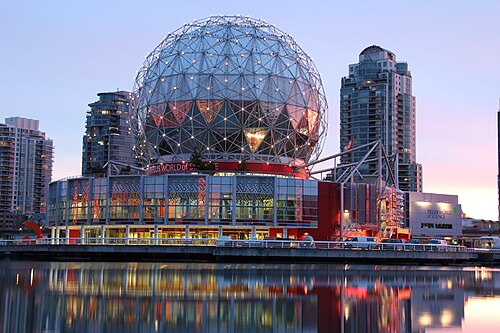
Science World is Vancouver’s hands-on science centre beneath a geodesic dome at the eastern end of False Creek.
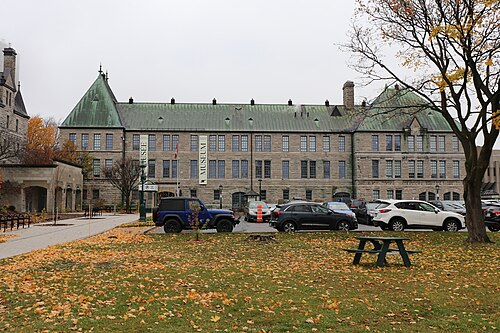
Musée des plaines d'Abraham
The Plains of Abraham Museum provides an indoor historical introduction to Québec City’s famous battlefield landscape. It explains the events and context that give the surrounding park its significance.
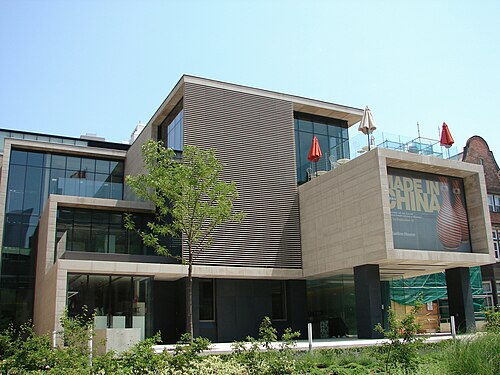
Gardiner Museum is Toronto’s specialist museum devoted to ceramics, where vessels and ceramic objects are the central subject rather than one category within a general collection.
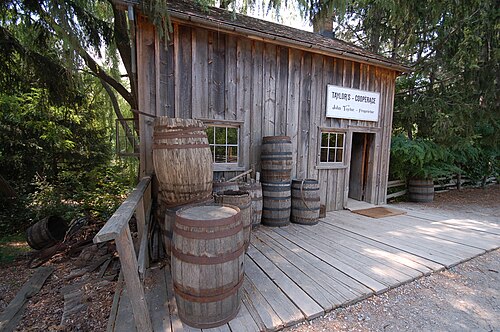
The Village at Black Creek
Black Creek Pioneer Village is an open-air heritage museum in Toronto that interprets 19th-century rural Ontario life. The site preserves and presents historical buildings, landscapes, and traditions from the Victorian era in what was formerly the Township of York.
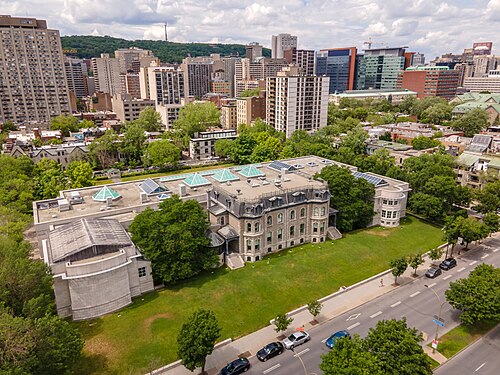
Centre Canadien d'Architecture
Canadian Centre for Architecture is an international architecture museum, research centre, and archive in Shaughnessy Village. Its value lies in the specific collection, landscape, architecture, or public setting represented by that record.
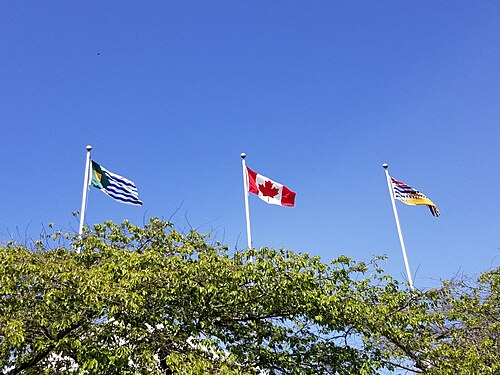
The Museum of Vancouver is a civic history museum dedicated to the social, cultural, and built development of Vancouver. It occupies a distinctive modernist building in Vanier Park, with views across False Creek toward downtown.
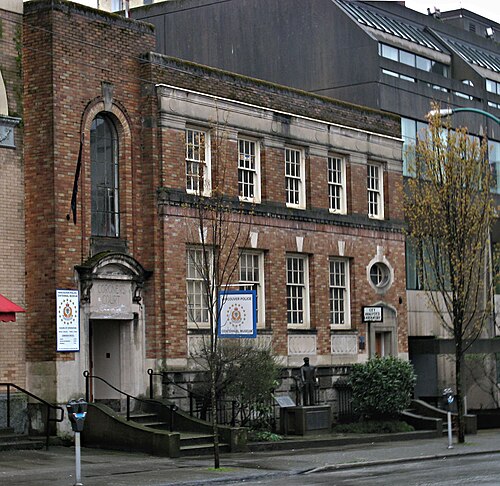
The Vancouver Police Museum occupies a heritage building that formerly served as the city's coroner's court and morgue. Operated independently of the Vancouver Police Department, it preserves and presents materials related to law enforcement history in Vancouver.
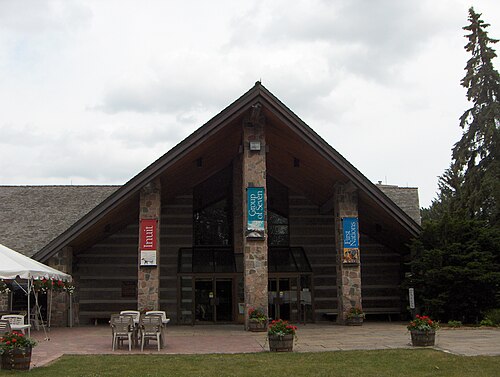
McMichael Canadian Art Collection is an art museum in Kleinburg, Ontario, northwest of Toronto. Its galleries focus on Canadian art, especially the landscapes associated with the Group of Seven, while also presenting Indigenous Canadian art.
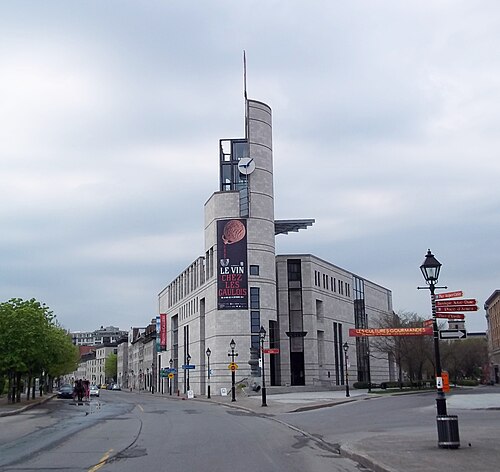
Pointe-à-Callière
Pointe-à-Callière is an archaeology and history museum located at the site recognized as Montreal's birthplace. The institution occupies a historically significant location where the city was founded, incorporating actual archaeological excavations into its presentation.
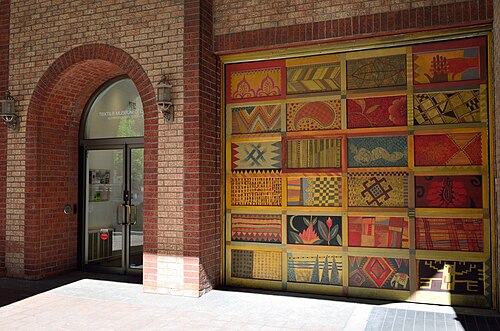
Textile Museum Of Canada
The Textile Museum of Canada is a specialist museum in downtown Toronto devoted to textile arts and material culture from around the world.
Ten to sixteen days is realistic for one Canadian region, not for crossing the country. An eastern cities route, a Rockies journey and a Pacific itinerary each work better as their own trip.
Immigration, Refugees and Citizenship Canada lists visitor visa and electronic travel authorisation rules. The required document depends on passport, travel method and status, so complete the official eligibility check for the actual journey.
Toronto, Vancouver and Montréal are the principal air gateways. VIA Rail is most useful in the Québec City–Windsor corridor and on selected long-distance services; outside major centres, a car or domestic flight may be necessary.
May to September suits many city and national-park itineraries, but northern access and mountain conditions have shorter operating seasons. Winter is a separate travel plan with different road, daylight and activity constraints.
Prices are in Canadian dollars (CAD). Payment fees and acceptance are Not recorded at national level here, so verify rental deposits, remote-area fuel payment and card conversion terms directly with each provider.
Call 911 for an emergency in Canada. Electrical supply is 120 V through Type A and B sockets; the source set does not record one nationwide tap-water statement, so local guidance applies.