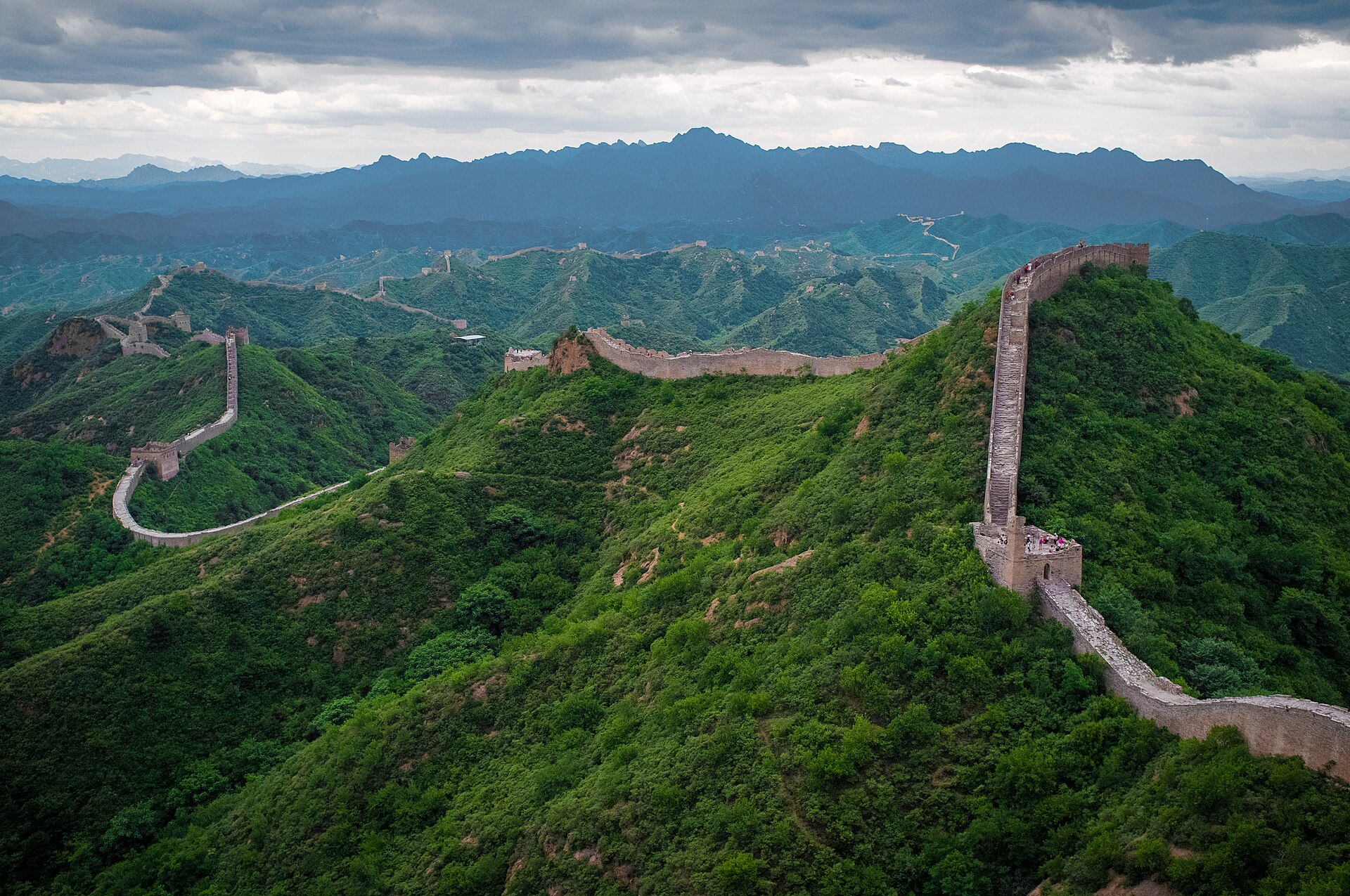
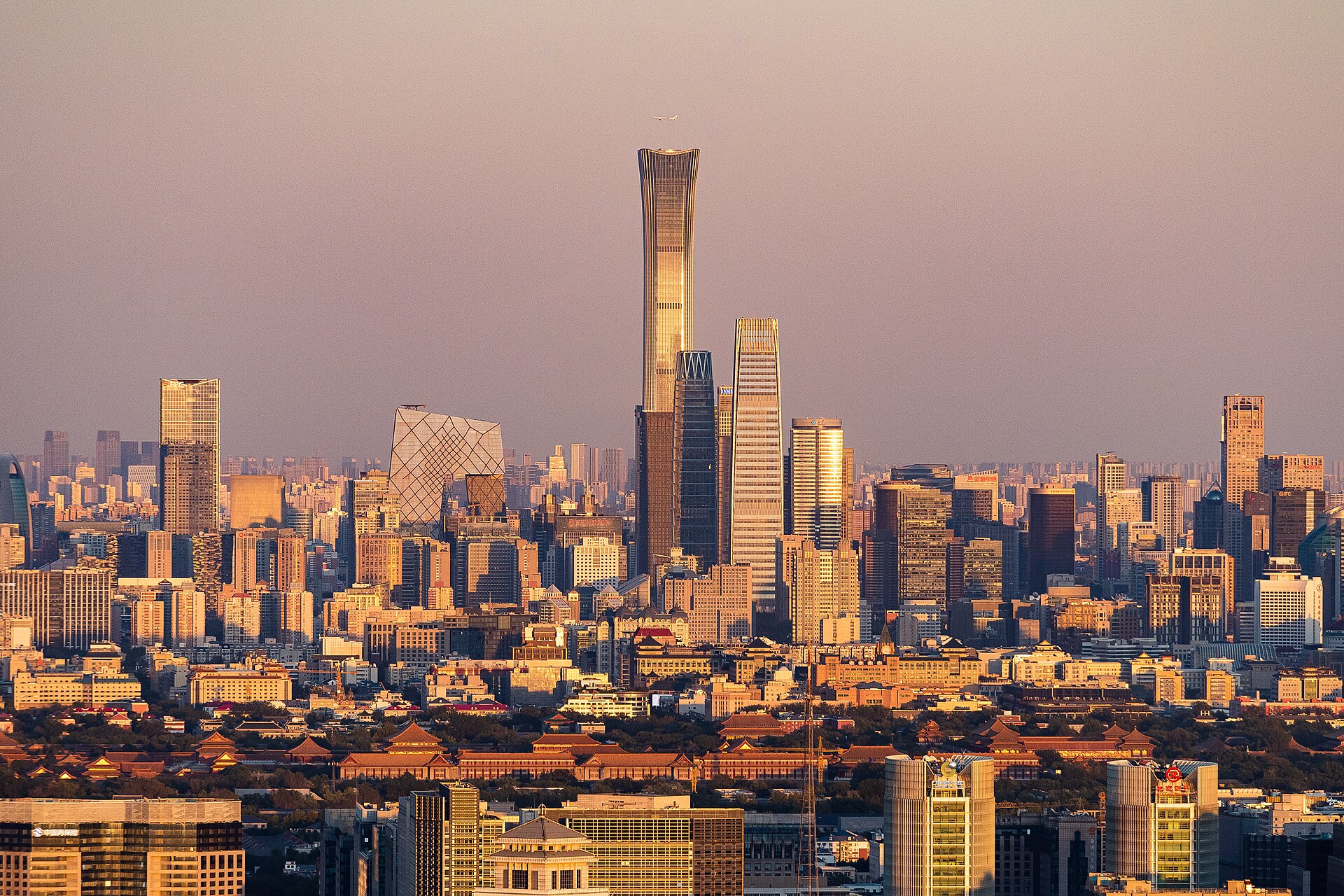
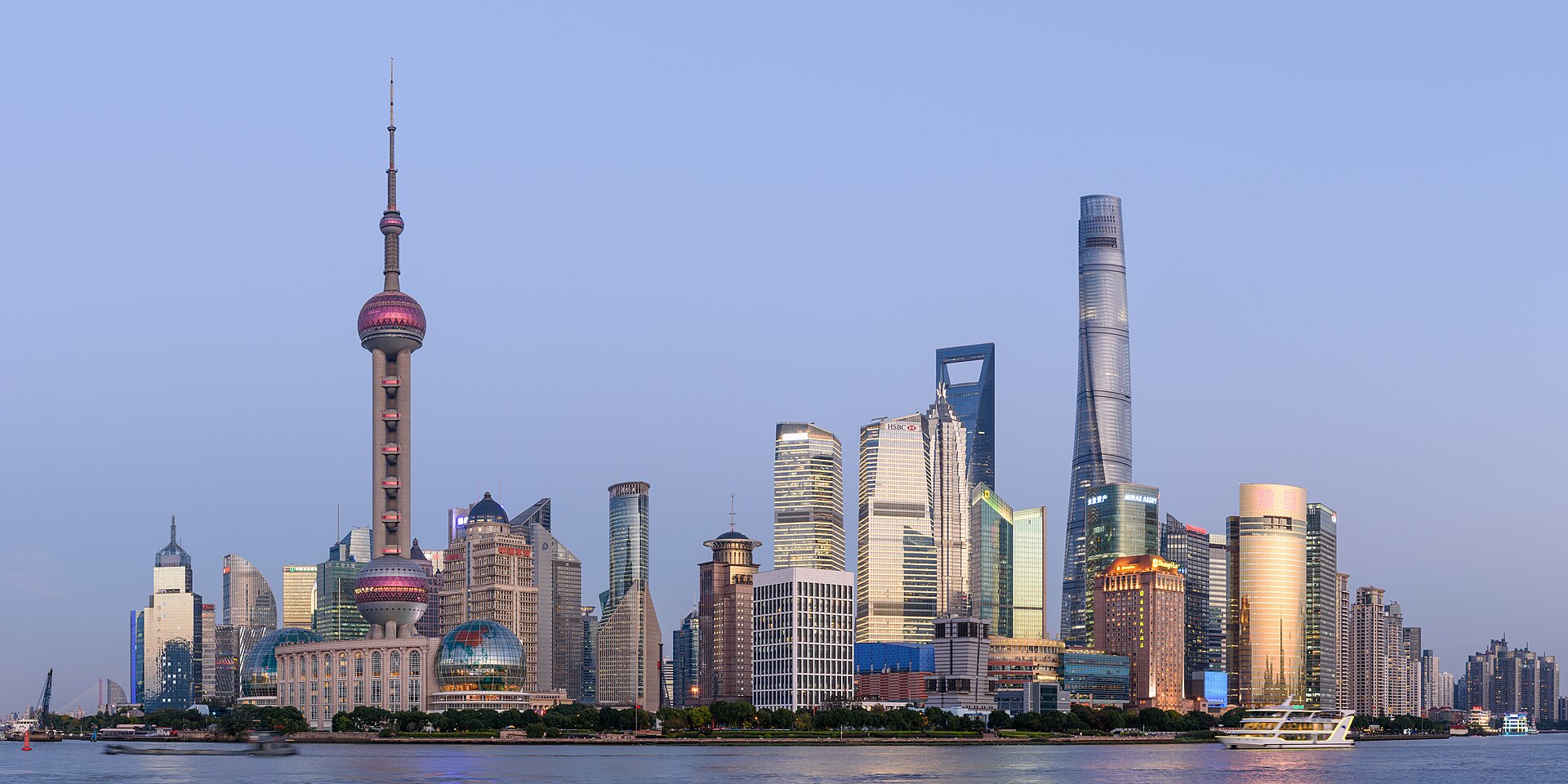
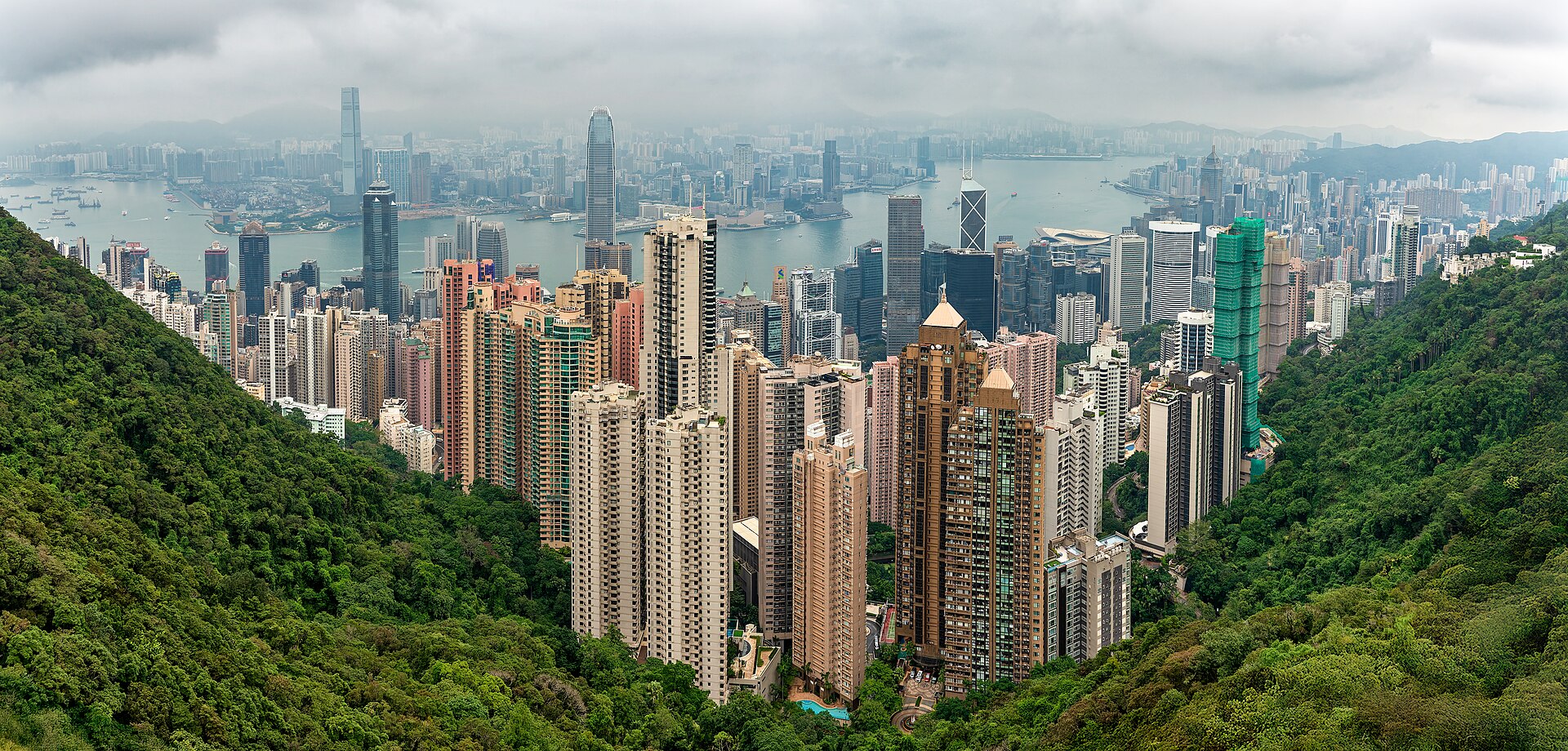
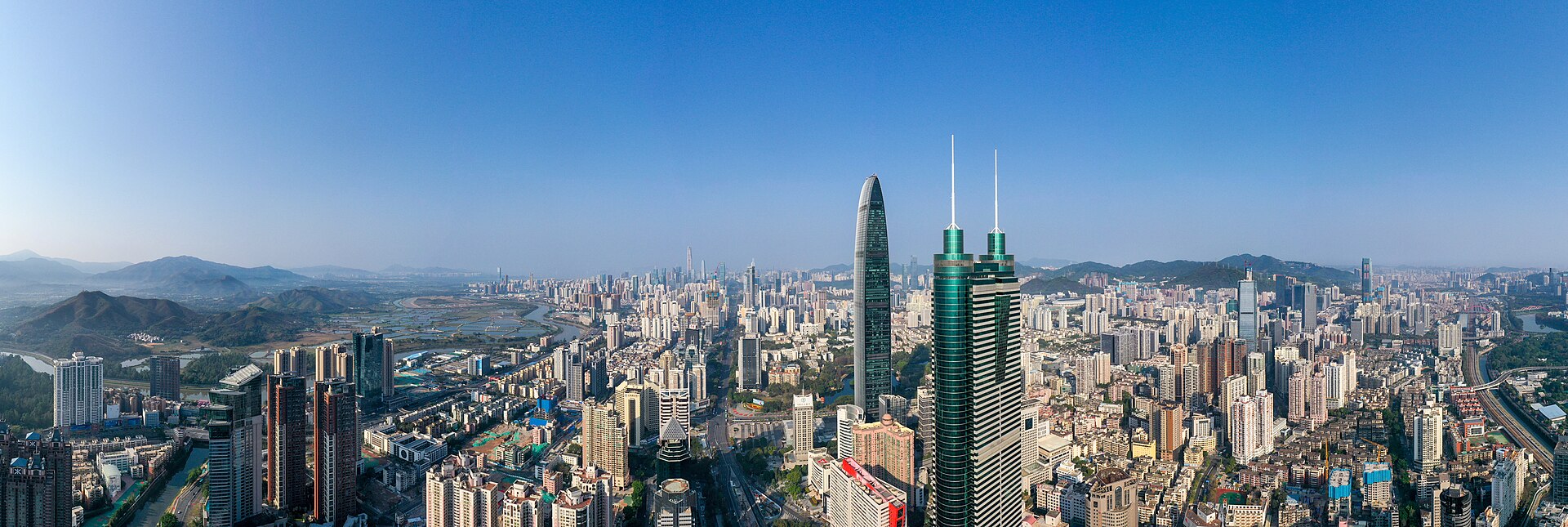
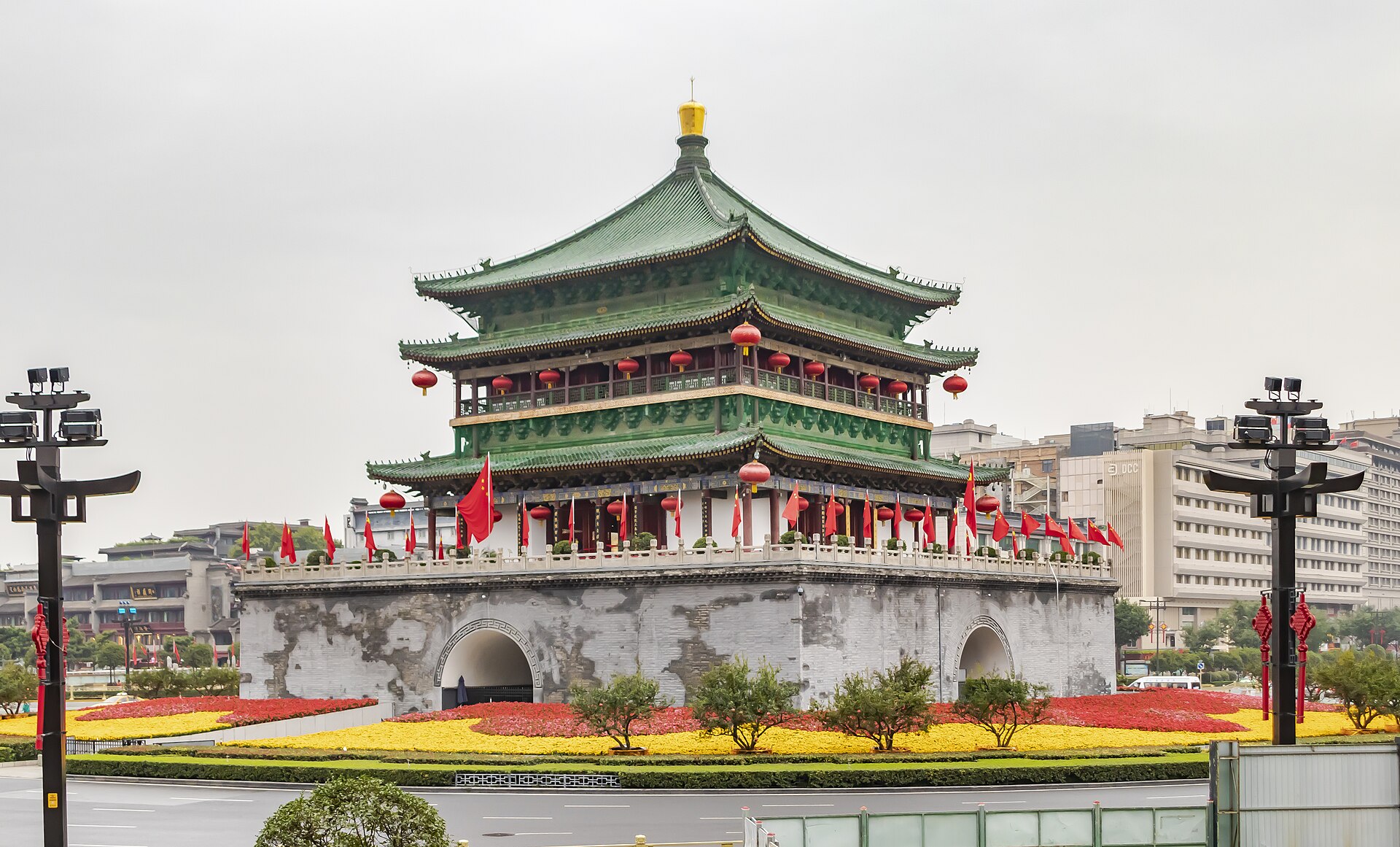
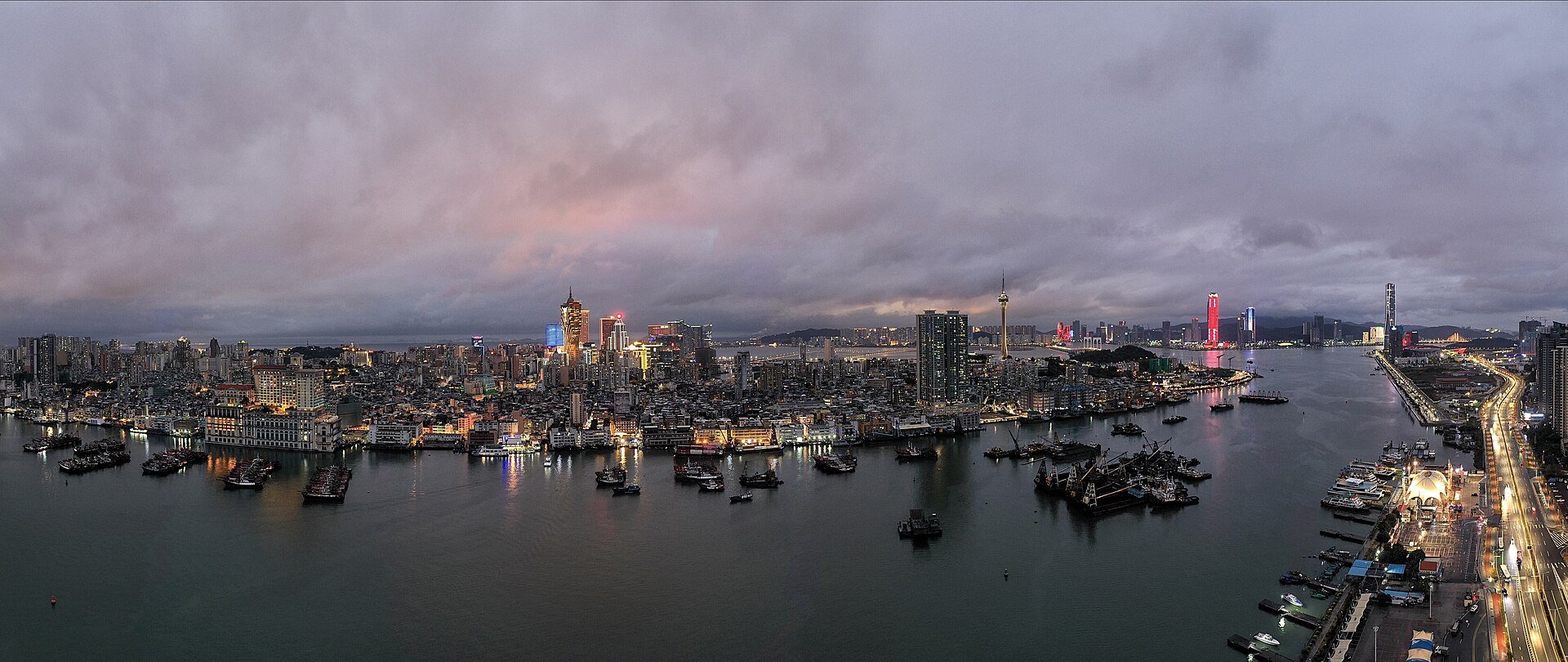
A photograph of China

Country guide

Theme: History in China — page 4

China covers 9.6 million km², third largest of any country, and holds more than 1.4 billion people — about 17 per cent of everyone alive. It is divided into 33...

Photograph · Severin.stalder · CC BY-SA 3.0

39,939 Places
6Cities

Reviewed by Elena Voss · Roavina Travel Editor

China covers 9.6 million km², third largest of any country, and holds more than 1.4 billion people — about 17 per cent of everyone alive. It is divided into 33 province-level divisions, two of them special administrative regions.

Beijing is the capital; Shanghai is the most populous city by urban area. Between them the land runs from the Central Plain and the Yangtze and Yellow rivers out to desert, plateau, subtropical and temperate forest, and the Himalayas in the southwest. The first decision a visitor makes here is therefore not which sight to see but which climate to travel in.

Checked 2026-08-25

Cities

Every city catalogued in this country so far, ranked by how much there is to see.

Practical information

Language spoken
Standard Chinese; regional languages are widely used
National practical orientation; regional and minority languages may also be used
Dialling code
+86 mainland · +852 Hong Kong · +853 Macao
International calling code; local area and mobile prefixes still apply
Currency
Renminbi (CNY); HKD and MOP in the SARs
Use the official local currency; card acceptance varies by place
Emergency number
110 police · 120 medical on the mainland
Use only for an emergency; tourist assistance may use a separate number
Plug type
Type A, C and I · 220 V
Check that chargers support the recorded voltage before using an adapter
Tap water
Not recorded
No single verified statement covers mainland China and both SARs

Top things to see

Ranked by importance — sitelinks, pageviews and heritage status, not editor preference.

  1. Wangfujing Street Wangfujing Street
    76 45 min

    Wangfujing Street

    王府井大街

    Wangfujing Street is Beijing's most famous central shopping street and a major pedestrian visitor district. Located in Dongcheng District near the Forbidden City, it stretches as a commercial thoroughfare that has served as a retail hub for over a century.

    • Notable
    • Historic site
    • Beijing
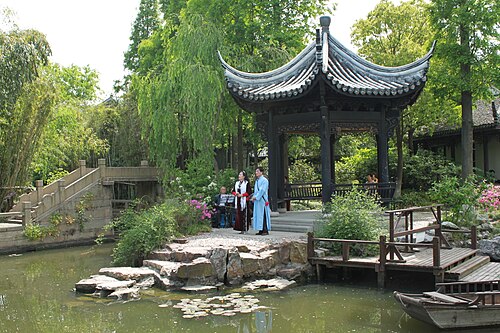
  2. Zhujiajiao Ancient Town Zhujiajiao Ancient Town
    77 45 min

    Zhujiajiao Ancient Town

    朱家角古镇旅游区

    Zhujiajiao Ancient Town is a historic water town located in the Qingpu District of Shanghai municipality. The settlement dates to the Yuan dynasty period and developed as a trading hub along the Dianshan Lake watershed.

    • Notable
    • Historic site
    • Shanghai
  3. Ohel Leah Synagogue
    78 30 min

    Ohel Leah Synagogue

    猶太教莉亞堂 Ohel Leah Synagogue

    • Must see
    • Place of worship
    • Hong Kong
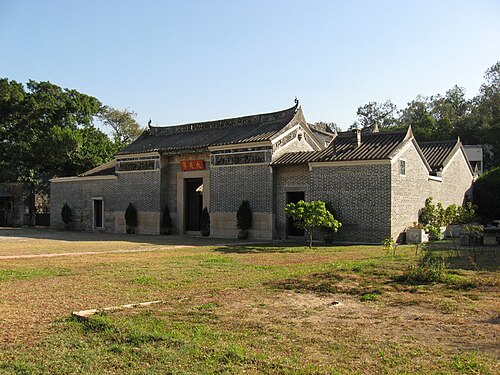
  4. Tai Fu Tai Mansion Tai Fu Tai Mansion
    79 45 min

    Tai Fu Tai Mansion

    大夫第 Tai Fu Tai

    • Must see
    • Historic site
    • Hong Kong
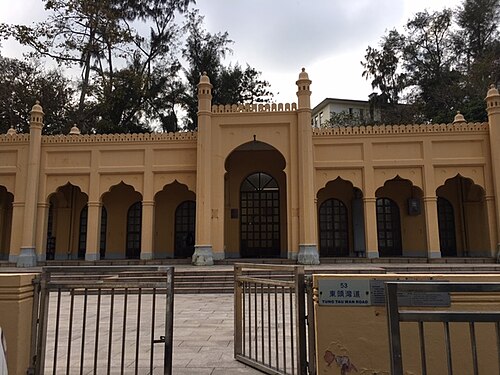
  5. Stanley Mosque Stanley Mosque
    80 30 min

    Stanley Mosque

    赤柱清真寺 Stanley Mosque

    • Must see
    • Place of worship
    • Hong Kong
  6. Au Pui Wan
    81 45 min

    Au Pui Wan

    坳背灣 Au Pui Wan

    • Must see
    • Historic site
    • Hong Kong
  7. Nanjing Museum
    82 1 hr 30 min

    Nanjing Museum

    南京博物院

    The Nanjing Museum is a provincial public museum in Nanjing, Jiangsu, owned by the Jiangsu Provincial People's Government and operated by the Jiangsu Provincial Department of Culture and Tourism.

    • Must see
    • Museum
    • Shanghai
  8. Suzhou Museum
    83 1 hr 30 min

    Suzhou Museum

    苏州博物馆

    The Suzhou Museum is a museum of ancient Chinese art, painting, calligraphy and handmade crafts in Suzhou, Jiangsu, and one of the most visited museums in the world, with more than 2 million visitors in 2018.

    • High
    • Museum
    • Shanghai
  9. Ching Chung Koon
    84 30 min

    Ching Chung Koon

    青松觀 Ching Chung Koon

    • High
    • Place of worship
    • Hong Kong
  10. Suzhou Silk Museum
    86 1 hr 30 min

    Suzhou Silk Museum

    苏州丝绸博物馆

    The Suzhou Silk Museum is a museum in Suzhou, established in 1991, that documents the history of silk production and Suzhou embroidery from around 2000 BC.

    • High
    • Museum
    • Shanghai
  11. Jiaye Library
    87 1 hr 30 min

    Jiaye Library

    The Jiaye Library (Jiayetang) stands west of Wangu Bridge beside the Zhegu Creek in Nanxun town, Nanxun District, Huzhou, Zhejiang, directly west of the Lesser Lotus Manor.

    • High
    • Museum
    • Shanghai

Source: OpenStreetMap contributors, Wikidata ·

Common questions

How long should a first trip to China be?

Twelve to eighteen days can link Beijing, Xi'an, and Shanghai by high-speed rail, with Shenzhen as a southern extension. Hong Kong and Macao need separate border planning and should not be treated as ordinary domestic stops on the same timetable.

What entry documents are needed for China?

Entry rules differ between mainland China, Hong Kong, and Macao, even within one journey. Check the official immigration authority for every border segment and match the permission to the passport, purpose, and exact itinerary.

What is the best way to travel around China?

High-speed rail and domestic flights cover mainland distances, while metros handle most urban journeys. Hong Kong uses Octopus and separate border controls, and Macao has its own formalities, so prepare payment and identity requirements for each jurisdiction.

When is a practical time to visit China?

April to May and September to October are only broad mainland planning windows. Beijing, Shanghai, the south, Hong Kong, and Macao have different heat, rain, and holiday pressures; the least flexible regional leg should set the dates.

What money and payment basics apply in China?

Mainland China uses renminbi (CNY), while Hong Kong and Macao use HKD and MOP. Payment systems and card acceptance differ across those jurisdictions, so prepare the appropriate local method before crossing each border.

What practical safety details should I save for China?

On the mainland, save 110 for police and 120 for medical help; Hong Kong and Macao use separate emergency systems. Mainland electricity is recorded as 220 V with Type A, C, and I sockets, while tap-water guidance is not recorded.