Clementinum
Klementinum
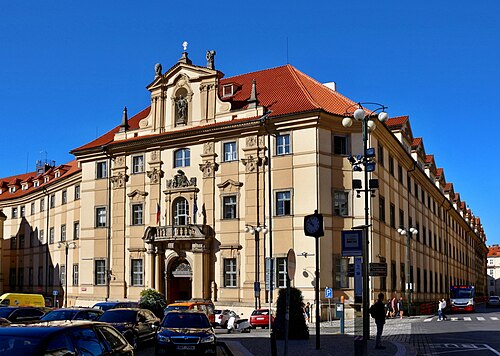
The Clementinum is a historic complex in Prague's Old Town, one of the largest building complexes in Europe. It originated as a Jesuit college founded in 1556 and later merged with Charles University.
- Must see
- Historic site
City guide · Czechia
Prague is Czechia's capital, built on both banks of the Vltava. Its historic visitor core links Old Town and New Town on the east bank with Malá Strana and Prag...
Photograph · Deror_avi · CC BY-SA 4.0
Set your days, your pace and the hours you actually want to be out. The planner works around closing days and travel time, and leaves room to eat.
Editorial responsibility: Elena Voss · Roavina Travel Editor
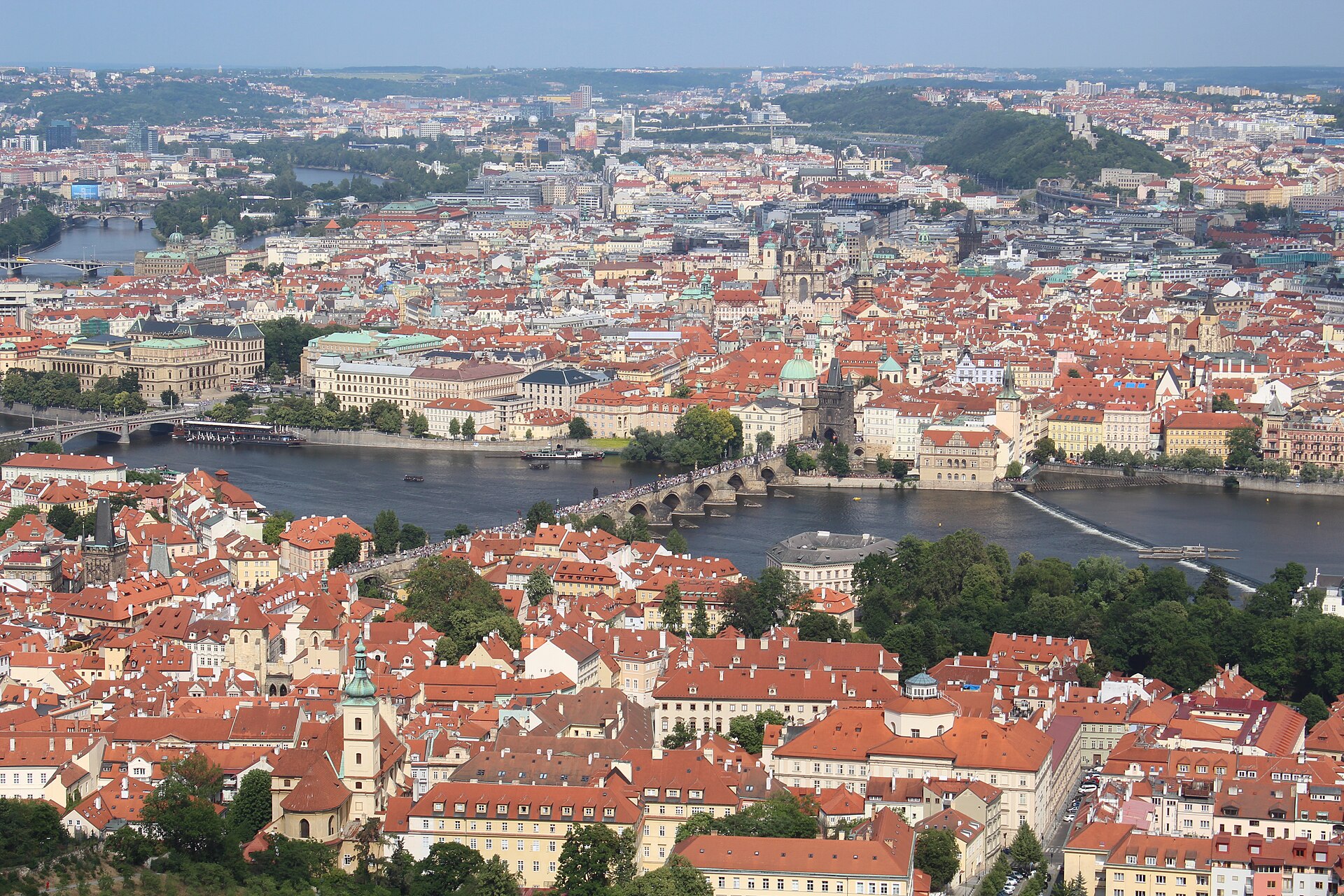
Prague is Czechia's capital, built on both banks of the Vltava. Its historic visitor core links Old Town and New Town on the east bank with Malá Strana and Prague Castle on the west through a sequence of squares, bridges and steep streets. The preserved centre carries medieval, Renaissance, Baroque and later architecture in close succession, while districts such as Holešovice, Karlín and Žižkov reveal the industrial and residential city beyond the postcard core. Most first visits combine walking in the centre with public transport to outer districts.
Checked 2026-08-26
November · November averages 7.2°C by day and 2.1°C at night in Prague, making cold the material trade-off.
Ranked by importance — sitelinks, pageviews and heritage status, not editor preference.
114 places match
Category
Typical visit duration
Good for
Interests
Klementinum
The Clementinum is a historic complex in Prague's Old Town, one of the largest building complexes in Europe. It originated as a Jesuit college founded in 1556 and later merged with Charles University.
Lennonova zeď
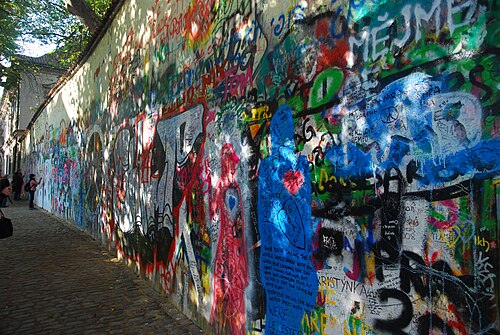
The Lennon Wall is a continuously evolving graffiti-covered wall in Prague's Malá Strana district.
Kampa
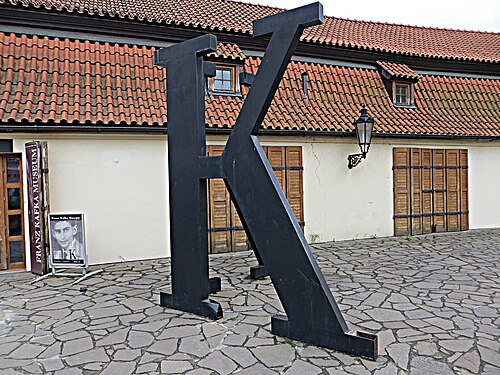
Kafka Museum
The Franz Kafka Museum explores the life and writing of Franz Kafka, the Prague-born author whose work is closely tied to the city.
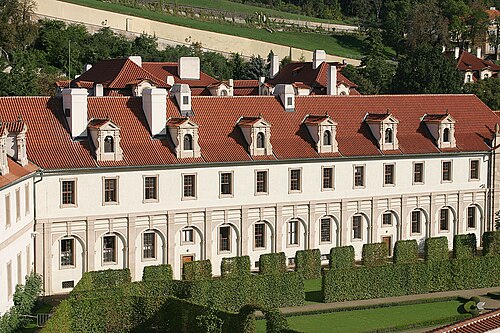
Valdštejnský palác
Wallenstein Palace is a Baroque palace complex in Prague's Malá Strana district. Built in the 1620s for Albrecht von Wallenstein, it served as his Prague residence.
Pražské Jezulátko
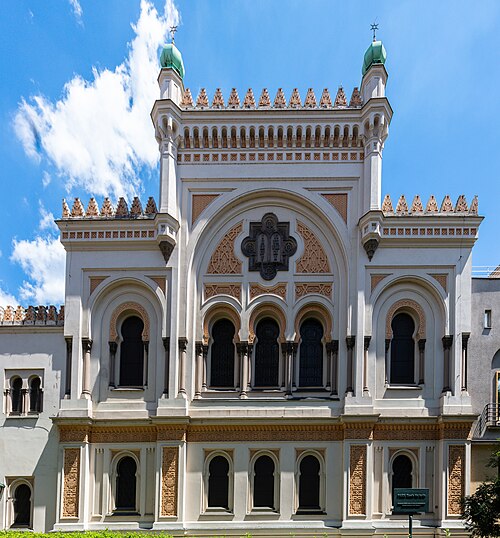
Španělská synagoga
The Spanish Synagogue is a historic synagogue in Prague, Czech Republic. It stands in the Jewish Quarter, known as Josefov, and forms part of the city's significant Jewish heritage sites.
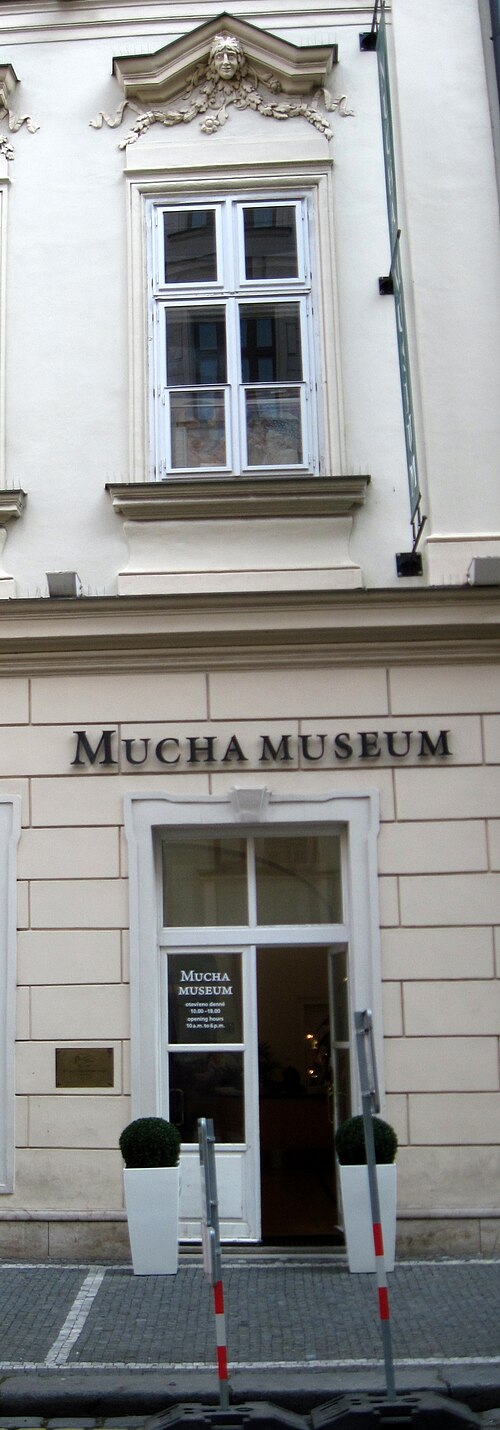
Mucha museum
The Mucha Museum is devoted to Alphonse Mucha, the Czech painter and decorative artist associated with Prague’s Art Nouveau style. In the city centre, it introduces the artist through his theatrical posters, decorative designs and personal world.
Charles Square (Karlovo náměstí) is a city square in Prague's New Town. At roughly 80,550 m² it is one of the largest squares in the world and was the largest town square of medieval Europe.
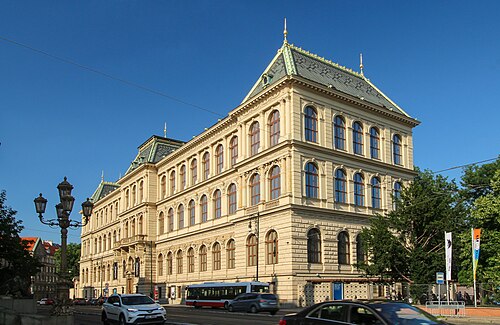
Uměleckoprůmyslové muzeum v Praze
The Museum of Decorative Arts in Prague is devoted to decorative and applied arts. It considers designed and made objects through materials, craftsmanship, practical use and visual form.
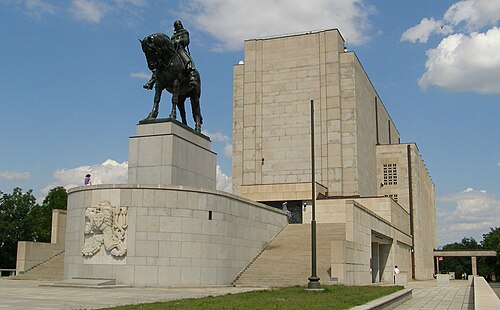
Národní památník na Vítkově
The National Monument in Vitkov is a monumental memorial complex located on Vitkov Hill in Prague. It was constructed to commemorate the founding of Czechoslovakia and honors the legionnaires who fought for independence.
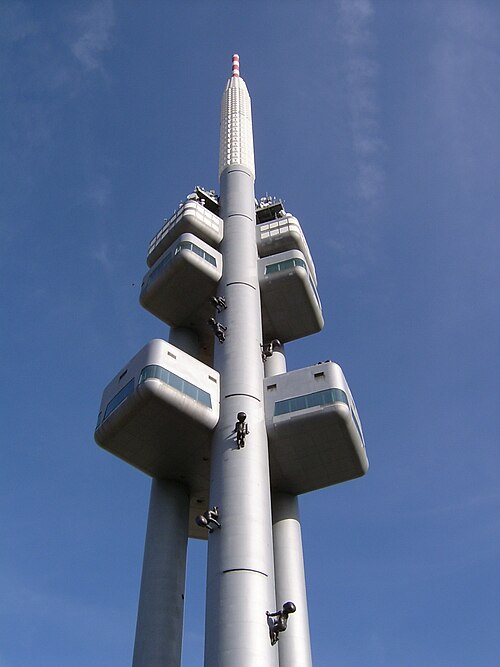
Žižkovský vysílač
The Žižkov Television Tower is a distinctive telecommunications and observation tower located in the Žižkov district of Prague. Known locally as Žižkovský vysílač, this structure serves as both a functional broadcasting facility and a major city viewpoint.
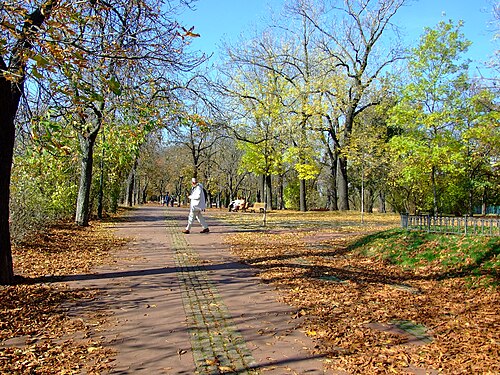
Letenské sady
Letná Park is a prominent hillside public park in Prague, Czech Republic, occupying elevated terrain above the Vltava River north of the city centre. The local name is Letenské sady.
svatý Cyril a Metoděj
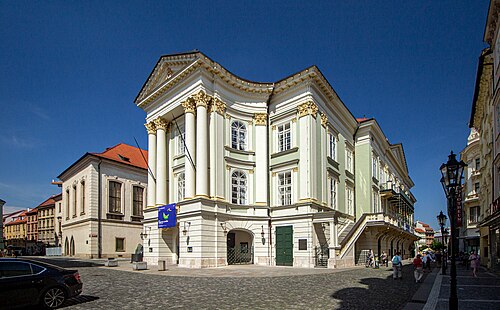
Stavovské divadlo
The Estates Theatre, known locally as Stavovské divadlo, is a historic theatre in Prague.
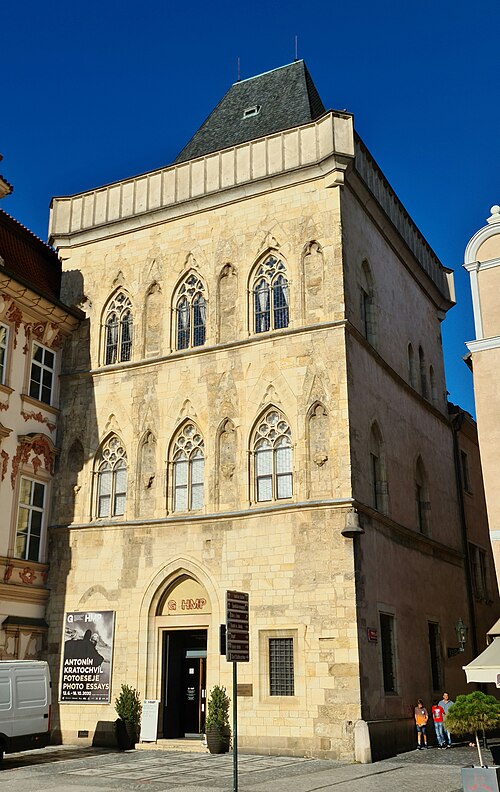
U Kamenného zvonu
The Stone Bell House, known locally as U Kamenného zvonu, stands in Prague's Old Town Square near the Astronomical Clock. This Gothic structure dates to the 14th century and carries distinctive architectural character.
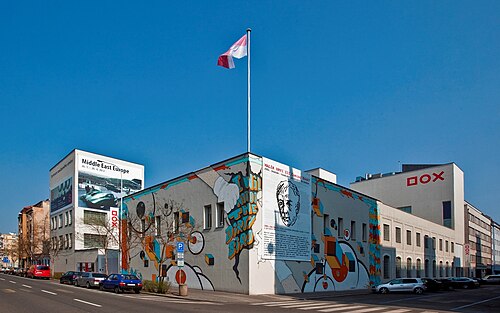
DOX
DOX is a centre for contemporary art located in Prague, Czech Republic. It operates as a private institution focused on presenting modern visual culture across multiple disciplines.
Jubilejní synagoga
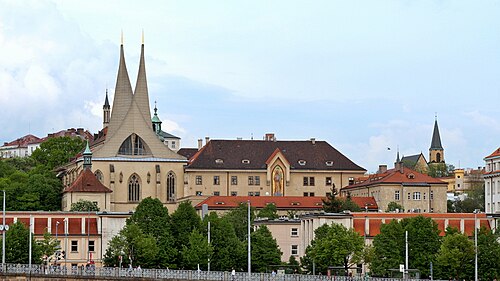
Emauzský klášter
Emmaus Monastery, known locally as Emauzský klášter, is a historic monastic complex in Prague. Founded in the 14th century, it holds significance as one of the notable religious establishments in the Czech capital.
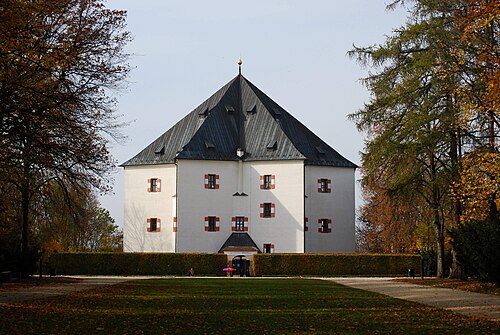
Letohrádek Hvězda is a Renaissance summer palace located in Prague's Bílá Hora district, within the larger Obora Hvězda game reserve.
Výstaviště Praha
Nový židovský hřbitov
svatá Ludmila
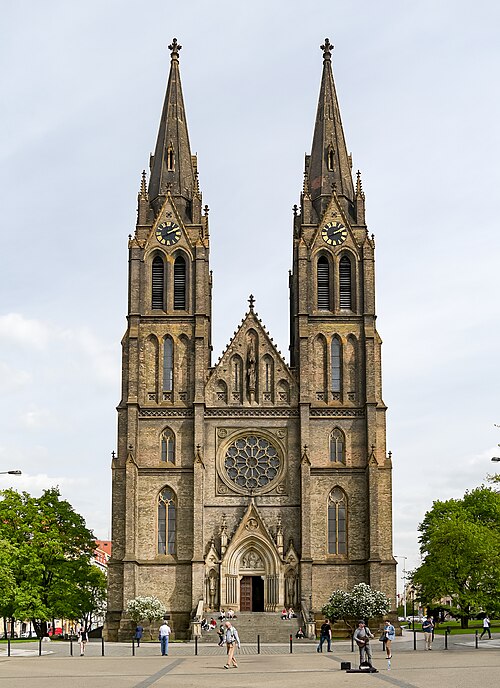
The Basilica of St Ludmila is a working Roman Catholic parish church on Náměstí Míru in Prague's Vinohrady district.
Národní technické muzeum
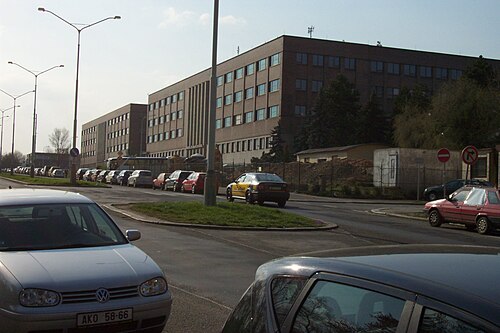
The National Technical Museum building is a major museum institution in Prague, Czech Republic. Its local name is Národní technické muzeum.
Botanická zahrada Praha
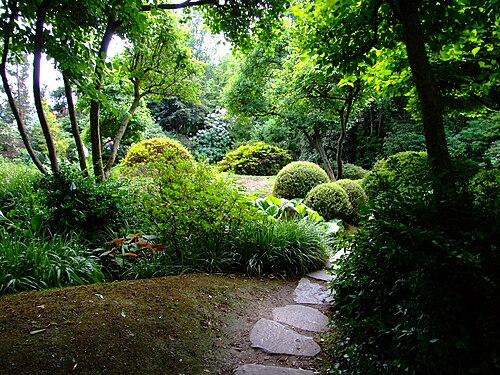
Prague Botanical Garden occupies a hillside in Troja and is more than one greenhouse. The operator groups outdoor collections, the Japanese Garden, St. Claire's Vineyard and the Fata Morgana tropical greenhouse within the wider visit.
The Vltava and the ridge below Prague Castle organise the centre. Old Town Square, the Jewish Quarter and Wenceslas Square sit east of the river; Charles Bridge crosses to Malá Strana, where streets climb toward the castle. New Town wraps around the medieval core rather than forming a separate modern centre. Beyond it, Holešovice lies north, Karlín northeast and Žižkov east of the central station. These outer districts are best treated as individual routes, while Old Town, Charles Bridge and Malá Strana can be joined on foot if steep sections are manageable.
Checked 2026-08-26
Walk through the historic centre and use Prague Integrated Transport for longer or steeper journeys. Metro, trams, buses, trains and ferries operate within the integrated system; the three colour-coded metro lines form its backbone and trams are especially useful across the central districts. Ticket validity is time-based and transfers are allowed within the ticket period. Paper tickets that require validation must be stamped once at the start, not again during transfers. Consult PID or Prague City Tourism for current fares, disruptions and accessibility details.
Checked 2026-08-26
Suggested stay for a first visit: 3–4 days. Divide the visit between Old Town and New Town, the west-bank castle and Malá Strana, then an outer district such as Holešovice, Karlín or Žižkov.
Prague Castle and Malá Strana are on the west bank of the Vltava. Old Town, the Jewish Quarter, New Town and the main railway station are on the east side.
Use the metro for longer cross-city links and trams for many central and hillside routes. Walking remains the best way to connect sights inside the historic core.
Ticket validity is based on time rather than the number of transfers. A paper ticket that requires validation is stamped once at the beginning and not stamped again when changing services.
No. Old Town is comparatively level, but routes through Malá Strana toward Prague Castle climb. Use a tram when steep streets or mobility constraints make the full walk unsuitable.