Strøget
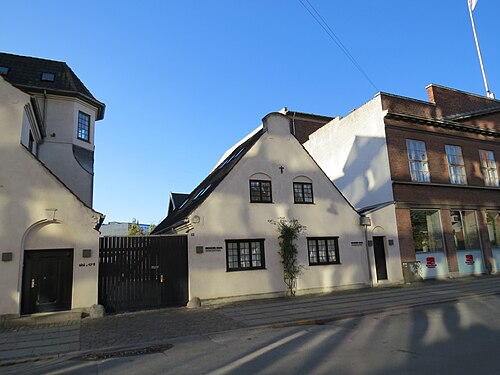
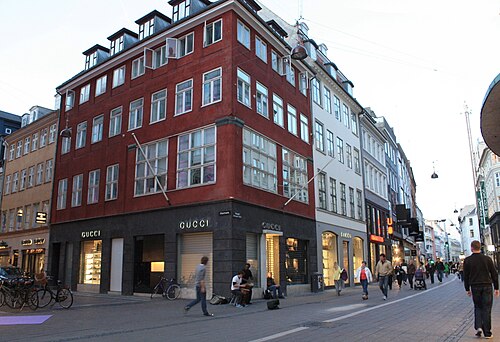
Strøget is Copenhagen’s principal pedestrian shopping route through the historic city centre. It links City Hall Square with Kongens Nytorv through a connected sequence of streets and squares.
- Must see
- Historic monument
City guide · Denmark
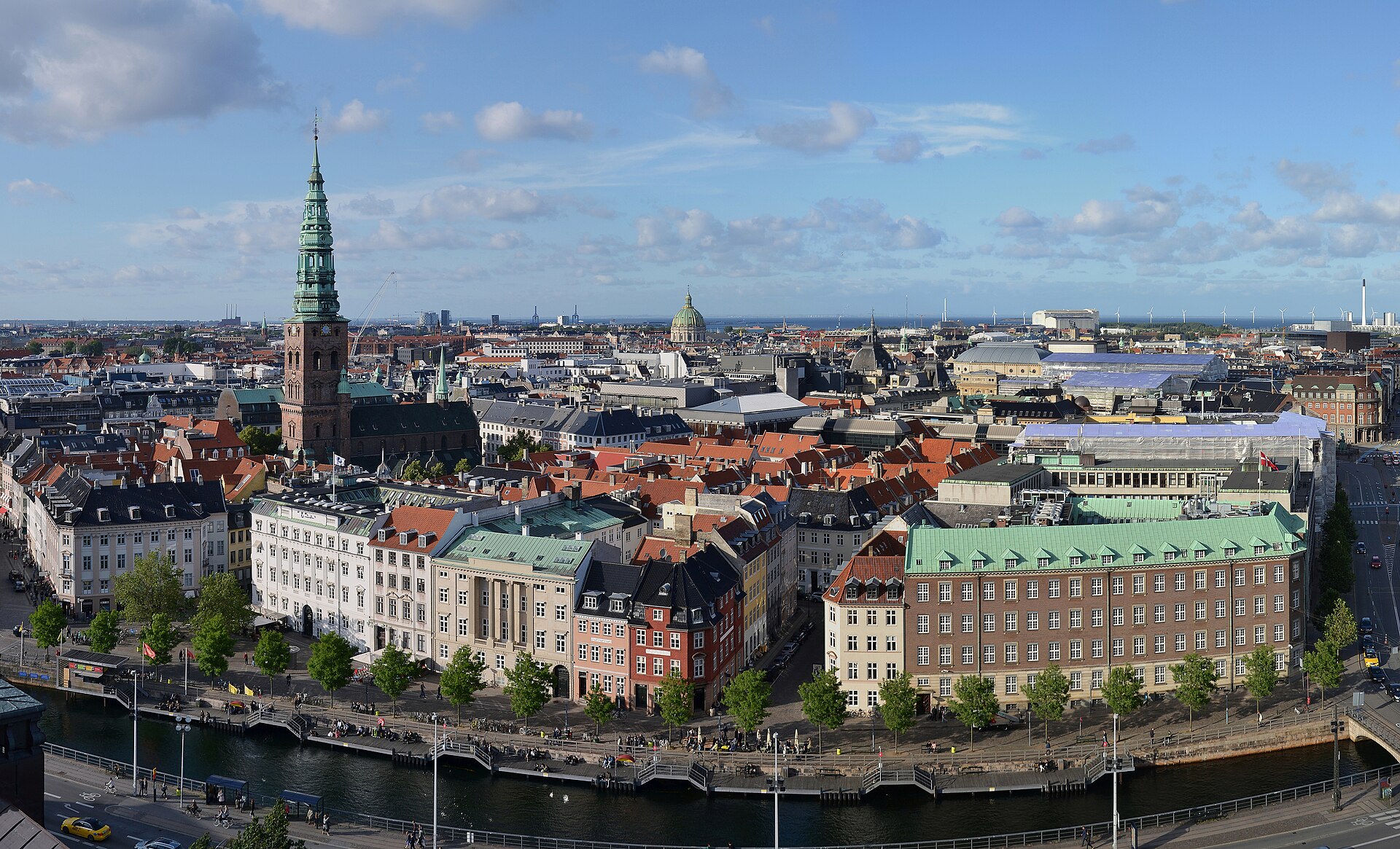
Copenhagen's compact centre sits around Indre By, with the harbour separating it from Christianshavn and Amager. Frederiksberg lies west as a separate municipal...
Photograph · Pudelek · CC BY-SA 4.0
Set your days, your pace and the hours you actually want to be out. The planner works around closing days and travel time, and leaves room to eat.
Reviewed by Elena Voss · Roavina Travel Editor
Copenhagen's compact centre sits around Indre By, with the harbour separating it from Christianshavn and Amager. Frederiksberg lies west as a separate municipality inside the urban fabric, while Norrebro and Osterbro extend north of the centre. Major visitor areas are connected by metro, trains, buses and cycle routes, and most central clusters remain practical to explore on foot.
Checked 2026-08-26
September · September remains mild in Copenhagen at a 17.0°C mean high, though about fourteen rain days require flexible plans.
Ranked by importance — sitelinks, pageviews and heritage status, not editor preference.
69 places match
Category
Typical visit duration
Interests
Strøget is Copenhagen’s principal pedestrian shopping route through the historic city centre. It links City Hall Square with Kongens Nytorv through a connected sequence of streets and squares.
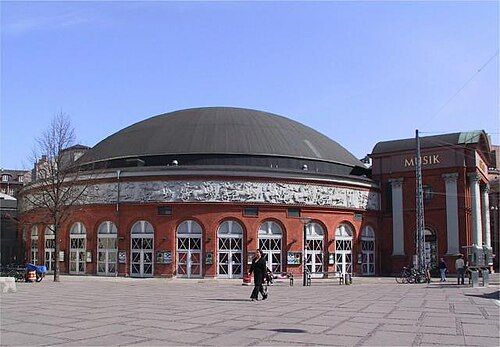
Cirkusbygningen
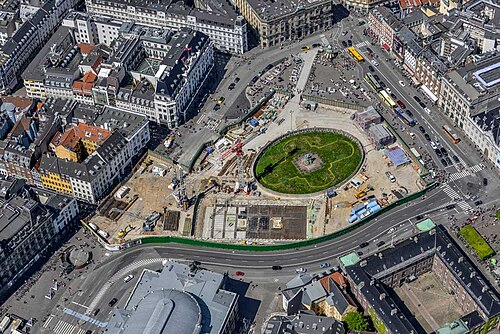
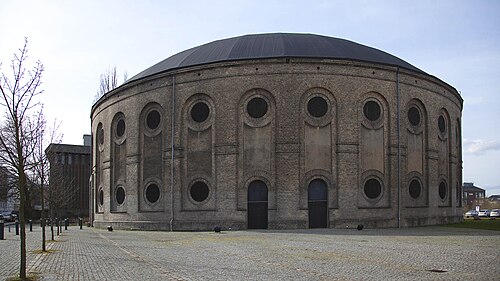
The Circus Building, or Cirkusbygningen, is a historic circular performance venue in central Copenhagen. Its domed profile and rounded plan recall the building’s original relationship with circus entertainment and equestrian shows.
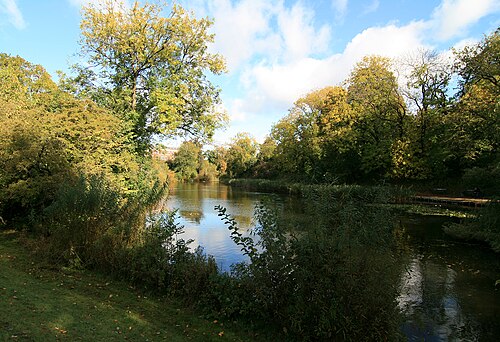
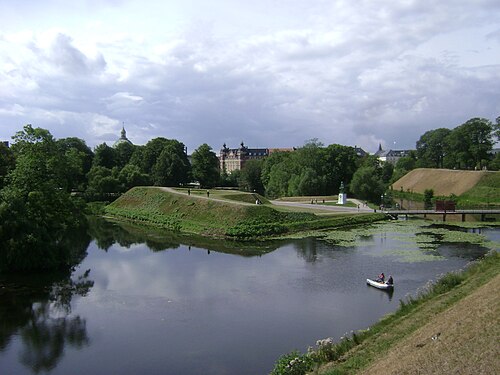
Østre Anlæg is a public park in Copenhagen developed on part of the city’s former fortification ring.
Vor Frue Kirke
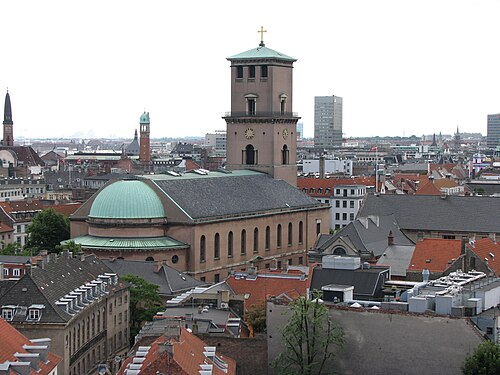
Vor Frue Kirke, known in English as the Church of Our Lady, stands as Copenhagen's cathedral and serves as the National Cathedral of Denmark.
Frihavnskirken
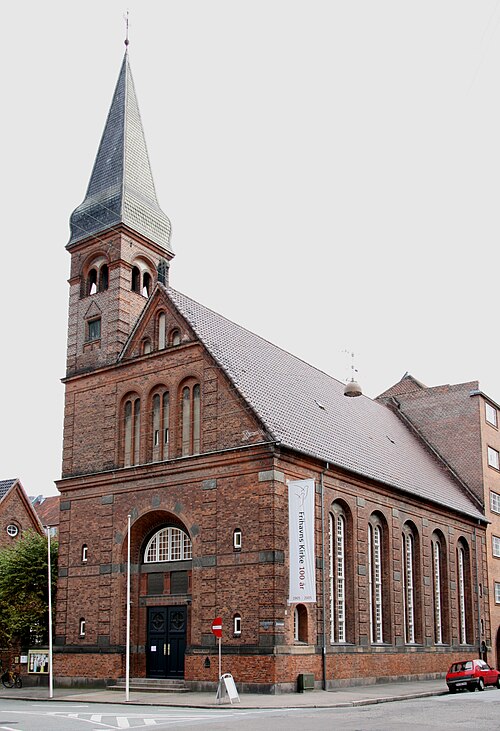
The Church of the Free Port, or Frihavnskirken, is a place of worship in Copenhagen’s Free Port district. Its setting reflects the area’s maritime and industrial past, when port activity supported new housing and community institutions.
Kongens Nytorv is Copenhagen’s largest public square and one of the city centre’s main meeting points. King Christian V’s equestrian statue stands at its centre, while the Royal Danish Theatre and Hotel D’Angleterre frame the surrounding streets.
Mogens Dahl Koncertsal
Mogens Dahl Concert Hall, also called Mogens Dahl Koncertsal, is a Copenhagen performance venue for classical and chamber music. Its role is centred on live listening in an intimate concert setting rather than on a collection or permanent exhibition.
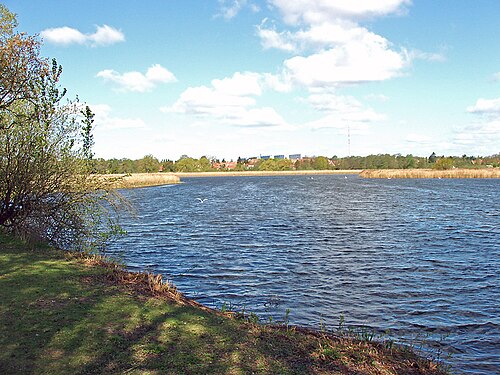
Utterslev Mose is a large wetland and nature area located in the northern part of Copenhagen, Denmark. It represents one of the significant green spaces within the urban environment of the Danish capital.
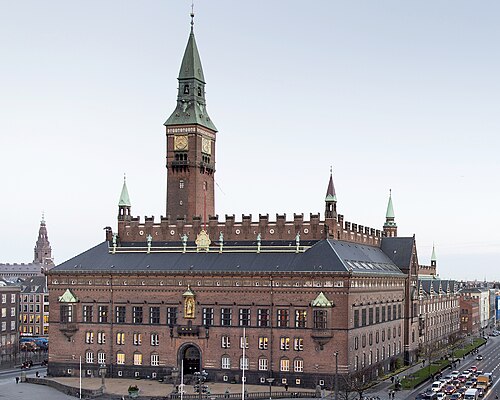
Københavns Rådhus
Copenhagen City Hall, or Københavns Rådhus, is the seat of Copenhagen’s municipal government on City Hall Square. Completed in 1905 and designed by Martin Nyrop, the building is a major example of National Romantic architecture with medieval Danish influences.
Sankt Petri Kirke
St. Peter’s Church, or Sankt Petri Kirke, is Copenhagen’s oldest surviving church building. It stands in the Latin Quarter near the University of Copenhagen and remains an active Lutheran parish church.
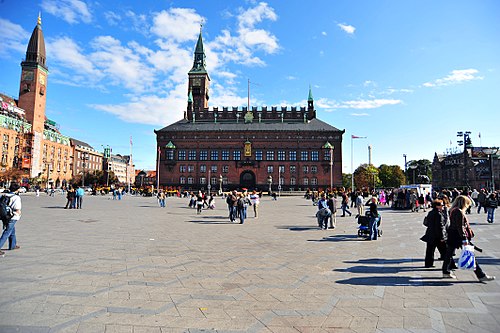
Rådhuspladsen
Rådhuspladsen, known in English as City Hall Square, is a major public square in central Copenhagen. It serves as a prominent gathering point and transportation hub in the Danish capital.
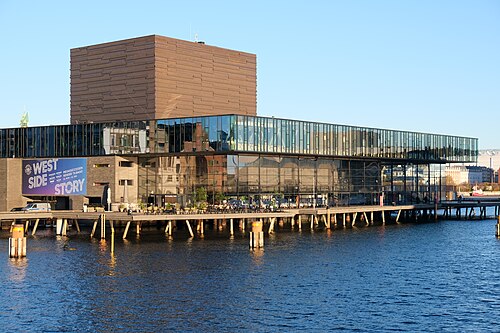
Skuespilhuset
The Royal Danish Playhouse, also known as Skuespilhuset, is the Royal Danish Theatre’s dramatic stage on Copenhagen’s central harbourfront.
Churchillparken is a public park in Copenhagen, Denmark, situated in the Østerbro district near Kastellet and the Little Mermaid statue. The park is named after Sir Winston Churchill, the former British Prime Minister.
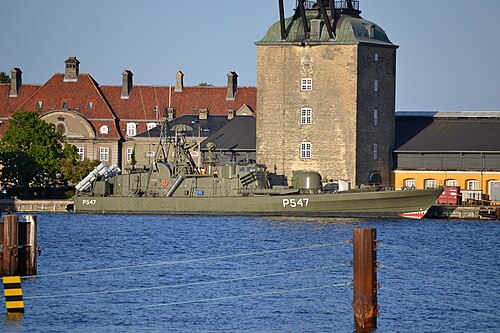
P547 Sehested
HDMS Sehested, also known locally as P547 Sehested, is a retired Royal Danish Navy vessel preserved as a museum ship in Copenhagen. The fast attack craft represents Cold War-era naval technology and Danish maritime defence history.
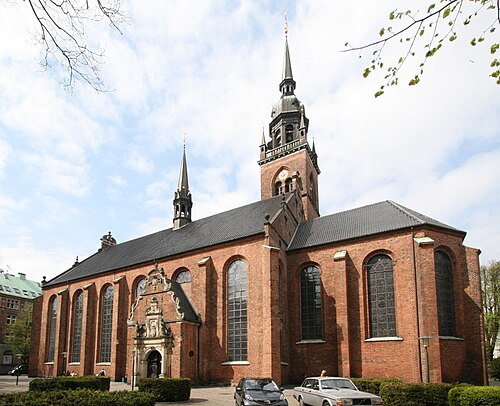
Helligåndskirken
The Church of the Holy Ghost, or Helligåndskirken, is a historic church in central Copenhagen. It is an active place of worship as well as an architectural landmark in the city’s historic core.
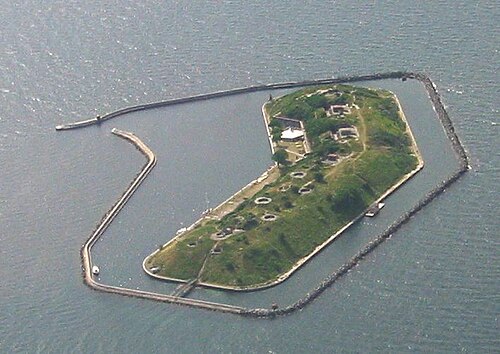
Flakfortet is an artificial island fort in the Øresund, reached across open water from Copenhagen rather than from a city street. Its identity comes from the combination of a coastal-defence installation, surviving military structures and an exposed maritime setting.
Østre Gasværk Teater
Øster Gasværk Teater is a working theatre in Copenhagen’s Østerbro district, housed in a converted gasworks building. The venue combines industrial heritage with contemporary performing arts, making the building itself part of the experience before the curtain rises.
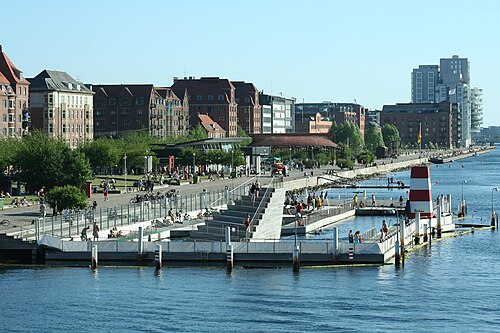
Havneparken is a public waterfront park in Copenhagen, set beside the city’s harbour. The park belongs to the everyday recreational landscape of the capital, offering open space and a place to pause beside the water.
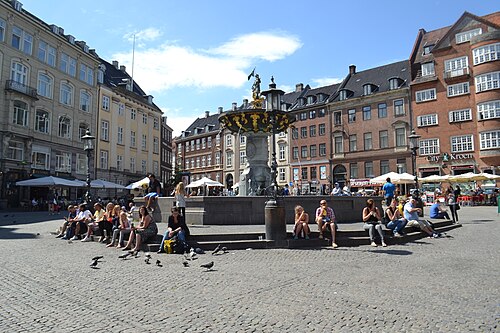
Gammeltorv is Copenhagen’s oldest square and one of the central public spaces in the Indre By district. The name means Old Market, recalling the square’s medieval role as a marketplace and gathering place.
Mosaisk Vestre Begravelsesplads
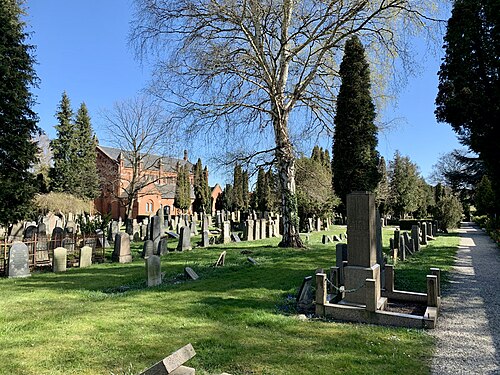
Jewish Western Cemetery, also known locally as Mosaisk Vestre Begravelsesplads, is a historic Jewish burial ground in western Copenhagen. The cemetery serves the Jewish community and also reflects the long presence of Jewish life in Denmark.
Mindelunden
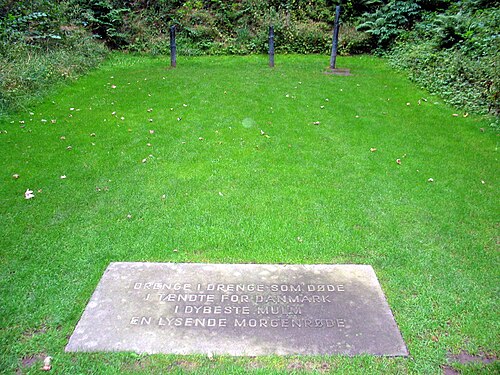
Ryvangen Memorial Park, also called Mindelunden, is a Copenhagen memorial site dedicated to Danish resistance fighters executed during the German occupation in the Second World War.
Nørrebro Teater
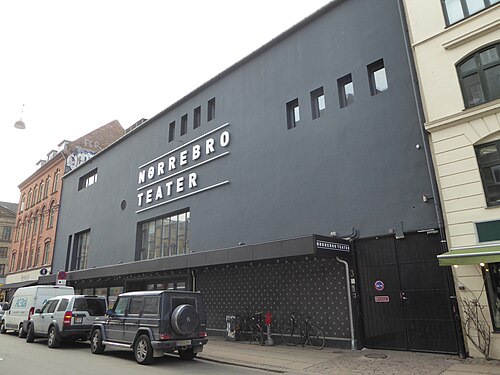
Nørrebros Theater, also known locally as Nørrebro Teater, is a professional theatre in Copenhagen’s Nørrebro district. It belongs to the city’s performing-arts landscape and offers audiences the chance to experience theatre within one of Copenhagen’s lively urban neighbourhoods.
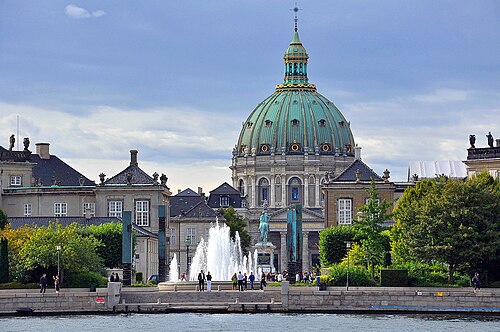
Amaliehaven is a formal public garden on Copenhagen’s waterfront beside the Amalienborg Palace complex.
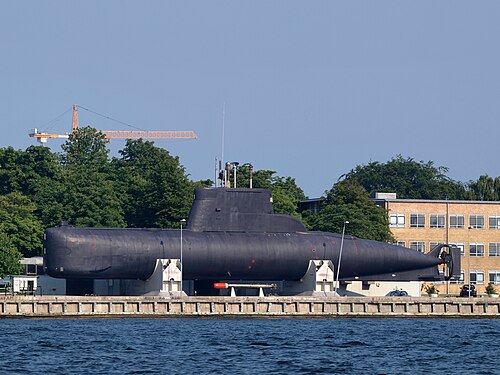
HDMS Sælen is a retired Danish submarine preserved as a museum vessel in Copenhagen. Its name means “Seal.” The submarine offers a direct encounter with Cold War naval technology and the confined environment in which submariners lived and worked.
Templet i København
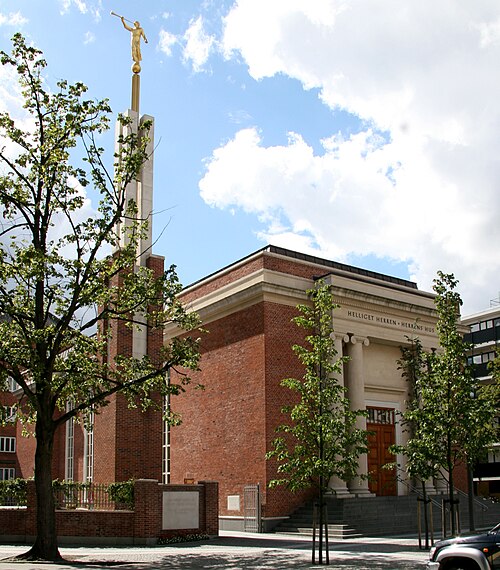
Copenhagen Denmark Temple is a temple of The Church of Jesus Christ of Latter-day Saints. It is a sacred religious building rather than a conventional sightseeing attraction or open museum.
Indre By contains the historic centre, main shopping streets, palace district and inner harbour. Christianshavn sits across the water, Vesterbro lies west of Central Station, and Norrebro and Osterbro extend north. Frederiksberg forms a green western district with its own centre. The harbour is both a boundary and a transport corridor, so combine waterfront sights by side before crossing repeatedly.
Checked 2026-08-26
Walk or cycle for short central journeys and use metro, trains and buses for longer trips. Visit Copenhagen states that the metro operates throughout the day and night and connects the centre with major neighbourhoods and the airport. Harbour buses are part of public transport and serve waterfront journeys. Buy the correct ticket before boarding and use the journey planner for zone-dependent trips.
Checked 2026-08-26
A fixed duration is not recorded. Plan by cluster: Indre By, Christianshavn and the harbour, then Vesterbro, Norrebro, Osterbro or Frederiksberg according to interest.
Yes. Indre By and the inner harbour are compact enough for walking. Cycling and public transport are useful when moving between outer neighbourhoods or across the wider city.
Yes. Visit Copenhagen states that the metro operates throughout the day and night, connecting the centre with major neighbourhoods and Copenhagen Airport.
Yes. Harbour buses use the public transport system and provide a practical waterfront connection as well as a view of the city from the water.
Metro and regional trains both connect the airport with the city. The better choice depends on the destination neighbourhood, so check the official journey planner before departure.