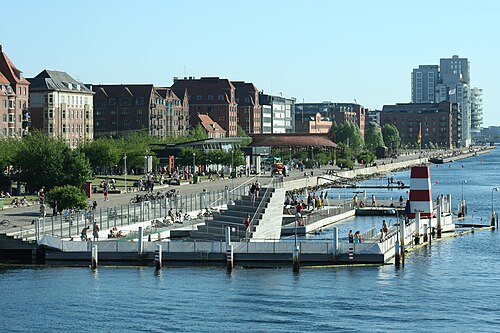
Havneparken
Havneparken is a public waterfront park in Copenhagen, set beside the city’s harbour. The park belongs to the everyday recreational landscape of the capital, offering open space and a place to pause beside the water.
- High
- Nature site
City guide · Denmark
Copenhagen's compact centre sits around Indre By, with the harbour separating it from Christianshavn and Amager. Frederiksberg lies west as a separate municipal...
Photograph · Pudelek · CC BY-SA 4.0
Set your days, your pace and the hours you actually want to be out. The planner works around closing days and travel time, and leaves room to eat.
Editorial responsibility: Elena Voss · Roavina Travel Editor
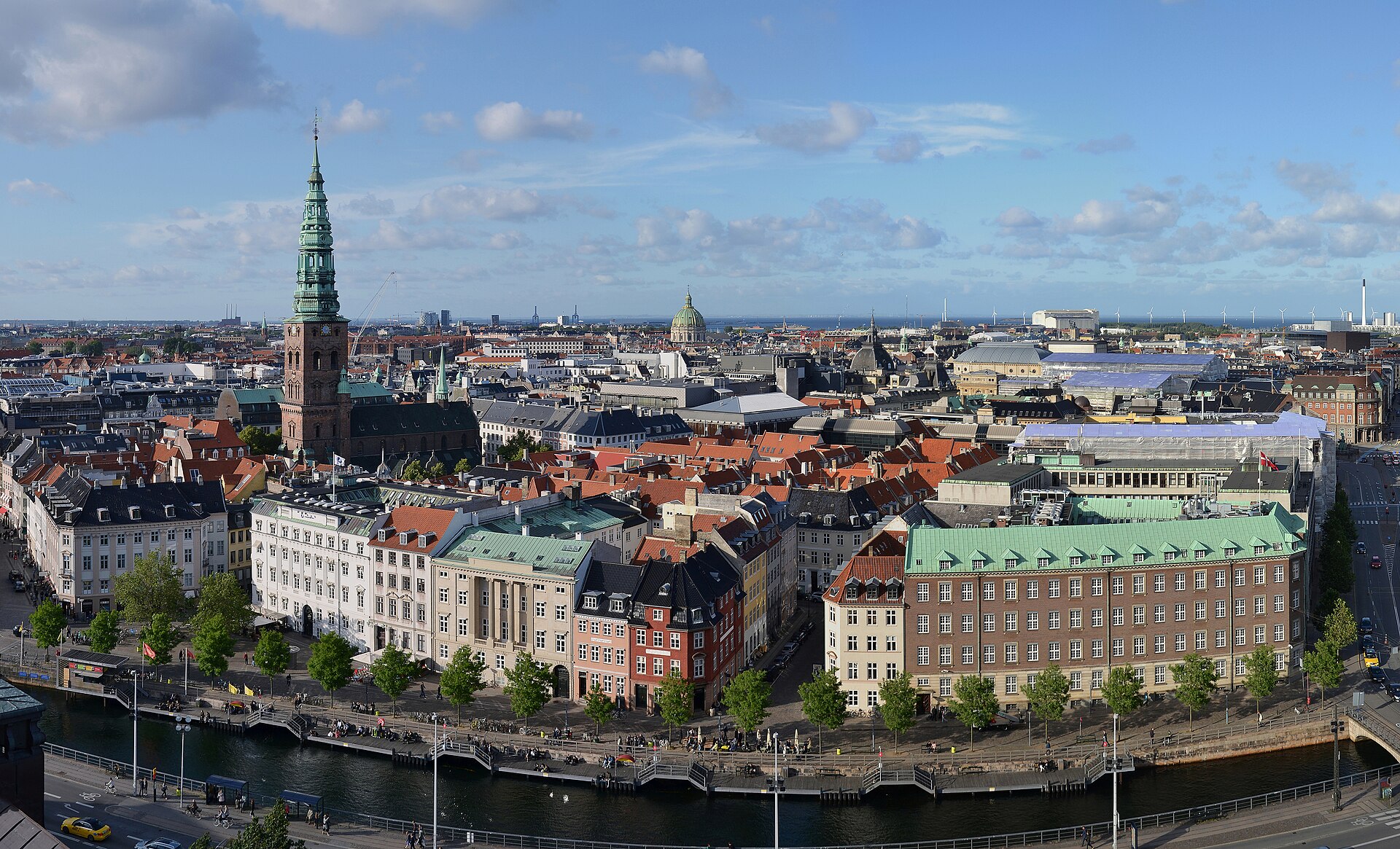
Copenhagen's compact centre sits around Indre By, with the harbour separating it from Christianshavn and Amager. Frederiksberg lies west as a separate municipality inside the urban fabric, while Norrebro and Osterbro extend north of the centre. Major visitor areas are connected by metro, trains, buses and cycle routes, and most central clusters remain practical to explore on foot.
Checked 2026-08-26
November · November averages only 7.0°C by day in Copenhagen and has about seventeen rain days, creating a cold, damp trade-off.
Ranked by importance — sitelinks, pageviews and heritage status, not editor preference.
101 places match
Category
Typical visit duration
Good for
Interests
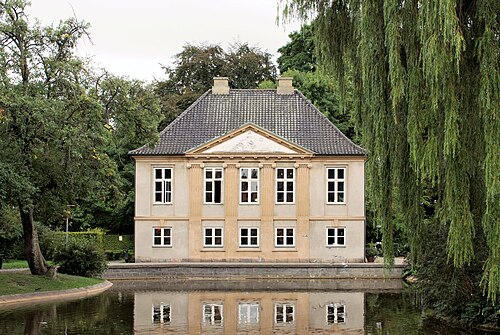
Havneparken is a public waterfront park in Copenhagen, set beside the city’s harbour. The park belongs to the everyday recreational landscape of the capital, offering open space and a place to pause beside the water.
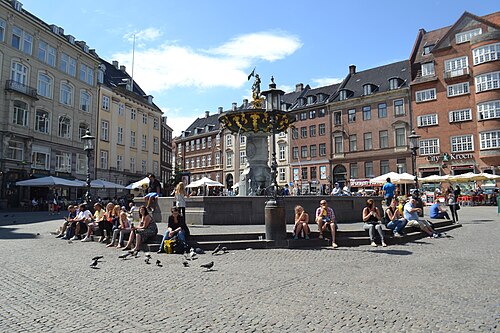
Gammeltorv is Copenhagen’s oldest square and one of the central public spaces in the Indre By district. The name means Old Market, recalling the square’s medieval role as a marketplace and gathering place.
Møstings Hus is a historic house museum and cultural venue in Frederiksberg, within the wider Copenhagen urban area. The preserved house provides a domestic architectural setting for exhibitions and local cultural programming.
Mosaisk Vestre Begravelsesplads
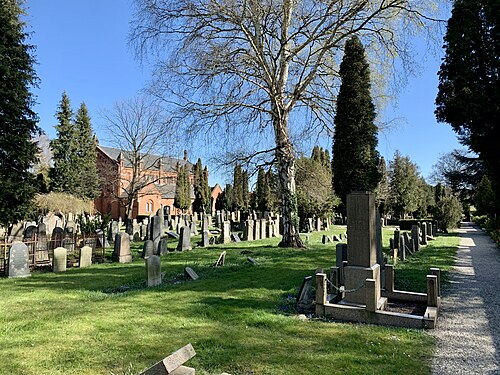
Jewish Western Cemetery, also known locally as Mosaisk Vestre Begravelsesplads, is a historic Jewish burial ground in western Copenhagen. The cemetery serves the Jewish community and also reflects the long presence of Jewish life in Denmark.
Mindelunden
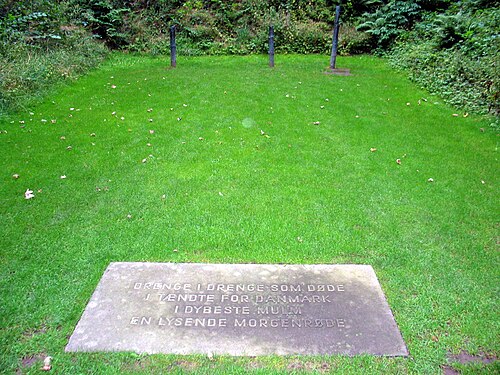
Ryvangen Memorial Park, also called Mindelunden, is a Copenhagen memorial site dedicated to Danish resistance fighters executed during the German occupation in the Second World War.
Henry Heerup Museum
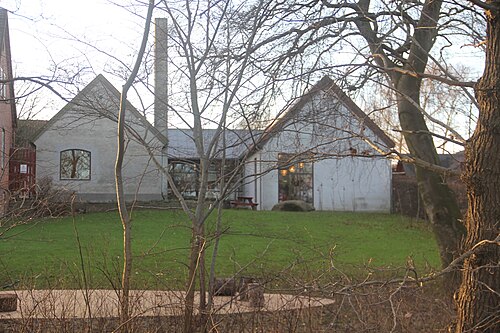
Heerup Museum in Copenhagen is devoted to Danish artist Henry Heerup, who lived from 1907 to 1993. His work spans painting, sculpture, graphics, and poetry, bringing together playful imagery, strong outlines, and an imaginative view of everyday life.
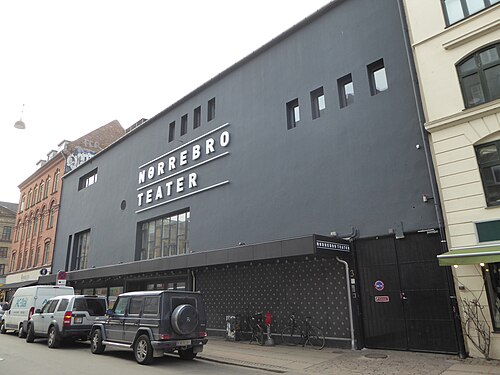
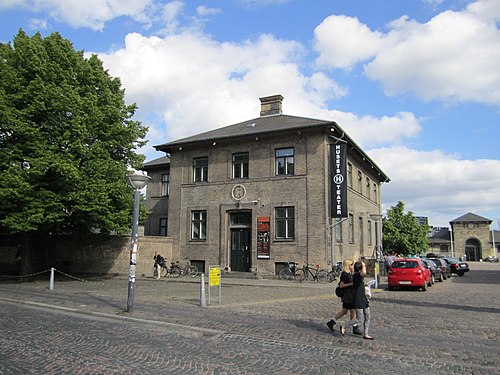
Nørrebro Teater
Nørrebros Theater, also known locally as Nørrebro Teater, is a professional theatre in Copenhagen’s Nørrebro district. It belongs to the city’s performing-arts landscape and offers audiences the chance to experience theatre within one of Copenhagen’s lively urban neighbourhoods.
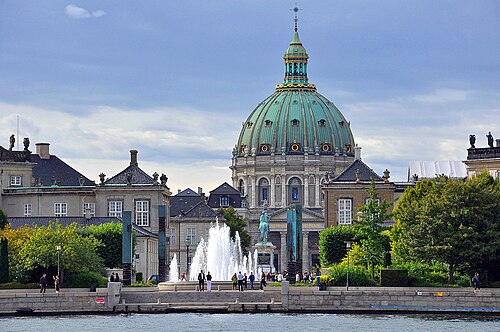
Amaliehaven is a formal public garden on Copenhagen’s waterfront beside the Amalienborg Palace complex.
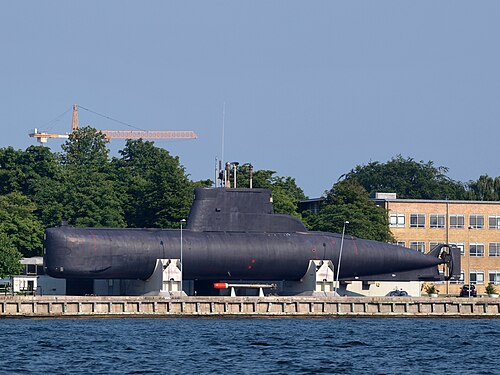
HDMS Sælen is a retired Danish submarine preserved as a museum vessel in Copenhagen. Its name means “Seal.” The submarine offers a direct encounter with Cold War naval technology and the confined environment in which submariners lived and worked.
Enigma is a cultural attraction in Copenhagen. Include it in a city itinerary when you want to explore the capital’s museum and cultural landscape beyond its most familiar landmarks.
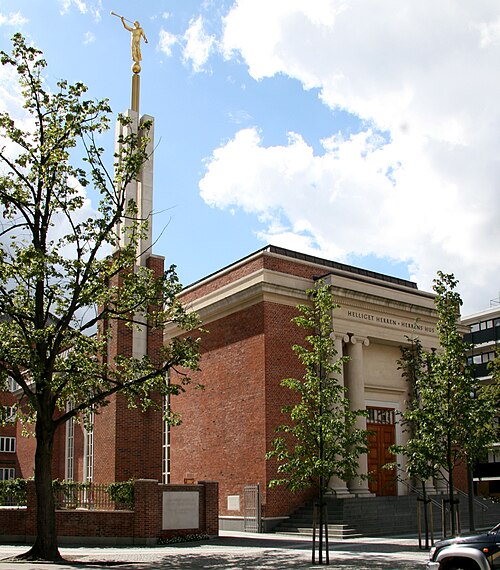
Templet i København
Copenhagen Denmark Temple is a temple of The Church of Jesus Christ of Latter-day Saints. It is a sacred religious building rather than a conventional sightseeing attraction or open museum.
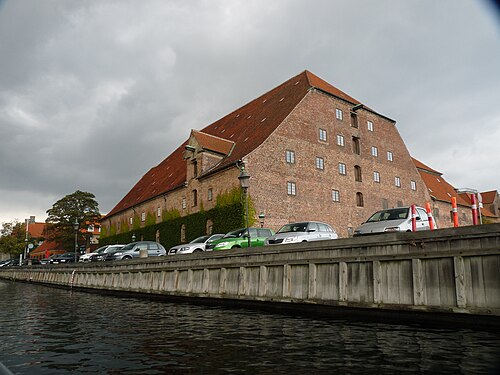
Christian 4.s Bryghus
Christian IV's Brewhouse, known locally as Christian 4.s Bryghus, is a historic Copenhagen building associated with King Christian IV and the early seventeenth century. The brewhouse connects the city’s architecture with royal commercial enterprise and Denmark’s brewing heritage.
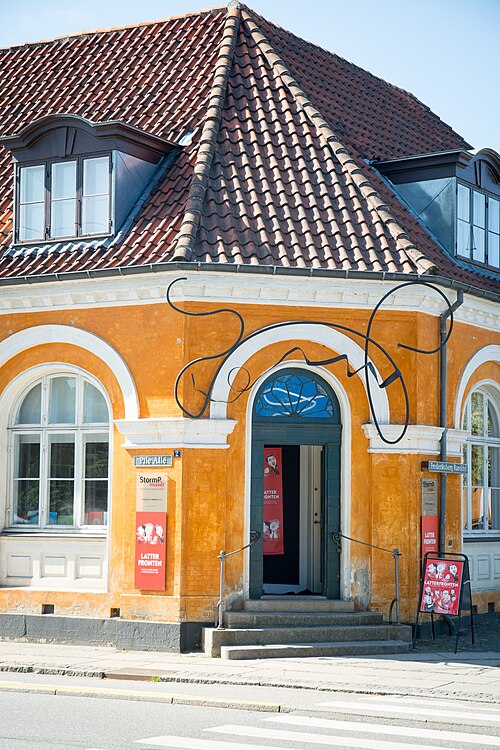
STORM
Storm is a named mapped place in Copenhagen, identified in OpenStreetMap by the name Storm and its location. The supplied record does not classify it as a museum, gallery, shop, cultural venue, or another specific type of destination.
Husets Teater is a Copenhagen theatre for live performances presented inside the Huset-KBH cultural-house setting near Rådhuspladsen.
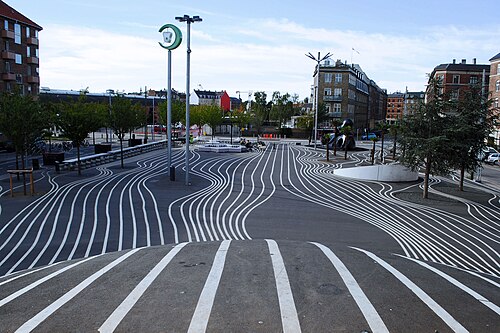
Superkilen is a public urban park in Copenhagen's Nørrebro district, created by Superflex with Bjarke Ingels Group and Topotek1. Opened in 2012, the linear park extends for about one kilometre through a neighbourhood known for its ethnic diversity.
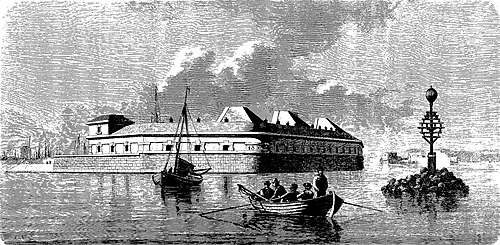
Prøvestenen is a historic coastal fortification on a small artificial island southeast of Copenhagen's inner harbour. The site formed part of Denmark's naval defences and represents 18th-century coastal military engineering.
Sankt Aleksander Nevskij Kirke
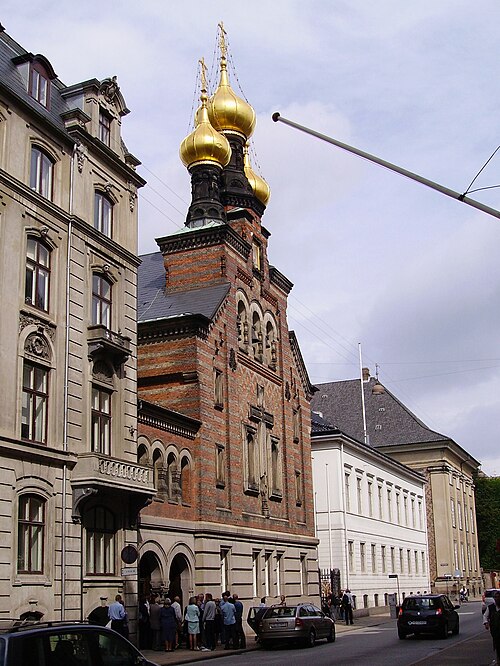
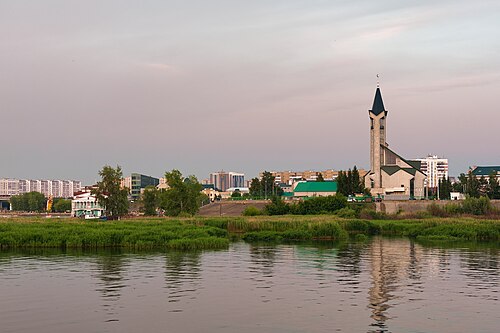
Alexander Nevsky Church, locally known as Sankt Aleksander Nevskij Kirke, is a Russian Orthodox church in Copenhagen. The church serves the Russian Orthodox community in Denmark's capital and brings Russian Orthodox ecclesiastical traditions into Copenhagen's predominantly Lutheran religious landscape.
Det Kongelige Biblioteks Have
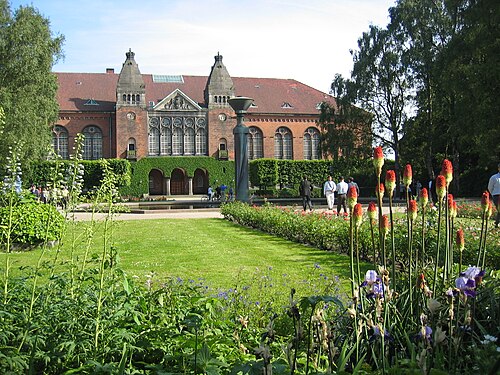
The Royal Library Garden, known locally as Det Kongelige Biblioteks Have, is a quiet green space in central Copenhagen beside the Royal Library.
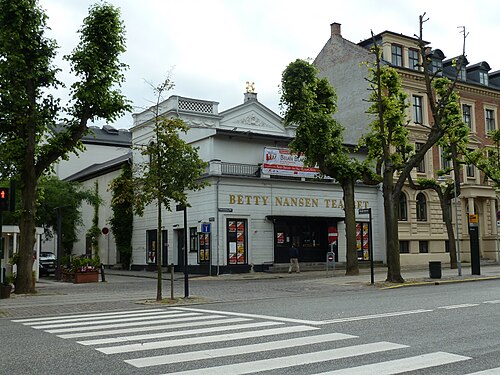
Betty Nansen Teatret is a theatre venue in Copenhagen, Denmark, and a destination for visitors interested in the city's performing arts.
Svanemølle Strand
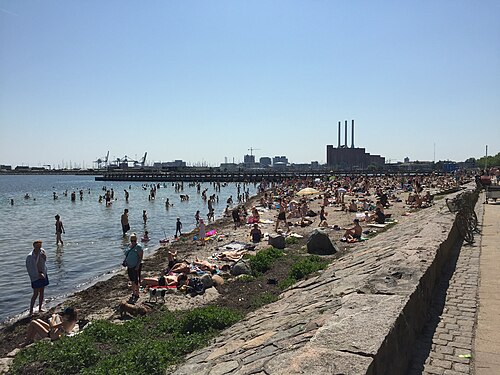
Svanemølle Beach, locally known as Svanemølle Strand, is a coastal bathing area in Copenhagen. The beach gives visitors access to the Øresund for swimming and seaside leisure within the capital.
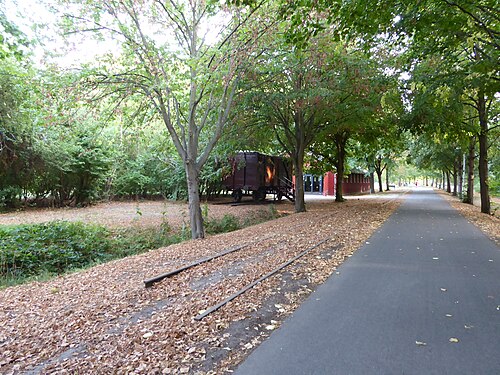
Vestvolden is a historic fortification system forming a semicircular defensive ring around Copenhagen's western approaches. Constructed in the late 19th and early 20th centuries, it represents one of the largest remaining military earthworks in Northern Europe.
Tauba Moskeen
Tauba Mosque, also called Tauba Moskeen, is an active Islamic place of worship in Copenhagen. It serves the local Muslim community through prayer, religious gatherings, and spiritual activities.
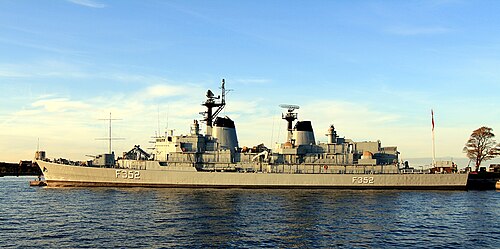
HDMS Peder Skram is a preserved Royal Danish Navy frigate berthed at Holmen, Copenhagen’s historic naval district. Commissioned in 1966 and serving until 1988, it represents Denmark’s Cold War fleet in a form visitors can physically enter.
Tivolis Koncertsal
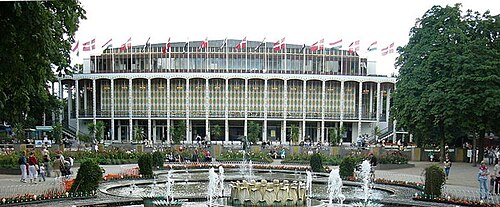
Tivoli Concert Hall, or Tivolis Koncertsal, is a performance venue within Copenhagen’s Tivoli Gardens. It gives the amusement park a strong cultural dimension, with concerts and other programmed events taking place alongside rides, gardens, and historic buildings.
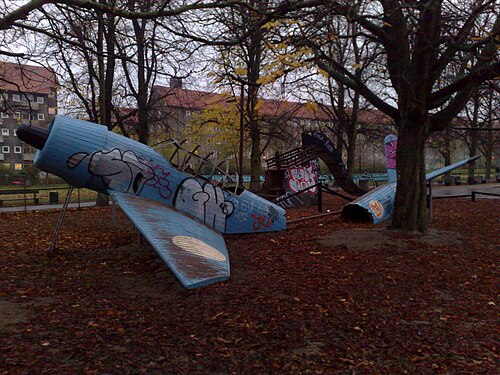
Nørrebroparken is a public green space in Copenhagen’s Nørrebro district. The park brings open ground and everyday outdoor life into a densely built neighbourhood, making it useful for a relaxed break between cafés, shops, and city walks.
Indre By contains the historic centre, main shopping streets, palace district and inner harbour. Christianshavn sits across the water, Vesterbro lies west of Central Station, and Norrebro and Osterbro extend north. Frederiksberg forms a green western district with its own centre. The harbour is both a boundary and a transport corridor, so combine waterfront sights by side before crossing repeatedly.
Checked 2026-08-26
Walk or cycle for short central journeys and use metro, trains and buses for longer trips. Visit Copenhagen states that the metro operates throughout the day and night and connects the centre with major neighbourhoods and the airport. Harbour buses are part of public transport and serve waterfront journeys. Buy the correct ticket before boarding and use the journey planner for zone-dependent trips.
Checked 2026-08-26
Suggested stay for a first visit: 3–4 days. Plan by cluster: Indre By, Christianshavn and the harbour, then Vesterbro, Norrebro, Osterbro or Frederiksberg according to interest.
Yes. Indre By and the inner harbour are compact enough for walking. Cycling and public transport are useful when moving between outer neighbourhoods or across the wider city.
Yes. Visit Copenhagen states that the metro operates throughout the day and night, connecting the centre with major neighbourhoods and Copenhagen Airport.
Yes. Harbour buses use the public transport system and provide a practical waterfront connection as well as a view of the city from the water.
Metro and regional trains both connect the airport with the city. The better choice depends on the destination neighbourhood, so check the official journey planner before departure.