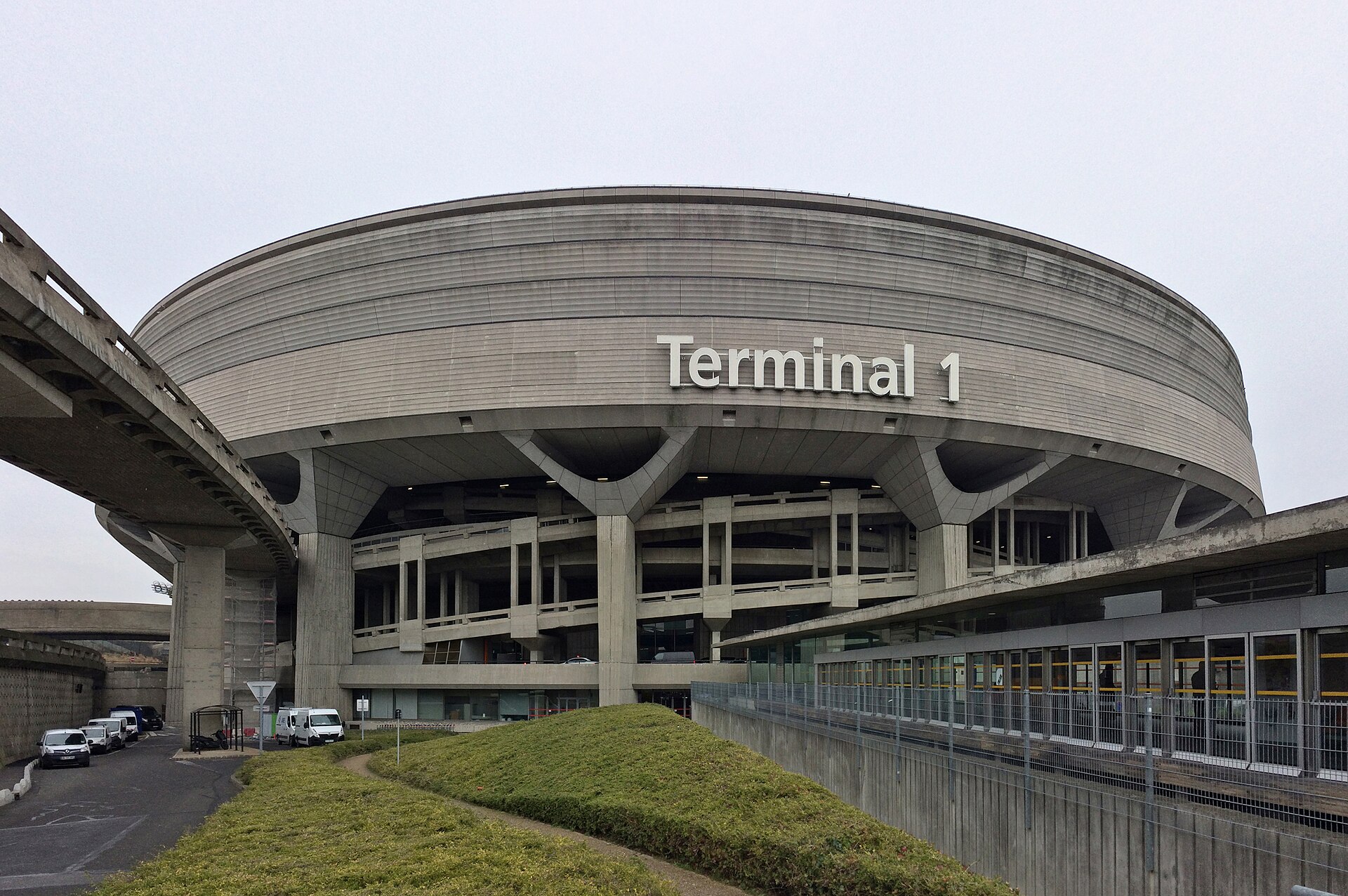
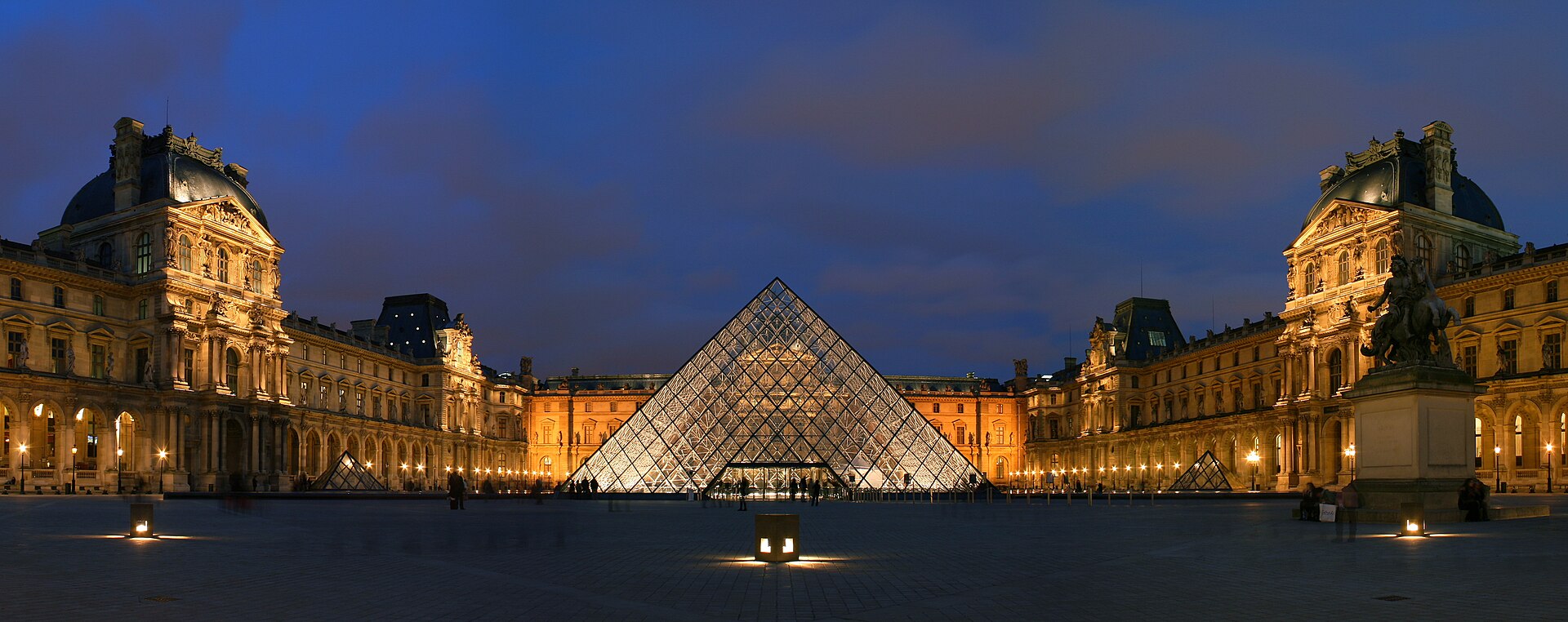
A photograph of Paris

City guide · France

1 to 2 hours in Paris, France — page 3

Paris is 105.4 km² holding 2,047,602 people, wrapped in twenty arrondissements that spiral outward from the Louvre. Almost everything a visitor comes for is ins...

Photograph · Yann Caradec from Paris, France · CC BY-SA 2.0

7,605 Places
20 Districts
Suggested stay
4–5 days
Getting around
Métro and on foot

Turn this list into a plan

Set your days, your pace and the hours you actually want to be out. The planner works around closing days and travel time, and leaves room to eat.

Plan Paris

Reviewed by Elena Voss · Roavina Travel Editor

Paris is 105.4 km² holding 2,047,602 people, wrapped in twenty arrondissements that spiral outward from the Louvre. Almost everything a visitor comes for is inside that spiral, and most of it is walkable.

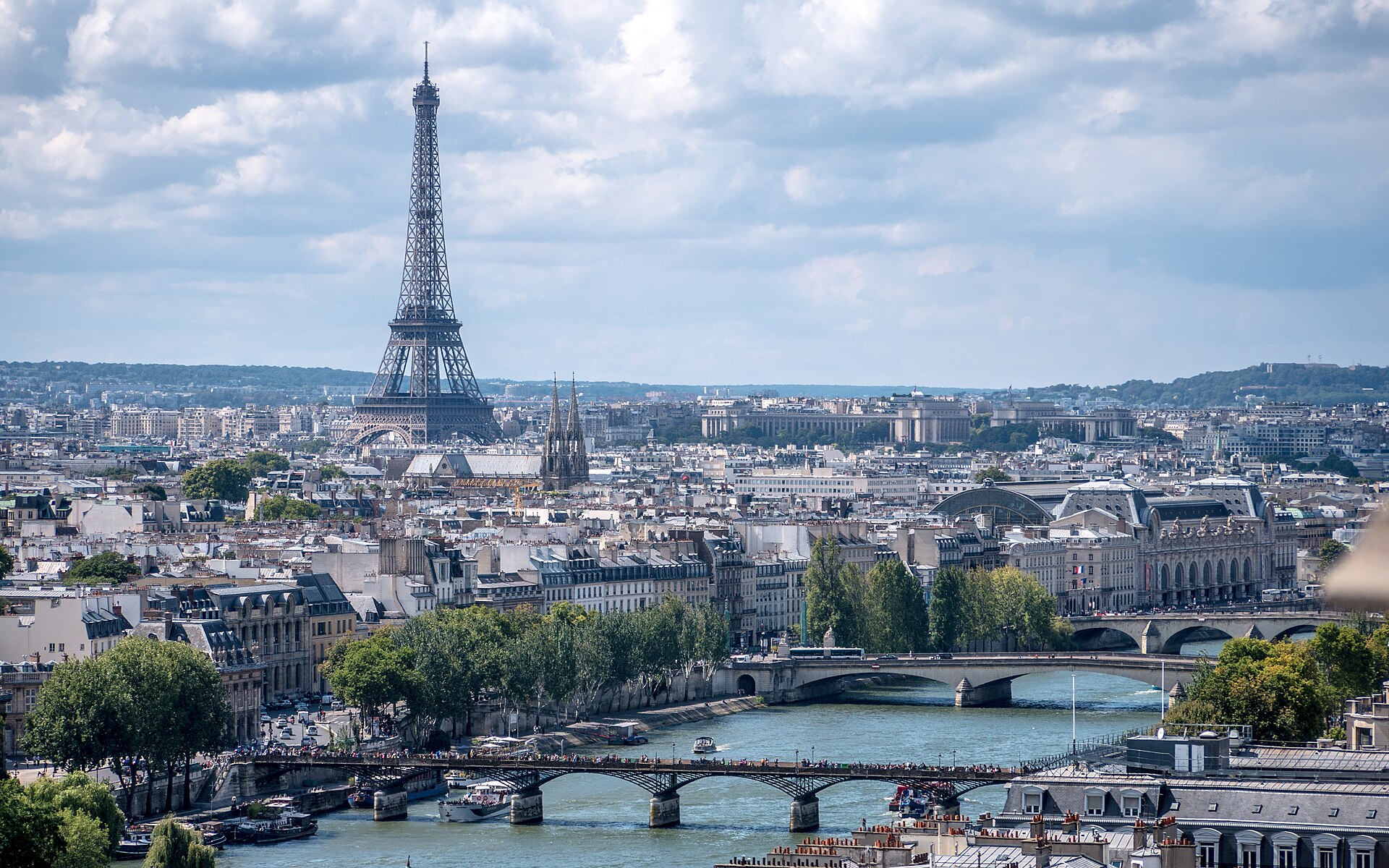
The Seine cuts the city in two and everything is described in relation to it. The Right Bank to the north holds the commerce and the great institutions; the Left Bank to the south holds the universities and the bookshops. Between them the Île de la Cité and the Île Saint-Louis are where the city started.

Checked 2026-08-23

Practical information

Language spoken
French
French is the language of the Republic under Article 2 of the Constitution
Dialling code
+33 1
Paris and the Île-de-France; drop the leading 0 of 01 when calling from abroad
Currency
Euro (€, EUR)
France has used the euro as its official currency since 2002
Emergency number
112
One number across the country; 15 reaches an ambulance directly
Plug type
Type E · 220 V
Round-pin sockets use a projecting earth pin
Tap water
Safe to drink
The health ministry says tap water may be consumed safely unless local authorities issue specific advice

Planning a visit

September · September remains mild in Paris at 20.8°C by day and 12.5°C at night, with 54.7 mm precipitation.

  1. January: viable with meaningful trade-offs
  2. February: viable with meaningful trade-offs
  3. March: good time to visit
  4. April: good time to visit
  5. May: best time to visit
  6. June: best time to visit
  7. July: best time to visit
  8. August: best time to visit
  9. September: best time to visit — current month
  10. October: good time to visit
  11. November: viable with meaningful trade-offs
  12. December: viable with meaningful trade-offs

Sources

Top things to see

Ranked by importance — sitelinks, pageviews and heritage status, not editor preference.

  1. Aquarium de Paris Aquarium de Paris
    32 2 hours

    Aquarium de Paris

    Aquarium de Paris - Cinéaqua

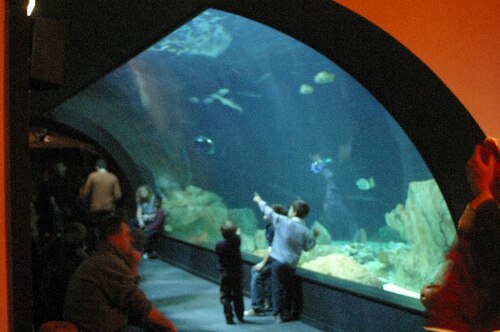
    Aquarium de Paris occupies the old quarry tunnels beneath the Trocadero hill, first opened as the Aquarium du Trocadero for the 1878 Exposition Universelle, one of the earliest public aquariums built in France.

    • Notable
    • Family attraction
    • Paris 16e Arrondissement
  2. Musée Carnavalet Musée Carnavalet
    33 2 hours

    Musée Carnavalet

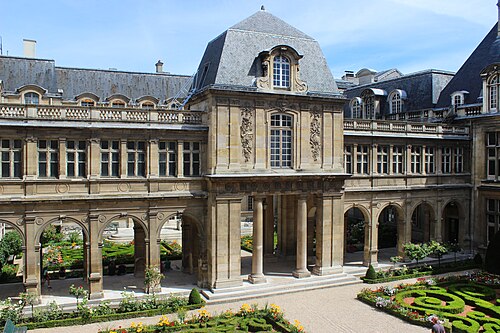
    Musee Carnavalet is the museum of the history of Paris, occupying two adjoining Marais mansions: the Hotel Carnavalet, built in the 16th century and remodelled by Francois Mansart in 1655, and the neighbouring Hotel Le Peletier de Saint-Fargeau.

    • Notable
    • Museum
    • Paris 3e Arrondissement
  3. Musée de Cluny Musée de Cluny
    34 1 hr 30 min

    Musée de Cluny

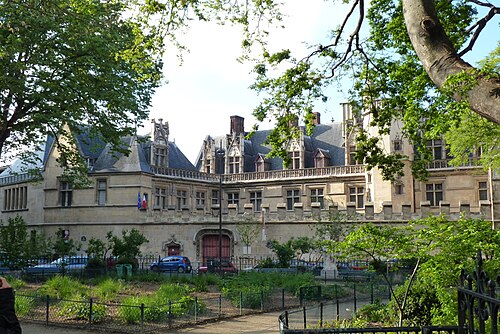
    Musée de Cluny, formally the Musée national du Moyen Âge, brings together Roman archaeology, a late-medieval residence and medieval art in one compact Latin Quarter site.

    • Notable
    • Museum
    • Paris 5e Arrondissement
  4. Muséum national d'histoire naturelle Muséum national d'histoire naturelle
    35 2 hours

    Muséum national d'histoire naturelle

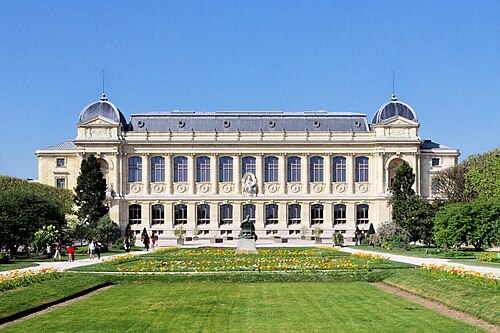
    The Museum national d'histoire naturelle is France's national natural history museum, founded in 1793 out of the royal Jardin du Roi, and it occupies several linked sites across the Jardin des Plantes in the 5th arrondissement.

    • Notable
    • Museum
    • Paris 5e Arrondissement
  5. Musée d'Art et d'Histoire du Judaïsme Musée d'Art et d'Histoire du Judaïsme
    36 1 hr 30 min

    Musée d'Art et d'Histoire du Judaïsme

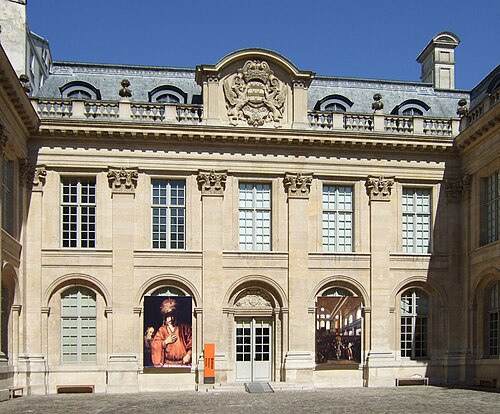
    The Musee d'art et d'histoire du Judaisme, known as the MAHJ, is France's museum of Jewish art and history, opened in 1998 in the Hotel de Saint-Aignan, a 17th-century mansion in the Marais, 3rd arrondissement.

    • Notable
    • Museum
    • Paris 3e Arrondissement
  6. parc de la Villette parc de la Villette
    37 1 hr 30 min

    parc de la Villette

    Parc de la Villette

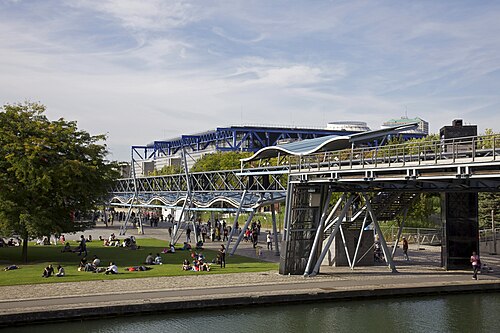
    Parc de la Villette occupies the site of the huge Paris abattoirs and wholesale meat market that Napoleon III had built here in 1867 and that were finally cleared away in 1974, leaving 55.5 hectares of northeastern Paris to redevelop.

    • Notable
    • Nature site
    • Paris 19e Arrondissement
  7. Musée Zadkine Musée Zadkine
    38 1 hr 30 min

    Musée Zadkine

    • Must see
    • Museum
    • Paris 6e Arrondissement
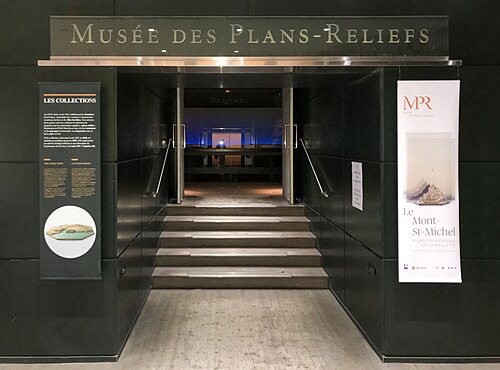
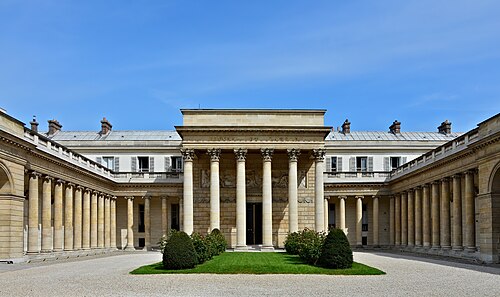
  8. Musée de la Légion d'honneur Musée de la Légion d'honneur
    42 1 hr 30 min

    Musée de la Légion d'honneur

    Musée de la Légion d'Honneur et des Ordres de Chevalerie

    • High
    • Museum
    • Paris 7e Arrondissement
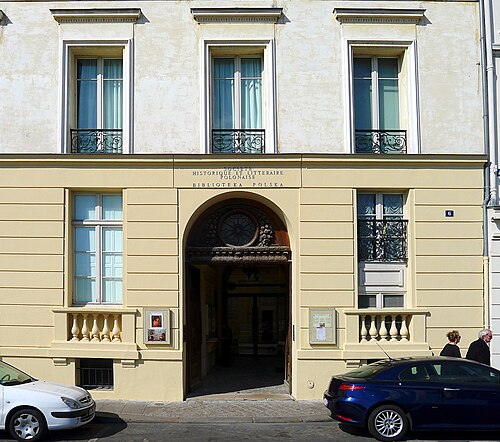
  9. Musée Boleslas Biegas Musée Boleslas Biegas
    43 1 hr 30 min

    Musée Boleslas Biegas

    Musée Bolesław Biegas is an exhibition devoted to the Polish sculptor, painter, playwright and essayist Bolesław Biegas, who lived from 1877 to 1954.

    • High
    • Museum
    • Paris 4e Arrondissement
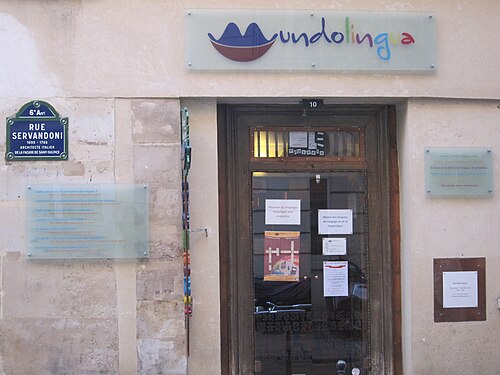
  10. Mundolingua Mundolingua
    44 1 hr 30 min

    Mundolingua

    • High
    • Museum
    • Paris 6e Arrondissement
  11. UGC Gobelins
    45 2 hours

    UGC Gobelins

    UGC

    • Notable
    • Entertainment venue
    • Paris 13e Arrondissement
  12. Cinéma Mac-Mahon Cinéma Mac-Mahon
    47 2 hours

    Cinéma Mac-Mahon

    Cinema Mac Mahon

    • Notable
    • Entertainment venue
    • Paris 17e Arrondissement
  13. Entrepot
    48 2 hours

    Entrepot

    L'Entrepôt (Cinéma)

    • Notable
    • Entertainment venue
    • Paris 14e Arrondissement
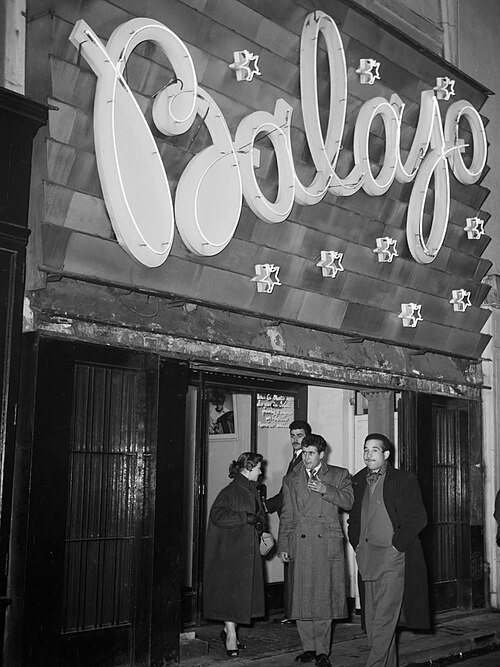
  14. Balajo Balajo
    49 2 hours

    Balajo

    Le Balajo

    • Notable
    • Nightlife venue
    • Paris 11e Arrondissement
  15. Bolmi Café
    50 2 hours

    Bolmi Café

    • Notable
    • Nightlife venue
    • Paris 12e Arrondissement
  16. Ekinox
    52 2 hours

    Ekinox

    • Notable
    • Nightlife venue
    • Paris 6e Arrondissement
  17. Le Chien Andalou
    54 2 hours

    Le Chien Andalou

    • Notable
    • Nightlife venue
    • Paris 6e Arrondissement

Source: OpenStreetMap contributors, Wikidata ·

Where to base yourself

District boundaries come from OSM administrative relations, so a district page holds exactly the places inside it — plus, for the islands and the coast, the nearest district by proximity.

How the city is laid out

The arrondissements spiral clockwise from the centre: the 1st sits at the Louvre and the Île de la Cité, and the numbers wind outward to the 20th. Learning that shape is the single most useful thing a first-time visitor can do, because every address in the city carries its arrondissement and the number tells you roughly where you are.

The Right Bank — north of the Seine — is the 1st through 4th at the centre, then the grand avenues of the 8th and 16th to the west and Montmartre in the 18th to the north. The Louvre, the Champs-Élysées, the Opéra and Sacré-Cœur are all Right Bank.

The Left Bank — south — is the 5th, 6th and 7th: the Latin Quarter, Saint-Germain, the Panthéon, the Musée d'Orsay and the Eiffel Tower. It is the older-feeling half and the one with the bookshops.

The Périphérique, completed in 1973, rings the whole of it. Inside is Paris; outside is the metropolitan area of 13,320,752 people across 18,940.7 km², which is a different thing.

Checked 2026-08-23

Getting around

The Métro, and then walking. Paris is small enough that the two together cover everything.

The Métro opened on 19 July 1900 during the World's Fair and now runs 16 lines — numbered 1 to 14 plus 3bis and 7bis — across 321 stations, 61 of which are interchanges. Stations sit 548 m apart on average, which is why a Métro journey of two stops is usually a walk. It carries 1.523 billion passengers a year, 4.17 million a day.

The RER extends further out into the suburbs and is what takes you to the airports and to Versailles. Châtelet–Les Halles, where five Métro lines meet three RER lines, is the largest interchange and the one to avoid at rush hour.

Single tickets and multi-use passes are both sold, and the Navigo Easy card is the contactless option.

Checked 2026-08-23
More city guides

Common questions

How many days does Paris need?

Four to five. Three days covers the central monuments — the Louvre, Notre-Dame, the Eiffel Tower, the Champs-Élysées — at a pace that is not punishing. A fourth adds a proper museum day, and a fifth adds Montmartre or a day out at Versailles.

How do the arrondissements work?

They spiral clockwise from the centre. The 1st is at the Louvre and the Île de la Cité and the numbers wind outward to the 20th. Every Paris address carries its arrondissement, so the number tells you roughly where something is.

What is the difference between the Right Bank and the Left Bank?

The Seine. The Right Bank to the north holds the commerce and the great institutions — the Louvre, the Champs-Élysées, the Opéra, Montmartre. The Left Bank to the south holds the universities, the Latin Quarter, the Panthéon, the Musée d'Orsay and the Eiffel Tower.

Is the Métro the best way around?

For anything over a kilometre, yes. It opened on 19 July 1900 and runs 16 lines across 321 stations, with stations 548 m apart on average — which means a two-stop journey is usually faster on foot.

When is the best time to come?

April to June and September to October. August is when Parisians leave and tourists arrive, which is the worst of both — shuttered restaurants and full museums.

How big is Paris really?

The city proper is 105.4 km² with 2,047,602 people, ringed by the Périphérique completed in 1973. The metropolitan area outside it holds 13,320,752 people across 18,940.7 km².