
2 min walk
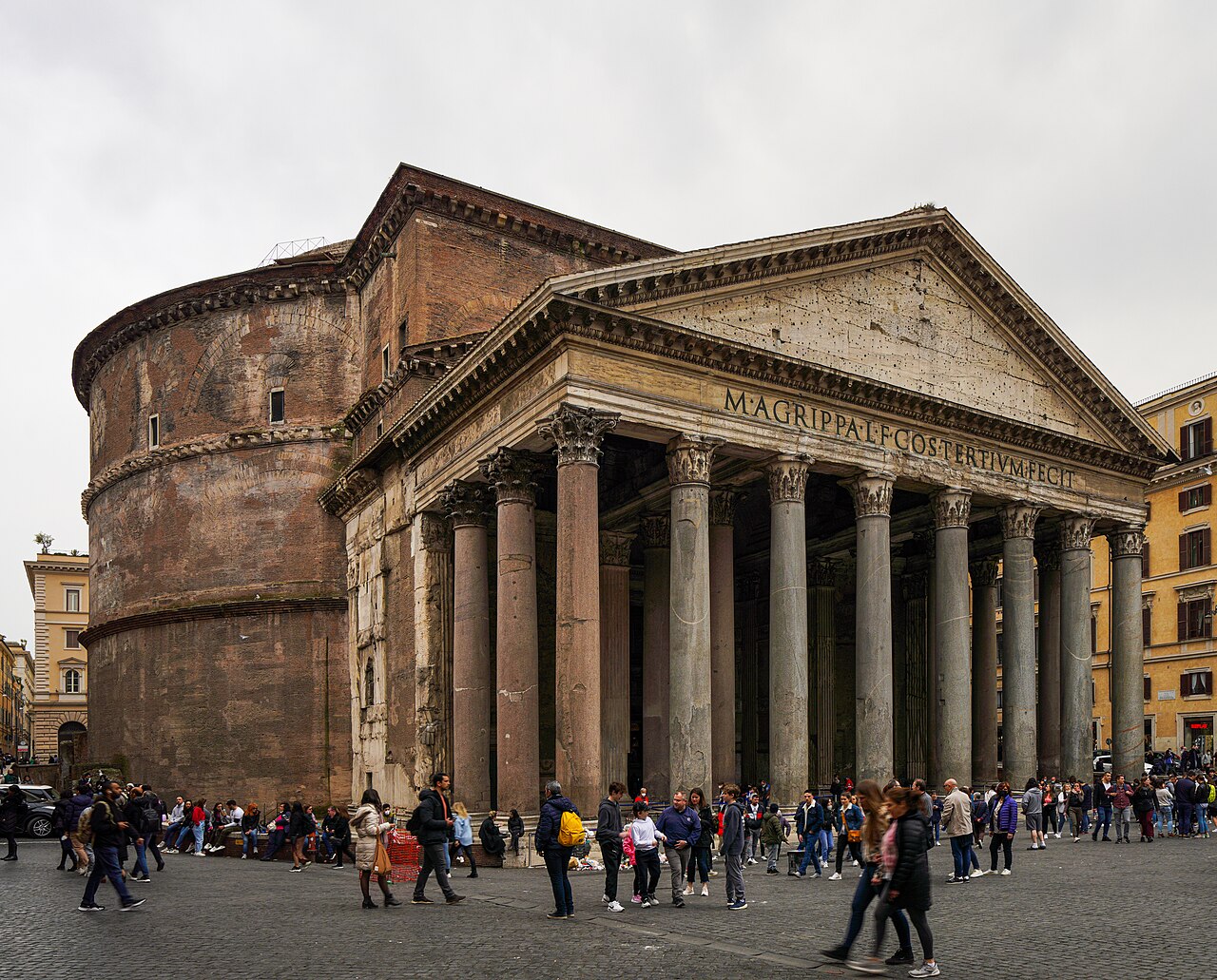
Pantheon
- Must see · Heritage site
- Place of worship
Place of worship · Rome
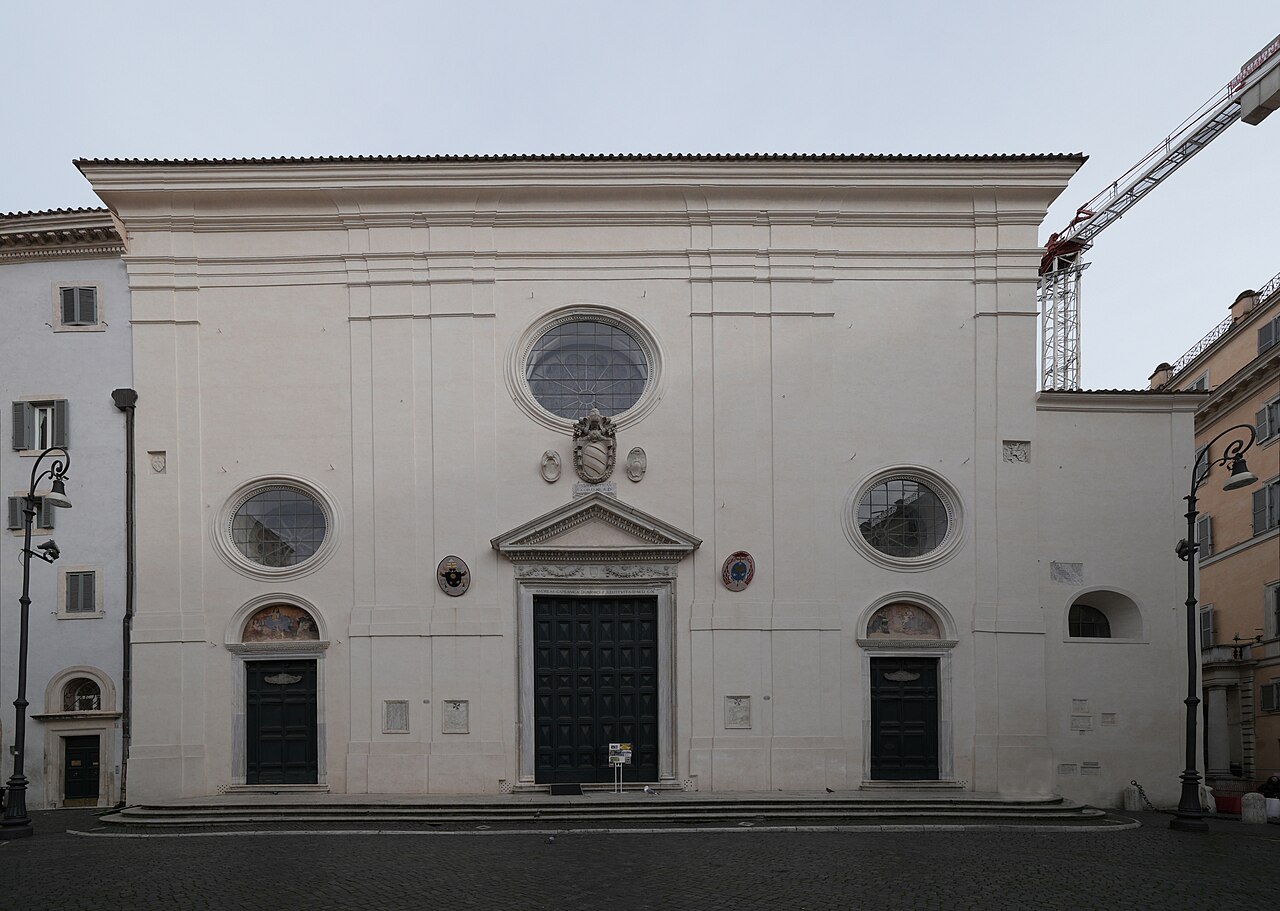
Basilica di Santa Maria sopra Minerva
Santa Maria sopra Minerva, also called Basilica di Santa Maria sopra Minerva, is a Dominican basilica near the Pantheon in Rome’s historic centre. Its Gothic structure stands out in a city known for Renaissance and Baroque buildings. The church occupies a site associated with a temple dedicated to Minerva, giving its name a direct connection with the earlier religious landscape. It is an active place of worship as well as an important destination for art, sculpture and memorials. Santa Maria sopra Minerva is a basilica church in Rome, Italy. Its local name is Basilica di Santa Maria sopra Minerva. The church stands near the Pantheon in the historic centre of Rome. It is one of the major churches of the Roman Catholic Order of Preachers, better known as the Dominicans. The basilica occupies a site that was previously associated with a temple dedicated to Minerva. The current Gothic structure represents a significant architectural presence in a city dominated by Renaissance and Baroque buildings. No. They are separate buildings located near each other. The Pantheon is a former Roman temple, now church, with a distinctive dome. Santa Maria sopra Minerva is a Dominican basilica with Gothic architecture.
Checked 2026-08-26 · Source
The basilica contains Michelangelo’s Cristo della Minerva, also known as Christ the Redeemer, together with tombs and memorials to historical figures. The Carafa Chapel is decorated with frescoes by Filippino Lippi. Gothic vaulting, chapels, altars and floor tomb slabs create a rich sequence through the interior. Look upward at the structure, then move slowly along the nave and side chapels to notice how medieval architecture and Renaissance art coexist within this Dominican church. The interior contains notable artistic and memorial elements. A prominent feature is the Michelangelo sculpture Cristo della Minerva, also known as Christ the Redeemer. The church houses tombs and memorials to several historical figures.
Checked 2026-08-26 · Source
Allow thirty minutes to one hour for a focused visit. That gives time to see Michelangelo’s sculpture, the Carafa Chapel, the Gothic vaulting, memorials and the chapels lining the church. Visitors interested in Renaissance sculpture, Dominican history or funerary art may stay longer. The basilica is compact compared with Rome’s largest churches, but its many details reward a slower pace. Add time if you want quiet contemplation or careful photography.
Checked 2026-08-26 · Source
Morning can offer a calmer setting for viewing the sculpture, frescoes and chapels. Since Santa Maria sopra Minerva is an active church, services may affect access and noise levels. Its position beside the Pantheon means the surrounding streets stay busy, particularly during the main sightseeing periods. Include it in a walking route through the Pantheon area, and leave enough flexibility to enter respectfully when worship is taking place.
Checked 2026-08-26 · Source
Santa Maria sopra Minerva is primarily a functioning Dominican church, with its artistic highlights presented within the religious interior. Visitors should be prepared for the conventions of a church visit, including respectful dress and possible donation requests. The principal reasons to enter are Michelangelo’s Cristo della Minerva, Filippino Lippi’s Carafa Chapel frescoes, the Gothic structure and the memorials. Plan the stop as a cultural and devotional experience rather than as a conventional museum circuit.
Checked 2026-08-26 · Source
The basilica stands very close to the Pantheon in Rome’s pedestrian-oriented historic centre. Walking from nearby monuments is the simplest approach, although cobbles, narrow streets and limited vehicle access shape the route. Buses serve the wider area, while the nearest Metro stations require onward walking. Use the Pantheon as a landmark when navigating. The church is easy to combine with other central sites, but the dense streets can become crowded during peak sightseeing hours.
Checked 2026-08-26 · Source
Treat Santa Maria sopra Minerva as an active place of worship: cover shoulders and knees, keep voices low and give priority to services. The historic floor tomb slabs need careful foot traffic, while uneven surfaces and building features may make movement harder for wheelchair users. Keep belongings secure in the busy Pantheon district. Photography may be restricted in certain areas or during services, so follow notices and staff directions throughout the visit.
Checked 2026-08-26 · Source
The basilica offers subjects ranging from Michelangelo’s Cristo della Minerva to Filippino Lippi’s frescoes, Gothic vaulting, chapels and memorials. Interior light varies across the nave and side spaces. Flash may be restricted to protect artworks and preserve the atmosphere, while tripods and professional equipment can require permission. Keep photography discreet around worshippers, and stop when a service is underway. The architectural contrast between Gothic structure and Renaissance decoration is especially rewarding to observe directly.
Checked 2026-08-26 · Source
No. They are separate buildings standing close together. The Pantheon is a former Roman temple with a distinctive dome, while Santa Maria sopra Minerva is a Dominican basilica with Gothic architecture.
Yes. Michelangelo’s Cristo della Minerva, also known as Christ the Redeemer, is located inside the basilica.
Highlights include Michelangelo’s Cristo della Minerva, Filippino Lippi’s Carafa Chapel frescoes, Gothic vaulting, chapels, tombs, memorials and floor slabs.
Santa Maria sopra Minerva stands very near the Pantheon, making the two sites easy to include in the same walking route through Rome’s historic centre.
Wear modest clothing covering shoulders and knees because the basilica remains an active place of worship.
Plan thirty minutes to one hour for the sculpture, frescoes, Gothic architecture, chapels and memorials. Art and history enthusiasts may want longer.
Loading the interactive map…
The interactive map could not be loaded.
Last updated:
Source: OpenStreetMap contributors, Wikidata ·