
5 min walk
Yōgen-in Temple
- Notable · Heritage site
- Place of worship
Language · 11 published
Place of worship · Kyoto
智積院
Reviewed by Elena Voss · Roavina Travel Editor
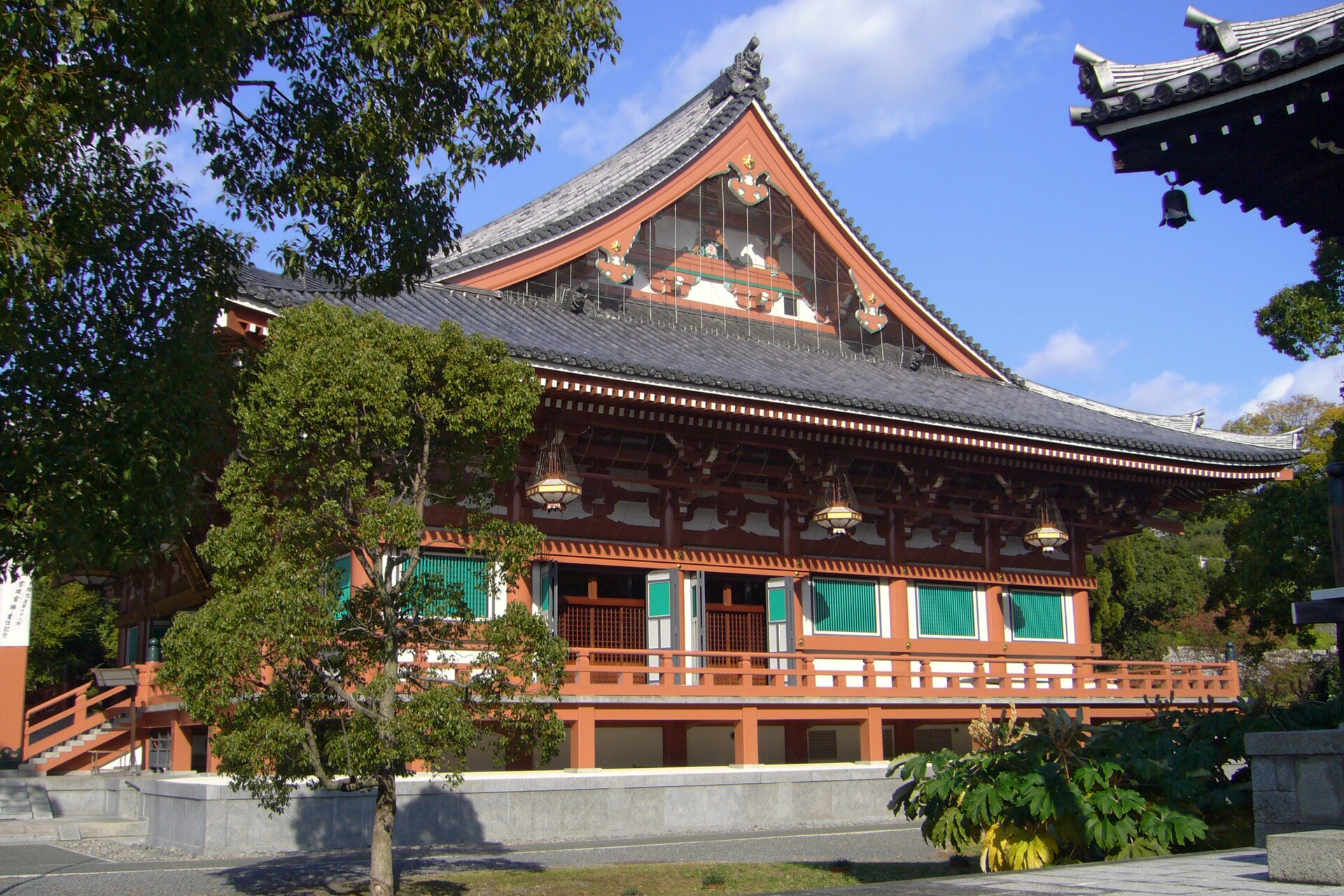
This place is a Place of worship. It was established in 1601. It carries the Place of Scenic Beauty heritage designation.
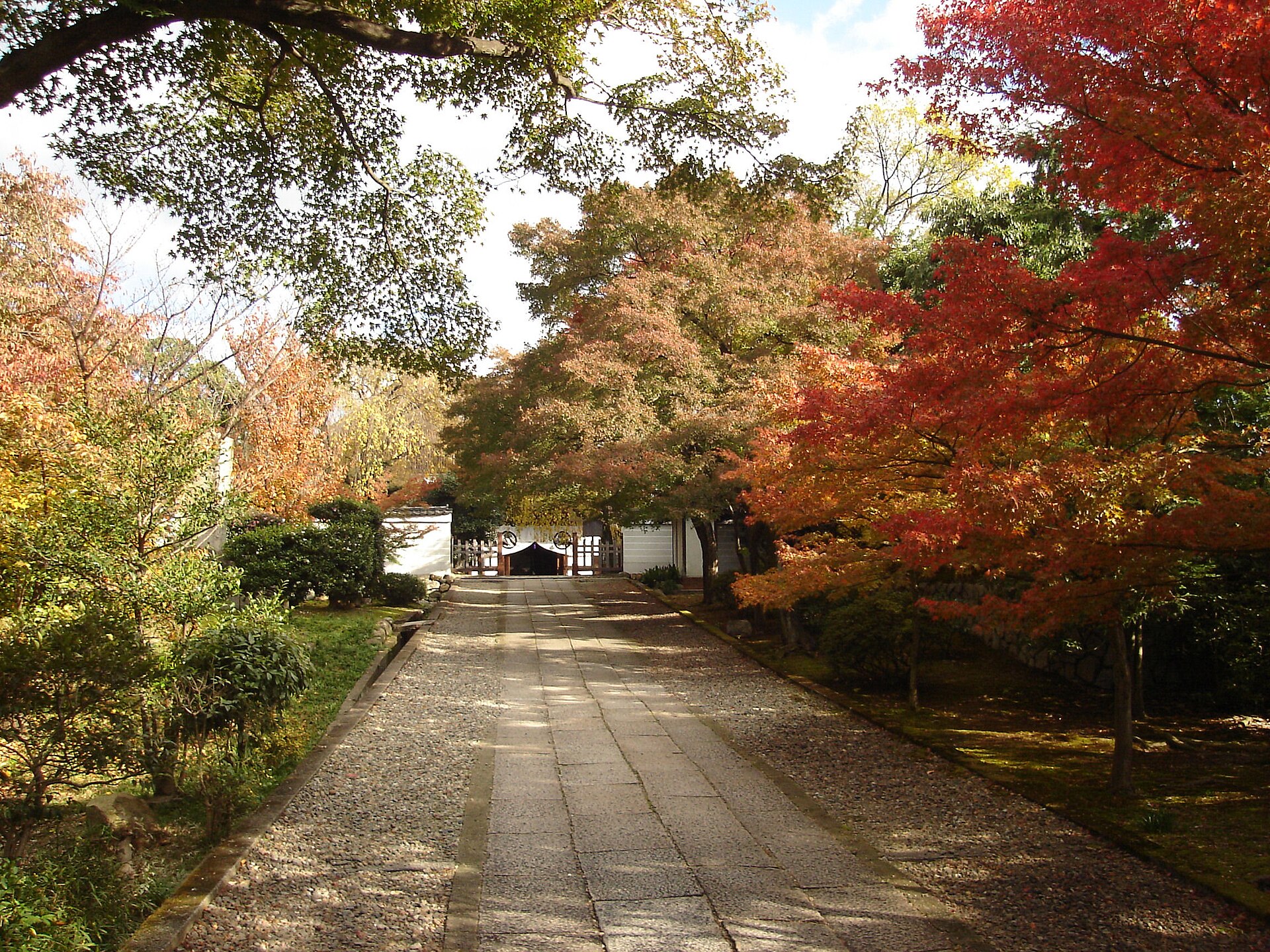
Chishaku-in is a Buddhist temple in Kyoto, Japan. It serves as the headquarters of the Shingon Buddhist Chizan sect. The temple occupies a significant position within Japanese religious architecture and cultural heritage. Its grounds contain structures and spaces that reflect centuries of Buddhist practice and artistic development. The site maintains active religious functions alongside its role as a destination for visitors interested in Japanese temple culture. The temple's historical layers contribute to its standing among Kyoto's numerous religious institutions. Visitors encounter a working temple environment rather than a purely museum-like presentation.
Checked 2026-08-26
The temple grounds encompass traditional architectural elements typical of Japanese Buddhist complexes. Garden spaces form part of the temple's physical environment. The temple possesses painted screen doors and panels that represent significant artistic heritage. These painted works constitute a notable collection within the temple's holdings. Interior spaces include areas for religious observance and areas accessible to visitors. The arrangement of buildings follows patterns consistent with Japanese temple layout conventions. Specific interior details and their current accessibility depend on ongoing temple operations and preservation requirements. The integration of built structures with landscaped areas characterizes the visitor experience.
Checked 2026-08-26
A visit to Chishaku-in typically requires a moderate time commitment. Visitors generally allocate between thirty minutes and one hour for a basic exploration of the accessible areas. Those with particular interest in Buddhist art, architecture, or garden design may extend their stay. The duration depends substantially on which portions of the temple complex are open during the visit. Seasonal variations in accessibility may affect how thoroughly visitors can experience the grounds. Individual pacing preferences influence actual time spent. The temple does not appear to impose strict time limits on visitors within standard operating periods.
Checked 2026-08-26
Visitors should verify current opening schedules directly with temple authorities or through official tourism channels before planning a visit. Seasonal considerations in Kyoto include the hot humid summers and cold winters that may affect comfort during outdoor portions of a temple visit. Spring and autumn traditionally attract larger numbers of visitors to Kyoto's temples due to cherry blossoms and autumn foliage. Morning visits may offer quieter conditions. The temple's religious calendar may influence accessibility on certain dates. Advance confirmation remains essential. Check the operator's own site for the travel date before relying on a schedule or fare.
Checked 2026-08-26
Visitors should obtain current admission information directly from temple sources or verified tourism offices. Many Kyoto temples operate with admission fees that support maintenance and preservation activities. The fee structure may differentiate between general admission and access to special exhibitions or buildings. Some temple complexes offer combination arrangements with related sites. Payment methods accepted at religious institutions in Japan vary; cash remains commonly required. Group rates or other categories may apply. Direct verification before visiting prevents complications at entry points. Check the operator's own site for the travel date before relying on a schedule or fare.
Checked 2026-08-26
Chishaku-in occupies a location within Kyoto's urban fabric. The temple is situated in proximity to other notable sites in the Higashiyama district area. Public transportation options in Kyoto include bus networks and rail services that connect to the general vicinity. Walking from nearby stations or bus stops typically completes the journey. The temple's specific address and nearest transit points require verification through current mapping resources or official tourism information. Kyoto's flat terrain in many areas facilitates pedestrian approaches. Signage in Japanese and sometimes English assists navigation. Bicycle rental represents another common Kyoto transportation method.
Checked 2026-08-26
Visitors should observe comportment appropriate to active religious sites. Photography restrictions may apply in certain interior spaces or near religious objects. Footwear protocols typically require removal before entering temple buildings. Quiet behavior respects ongoing religious activities and other visitors. The temple grounds may present uneven surfaces, steps, or other physical conditions requiring attention. Weather exposure affects uncovered walkways between buildings. Crowding during peak tourism periods may limit movement and viewing opportunities. Specific rules posted at entry should be followed. Respect for worshippers and monks using the temple for its primary purpose remains fundamental to appropriate visitation.
Checked 2026-08-26
Photography policies at Chishaku-in require on-site verification. Many Japanese temples restrict or prohibit photography of interior spaces, religious artifacts, and painted screens. Exterior photography of buildings and gardens is often permitted, though specific zones may carry restrictions. Flash photography typically faces prohibition due to conservation concerns. Tripod and professional equipment use may require special permission. Visitors should observe posted signs and staff guidance regarding camera use. The painted screens represent particularly sensitive cultural materials where restrictions commonly apply. When photography is permitted, considerate practice that does not impede other visitors or religious activities should guide behavior.
Checked 2026-08-26
Current operational status requires direct verification with temple authorities or official tourism channels, as conditions may change.
The temple holds painted screens and panels representing artistic heritage, though specific historical details and current display status require on-site or official confirmation.
Availability of English materials or assistance varies; visitors should prepare accordingly and not assume comprehensive foreign-language support.
On-site dining provisions are Not recorded pending review; visitors should plan sustenance needs independently.
Opportunities for visitor participation in religious observances are Not recorded pending review; the temple primarily functions as an active religious institution.
Specific accessibility features are Not recorded pending review; traditional temple architecture often presents steps and uneven surfaces that may pose challenges.
Loading the interactive map…
The interactive map could not be loaded.
Last updated:
Source: OpenStreetMap contributors, Wikidata ·