
9 min walk
Mount Kurama
- High
- Viewpoint
Language · 11 published
Place of worship · Kyoto
鞍馬寺
Reviewed by Elena Voss · Roavina Travel Editor
| Monday | 09:00 – 16:30 |
|---|---|
| Tuesday | 09:00 – 16:30 |
| Wednesday | 09:00 – 16:30 |
| Thursday | 09:00 – 16:30 |
| Friday | 09:00 – 16:30 |
| Saturday | 09:00 – 16:30 |
| Sunday | 09:00 – 16:30 |
Parsed from OpenStreetMap opening hours on 2026-09-09.
This place is a Place of worship. It was established in 796.
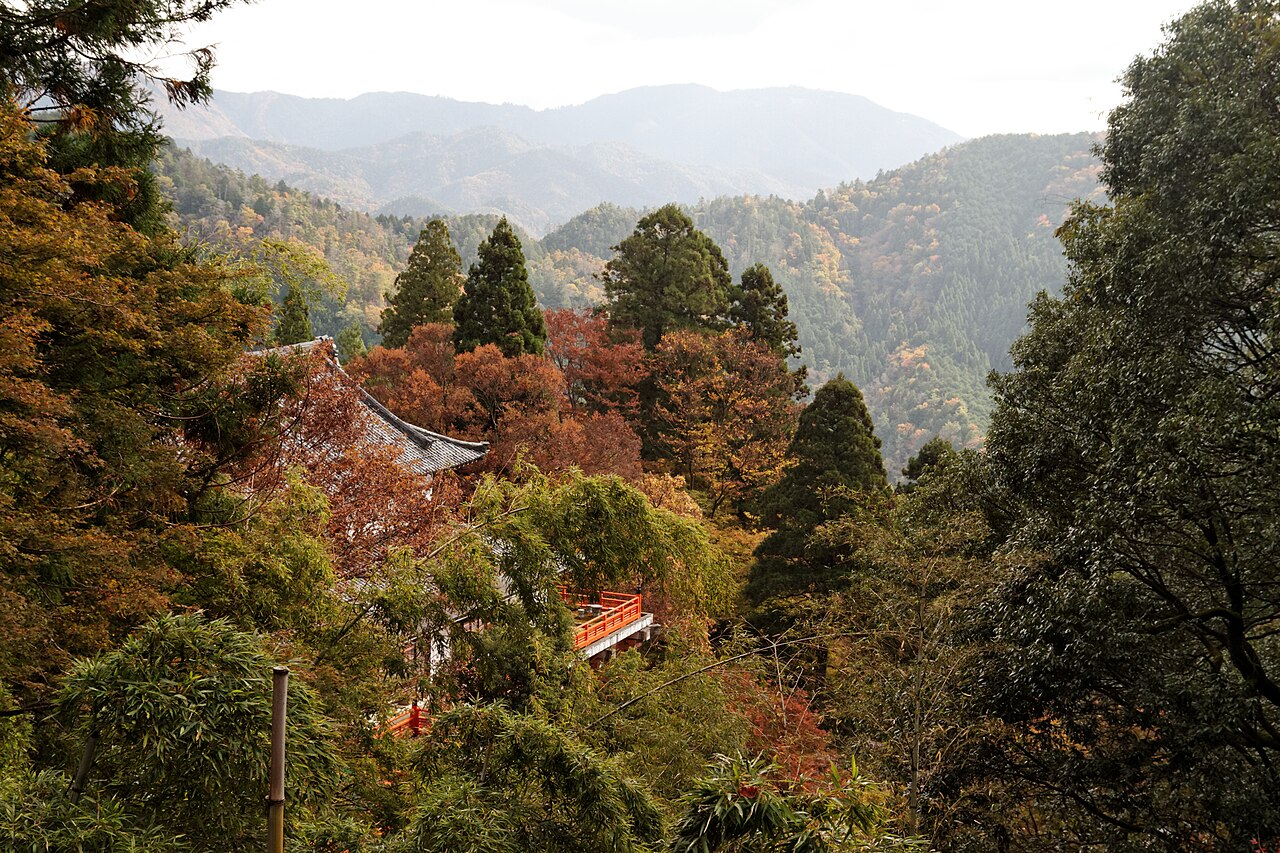
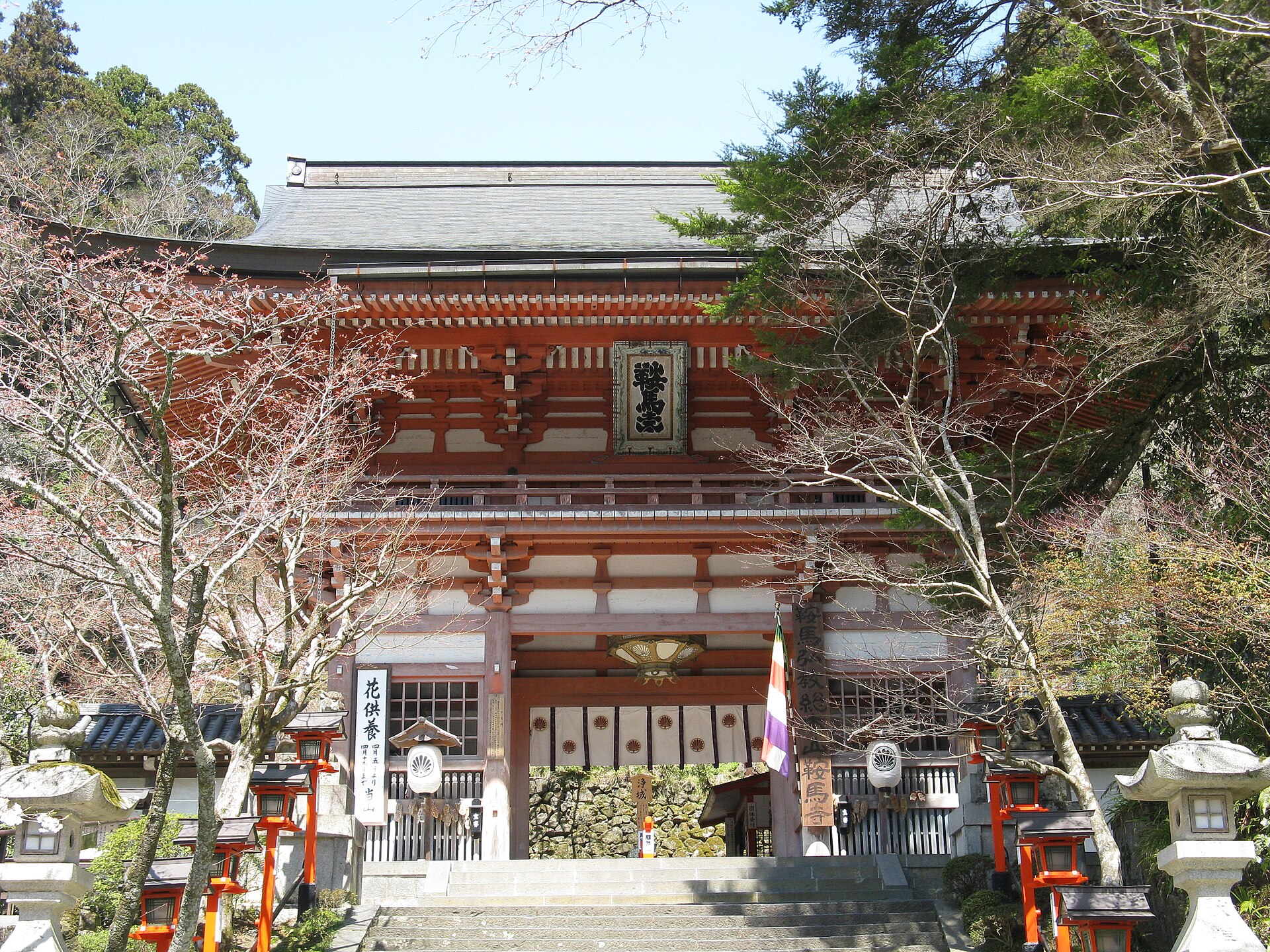
Kurama-dera is a Buddhist temple located in the mountains north of Kyoto city proper. It sits on Mount Kurama at a significant elevation above the surrounding valley. The temple belongs to the Tendai school of Buddhism and has long served as a site of mountain ascetic practice. The complex is associated with legends of tengu, mythical long-nosed goblins said to inhabit Japanese forests. The temple's remote mountain setting distinguishes it from more centrally located Kyoto religious sites. Visitors typically combine a temple visit with hiking along the mountain trails.
Checked 2026-08-26
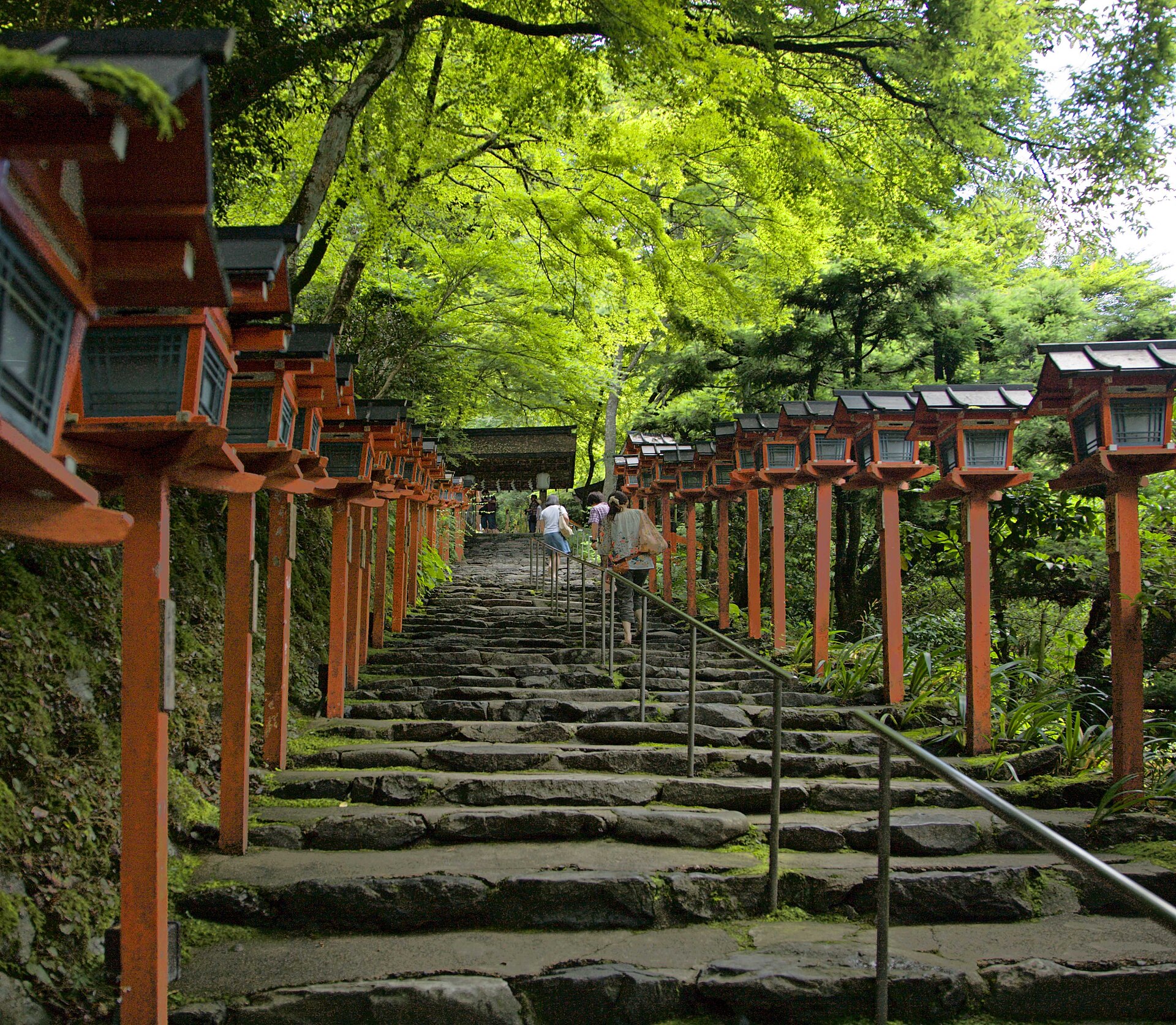
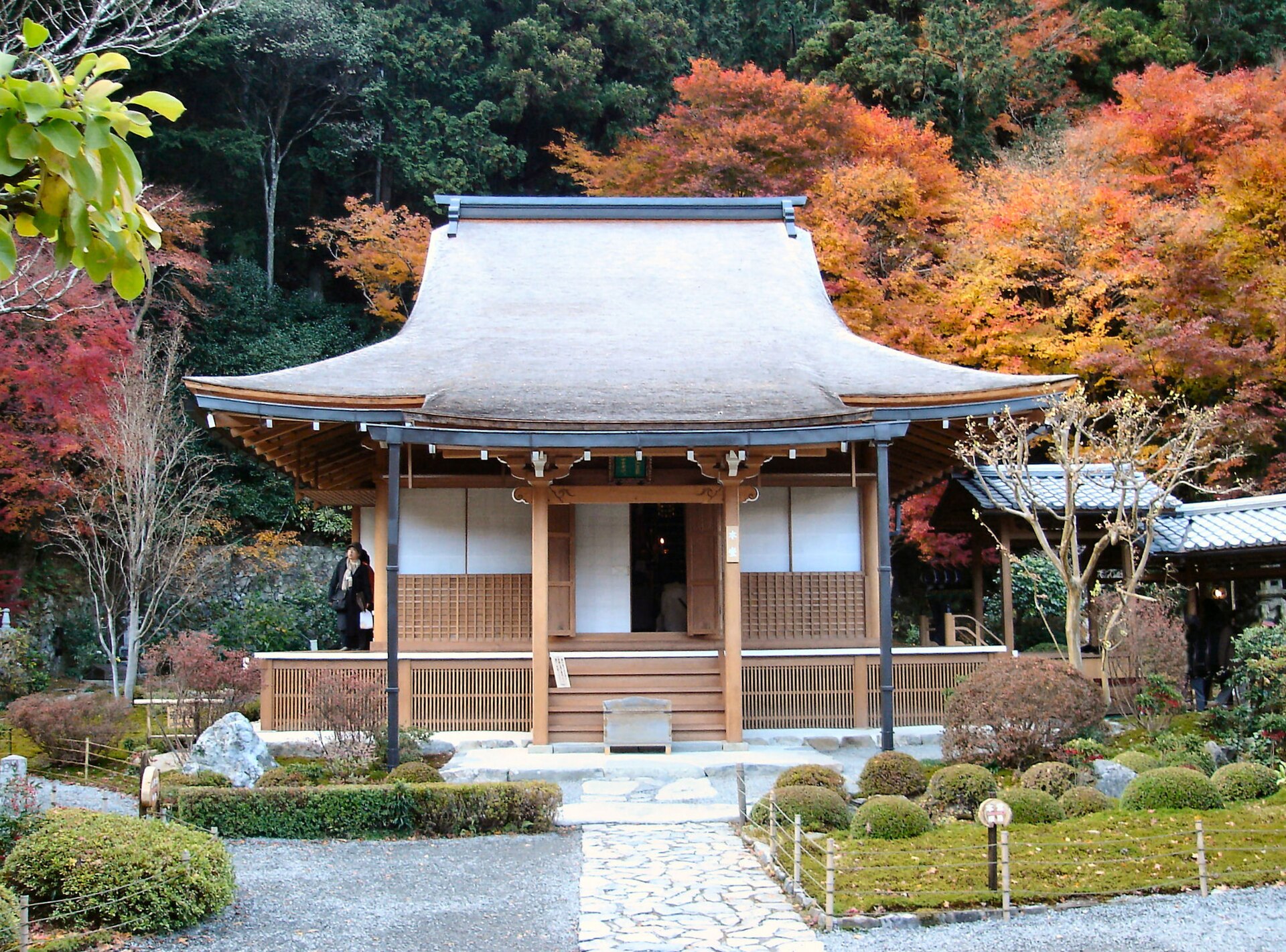
The temple grounds contain multiple structures distributed across the mountainside. The main hall and various subsidiary buildings are connected by stone stairways and forest paths. A cable car operates partway up the mountain for those who prefer not to walk the full ascent. Sacred trees and natural features form part of the religious landscape. The temple maintains its character as an active place of worship rather than purely a tourist destination. Mountain scenery surrounds the built structures throughout the complex.
Checked 2026-08-26
A visit to Kurama-dera requires substantial time due to its mountain location. The approach from Kurama Station through the forest to the temple takes considerable walking. Those continuing over the mountain to Kibune will need additional hours. Even visitors using the cable car for part of the ascent should allow time for exploring the temple buildings and grounds. The full experience including travel from central Kyoto typically consumes half a day or more. Physical fitness affects time requirements significantly.
Checked 2026-08-26
The temple's mountain setting means weather conditions affect accessibility and experience throughout the year. Winter visits may encounter snow or ice on paths. Summer brings dense forest vegetation and humidity. Autumn foliage and spring greenery transform the mountain scenery. Early morning visits offer quieter conditions before day-trippers arrive. The cable car operation presumably affects access timing. Visitors should verify current conditions before traveling, as mountain weather can change rapidly. Kurama-dera also earns time in a kyoto itinerary because WIKIDATA_PRODUCTION reconciliation for the ranked entry; identity and coordinates were verified without a nearby fallback. Its value becomes clearer when the stop is compared with the surrounding streets and the other ranked places nearby. Check the operator's own site for the travel date before relying on a schedule or fare.
Checked 2026-08-26
The temple likely charges admission given its status as a maintained religious institution. The cable car requires separate payment if used. Combined approaches involving multiple transportation modes from Kyoto accumulate costs. Visitors should carry cash as mountain facilities may not accept card payments. Budget for potential offerings or protective charms if desired. The extended travel time from central Kyoto also represents an implicit cost in any Kyoto itinerary with limited days. Check the operator's own site for the travel date before relying on a schedule or fare.
Checked 2026-08-26
Kurama-dera is reached via the Eizan Railway to Kurama Station, the northern terminus. From central Kyoto, travelers typically take the subway to Demachiyanagi Station and transfer to the Eizan line. The railway journey itself passes through increasingly mountainous terrain. From Kurama Station, a forested walking path leads toward the temple, with the cable car offering partial ascent. The route over the mountain to Kibune provides an alternative return path for capable hikers. Public transportation frequency decreases outside peak hours.
Checked 2026-08-26
The mountain terrain presents genuine physical demands. Stone steps and forest paths become slippery in wet conditions. Proper footwear is essential; unsuitable shoes create real safety risks. Wildlife encounters including snakes occur in season. Daylight hours limit safe visiting windows given the walking distances involved. Mobile phone reception may be unreliable in mountain valleys. Solo hikers on less frequented trails face elevated risk if injury occurs. Weather forecasts should be checked before departure as mountain conditions differ from Kyoto basin reports.
Checked 2026-08-26
The mountain setting provides natural scenery of forest, rock formations, and distant views on clear days. Temple buildings offer traditional architectural subjects against woodland backgrounds. The approach path through cedar forest creates atmospheric corridor perspectives. Interior photography likely faces restrictions in worship spaces. Lighting conditions vary dramatically between dense forest shade and exposed ridgeline viewpoints. Early morning mist or seasonal phenomena may reward patient visitors. Tripod use could obstruct narrow paths shared with other pedestrians and worshippers. A flexible visit lets travellers connect Kurama-dera with the rest of the day without treating one room, viewpoint or photograph as the whole experience. The useful pace depends on personal interest and conditions on arrival.
Checked 2026-08-26
Not recorded. The mountain location with stone steps and forest paths presents inherent accessibility challenges. The cable car eliminates only part of the ascent.
Not recorded. The mountain trail connecting the two locations exists, but individual fitness and conditions determine feasibility.
Not recorded. Mountain locations typically have limited food options. Visitors should consider carrying provisions.
Not recorded. The association exists in cultural memory, but specific on-site interpretation is not confirmed.
Not recorded. The temple appears to function as a general admission site, but this is not confirmed.
Not recorded. Remote religious sites in Japan often have minimal foreign-language support.
Loading the interactive map…
The interactive map could not be loaded.
Last updated:
Source: OpenStreetMap contributors, Wikidata ·