
57
2 hours
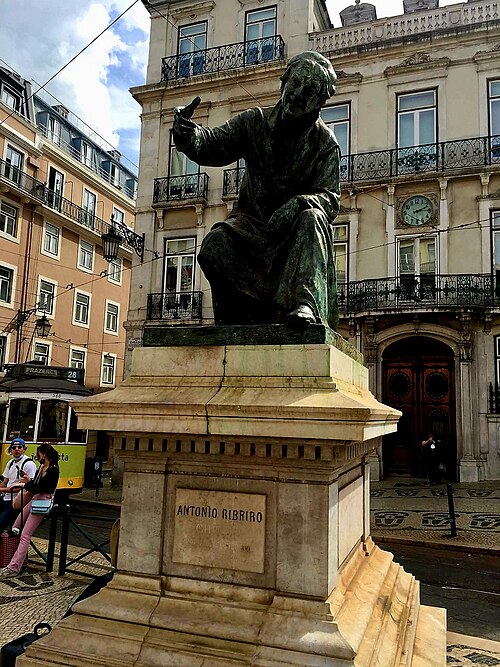
Chiado
Chiado is a historic cultural quarter in central Lisbon, Portugal. It occupies a hilltop position between the Bairro Alto and Baixa districts.
- High
- Nightlife venue
City guide · Portugal
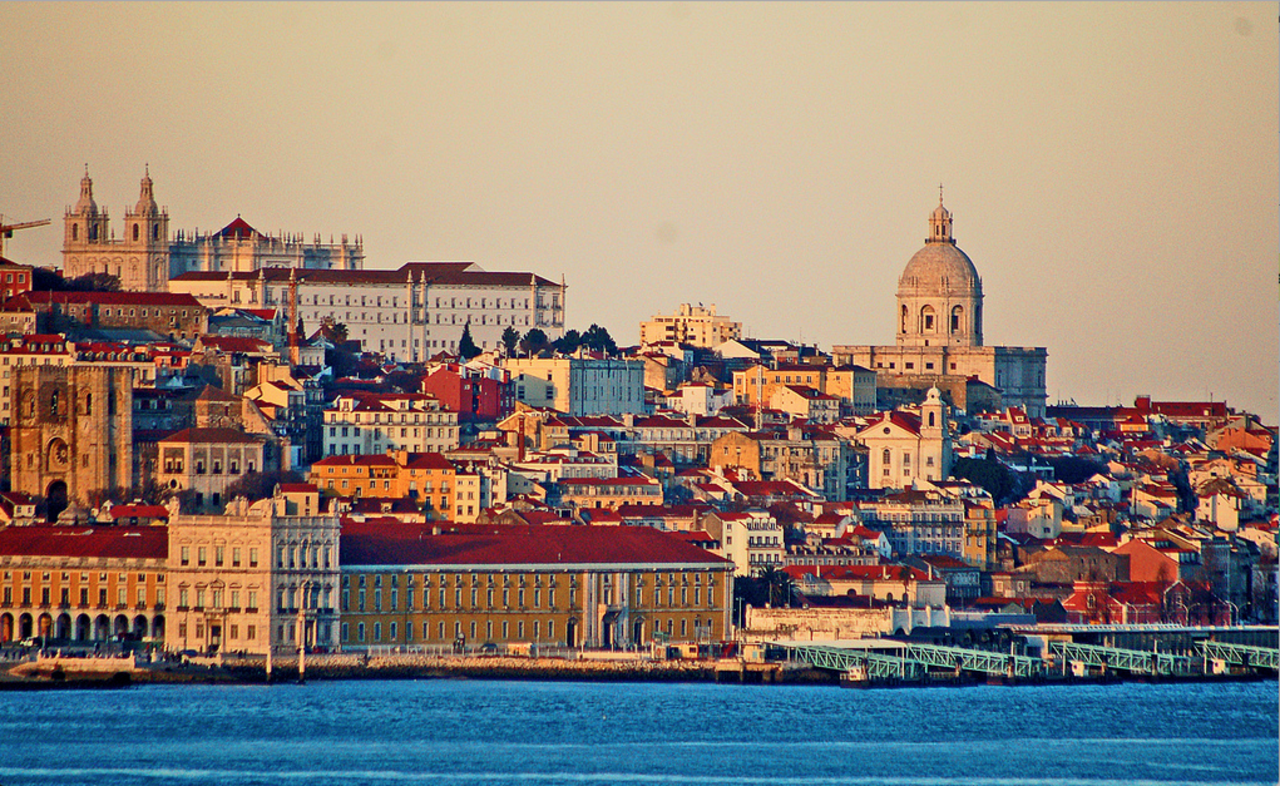
Lisbon is Portugal's capital, built on hills along the north bank of the Tagus estuary. The lower Baixa grid forms the central hinge between the older slopes of...
Photograph · Lacobrigo · CC BY-SA 4.0
Set your days, your pace and the hours you actually want to be out. The planner works around closing days and travel time, and leaves room to eat.
Reviewed by Elena Voss · Roavina Travel Editor
Lisbon is Portugal's capital, built on hills along the north bank of the Tagus estuary. The lower Baixa grid forms the central hinge between the older slopes of Alfama and Mouraria to the east and Chiado, Bairro Alto and Estrela to the west. Belém is a separate riverside monument cluster farther west, while Parque das Nações occupies a modern eastern waterfront. Viewpoints, steep lanes, tiled facades and river crossings make the city's geography part of the visit rather than a background to isolated monuments.
Checked 2026-08-26
September · September in Lisbon has mean high 26.6°C and rainfall 38.6 mm. Warm, drier weather makes Lisbon's hills, viewpoints, and waterfront easier to enjoy. September supports a full day of outdoor stops in Lisbon.
Ranked by importance — sitelinks, pageviews and heritage status, not editor preference.
82 places match
Category
Typical visit duration
Interests
Chiado is a historic cultural quarter in central Lisbon, Portugal. It occupies a hilltop position between the Bairro Alto and Baixa districts.
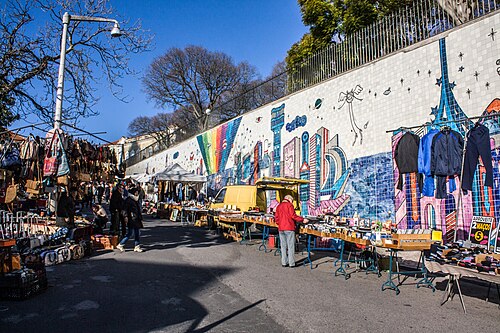
Feira da Ladra
Feira da Ladra is a historic flea market in Lisbon, Portugal. Its name translates roughly to Thieves Market or Market of the Thieves, though its origins and exact naming history are not fully documented.
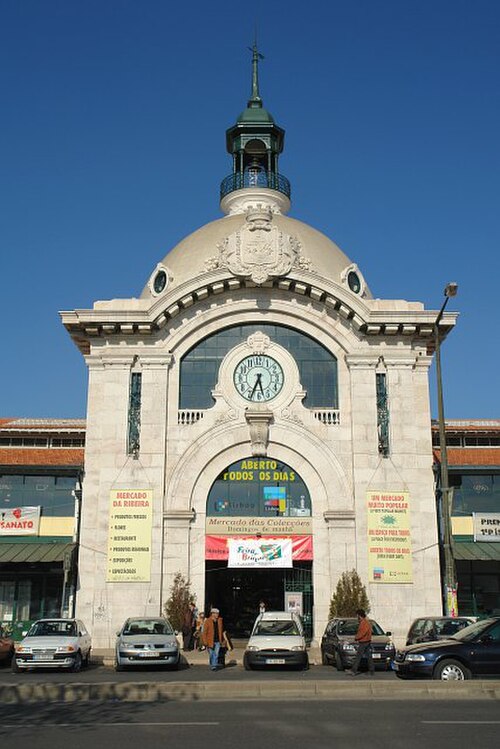
Mercado da Ribeira is a historic market hall in Lisbon, located in the Cais do Sodré district near the Tagus River. Established in the late nineteenth century, it has served as a central food market for the city.
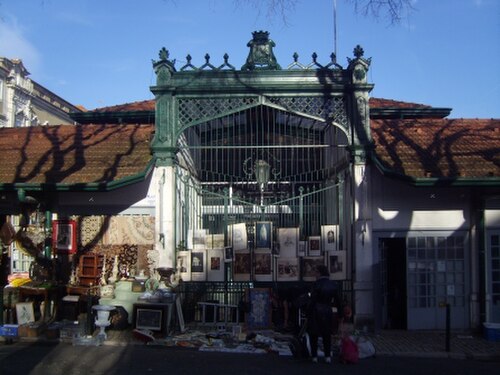
Mercado de Santa Clara
Mercado de Santa Clara is a historic market in Lisbon's Alfama district, situated near the National Pantheon and São Vicente de Fora monastery.
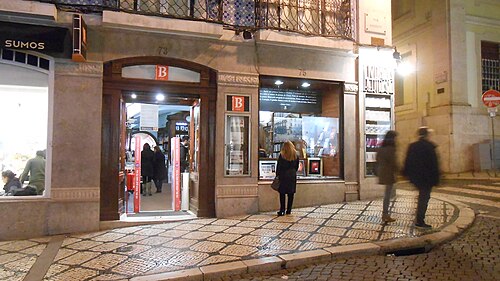
Livraria Bertrand - Chiado
Livraria Bertrand is a historic bookshop located in Lisbon's Chiado district. It holds a Guinness World Record as the oldest operating bookshop in the world, with origins dating to 1732.
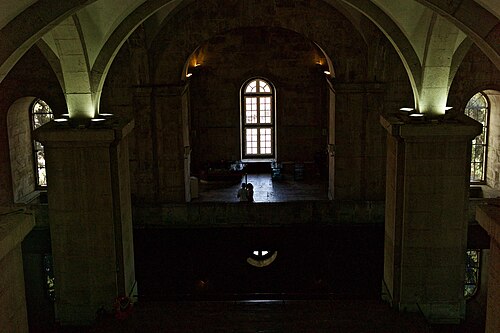
The Reservatório da Mãe d'Água das Amoreiras is a historic water reservoir in Lisbon, Portugal. It forms part of the city's 18th-century Águas Livres Aqueduct system, engineered to supply fresh water to the capital.
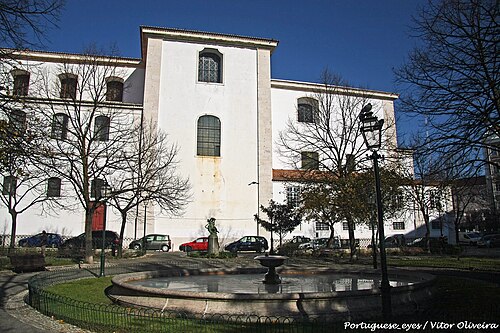
Igreja da Graça
Igreja da Graça is a historic church situated in the Graça district of Lisbon, Portugal. The church belongs to the Order of Augustinian Hermits and occupies a prominent position on one of Lisbon's hills, offering commanding views across the city.
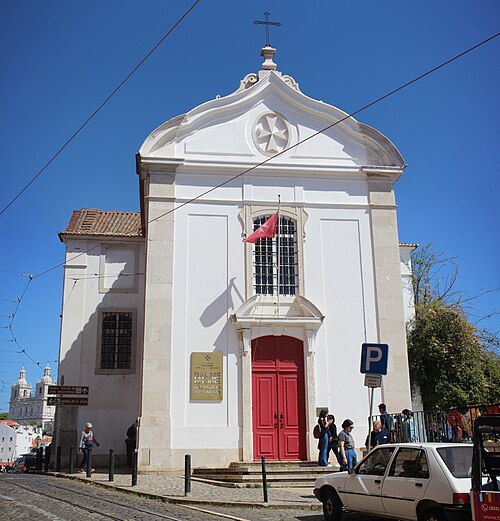
Igreja de São Brás e de Santa Luzia
Igreja de Santa Luzia, locally known as Igreja de São Brás e de Santa Luzia, stands as a historic church in Lisbon's Alfama district. The building reflects Portuguese religious architecture with its prominent position overlooking the city.
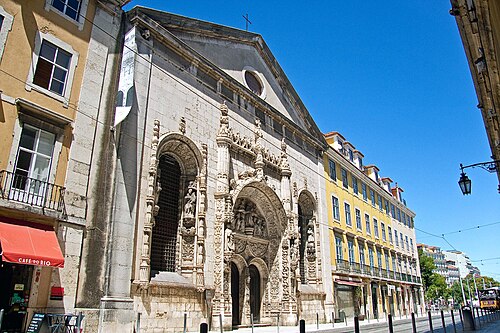
Igreja da Conceição Velha
The Church of Nossa Senhora da Conceição Velha, known locally as Igreja da Conceição Velha, stands in Lisbon's Baixa district.
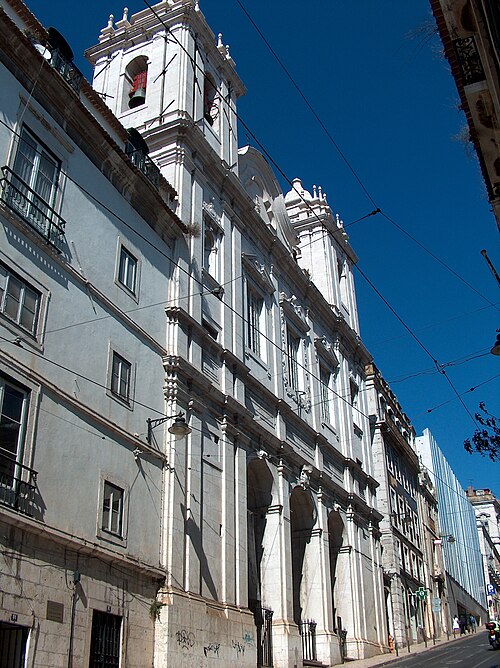
Igreja de Santa Catarina is a historic Catholic church in Lisbon’s Santa Catarina area, within the Misericórdia civil parish. The church remains a place of worship for the local Catholic community and contributes to the architectural character of central Lisbon.
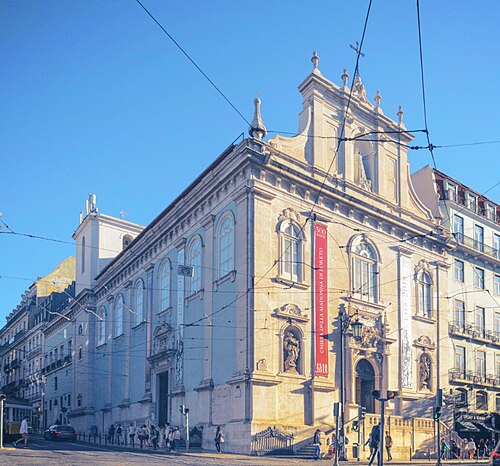
Igreja do Loreto
Igreja de Nossa Senhora do Loreto, also called Igreja do Loreto, is a Catholic church in Lisbon. The building belongs to the religious and architectural landscape of Portugal’s capital and continues to function as a place of worship.
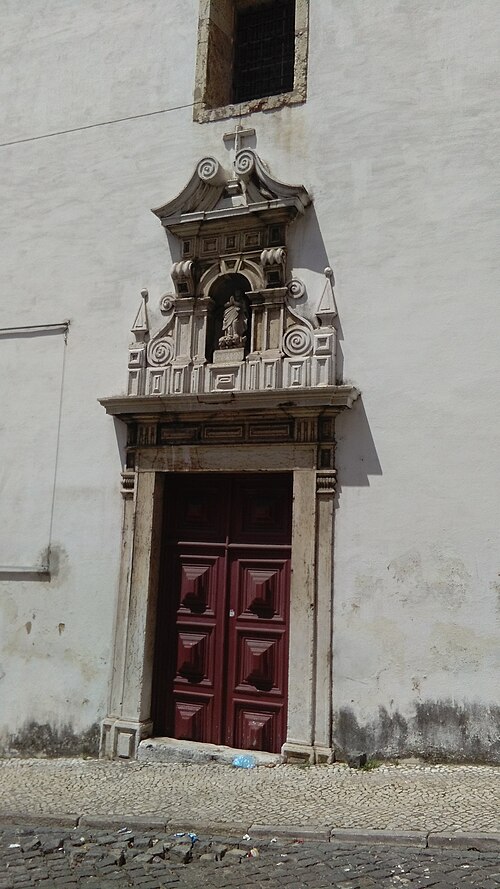
Convento dos Cardais is a convent in Lisbon and part of the city’s broad religious heritage. A convent is a place shaped by religious community life, residence, worship, and the architectural needs of that community.
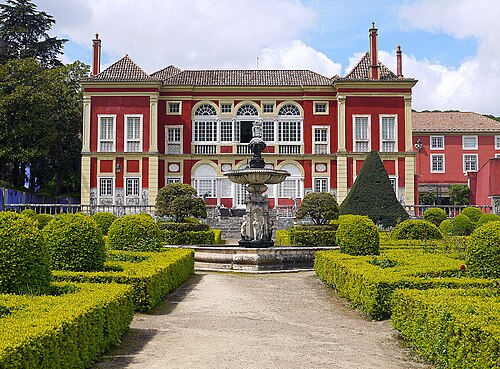
Palácio Fronteira
The Palace of the Marquises of Fronteira is a seventeenth-century aristocratic estate in Lisbon. It remains a private family residence while opening selected areas to visitors.
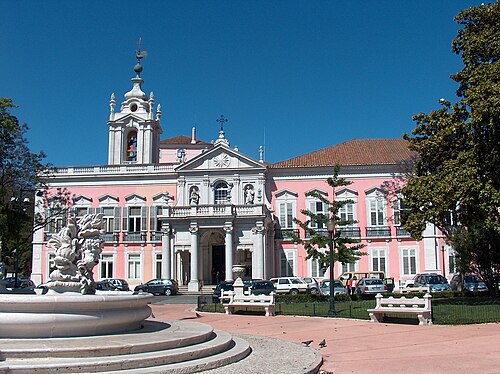
Palácio das Necessidades
Necessidades Palace, or Palácio das Necessidades, is an eighteenth-century palace in Lisbon's Estrela district. It is the headquarters of Portugal's Ministry of Foreign Affairs, so its importance is governmental and architectural rather than museum-based.
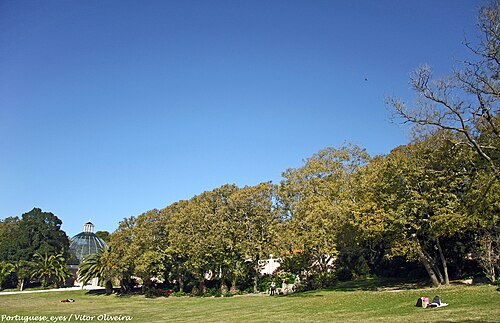
Tapada das Necessidades is a historic park and garden in Lisbon, Portugal. The name translates roughly to Park of Needs or Necessities. It occupies grounds historically associated with the Necessidades Palace, which served as a royal and later presidential residence.
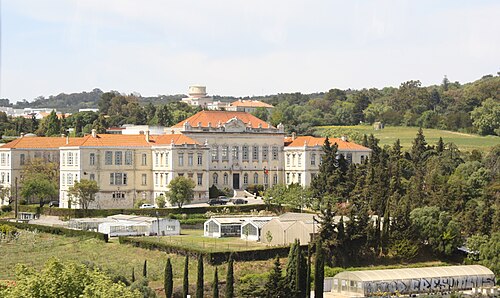
Tapada da Ajuda is a historic parkland on the western edge of Lisbon, Portugal. The area forms part of the Ajuda royal complex and has served as grounds associated with the nearby Palace of Ajuda.
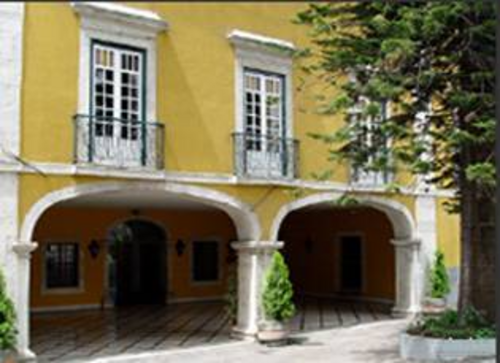
Museu da Carris
The Carris Museum, or Museu da Carris, traces the history of Lisbon’s public transport through the company that operates the city’s trams, buses, and funiculars.
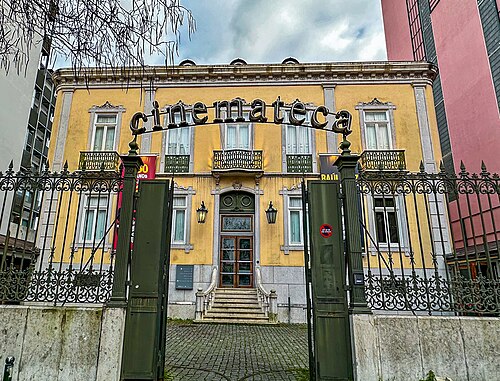
Cinemateca Portuguesa - Museu do Cinema
Cinemateca Portuguesa, the Museu do Cinema, is Portugal's national film archive and a public cinema museum in Lisbon. It brings together preservation, research, exhibitions and screenings, giving visitors a focused way to explore moving-image culture.
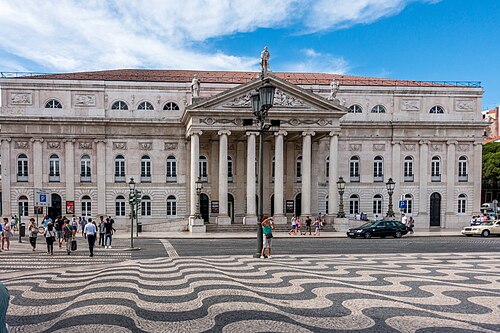
Teatro Nacional Dona Maria II
Teatro Nacional D. Maria II is Lisbon’s national theatre on Rossio Square, in the Baixa district. Its formal Portuguese name honours Queen Maria II, and the neoclassical façade gives the north side of the square a strong architectural focus.
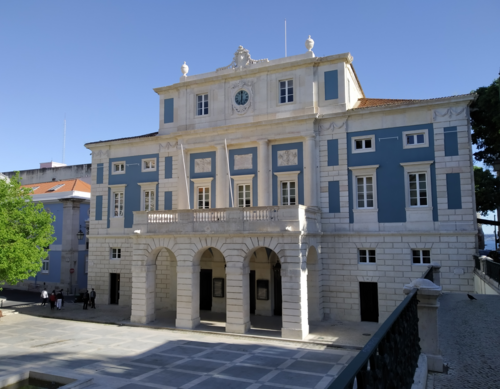
Teatro Nacional de São Carlos is Lisbon’s national opera house, standing in the Chiado district among the city’s historic streets. Founded in the late eighteenth century, it remains a major Portuguese venue for opera, ballet, classical music and orchestral performance.
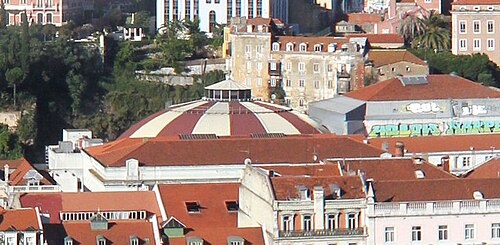
Coliseu dos Recreios is a historic entertainment venue in Lisbon, Portugal. Established in the late nineteenth century, it functions primarily as a theatre and concert hall.
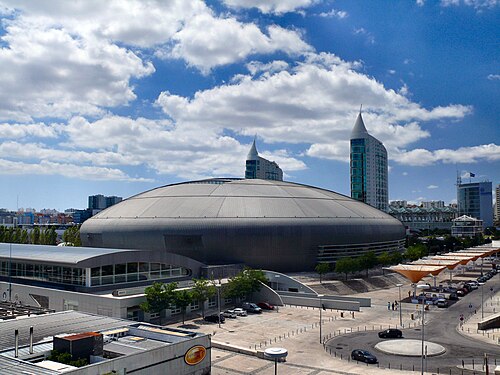
MEO Arena is a multi-purpose indoor arena in Lisbon, Portugal. The venue serves as a major entertainment and sports complex within the city, hosting concerts, sporting events, and large-scale performances.
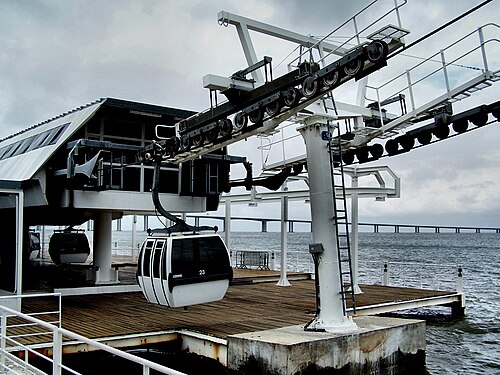
Teleférico do Parque das Nações is an aerial cable car crossing Lisbon’s modern Parque das Nações district. Enclosed gondolas travel above the former Expo 98 waterfront, giving passengers a moving view of the Tagus, landscaped public spaces, and contemporary buildings.
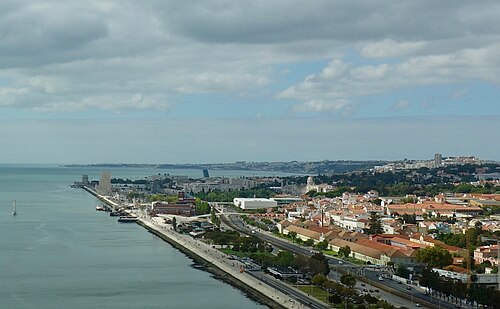
Experiência Pilar 7
Experiência Pilar 7 is a visitor attraction in Lisbon centred on the iconic 25 de Abril Bridge. The experience focuses on one of the bridge's massive concrete pillars, offering access to structural elements normally hidden from public view.
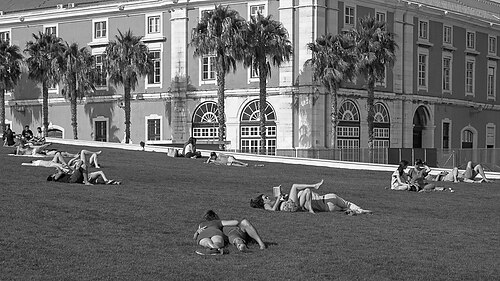
Ribeira das Naus is an open riverside promenade beside the Tagus in central Lisbon. Its name recalls the shipyards that once occupied this waterfront, linking the modern public space with Portugal’s maritime past.
Baixa lies in the low central valley between Lisbon's hills and is the easiest orientation point. Alfama and the castle climb east from the river; Mouraria and Graça continue around the northern side of that ridge. Chiado and Bairro Alto rise west of Baixa, with Cais do Sodré below them on the waterfront. Belém is well west of the centre and should be treated as its own cluster. Across the Tagus, Cacilhas is reached by ferry and gives a different riverbank perspective rather than another central neighbourhood.
Checked 2026-08-26
Walk within Baixa, Chiado and each hill district, but combine metro, Carris buses, trams and funiculars when elevation or distance makes walking inefficient. Lisbon City Council identifies Carris as the operator for buses, trams and elevators, while Metropolitano de Lisboa runs the metro. Urban trains serve routes such as Cascais and Sintra, and Transtejo or Soflusa ferries cross the Tagus. These are related but distinct services, so verify the current fare product and operator coverage before relying on one ticket for an entire itinerary.
Checked 2026-08-26
A fixed stay length is not recorded. Plan separate clusters for Baixa and the central hills, Belém, and any river crossing or regional rail excursion that fits your priorities.
Baixa is the low central grid. Alfama and Graça rise east, Chiado and Bairro Alto rise west, and the riverfront runs below them toward Belém.
Yes for some journeys. The centre is walkable in clusters, but hills and changes in elevation make the metro, trams, buses and funiculars useful even over modest map distances.
Treat Belém as a separate western riverfront cluster. It is connected by public transport but sits beyond the Baixa, Chiado and Alfama sightseeing core.
Transtejo and Soflusa operate passenger ferries within the metropolitan transport system. Check the current route and timetable for the crossing you need rather than assuming every waterfront terminal serves the same destinations.