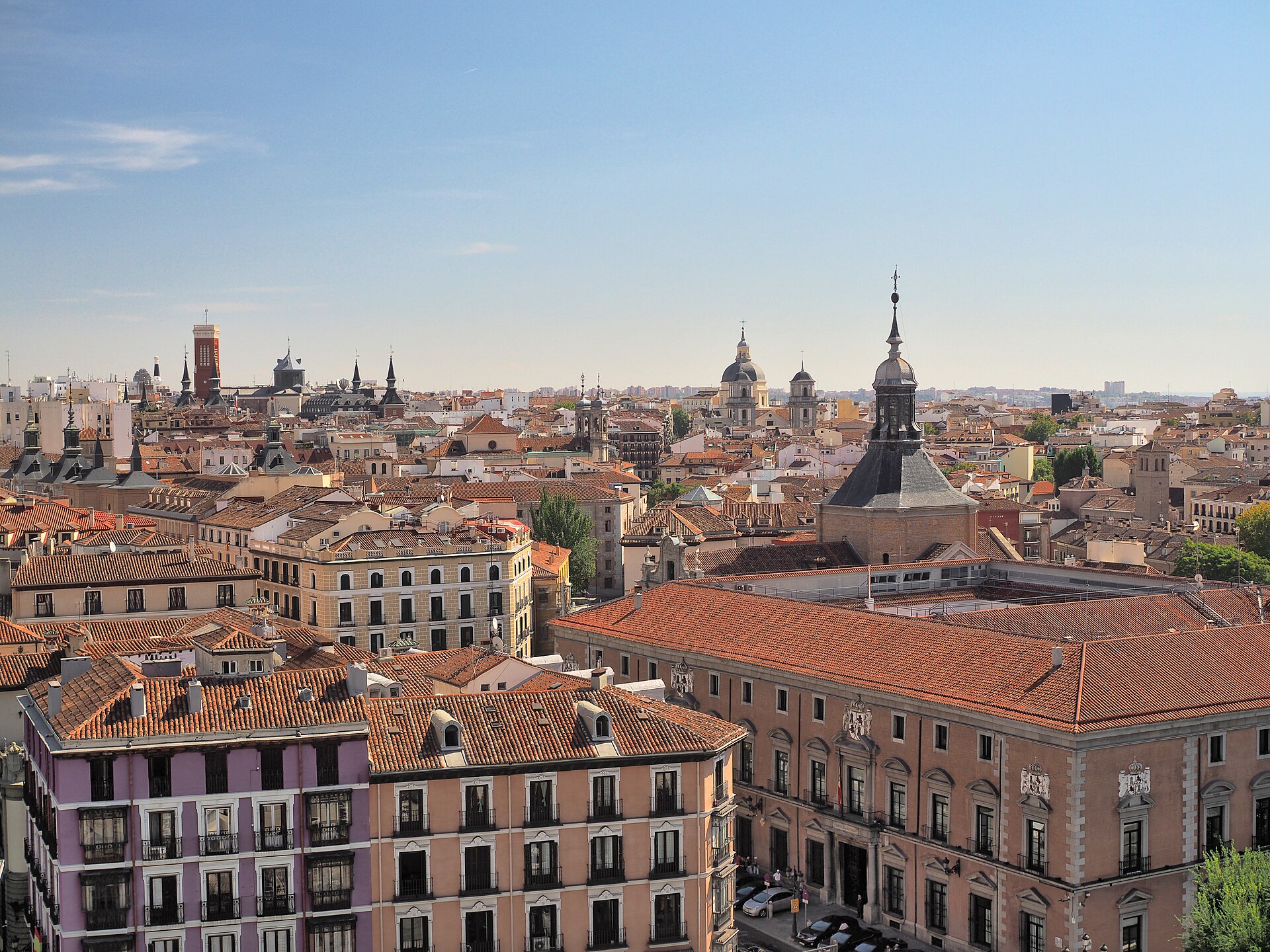
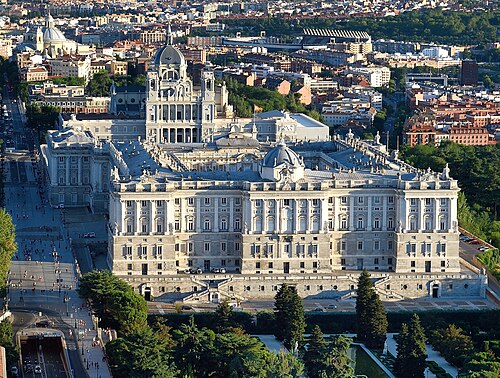
Royal Palace of Madrid
Palacio Real de Madrid
The Royal Palace of Madrid stands on the ridge above the Manzanares where the medieval Alcazar stood until fire destroyed it on Christmas Eve 1734.
- Must see
- Museum
Language · 11 published
City guide · Spain
Madrid is Spain's capital, set on the central plateau and organised around a dense historic and cultural core rather than a major riverfront. The oldest royal quarter, known as Madrid de los Austrias, runs between the Royal Palace and Plaza Mayor. East of Puerta del Sol, Gran Vía, the Literary Quarter and the Paseo del Arte carry the principal commercial streets and art museums. Neighbourhoods such as La Latina, Lavapiés, Malasaña, Chueca, Chamberí and Salamanca then form distinct dining, nightlife and residential clusters around that centre.
Reviewed by Elena Voss · Roavina Travel Editor
Set your days, your pace and the hours you actually want to be out. The planner works around closing days and travel time, and leaves room to eat.
Ranked by importance — sitelinks, pageviews and heritage status, not editor preference.
36 places match
Category
Typical visit duration
Interests
Palacio Real de Madrid
The Royal Palace of Madrid stands on the ridge above the Manzanares where the medieval Alcazar stood until fire destroyed it on Christmas Eve 1734.
Parque del Retiro
El Retiro is the historic municipal garden that fills the ground east of the Paseo del Prado, and it is the only part of central Madrid large enough to lose an afternoon in.
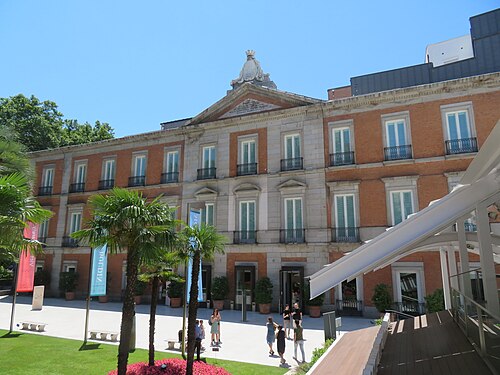
Museo Thyssen-Bornemisza
The Thyssen-Bornemisza is the private-collection third of Madrid's Paseo del Arte, standing on Paseo del Prado at number 8 in the Villahermosa palace, a few minutes' walk from the Prado and the Reina Sofia.
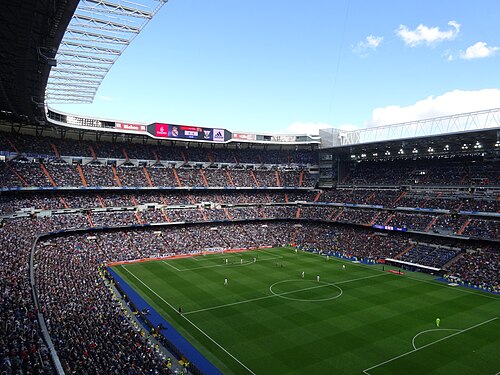
Estadio Santiago Bernabéu is the principal stadium of Real Madrid Club de Fútbol, located on Paseo de la Castellana in the Chamartín district of northern Madrid.
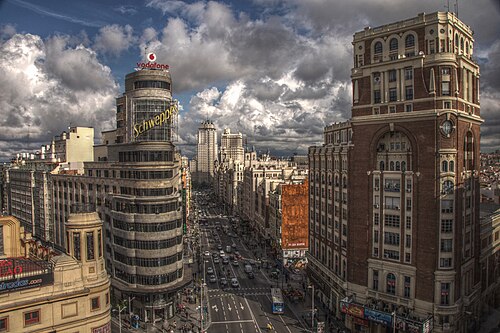
Gran Vía is a major thoroughfare and prominent street in central Madrid, Spain. It stretches from Calle de Alcalá near Plaza de Cibeles to Plaza de España.
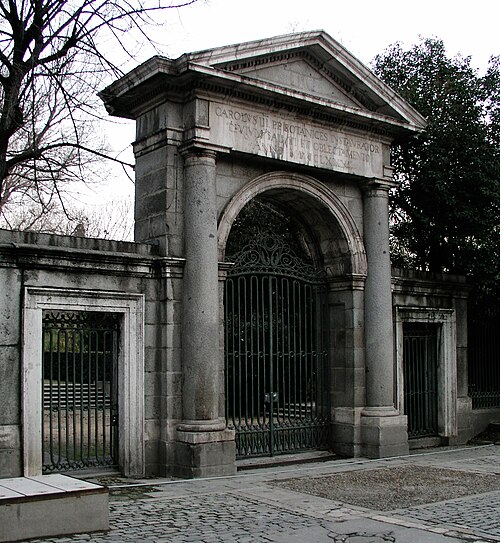
Real Jardín Botánico de Madrid
The Real Jardín Botánico is a working research institute of the CSIC, Spain's national research council, that happens to be open to the public.
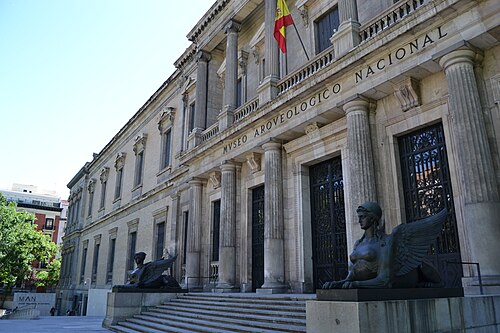
Museo Arqueológico Nacional
The Museo Arqueológico Nacional is Spain's principal institution dedicated to archaeological collections. Located in Madrid, it houses extensive holdings spanning prehistoric times through the medieval period.
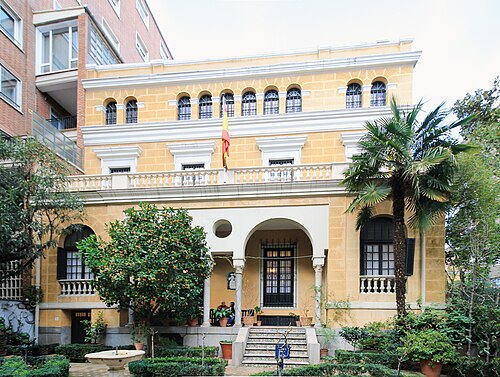
Museo Sorolla
The Sorolla Museum is a museum in Madrid dedicated to the work of Joaquín Sorolla, a prominent Spanish painter known for his luminous beach scenes and portraits.
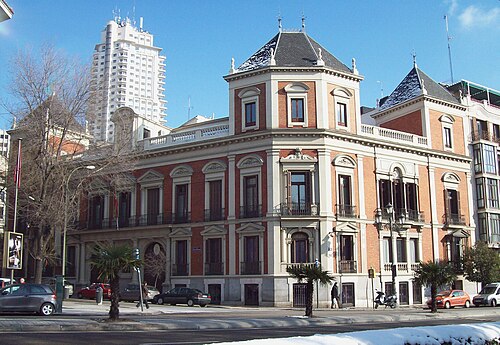
Museo Cerralbo
The Cerralbo Museum, or Museo Cerralbo, is a historic house museum in Madrid. It preserves the former residence of the 17th Marquis of Cerralbo, Enrique de Aguilera y Gamboa, a prominent aristocrat and collector.
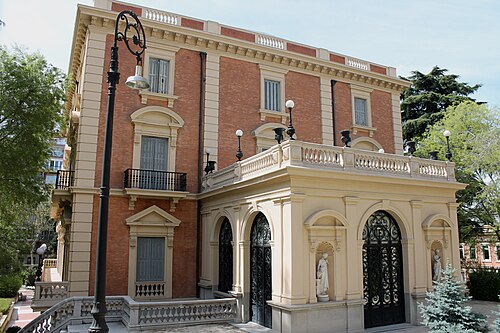
Museo Lázaro Galdiano
The Lázaro Galdiano Museum, known locally as Museo Lázaro Galdiano, is a museum in Madrid. It houses the art collection assembled by José Lázaro Galdiano, a Spanish financier, publisher and collector.
Museo Nacional de Ciencias Naturales
The National Museum of Natural Sciences, known locally as Museo Nacional de Ciencias Naturales, is a prominent institution in Madrid. It operates under the Spanish Ministry of Science and Innovation.
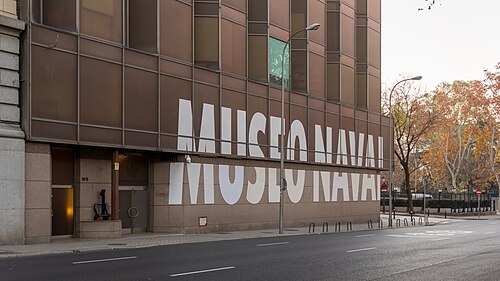
Museo Naval de Madrid
Museo Naval is a maritime museum in Madrid, Spain. It is dedicated to Spanish naval history and heritage. The institution preserves and exhibits collections related to Spain's seafaring traditions, naval warfare, and exploration.
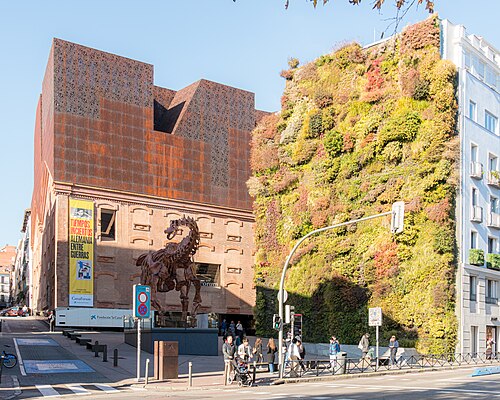
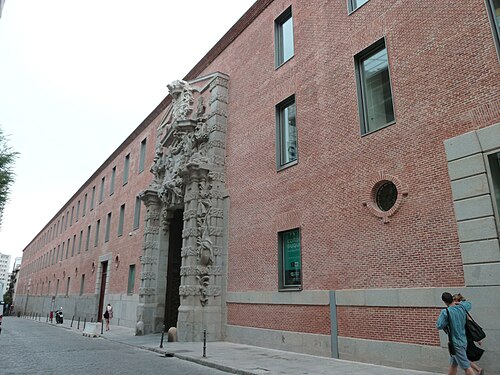
CaixaForum Madrid is a cultural and social centre operated by the La Caixa Foundation. It occupies a distinctive building in central Madrid, notable for its brick industrial architecture with a prominent vertical garden on one exterior wall.
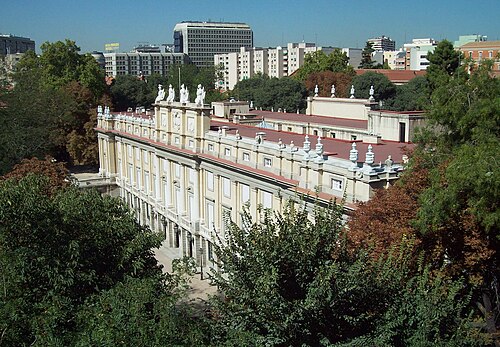
Palacio de Liria
Liria Palace, known locally as Palacio de Liria, stands as a historic palace in Madrid. It serves as the principal residence of the House of Alba, one of Spain's most prominent noble families.
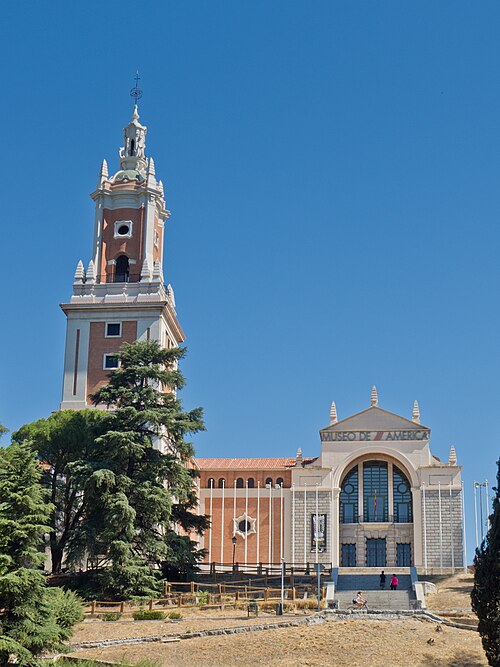
Museo de América
The Museum of the Americas is a Madrid museum devoted to the art, archaeology, and ethnography of the American continents. In Ciudad Universitaria, near Moncloa, it brings together objects connected with societies from North, Central, and South America.
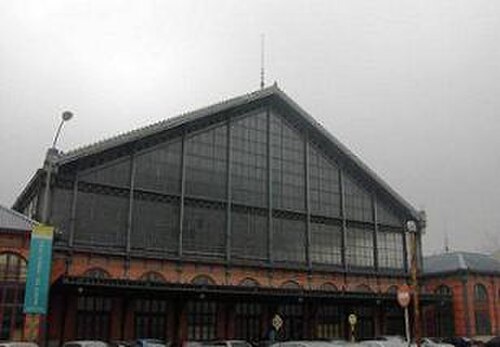
Museo del Ferrocarril de Madrid
The Railway Museum of Madrid, known locally as Museo del Ferrocarril de Madrid, is a museum dedicated to the history of rail transport in Spain.
Museo del Romanticismo
The Museum of Romanticism, or Museo del Romanticismo, explores the artistic and social world of nineteenth-century Spain. It occupies a historic palace in central Madrid, where paintings, furniture, decorative arts and personal belongings create a close view of Romantic-era life.
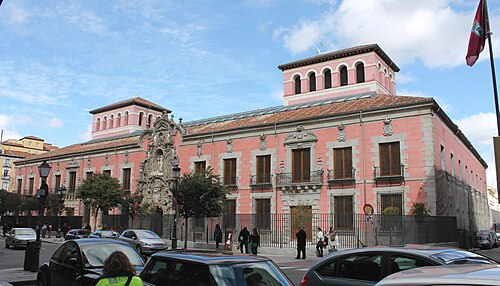
Museo de Historia de Madrid
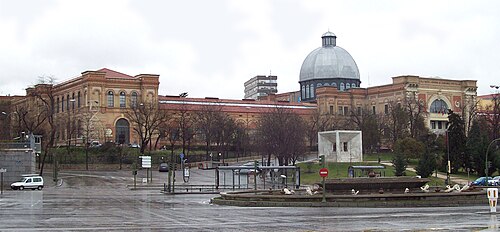
Madrid History Museum, also known as Museo de Historia de Madrid, is Madrid’s municipal museum devoted to the capital itself.
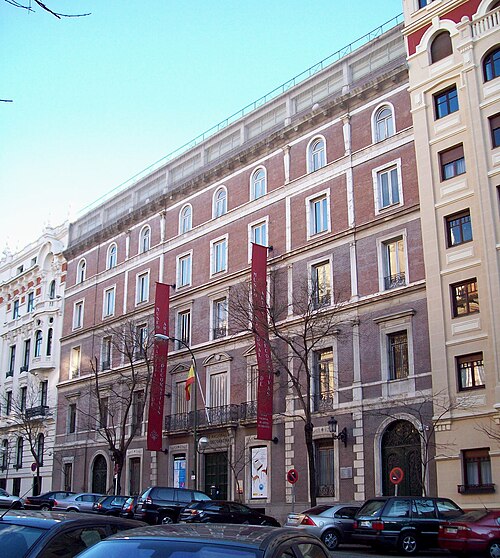
Museo Nacional de Artes Decorativas
The National Museum of Decorative Arts, or Museo Nacional de Artes Decorativas, is a Madrid museum devoted to applied and decorative arts. It occupies a historic building and belongs to Spain’s national museum network.
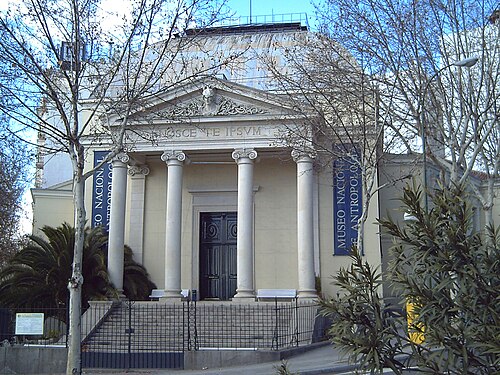
Museo Nacional de Antropología
The Museo Nacional de Antropología in Madrid is Spain's national museum dedicated to anthropology. It houses collections related to human cultures, societies, and physical anthropology.
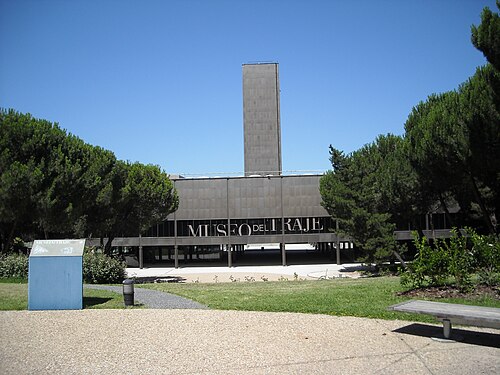
Museo del Traje is Madrid’s museum of clothing, fashion and textile heritage. It belongs to Spain’s state museum network and follows the development of dress through historical periods and contemporary design.
The Royal Academy of Fine Arts of San Fernando is a working academy on Calle de Alcalá that happens to keep one of the best picture collections in Spain on its upper floors.
La Casa Encendida is a multidisciplinary cultural and social centre in Madrid. Its programme connects contemporary art, education, performances, music, film, workshops, and community activity.
Conde Duque is a cultural centre located in Madrid, Spain. The building occupies a prominent position within the urban fabric of the city and serves as a venue for various cultural activities.
Quinta de los Molinos is a historic estate and public park in Madrid, Spain. The property was originally developed as a private residence with extensive grounds in the early twentieth century.
Real Fábrica de Tapices
The Royal Tapestry Factory, or Real Fábrica de Tapices, is a historic Madrid manufactory with centuries of royal connections. Its distinctive appeal is the survival of hand-woven tapestry production as a living craft.
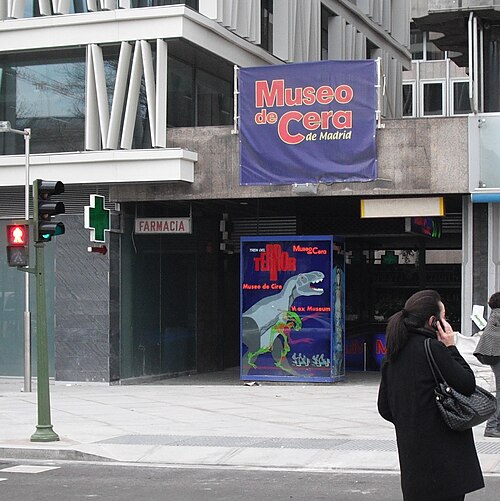
Museo de Cera
Madrid Wax Museum, or Museo de Cera, is a walk-through attraction devoted to lifelike wax figures. It gives visitors an alternative to Madrid’s art museums by presenting historical figures, public personalities, cultural icons, and fictional characters in staged scenes.
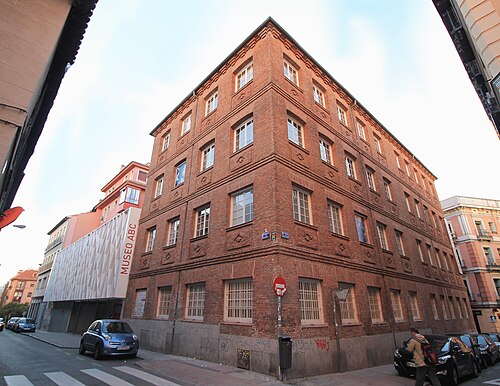
Museo ABC is a museum located in Madrid, Spain. It is dedicated to the collection, preservation, and exhibition of works related to drawing and illustration.
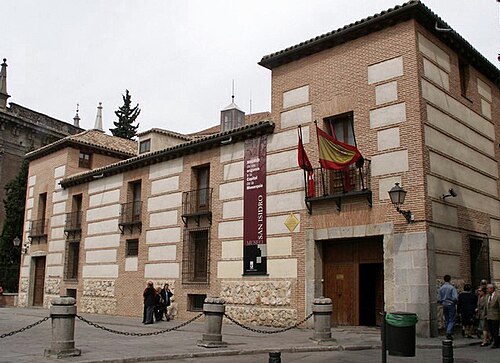
Museo de San Isidro is a Madrid museum in the La Latina district, a historic part of the city associated with San Isidro Labrador. The museum focuses on Madrid’s history and heritage, with particular attention to the city’s patron saint.
Museo de Arte Contemporáneo is a contemporary art museum in Madrid. Its role is to present and preserve modern and contemporary artistic work, placing it within the capital’s broad cultural landscape.
Museo Tiflológico
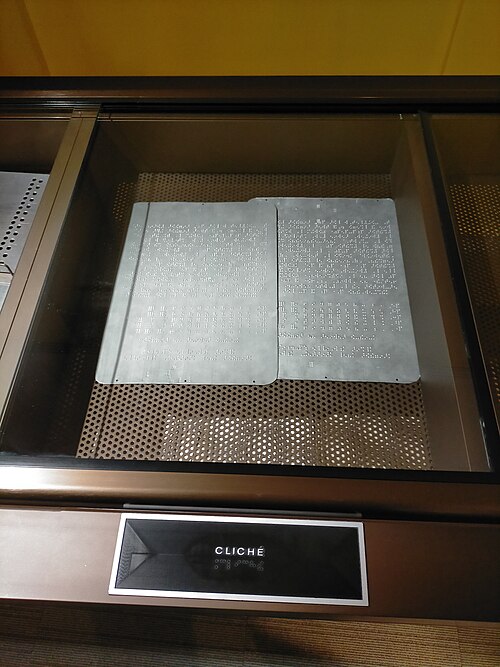
The Museo Tiflológico is a museum in Madrid dedicated to the experience of blindness and visual impairment. Its name derives from typhlology, the study of blindness.
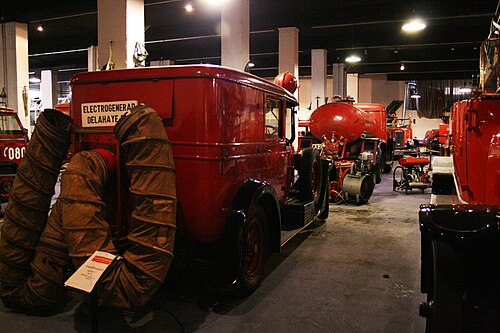
The Museo de Bomberos de Madrid is a museum dedicated to the history of firefighting in Spain's capital city. Located within Madrid's municipal boundaries, it preserves and displays equipment, vehicles, and memorabilia associated with the city's fire service.
Planetario de Madrid
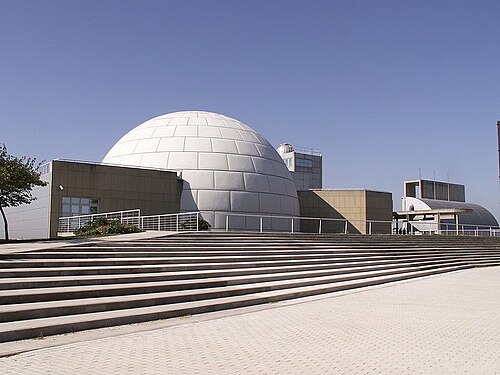
Madrid Planetarium is a science and cultural venue devoted to astronomical education and public outreach. Its central experience is the presentation of celestial phenomena through projected displays and educational programming.
Zoo Aquarium de Madrid is a combined zoo and aquarium located in Madrid, Spain. The facility houses diverse animal species across terrestrial and aquatic environments.
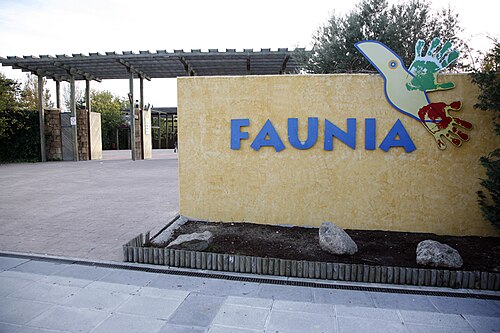
Faunia is a nature and wildlife park in Madrid that combines zoo-style animal encounters, botanical settings, and environmental education. Instead of arranging every exhibit only by animal family, it presents wildlife through themed ecosystems and climatic environments.
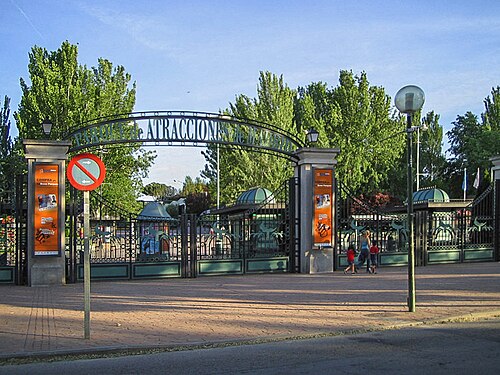
Parque de Atracciones de Madrid is a major amusement park set inside Casa de Campo, Madrid’s large western public park. Its setting combines a wooded urban landscape with rides and attractions for different age groups.
Source: OpenStreetMap contributors, Wikidata ·
Puerta del Sol is the practical centre for orientation. Westward lie Plaza Mayor, the Austrias quarter and the Royal Palace; eastward, Gran Vía leads toward Cibeles while the Paseo del Arte runs south past the major museums and Retiro. La Latina and Lavapiés sit south of the old core, with Malasaña and Chueca to the north. Salamanca lies east of Retiro, and the Castellana axis continues north toward the business district and the Bernabéu. Casa de Campo and Madrid Río are separate green corridors west of the centre.
Checked 2026-08-26
Walk between the Austrias quarter, Sol, Gran Vía and the Paseo del Arte, then use public transport for longer links. Madrid's official tourism service lists metro, city buses and Cercanías suburban trains among the ways to move around the capital. Cercanías also connects Madrid with towns in the region, including El Escorial and Aranjuez. Consult the current official maps and service information before travel because routes, works and ticket conditions can change.
Checked 2026-08-26
A fixed stay length is not recorded. Plan the Austrias and Sol core, the Paseo del Arte and Retiro, then add neighbourhood time or a regional excursion according to your priorities.
Use Puerta del Sol as the central reference. Plaza Mayor, the Austrias quarter and the Royal Palace extend west, while Gran Vía and the museum axis extend east.
Walk within the central neighbourhoods and use the metro for longer connections. The official network reaches the major museums, shopping streets, traditional quarters and northern visitor areas.
They cluster along the Paseo del Arte east of the historic core and close to Retiro. Treat this as one walking district rather than crossing the city between individual museum visits.
No. It lies north along the Castellana axis in a separate modern district. Metro is the practical connection from Sol, Gran Vía or the museum area.