Sagrada Família
Basílica de la Sagrada Família
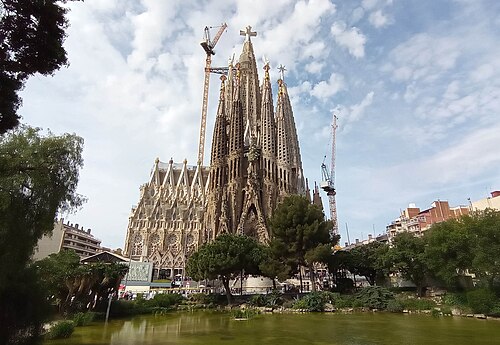
The Sagrada Família is a Catholic basilica in the Eixample district of Barcelona that has been under construction since 1882 and is still not finished.
- Must see
- Historic monument
- Barcelona
Language · 11 published
Country guide
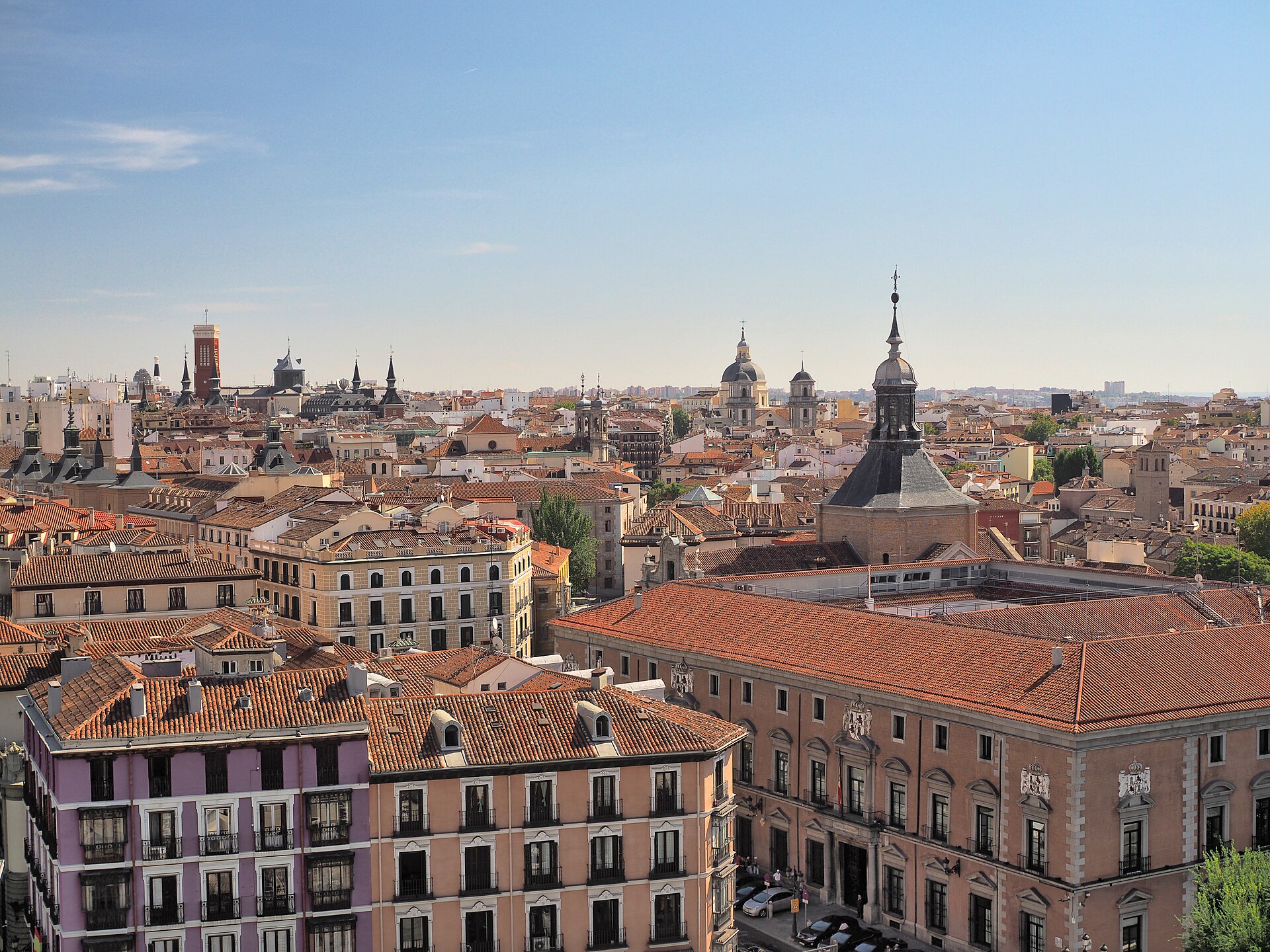
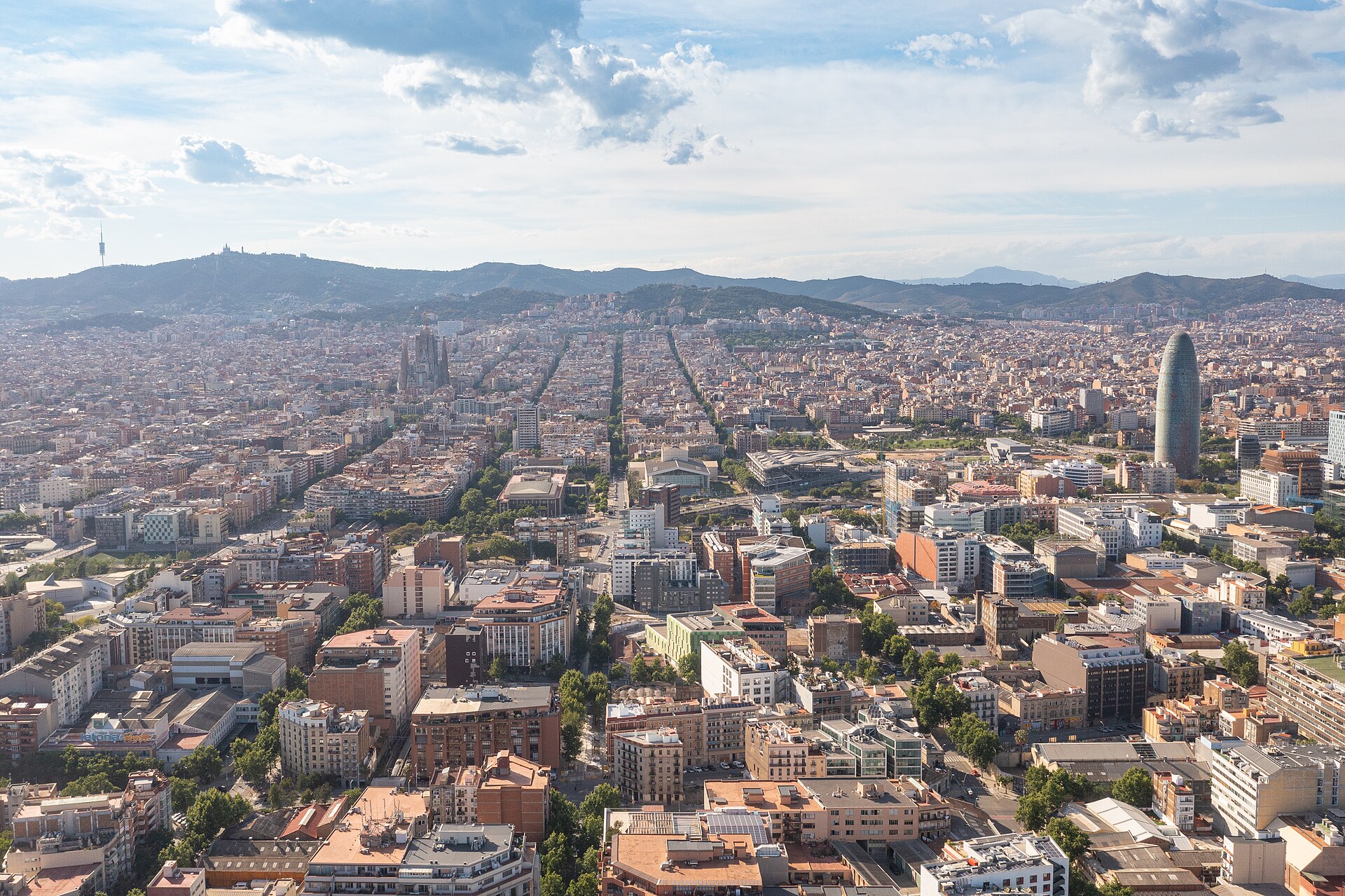
Spain covers 506,030 square kilometres and counts close to 50 million people, and it reads less as one country than as a set of regions that do not resemble each other. Madrid sits high and dry in the middle of the peninsula with the national collections in it; Barcelona is Mediterranean and Catalan-speaking. Andalusia in the south carries the Moorish architecture of Granada, Córdoba and Seville along with the heat that comes with it, while the green north coast from Bilbao to Galicia is wet Atlantic country most visitors never reach. The Canary Islands lie off Africa, and Ceuta and Melilla are on the African mainland itself.
Reviewed by Elena Voss · Roavina Travel Editor
Every city catalogued in this country so far, ranked by how much there is to see.
Photograph · Dmitry Dzhus from London · CC BY 2.0
Photograph · dronepicr · CC BY 2.0
Ranked by importance — sitelinks, pageviews and heritage status, not editor preference.
24 places match
Category
Typical visit duration
Interests
Basílica de la Sagrada Família
The Sagrada Família is a Catholic basilica in the Eixample district of Barcelona that has been under construction since 1882 and is still not finished.
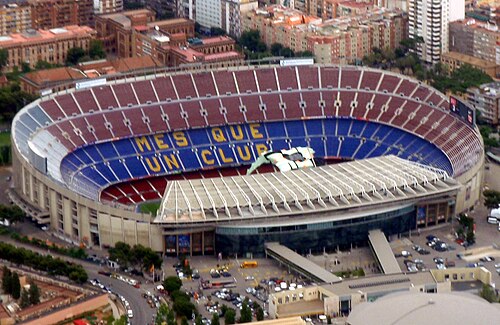
Spotify Camp Nou is FC Barcelona's stadium, in the Les Corts district on the western side of the city. The club's own facilities page dates the official opening to 24 September 1957.
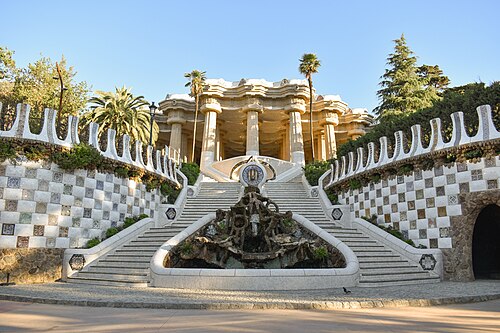
Parc Güell
Park Güell is a twelve-hectare hillside park in the Gràcia district of Barcelona, and it began life as a property venture that failed.
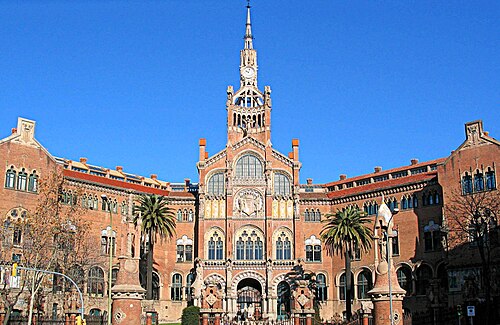
Hospital de la Santa Creu i Sant Pau
Sant Pau Recinte Modernista is the hospital Barcelona built when its medieval one gave out, and it is now visited as architecture rather than used as a ward.
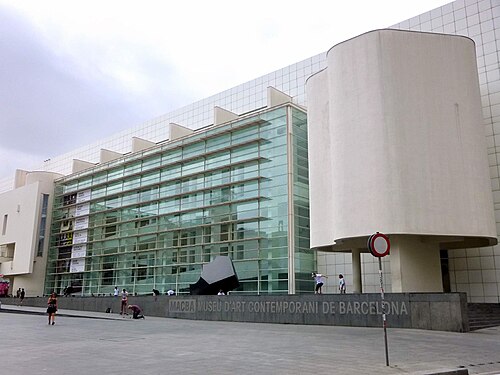
Museu d'Art Contemporani de Barcelona
MACBA is the Museu d'Art Contemporani de Barcelona, a major museum dedicated to contemporary art in the El Raval district. It occupies a striking white building designed by American architect Richard Meier, opened in 1995.
Poble Espanyol de Barcelona
Poble Espanyol is an open-air architectural museum in Barcelona. Built for the 1929 Barcelona International Exposition, it occupies a prominent position on Montjuïc hill. The complex contains 117 full-scale buildings representing architectural styles from across Spain's regions.
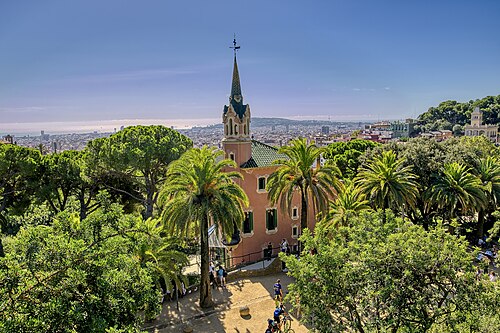
Casa Museu Gaudí
The Gaudi House Museum, locally known as Casa Museu Gaudí, stands within Park Güell in Barcelona. This building served as the residence of Antoni Gaudí, the celebrated Catalan architect, for nearly two decades.
Museu Picasso
Museu Picasso is an art museum in Barcelona dedicated to the work of Pablo Picasso. The museum opened in 1963 and houses one of the most extensive collections of artworks by the 20th-century Spanish artist.
Museu Marítim de Barcelona
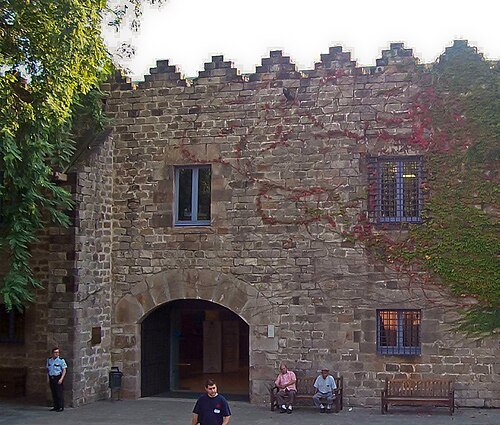
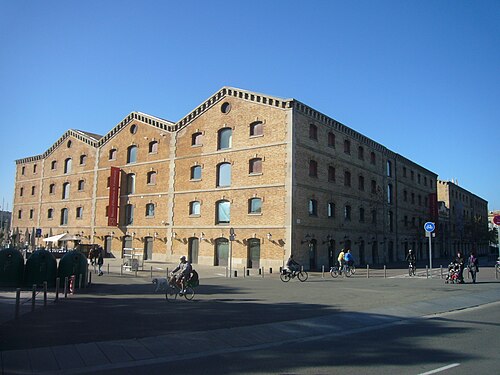
The Maritime Museum of Barcelona occupies the historic Royal Shipyard building, a Gothic naval construction complex dating to the thirteenth century. This architectural monument originally served as a military shipyard for the Crown of Aragon, producing vessels for Mediterranean fleets.
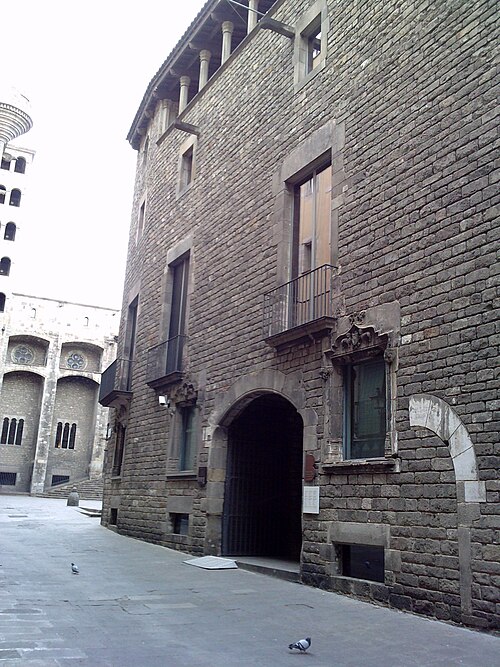
Museu d'Història de Barcelona is the city museum for Barcelona's long urban story. Its principal archaeological site lies beneath Plaça del Rei in the Gothic Quarter, where Roman remains sit beside medieval royal buildings.
Palau de la Virreina
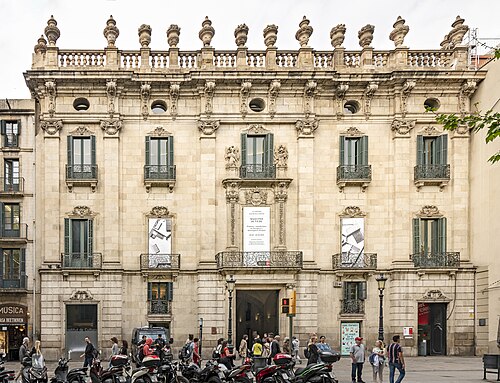
Palau de la Virreina is a historic palace on Barcelona's La Rambla. Built in the late 18th century as a private aristocratic residence, it now serves as a cultural center and exhibition space.
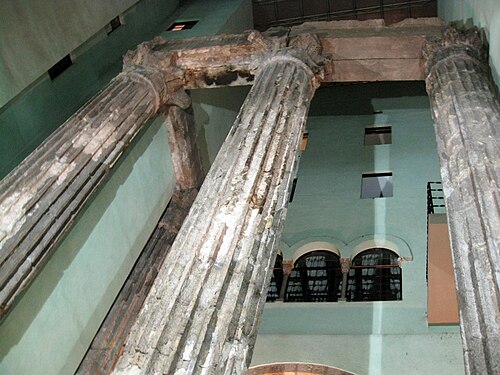
Temple d'August
Temple of Augustus is one of Barcelona’s clearest surviving links with the Roman colony of Barcino. Four Corinthian columns and part of the temple podium stand within the Gothic Quarter, where medieval buildings surround and preserve the ancient remains.
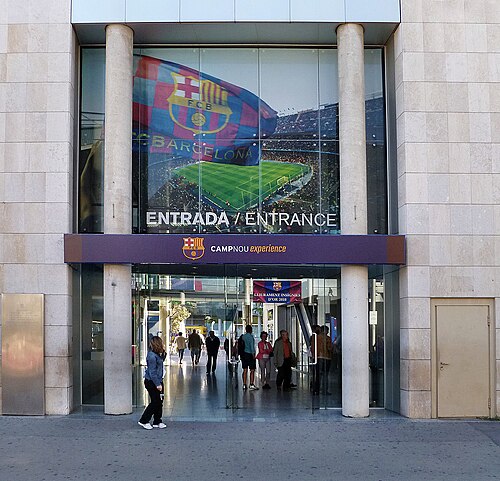
Camp Nou Experience
The FC Barcelona Museum, marketed as the Camp Nou Experience, is a sports museum dedicated to the history of FC Barcelona football club. It forms part of the larger stadium complex in Barcelona, Spain.
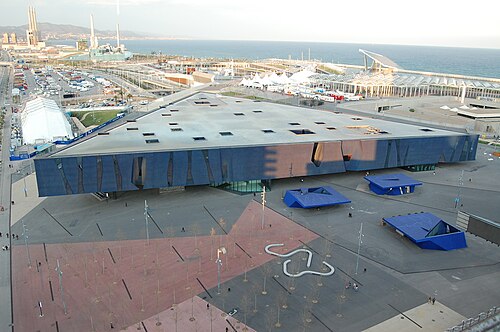
Museu de Ciències Naturals de Barcelona
Forum Building is home to the Museu de Ciències Naturals de Barcelona, a natural sciences museum and one of the city's contemporary cultural landmarks. The building combines a distinctive modern structure with public exhibition and education.
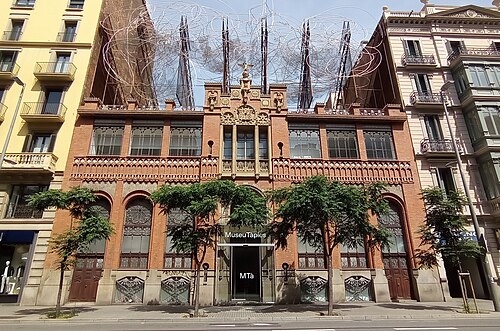
Museu Tàpies
Tàpies Museum is a Barcelona art museum devoted to Antoni Tàpies, the Catalan painter and sculptor. It occupies the former Montaner i Simón publishing house, a Modernista building designed by Lluís Domènech i Montaner.
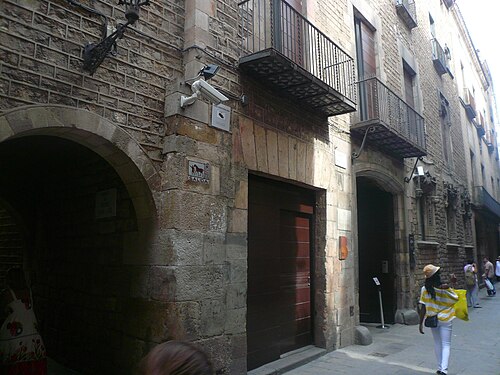
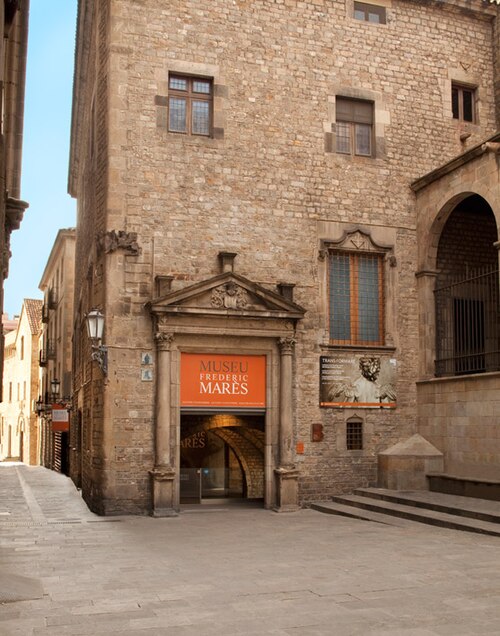
Museu Frederic Marès occupies part of the medieval Royal Palace of the Counts of Barcelona in the Gothic Quarter. It brings together the collections formed by the sculptor Frederic Marès, who donated them to the city.
Museu de la Xocolata is Barcelona’s chocolate museum, operated by the Barcelona Confectionery Guild. The visit follows chocolate from cocoa origins to European and Catalan traditions, combining food history with the visual appeal of confectionery.
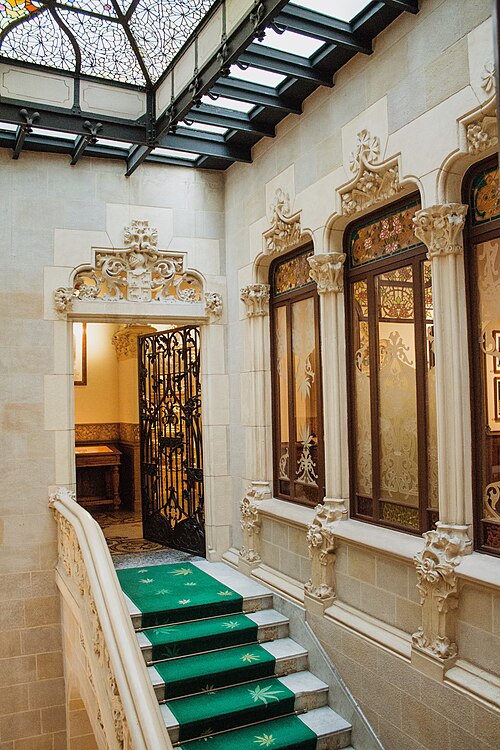
Museu de la Marihuana
The Hash Marihuana & Hemp Museum in Barcelona is a specialized museum dedicated to the history and culture of cannabis, hemp, and their uses.
Cosmocaixa
CosmoCaixa Barcelona is a science museum located in the Sarrià-Sant Gervasi district of Barcelona. The institution occupies a distinctive modernist building originally constructed as an asylum for the blind, designed by architect Josep Domènech i Estapà.
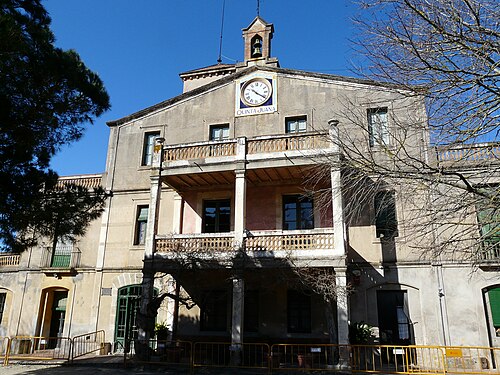
Vil·la Joana is a historic villa in Barcelona’s wider cultural landscape. Its value for travellers lies in the character of a preserved residential building and the chance to encounter architecture away from the city’s busiest landmark routes.
Museu d'Història de Catalunya
The Museum of the History of Catalonia, locally known as Museu d'Història de Catalunya, is a cultural institution in Barcelona dedicated to preserving and presenting the historical narrative of Catalonia.
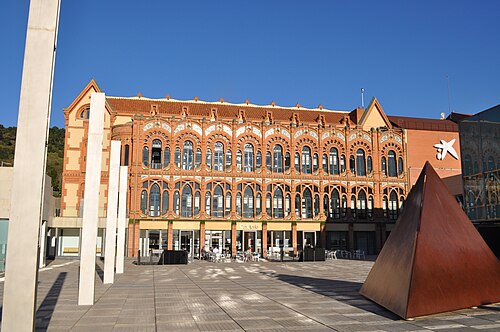
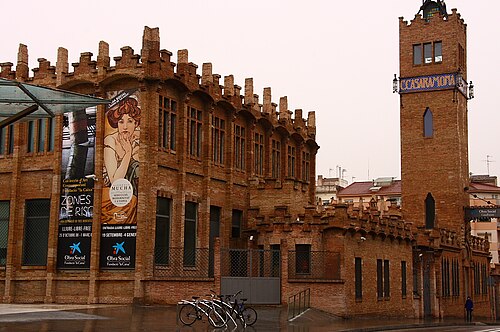
CaixaForum Barcelona is a cultural centre on Montjuïc, housed in a former modernist factory designed by Josep Puig i Cadafalch.
Museo Naval de Madrid
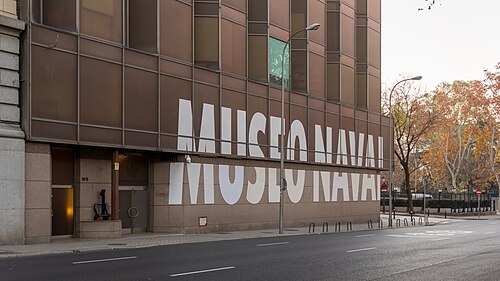
Museo Naval is a maritime museum in Madrid, Spain. It is dedicated to Spanish naval history and heritage. The institution preserves and exhibits collections related to Spain's seafaring traditions, naval warfare, and exploration.
Fundació Joan Miró
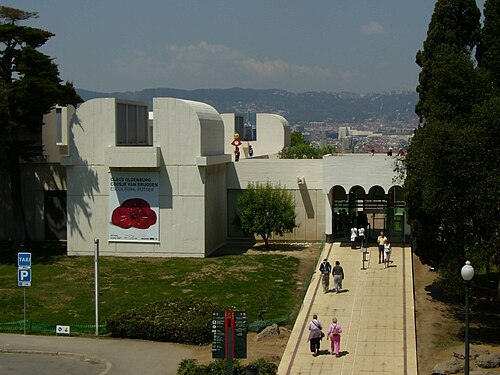
The Fundació Joan Miró is a museum of modern art on Montjuïc hill in Barcelona. Established by the Catalan artist Joan Miró, it houses one of the world's most comprehensive collections of his work.
Source: OpenStreetMap contributors, Wikidata ·
Ten to fourteen days allows three or four days in Madrid and four in Barcelona, plus selected rail day trips. Andalusia or either island group deserves a separate route instead of being compressed into the same mainland circuit.
Spain follows Schengen rules, but the traveller's nationality and route determine the required documents or visa. Confirm the current requirement through Spain's official consular information before departure.
High-speed rail makes Madrid-Barcelona and several mainland city pairs practical, while regional buses cover gaps. Island travel needs flights or ferries, and urban ticketing remains local to each city.
April to June and September to October are broad choices for Madrid and Barcelona. Andalusia, the Atlantic north, Balearics, and Canaries follow different heat and weather patterns, so a regional extension should control the final dates.
Spain uses the euro (EUR). Cards are common in cities, but a small euro reserve is useful for individual businesses; always check the billed currency and amount before approving a terminal transaction.
Spain's emergency contact is 112. Electrical outlets accept Type C and F plugs on a 230 V supply. Because this record contains no tap-water finding, use advice from the municipality serving each overnight stop.