Şehzade Mosque
Şehzadebaşı Camii
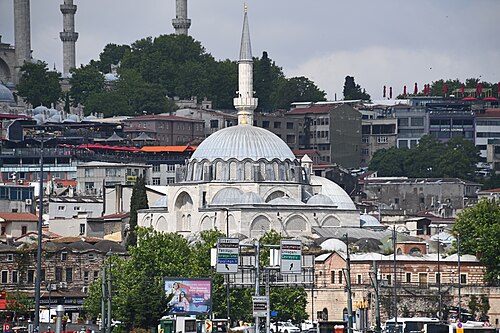
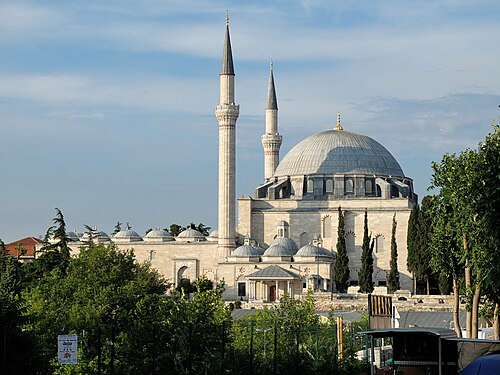
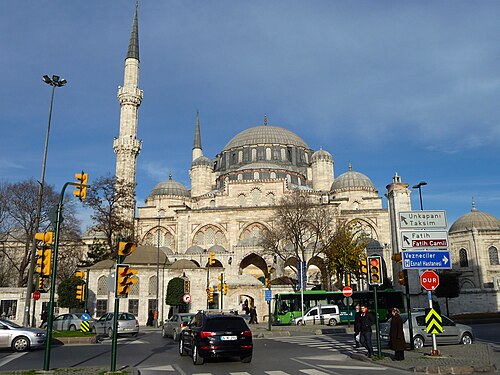
The Şehzade is the mosque Süleyman the Magnificent built for a dead son, and it is where Sinan learned to build the ones that followed.
- Must see
- Historic monument
- Istanbul
Country guide
Türkiye is 783,562 km² across 81 provinces, most of it Anatolia in West Asia with East Thrace on the European side of the straits. It has three coasts to choose...
Photograph · Benh LIEU SONG · CC BY-SA 4.0
Reviewed by Elena Voss · Roavina Travel Editor
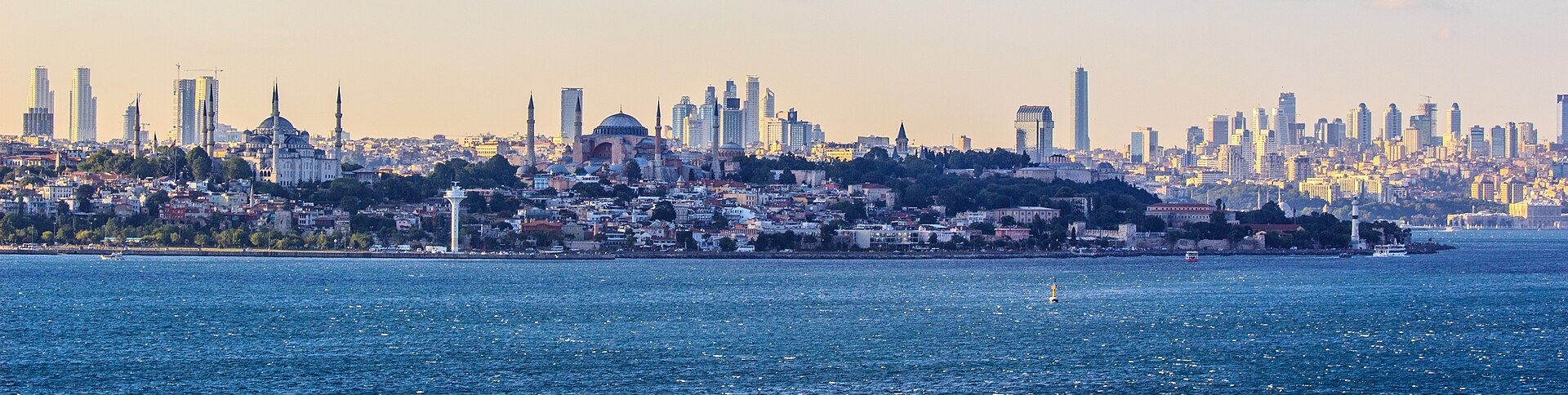
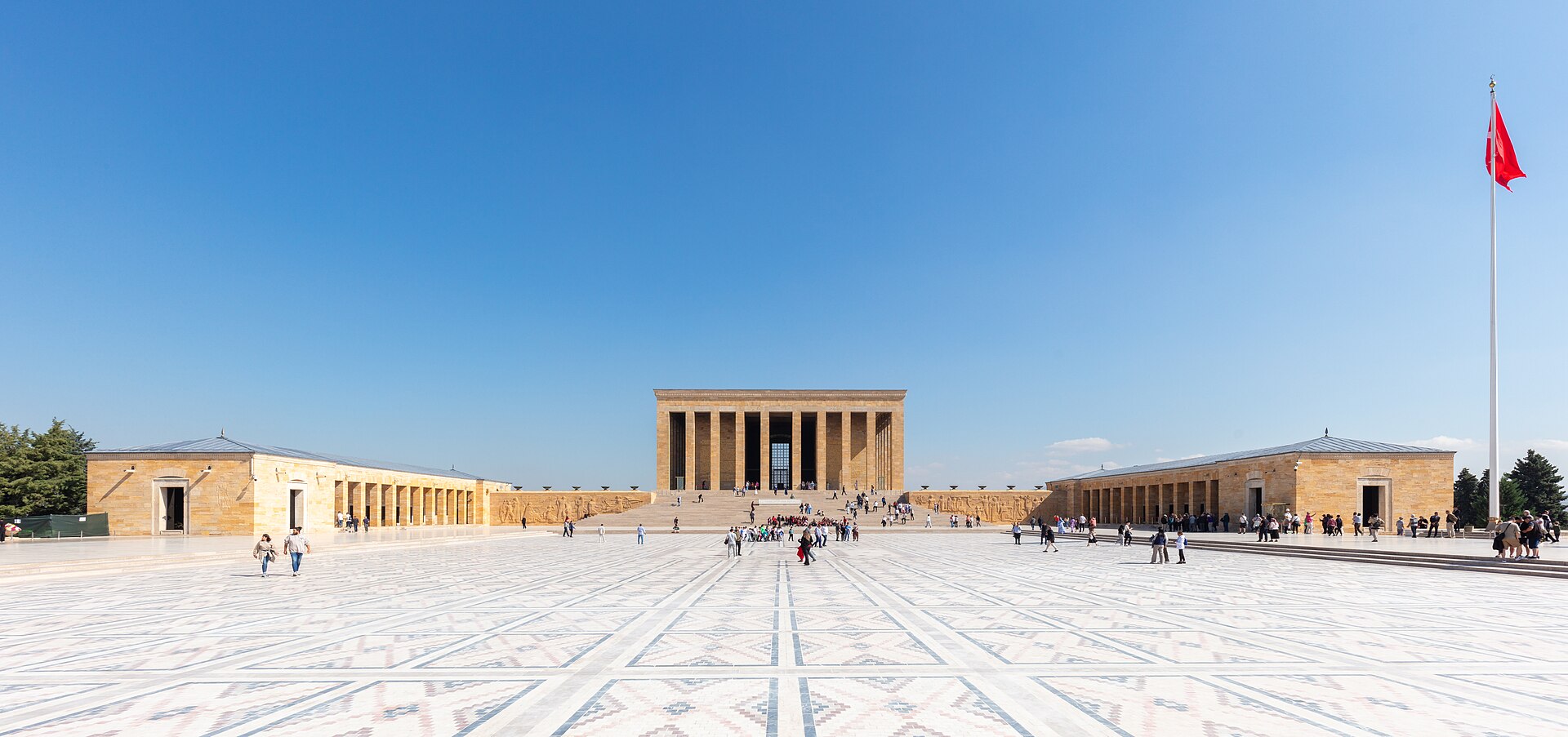
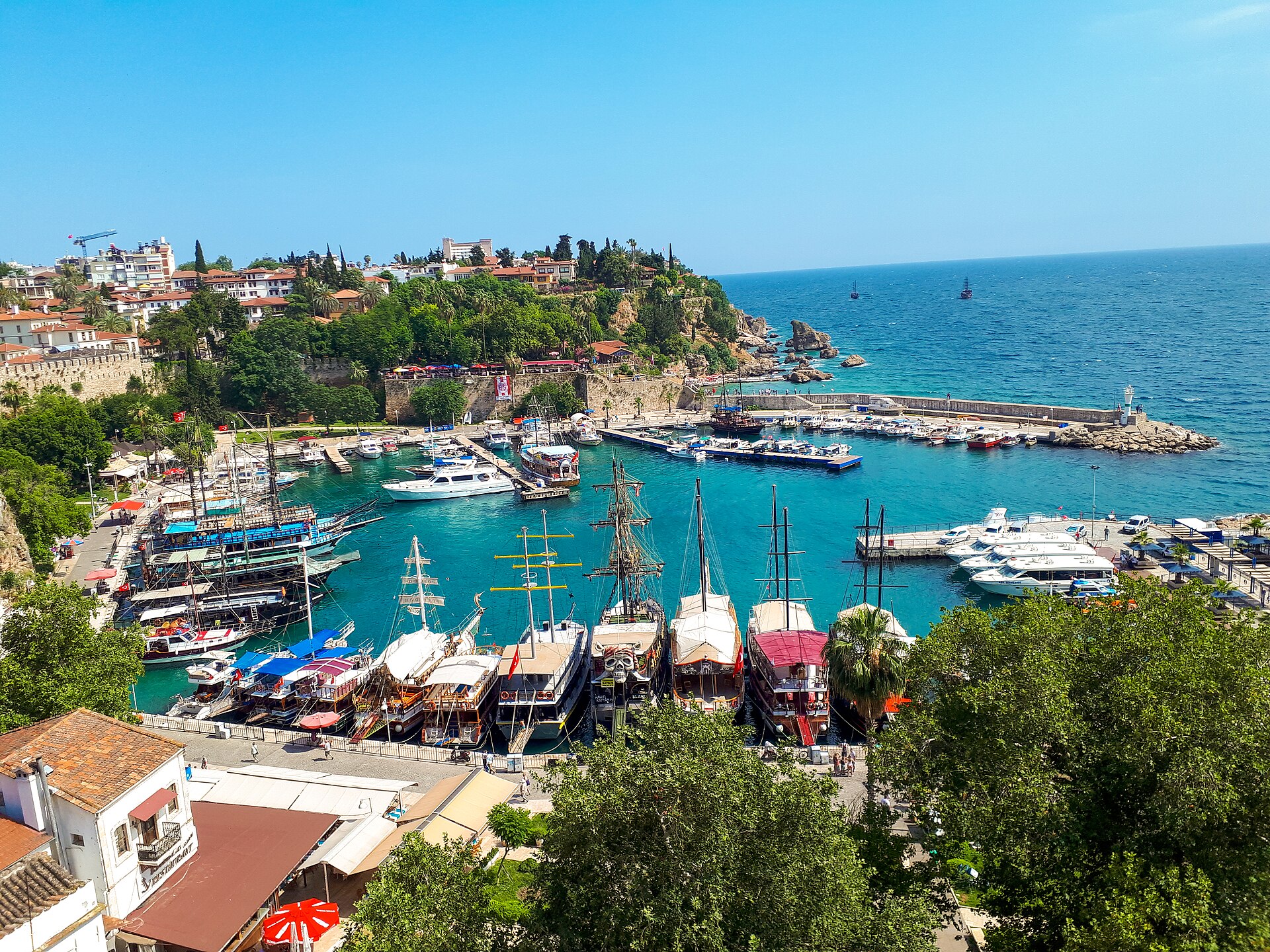
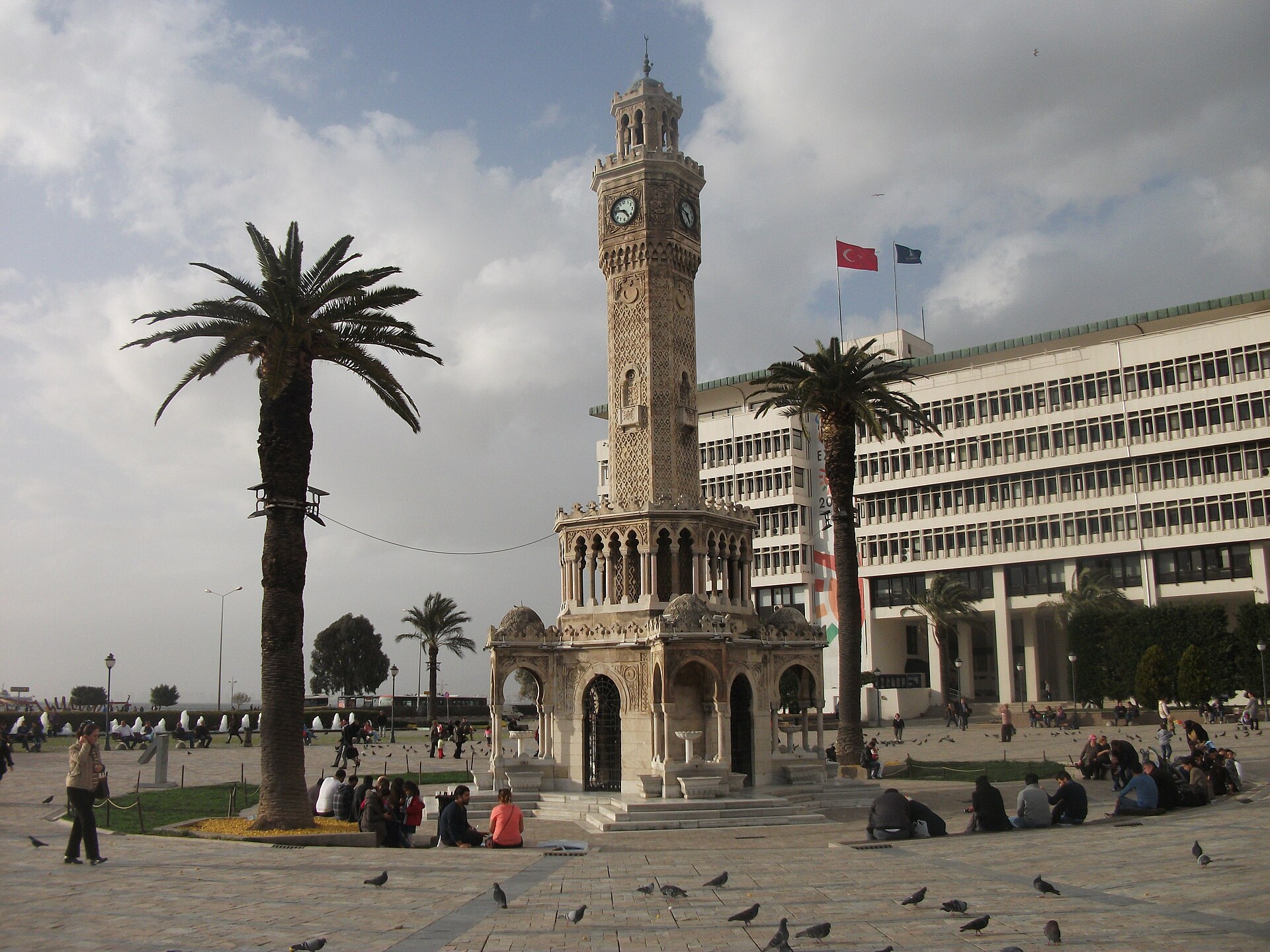
Türkiye is 783,562 km² across 81 provinces, most of it Anatolia in West Asia with East Thrace on the European side of the straits. It has three coasts to choose between — the Black Sea to the north, the Aegean to the west, the Mediterranean to the south — and an interior plateau that behaves like a different country in winter. Istanbul is the largest city and the economic centre, Ankara the capital and the second-largest, and the December 2025 population of 86,092,168 is weighted heavily to the west. A first trip is usually Istanbul and one coast; the plateau is the second trip.
Checked 2026-08-25
Every city catalogued in this country so far, ranked by how much there is to see.
Photograph · Ben Morlok · CC BY-SA 2.0
Photograph · Diego Delso · CC BY-SA 4.0
Photograph · REHBER0770 · CC BY-SA 4.0
Photograph · Anonymous · CC0
Photograph · Dan Taylor · CC BY 2.0
Photograph · Dogaaunlu · CC BY-SA 4.0
Photograph · Egemenakgul · CC BY-SA 4.0
Ranked by importance — sitelinks, pageviews and heritage status, not editor preference.
514 places match
Category
Typical visit duration
Şehzadebaşı Camii
The Şehzade is the mosque Süleyman the Magnificent built for a dead son, and it is where Sinan learned to build the ones that followed.
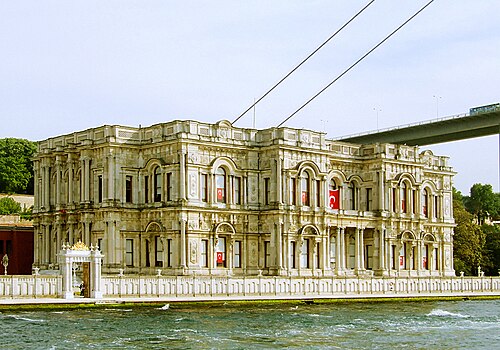
Beylerbeyi Sarayı
Beylerbeyi Palace is the Ottoman court's summer address on the Asian shore of the Bosphorus, built for Sultan Abdulaziz between 1861 and 1865 by the architect Sarkis Balyan, with Hagop Balyan named alongside him.
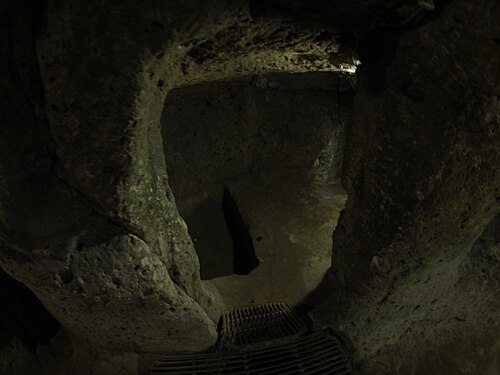
Derinkuyu Yeraltı Şehri
Derinkuyu underground city is a subterranean settlement beneath Derinkuyu in Nevşehir Province, descending to approximately 85 metres below ground.
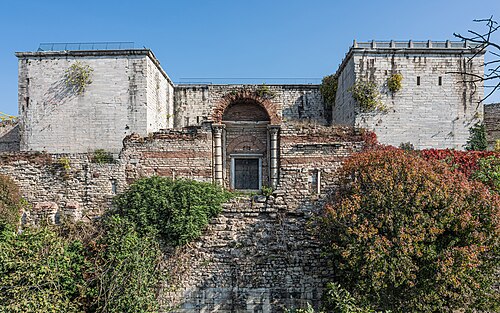
Yedikule Zindanları
Yedikule is a fortress built out of an older monument.
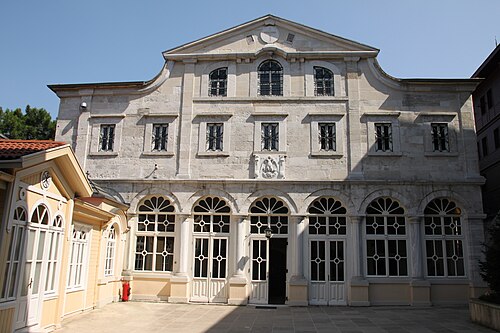
İstanbul Rum Ortodoks Patrikhanesi
The Ecumenical Patriarchate is the senior see of the Eastern Orthodox world, and it occupies a walled compound in Fener on the Golden Horn.
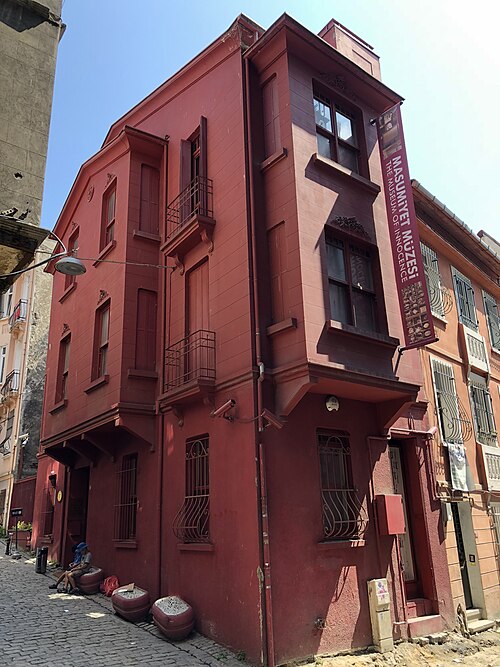
Masumiyet Müzesi
A novel and a building made in parallel, and neither is quite the illustration of the other.
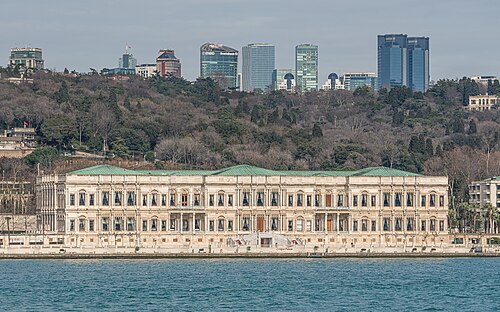
Çırağan Sarayı
Çırağan Palace is the last of the great Ottoman waterfront palaces, and the only one a visitor cannot walk into.
Gordion is an archaeological site and museum complex in Yassıhöyük, within Ankara Province’s Polatlı district. It preserves the setting of the Phrygian capital and combines indoor displays with monumental burial mounds and the Inner Castle Mound.
Tepemezarı
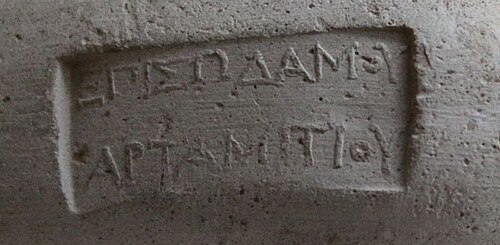
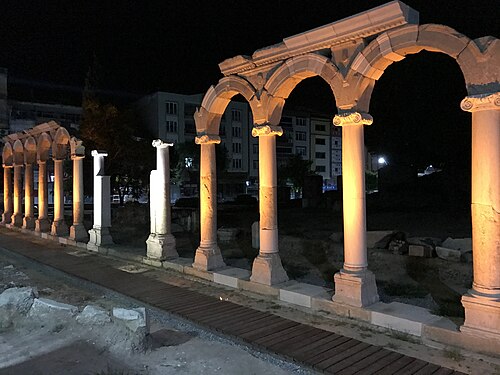
Thyatira is the ancient city underneath part of modern Akhisar, in Manisa province, and one of the seven churches addressed in the Book of Revelation.
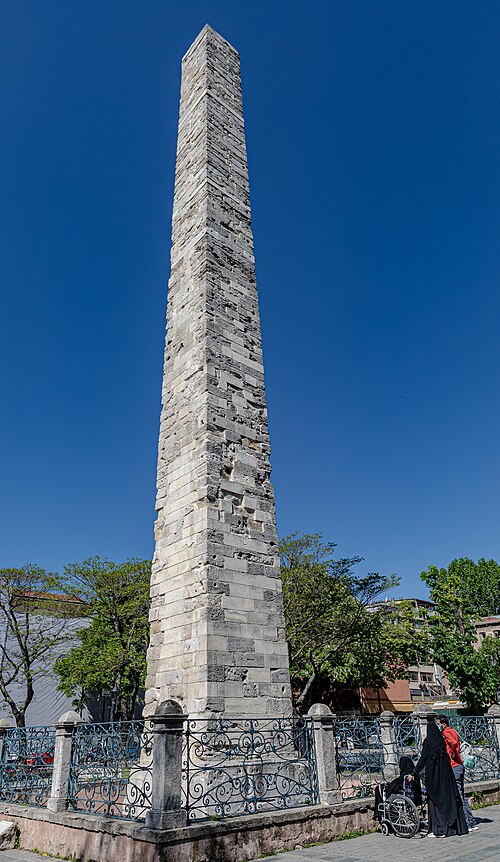
Örme Dikilitaş
The Walled Obelisk, Örme Dikilitaş in Turkish and literally the masonry obelisk, stands 32 m tall on the spine of the old Hippodrome in what is now Sultanahmet Square, west of the Sultan Ahmed Mosque.
Rüstem Paşa Camii
Rüstem Pasha Mosque does not sit on the street.
Türk ve İslam Eserleri Müzesi
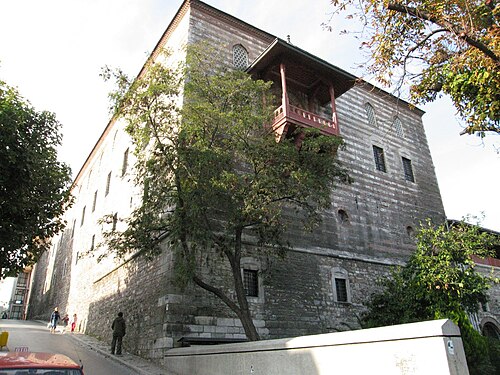
The Turkish and Islamic Arts Museum is housed in the Ibrahim Pasha Palace, a stone mansion of 1524 that belonged to Pargalı Ibrahim Pasha, the second grand vizier of Suleiman the Magnificent.
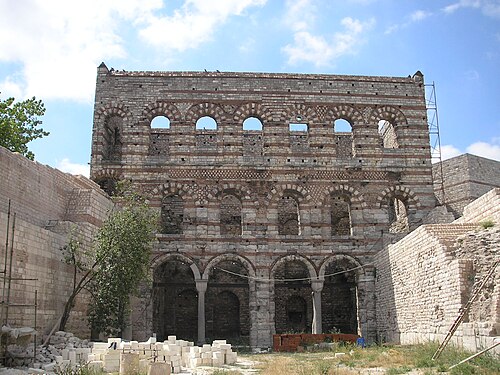
Tekfur Sarayı is the last Byzantine palace in Istanbul still standing to its full height, and it survives because it was never important enough to be worth demolishing.
Yılanlı Sütun
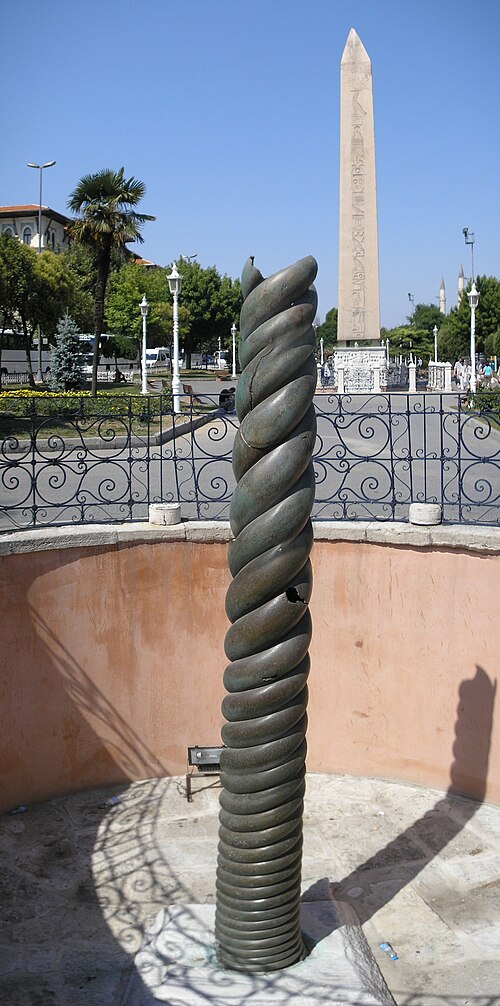
A battle trophy from 479 BC, standing in a hole in a square in Istanbul.
Milyon Taşı
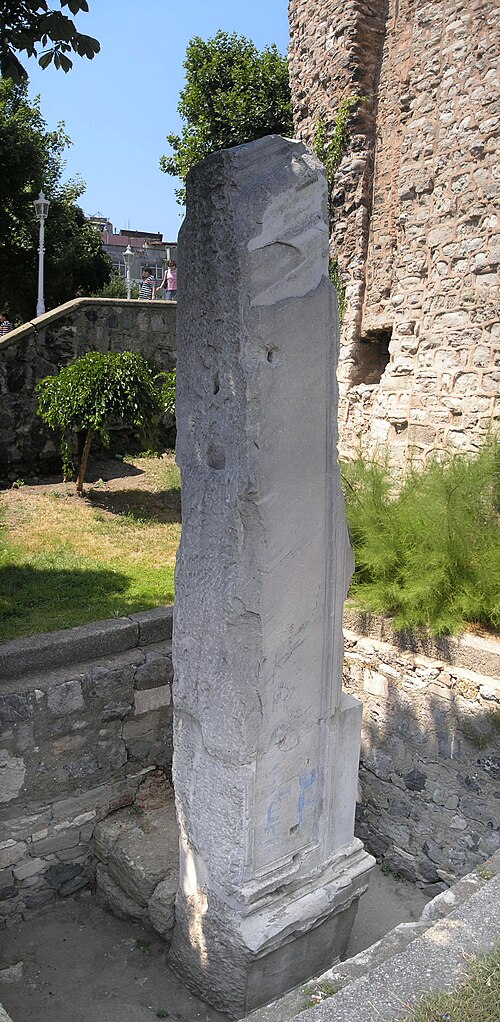
What survives is a single weathered pillar fragment standing in a sunken plot beside the street, and it is the remnant of the Milion — the point from which the Eastern Roman Empire measured itself.
Zeyrek Molla Camii
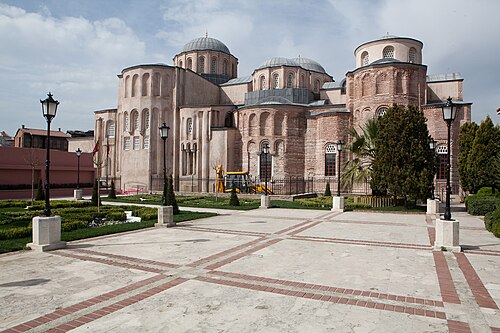
Zeyrek Camii was the Monastery of Christ Pantokrator, and after Hagia Sophia it is the largest Byzantine religious building still standing in Istanbul.
Nuruosmaniye Camisi
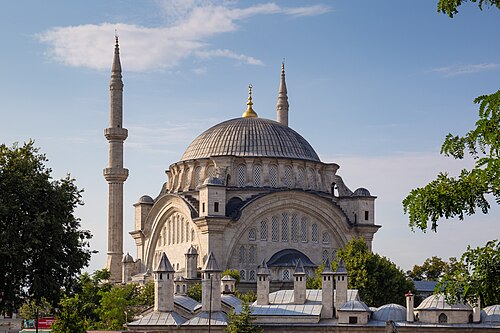
The Nuruosmaniye is where Ottoman architecture stopped being Ottoman in the classical sense. Begun in 1748 under Mahmud I and finished in 1755 under his brother Osman III, it is the first monumental Ottoman baroque building.
Cumhuriyet Anıtı
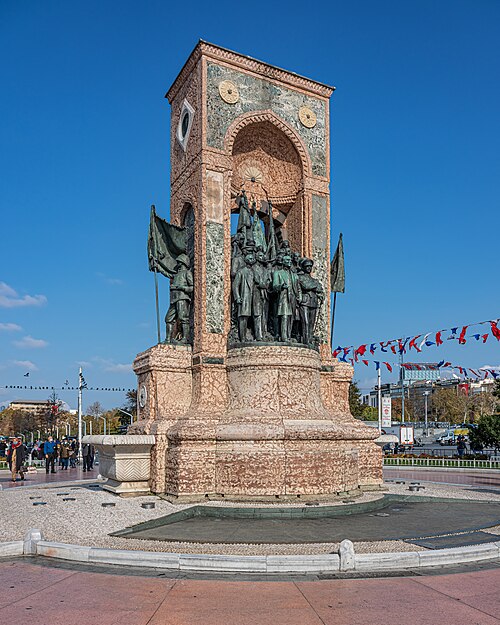
The Republic Monument stands in the middle of Taksim Square and is the founding statement of the Turkish Republic rendered in bronze and marble.
İstanbul Modern Sanat Müzesi
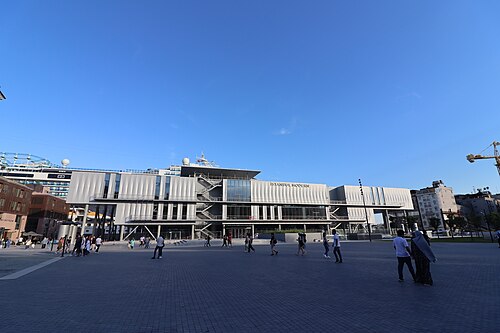
Istanbul Modern opened on 11 December 2004 as Turkey's first museum of modern and contemporary art, installed in Entrepo No. 4, a customs warehouse from the 1950s standing on the Karaköy quay.
Pera Müzesi
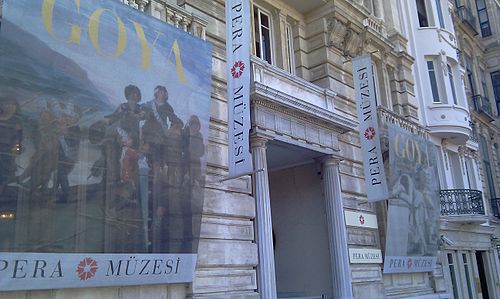
Pera Museum is a private art museum on the Beyoğlu ridge, established on 8 June 2005 by the Suna and İnan Kıraç Foundation. Its building was not built as a museum.
Süleymaniye Camii
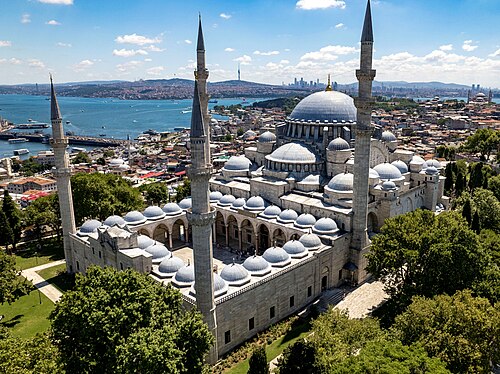
The Süleymaniye is Sinan's imperial mosque for Süleyman the Magnificent, founded in 1550 and inaugurated in 1557, and it is the one to see if you only see one.
Bodrum Kalesi
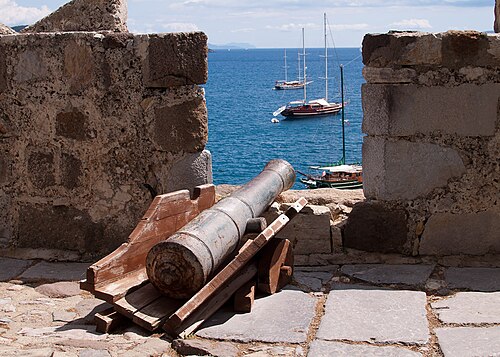
Bodrum Castle is a medieval fortress on a rocky peninsula between Bodrum’s two harbours, in the centre of town. The Knights of St John built it between 1406 and 1522, and the complex now houses the Bodrum Underwater Archaeology Museum.
Miniatürk Açıkhava Müzesi
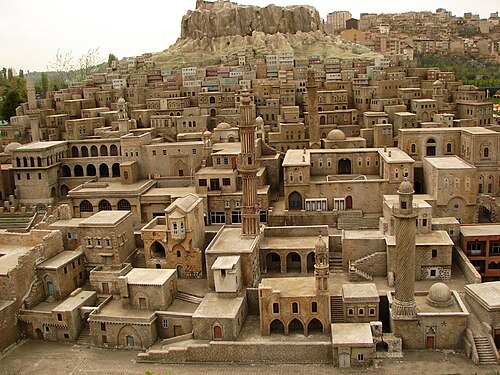
Miniatürk opened on 2 May 2003 on the northeastern shore of the Golden Horn, and the idea behind it is straightforward: shrink the architecture of Turkey and the former Ottoman world to one twenty-fifth of full size and lay it…
Şerefiye Sarnıcı
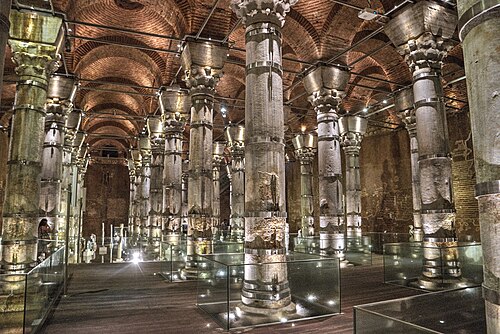
Şerefiye Sarnıcı is a Roman water tank that spent most of the last three centuries with a building sitting on top of it.
Yavuz Sultan Selim Cami
Yavuz Selim Mosque crowns the top of the fifth hill of the historic peninsula, above the Golden Horn, and it is a memorial as much as it is a mosque.
Ten to fourteen days allows about four days in İstanbul and at least three around Antalya when coastal archaeology is included. Cappadocia needs its own regional stay, and a one-way coastal route is more workable than returning to the same city each night.
Türkiye's visa position varies by passport and purpose. Verify the rule through the Ministry of Foreign Affairs and, when eligible, use only the official e-Visa service rather than an intermediary.
İstanbul's two airports and Antalya are the principal gateways for this itinerary. Domestic flights cover long cross-country legs, coaches serve many city pairs, and high-speed rail is most useful on the İstanbul-Ankara axis rather than as a universal substitute.
April to May and September to October are broad choices for combining İstanbul with the Mediterranean coast. Cappadocia nights, inland heat, and Antalya's coastal conditions differ, so confirm weather for each overnight base.
Türkiye uses the Turkish lira (TRY). Keep lira available for smaller transport and market transactions even when cards are accepted, and review the displayed amount in TRY before agreeing to any card conversion.
Dial 112 for emergencies in Türkiye. Electricity is 230 V through Type C and F sockets; tap-water safety is not recorded here, so obtain current local advice at each stop.