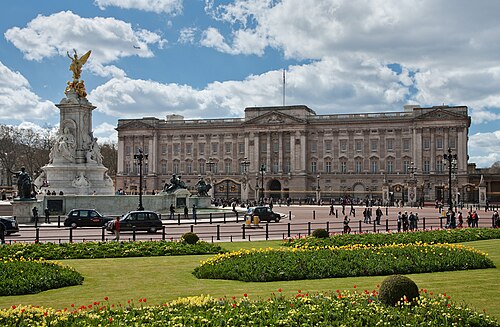
Buckingham Palace
Buckingham Palace is the London residence and the administrative headquarters of the British monarch, standing at the western end of The Mall in the City of Westminster.
- Must see
- Historic monument
District guide · London
The City of Westminster is a London borough containing much of central London, including major shopping areas and the Houses of Parliament. Buckingham Palace, W...
Set your days, your pace and the hours you actually want to be out. The planner works around closing days and travel time, and leaves room to eat.
Editorial responsibility: Elena Voss · Roavina Travel Editor
The City of Westminster is a London borough containing much of central London, including major shopping areas and the Houses of Parliament. Buckingham Palace, Westminster Abbey, and the National Gallery stand among its landmarks. The district encompasses Hyde Park, Regent's Park, and Trafalgar Square, making it rich in historical sites and cultural institutions.
Checked 2026-09-04
Seasonal closures come from recorded opening hours.
Ranked by importance — sitelinks, pageviews and heritage status, not editor preference.
24 places match
Category
Typical visit duration
Interests
Buckingham Palace is the London residence and the administrative headquarters of the British monarch, standing at the western end of The Mall in the City of Westminster.
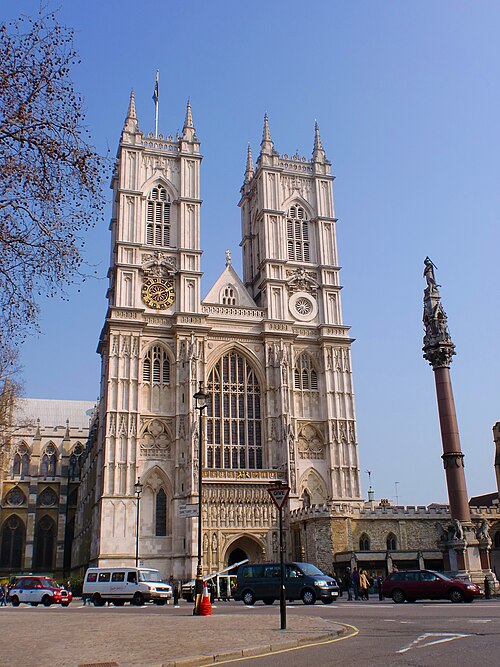
Westminster Abbey brings together royal ceremony, memorials and daily worship in a church whose architecture developed over centuries. Coronations have taken place here since 1066.
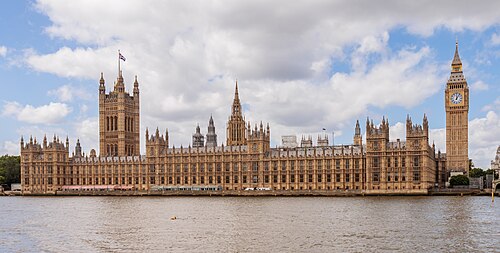
The Palace of Westminster is the seat of the two houses of the United Kingdom Parliament and, unlike the other great buildings on this stretch of the Thames, it is a workplace before it is a monument.
Elizabeth Tower
Big Ben is the bell, not the tower.
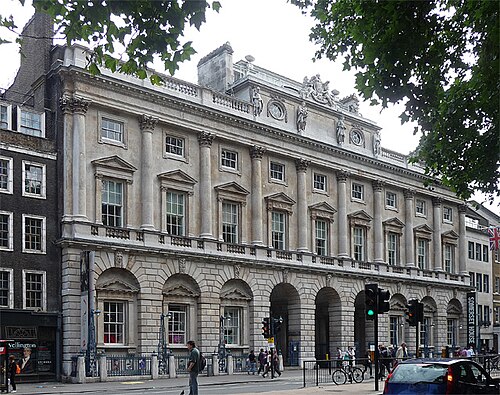
Somerset House is a large Neoclassical building situated on the south side of the Strand in central London, overlooking the River Thames. The structure serves as a major arts and cultural centre, housing various creative organisations, galleries, and public spaces.
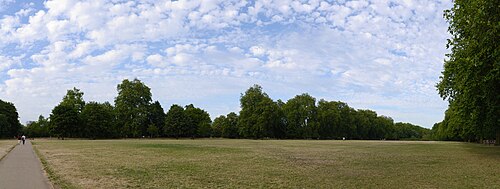
Hyde Park is a 350-acre (140-hectare) royal park in the City of Westminster, the largest of the four central London parks and the one that runs west from Marble Arch and Hyde Park Corner to the Serpentine and the boundary…
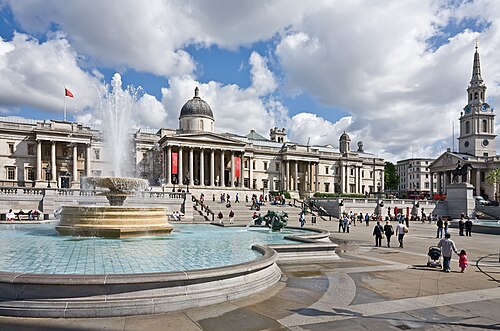
Trafalgar Square is the ceremonial public square at the top of Whitehall in the City of Westminster, owned by the King in Right of the Crown and managed by the Greater London Authority.
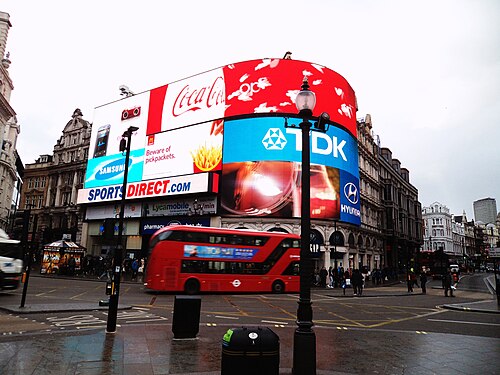
Piccadilly Circus is a road junction in the City of Westminster, not a building and not a site with a gate, and everything a visitor comes to see stands in or around the traffic.
Kensington Gardens is one of the Royal Parks of London, situated immediately to the west of Hyde Park. The gardens were originally the private grounds of Kensington Palace, and were opened to the public in the nineteenth century.
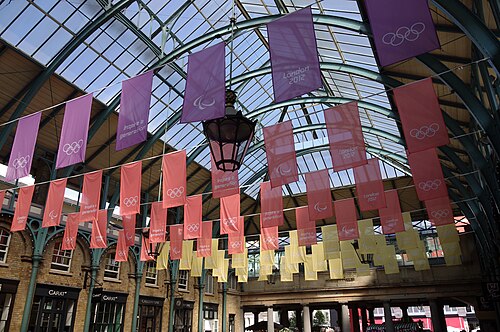
Covent Garden Market is a historic market building in London's West End. The structure occupies a prominent position in the Covent Garden district, an area with centuries of trading history.
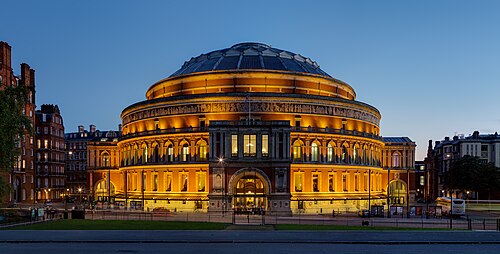
Royal Albert Hall is the circular concert hall on Kensington Gore in South Kensington, London. Queen Victoria opened it in 1871 and named it for Prince Albert.
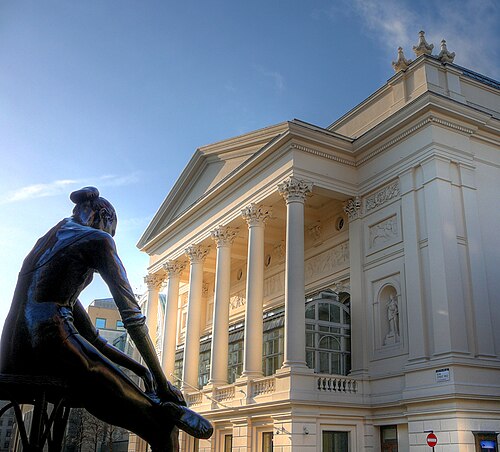
The Royal Opera House is a major performing arts venue in London's Covent Garden district. It serves as the home of The Royal Opera, The Royal Ballet, and the Orchestra of the Royal Opera House.
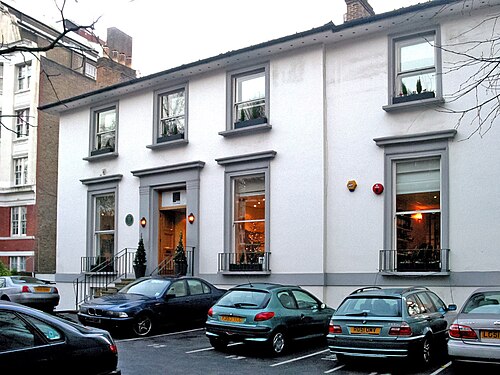
Abbey Road Studios is a world-famous recording studio in London, England. Established in 1931, it is most celebrated as the location where The Beatles recorded the majority of their albums, including the iconic "Abbey Road" album named after the street.
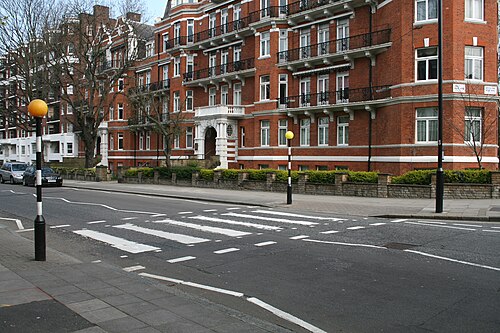
Abbey Road Crossing
Abbey Road zebra crossing is a working pedestrian crossing in St John’s Wood, London. It became globally recognisable after appearing on the cover of the Beatles’ 1969 album Abbey Road.
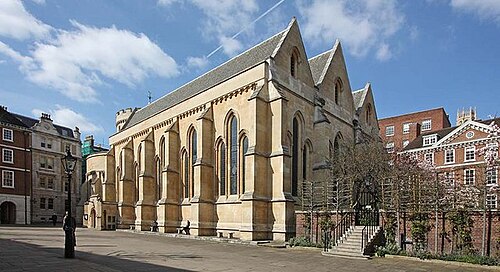
Temple Church is a historic chapel between Fleet Street and the River Thames in central London.
St Martin-in-the-Fields is an Anglican church located in the northeast corner of Trafalgar Square in central London. The building occupies a prominent position facing the National Gallery.
St. James's Park
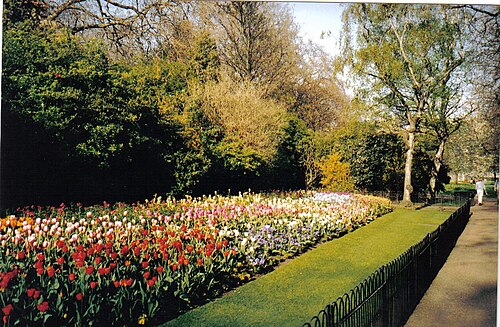
St James's Park is a Royal Park in central London, located in the City of Westminster. It is the oldest of the capital's eight Royal Parks, with origins dating back to the Tudor period.
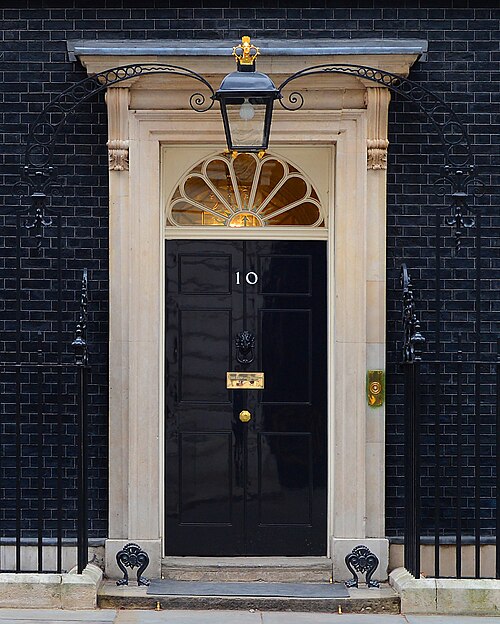
10 Downing Street is the official residence and working address of the Prime Minister of the United Kingdom, in Westminster beside Whitehall. Its black door and white number 10 have become instantly recognisable symbols of British government.
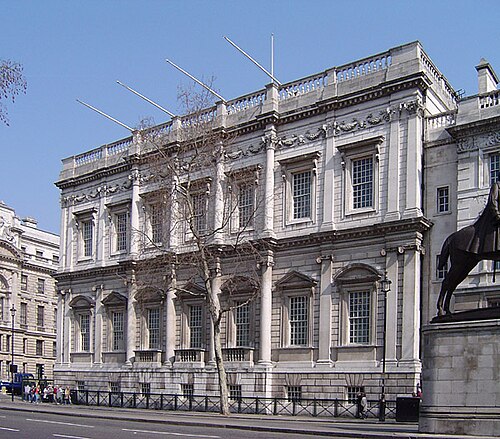
The Banqueting House is a historic building in Whitehall, London. It is the only surviving complete component of the Palace of Whitehall, which was largely destroyed by fire in 1698.
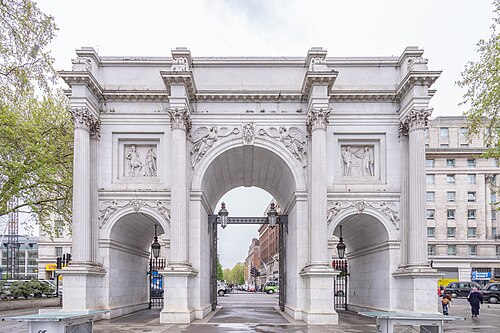
Marble Arch is a white Carrara marble triumphal arch at the north-east corner of Hyde Park, beside the meeting point of Oxford Street, Park Lane and Edgware Road.
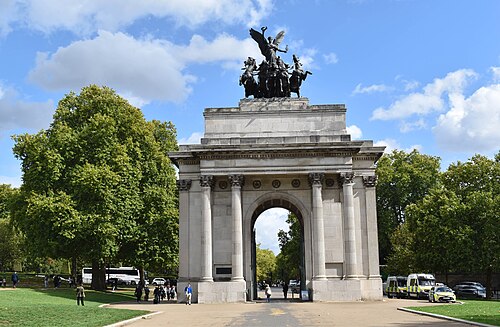
Wellington Arch is a triumphal arch at Hyde Park Corner in central London.
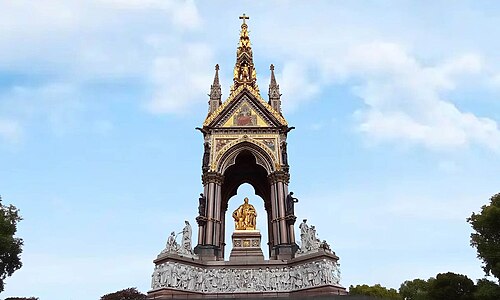
The Albert Memorial
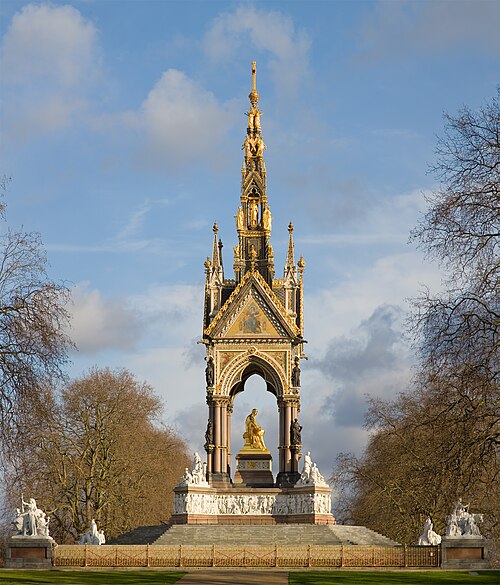
The Albert Memorial is a Victorian commemorative monument in Kensington Gardens, London. Commissioned by Queen Victoria in memory of her husband Prince Albert, who died in 1861, it stands as one of the most elaborate memorials in the United Kingdom.
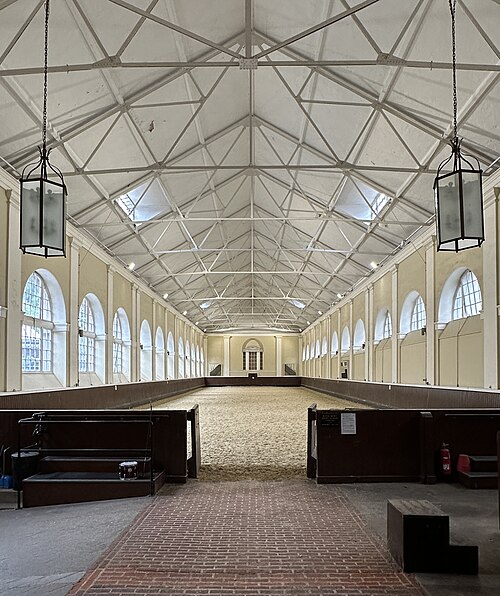
The Royal Mews
The Royal Mews is a working royal stable and carriage house serving the British monarch. Located at Buckingham Palace, it houses the royal collection of historic carriages and state vehicles used for coronations, weddings, and official ceremonies.
Marlborough House is a Grade I listed mansion in the City of Westminster, London. It was built for Sarah Churchill, Duchess of Marlborough, and completed in 1711.