Peel Park
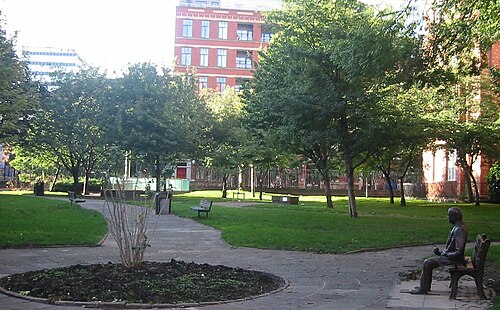
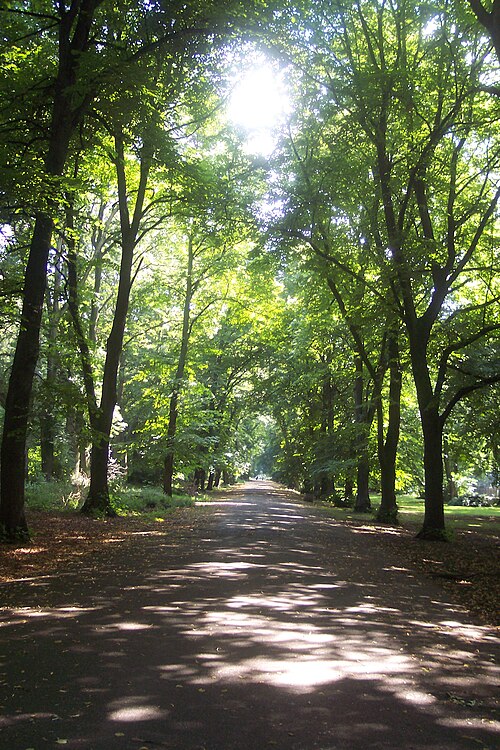
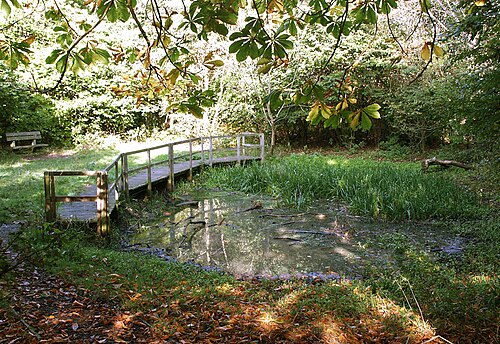
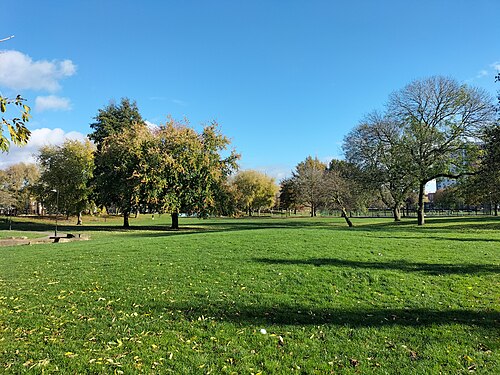
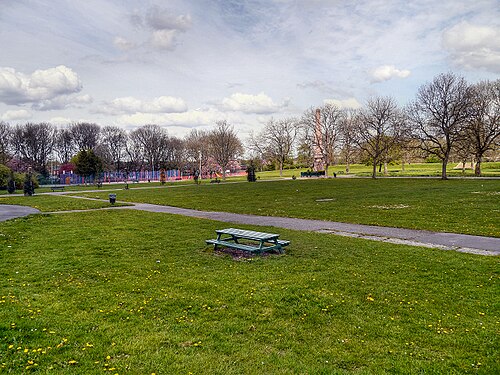
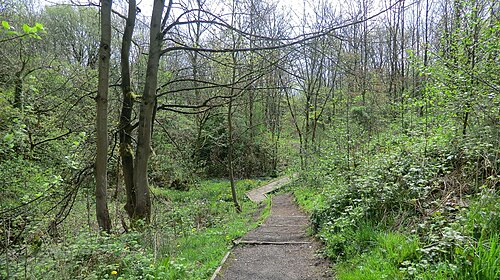
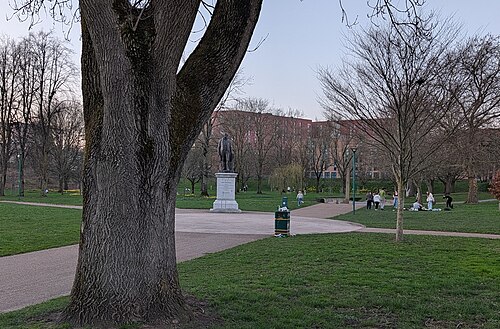
Peel Park is a public green space in Salford, near the University of Salford and the River Irwell. One of Salford’s older parks, it offers a simple urban escape with lawns, mature trees and walking routes.
- High
- Nature site
City guide · United Kingdom
Manchester has a compact city centre surrounded by distinct Greater Manchester towns and cultural districts. The civic core, Northern Quarter, Ancoats, Castlefi...
Photograph · Daniel Nisbet from Manchester, United Kingdom · CC BY 2.0
Set your days, your pace and the hours you actually want to be out. The planner works around closing days and travel time, and leaves room to eat.
Reviewed by Elena Voss · Roavina Travel Editor
Manchester has a compact city centre surrounded by distinct Greater Manchester towns and cultural districts. The civic core, Northern Quarter, Ancoats, Castlefield and university corridor are linked by walkable streets, while Salford Quays and major football grounds require public transport. The Bee Network combines buses, trams and journey planning across the region. Keep the centre on foot and use tram or bus for each outer cluster.
Checked 2026-08-26
September · September averages 16.85°C by day and 90.88 mm of rain in Greater Manchester, a manageable early-autumn trade-off.
Ranked by importance — sitelinks, pageviews and heritage status, not editor preference.
101 places match
Category
Typical visit duration
Interests
Peel Park is a public green space in Salford, near the University of Salford and the River Irwell. One of Salford’s older parks, it offers a simple urban escape with lawns, mature trees and walking routes.
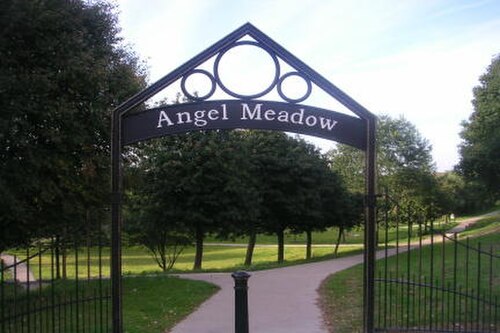
Angel Meadow
St Michael's Flags and Angel Meadow Park is a public green space in Manchester, locally known as Angel Meadow.
Sackville Gardens
Whitworth Gardens, also known locally as Sackville Gardens, is a public green space in Manchester city centre.
Alexandra Park
Alexandra Park is a Victorian-era public park in Manchester. The park was created as municipal green space for recreation and continues to serve local residents and visitors.
Buile Hill Park is a public park in Salford, Greater Manchester, part of the conurbation centred on Manchester. The park occupies a historic estate landscape with connections to the local area's development during the industrial era.
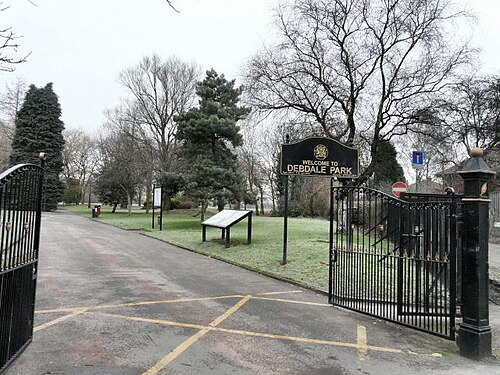
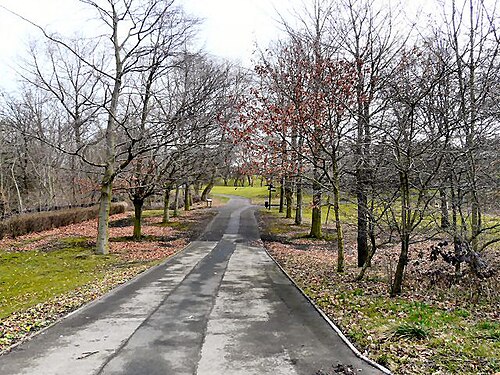
Debdale Park is a large public park in Gorton, east Manchester. The landscape combines open grassland, wooded areas, paths and water features associated with former reservoir basins.
Philips Park is a public green space in Manchester, England, and one of the city’s early municipal parks. It was created during the industrial era, when growing neighbourhoods needed accessible open space.
Walkden Gardens is a cultivated public garden in Manchester, England, offering a quieter green setting within the city. Its scale makes it suitable for a calm neighbourhood visit rather than a full-day attraction.
Highfield Country Park is a broad public green space in Manchester, England, with a more natural character than a small formal garden. Its country-park setting combines open ground, wooded areas and routes for outdoor exploration.
Ordsall Park is a public green space in Ordsall, Salford, within Greater Manchester and near Manchester city proper. The park serves as a local recreational space in a historically industrial district that has experienced regeneration.
Crumpsall Park is a public green space in the Crumpsall area of north Manchester. It offers an outdoor setting for walking, informal recreation, sitting and spending time away from busy streets.
Drinkwater Park is a public park in Manchester, England, set within the wider Irwell Valley landscape.
Broadhurst Park is an urban green space in Manchester, offering a straightforward break from the surrounding streets. It suits visitors who want outdoor time without committing to a museum visit or a long excursion.
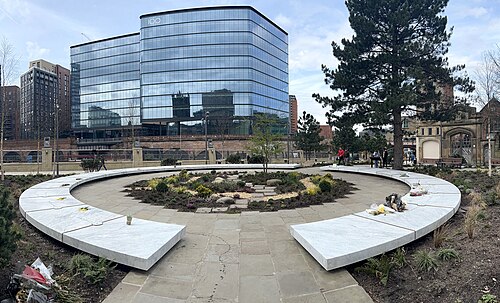
The Glade of Light is a memorial garden in central Manchester, near Manchester Cathedral. It commemorates the twenty-two people killed in the Manchester Arena bombing on 22 May 2017 and honours those affected by the attack.
Rise up, Women
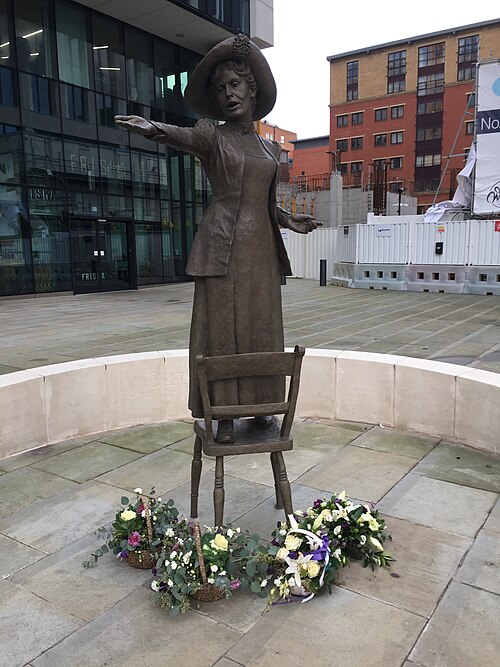
The statue titled Rise up, Women commemorates Emmeline Pankhurst, the leading British suffragette who founded the Women's Social and Political Union in Manchester in 1903.
Victory over Blindness
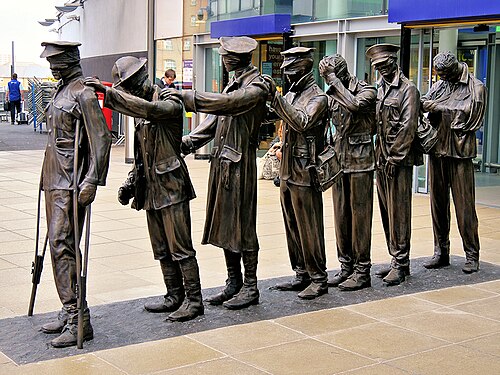
Victory Over Blindness is a bronze public sculpture in Manchester city centre, showing seven life-size First World War soldiers who have lost their sight.
Queen Victoria
The Queen Victoria Monument is an outdoor commemorative work in Manchester honouring Queen Victoria. It belongs to the city’s tradition of civic sculpture, where public monuments placed historical and royal subjects within the daily urban landscape.
Wellington
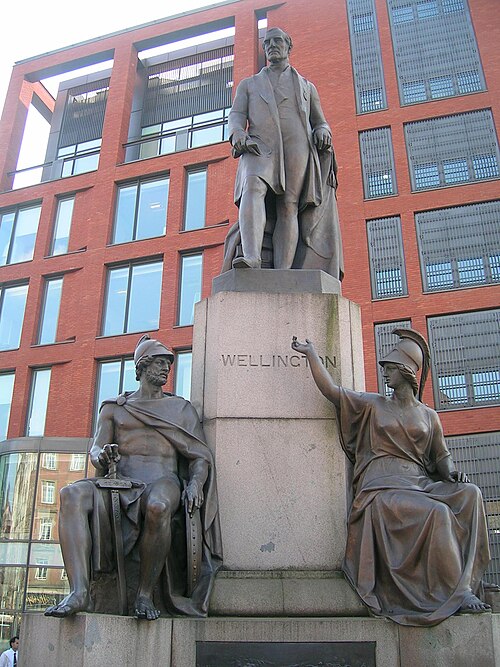
The Wellington Statue is an equestrian monument in Manchester, England, depicting Arthur Wellesley, 1st Duke of Wellington, the celebrated British military leader who defeated Napoleon at the Battle of Waterloo in 1815.
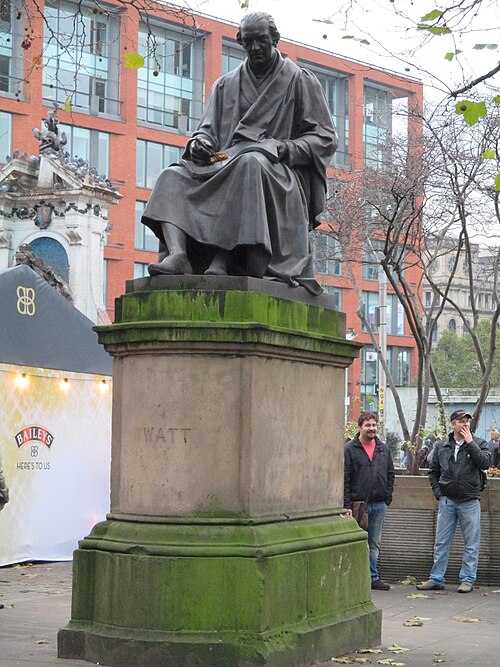
Watt
The Statue of James Watt is an outdoor commemorative monument in Manchester honouring the Scottish engineer and inventor. Watt's improvements to the steam engine helped transform its efficiency and power, making him an important figure in Industrial Revolution history.
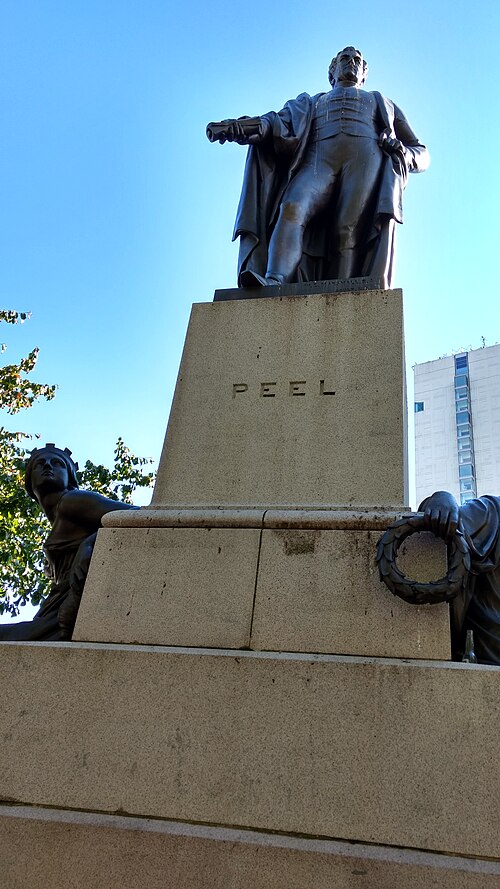
Peel
The Peel Statue is an outdoor Manchester monument commemorating Sir Robert Peel, the nineteenth-century statesman who served twice as British Prime Minister and is associated with the creation of the modern police force.
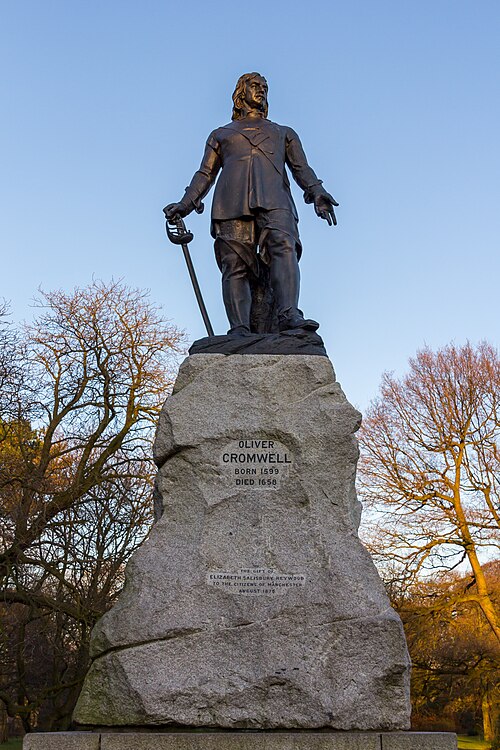
Oliver Cromwell Statue
The Oliver Cromwell Statue is an outdoor commemorative sculpture located in Manchester, England. It depicts Oliver Cromwell, the 17th-century English military and political leader who served as Lord Protector of the Commonwealth of England, Scotland, and Ireland.
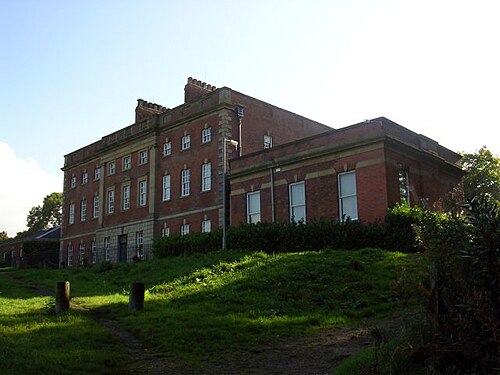
Alkrington Hall is a historic country house in Middleton, within Greater Manchester and the Metropolitan Borough of Rochdale. The hall belongs to the landscape of English country-house architecture and reflects the estate culture associated with Lancashire gentry residences.
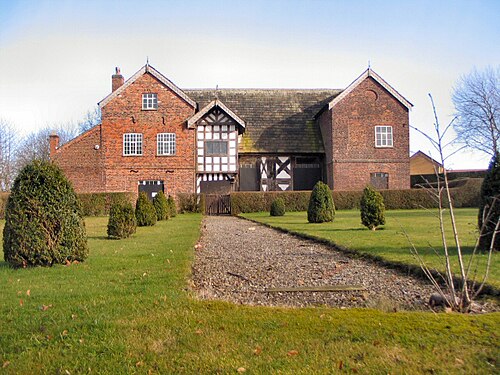
Baguley Hall is a historic timber-framed manor house located in the Baguley area of south Manchester. The building represents a significant example of medieval domestic architecture in northwest England, with origins dating to the late medieval period.
Christ Church
Christ Church is a Church of England parish church in Heaton Norris, Stockport, within the Greater Manchester conurbation. It is an active place of worship and a local community institution, rather than a conventional visitor attraction.
St Mary's Church
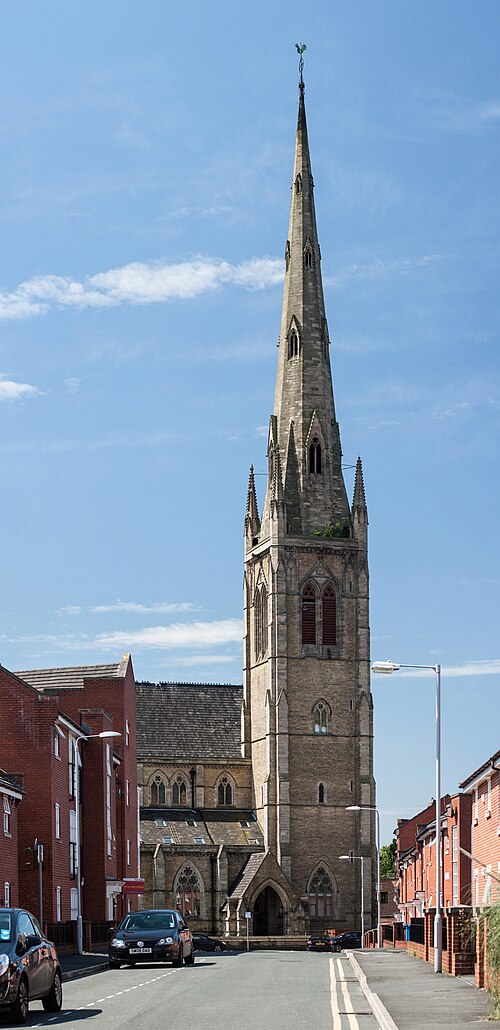
The Church of St Mary, Hulme is an active Church of England parish church in Hulme, south of Manchester city centre. It is a place of worship and a neighbourhood landmark rather than a museum built around a visitor route.
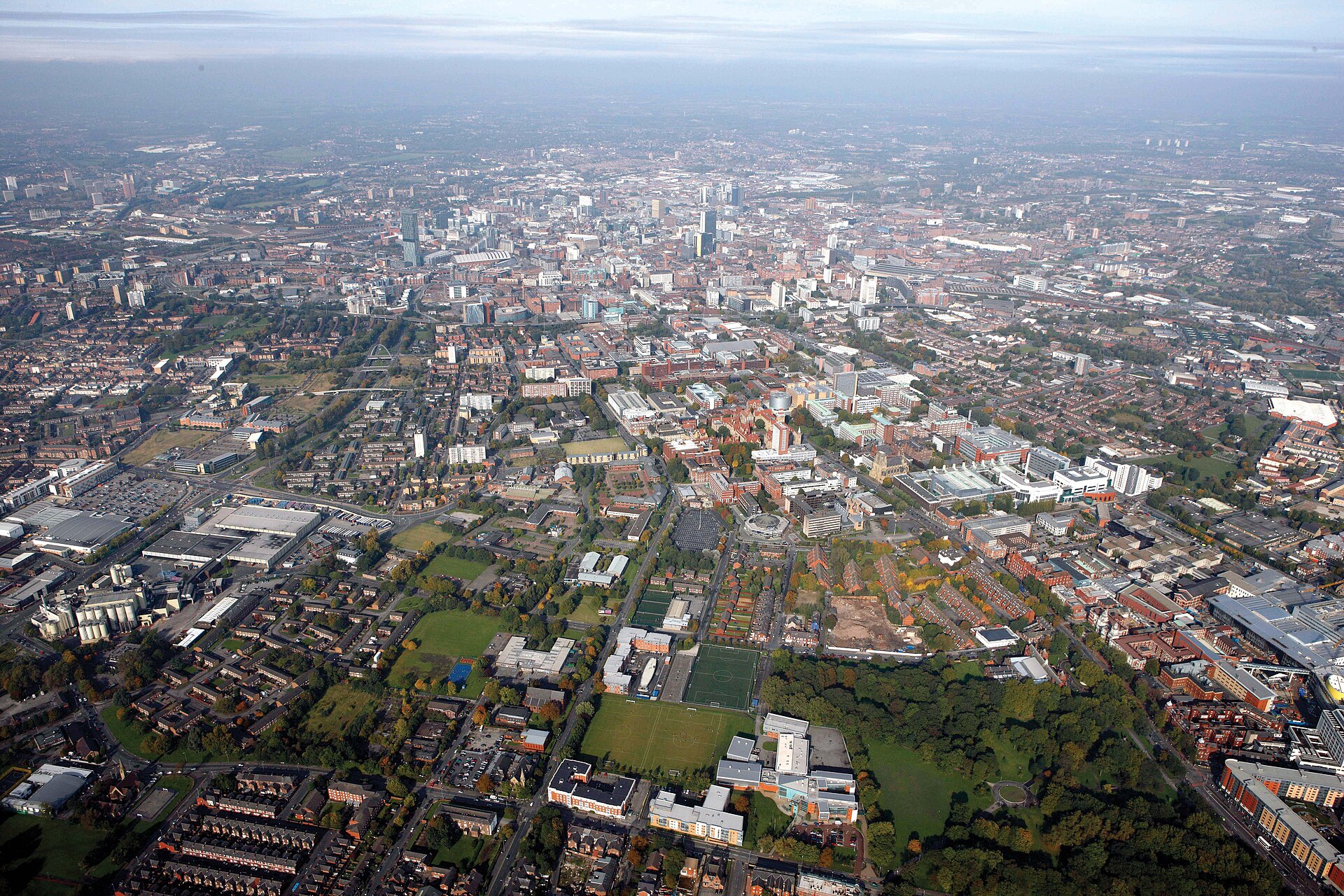
Piccadilly and Victoria stations mark the eastern and northern edges of the central visitor area. Between them sit the Northern Quarter, civic centre, Chinatown and the retail core; Ancoats continues east, while Castlefield and Deansgate extend southwest. The Oxford Road corridor leads south through universities and cultural venues. Salford Quays lies west as a separate waterfront district, and the football stadiums occupy different sides of the wider city-region. Do not plan those outer locations as short central walks.
Checked 2026-08-26
Walk within the central districts, then use Bee Network buses and Metrolink trams for Salford Quays, stadiums and Greater Manchester towns. Transport for Greater Manchester provides an integrated journey planner, and contactless tap-and-go is available on buses and trams under the current network rules. Free city-centre buses connect major rail stations and central areas. Train services remain useful for some outer towns, so compare rail and tram before setting out.
Checked 2026-08-26
Two to three days suit a first visit. Use one day for the central districts, another for a chosen outer cluster, and add a third for football, Salford Quays or a wider Greater Manchester trip.
May through September offers longer daylight for canals and neighbourhood walks. Rain remains possible throughout the year, so keep indoor museums and galleries available as flexible blocks.
Yes. Piccadilly, the Northern Quarter, the civic core, Castlefield and Oxford Road form a compact central area. Use transit for Salford Quays, the stadiums and outer Greater Manchester towns.
Bee Network buses and Metrolink trams support contactless travel under the operator’s current rules. On trams, follow the official tap-in and tap-out instructions and use the same card or device.
No. Old Trafford and the Etihad Stadium sit in different parts of the city-region and use different transport corridors. Plan each as a separate destination rather than combining them as a central walking route.