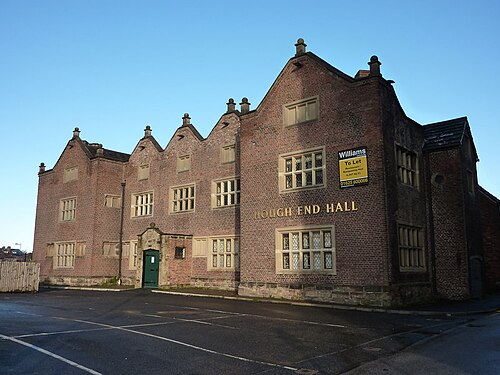
Hough End Hall
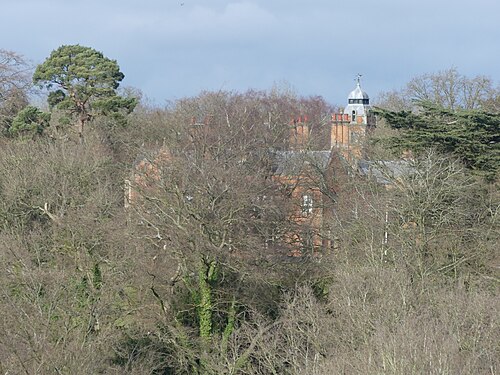
Hough End Hall is a historic building in the Chorlton-cum-Hardy area of south Manchester. Its protected listed status marks it as a building of heritage importance within the local landscape.
- Notable
- Historic monument
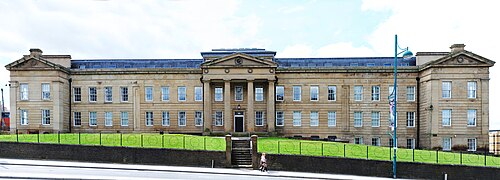
City guide · United Kingdom
Manchester has a compact city centre surrounded by distinct Greater Manchester towns and cultural districts. The civic core, Northern Quarter, Ancoats, Castlefi...
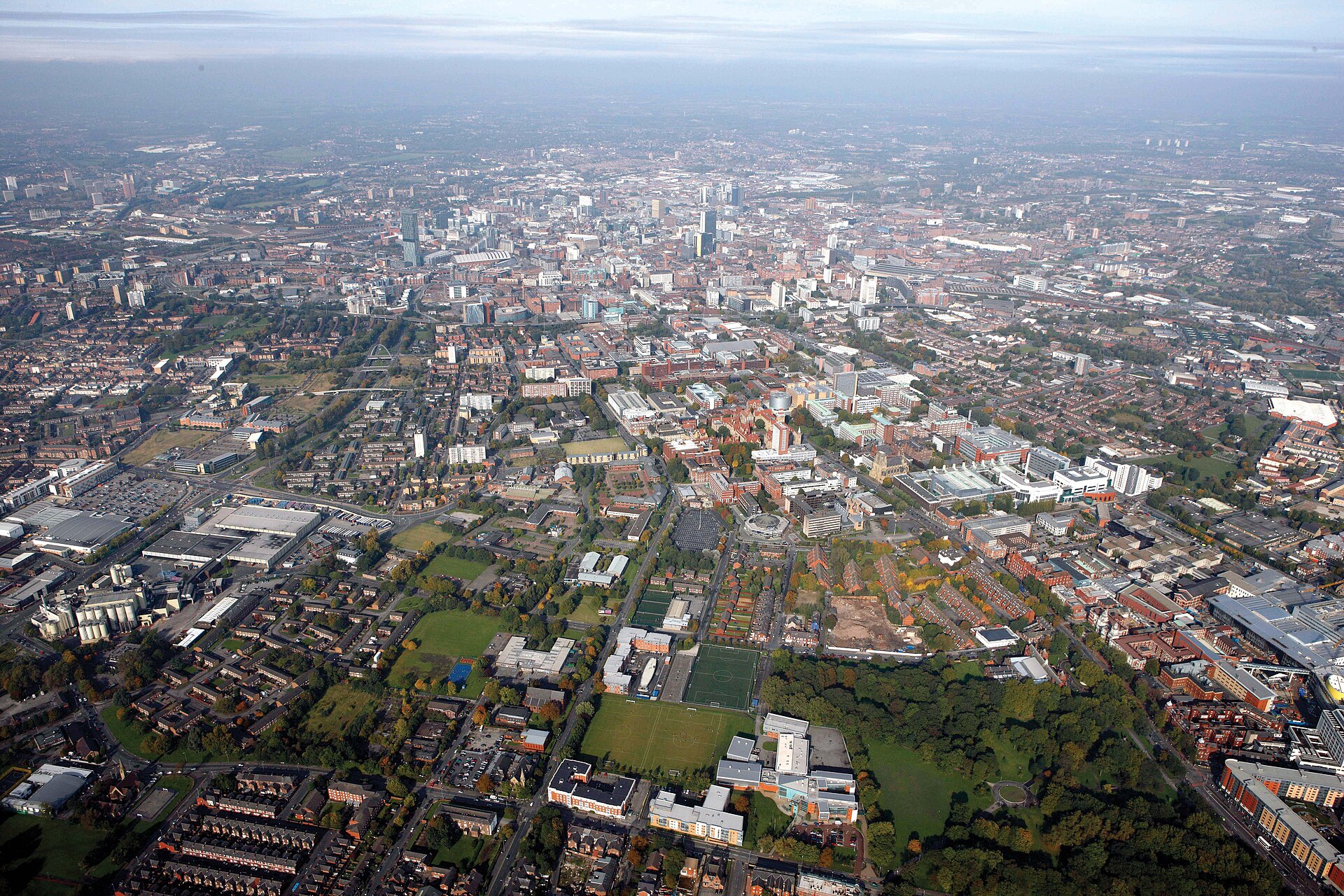
Photograph · Daniel Nisbet from Manchester, United Kingdom · CC BY 2.0
Set your days, your pace and the hours you actually want to be out. The planner works around closing days and travel time, and leaves room to eat.
Reviewed by Elena Voss · Roavina Travel Editor
Manchester has a compact city centre surrounded by distinct Greater Manchester towns and cultural districts. The civic core, Northern Quarter, Ancoats, Castlefield and university corridor are linked by walkable streets, while Salford Quays and major football grounds require public transport. The Bee Network combines buses, trams and journey planning across the region. Keep the centre on foot and use tram or bus for each outer cluster.
Checked 2026-08-26
September · September averages 16.85°C by day and 90.88 mm of rain in Greater Manchester, a manageable early-autumn trade-off.
Ranked by importance — sitelinks, pageviews and heritage status, not editor preference.
101 places match
Category
Typical visit duration
Interests
Hough End Hall is a historic building in the Chorlton-cum-Hardy area of south Manchester. Its protected listed status marks it as a building of heritage importance within the local landscape.
Millennium House is a commercial building in Manchester city centre. Its role is office accommodation within the central business district, not a dedicated museum, gallery, or public attraction.
Norcliffe Hall is a historic country house situated in the Styal area near Manchester, within the broader Cheshire landscape. The building represents English Victorian-era estate architecture and forms part of the region's landed heritage.
Town Hall
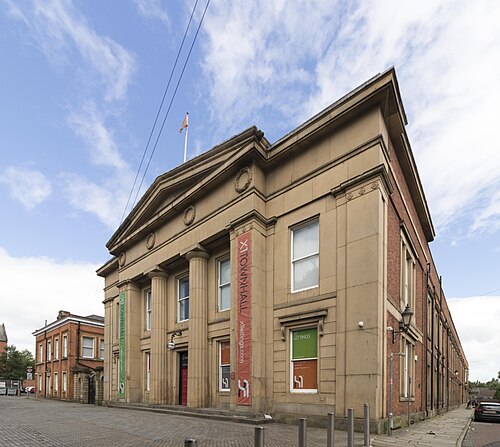
Salford Town Hall is a civic building in Salford, part of the Greater Manchester urban area. Its main identity is administrative: it represents local government and the public life of the City of Salford.
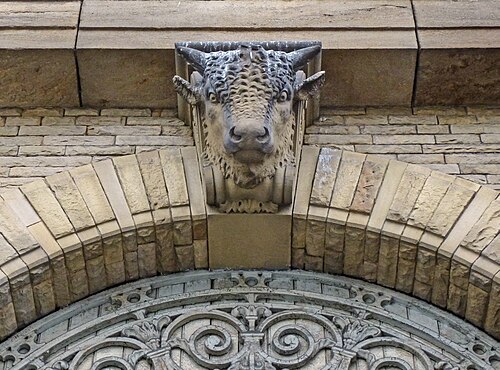
Smithfield Market Hall is a historic market building in Manchester and a reminder of the city’s commercial and industrial past. Its identity comes from the market function associated with the building and the role such halls played in urban trade.
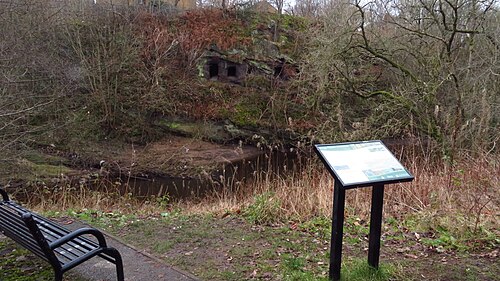
Bradford Colliery is a former coal-mining site in Manchester and a reminder of the industrial work that shaped the region. The colliery belongs to the history of extraction, labour and landscape change that accompanied Manchester’s rise as an industrial city.
Brinksway Caves are a network of man-made sandstone caverns located in the Stockport area of Greater Manchester. These caves were excavated from the soft red sandstone bedrock, a material characteristic of the region's geology.
British Airways Concorde (G-BOAC)
Concorde 204, also known as British Airways Concorde G-BOAC, is a preserved supersonic passenger aircraft in Manchester. It belongs to the Anglo-French Concorde fleet, which carried commercial passengers across the Atlantic at twice the speed of sound.
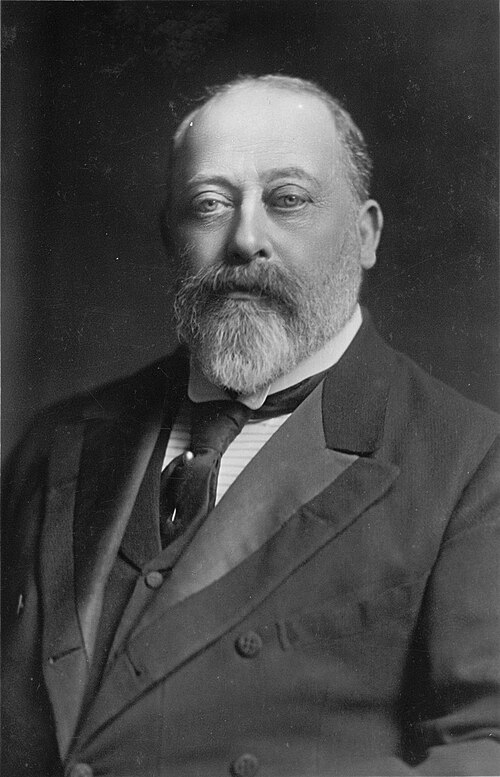
Edward VII is a visitor point of interest in Manchester, England. The designation refers to a location or monument associated with King Edward VII, the British monarch who reigned from 1901 to 1910.
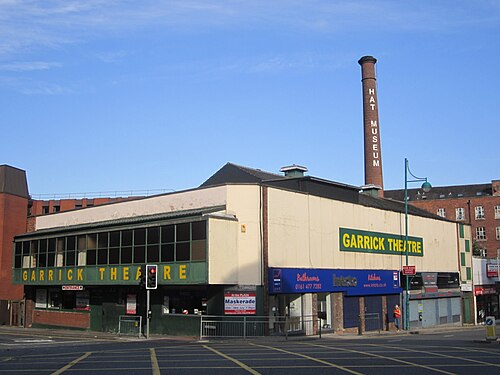
Stockport Garrick Theatre
Stockport Garrick Theatre is a community theatre in Stockport, within Greater Manchester. Its programme combines amateur dramatic productions with professional touring shows, giving visitors a chance to experience local performing arts in an intimate setting.
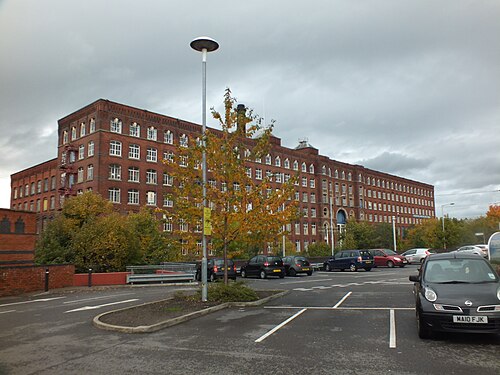
Meadow Mill
Meadow Mill is a historic industrial building in Manchester, recognised in the name used for this place because it includes a tall wing to the south-west.
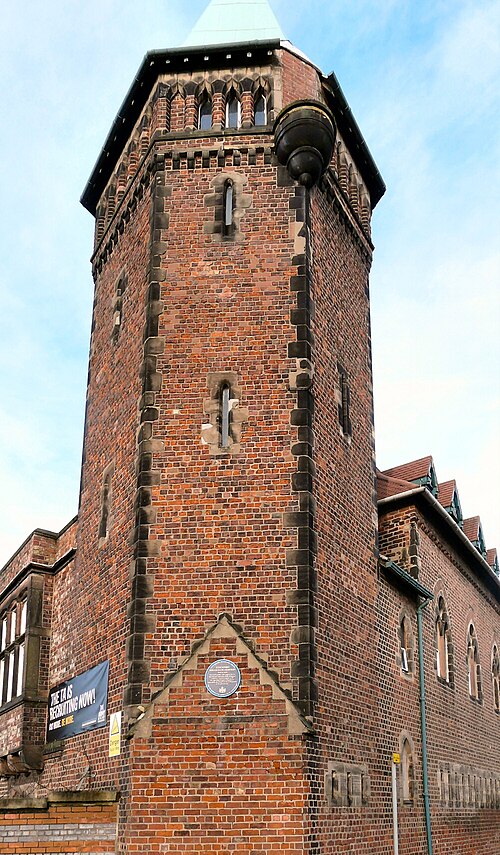
Stockport Armoury is a historic military building in Stockport, within Greater Manchester. It forms part of the town's built heritage and reflects local connections with armed forces organisation and defence infrastructure.
Ashton Canal - Stockport Branch
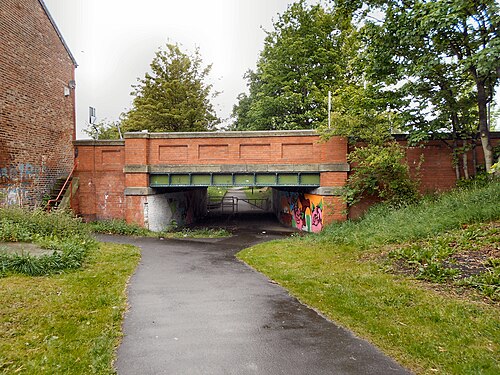
The Stockport Branch Canal, locally known as the Ashton Canal - Stockport Branch, is a historical waterway in Greater Manchester.
Strawberry Studios Stockport
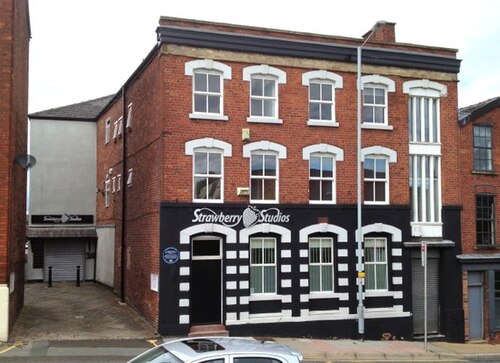
Strawberry Studios was a recording studio in Stockport, Greater Manchester, with an important place in British popular-music history. Established in the 1960s, it became closely associated with 10cc, who used the facility extensively.
Styal Cross is a historic wayside cross located in the Styal area near Manchester. The structure stands as a notable example of roadside religious marking from earlier centuries, positioned along traditional routes through the Cheshire countryside.
T-55
T-54/55, also known locally as T-55, is a preserved tank monument in Manchester. It represents the Soviet-era T-54/T-55 family, one of the most widely produced tank series in military history.
53two is an independent performance venue and theatre space in Manchester. Its name comes from its original setting beneath the Mancunian Way, in railway arches numbered 53 and 52.
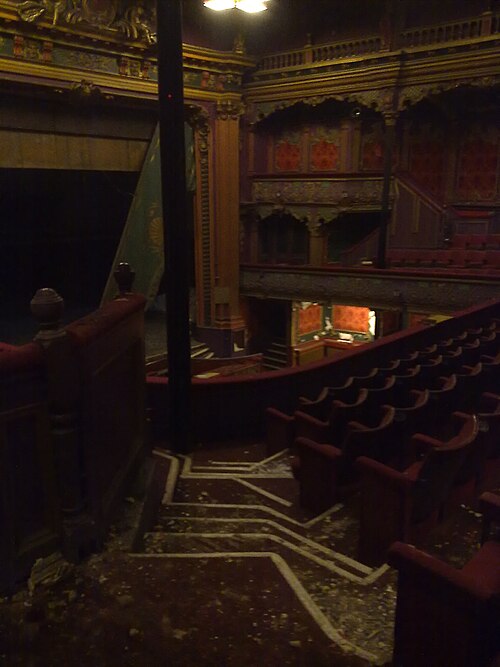
Hulme Hippodrome is a historic theatre building in Hulme, south of Manchester city centre. The Victorian-era venue belongs to Manchester’s performing-arts heritage and remains an evocative architectural landmark within a changing urban neighbourhood.
The Tree of Knowledge is an outdoor public artwork in Manchester. It forms part of the city’s creative streetscape, placing an artistic object within the everyday movement of the urban environment.
Piccadilly and Victoria stations mark the eastern and northern edges of the central visitor area. Between them sit the Northern Quarter, civic centre, Chinatown and the retail core; Ancoats continues east, while Castlefield and Deansgate extend southwest. The Oxford Road corridor leads south through universities and cultural venues. Salford Quays lies west as a separate waterfront district, and the football stadiums occupy different sides of the wider city-region. Do not plan those outer locations as short central walks.
Checked 2026-08-26
Walk within the central districts, then use Bee Network buses and Metrolink trams for Salford Quays, stadiums and Greater Manchester towns. Transport for Greater Manchester provides an integrated journey planner, and contactless tap-and-go is available on buses and trams under the current network rules. Free city-centre buses connect major rail stations and central areas. Train services remain useful for some outer towns, so compare rail and tram before setting out.
Checked 2026-08-26
Two to three days suit a first visit. Use one day for the central districts, another for a chosen outer cluster, and add a third for football, Salford Quays or a wider Greater Manchester trip.
May through September offers longer daylight for canals and neighbourhood walks. Rain remains possible throughout the year, so keep indoor museums and galleries available as flexible blocks.
Yes. Piccadilly, the Northern Quarter, the civic core, Castlefield and Oxford Road form a compact central area. Use transit for Salford Quays, the stadiums and outer Greater Manchester towns.
Bee Network buses and Metrolink trams support contactless travel under the operator’s current rules. On trams, follow the official tap-in and tap-out instructions and use the same card or device.
No. Old Trafford and the Etihad Stadium sit in different parts of the city-region and use different transport corridors. Plan each as a separate destination rather than combining them as a central walking route.