The Lighthouse
The Lighthouse is Scotland’s Centre for Design and Architecture in Glasgow city centre. It occupies the former Glasgow Herald offices, a building designed by Charles Rennie Mackintosh in 1895.
- Must see
- Historic monument
- Glasgow
Country guide
The United Kingdom is 244,376 km² holding 69,281,437 people, and it is four countries rather than one: England, Scotland, Wales and Northern Ireland, with Londo...
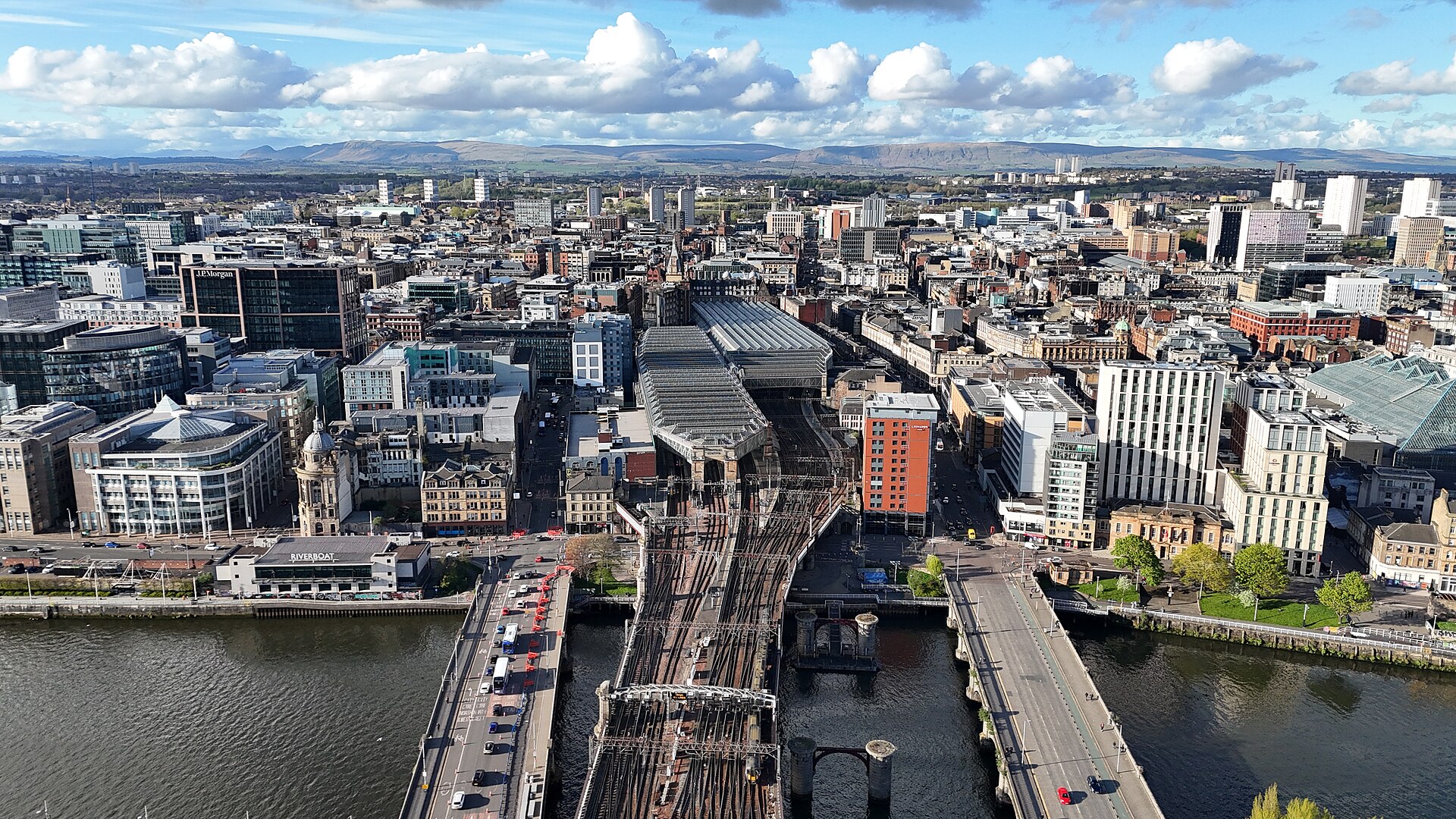
Photograph · Colin · CC BY-SA 4.0
Reviewed by Elena Voss · Roavina Travel Editor
The United Kingdom is 244,376 km² holding 69,281,437 people, and it is four countries rather than one: England, Scotland, Wales and Northern Ireland, with London, Edinburgh, Cardiff and Belfast as their capitals. Three of the four run parliaments of their own over devolved matters, and the law splits three ways — England and Wales, Scotland, Northern Ireland. A visitor meets that in small practical things rather than at a border. London alone holds about 9.1 million of the total, which is why so many trips never leave it, and why the ones that do feel like arriving somewhere else.
Checked 2026-08-25
Every city catalogued in this country so far, ranked by how much there is to see.
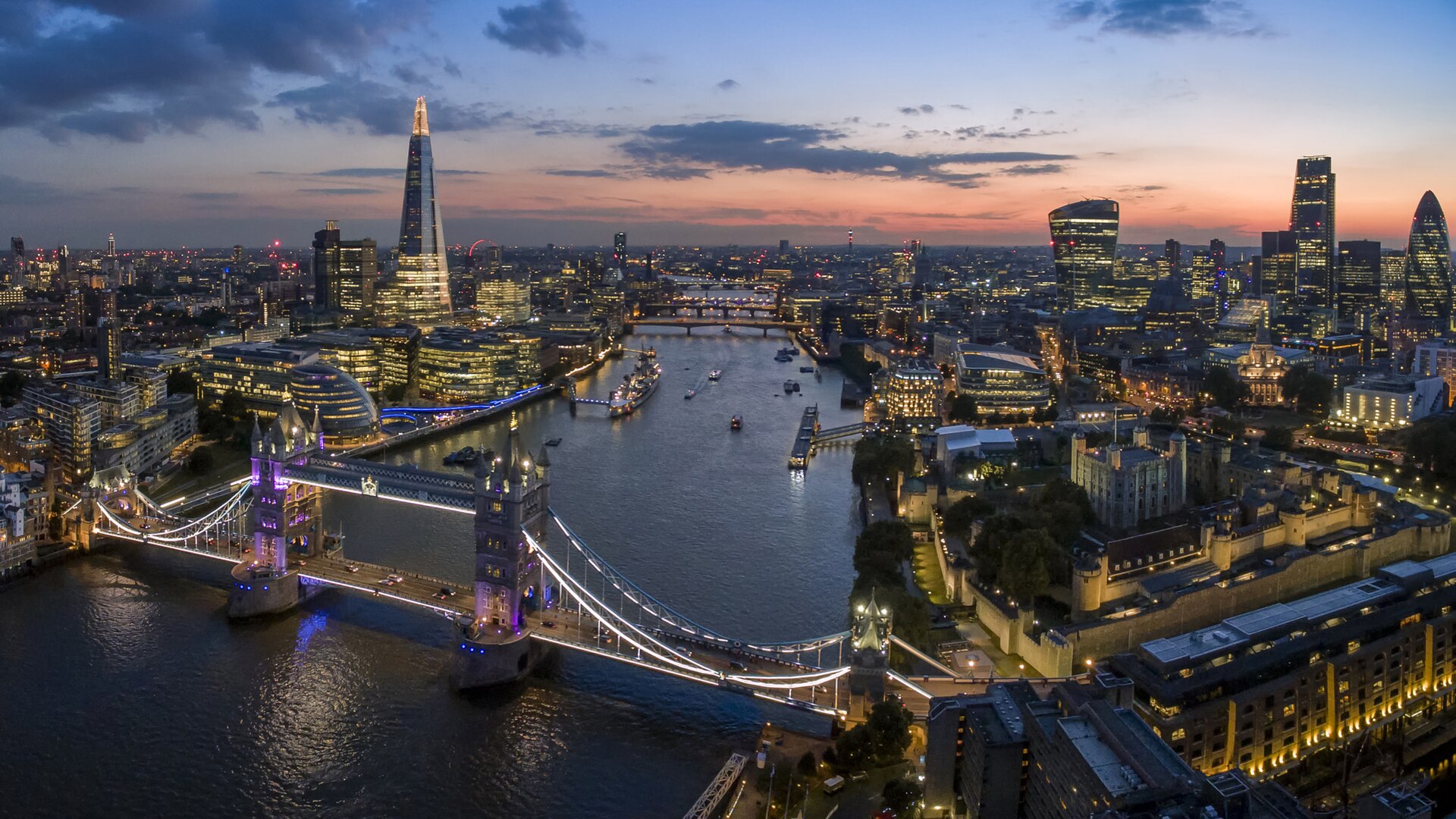
Photograph · Ilya Grigorik · CC BY-SA 3.0
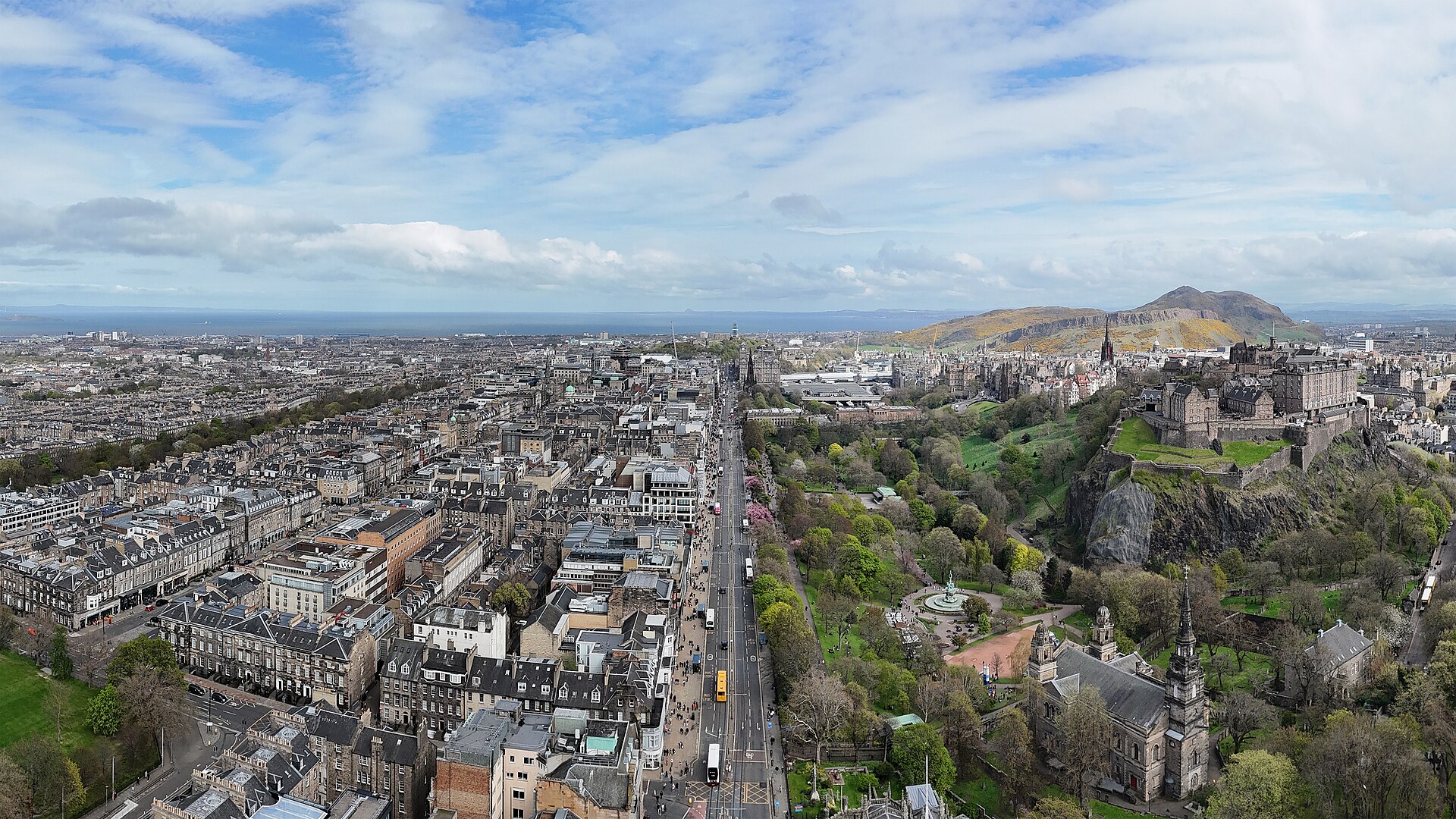
Photograph · 瑞丽江的河水 · CC BY-SA 4.0
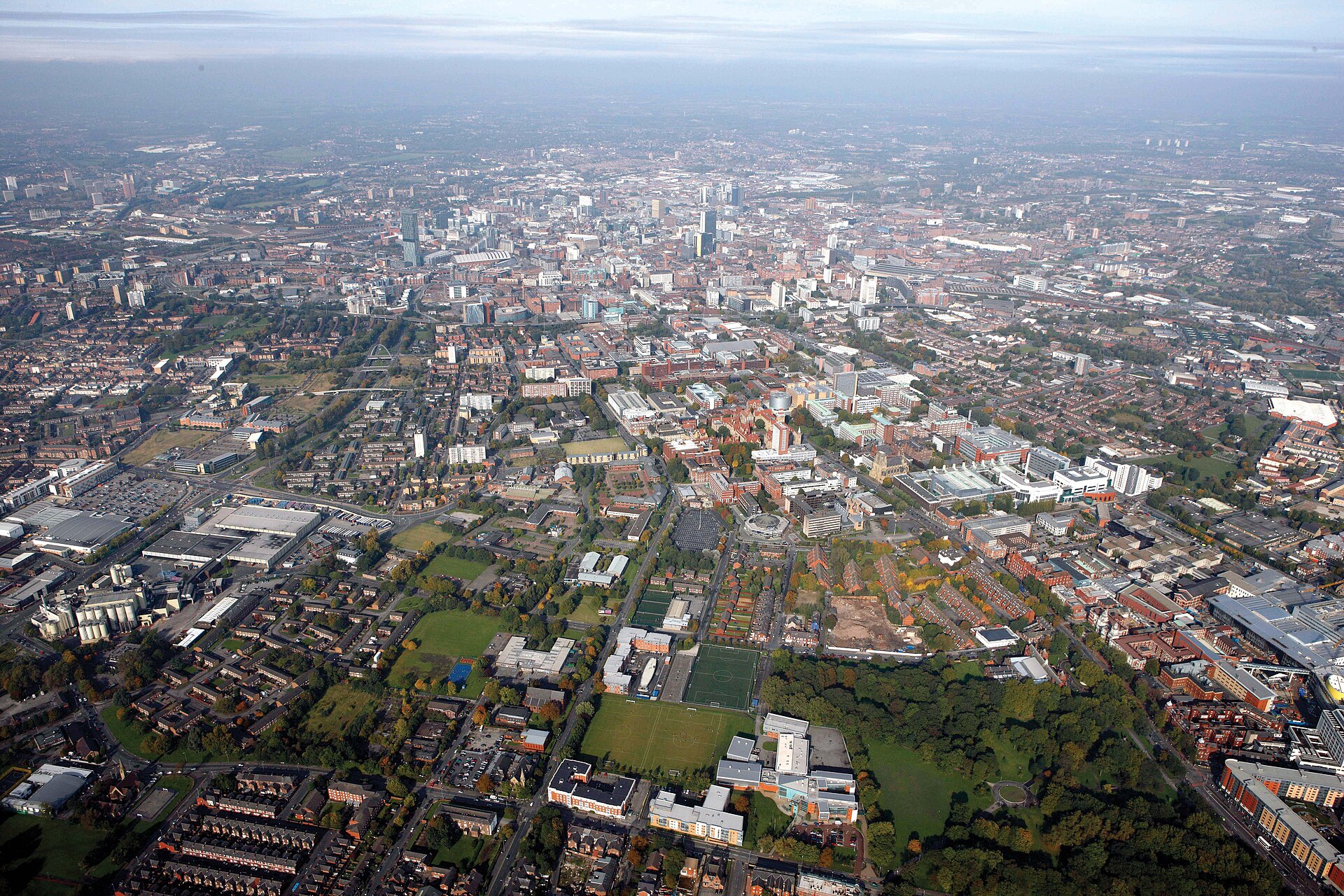
Photograph · Daniel Nisbet from Manchester, United Kingdom · CC BY 2.0
Ranked by importance — sitelinks, pageviews and heritage status, not editor preference.
296 places match
Category
Typical visit duration
Interests
The Lighthouse is Scotland’s Centre for Design and Architecture in Glasgow city centre. It occupies the former Glasgow Herald offices, a building designed by Charles Rennie Mackintosh in 1895.
The Gallery of Modern Art is Glasgow's civic contemporary art gallery, and it occupies a building that was never meant to hold art.
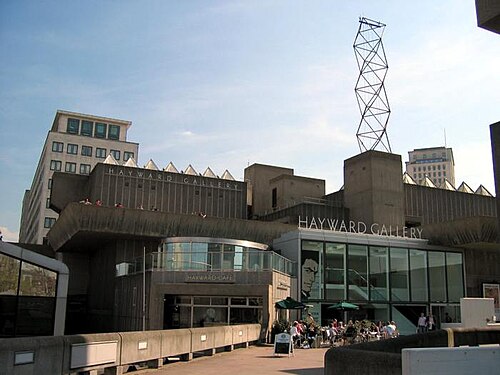
The Hayward Gallery is a major public art gallery located on the South Bank of the River Thames in London. It forms part of the Southbank Centre complex, alongside the Royal Festival Hall and other cultural venues.
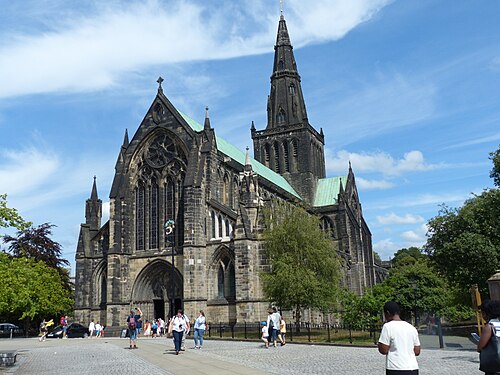
Glasgow Cathedral is a medieval church on Castle Street, at the top of the High Street and a short walk north-east of the city centre.
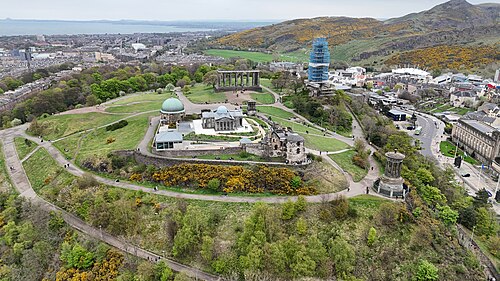
City Observatory is a historic astronomical complex on Calton Hill, one of Edinburgh's most recognisable viewpoints. Founded in 1818, the observatory represents an important chapter in Scottish scientific history and forms part of the wider heritage landscape on the hill.
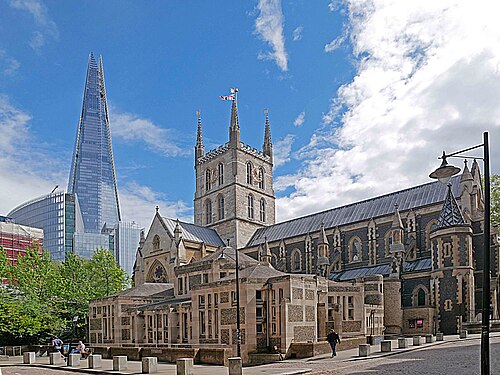
Southwark Cathedral is a Church of England cathedral on the south bank of the River Thames, beside London Bridge and Borough Market. Christian worship has taken place on this site for more than one thousand years.
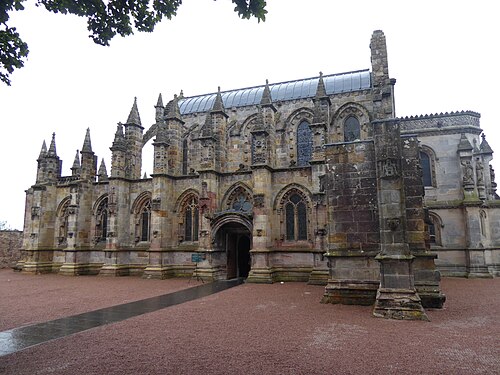
Rosslyn Chapel
Rosslyn Chapel is a 15th-century chapel located in the village of Roslin, approximately seven miles south of Edinburgh city centre. Founded by William Sinclair, 1st Earl of Caithness, the chapel took forty years to construct.
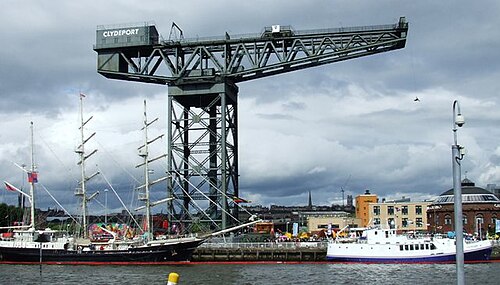
The Finnieston Crane is a disused giant cantilever crane standing on the north bank of the River Clyde in Glasgow, Scotland.
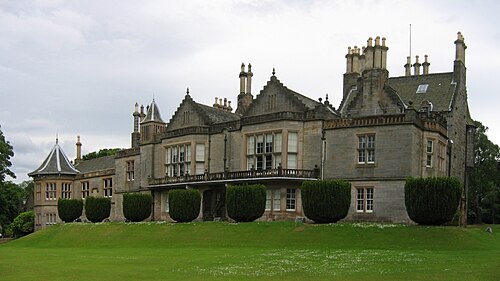
Lauriston Castle is a historic tower house situated in northwest Edinburgh, Scotland. The property comprises a 16th-century tower with later additions, set within notable gardens overlooking the Firth of Forth.
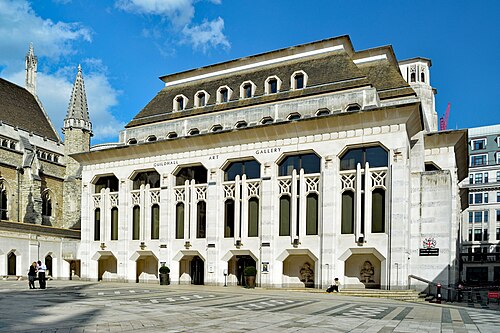
Guildhall Art Gallery is the City of London’s public art museum, set within the historic Guildhall complex. The gallery brings together British paintings, sculpture, and drawings with the civic setting of the City.
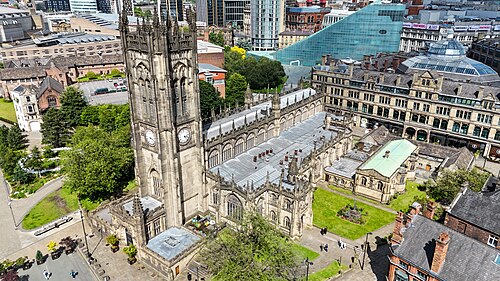
Manchester Cathedral is the city’s medieval parish church elevated through collegiate and cathedral status, and it remains an active Church of England place of worship.
Kelvingrove Park is a public park in Glasgow's West End, established in the nineteenth century. It occupies a substantial green space on the banks of the River Kelvin, adjacent to the Kelvingrove Art Gallery and Museum.
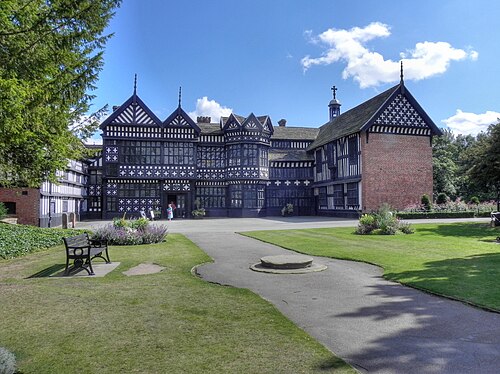
Bramall Hall is a Tudor manor house in Bramhall, within the Metropolitan Borough of Stockport, south of Manchester.
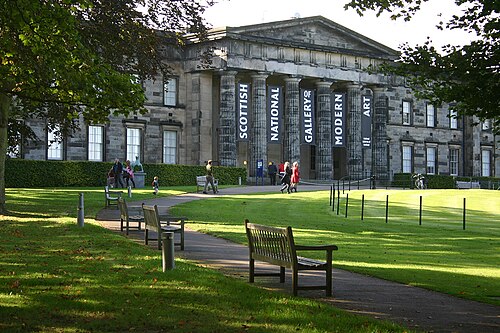
The Scottish National Gallery of Modern Art is a major art museum in Edinburgh, Scotland. It forms part of National Galleries Scotland, the country's national collection of art.
Calton Hill is a public open space above the east end of Princes Street, known for its concentration of monuments and broad city views.
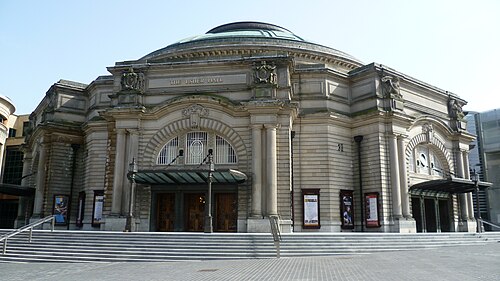
Usher Hall is a major concert venue in central Edinburgh, Scotland. This Victorian-era auditorium was built for musical performance and remains a working cultural venue.
Britannia Panopticon
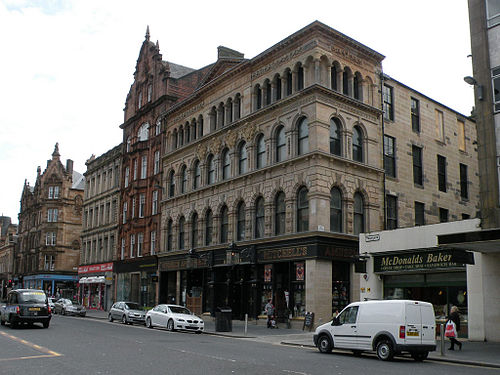
Britannia Music Hall, locally known as Britannia Panopticon, stands as a historic entertainment venue in Glasgow. Dating to the 1850s, it claims distinction as one of Britain's oldest surviving music halls.
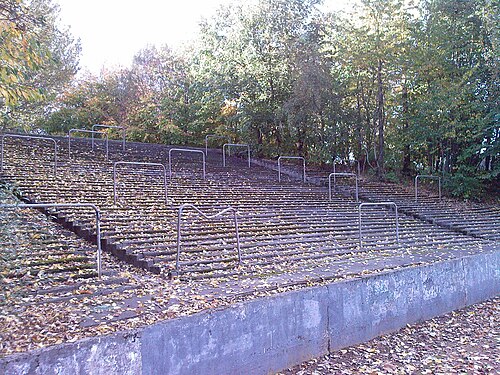
Cathkin Park is a public park located in Glasgow, Scotland. The site occupies land that was formerly home to a football stadium, which served as the ground for Third Lanark A.C., a historic Scottish football club.
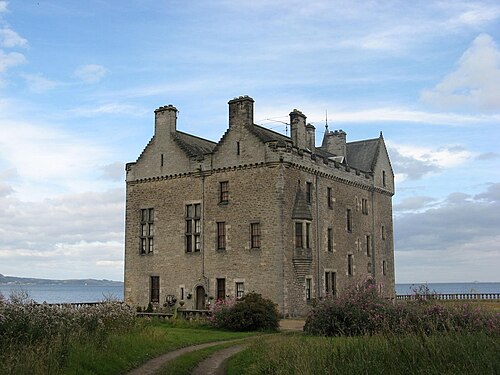
Barnbougle Castle is a historic tower house on the shoreline of the Firth of Forth near Dalmeny, within the wider Edinburgh area.
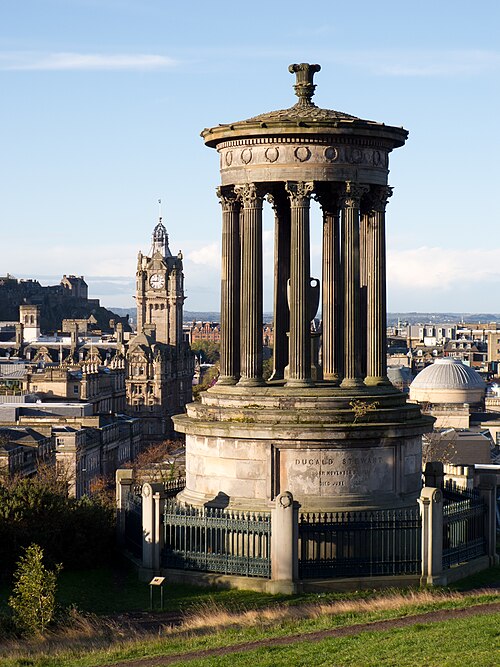
The Dugald Stewart Monument is a memorial structure in Edinburgh, Scotland, dedicated to the Scottish philosopher Dugald Stewart. It stands prominently on Calton Hill, a significant elevated location in the city centre.
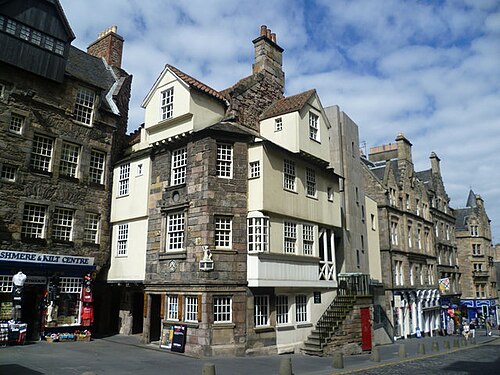
John Knox House stands on the High Street section of Edinburgh’s Royal Mile.
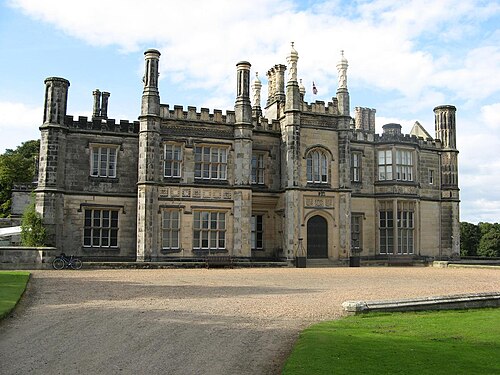
Dalmeny House is a historic country house located near Edinburgh, Scotland. The property stands as a significant example of Scottish architectural heritage within the Lothian region.
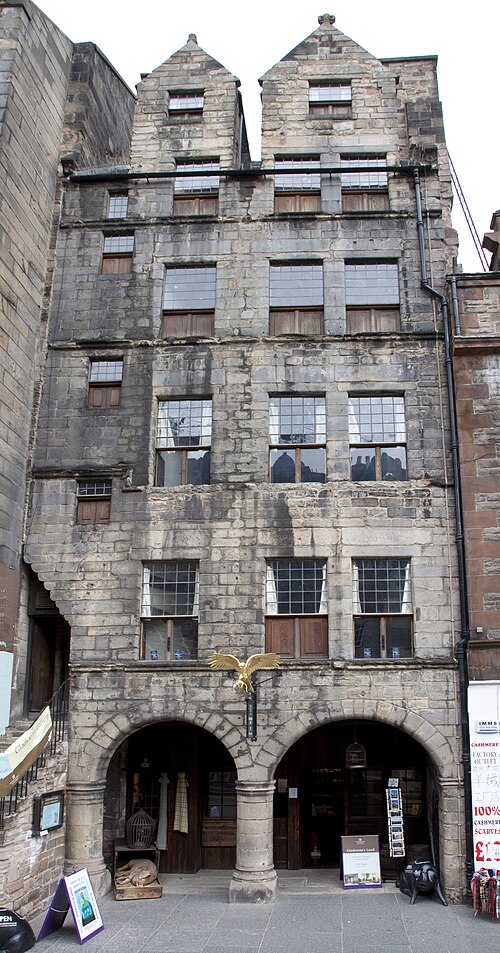
Gladstone’s Land is a preserved seventeenth-century tenement on Edinburgh’s Royal Mile. The tall, narrow building shows how Old Town residents and merchants used vertical space in a crowded medieval city.
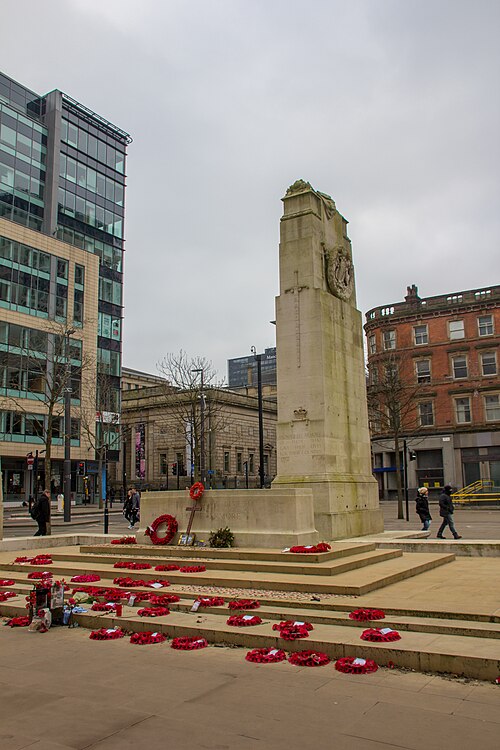
Cenotaph
Manchester Cenotaph is a war memorial located in St Peter's Square, central Manchester. The structure commemorates those who lost their lives in military conflicts. It stands as a significant civic monument within the city's public realm.
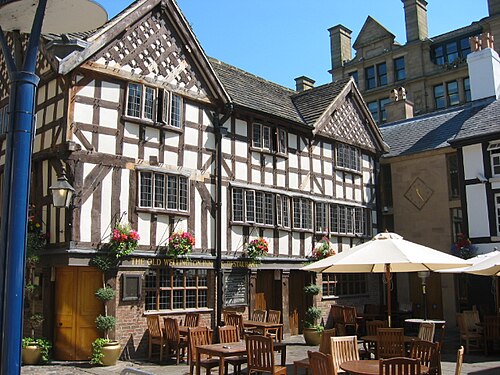
The Old Wellington Inn is a historic public house located in Manchester city centre, England. It stands as one of the city's notable timber-framed buildings, representing architectural heritage in a modern urban setting.
Ten to fourteen days can cover four or five days in London, two in Manchester, and two or three each in Edinburgh and Glasgow. The Highlands, Lake District, or Welsh national parks need dedicated nights and should not be squeezed into London day trips.
UK document rules depend on nationality and trip purpose, and many visitors now need an Electronic Travel Authorisation before boarding. Check the linked UK government visa service for both visa and ETA status shortly before travel.
Intercity rail is the practical spine between London, Manchester, Edinburgh, and Glasgow, with advance fares usually distinct from flexible tickets. Each city runs its own local fare system, so London's contactless cap is not a nationwide travel pass.
May to June and September are useful planning windows for this route, but conditions vary between southern England and Scotland. Festival dates in Edinburgh and rural transport in national parks can matter more than the national seasonal label.
The United Kingdom uses pound sterling (GBP). Contactless payment is widespread in major cities, but keep another payment method for rural services or terminals that do not share London's payment arrangements.
Use 999 or 112 for emergencies in the United Kingdom. Type G sockets supply 230 V, and mains tap water is recorded as safe; save rail disruption information as well when the itinerary depends on several city-to-city journeys.