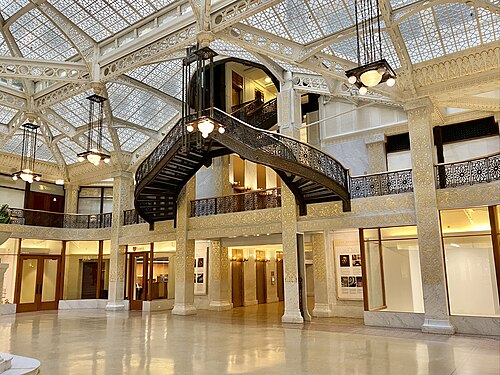
Rookery Building
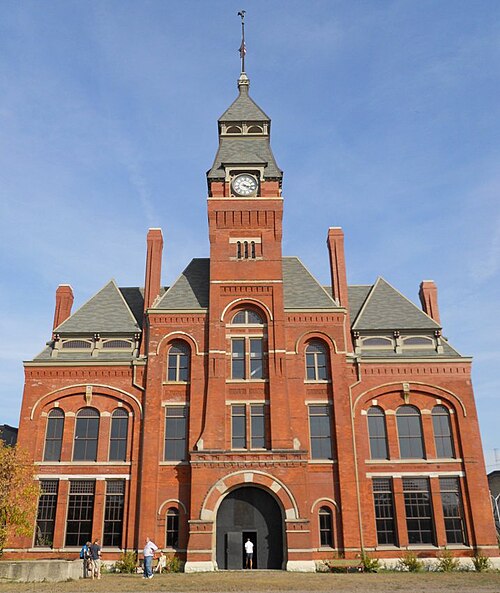
The Rookery
The Rookery Building is a historic commercial structure in Chicago's Loop district, designated a Chicago Landmark and listed on the National Register of Historic Places.
- Must see
- Historic monument
City guide · United States
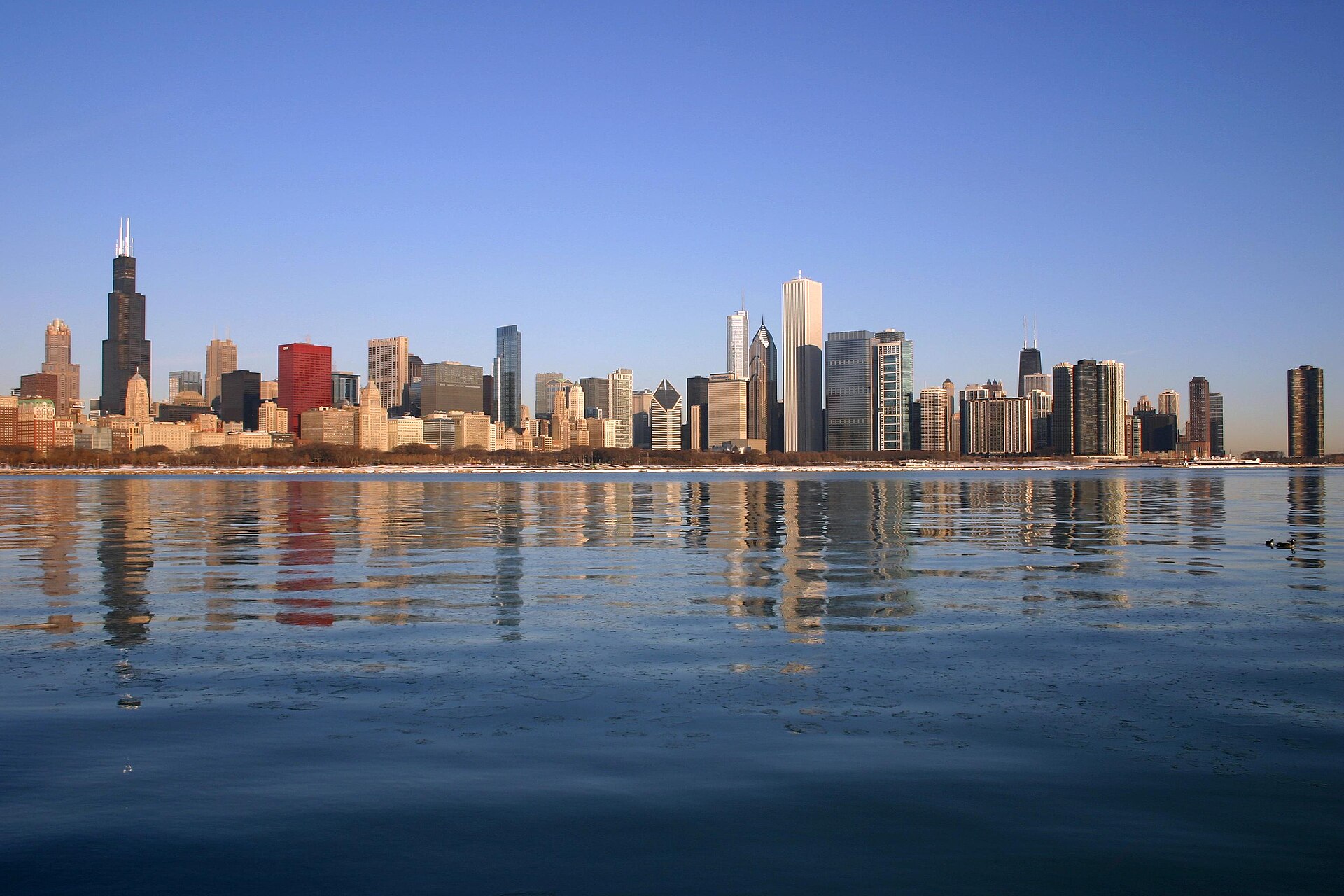
Chicago is organised around Lake Michigan, the Chicago River and a regular street grid. The Loop contains the central business district, major architecture and...
Photograph · J. Crocker · Attribution
Set your days, your pace and the hours you actually want to be out. The planner works around closing days and travel time, and leaves room to eat.
Reviewed by Elena Voss · Roavina Travel Editor
Chicago is organised around Lake Michigan, the Chicago River and a regular street grid. The Loop contains the central business district, major architecture and Millennium Park; museum campuses and lakefront parks extend south, while River North, Lincoln Park and neighbourhood centres continue north and west. A first visit works best when downtown sights are grouped together and separate time is reserved for one or two neighbourhoods beyond the Loop.
Checked 2026-08-26
September · September cools Chicago to a 75.5°F mean high while normal precipitation drops to 3.19 inches.
Ranked by importance — sitelinks, pageviews and heritage status, not editor preference.
17 places match
Category
Typical visit duration
Interests
The Rookery
The Rookery Building is a historic commercial structure in Chicago's Loop district, designated a Chicago Landmark and listed on the National Register of Historic Places.
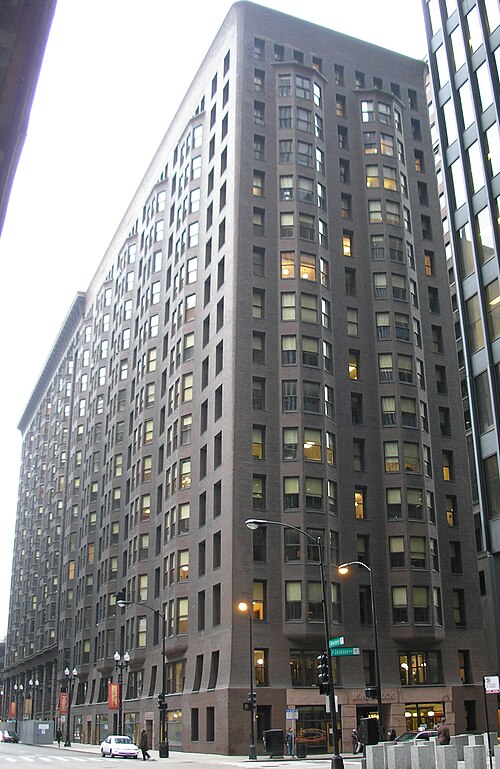
The Monadnock Building stands as a landmark commercial structure in Chicago's Loop district, recognized as an essential exemplar of the Chicago School architectural movement.
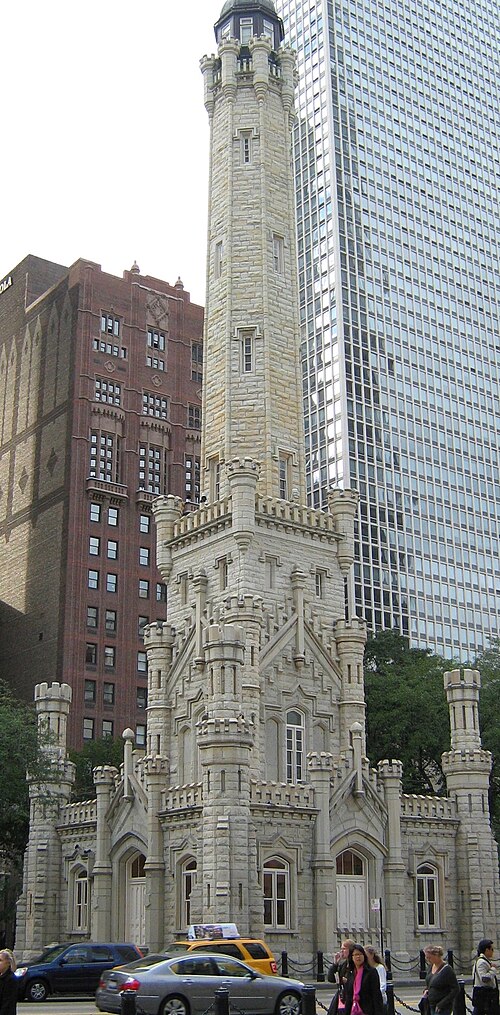
The Chicago Water Tower is a historic water tower on Michigan Avenue in Chicago, Illinois. Built in 1869, it is one of the few structures to survive the Great Chicago Fire of 1871.
Pilgrim Baptist Church is a historic church building in Chicago’s Bronzeville neighbourhood, on the city’s South Side. The building joins two important stories: the architecture of Louis Sullivan and Dankmar Adler, and the development of African American gospel music.
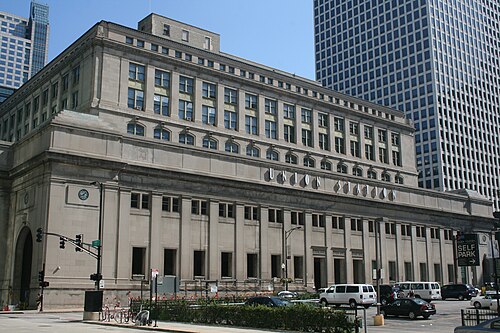
Chicago Union Station is a major intercity rail terminal in Chicago, Illinois. It serves as the primary hub for Amtrak long-distance and Midwest corridor trains, as well as Metra commuter rail services.
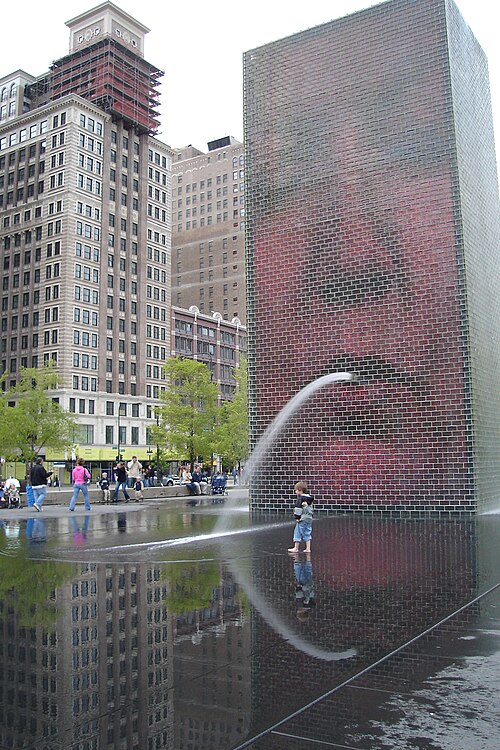
Crown Fountain is an interactive public art installation located in Chicago's Millennium Park.
Pullman National Historical Park preserves the historic Pullman district on Chicago's South Side. Established as a planned industrial community in 1880 by George Pullman for his railroad car manufacturing company, it represents a significant chapter in American industrial history.
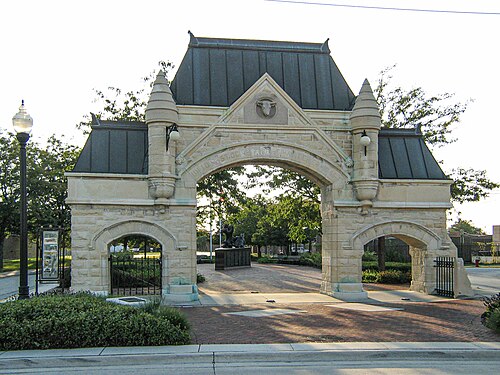
Union Stock Yards Gate
The Union Stock Yard Gate stands as the surviving monumental entrance to Chicago's historic stockyards, once the center of the American meatpacking industry.
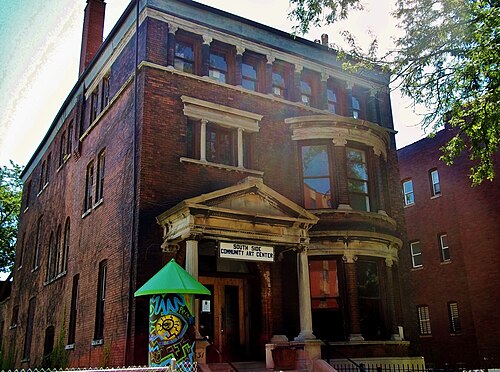
South Side Community Art Center (SSCAC)
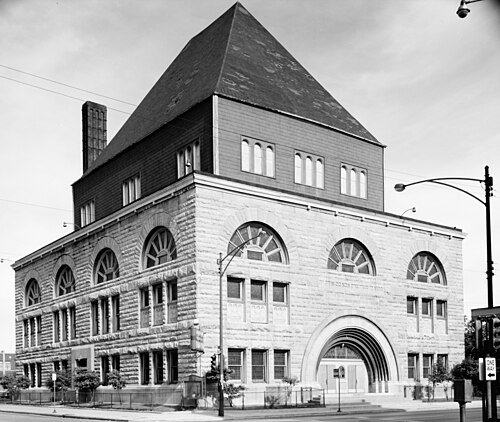
The South Side Community Art Center is a historic Black arts institution located in Chicago's Bronzeville neighborhood. Founded in 1940, it is one of the only surviving centers established by the Works Progress Administration's Federal Art Project.
Chicago Harbor Lighthouse is a historic harbour light on a detached breakwater east of Navy Pier. Dating to 1893 and associated with the World's Columbian Exposition, it remains an active aid to navigation on Lake Michigan.
The Old Town School of Folk Music is an influential folk-music school in Chicago. Founded in 1957, it has become one of the most significant institutions dedicated to folk music education in the United States.
State Street and Madison Street form the reference point for Chicago's address grid. The Loop sits beside the river and lake, with the Magnificent Mile and River North immediately north. Museum Campus, Hyde Park and Bronzeville lie south; West Loop, Pilsen and Wicker Park extend west and northwest. The lakefront is a continuous orientation line, but neighbourhood distances are substantial, so a map that appears compact can still represent several miles of travel.
Checked 2026-08-26
Walk within the Loop and along the central riverfront, then use CTA trains and buses for neighbourhoods and the airports. The colour-coded rail network connects downtown with the North, West and South Sides; the Blue Line serves O'Hare and the Orange Line serves Midway. Metra is useful for farther suburban trips rather than most central sightseeing. Check the official service map and alerts before travel because planned work can alter routes.
Checked 2026-08-26
A fixed stay length is not recorded. Plan one block for the Loop and river, one for the lakefront museums, and additional time for the neighbourhoods that match your interests.
The Loop is the practical centre, bounded by elevated rail tracks and set beside the river and Lake Michigan. River North and the Magnificent Mile begin immediately north.
Yes. Walk downtown and use CTA trains and buses for the lakefront, neighbourhoods and airports. Metra is mainly useful for destinations farther beyond the central city.
The CTA Blue Line connects O'Hare International Airport with downtown. Consult CTA service alerts before departure because construction or maintenance can affect the normal route.
Not always. The grid makes orientation simple, but the city extends a long way along the lake. Group nearby districts and use transit between the North, West and South Sides.