


57
1 hour
Parque Burle Marx
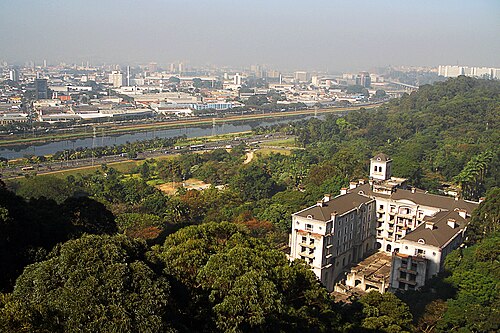
Parque Burle Marx is a landscape park in São Paulo preserving a garden designed by Roberto Burle Marx, the renowned Brazilian landscape architect.
- High
- Nature site
- São Paulo

Country guide
Brazil is the largest country in South America and the fifth largest on earth, with over 213 million people, 26 states and a Federal District built to hold the...
Photograph · Tet · CC BY 4.0
Reviewed by Elena Voss · Roavina Travel Editor
Brazil is the largest country in South America and the fifth largest on earth, with over 213 million people, 26 states and a Federal District built to hold the capital, Brasília. Its Atlantic coastline runs 7,491 kilometres and it borders every country on the continent except Ecuador and Chile.
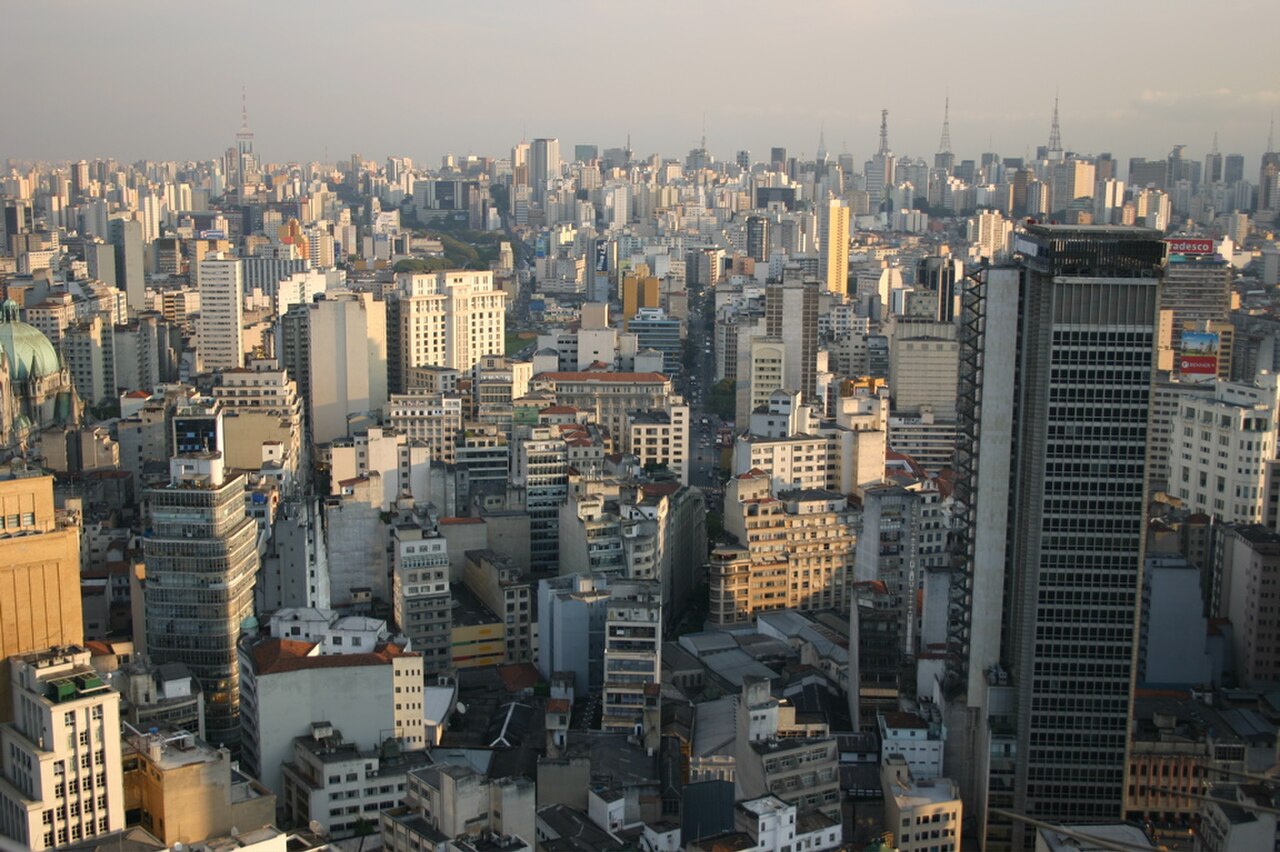
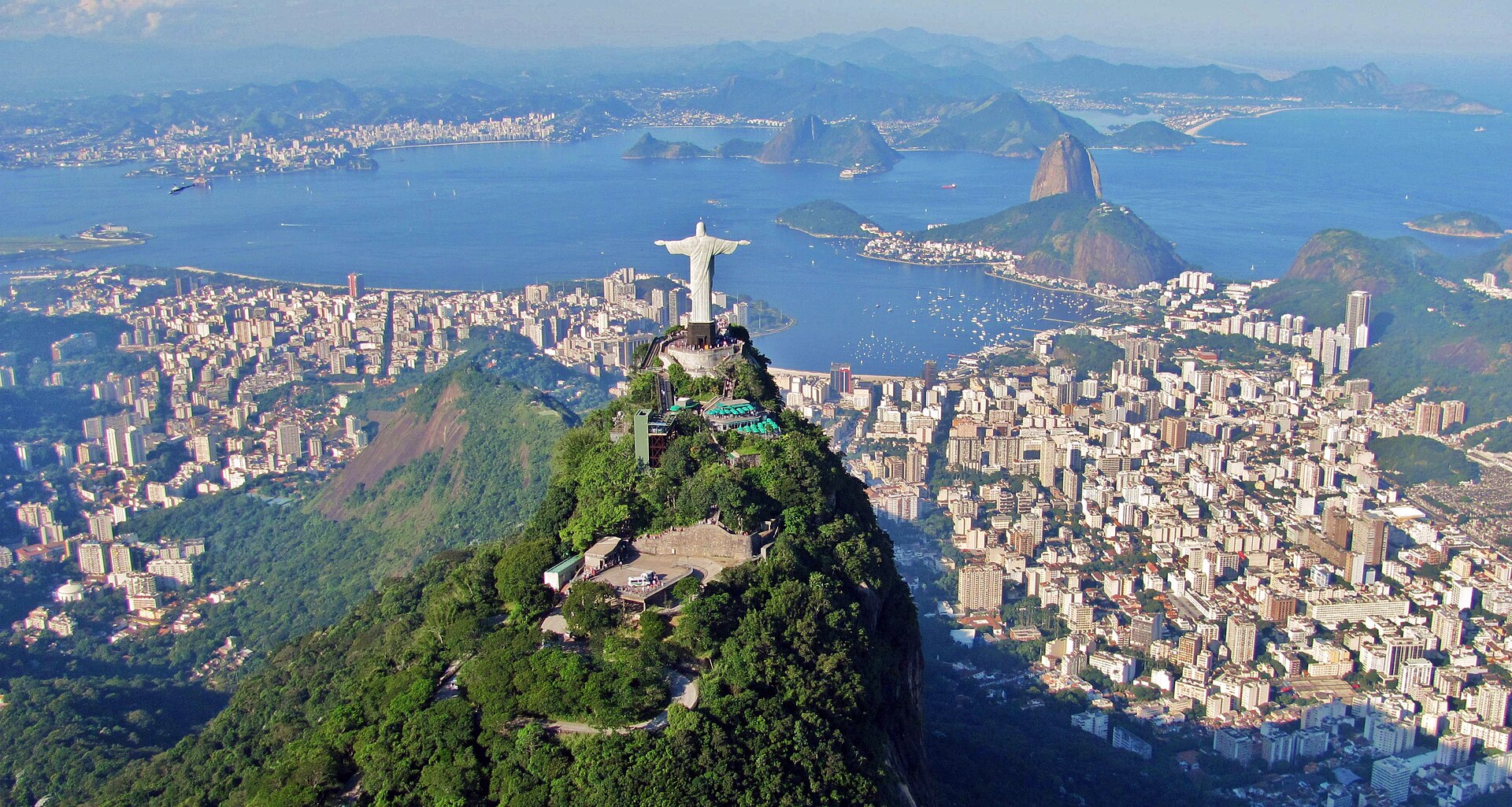
Most of the Amazon basin is Brazilian, including the world's largest river system and the most extensive virgin tropical forest left standing; the same country also holds wetlands, savanna, plateau and low mountains. São Paulo is the most populous city and Rio de Janeiro the second. The distance between any two of these is the planning problem.
Checked 2026-08-25
Every city catalogued in this country so far, ranked by how much there is to see.
Photograph · Thomas Hobbs · CC BY-SA 2.0
Photograph · Rafael Rabello de Barros · CC BY-SA 3.0
Ranked by importance — sitelinks, pageviews and heritage status, not editor preference.
117 places match
Category
Typical visit duration
Interests
Parque Burle Marx is a landscape park in São Paulo preserving a garden designed by Roberto Burle Marx, the renowned Brazilian landscape architect.
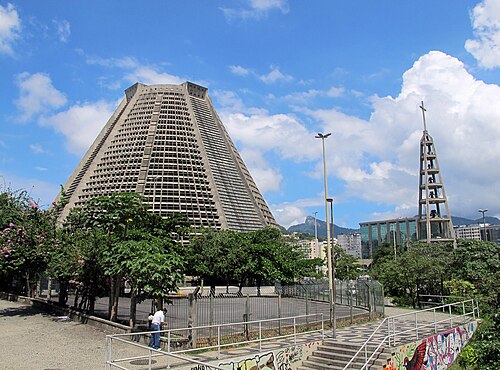
Catedral de São Sebastião
The Metropolitan Cathedral of Saint Sebastian, known locally as Catedral Metropolitana de São Sebastião, is a Roman Catholic cathedral in Rio de Janeiro.
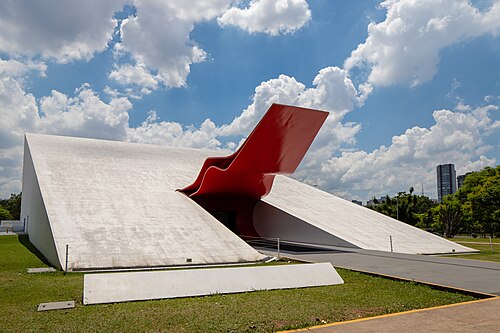
Auditório Ibirapuera
Ibirapuera Auditorium is a concert hall designed by Brazilian architect Oscar Niemeyer within São Paulo’s Ibirapuera Park. The building belongs to the park’s modernist cultural ensemble and is recognised for its sweeping curves and bold geometric form.
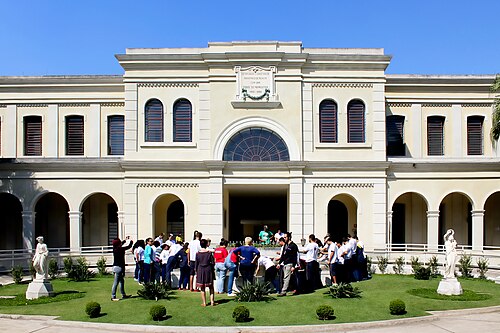
Museu da Imigração do Estado de São Paulo
The Museum of Immigration of the State of São Paulo occupies the former immigrant hostel in Mooca, where newcomers stayed after arriving in Brazil. The site connects São Paulo’s modern multicultural identity with the personal experience of migration.
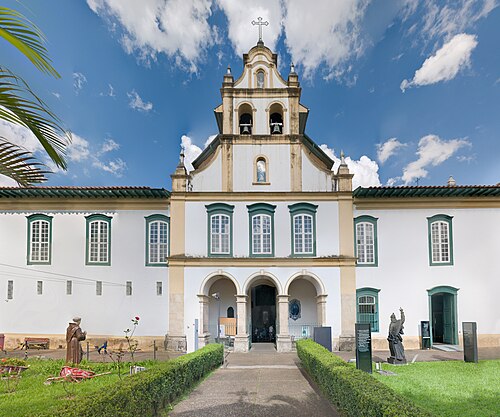
Museu de Arte Sacra de São Paulo
The Museum of Sacred Art of São Paulo occupies the historic Luz monastery complex in central São Paulo. The former religious setting gives the museum a strong architectural identity alongside its collection of Brazilian sacred art.

Igreja e Mosteiro de São Bento
The Monastery of Saint Benedict, known locally as Mosteiro de São Bento, is a hilltop Benedictine monastery in Rio de Janeiro. Founded by Benedictine monks, it stands as one of the most significant colonial religious institutions in the city.

Casa do Grito is a historic rammed-earth house in São Paulo’s Ipiranga independence landscape. It belongs to a heritage setting that also includes the Monument to Independence, Parque da Independência, and the Ipiranga Museum.
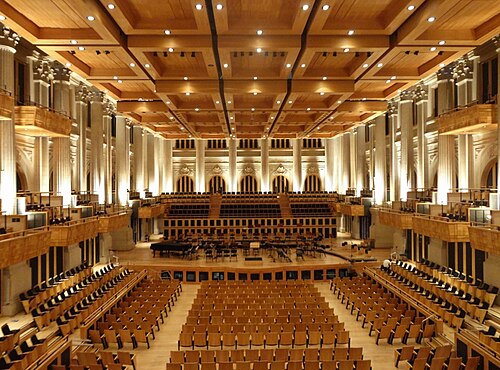
Sala São Paulo is a major concert hall housed within the historic Júlio Prestes Station, a former railway terminal in central São Paulo. It serves as the permanent home of the São Paulo State Symphony Orchestra (OSESP).
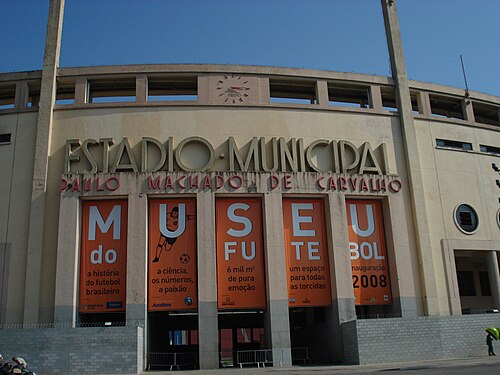
Museu do Futebol
The Football Museum, locally known as Museu do Futebol, is an interactive museum located beneath the historic Pacaembu Stadium in São Paulo. It examines football's profound significance within Brazilian society and culture.
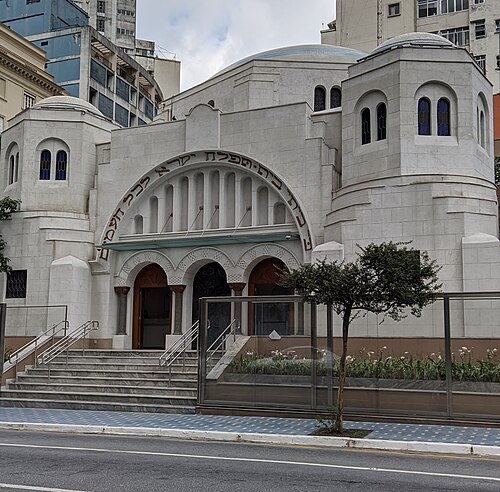
Museu Judaico de São Paulo
The Jewish Museum of São Paulo is a cultural museum devoted to Jewish life, migration, and heritage in Brazil. The institution occupies the restored Beth-El synagogue, giving the visit an architectural setting closely connected with the community history presented inside.
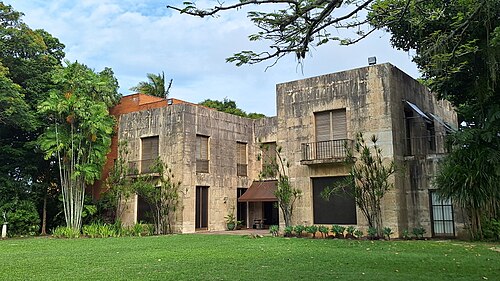
Museu Chácara do Céu
Chácara do Céu Museum is a former residence in Santa Teresa, one of Rio de Janeiro’s hillside neighborhoods. It belongs to the Castro Maya Museums network and combines a historic domestic setting with collections of Brazilian and European art.

Parque da Água Branca is a historic public park in São Paulo's Barra Funda district. Established as an agricultural exhibition ground, it retains its heritage character while serving as urban green space.
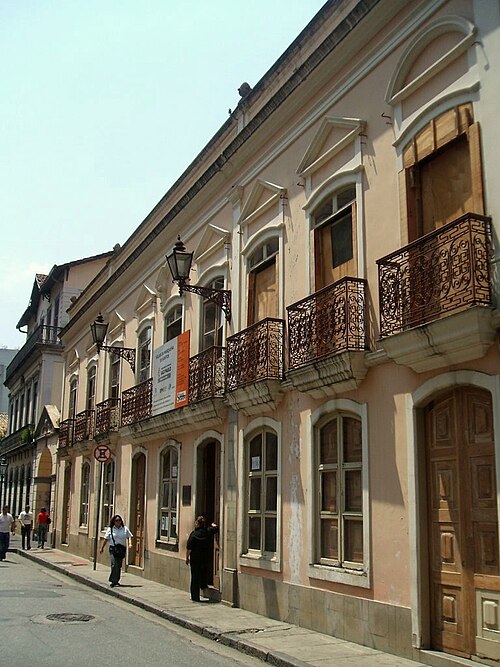
Solar da Marquesa de Santos
Solar da Marquesa de Santos is a rare surviving eighteenth-century urban residence in São Paulo. It serves as a core site of the City Museum, preserving historical architecture from the colonial period.

Parque Natural Municipal Bosque da Barra
Barra Woods, or Bosque da Barra, is a restinga park in Rio de Janeiro’s West Zone. It preserves native coastal vegetation on sandy ground within the rapidly developing Barra da Tijuca area.

Chinese View, or Vista Chinesa, is a pagoda-style observation pavilion in Rio de Janeiro’s Tijuca Forest. It honours the Chinese immigrants associated with the introduction of tea cultivation to Brazil in the early nineteenth century.

Museu de Zoologia da USP
The Museum of Zoology of the University of São Paulo is a natural-history museum beside Independence Park. The University of São Paulo operates the institution as a place where zoological research, scientific collections, and public education meet.
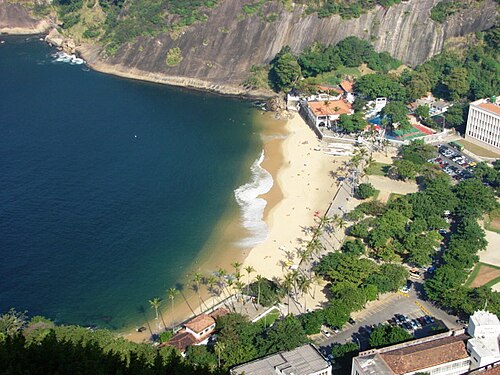
Praia Vermelha, known in English as Red Beach, is a compact sheltered beach in Rio de Janeiro's Urca neighbourhood. It sits directly beneath the iconic Sugarloaf Mountain and Morro da Urca, two of the city's most recognisable landmarks.
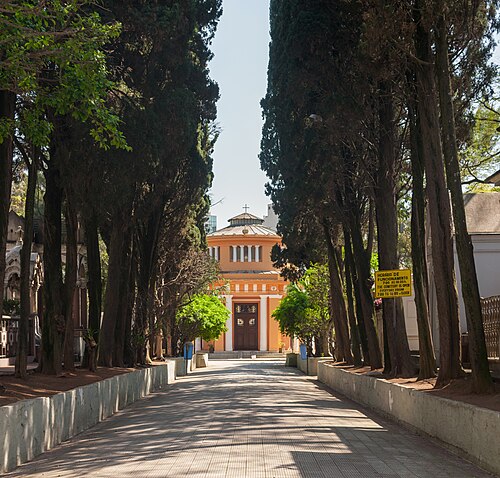
Cemitério da Consolação
Cemitério da Consolação is a historic cemetery in São Paulo, Brazil. Established in the late 19th century, it serves as the final resting place for numerous prominent Brazilian figures.
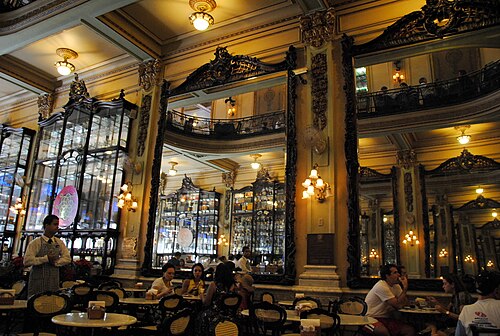
Confeitaria Colombo is a historic café and confectionery in downtown Rio de Janeiro, widely recognised as the city's most celebrated Belle Époque establishment. Founded in 1894, it occupies a prominent position on Rua Gonçalves Dias.
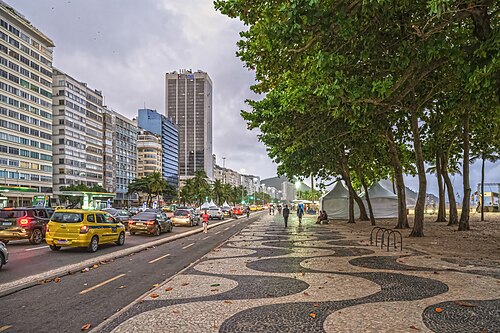
Praia de Copacabana
Copacabana Beach, known locally as Praia de Copacabana, is Rio de Janeiro's most internationally recognised urban beach and promenade. The crescent-shaped stretch of sand and adjacent Avenida Atlântica form one of the most iconic coastal cityscapes globally.
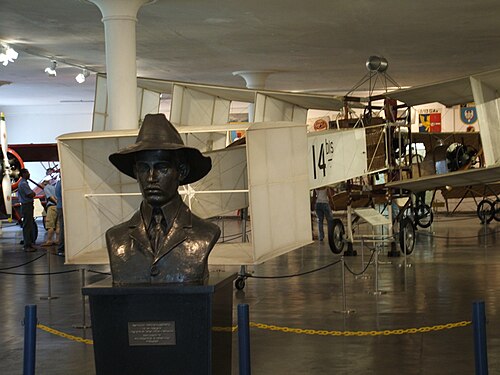
The Museu Aeroespacial, known in English as the Aerospace Museum, stands at Campo dos Afonsos in Rio de Janeiro. It serves as Brazil's principal institution dedicated to preserving and exhibiting the nation's aviation and aerospace heritage.
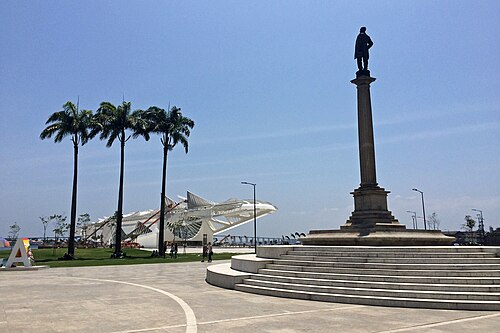
Praça Mauá is a renewed civic square in Rio de Janeiro's port zone, situated at the intersection of Avenida Rio Branco and Avenida Rodrigues Alves.
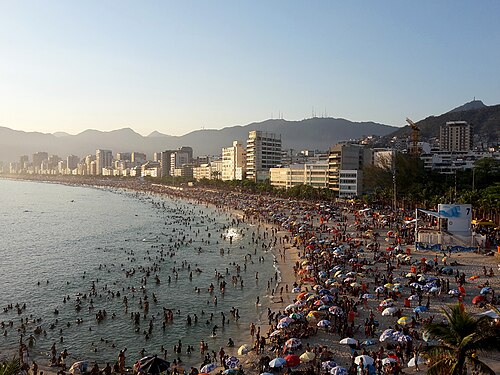
Ipanema Beach, known locally as Praia de Ipanema, is a landmark beach in Rio de Janeiro's South Zone. It stretches between Arpoador rock formation to the east and the Morro Dois Irmãos mountains to the west.
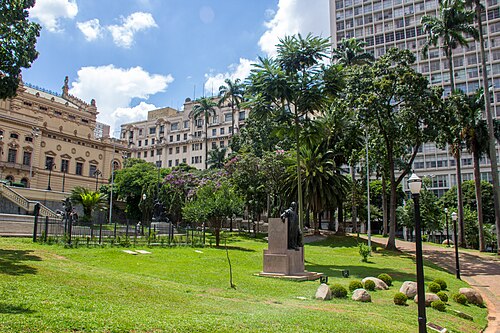
Praça Ramos de Azevedo
Municipal Theatre Square, known as Praça Ramos de Azevedo, is a formal public square in São Paulo’s historic centre.
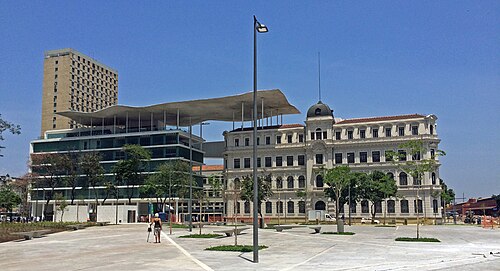
Museu de Arte do Rio
The Rio Art Museum, known locally as Museu de Arte do Rio, is a cultural institution situated in Rio de Janeiro's port zone.
Brazil’s scale makes 10–16 days appropriate for one region rather than a national circuit. Build around a single gateway such as Rio de Janeiro or São Paulo, then add one coherent coastal, nature or cultural extension.
Visa information is maintained by Brazil’s Ministry of Foreign Affairs through its consular portal. Eligibility depends on nationality and visit purpose; use the ministry’s current table instead of relying on a past visa waiver.
São Paulo and Rio de Janeiro handle major international and domestic connections. Flights bridge the country’s long distances, coaches cover many regional corridors, and national passenger rail is not a general substitute for either.
Brazil has no single best month because Amazon, northeast-coast, Pantanal and southern conditions differ. April–June and August–October are broad shoulder periods, but the chosen region’s rainfall and access cycle should decide the dates.
The Brazilian real (BRL) is the unit used for prices. This guide does not record current bank fees or acceptance patterns; check the displayed total and conversion currency before authorising a card or cash transaction.
Brazil separates emergency services: 190 police, 192 ambulance and 193 fire. Type N sockets operate at either 127 or 220 V depending on location, and national tap-water suitability is Not recorded.