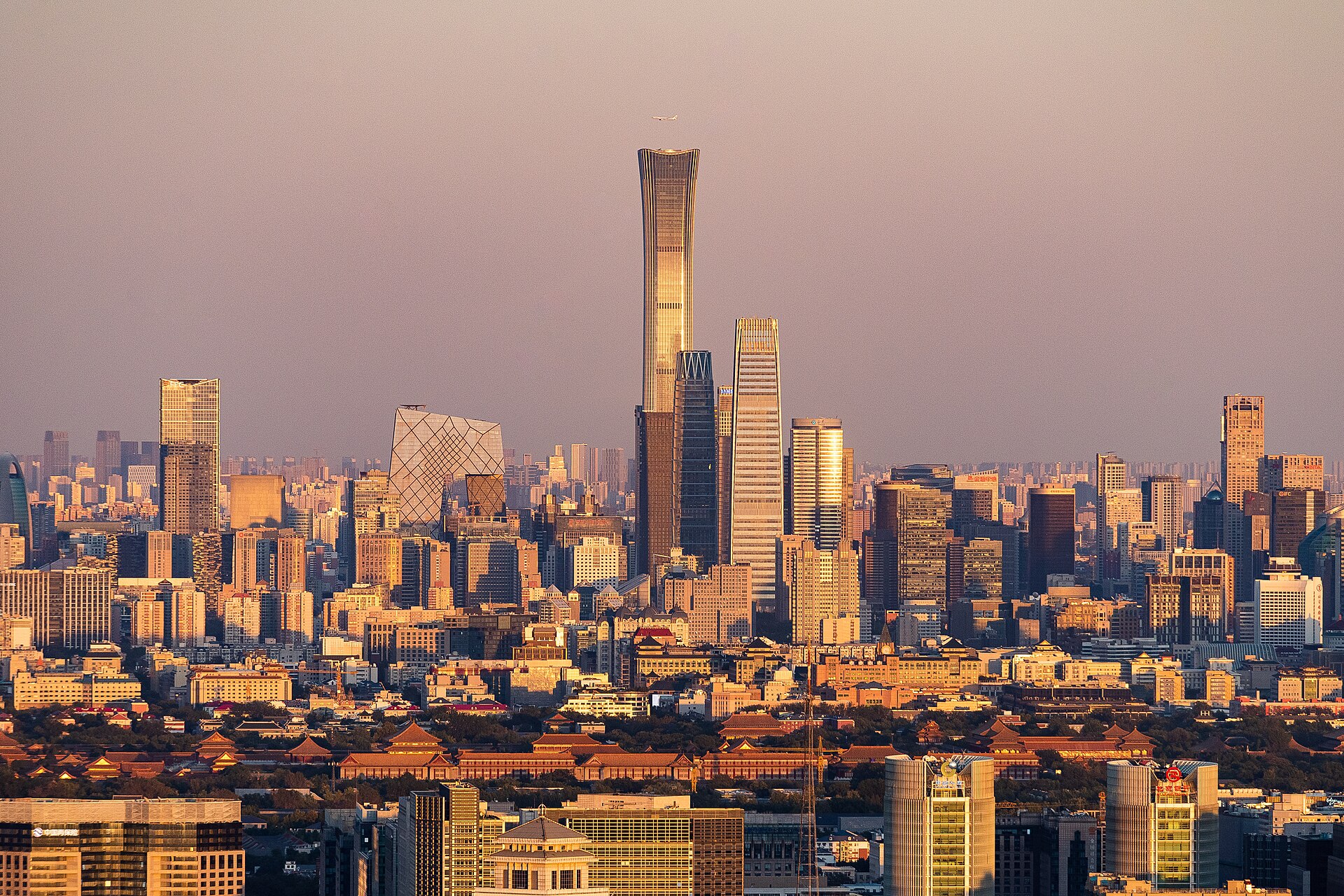
A photograph of Beijing

City guide · China

Up to 1 hour in Beijing, China — page 2

Beijing is vast, but its principal historic sights align around the north-south imperial axis. Tiananmen Square, the Forbidden City and Jingshan form the centra...

Photograph · N509FZ · CC BY-SA 4.0

15,246 Places
Suggested stay
Not recorded
Getting around
Walking, subway and city bus

Turn this list into a plan

Set your days, your pace and the hours you actually want to be out. The planner works around closing days and travel time, and leaves room to eat.

Plan Beijing

Reviewed by Elena Voss · Roavina Travel Editor

Beijing is vast, but its principal historic sights align around the north-south imperial axis. Tiananmen Square, the Forbidden City and Jingshan form the central sequence, while the Temple of Heaven lies south and the lake, hutong and palace districts extend north and west. Great Wall sections and imperial tombs are separate day journeys outside the urban core.

Checked 2026-08-26

Practical information

Language spoken
Standard Chinese; regional languages are widely used
National practical orientation; regional and minority languages may also be used
Dialling code
+86 mainland · +852 Hong Kong · +853 Macao
International calling code; local area and mobile prefixes still apply
Currency
Renminbi (CNY); HKD and MOP in the SARs
Use the official local currency; card acceptance varies by place
Emergency number
110 police · 120 medical on the mainland
Use only for an emergency; tourist assistance may use a separate number
Plug type
Type A, C and I · 220 V
Check that chargers support the recorded voltage before using an adapter
Tap water
Not recorded
No single verified statement covers mainland China and both SARs

Planning a visit

September · September offers Beijing a 25.8°C mean high, 14.2°C mean low and rainfall reduced to 49 mm.

  1. January: recurring difficult conditions
  2. February: recurring difficult conditions
  3. March: viable with meaningful trade-offs
  4. April: good time to visit
  5. May: best time to visit
  6. June: viable with meaningful trade-offs
  7. July: viable with meaningful trade-offs
  8. August: viable with meaningful trade-offs
  9. September: best time to visit — current month
  10. October: best time to visit
  11. November: viable with meaningful trade-offs
  12. December: recurring difficult conditions

Sources

Top things to see

Ranked by importance — sitelinks, pageviews and heritage status, not editor preference.

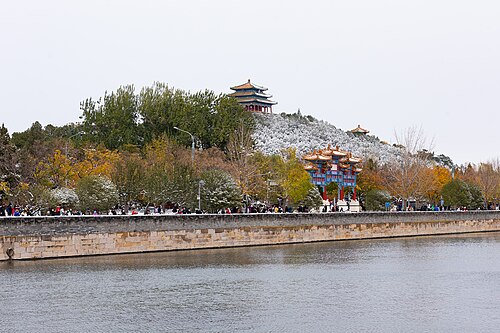
  1. Jingshan Park Jingshan Park
    07 1 hour

    Jingshan Park

    景山公园

    Jingshan Park is a historic imperial garden located immediately north of the Forbidden City in central Beijing. The park centers on Jingshan Hill, an artificial mound created from earth excavated during the construction of the Forbidden City's moat.

    • Must see
    • Nature site
  2. Yonghe Temple Yonghe Temple
    08 30 min

    Yonghe Temple

    雍和宫

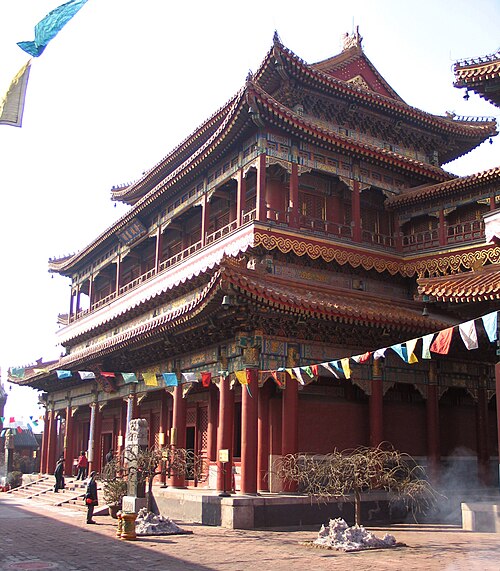
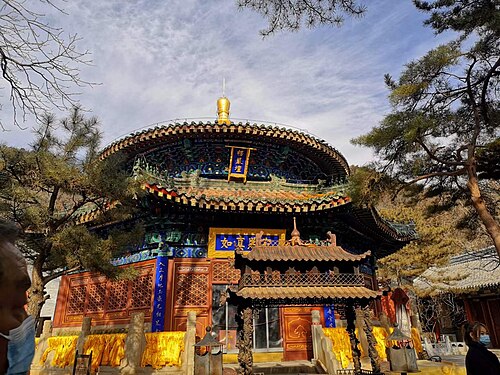
    The Lama Temple, known locally as Yonghegong, stands as one of Beijing's most significant Tibetan Buddhist monasteries. Originally constructed in 1694 as an imperial residence, it was converted to a lamasery in 1744.

    • Must see
    • Place of worship
  3. Beihai Park Beihai Park
    09 1 hour

    Beihai Park

    北海公园

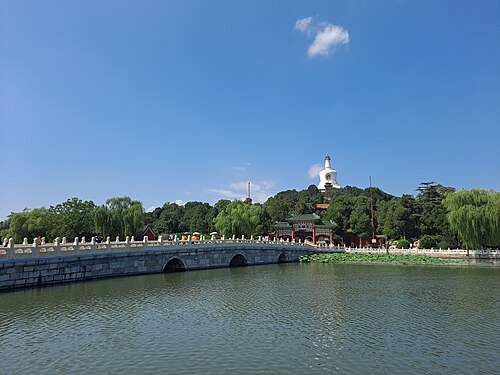
    Beihai Park is an imperial garden located in central Beijing. It is one of the oldest, largest, and best-preserved ancient imperial gardens in China.

    • Must see
    • Nature site
  4. Shichahai Shichahai
    10 1 hour

    Shichahai

    后海公园

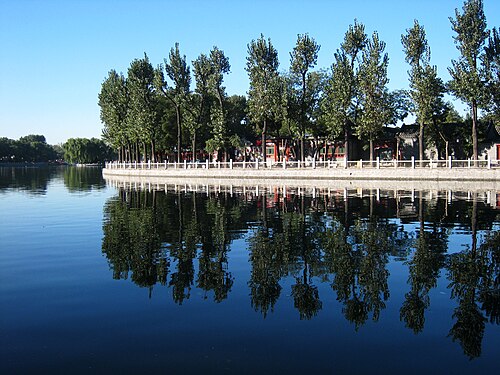
    Shichahai is a historic scenic area in central Beijing, comprising three connected lakes: Qianhai, Houhai, and Xihai. The name literally means Ten Temple Sea, referencing temples that once bordered the water.

    • Must see
    • Nature site
  5. Old Summer Palace Old Summer Palace
    11 1 hour

    Old Summer Palace

    圆明园遗址公园

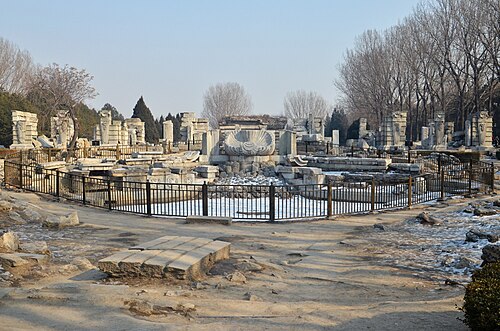
    The Old Summer Palace, known in Chinese as 圆明园 (Yuanmingyuan), was an extensive complex of imperial gardens and palaces in Beijing. Constructed during the Qing dynasty, it served as a primary residence and administrative center for emperors.

    • Must see
    • Nature site
  6. Drum tower Drum tower
    12 45 min

    Drum tower

    The Drum Tower of Beijing is a historic timekeeping structure in the Dongcheng district. It originally served as the principal timekeeping tower for the old city, marking the hours with drum beats.

    • Must see
    • Historic monument
  7. 798 Art Zone 798 Art Zone
    13 45 min

    798 Art Zone

    798艺术区

    The 798 Art District, known locally as 798艺术区, is a contemporary arts zone in Beijing's Chaoyang District. It occupies a former military factory complex built in the 1950s in the Bauhaus-influenced style of East German industrial architecture.

    • Must see
    • Historic monument
  8. Beijing National Stadium Beijing National Stadium
    14 45 min

    Beijing National Stadium

    国家体育场

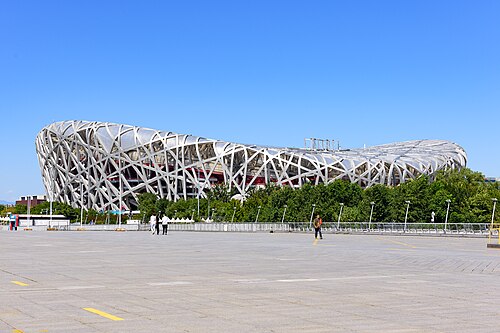
    The National Stadium, locally known as 国家体育场, is a major sports venue in Beijing. It was constructed for the 2008 Summer Olympics and Paralympics, serving as the primary stadium for opening and closing ceremonies as well as athletics events.

    • Must see
    • Historic monument
  9. National Centre for the Performing Arts National Centre for the Performing Arts
    15 1 hour

    National Centre for the Performing Arts

    国家大剧院

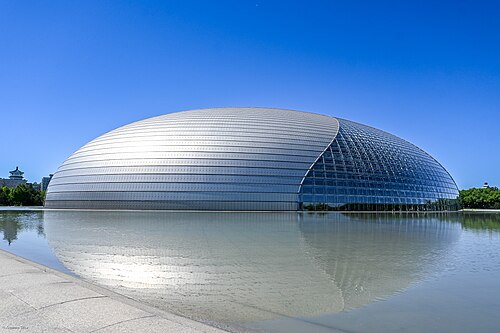
    The National Centre for the Performing Arts, known locally as 国家大剧院, is a major performing arts venue in Beijing. Located near Tiananmen Square, this distinctive building features a dome-shaped design that has made it a notable landmark in the capital.

    • Must see
    • Art and culture venue
  10. Fragrant Hills Fragrant Hills
    16 1 hour

    Fragrant Hills

    香山公园

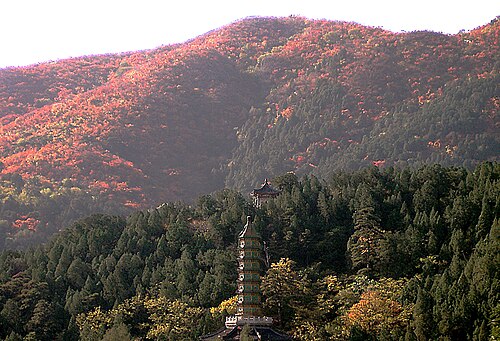
    Fragrant Hills Park is a historic imperial garden and public park in the Haidian District of northwestern Beijing. The site occupies a forested hillside area and has served as a retreat and scenic destination for centuries.

    • Must see
    • Nature site
  11. Wangfujing Street Wangfujing Street
    17 45 min

    Wangfujing Street

    王府井大街

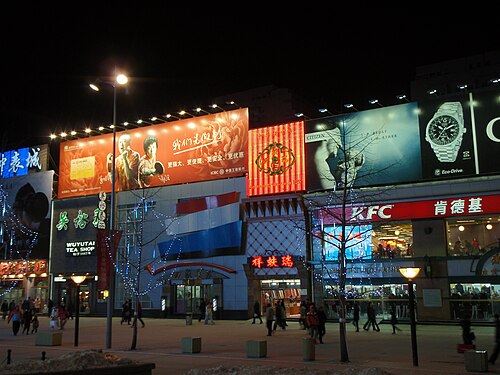
    Wangfujing Street is Beijing's most famous central shopping street and a major pedestrian visitor district. Located in Dongcheng District near the Forbidden City, it stretches as a commercial thoroughfare that has served as a retail hub for over a century.

    • Must see
    • Historic monument
  12. Zhoukoudian site Zhoukoudian site
    18 45 min

    Zhoukoudian site

    周口店北京人遗址

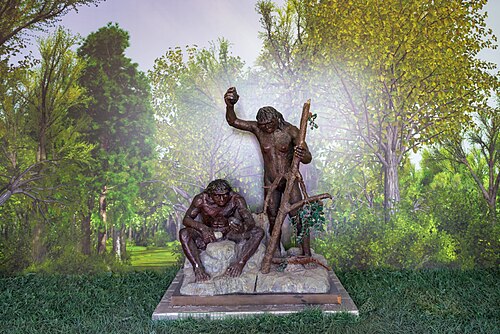
    Zhoukoudian Peking Man Site is a paleoanthropological locality in southwest Beijing. It yielded fossils of Homo erectus pekinensis, commonly called Peking Man, in excavations during the early twentieth century.

    • Must see
    • Historic monument
  13. Dashilan Dashilan
    19 45 min

    Dashilan

    大栅栏

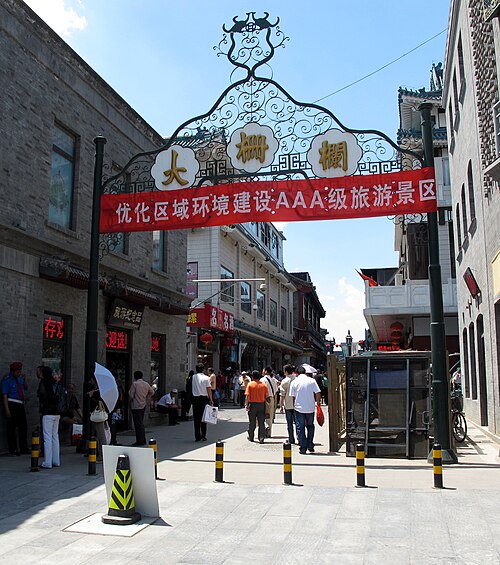
    Dashilan, known in Chinese as 大栅栏, is a historic commercial street in central Beijing. It lies south of Tiananmen Square within the Xicheng District, forming part of the old inner city.

    • Must see
    • Historic monument
  14. Guozijian Guozijian
    20 45 min

    Guozijian

    国子监

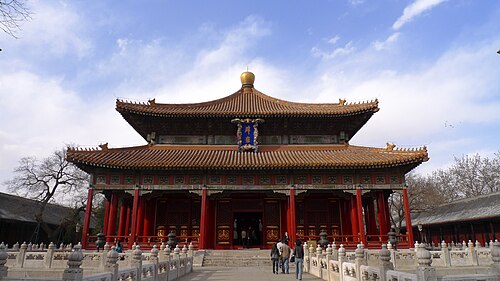
    The Imperial College, or Guozijian, was the highest state educational institution and education administration of the Yuan, Ming and Qing dynasties.

    • Must see
    • Historic monument
  15. Temple of Earth Temple of Earth
    21 1 hour

    Temple of Earth

    地坛公园

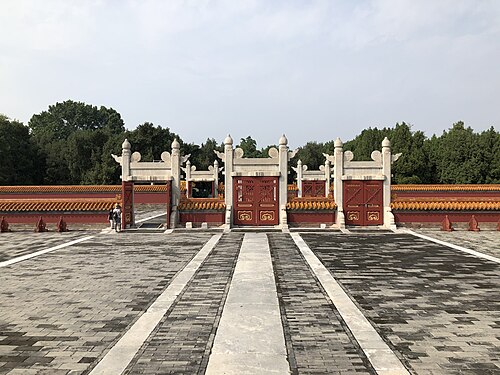
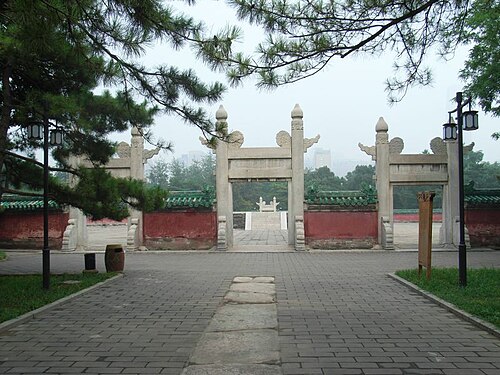
    Ditan Park, known in Chinese as 地坛公园, is a historic imperial altar complex located in Beijing.

    • Must see
    • Nature site
  16. Temple of the Sun Temple of the Sun
    22 1 hour

    Temple of the Sun

    日坛公园

    Ritan Park, known locally as 日坛公园, is a historic park located in Beijing's Chaoyang District.

    • Must see
    • Nature site
  17. 月坛公园 月坛公园
    23 1 hour

    月坛公园

    Yuetan Park, known locally as 月坛公园, is a historic park located in Beijing, China. It forms part of the city's cultural heritage as one of the ancient altar complexes.

    • Must see
    • Nature site
  18. Fayuan Temple Fayuan Temple
    24 30 min

    Fayuan Temple

    法源寺

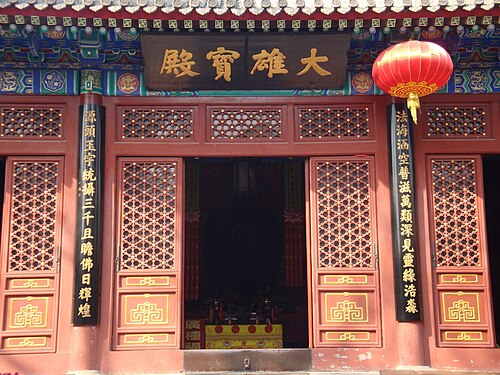
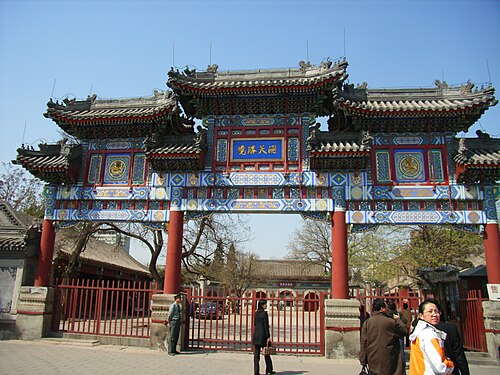
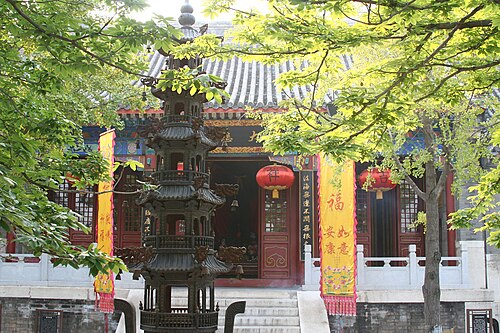
    Fayuan Temple is one of Beijing's oldest Buddhist establishments, founded in the Tang period and rebuilt repeatedly under later dynasties. The present compound on Fayuansi Back Street consists of four principal courtyards and remains an active place of worship.

    • Must see
    • Place of worship
  19. Niujie Mosque Niujie Mosque
    25 30 min

    Niujie Mosque

    北京牛街礼拜寺

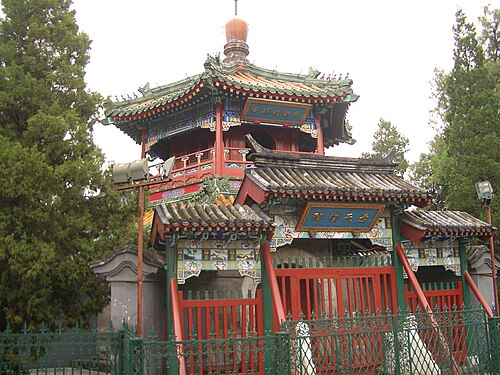
    Niujie Mosque, known locally as 牛街礼拜寺, is Beijing's oldest and most important historic mosque. Founded in 996 and rebuilt across later dynasties, it combines Chinese timber halls and courtyard planning with Islamic orientation, Arabic inscriptions and worship functions.

    • Must see
    • Place of worship
  20. 白云观 白云观
    26 30 min

    白云观

    White Cloud Temple, or Baiyun Guan, is Beijing's principal Taoist monastery, an ancestral centre of the Quanzhen tradition and headquarters of the China Taoist Association.

    • Must see
    • Place of worship
  21. Tanzhe Temple Tanzhe Temple
    27 1 hour

    Tanzhe Temple

    潭柘寺

    Tanzhe Temple is a historic Buddhist temple located in the Western Hills of Beijing. Known locally as 潭柘寺, it stands as one of the most ancient temples in the Beijing region with deep cultural significance.

    • Must see
    • Nature site
  22. Jietai Temple Jietai Temple
    28 45 min

    Jietai Temple

    戒台寺

    Jietai Temple, known locally as 戒台寺, is a historical Buddhist temple situated in the western outskirts of Beijing. The temple holds significant religious and cultural importance within China's Buddhist heritage.

    • Must see
    • Historic monument
  23. Yunju Temple Yunju Temple
    29 30 min

    Yunju Temple

    云居寺

    Yunju Temple is a historic Buddhist temple complex located in Beijing's Fangshan District. The temple holds significant religious and cultural importance, particularly renowned for its association with the engraving of Buddhist sutras on stone tablets.

    • Must see
    • Place of worship
  24. 清华大学 清华大学
    30 1 hour

    清华大学

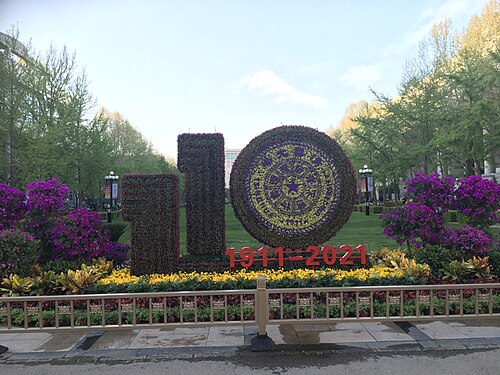
    Tsinghua University Campus is a major higher education institution in Beijing, China.

    • Must see
    • Art and culture venue
  25. Red brick art museum
    31 1 hour

    Red brick art museum

    红砖美术馆

    The Red Brick Art Museum is a contemporary art institution in Beijing, China. Its local name is 红砖美术馆. The museum occupies a distinctive architectural complex that integrates exhibition spaces with landscaped gardens and water features.

    • Must see
    • Art and culture venue

Source: OpenStreetMap contributors, Wikidata ·

How the city is laid out

Plan the Forbidden City axis as one long central route and avoid pairing it with a distant outer attraction. The Temple of Heaven and Qianmen fit a southern cluster; Shichahai, Drum Tower and nearby hutongs form a northern cluster. The Summer Palace occupies a western half-day, while any Great Wall section requires its own transport plan.

Checked 2026-08-26

Getting around

Beijing’s official guidance describes the subway as the most convenient public transit for major attractions and transport hubs. Use rail for cross-city moves, then walk within each historic cluster. International bank-card access is available at supported gates under current guidance. Distances and security checks can add time, so leave margins around major monuments and railway stations.

Checked 2026-08-26

Common questions

How many days should I spend in Beijing?

A fixed stay length is not recorded. Build the visit around the imperial axis, Shichahai and the western palaces, then add Great Wall sections and imperial tombs only when the available time supports a separate journey.

What is the best way to organise sightseeing in Beijing?

Group places by district instead of crossing the city repeatedly. Start with the imperial axis, Shichahai and the western palaces; treat Great Wall sections and imperial tombs as separate routes with their own travel allowance.

How do I get around Beijing?

Use Walking, subway and city bus. Walk within compact clusters and consult the linked official transport information before making longer transfers or relying on a particular route.

Can I explore Beijing mainly on foot?

Only within individual neighbourhood clusters. The main visitor areas are separated by distances, waterways, major roads or regional approaches, so longer links normally need public transport or a licensed vehicle.

Which Beijing sights need separate transport planning?

Plan Great Wall sections and imperial tombs separately from the imperial axis, Shichahai and the western palaces. Check the current route, return connection and any access requirements on the official source before departure.