Tian Tan Buddha
天壇大佛 Tian Tan Buddha Statue
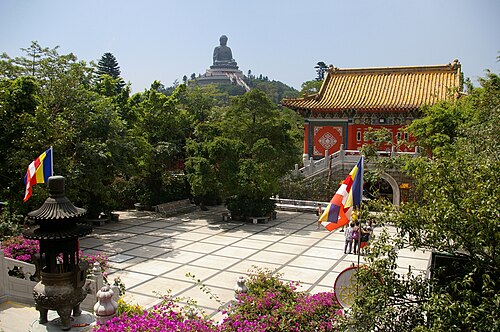
The Tian Tan Buddha sits on the summit of Mount Muk Yue, 482 metres above sea level, at the edge of the Ngong Ping plateau on Lantau Island.
- Must see
- Historic monument
- Hong Kong
Language · 11 published
Country guide
China covers 9.6 million km², third largest of any country, and holds more than 1.4 billion people — about 17 per cent of everyone alive. It is divided into 33 province-level divisions, two of them special administrative regions. Beijing is the capital; Shanghai is the most populous city by urban area. Between them the land runs from the Central Plain and the Yangtze and Yellow rivers out to desert, plateau, subtropical and temperate forest, and the Himalayas in the southwest. The first decision a visitor makes here is therefore not which sight to see but which climate to travel in.
Reviewed by Elena Voss · Roavina Travel Editor
Every city catalogued in this country so far, ranked by how much there is to see.
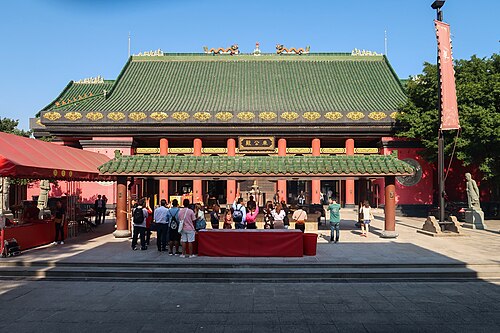
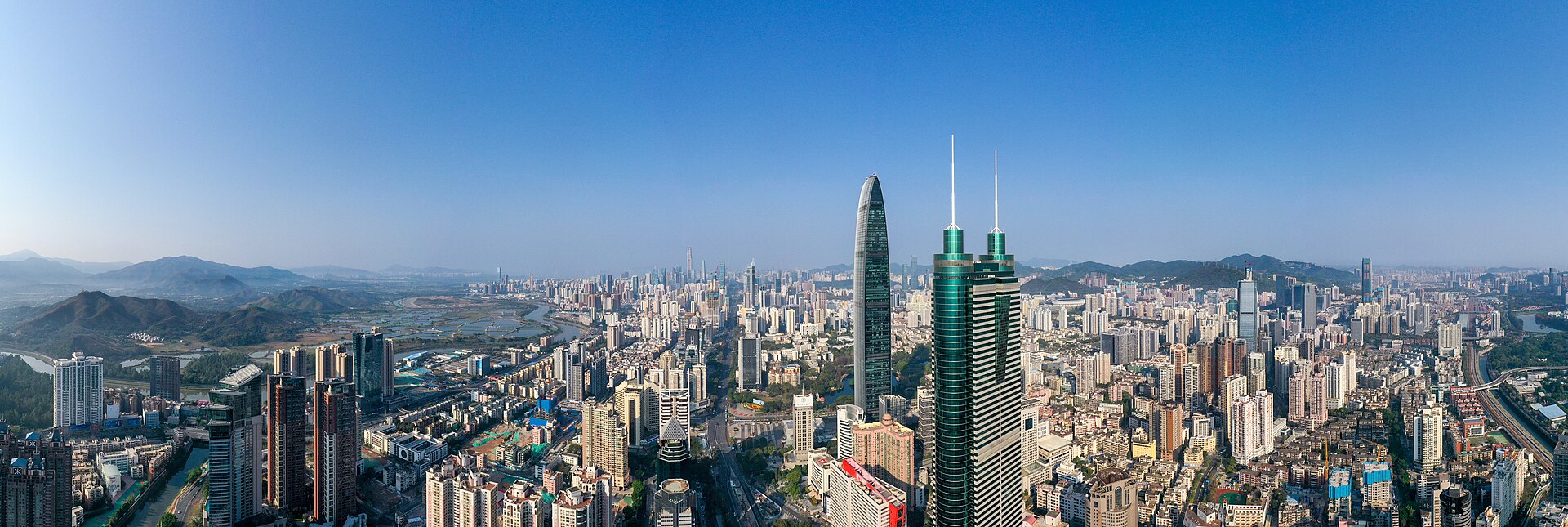
Photograph · N509FZ · CC BY-SA 4.0
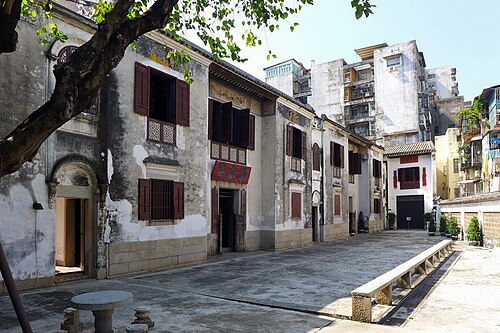
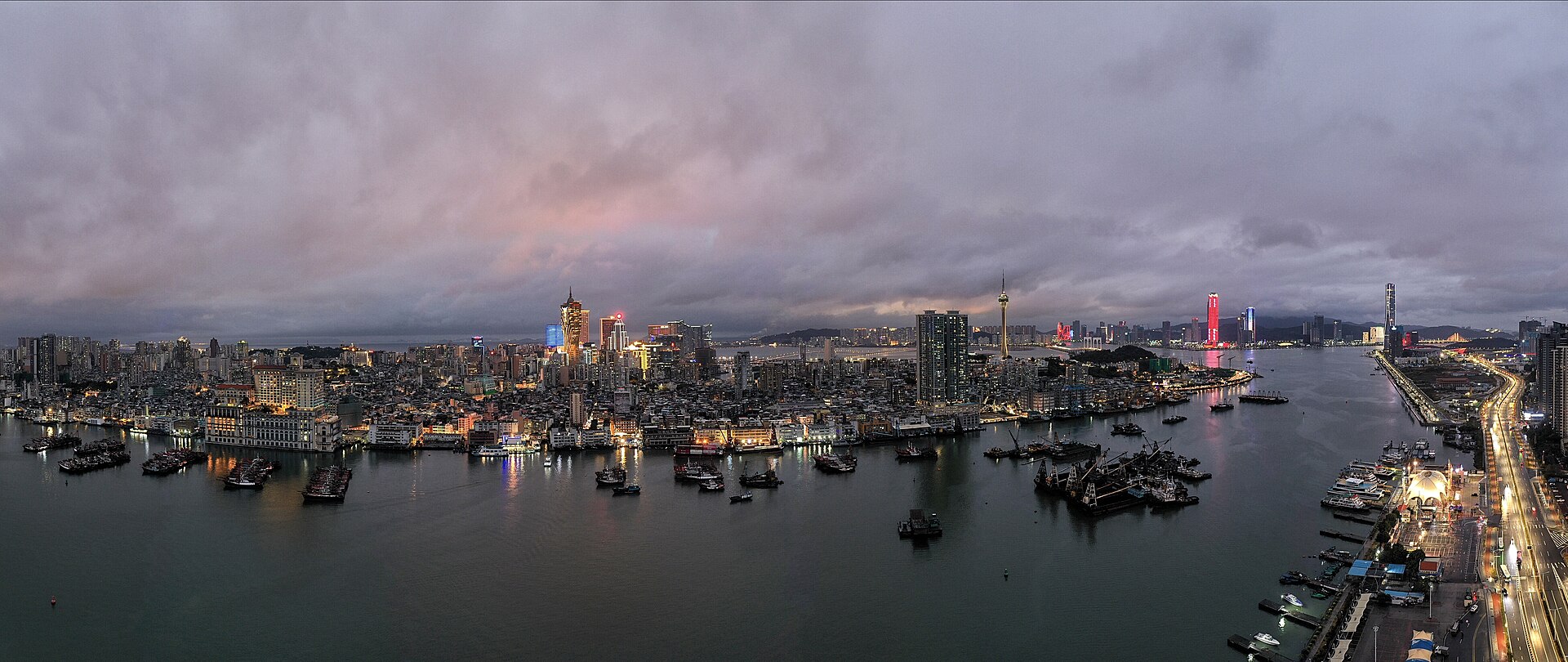
Photograph · King of Hearts · CC BY-SA 4.0
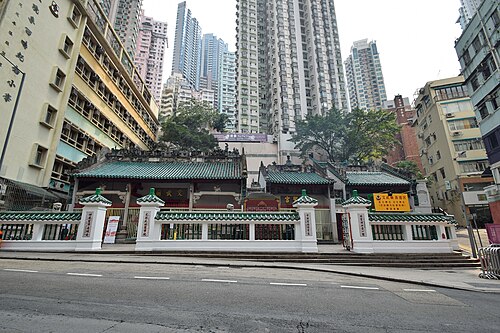
Photograph · Mustang Joe · CC0
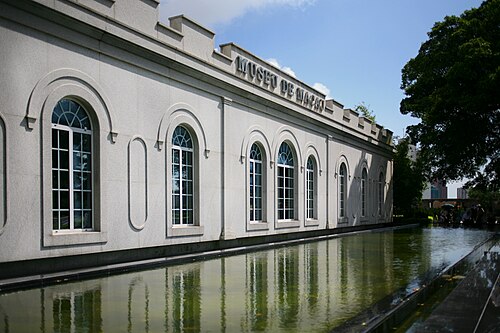
Photograph · Charlie fong · CC BY-SA 4.0
Photograph · ScareCriterion12 · CC BY-SA 4.0
Photograph · Charlie fong · CC BY-SA 4.0
Ranked by importance — sitelinks, pageviews and heritage status, not editor preference.
86 places match
Category
Typical visit duration
天壇大佛 Tian Tan Buddha Statue
The Tian Tan Buddha sits on the summit of Mount Muk Yue, 482 metres above sea level, at the edge of the Ngong Ping plateau on Lantau Island.
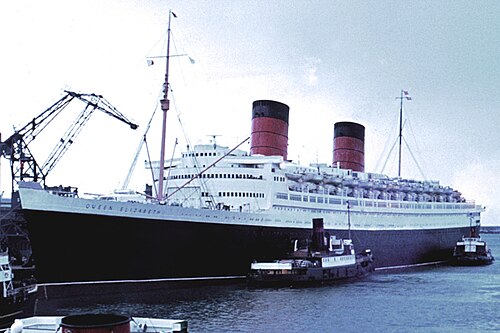
伊利莎白皇后號 RMS Queen Elizabeth
The RMS Queen Elizabeth was a British ocean liner launched in 1938, which served as a troopship during World War II and later as a luxury transatlantic passenger liner.
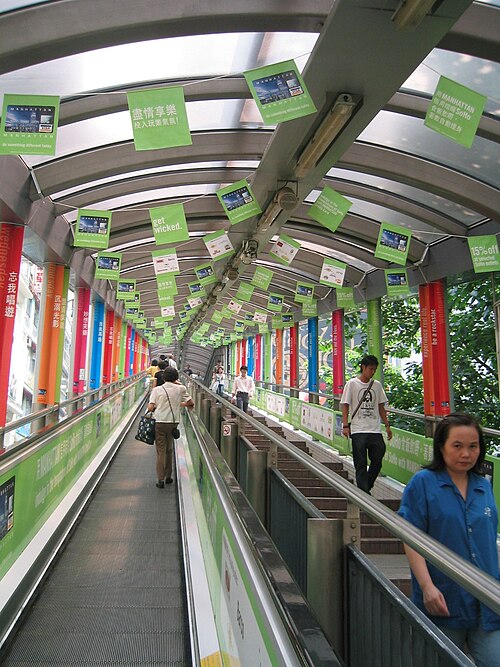
中環至半山自動扶手電梯系統 Central-Mid-Levels Escalator System
The Central to Mid-Levels Escalator and Walkway System is a piece of public transport infrastructure that happens to have become a sight.
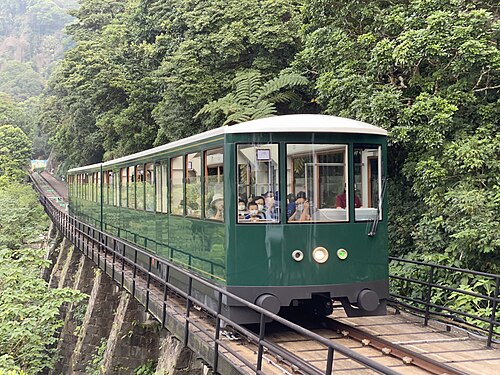
山頂纜車 Peak Tram
The Peak Tram is a double reversible funicular railway that hauls two tramcars up the north face of Hong Kong Island between Garden Road in Central and Victoria Gap, the saddle in the hills where the Peak Tower stands.
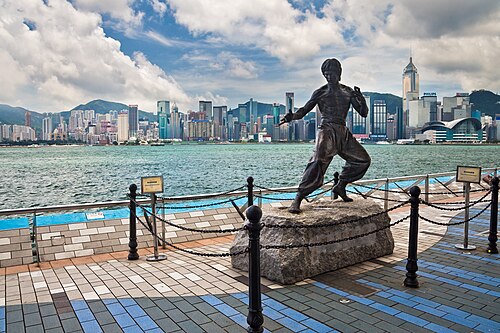
星光大道 Avenue of Stars
The Avenue of Stars is a 440-metre waterfront promenade on the Tsim Sha Tsui shore of Victoria Harbour, built as a tribute to the Hong Kong film industry and laid out as a walk rather than as a building.
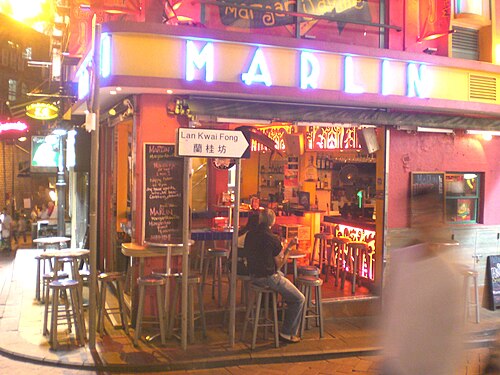
蘭桂坊 Lan Kwai Fong
Lan Kwai Fong is a compact nightlife and entertainment district in Central, Hong Kong. The area comprises a cluster of L-shaped streets and alleys that form one of the territory's most concentrated zones of bars, restaurants, and clubs.
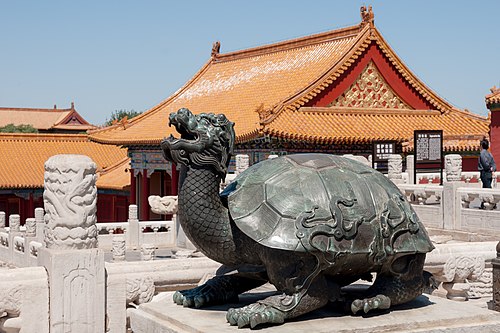
故宫
The Forbidden City is the palace complex that housed 24 Ming and Qing emperors and now forms the Palace Museum. Completed in 1420, it covers more than one million square metres and contains around 9,000 architectural bays.
颐和园
The Summer Palace is Beijing's best-preserved imperial garden, organised around Longevity Hill and Kunming Lake.
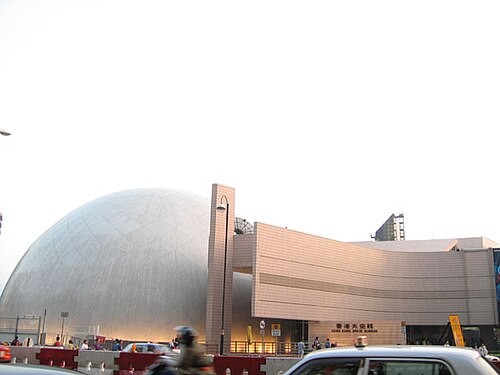
香港太空館 Hong Kong Space Museum
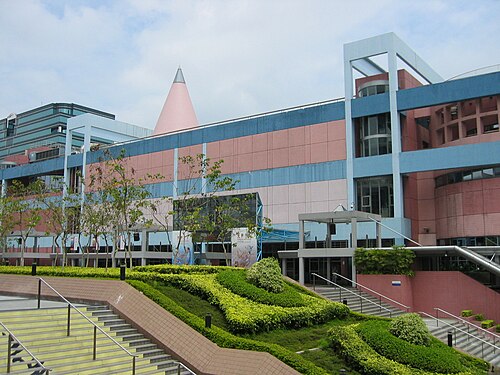
The Hong Kong Space Museum is a public astronomy and space science museum located in Tsim Sha Tsui, Kowloon. Its distinctive dome-shaped building, resembling a planetarium, stands prominently on the Salisbury Garden phase II site near the waterfront.
香港文化博物館 Hong Kong Heritage Museum
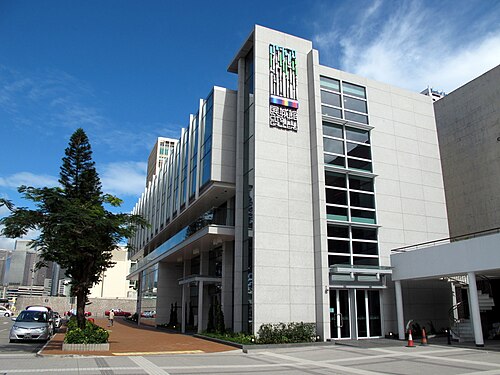
The Hong Kong Heritage Museum is a major cultural institution operated by the Leisure and Cultural Services Department.
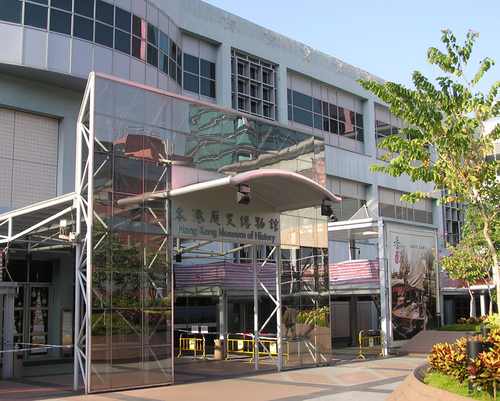
香港歷史博物館 Hong Kong Museum of History
The Hong Kong Museum of History is a major cultural institution dedicated to preserving and presenting the history of Hong Kong and South China. Located in Tsim Sha Tsui, Kowloon, the museum occupies a purpose-built facility.
茶具文物館 Flagstaff House Museum of Tea Ware
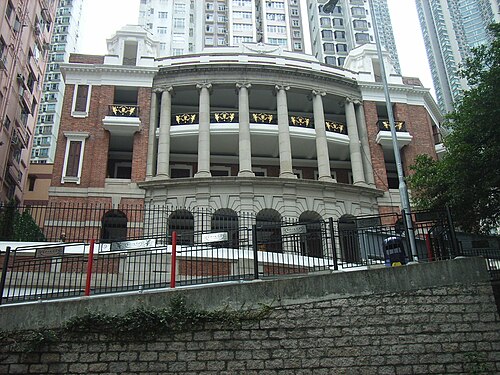
Flagstaff House is Hong Kong’s oldest surviving Western-style building and now houses the Museum of Tea Ware. The historic building stands inside Hong Kong Park in Central, placing colonial architectural heritage beside one of the city’s major urban green spaces.
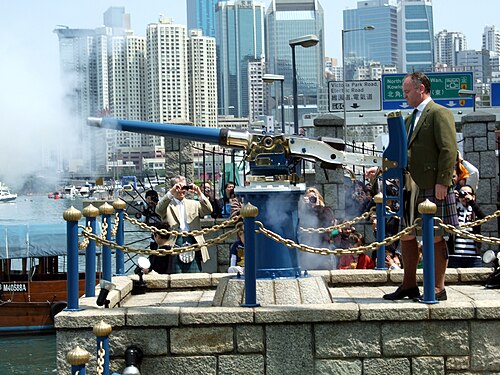
怡和午砲 Noonday Gun
The Noonday Gun is a historic naval artillery piece located in Causeway Bay, Hong Kong Island. It is famously fired daily at noon, a tradition maintained by Jardine Matheson, the British trading company established in the territory.
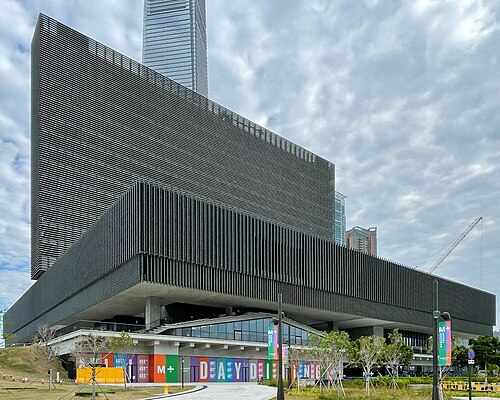
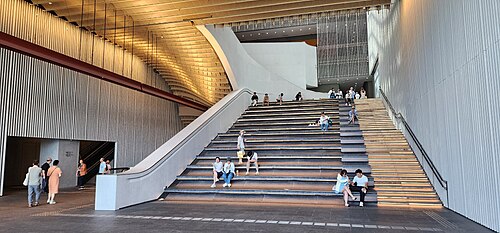
M+ is a museum of visual culture in Hong Kong, located in the West Kowloon Cultural District. It focuses on twentieth- and twenty-first-century art, design, architecture, and moving image from Hong Kong, China, Asia, and beyond.
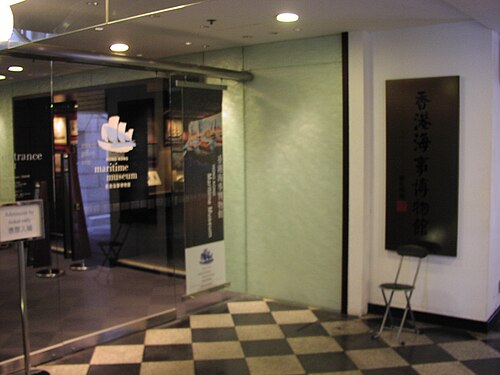
香港海事博物館 Hong Kong Maritime Museum
The Hong Kong Maritime Museum is a museum in Hong Kong dedicated to the maritime history and heritage of the region.
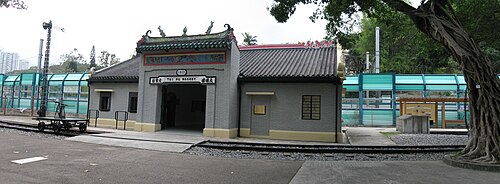
香港鐵路博物館 Hong Kong Railway Museum
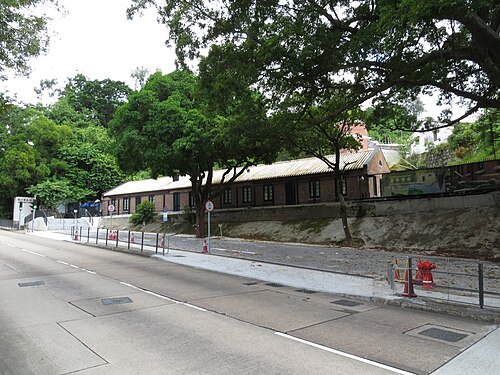
The Hong Kong Railway Museum occupies a historic building that was formerly the Tai Po Market Railway Station, constructed in 1913.
香港科學館 Hong Kong Science Museum
Hong Kong Science Museum is a public science museum in Tsim Sha Tsui East, Kowloon. It presents science as something to explore with your hands, eyes, and curiosity rather than only through labels or glass cases.
香港抗戰及海防博物館 Hong Kong Museum of the War of Resistance and Coastal Defence
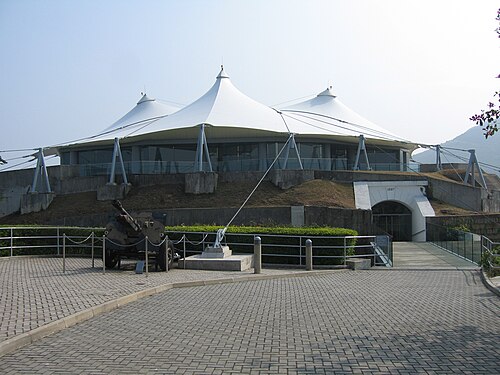
The Hong Kong Museum of the War of Resistance and Coastal Defence is a museum dedicated to Hong Kong's military history, particularly its coastal defence heritage and role during the War of Resistance against Japanese aggression.
黃大仙祠 Wong Tai Sin Temple
Sik Sik Yuen Wong Tai Sin Temple is a working Taoist temple in Kowloon, and the two halves of its name matter.
志蓮淨苑 Chi Lin Nunnery
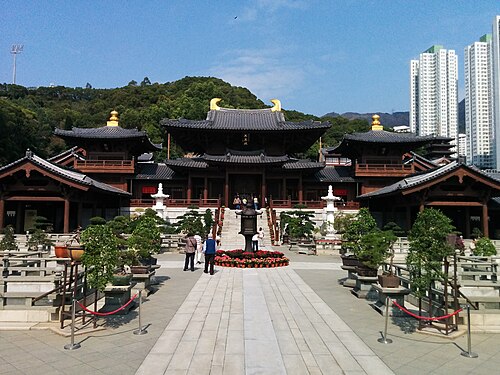
Chi Lin Nunnery is a Buddhist temple complex in Diamond Hill, Kowloon, Hong Kong. Founded in 1934, it was rebuilt in the 1990s using traditional Tang dynasty architectural techniques with wooden structures assembled without nails.
孫中山紀念館 Dr Sun Yat-sen Museum
The Dr Sun Yat-sen Museum is a museum in Hong Kong dedicated to the life and revolutionary activities of Dr Sun Yat-sen, founding father of the Republic of China.
1881 Heritage
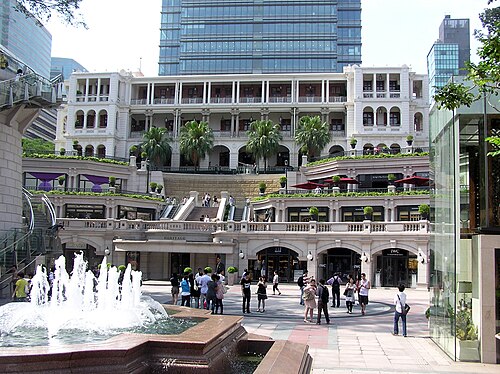
1881 Heritage occupies the Former Marine Police Headquarters, a declared monument in Tsim Sha Tsui, Kowloon. The compound comprises the main building constructed in 1884, the stable block, and a signal tower added in 1907.
萬佛寺 Ten Thousand Buddha's Monastery
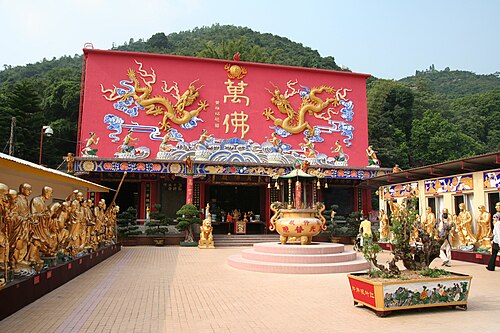
Ten Thousand Buddhas Monastery is a Buddhist temple complex in Sha Tin, New Territories, Hong Kong. Despite its name, it is not a monastery in the traditional sense as no monks reside there.
中環街市 Central Market
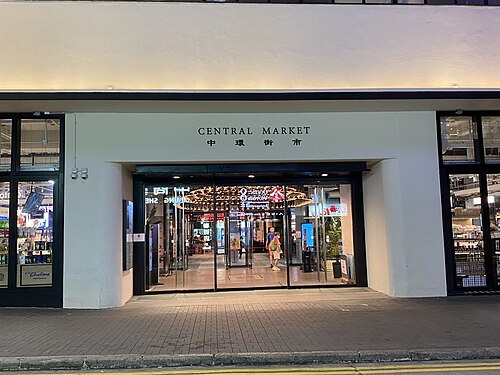
Central Market is a historic market building located in the Central district of Hong Kong Island. The structure represents one of the city's significant surviving examples of market architecture from the early twentieth century.
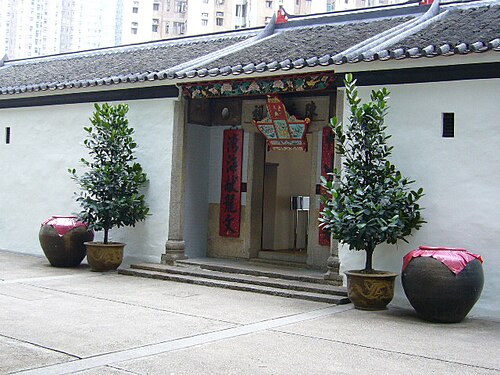
三棟屋博物館 Sam Tung Uk Museum
Sam Tung Uk Museum is a restored Hakka walled village in Tsuen Wan, New Territories, Hong Kong.
PMQ 元創方
PMQ, formerly the Police Married Quarters, is a creative hub in Hong Kong's Sheung Wan district. The heritage site has been revitalized into a center for design, creativity, and entrepreneurship.
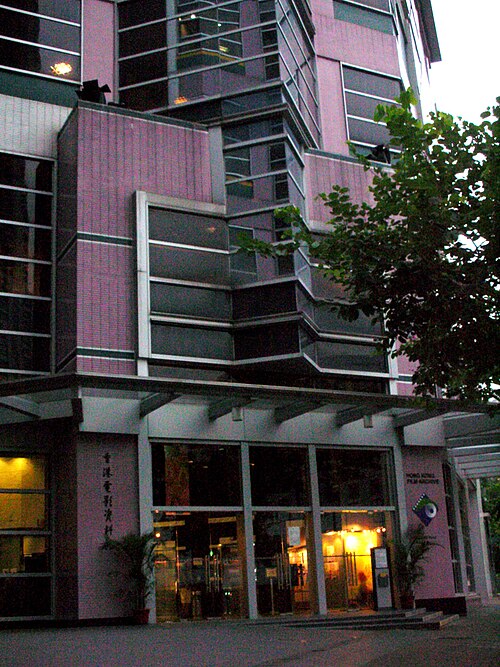
香港電影資料館 Hong Kong Film Archive
The Hong Kong Film Archive in Sai Wan Ho is a cultural venue devoted to Hong Kong’s moving-image heritage. It brings together public exhibitions, film screenings and archival resources, offering a focused way to understand the territory through cinema.
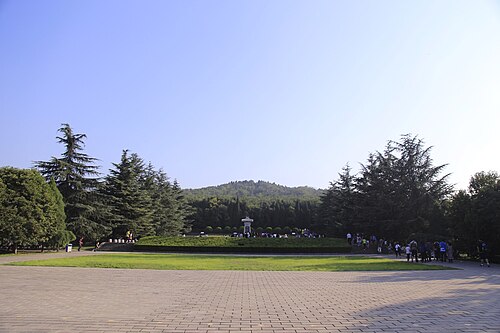
秦始皇帝陵博物院丽山园
The Mausoleum of the First Qin Emperor is the burial complex associated with Qin Shi Huang, the ruler who unified China and established the Qin dynasty.
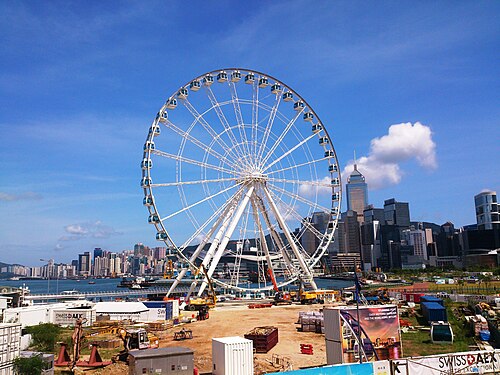
香港摩天輪 The Hong Kong Observation Wheel
The Hong Kong Observation Wheel is a large Ferris wheel on the Central Harbourfront beside Victoria Harbour. Its appeal is the changing view across the water toward Kowloon and back toward Hong Kong Island's dense skyline.
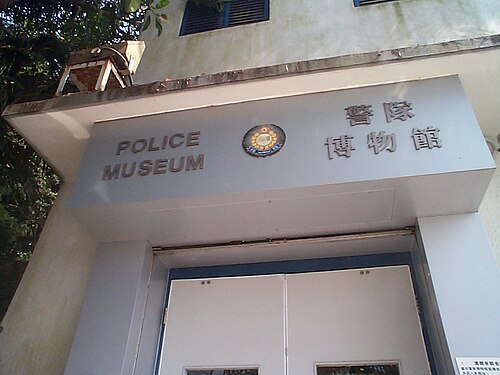
警隊博物館 Police Museum
Hong Kong Police Museum traces the history of the Hong Kong Police Force from the colonial period to the present.
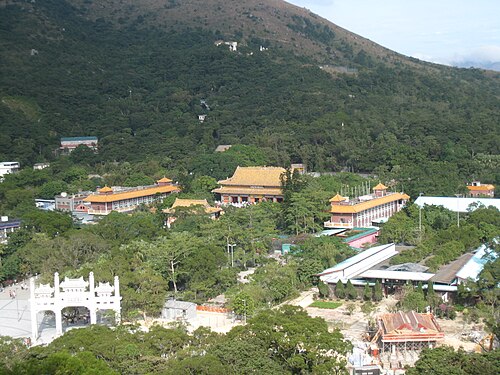
寶蓮禪寺 Po Lin Monastery
Po Lin Monastery is a working Chan (Zen) monastery on the Ngong Ping plateau, in the middle of Lantau Island, at an altitude of about 400 metres and set between Lantau Peak and Lei Nak Peak.
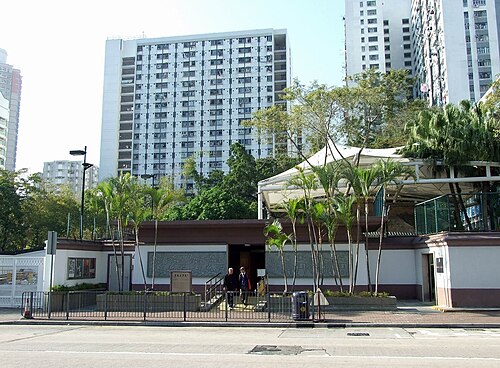
李鄭屋漢墓博物館 Lei Cheng Uk Han Tomb Museum
Lei Cheng Uk Han Tomb Museum preserves a tomb discovered in 1955 during construction work in Sham Shui Po. Dating from the Eastern Han dynasty, the tomb is one of Hong Kong’s most important archaeological sites.
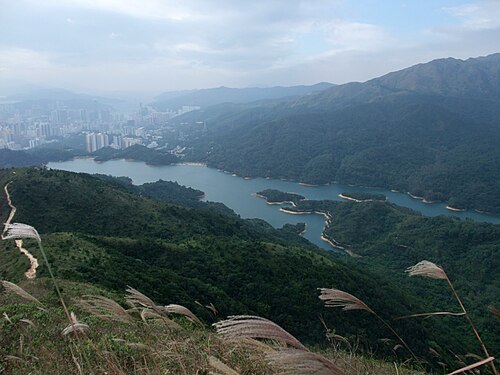
城門水塘 Shing Mun Reservoir
Shing Mun Reservoir is a water storage facility in the New Territories of Hong Kong. Constructed in the 1930s, it represents an important piece of colonial-era infrastructure.
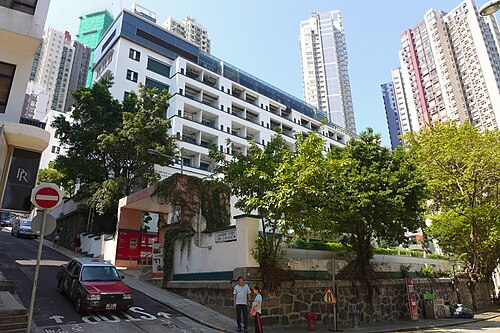
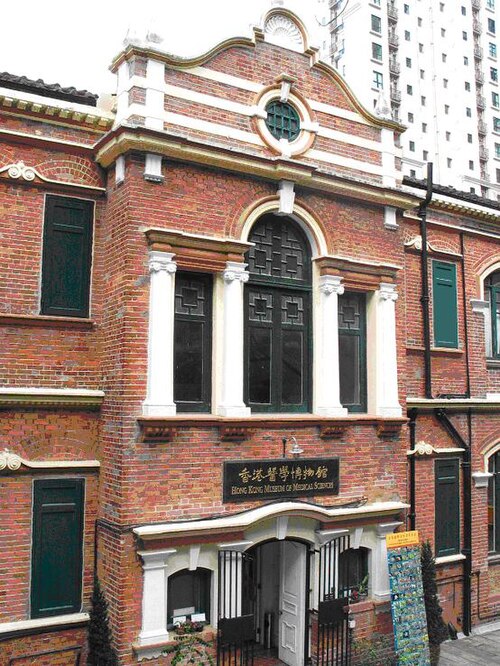
香港醫學博物館 Hong Kong Museum of Medical Sciences
Hong Kong Museum of Medical Sciences presents the history of medical science in Hong Kong inside a historic former bacteriological institute. The museum connects public health, scientific research and the development of healthcare in the territory.
展城館 City Gallery
Hong Kong Planning and Infrastructure Exhibition Gallery, also called 展城館 or City Gallery, introduces visitors to the territory’s urban planning, infrastructure, transport networks, harbourfront projects, and future development.
香港文物探知館 Hong Kong Heritage Discovery Centre
Hong Kong Heritage Discovery Centre is a cultural institution in Kowloon Park, Tsim Sha Tsui, devoted to Hong Kong’s archaeological and built heritage.
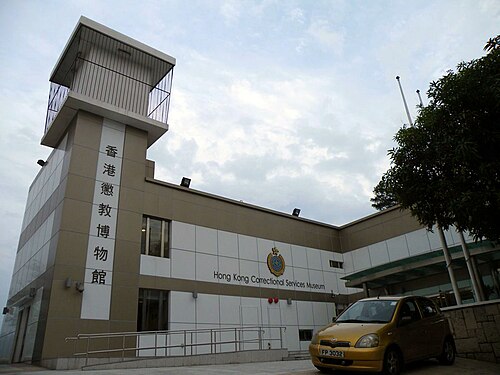
香港懲教博物館 Hong Kong Correctional Services Museum
The Hong Kong Correctional Services Museum is a museum operated by the Hong Kong Correctional Services Department. It is located in Stanley on Hong Kong Island.
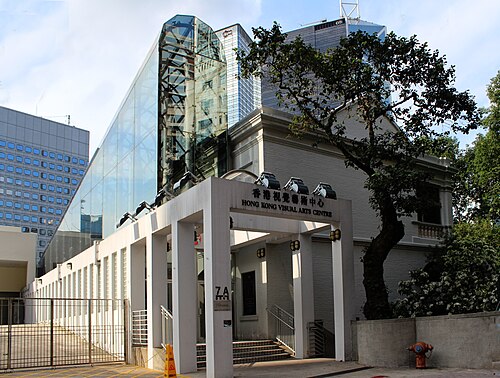
香港視覺藝術中心 Hong Kong Visual Arts Centre
The Hong Kong Visual Arts Centre is a visual arts facility in Hong Kong. It operates under the Leisure and Cultural Services Department of the Hong Kong government.
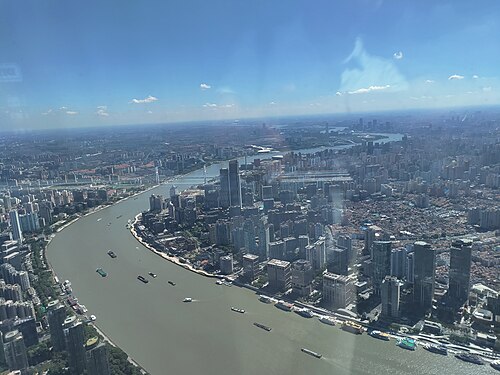
上海中心大厦
Shanghai Tower is a landmark skyscraper in the Lujiazui financial district of Pudong, Shanghai. It is among the tallest buildings in the world by architectural height.
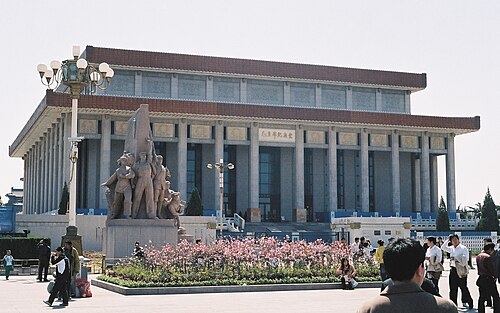
毛主席纪念堂
Chairman Mao Memorial Hall is the state memorial at the southern end of Tiananmen Square. Its public route normally passes through security and the memorial chambers in a controlled one-way flow.
衞生教育展覽及資料中心 Health Education Exhibition and Resource Centre
The Health Education Exhibition and Resources Centre is a public health education facility in Hong Kong. Its Chinese name is 衞生教育展覽及資料中心. The centre serves as a venue for promoting health awareness and providing educational resources to the public.
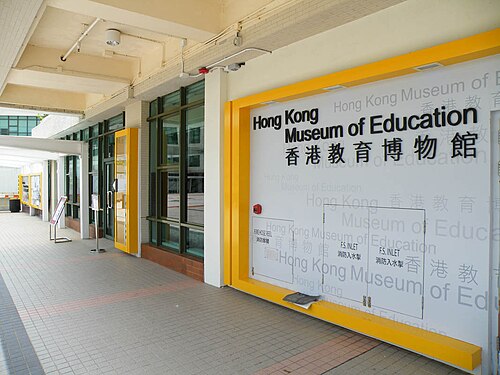
香港教育博物館
Hong Kong Museum of Education focuses on the history and development of education in Hong Kong. Its subject reaches beyond classrooms to teaching practice, learning, educational policy and the institutions that shaped society.
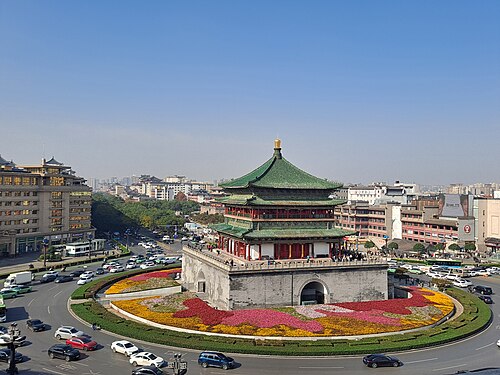
钟楼
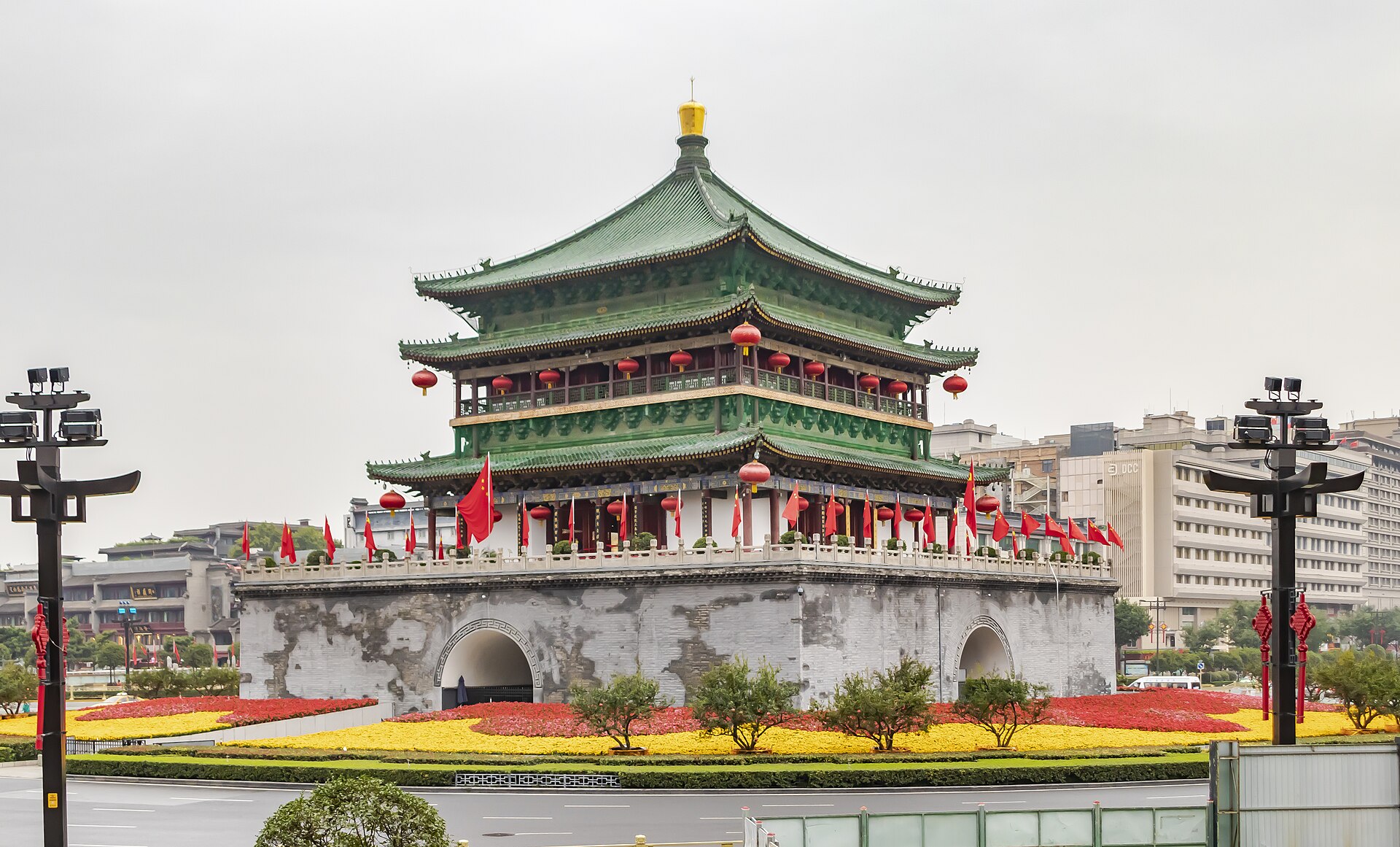
Xi'an Bell Tower stands at the symbolic center of the old city, where the main north-south and east-west axes meet. The Ming-dynasty landmark combines a monumental upper structure with tiered roofs and traditional decorative details.
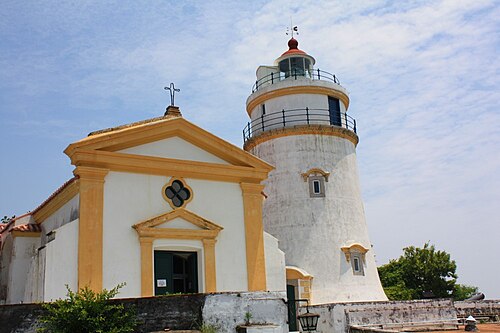
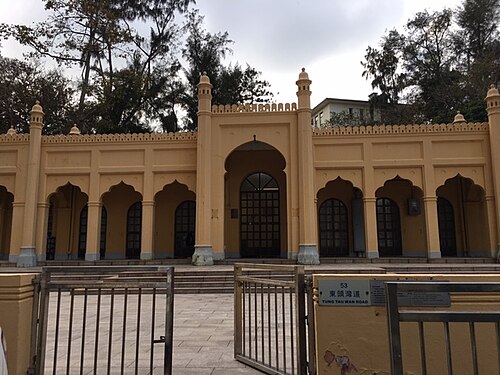
東望洋炮台 Fortaleza da Guia
Guia Fortress and Lighthouse is a historic military and navigational complex situated on Guia Hill, the highest point of the Macau Peninsula.
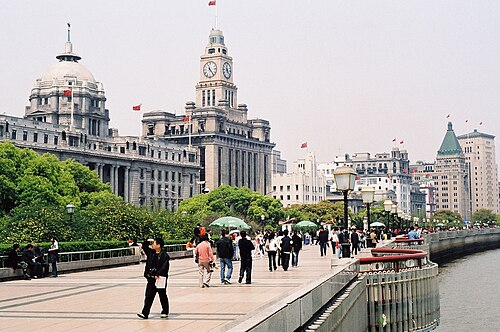
外滩
The Bund is Shanghai's historic waterfront promenade along the western bank of the Huangpu River. It features a concentration of early 20th-century colonial-era buildings representing various European architectural styles, including Neoclassical, Art Deco, and Beaux-Arts.
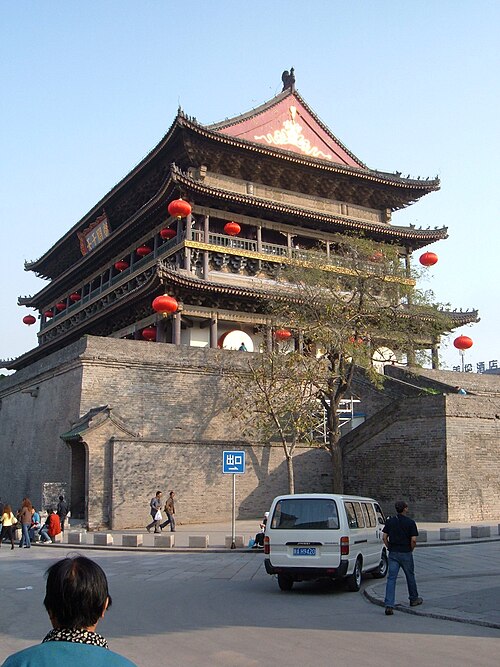
西安鼓楼博物馆
Xi'an Drum Tower is a Ming Dynasty landmark in the centre of Xi'an's walled city. It stands opposite the Bell Tower and is one of the city's defining historic buildings.
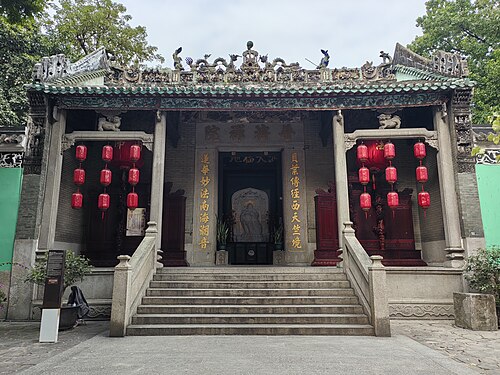
車公廟 Che Kung Temple
Che Kung Temple is a Taoist temple in Hong Kong dedicated to Che Kung, a military commander from the Song dynasty revered for his supposed ability to suppress rebellions and bring good fortune.
仁慈堂大樓 Santa Casa da Misericórdia
The Holy House of Mercy, or 仁慈堂大樓, is a historic charitable institution beside Senado Square in Macau. Founded in 1569 by Macau's first bishop, it became associated with care for orphans, widows and people in poverty.
鄭家大屋 Casa do Mandarim
Mandarin’s House, also known as Zheng Guanying’s former residence, is a historic mansion in Macau’s Historic Centre. It was the ancestral home of the Zheng family and is associated with the thinker Zheng Guanying.
文武廟 Man Mo Temple
Sheung Wan Man Mo Temple, known locally as 文武廟 Man Mo Temple, is a historic Taoist temple complex situated in the Sheung Wan district of Hong Kong Island.
澳門博物館 Museu de Macau
Macao Museum is a cultural institution located within the Mount Fortress complex in the historic centre of Macau, a UNESCO World Heritage site. The museum occupies a prominent position overlooking the city, integrated into the seventeenth-century Portuguese military fortification.
澳門藝術博物館 Museu de Arte de Macau
The Macao Museum of Art is the largest visual arts museum in Macau, dedicated to collecting, preserving, and exhibiting artworks. It occupies a purpose-built facility in the Macau Cultural Centre complex near the Outer Harbour.
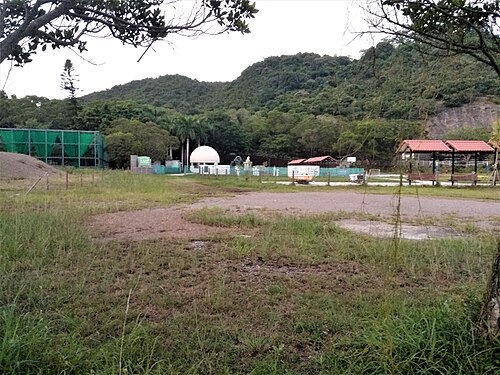
天文公園 Astropark
Astropark, also known as 天文公園, is an astronomy-themed public park in Hong Kong devoted to stargazing and astronomical education.
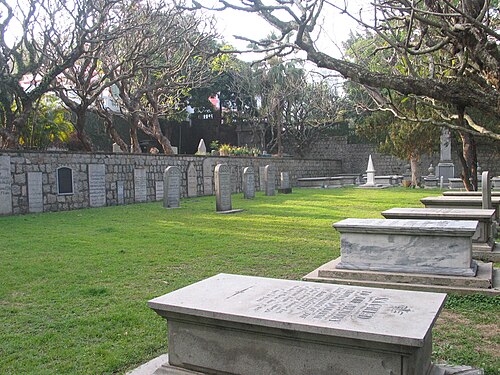
舊基督教墳場 Cemitério Protestante
The Protestant Cemetery is a historic burial ground within Macau’s Historic Centre, part of the UNESCO World Heritage Site.
聖老楞佐堂 Igreja de S. Lourenço
St. Lawrence's Church is a historic Catholic church in Macau, one of the territory's oldest religious structures. The local name is 聖老楞佐教堂. It stands as a significant monument within the Historic Centre of Macau, a UNESCO World Heritage Site.
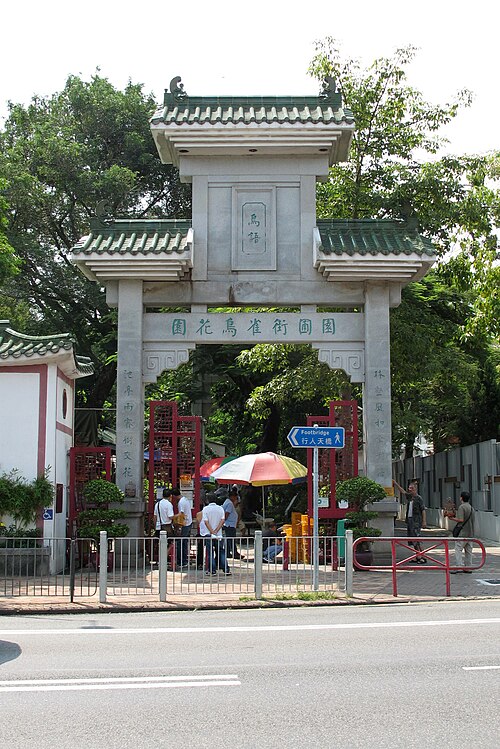
園圃街雀鳥花園 Yuen Po Street Bird Garden
Yuen Po Street Bird Garden is a traditional Chinese-style garden in Mong Kok, Kowloon, dedicated to songbird culture. Established in 1997, it occupies the site of a former landfill and provides a purpose-built environment where bird enthusiasts gather.
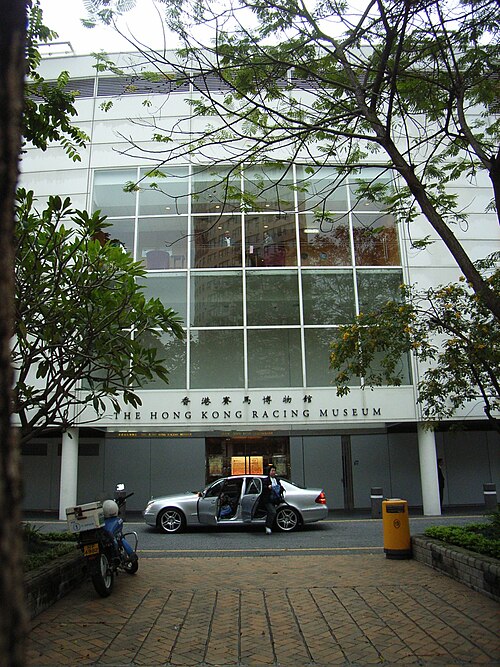
香港賽馬博物館 The Hong Kong Racing Museum
Hong Kong Racing Museum explores the history and culture of horse racing in Hong Kong. It sits within the Happy Valley Racecourse complex and is operated by the Hong Kong Jockey Club.
芳園書室 Fong Yuen Study Hall
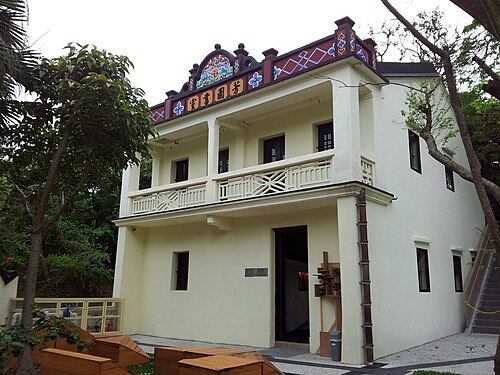
Fong Yuen Study Hall, known locally as 芳園書室, is a historic study hall in Hong Kong.
饒宗頤文化館 Jao Tsung-I Academy
Jao Tsung-I Academy is a cultural institution in Hong Kong dedicated to Professor Jao Tsung-I, a major Chinese scholar in the humanities.
天后古廟 Tin Hau Temple
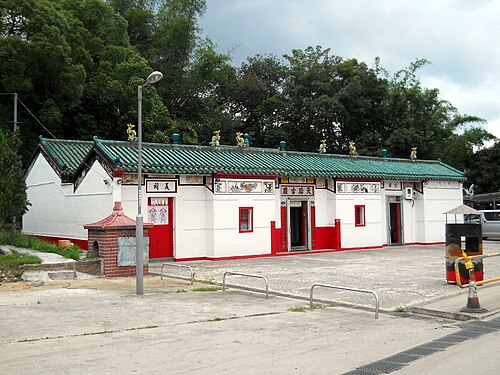
Tin Hau Temple is a traditional Chinese place of worship dedicated to Tin Hau, the Goddess of the Sea. Her presence reflects Hong Kong’s long relationship with fishing, sailing, and coastal communities.
昆蟲屋
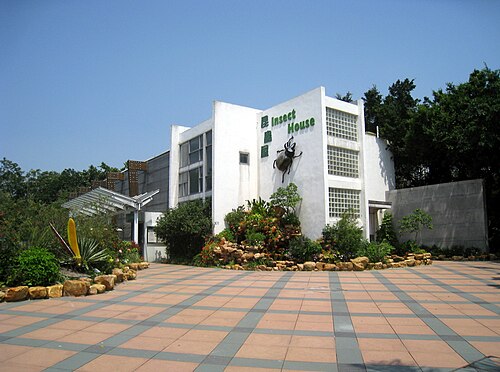
Insect House, also known locally as 昆蟲屋, is a Hong Kong attraction centred on insects. The name gives the visit a clear entomological focus, making it a natural choice for travellers who enjoy small creatures, natural history, and close observation.
普濟禪院 (觀音堂) Templo Kun Iam
Kun Iam Temple, known locally as 普濟禪院, is one of the oldest and most significant Buddhist temples in Macau. It serves as a major place of worship and cultural heritage site, reflecting the territory's deep-rooted Buddhist traditions.
火山探知館 Volcano Discovery Centre
The Hong Kong UNESCO Global Geopark Volcano Discovery Centre serves as the primary visitor gateway to Hong Kong UNESCO Global Geopark. Located in Sai Kung, the centre introduces visitors to the territory's remarkable volcanic geology and hexagonal rock columns.
The Drum Tower of Beijing is a historic timekeeping structure in the Dongcheng district. It originally served as the principal timekeeping tower for the old city, marking the hours with drum beats.
香港藝術館 Hong Kong Museum of Art
The Hong Kong Museum of Art is a public art museum located in Tsim Sha Tsui, Kowloon, on the waterfront of Victoria Harbour.
香港故宮文化博物館 Hong Kong Palace Museum
The Hong Kong Palace Museum is a museum dedicated to Chinese art and culture, located in the West Kowloon Cultural District. It displays treasures from the Palace Museum in Beijing alongside Hong Kong collections.
香港文化古蹟資源中心 Hong Kong Resource Centre for Heritage
The Hong Kong Resource Centre for Heritage is a cultural institution dedicated to preserving and promoting Hong Kong's historical and architectural legacy.
旺角花墟 Mong Kok Flower Market
Mong Kok Flower Market is a concentrated trading zone for flowers, plants, and gardening supplies in the Mong Kok district of Kowloon, Hong Kong. The local name 旺角花墟 reflects its identity as a historic flower market area.
北帝宮
Pak Tai Temple, also known locally as 北帝宮, is a Taoist temple in Hong Kong dedicated to Pak Tai, the Northern Emperor. Worshippers honour him as a protective deity associated with the power to subdue evil spirits and safeguard communities.
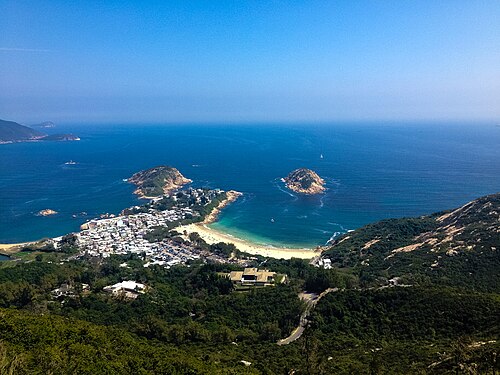
石澳 Shek O
Shek O is a coastal village and beach area on the southeastern shore of Hong Kong Island. The local name 石澳 reflects its identity in both Chinese characters and romanised form.
嗇色園可名別苑 Sik Sik Yuen Ho Ming Monastery
Sik Sik Yuen Ho Ming Monastery is a Buddhist religious site located within the grounds of Wong Tai Sin Temple complex in Kowloon, Hong Kong.
SoHo East 蘇豪東
SoHo East is a dining and entertainment district on the eastern shore of Hong Kong Island, positioned along the Sai Wan Ho waterfront.
赤柱市集 Stanley Market
Stanley Market is a well-known outdoor shopping destination located in the Stanley district of Hong Kong Island. The local name is 赤柱市集 Stanley Market.
大欖涌水塘紀念碑 Tai Lam Chung Reservoir Memorial Stone
Tai Lam Chung Reservoir Memorial Stone is a commemorative monument located in the vicinity of Tai Lam Chung Reservoir, Hong Kong's first country park reservoir completed in the 1950s.
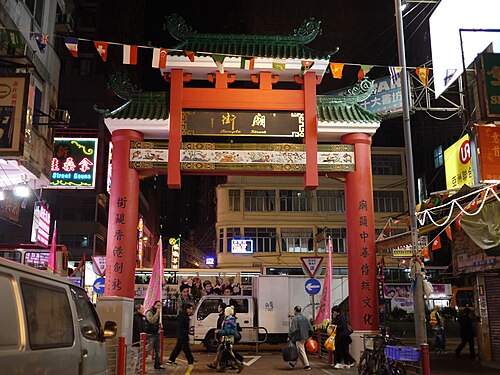
廟街夜市 Temple Street Night Market
Temple Street Night Market is a well-known open-air market in Hong Kong, located in Yau Ma Tei, Kowloon. The street stretches from Man Ming Lane in the north to Nanking Street in the south.
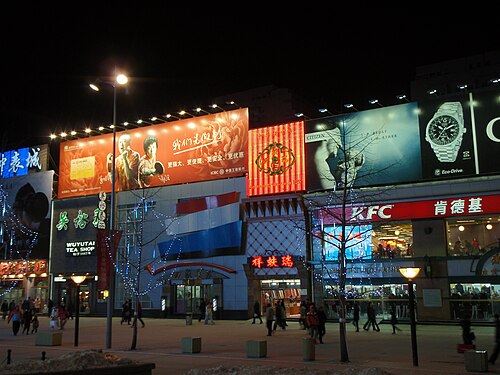
王府井大街
Wangfujing Street is Beijing's most famous central shopping street and a major pedestrian visitor district. Located in Dongcheng District near the Forbidden City, it stretches as a commercial thoroughfare that has served as a retail hub for over a century.
朱家角古镇旅游区
Zhujiajiao Ancient Town is a historic water town located in the Qingpu District of Shanghai municipality. The settlement dates to the Yuan dynasty period and developed as a trading hub along the Dianshan Lake watershed.
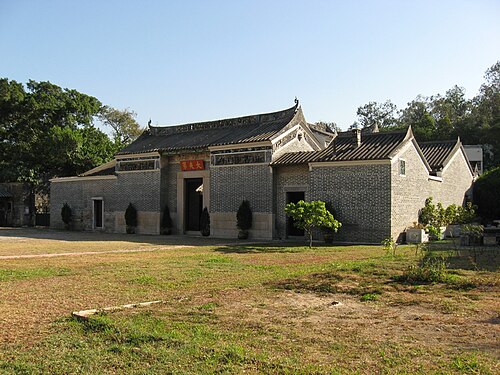
大夫第 Tai Fu Tai
赤柱清真寺 Stanley Mosque
坳背灣 Au Pui Wan
南京博物院
苏州博物馆
青松觀 Ching Chung Koon
滘西洲石刻 Kau Sai Chau Rock Carving
苏州丝绸博物馆
Source: OpenStreetMap contributors, Wikidata ·
Twelve to eighteen days can link Beijing, Xi'an, and Shanghai by high-speed rail, with Shenzhen as a southern extension. Hong Kong and Macao need separate border planning and should not be treated as ordinary domestic stops on the same timetable.
Entry rules differ between mainland China, Hong Kong, and Macao, even within one journey. Check the official immigration authority for every border segment and match the permission to the passport, purpose, and exact itinerary.
High-speed rail and domestic flights cover mainland distances, while metros handle most urban journeys. Hong Kong uses Octopus and separate border controls, and Macao has its own formalities, so prepare payment and identity requirements for each jurisdiction.
April to May and September to October are only broad mainland planning windows. Beijing, Shanghai, the south, Hong Kong, and Macao have different heat, rain, and holiday pressures; the least flexible regional leg should set the dates.
Mainland China uses renminbi (CNY), while Hong Kong and Macao use HKD and MOP. Payment systems and card acceptance differ across those jurisdictions, so prepare the appropriate local method before crossing each border.
On the mainland, save 110 for police and 120 for medical help; Hong Kong and Macao use separate emergency systems. Mainland electricity is recorded as 220 V with Type A, C, and I sockets, while tap-water guidance is not recorded.