Peng Chau Market
坪洲街市 Peng Chau Market
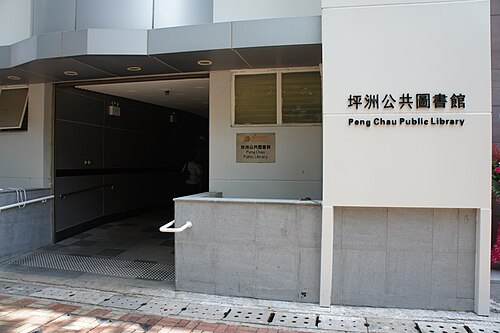
Peng Chau Market is a local marketplace on Peng Chau, one of Hong Kong’s outlying islands. It serves everyday community shopping rather than functioning as a staged visitor attraction.
- Notable
- Market
- Hong Kong
Country guide
China covers 9.6 million km², third largest of any country, and holds more than 1.4 billion people — about 17 per cent of everyone alive. It is divided into 33...
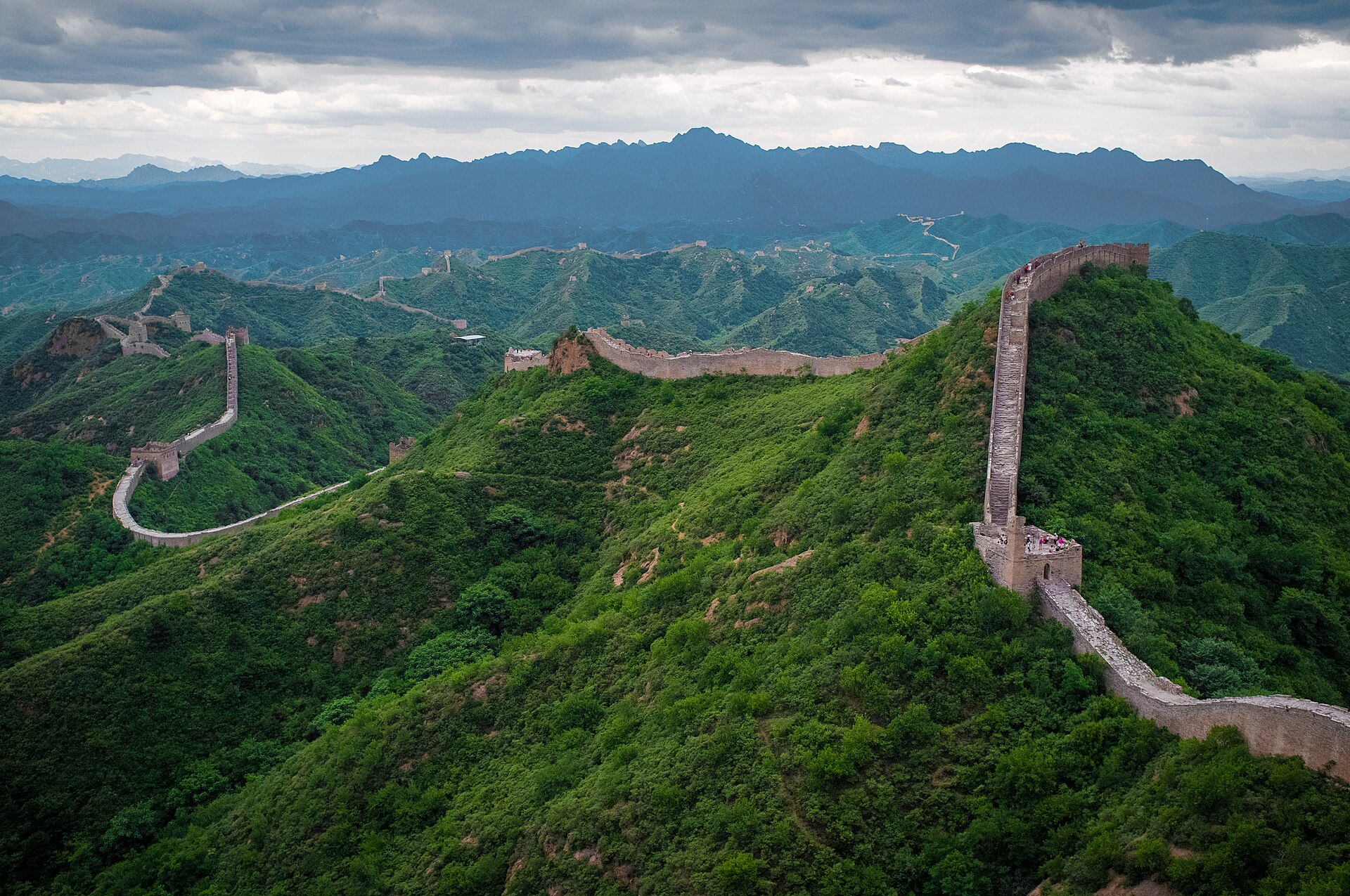
Photograph · Severin.stalder · CC BY-SA 3.0
Reviewed by Elena Voss · Roavina Travel Editor
China covers 9.6 million km², third largest of any country, and holds more than 1.4 billion people — about 17 per cent of everyone alive. It is divided into 33 province-level divisions, two of them special administrative regions.
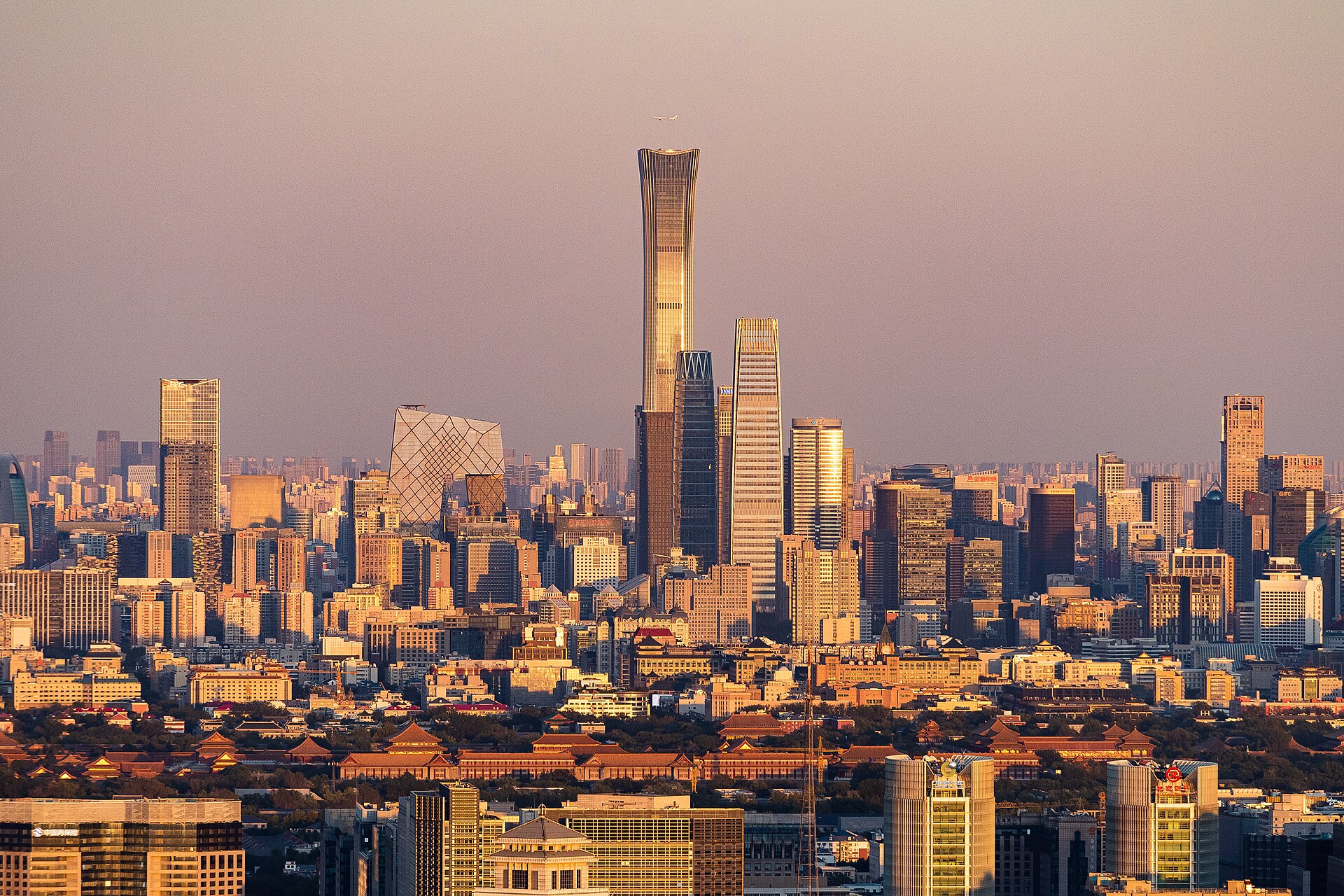
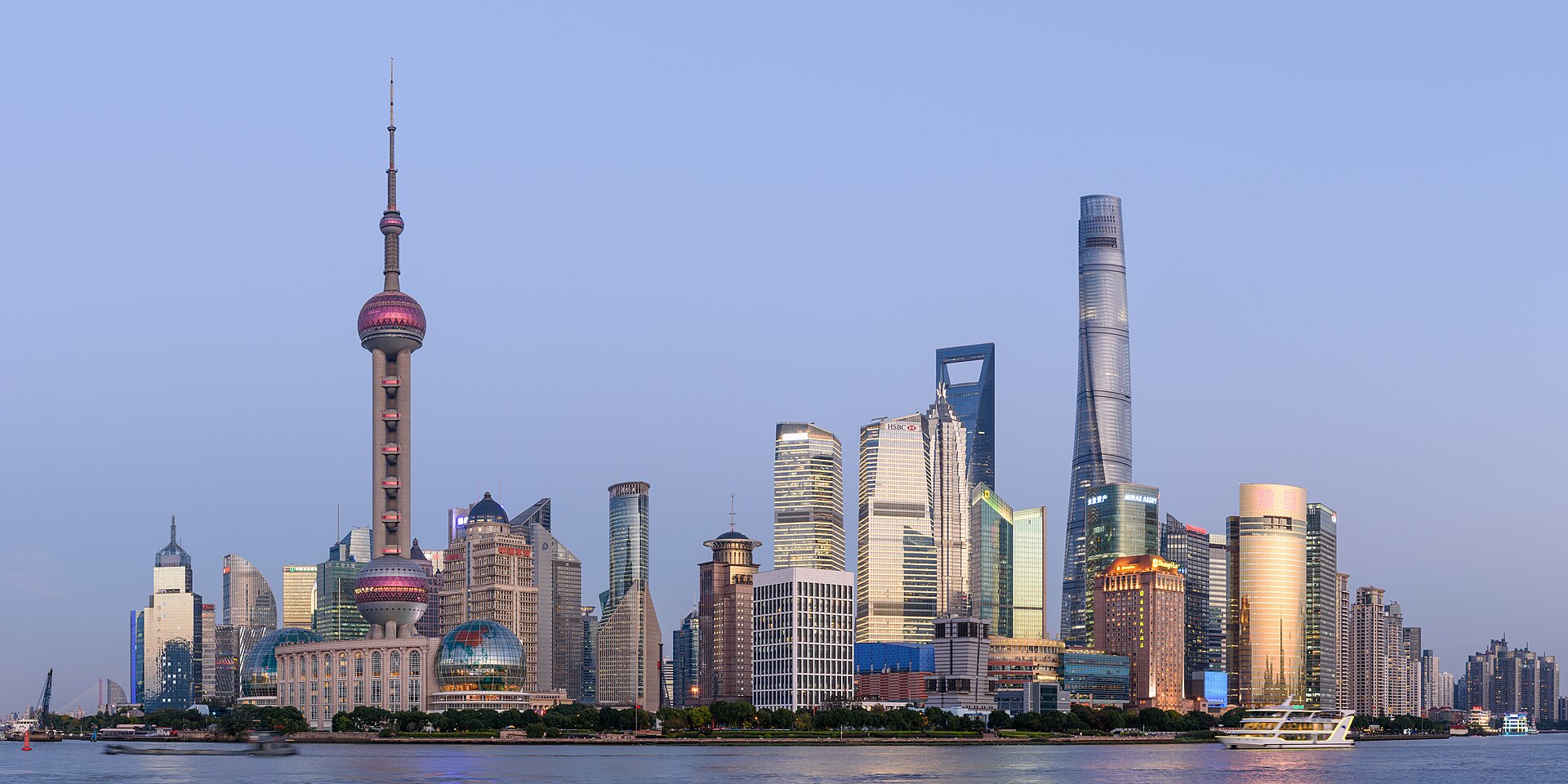
Beijing is the capital; Shanghai is the most populous city by urban area. Between them the land runs from the Central Plain and the Yangtze and Yellow rivers out to desert, plateau, subtropical and temperate forest, and the Himalayas in the southwest. The first decision a visitor makes here is therefore not which sight to see but which climate to travel in.
Checked 2026-08-25
Every city catalogued in this country so far, ranked by how much there is to see.
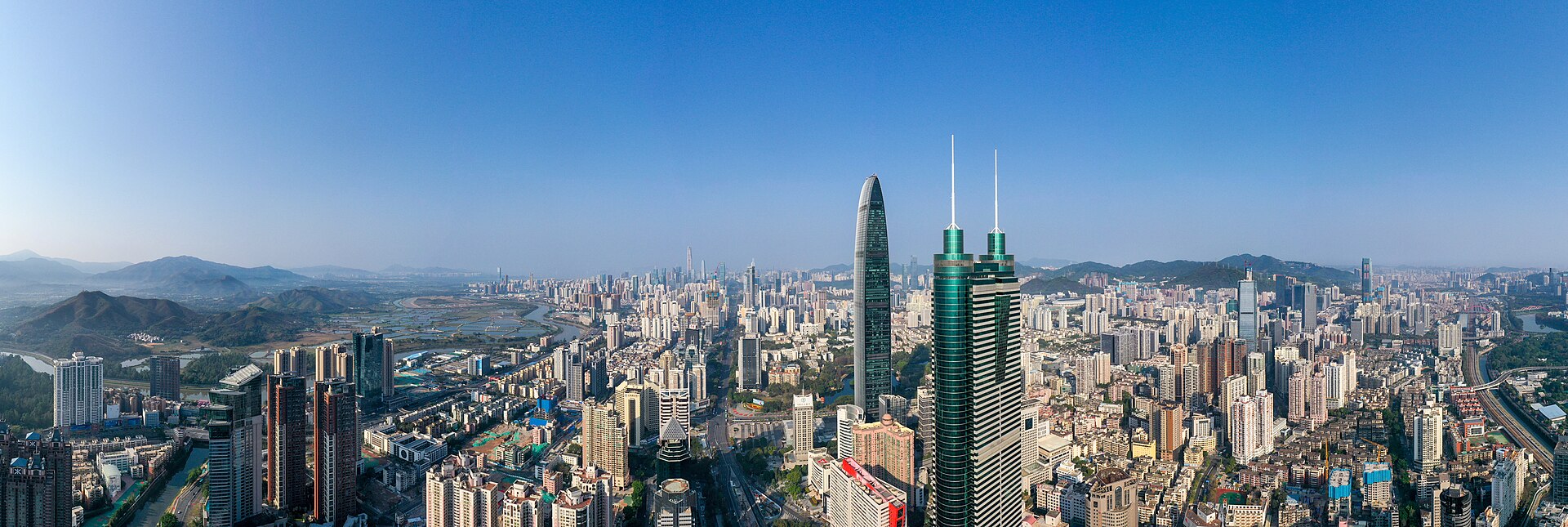
Photograph · N509FZ · CC BY-SA 4.0
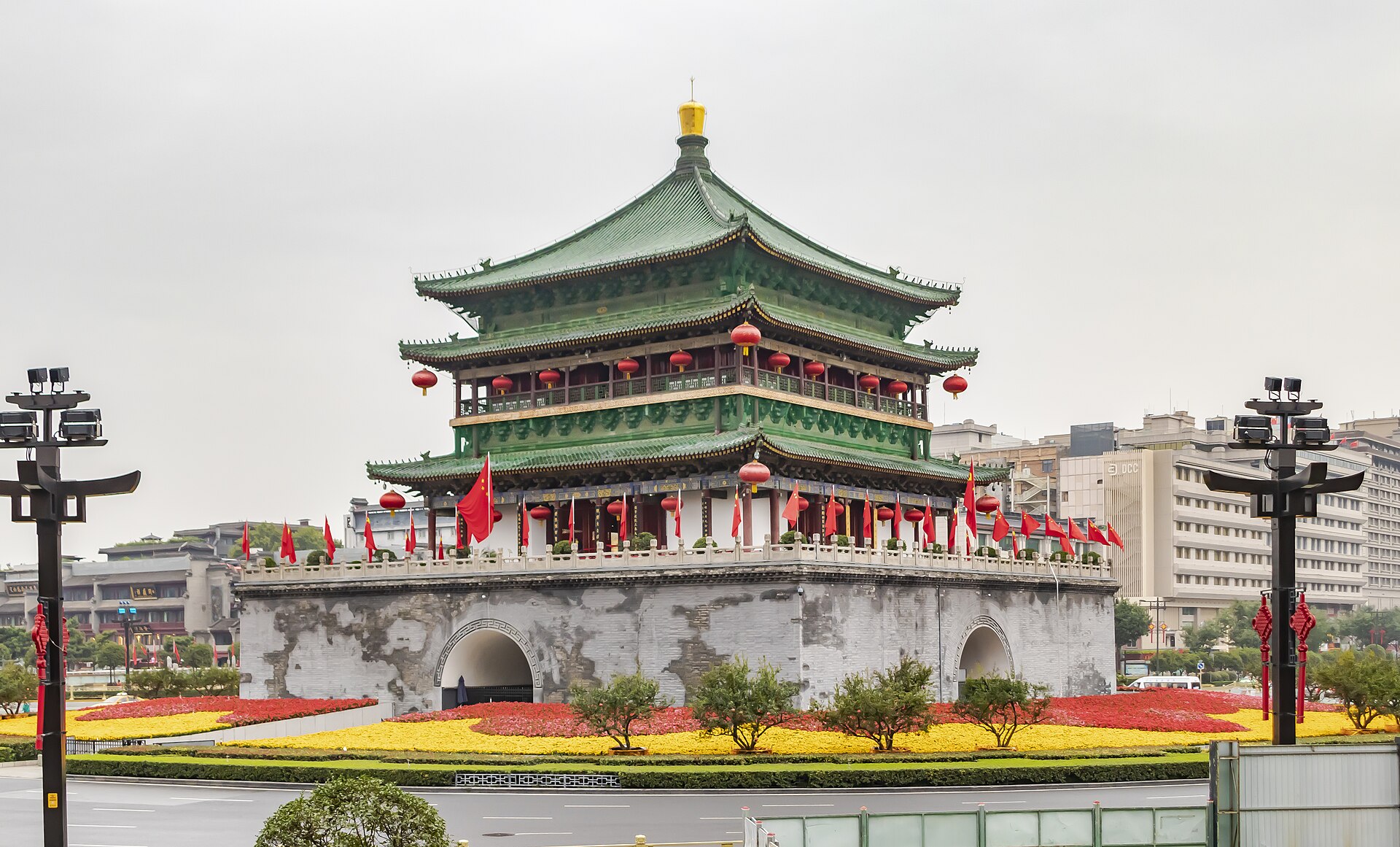
Photograph · King of Hearts · CC BY-SA 4.0
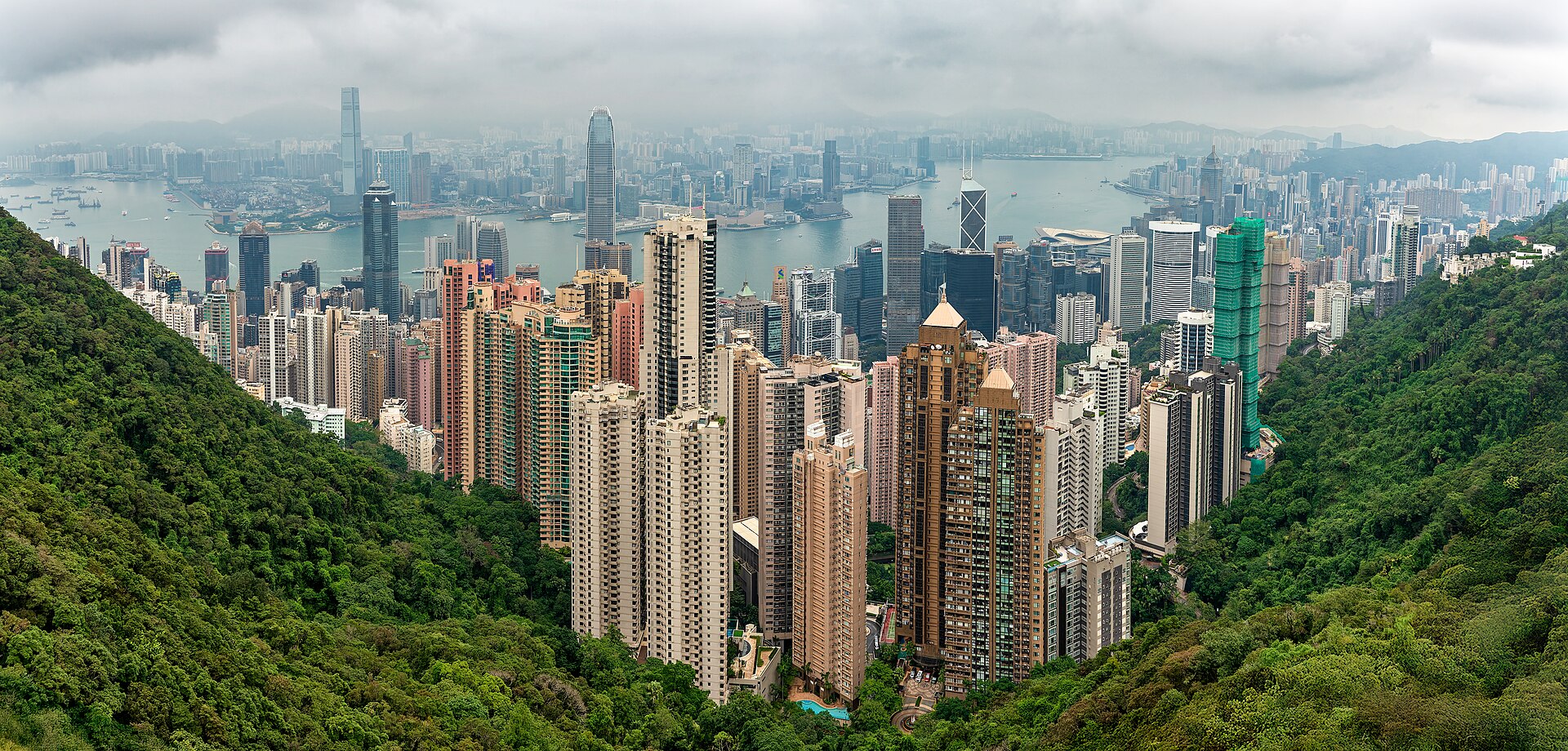
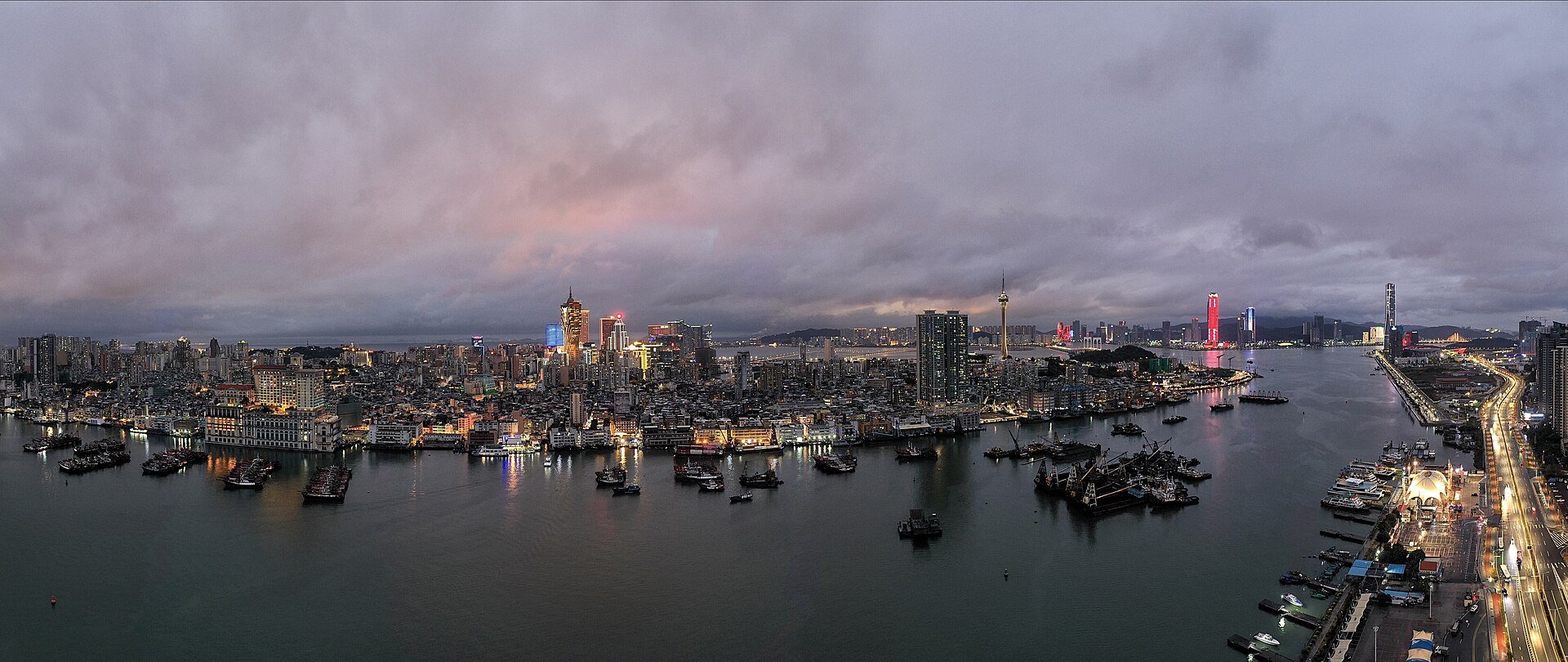
Photograph · Mustang Joe · CC0
Photograph · Charlie fong · CC BY-SA 4.0
Photograph · ScareCriterion12 · CC BY-SA 4.0
Photograph · Charlie fong · CC BY-SA 4.0
Ranked by importance — sitelinks, pageviews and heritage status, not editor preference.
421 places match
Category
Typical visit duration
坪洲街市 Peng Chau Market
Peng Chau Market is a local marketplace on Peng Chau, one of Hong Kong’s outlying islands. It serves everyday community shopping rather than functioning as a staged visitor attraction.
前海冰雪世界
Qianhai Snow World is an indoor snow and ice entertainment complex in Shenzhen’s Qianhai area. It offers a winter-themed leisure experience in a subtropical coastal city where natural snow is not part of everyday life.
前海石公园
Qianhai Stone Park is a landscaped public park in Shenzhen’s Qianhai area. Its defining feature is a prominent stone monument, set within a green urban space shaped by the district’s rapid modern development.
秦二世陵遗址公园
Qin Ershi Mausoleum Heritage Park preserves the burial site of Qin Er Shi, the second emperor of the Qin dynasty. The site offers a focused encounter with the later chapter of the dynasty that unified China.
秦岭四宝科学公园
Qinling Four Treasures Science Park is a wildlife and conservation-focused attraction in the Xi'an area. Its name refers to four characteristic Qinling species: the giant panda, golden snub-nosed monkey, takin, and crested ibis.
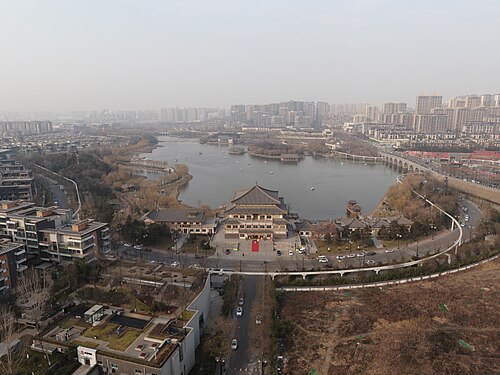
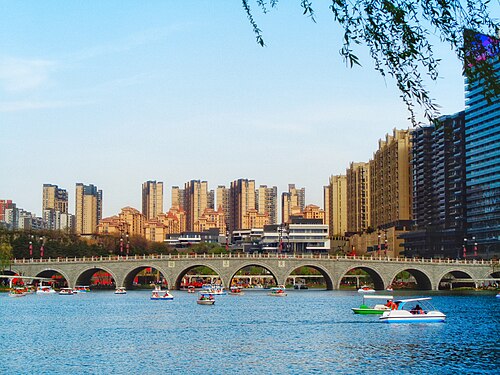
曲江池遗址公园
Qujiang Pool Heritage Park is a reconstructed heritage landscape in Xian, China, occupying the site of the historic Qujiang Pool that flourished during the Tang Dynasty.
曲江海洋极地公园
Qujiang Polar Ocean Park is a marine-themed family attraction in Xi'an's Qujiang New District, known locally as 曲江海洋极地公园. It offers an alternative to the city's archaeological and dynastic landmarks, with a visit centred on aquatic displays and polar wildlife.
红砖美术馆
The Red Brick Art Museum is a contemporary art institution in Beijing, China. Its local name is 红砖美术馆. The museum occupies a distinctive architectural complex that integrates exhibition spaces with landscaped gardens and water features.
革命公园
Revolution Park, known locally as 革命公园, is a public urban park in Xi'an. The park provides a green setting within a city whose major attractions often focus on walls, towers, museums and imperial history.
玫瑰海岸
Rose Coast, also known locally as 玫瑰海岸, is a coastal scenic destination in Shenzhen. The experience centers on shoreline scenery and landscaped outdoor spaces, offering a change from the city’s towers and commercial streets.
三里屯
Sanlitun is a lively commercial and nightlife district in Beijing’s Chaoyang District. Once associated with the city’s diplomatic quarter, it now brings together shopping, dining, international brands, bars, hotels, and social life across a busy urban area.
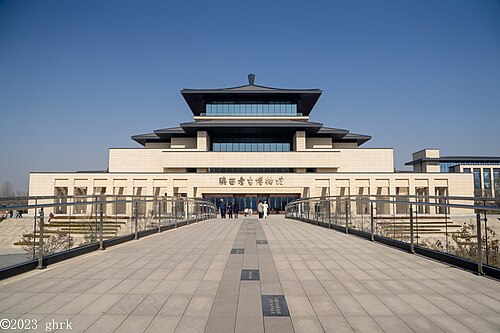
陕西考古博物馆
Shaanxi Archaeological Museum introduces the archaeology of Shaanxi through objects, excavation contexts, and the long sequence of cultures that shaped the region.
深水埗玉石巿場 Sham Shui Po Jade Market
Sham Shui Po Jade Market is a specialized trading venue in Hong Kong's Sham Shui Po district, a working-class neighbourhood known for its electronics markets and street-level commerce.
上海电影博物馆
The Shanghai Film Museum is a cultural institution dedicated to the history and art of Chinese cinema, with particular emphasis on Shanghai's foundational role in the nation's film industry.
上海海昌海洋公园
Shanghai Haichang Ocean Park is a major marine-themed amusement park in Shanghai, China. Opened in 2018, it represents a significant tourism investment in the Pudong New Area, near the Dishui Lake region.
上海天文馆
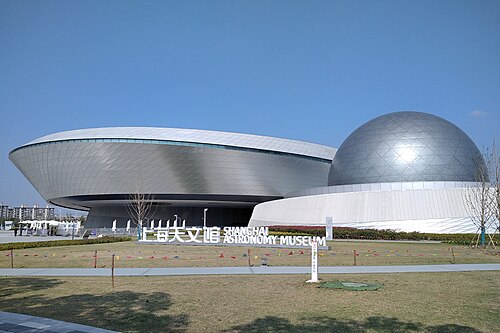
Shanghai Astronomy Museum is a dedicated astronomy and space museum in Shanghai, known locally as 上海天文馆. Its visit combines scientific storytelling with an architectural experience built around astronomical forms.
石澳 Shek O
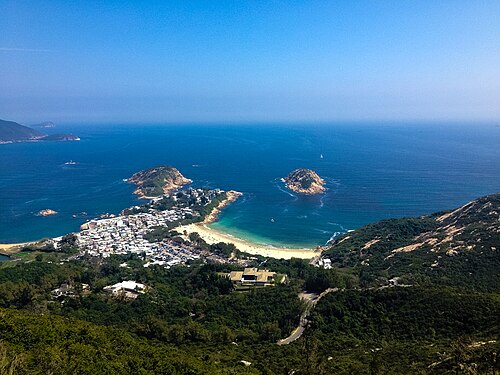
Shek O is a coastal village and beach area on the southeastern shore of Hong Kong Island. The local name 石澳 reflects its identity in both Chinese characters and romanised form.
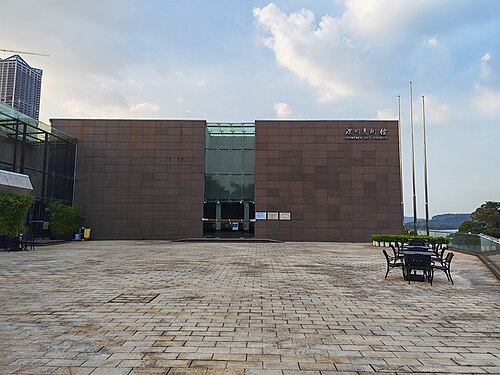
深圳美术馆
Shenzhen Art Museum, or 深圳美术馆, is a public art institution in Shenzhen, China. It provides exhibition, collection, research and art-promotion functions within a city known for rapid development and expanding cultural investment.
深圳湾万象城
MixC Shenzhen Bay is a major shopping complex in Shenzhen, a city in southern China adjacent to Hong Kong. It forms part of the MixC portfolio developed by China Resources Land, a prominent mainland property developer.
深圳湾公园
Shenzhen Bay Park is a coastal linear park stretching along Shenzhen Bay in southern Shenzhen, Guangdong Province, China. The park forms part of the city's waterfront green corridor, facing Hong Kong across the bay.
深圳博物馆古代艺术馆
Shenzhen Museum of Ancient Art presents Chinese historical art and archaeological heritage in a museum setting. It offers a quieter, object-focused counterpoint to Shenzhen’s technology districts and contemporary attractions.
深圳古生物博物馆
Shenzhen Paleontology Museum is a natural-history destination devoted to fossils, ancient life, and geological history. Its Chinese name is 深圳古生物博物馆.
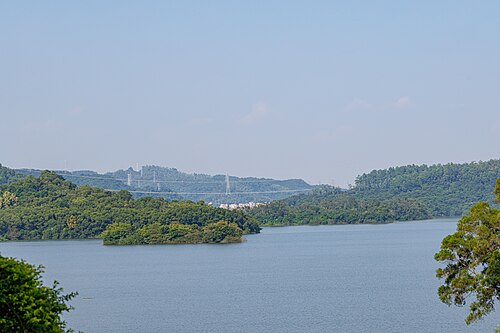
深圳水库
Shenzhen Reservoir, known locally as 深圳水库, is a major water-storage facility in Shenzhen, Guangdong.
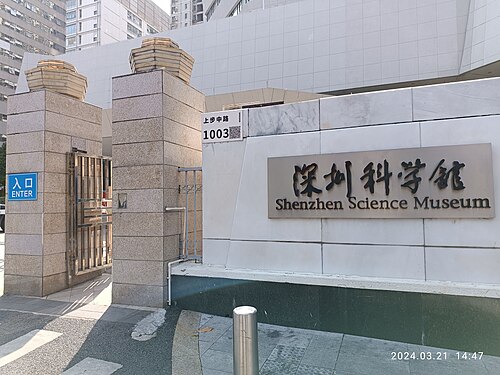
深圳科学馆
Shenzhen Science Museum, known locally as 深圳科学馆, is a science education venue in Shenzhen. It belongs to the city’s cultural and educational landscape and reflects Shenzhen’s strong connection with technology and scientific learning.
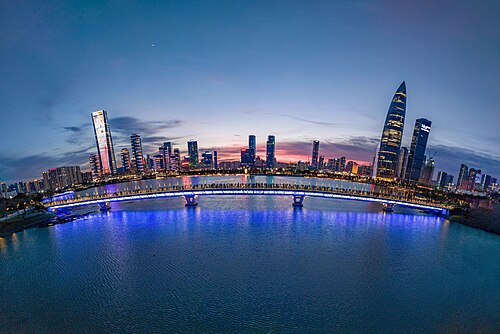
深圳人才公园
Shenzhen Talent Park is a waterfront public park in Shenzhen, China. Its local name is 深圳人才公园. The park is situated in the Nanshan District near Shenzhen Bay, forming part of the city's coastal park network.
Twelve to eighteen days can link Beijing, Xi'an, and Shanghai by high-speed rail, with Shenzhen as a southern extension. Hong Kong and Macao need separate border planning and should not be treated as ordinary domestic stops on the same timetable.
Entry rules differ between mainland China, Hong Kong, and Macao, even within one journey. Check the official immigration authority for every border segment and match the permission to the passport, purpose, and exact itinerary.
High-speed rail and domestic flights cover mainland distances, while metros handle most urban journeys. Hong Kong uses Octopus and separate border controls, and Macao has its own formalities, so prepare payment and identity requirements for each jurisdiction.
April to May and September to October are only broad mainland planning windows. Beijing, Shanghai, the south, Hong Kong, and Macao have different heat, rain, and holiday pressures; the least flexible regional leg should set the dates.
Mainland China uses renminbi (CNY), while Hong Kong and Macao use HKD and MOP. Payment systems and card acceptance differ across those jurisdictions, so prepare the appropriate local method before crossing each border.
On the mainland, save 110 for police and 120 for medical help; Hong Kong and Macao use separate emergency systems. Mainland electricity is recorded as 220 V with Type A, C, and I sockets, while tap-water guidance is not recorded.