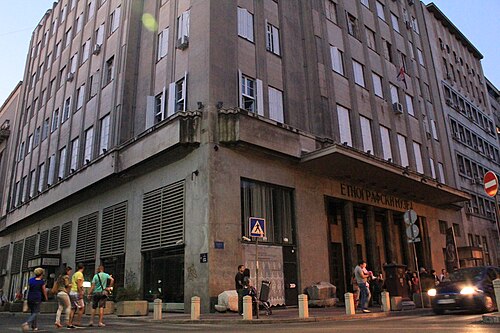
Ethnographic Museum
Etnografski muzej
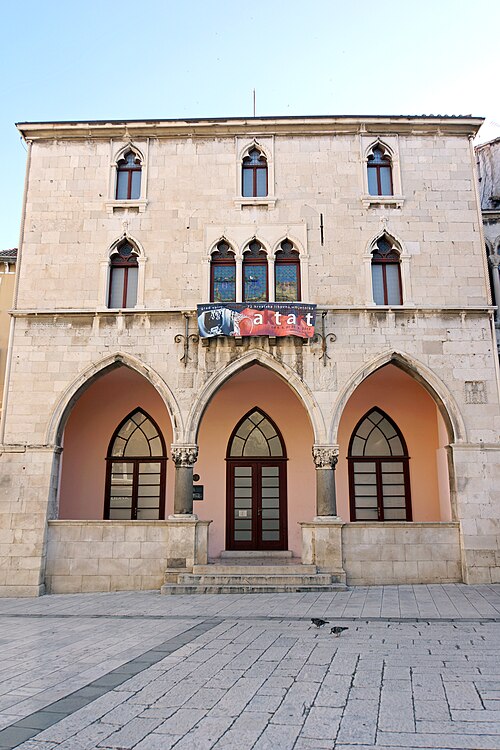
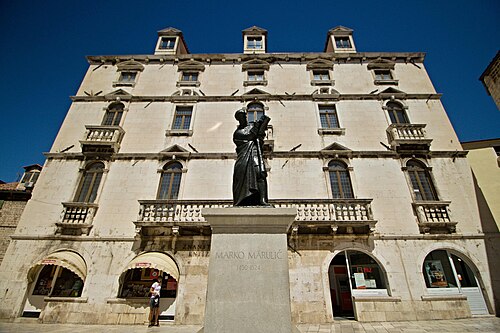
The Ethnographic Museum Split sits in the city’s historic core and introduces travellers to the material and social traditions of Dalmatia.
- Must see
- Museum
City guide · Croatia
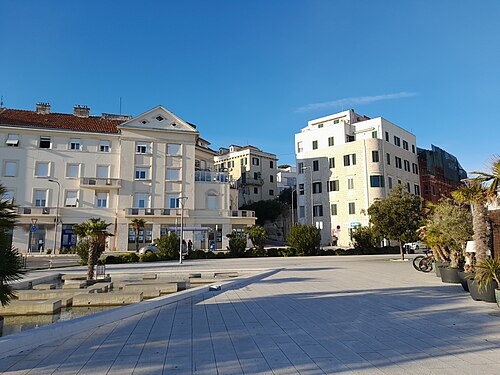
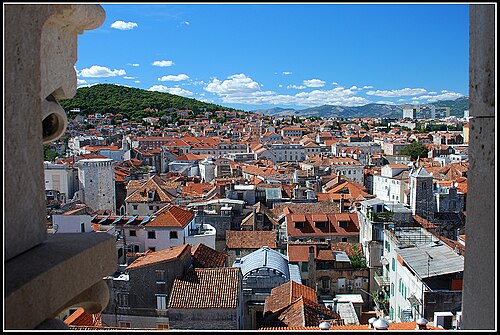
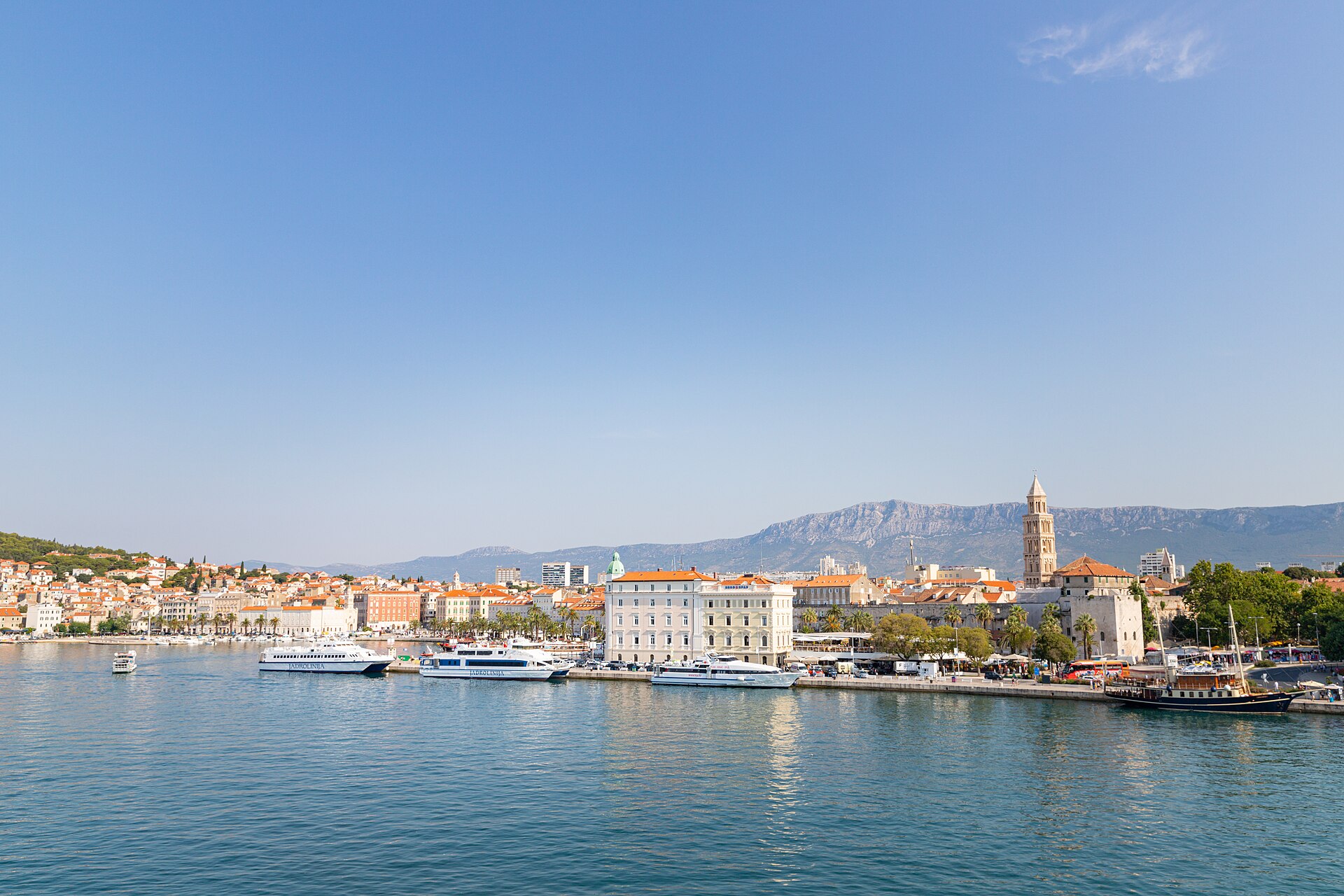
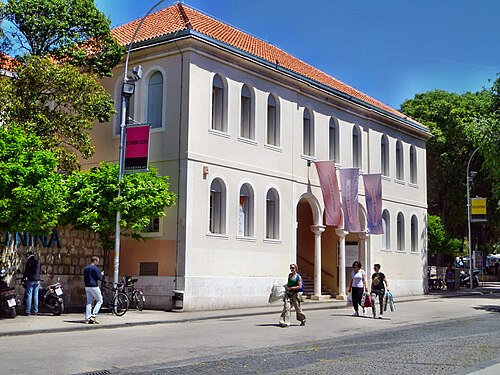
Split's historic core grows directly out of Diocletian's Palace and opens onto the Riva, creating a dense pedestrian centre between stone lanes and the harbour....
Photograph · dronepicr · CC BY 2.0
Set your days, your pace and the hours you actually want to be out. The planner works around closing days and travel time, and leaves room to eat.
Editorial responsibility: Elena Voss · Roavina Travel Editor
Split's historic core grows directly out of Diocletian's Palace and opens onto the Riva, creating a dense pedestrian centre between stone lanes and the harbour. Marjan rises west of that core, while city beaches spread along separate shores. Trogir and the islands are outward journeys rather than neighbourhoods of Split. The port places ferries, intercity buses and local movement in the same busy waterfront zone.
Checked 2026-08-26
November · November in Split has mean high 14.9°C, mean low 9.9°C, rainfall 111.9 mm, 12.2 rain days. Cooler temperatures and more frequent rain limit long outdoor days. A flexible November itinerary in Split is more realistic than a long exposed walking day.
Ranked by importance — sitelinks, pageviews and heritage status, not editor preference.
60 places match
Category
Typical visit duration
Good for
Interests
Etnografski muzej
The Ethnographic Museum Split sits in the city’s historic core and introduces travellers to the material and social traditions of Dalmatia.
Galerija umjetnina
Gallery of Fine Arts Split, or Galerija umjetnina Split, is an art museum in Split, Croatia. The gallery gives a cultural counterpoint to the Roman remains of Diocletian’s Palace and the busy waterfront.
Hrvatsko narodno kazalište u Splitu
Matejuška
Matejuška Harbour is a small historic fishing port on the western end of Split’s Riva waterfront. Its boats, stone quays, nets and working maritime setting offer a close look at the city’s coastal character.
Sustipan is a coastal park and promontory on the Marjan peninsula, west of Split's historic core. The site occupies elevated ground above the Adriatic, offering views toward the harbour and islands.
Varoš
Varoš Quarter, locally known as Varoš, is one of the oldest residential neighbourhoods in Split, Croatia.
Staro židovsko groblje
Stadion Poljud
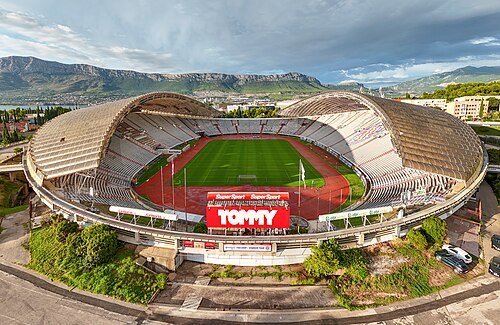
Poljud Stadium, known locally as Stadion Poljud, is a multi-purpose sports venue located in Split, Croatia. It serves as the home ground of HNK Hajduk Split, one of the country's most storied football clubs.
Stara gradska vijećnica
Old City Hall is a historic civic building in Split’s old town. Its administrative purpose connects it with the city’s civic heritage, while its setting places it within the layered historic centre.
Voćni trg
Fruit Square, known locally as Voćni trg, is a historic public square in Split, Croatia. The square takes its name from the fruit market that historically operated in this space.
Kaštelet Meštrović
Ivan Meštrović's Kaštelet is a historic property in Split associated with the renowned Croatian sculptor Ivan Meštrović. The site forms part of the broader Meštrović legacy in the city, which includes multiple cultural institutions.
Zapadna obala
The West Coast Promenade, known locally as Zapadna obala, is a waterfront walkway in Split, Croatia. It runs along the western edge of the city centre, offering views of the Adriatic Sea and the port area.
Radunica
Radunica is a historic residential quarter in Split, Croatia, situated east of Diocletian's Palace. This working-class neighbourhood preserves traditional Dalmatian urban fabric with narrow stone streets and compact houses.
Splitska sinagoga
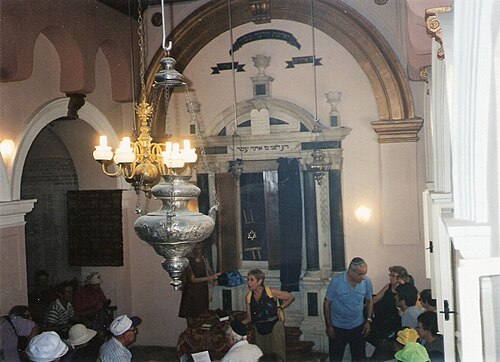
Split Synagogue, known locally as Splitska sinagoga, stands as a Jewish house of worship in the coastal Croatian city of Split.
Crkva svetog Martina
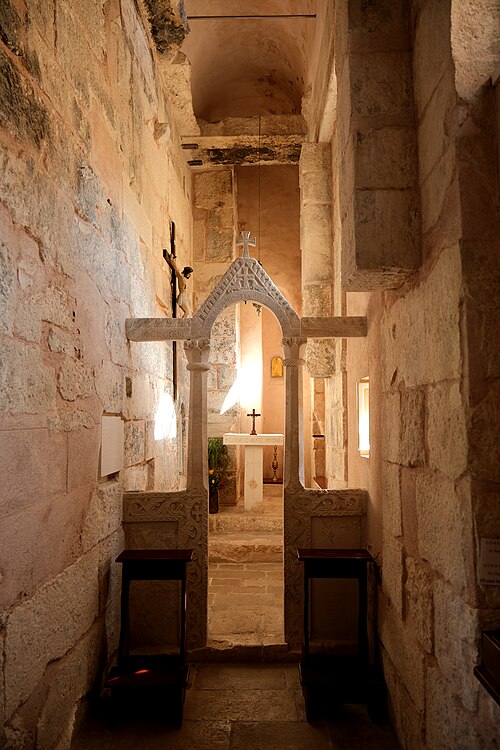
Church of Saint Martin, or Crkva svetog Martina, is a small church within Diocletian's Palace in Split.
Vrh Telegrin
Telegrin Peak, or Vrh Telegrin, is an elevated natural viewpoint in the Split area. The peak belongs to the hilly landscape above the city and offers a different perspective from the streets, palace courtyards, and waterfront promenade below.
Kašjuni
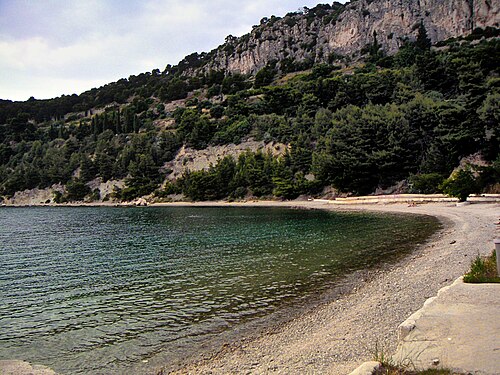
Kasjuni Beach, locally called Plaža Kašjuni, is a pebble beach on the southern side of Marjan Hill, west of Split’s historic centre. Pine-covered slopes frame the bay, creating a greener and quieter setting than the central waterfront.
Plaža Ježinac
Jezinac Beach, locally known as Plaža Ježinac, is a coastal bathing area in Split along the Adriatic shore. It belongs to the city’s network of seaside spaces and offers a straightforward setting for swimming, sunbathing and a short coastal break.
Firule
Firule Beach, locally called Plaža Firule, is a coastal beach in Split on the eastern side of the peninsula. It lies between the city centre and the Bačvice area, making it an easy seaside addition to an urban day.
Spaladium Arena is a large indoor sports and entertainment venue located in Split, Croatia. The arena opened as a multi-purpose facility designed to host basketball, handball, concerts, and other major events.
Prirodoslovni muzej i zoološki vrt Split
Split Science Museum and Zoo, locally called Prirodoslovni muzej i zoološki vrt Split, combines natural-science interpretation with a zoological setting. The attraction broadens a Split itinerary beyond Diocletian’s Palace, the waterfront, and the city’s Roman heritage.
Froggyland is a compact museum in Split devoted to taxidermied frogs arranged in human scenes. The attraction offers an unusual alternative to the city’s Roman monuments, waterfront views, and church interiors.
Game of Thrones Museum Split is a themed attraction devoted to the HBO series and its filming connections with Croatia. Split is closely associated with the production because Diocletian’s Palace and nearby locations provided settings for scenes in the series.
Palača Cindro
Cindro Palace is a historic residence within Split’s Diocletian’s Palace complex. The palace is associated with the Cindro family, a prominent noble family in Split, and represents the later residential layers built into and around the ancient Roman structure.
Palača Milesi
Milesi Palace, known locally as Palača Milesi, is a historic palace within Split’s UNESCO-listed Diocletian’s Palace complex.
Explore the palace substructures, Peristyle, old-town lanes and Riva in one pedestrian sequence. Use another block for Marjan, choosing its access point before climbing, and do not assume every beach lies on that route. Trogir needs a land connection; island visits depend on the sailing selected. Keep those excursions away from a day already committed to the historic core.
Checked 2026-08-26
Walking is the default inside Diocletian's Palace and the old town, where through-traffic is not a useful way to sightsee. City buses serve Marjan approaches, beaches and outer districts, while bicycles suit selected waterfront routes. Ferries and catamarans leave from the port on independent schedules. Use the Split Tourist Board's current transport directory and the named operator for the exact bus or sailing before departure.
Checked 2026-08-26
Suggested stay for a first visit: 2–3 days. Begin with Diocletian's Palace, the old town and Riva, then add Marjan or a city beach. Trogir and island travel need extra itinerary space.
Keep the palace, old-town lanes and Riva in one walking route. Plan Marjan from a chosen access point and place each beach according to its own coast. Treat Trogir or an island as an excursion.
Walk in the palace and old town, use local buses for outer districts and consult the relevant operator for ferries or catamarans. The Tourist Board's transport page links the current options.
The palace, old town and Riva are naturally pedestrian. Marjan's approaches, beaches beyond the centre, Trogir and the port connections require a route choice beyond that compact walk.
Trogir uses a land connection, while each island depends on a specific sailing. Verify the return departure and seasonal operation before leaving Split, especially when accommodation remains in the city.